Artwork
Paintings after Ancient Masters
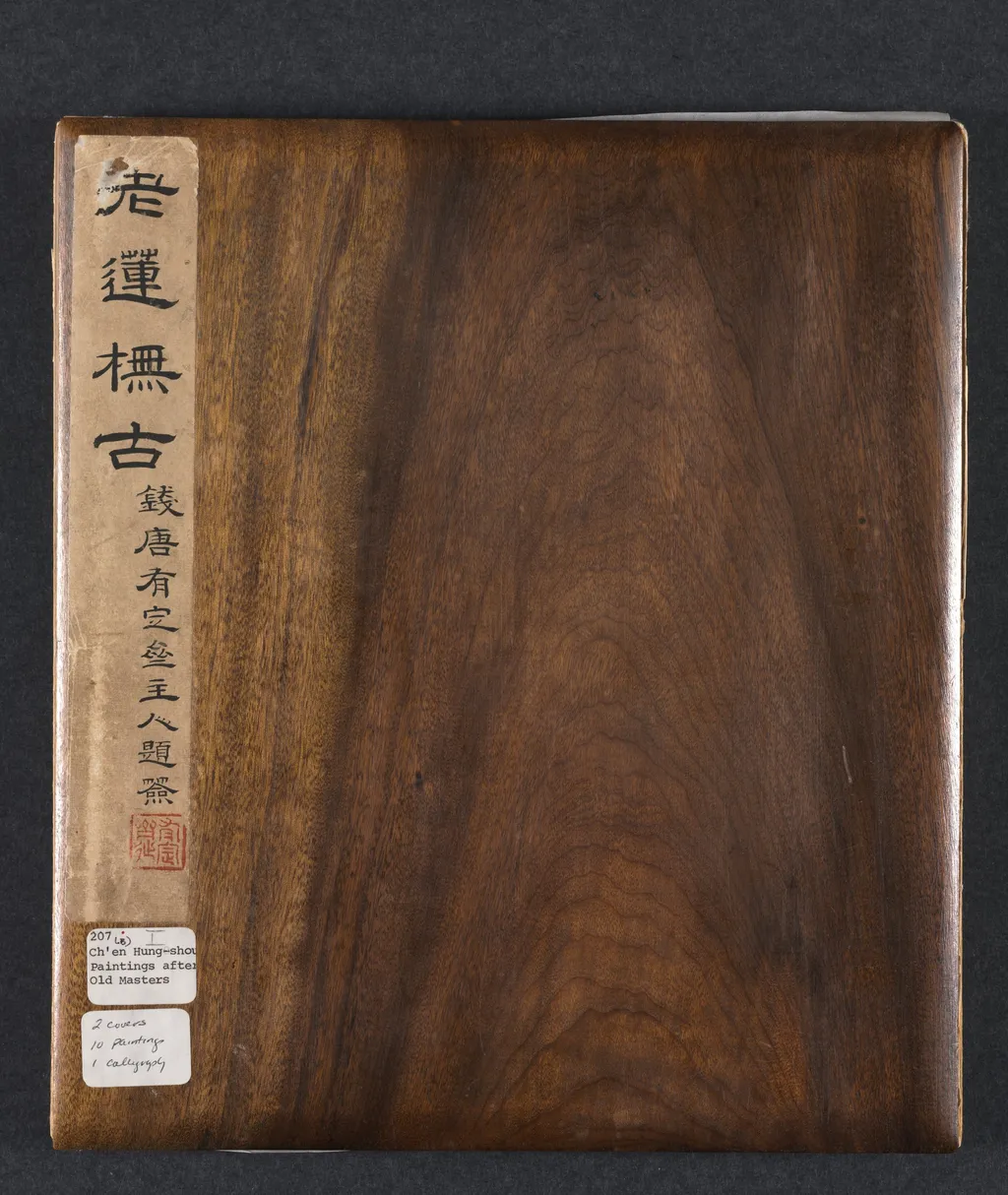
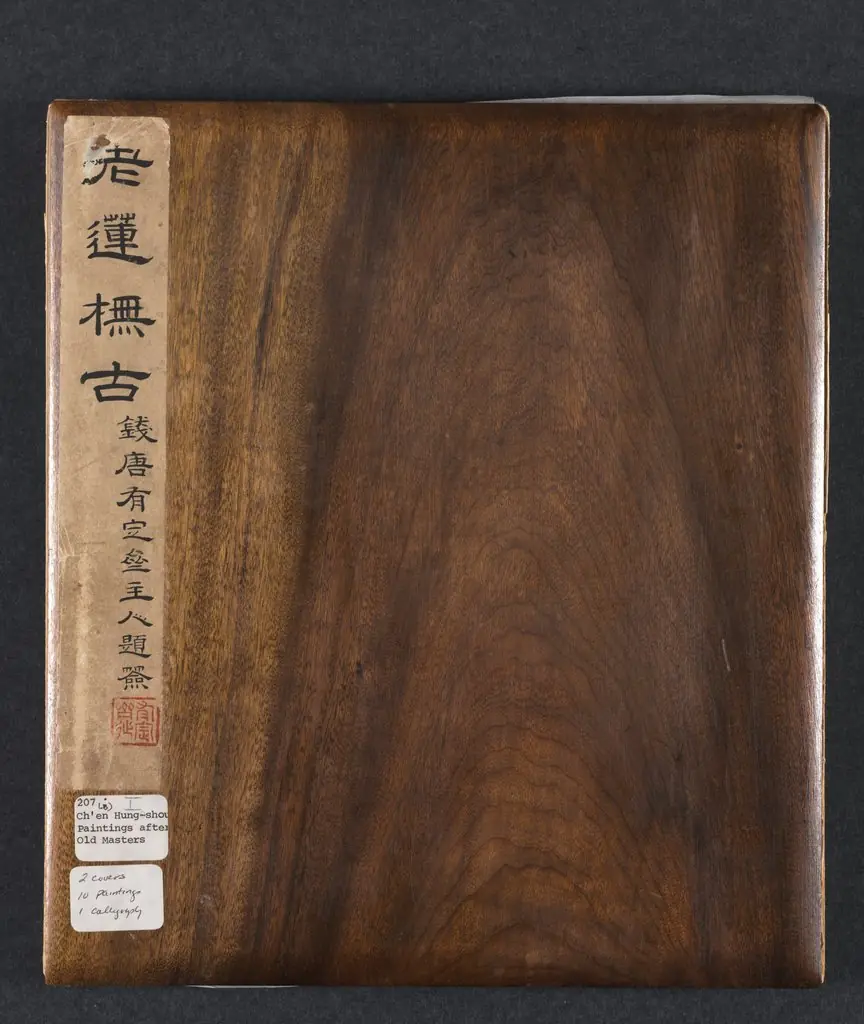
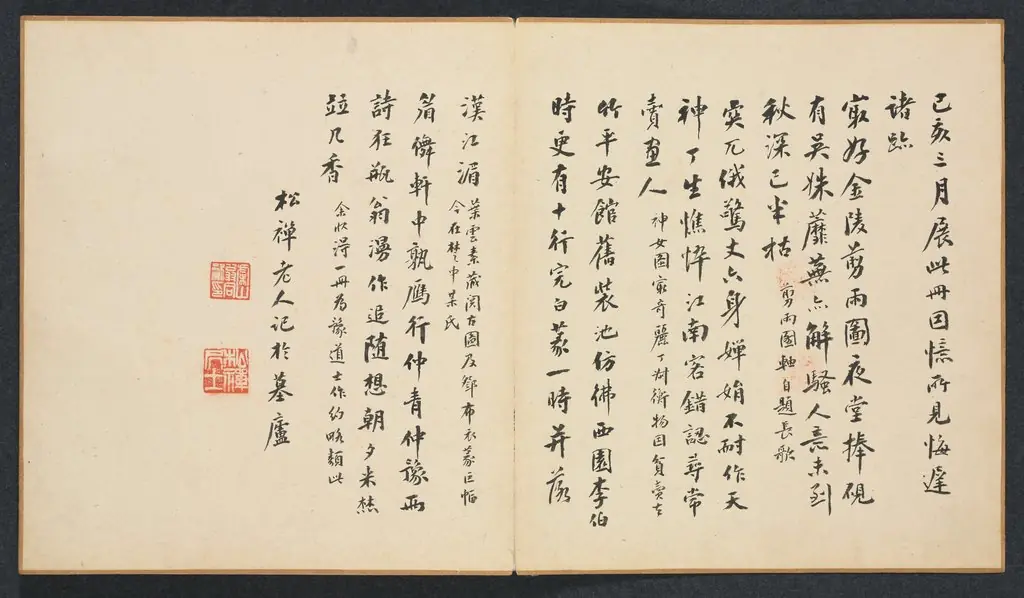
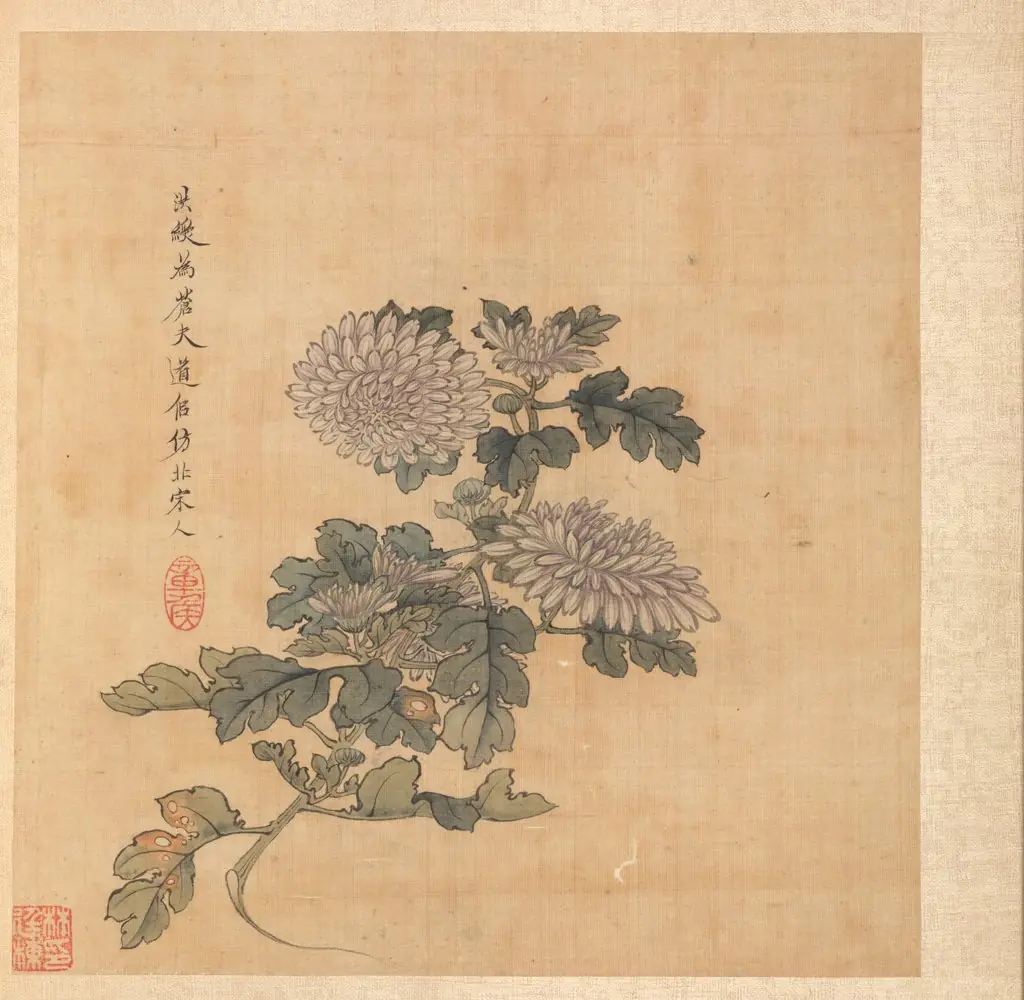
Paintings after Ancient Masters is an unspecified painting by the Chinese Orthodox School artist Chen Hongshou. It dates from 1625 and is held in the collection of the Cleveland Museum of Art.
About this work
Technique & Style
These qualities contribute to an overall aesthetic that balances reverence for historical models with an inventive modulation of form and texture.
Paintings after Ancient Masters depict layered brushwork that fuses meticulous line work with subtle washes, creating a compositional depth that honors classical precedents while introducing a distinctive spatial tension. The surface is built on silk support, a traditional medium that enhances the work's translucency and delicate handling, preserving fine details across the painted plane. Formal analysis notes restrained tonal modulation and a disciplined use of negative space, reflecting the artist's engagement with the stylistic vocabulary of earlier masters yet filtered through a personal interpretive lens.
These qualities contribute to an overall aesthetic that balances reverence for historical models with an inventive modulation of form and texture.
History & Provenance
Paintings after Ancient Masters by Chen Hongshou is held in the collection of the Cleveland Museum of Art, where it is recorded under the inventory number 1979.27. The painting, dated to 1625 and produced in China, entered the museum's holdings as part of its permanent collection. No further details regarding its acquisition history or prior exhibition record are documented in the available sources.
Overview
Created in 1625 by the Chinese painter Chen Hongshou, this work titled Paintings after Ancient Masters is part of the collection at the Cleveland Museum of Art. The piece functions as a visual compilation, presenting a series of images that echo the styles of earlier Chinese masters.
Subject & Meaning
The composition gathers motifs and compositions drawn from classical Chinese painting traditions, serving as a homage to the artistic lineage that preceded the artist. By assembling these references, the work reflects both reverence for and dialogue with historic visual culture.
Context
During the late Ming period, artists often produced collections that referenced antiquity to demonstrate erudition and technical mastery. Chen Hongshou’s compilation aligns with this practice, situating his own skill within a broader continuum of Chinese artistic heritage.
Own this work as a print
Artist & collection
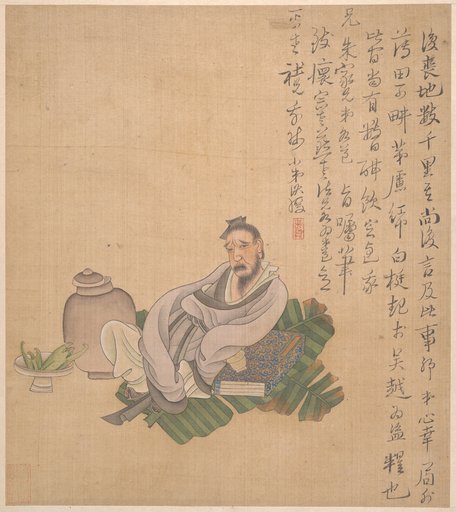

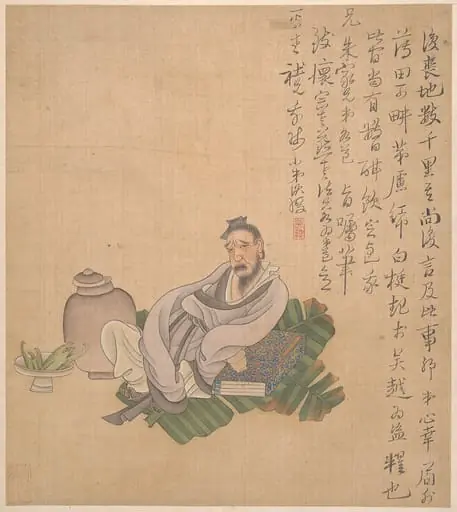 明/清 陳洪綬、陳字 雜畫 冊|Figures, flowers, and landscapes
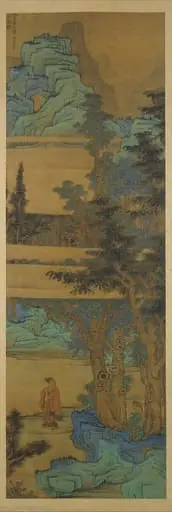 明 陳洪綬 樹下高士圖 軸|Scholar-recluse in blue-green landscape
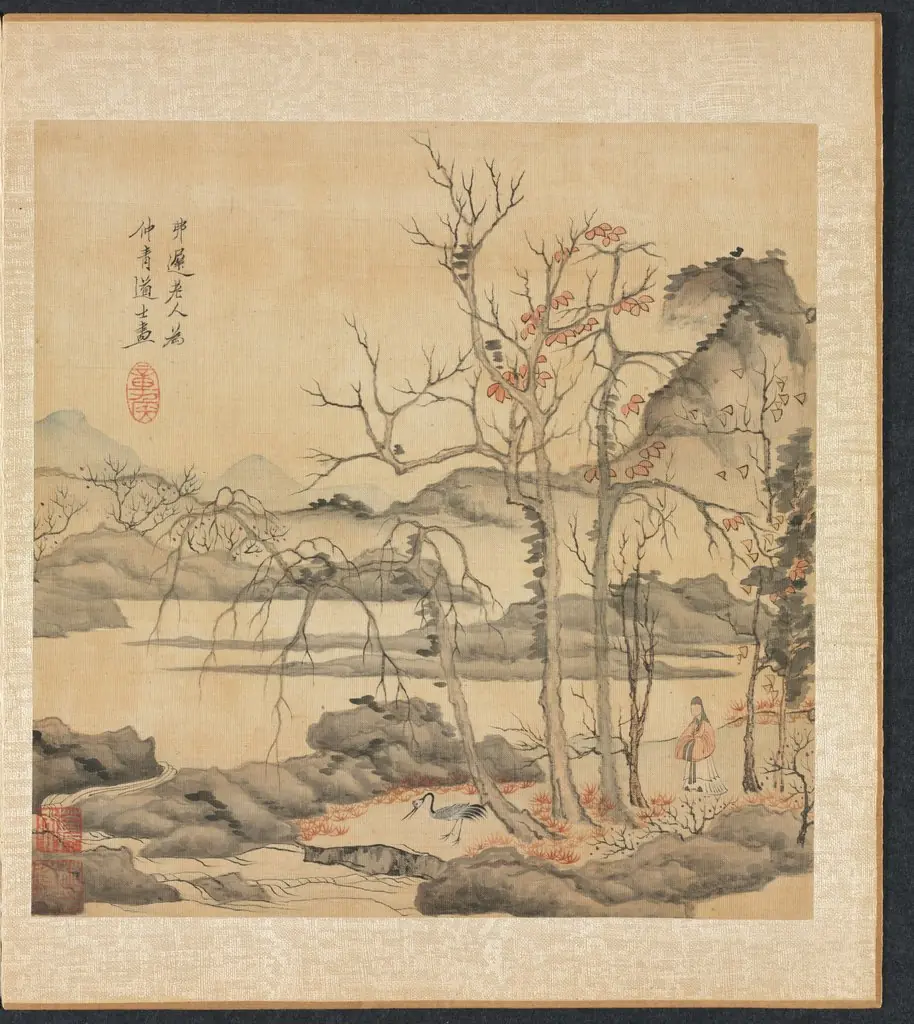 Paintings after Ancient Masters: Daoist and Crane in Autumn Landscape
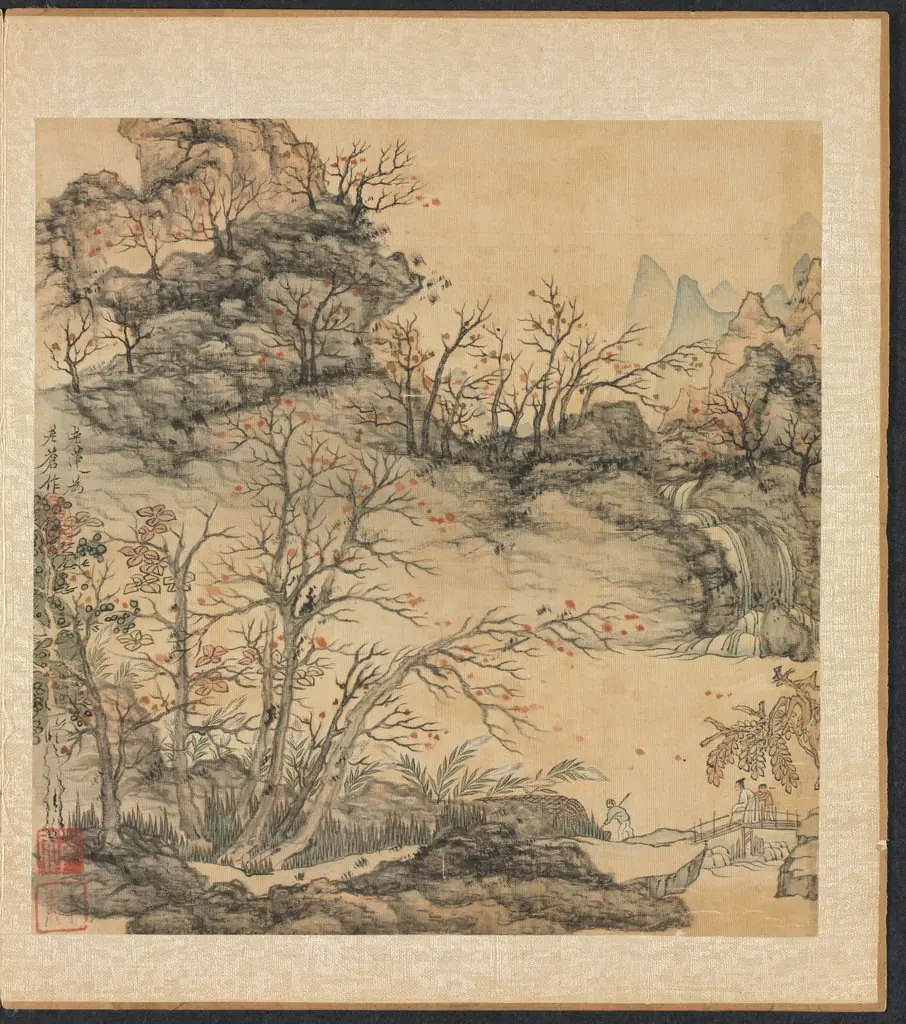 Paintings after Ancient Masters: Autumn Landscape
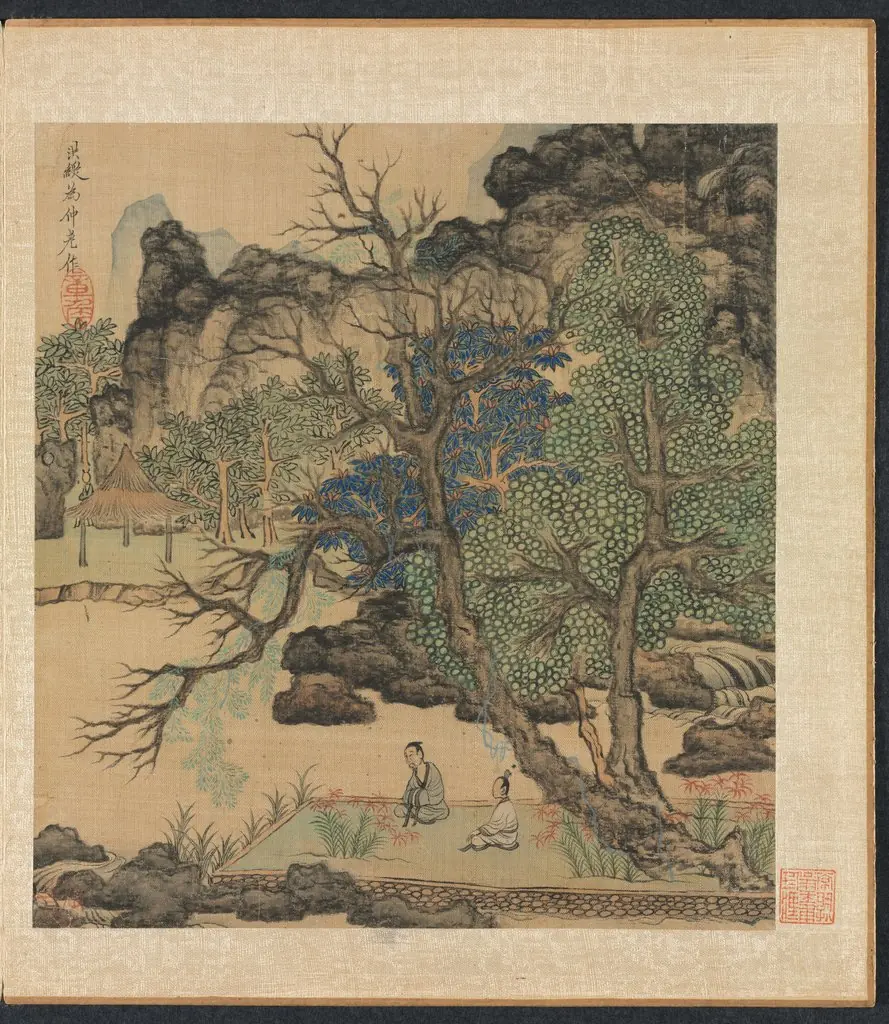 Paintings after Ancient Masters: Scholars in a Garden
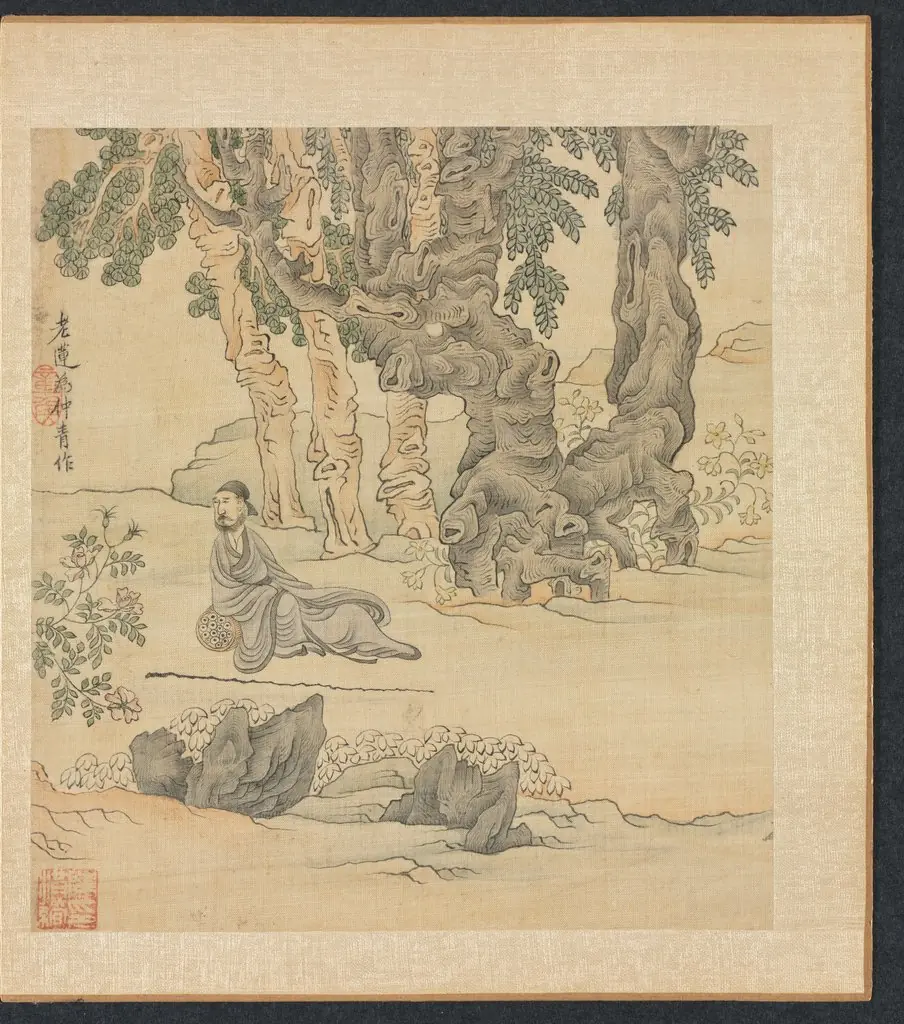 Paintings after Ancient Masters: Portrait of Zhongqing in a Landscape
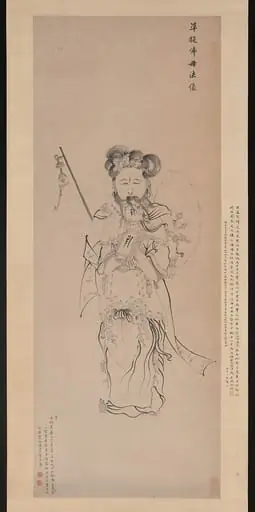 明 陳洪綬 準提佛母法像圖 軸|Bodhisattva Guanyin in the Form of the Buddha Mother
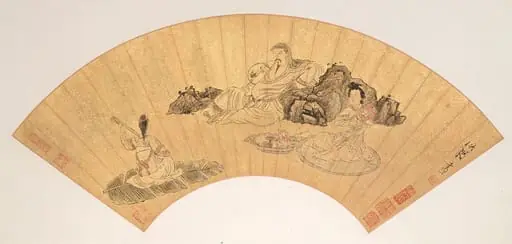 明 陳洪綬 山水花鳥人物圖 扇冊|Landscapes and Flowers