Artwork
Paintings after Ancient Masters: Portrait of Zhongqing in a Landscape
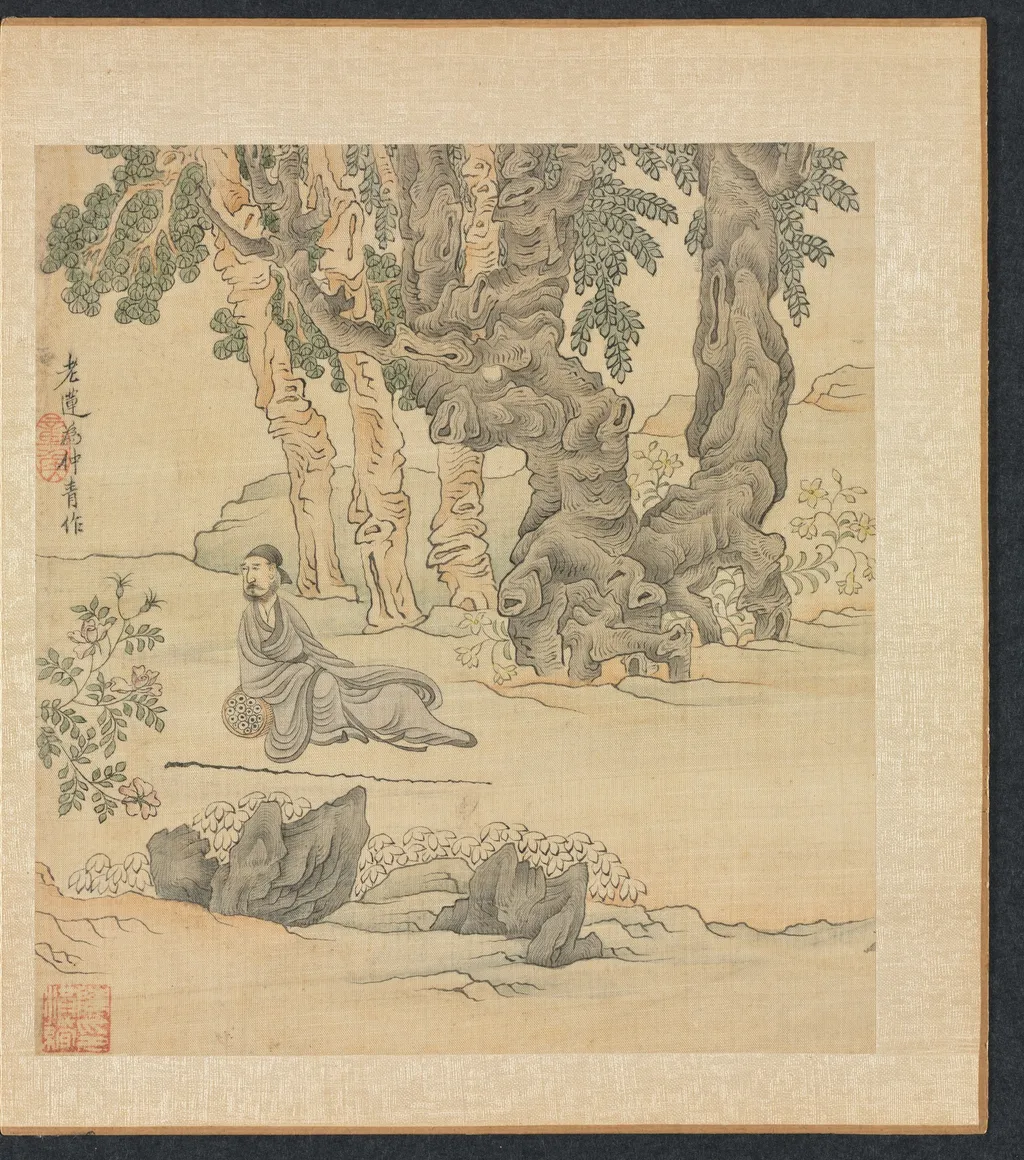
Paintings after Ancient Masters: Portrait of Zhongqing in a Landscape is an unspecified painting by the Ming dynasty painting artist Chen Hongshou. It dates from 1625 and is held in the collection of the Cleveland Museum of Art.
About this work
Subject & Meaning
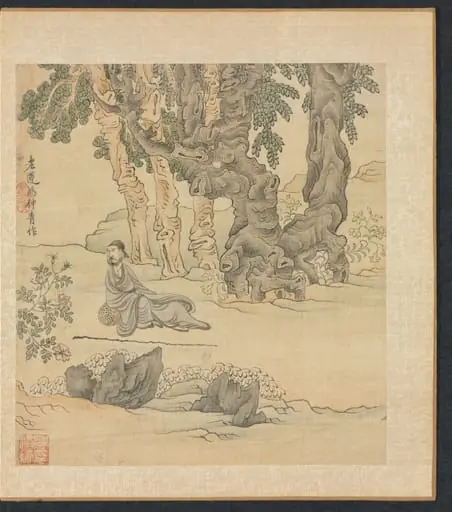
The work depicts Zhongqing, a figure presented within a landscape setting, consistent with its classification as a portrait.
The work depicts Zhongqing, a figure presented within a landscape setting, consistent with its classification as a portrait. The composition includes a tree as a distinct visual element within the scene. Created in 1625 by Chen Hongshou, the painting situates the sitter in a natural environment, though the specific iconographic program or deeper symbolic meaning of the landscape elements is not detailed in the available records.
The title suggests a focus on the individual identity of Zhongqing, while the inclusion of the tree and landscape context may imply a traditional association between the sitter and nature, a common motif in Chinese portraiture of the period.
History & Provenance
Created in 1625 in China, this portrait was executed by the artist Chen Hongshou (also known as Chen Zi). Titled Portrait of Zhongqing in a Landscape and classified within the portrait genre, it depicts its sitter set in a natural environment. The work entered the collection of the Cleveland Museum of Art, Ohio, where it is catalogued under accession number 1979.27.1.8, following its acquisition in 1979.
The specific circumstances of its original commission and the identity of the sitter beyond the title remain undocumented in the available records, and no record of a dedicated exhibition devoted to this piece appears in the available sources.
Overview
This painting, created by Chen Hongshou in 1625, is titled Paintings after Ancient Masters: Portrait of Zhongqing in a Landscape. It presents a solitary figure amidst natural elements, rendered with a distinctive visual language. The work is currently housed at The Cleveland Museum of Art, offering insight into early 17th-century Chinese portraiture and landscape traditions.
Technique & Style
Chen Hongshou employed a muted palette for this painting, primarily utilizing shades of brown and green to depict the landscape and figure. The artist's approach combines a sense of visual simplicity with intricate detailing, particularly evident in the twisted branches of the tree and the man's composed features. This stylistic choice contributes to the work's quiet dignity and its connection to established painting conventions.
Context
The title's reference to "Paintings after Ancient Masters" indicates Chen Hongshou's engagement with historical artistic traditions. This practice of reinterpreting or paying homage to earlier works was common among Chinese literati painters, allowing artists to demonstrate their mastery of established styles while infusing them with personal expression. This particular piece exemplifies how Chen Hongshou synthesized classical influences with his unique aesthetic vision.
Own this work as a print
Artist & collection

 明/清 陳洪綬、陳字 雜畫 冊|Figures, flowers, and landscapes
 明 陳洪綬 樹下高士圖 軸|Scholar-recluse in blue-green landscape
 Paintings after Ancient Masters: Daoist and Crane in Autumn Landscape
 Paintings after Ancient Masters: Autumn Landscape
- Paintings after Ancient Masters: Scholars in a Garden
 明 陳洪綬 準提佛母法像圖 軸|Bodhisattva Guanyin in the Form of the Buddha Mother
 明 陳洪綬 山水花鳥人物圖 扇冊|Landscapes and Flowers
 明 陳洪綬 山水圖 扇|Landscape