Artwork
The Augsburg Goldsmith Jörg Zörer (?)
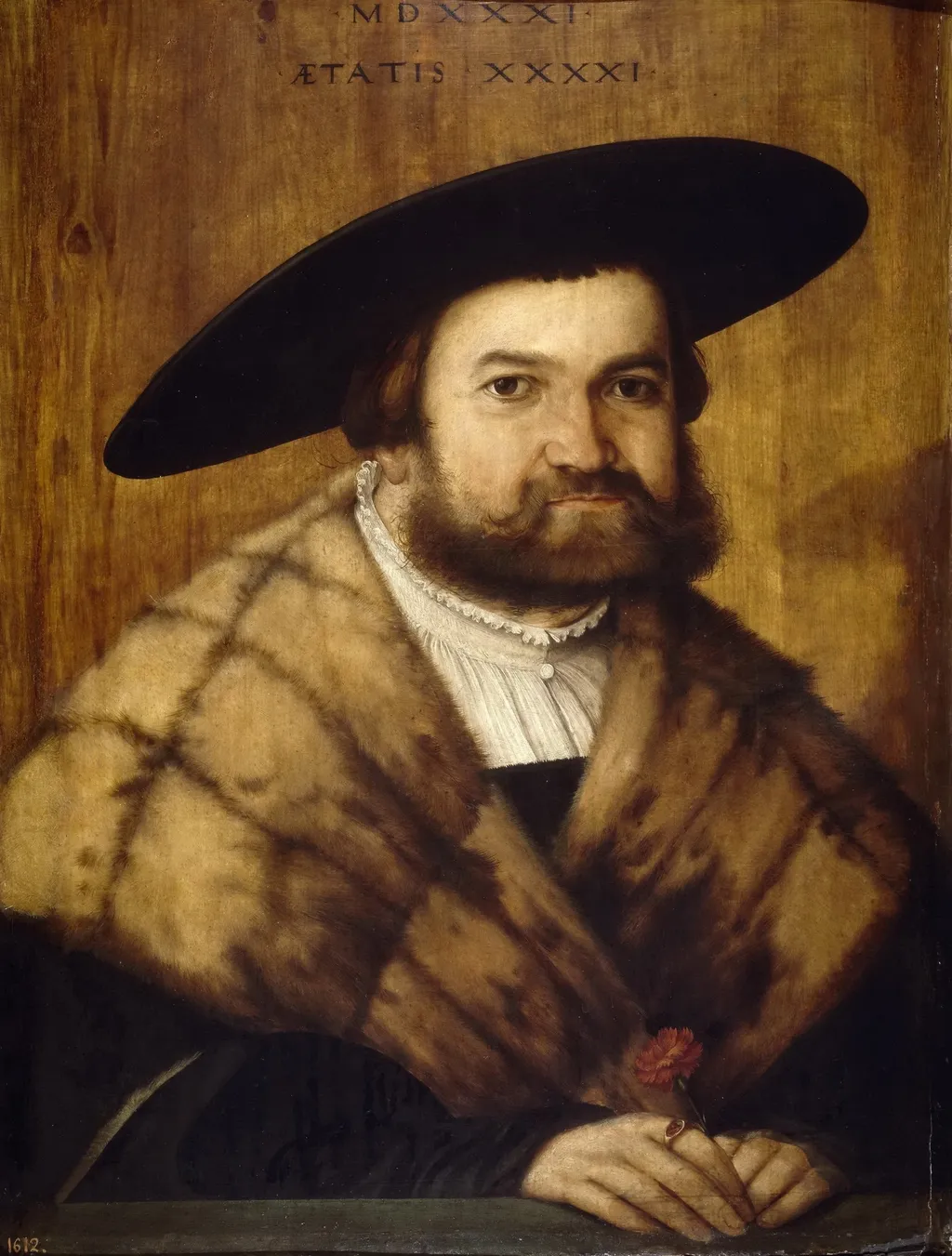
The Augsburg Goldsmith Jörg Zörer (?) is an oil painting by the Mannerist artist Christoph Amberger. It dates from 1531 and is held in the collection of the Museo del Prado.
About this work
Subject & Meaning
No additional symbolic elements or deeper metaphorical meanings beyond the depiction of the goldsmith himself are recorded in the available sources.
The work is a portrait depicting the Augsburg goldsmith Jörg Zörer, identified as the main subject of the painting. Created in 1531 by Christoph Amberger, the image serves as a straightforward representation of the individual rather than a narrative scene filled with complex iconography or allegorical symbolism. The title itself, 'The Augsburg Goldsmith Jörg Zörer (?)', highlights the sitter's professional identity and geographic origin as the primary defining characteristics of the piece.
No additional symbolic elements or deeper metaphorical meanings beyond the depiction of the goldsmith himself are recorded in the available sources.
Technique & Style
Created in 1531, this portrait is executed in oil paint on a panel support. The work measures 78 cm in height and 51 cm in width. As a portrait by Christoph Amberger, the piece depicts the Augsburg goldsmith Jörg Zörer.
The painting is currently held in the collection of the Museo del Prado, specifically located at the Royal Palace of Aranjuez and the Royal Palace of La Granja de San Ildefonso.
History & Provenance
Christoph Amberger executed this oil-on-panel portrait in 1531, depicting the Augsburg goldsmith Jörg Zörer. The work entered the Spanish royal collection through a chain of ownership that included Philip V, his wife Elisabeth Farnese, and their successor Charles III. It subsequently became the property of Ferdinand VII.
Today, the painting is held in the collection of the Museo del Prado, where it is displayed in Hall 055B across various royal sites including the Royal Palace of Aranjuez and the Royal Palace of La Granja de San Ildefonso.
The work is held in the Museo del Prado, where it is recorded under the inventory number P009679. Its provenance includes ownership by Ferdinand VII of Spain, Charles III of Spain, Elisabeth Farnese and Philip V of Spain before entering the museum's collection. The painting has been displayed in the museum's permanent galleries, specifically in Prado Hall 055B at the Royal Palace of Aranjuez and later at the Royal Palace of La Granja de San Ildefonso, and it has appeared in exhibitions focusing on Spanish royal portraiture and Renaissance portraiture.
Legacy
Jörg Zörer's portrayal by Amberger established a model for court portraiture in early 16th-century Central Europe, influencing later depictions of Habsburg officials. The work's emphasis on fine metalworking details informed subsequent goldsmith representations in courtly art across the Holy Roman Empire, shaping elite visual rhetoric in the region.
The painting's provenance through the Spanish Bourbon monarchs underscored its diplomatic utility, reinforcing Zörer's reputation as a conduit for Habsburg cultural exchange in Iberian circles.
Overview
Christoph Amberger, an Augsburg painter active in the early sixteenth century and influenced by Hans Holbein, completed an oil portrait in 1531 that depicts the goldsmith Jörg Zörer. The work is presently part of the Museo del Prado’s holdings.
Context
The work reflects the civic pride of Augsburg’s thriving mercantile class in the 1530s, when goldsmiths like Zörer occupied prominent social positions. Amberger’s portrait aligns with contemporary trends of portraying affluent artisans in a dignified, individualized manner, echoing the humanist interest in personal identity.
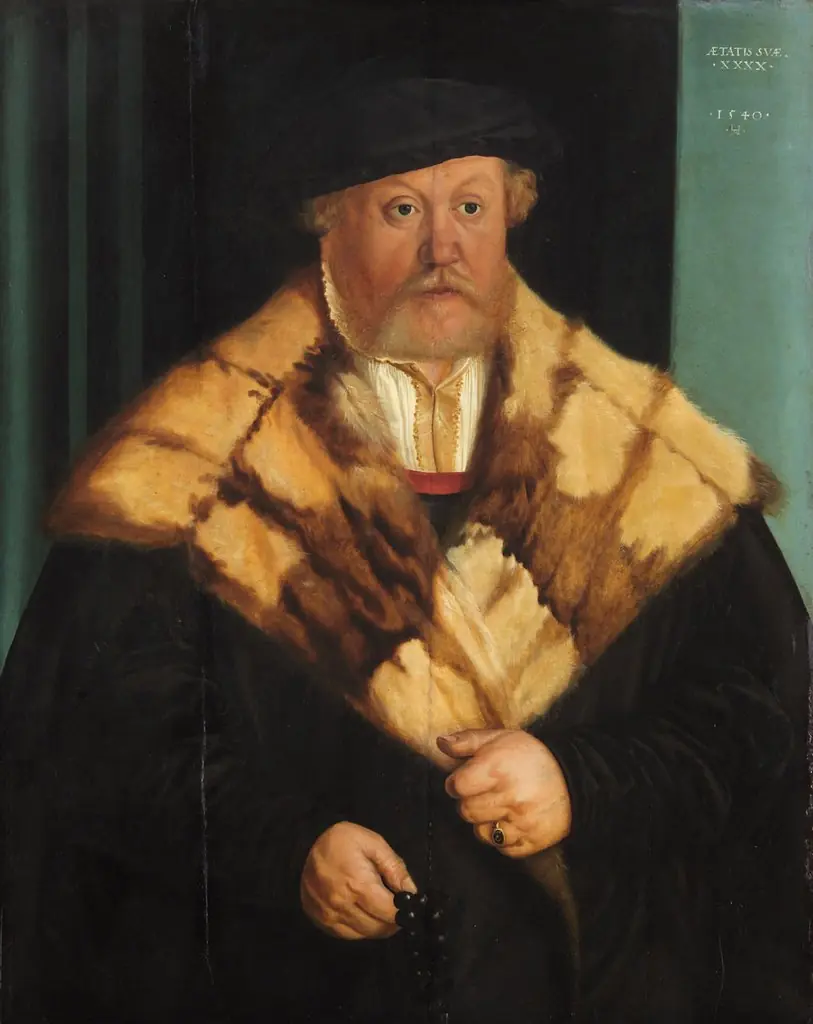
Own this work as a print
Artist & collection
Artist
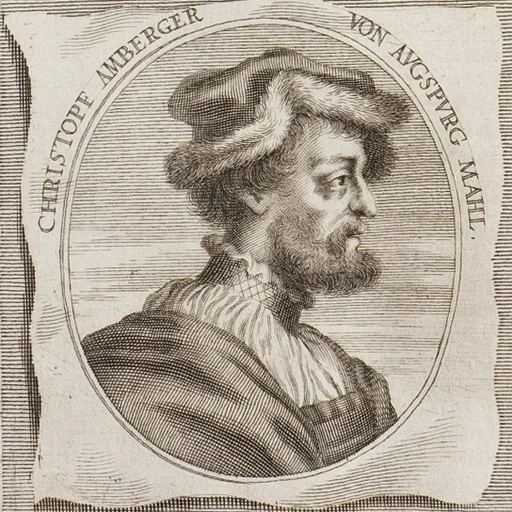
Christoph Amberger (c. 1505 – 1562) was a painter of Augsburg in the sixteenth century, a disciple of Hans Holbein, his principal work being the history of Joseph in twelve pictures.

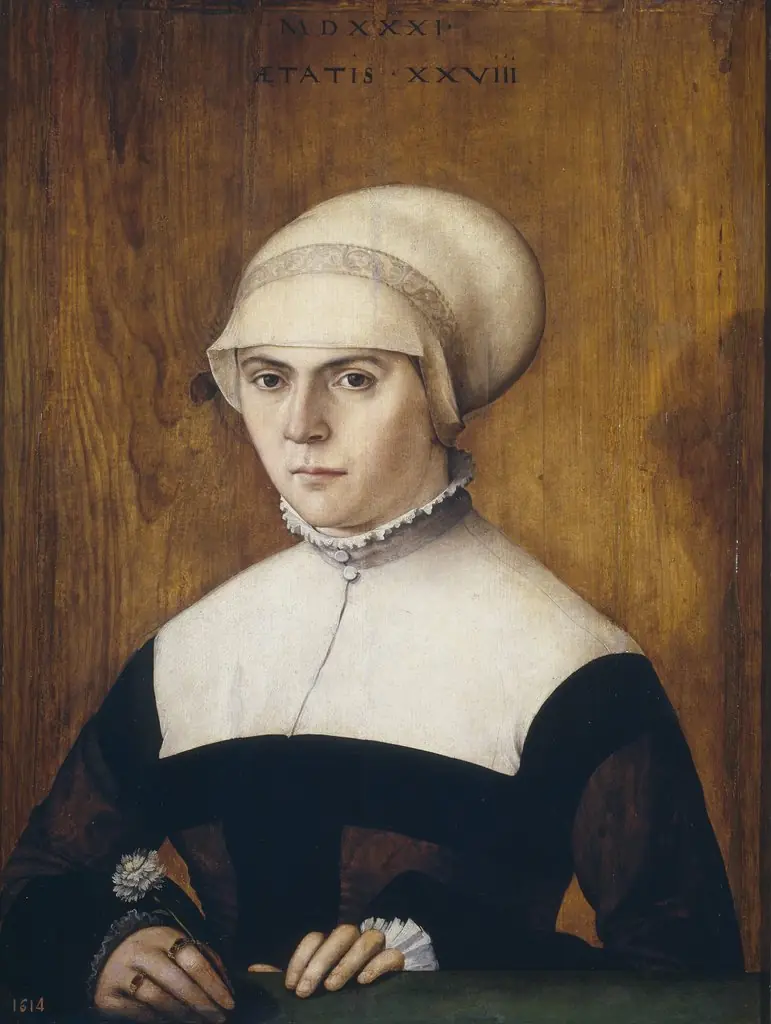
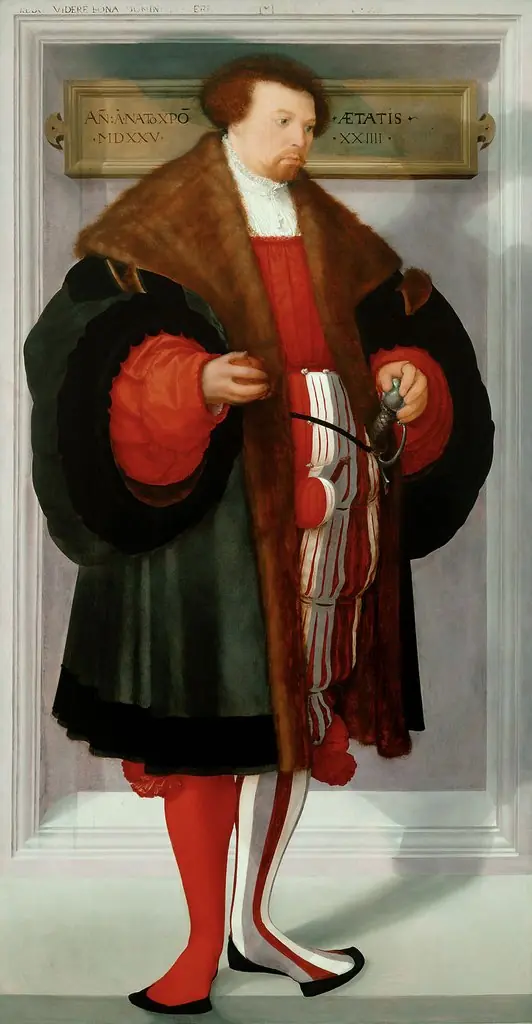
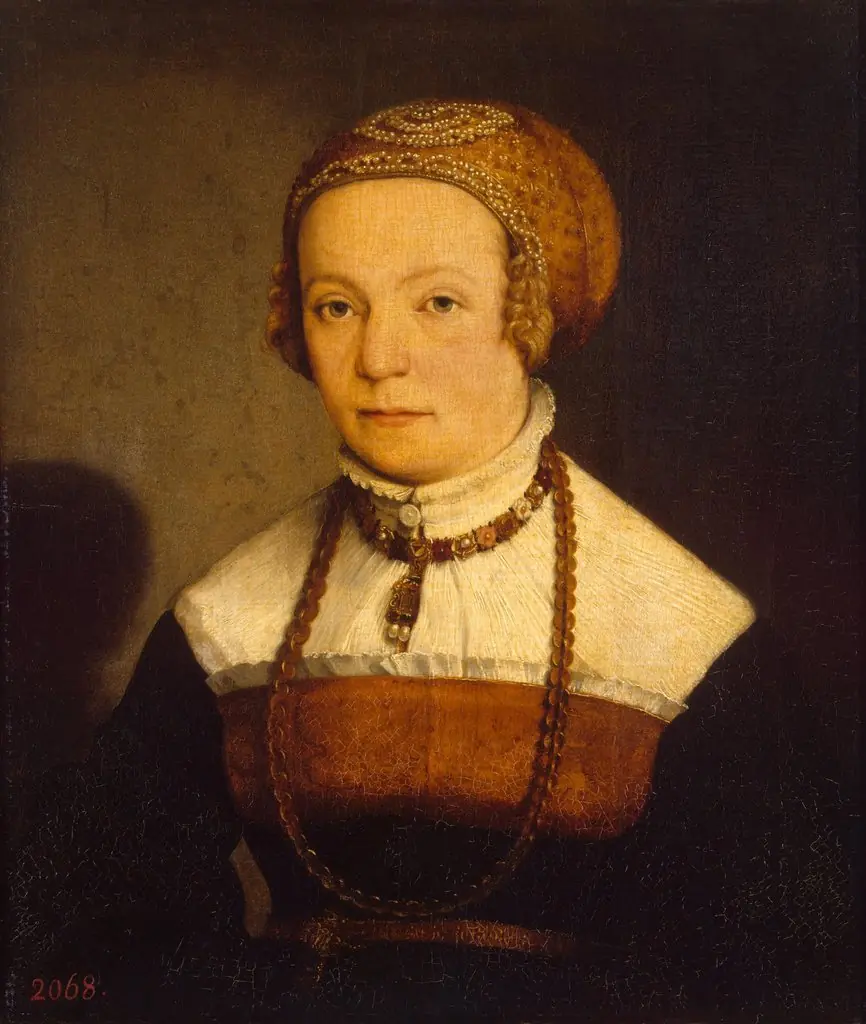
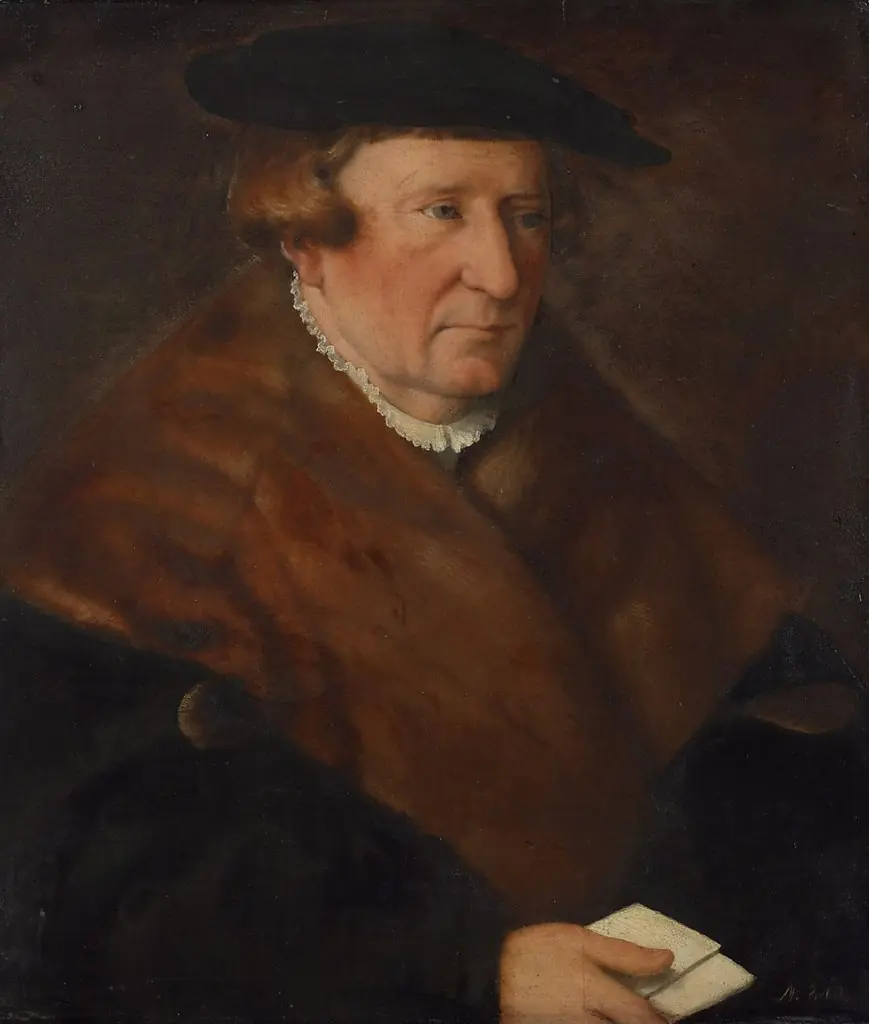
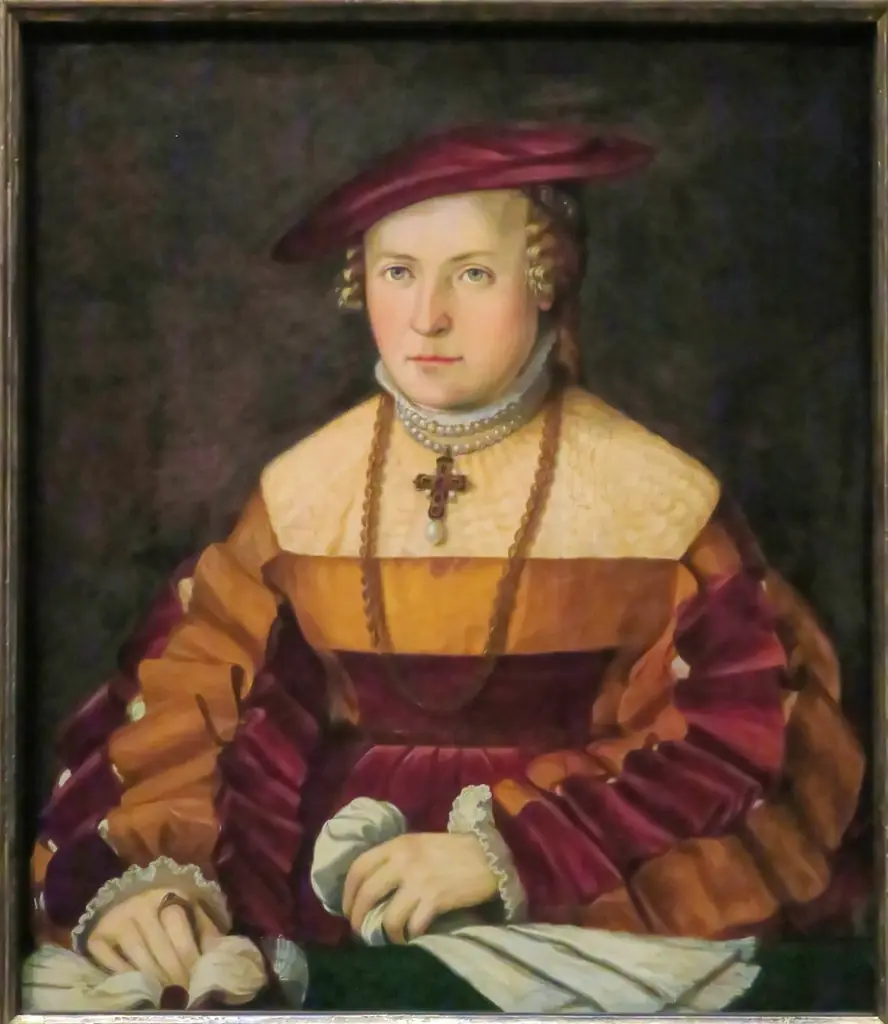
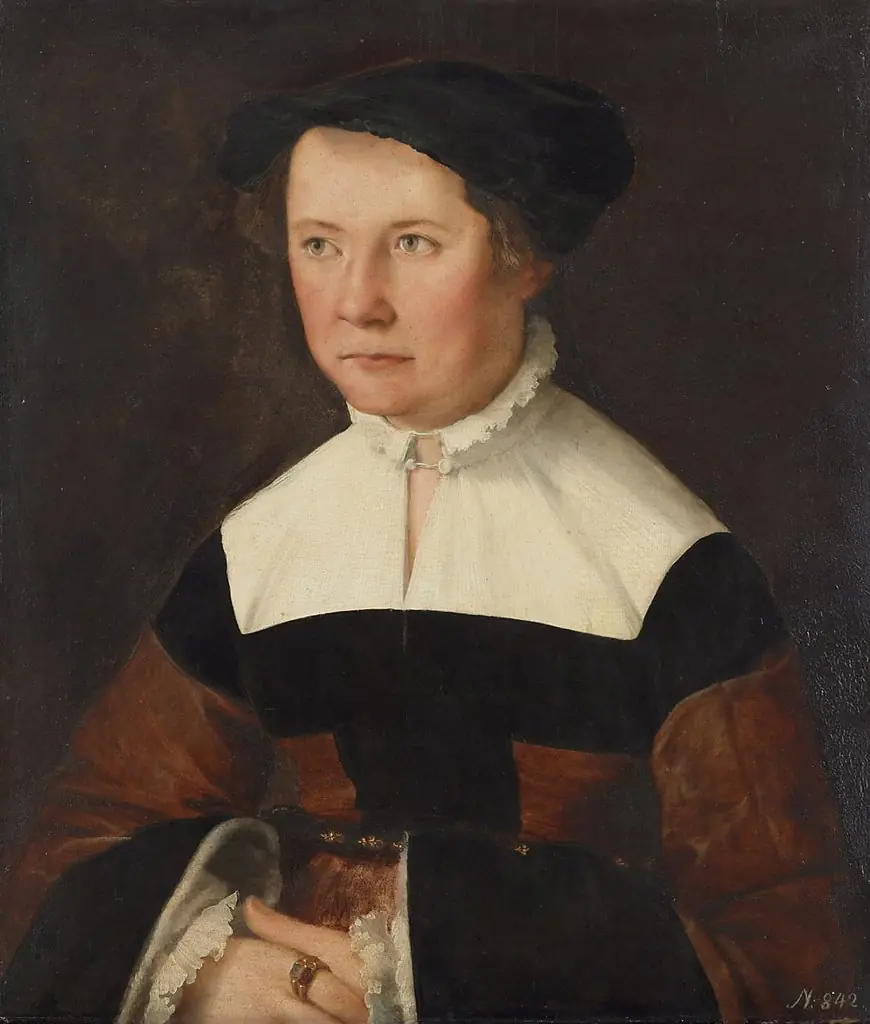
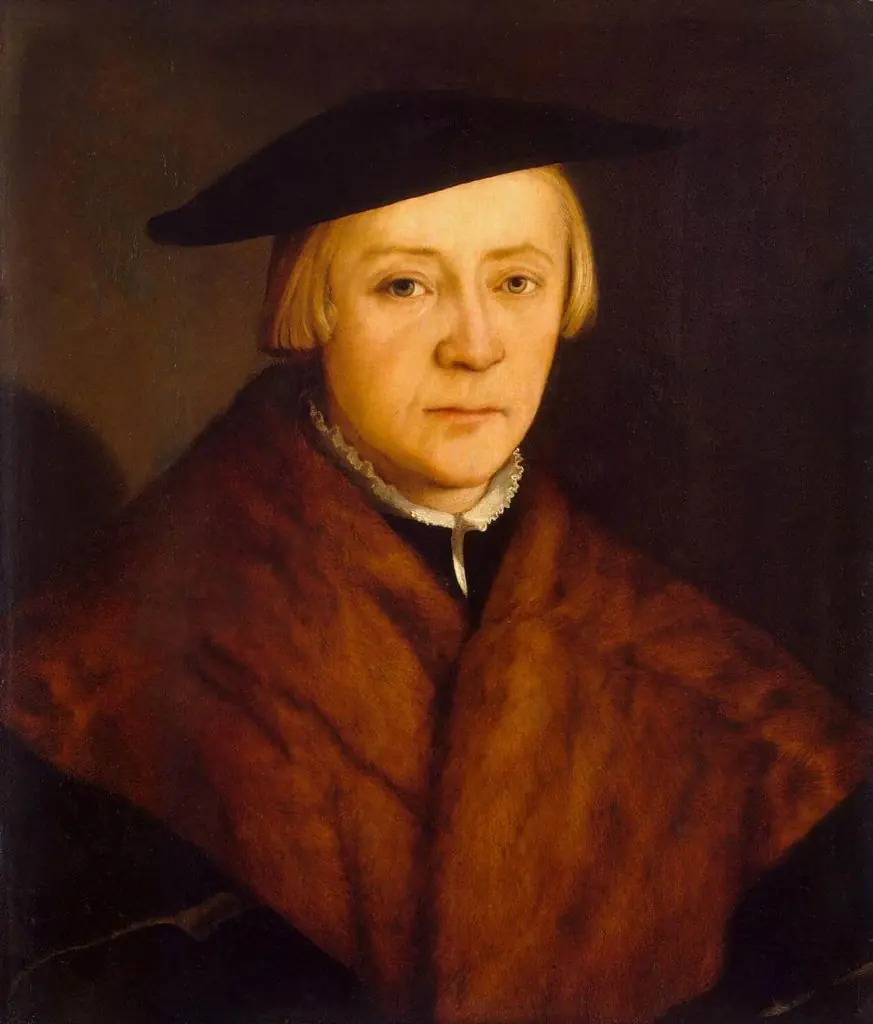
- Hanns Mädl
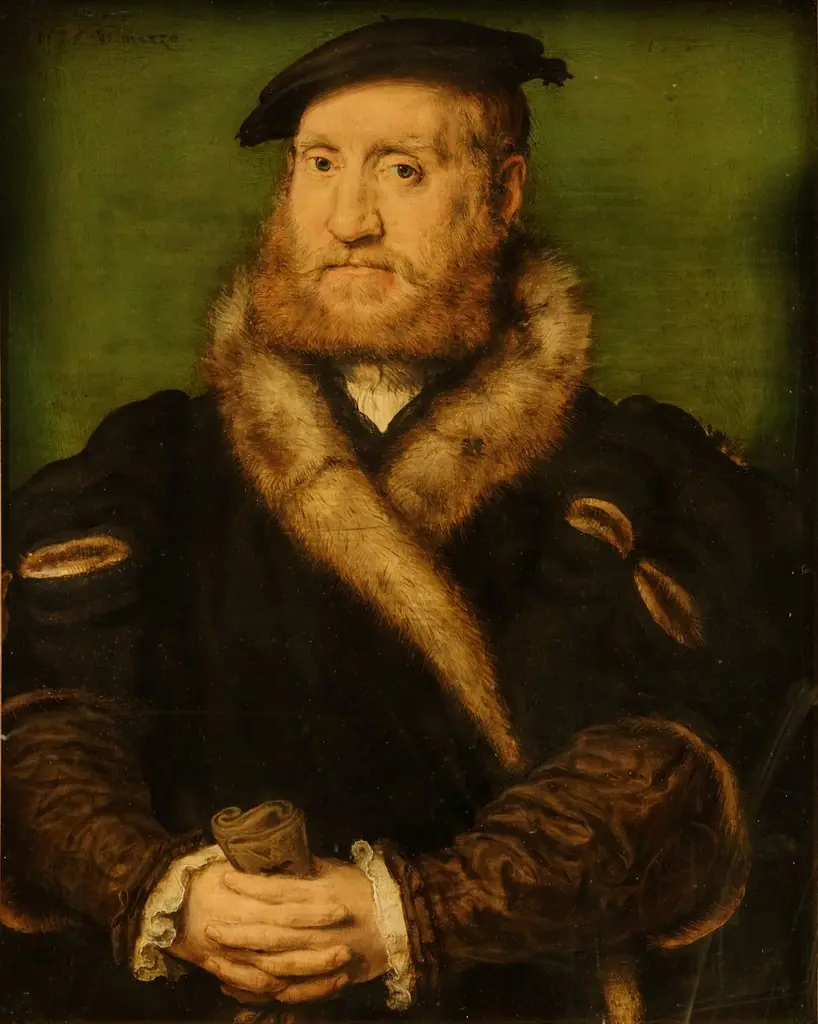 Bearded Man in a Fur Coat
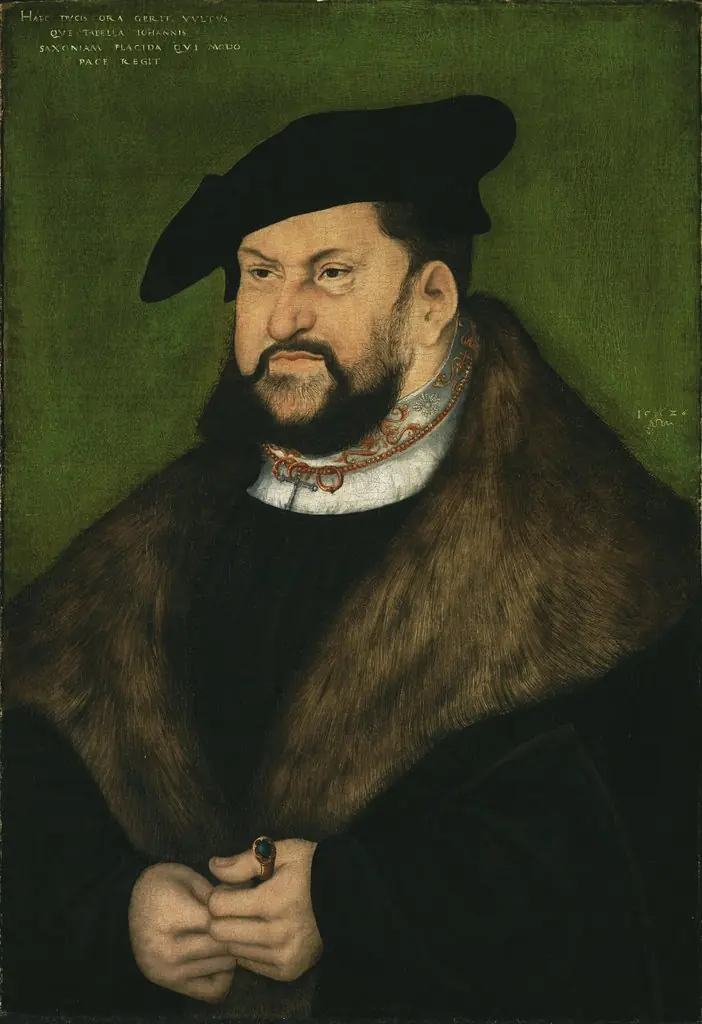 Portrait of Johannes the Steadfast, Elector of Saxony
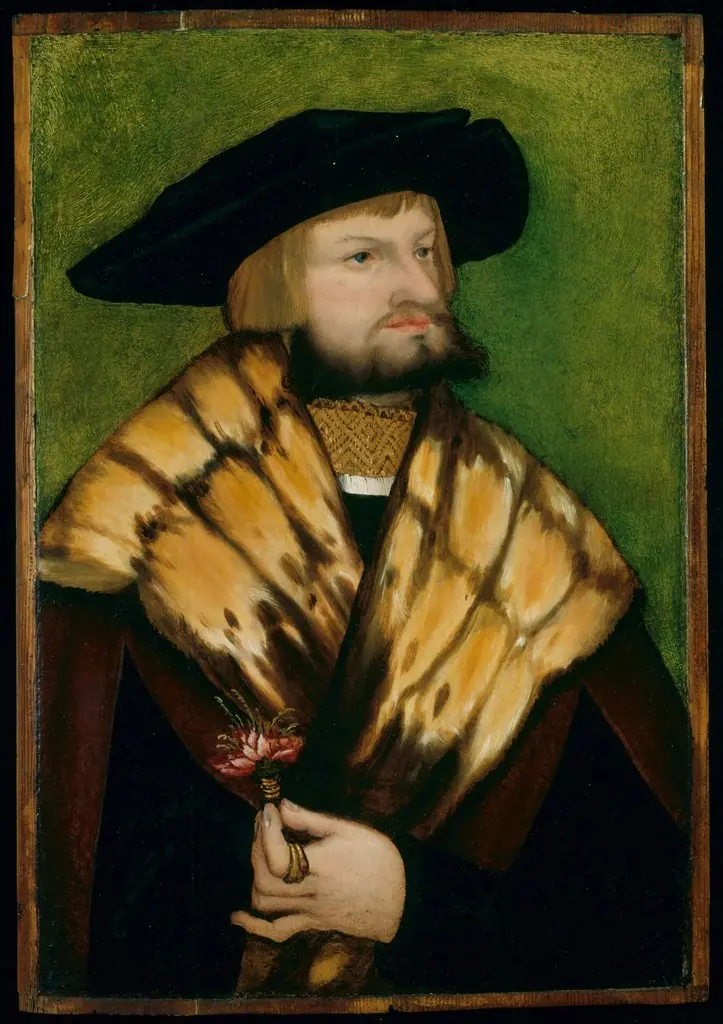 Portrait of Leonhard Fuchs
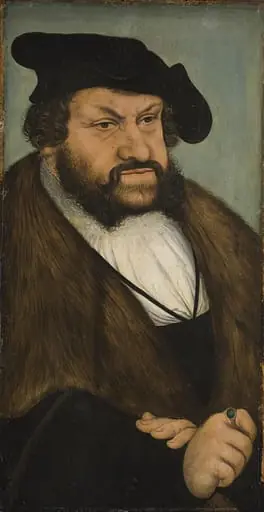 Portrait of the Elector John the Steadfast of Saxony (1468-1532)
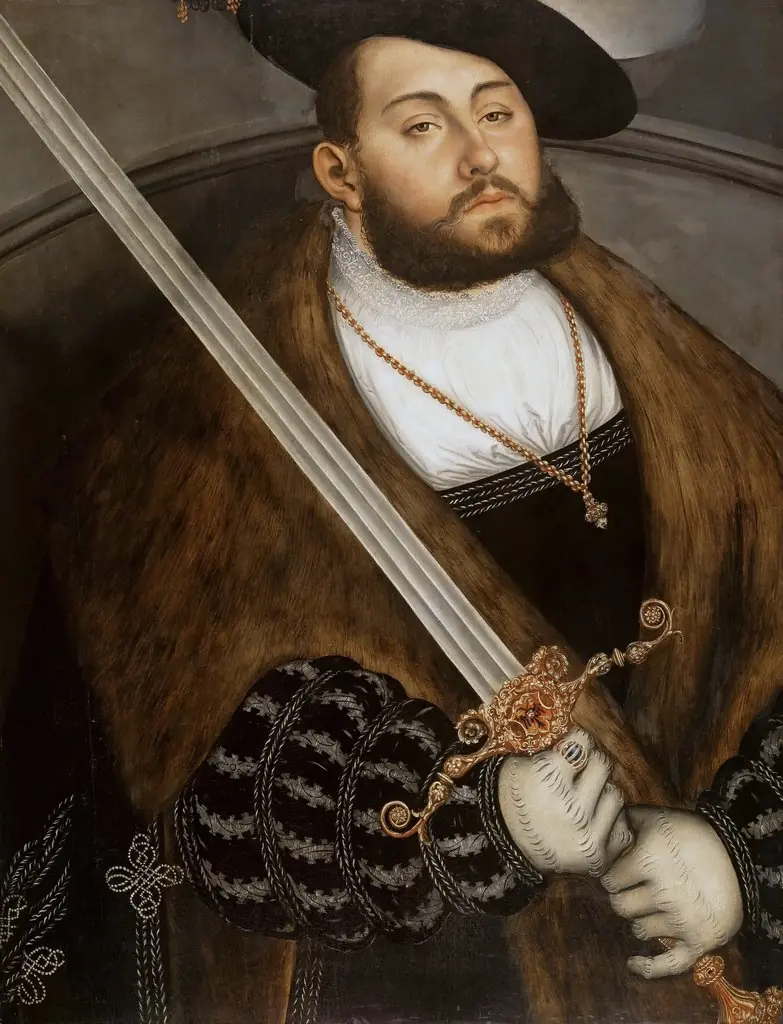 Johann Friedrich I, the Magnanimous, Elector of Saxony
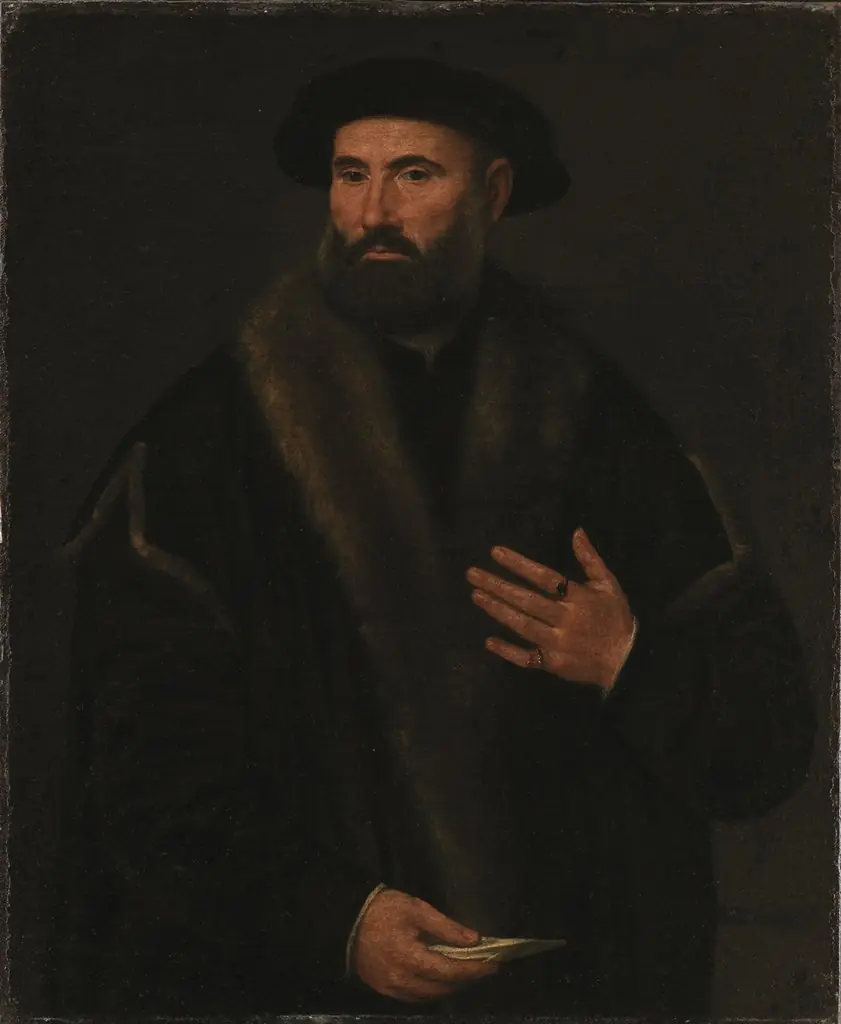 Portrait of a Man
 Portrait of a Man
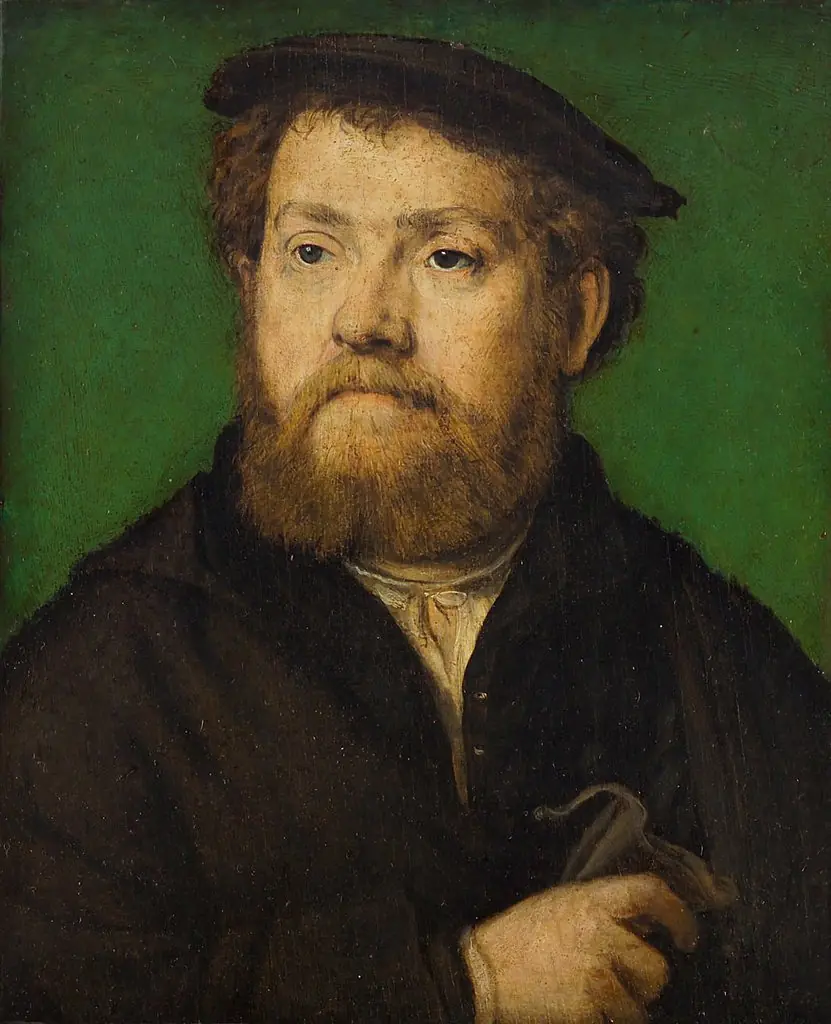 Bärtiger Mann mit Handschuh
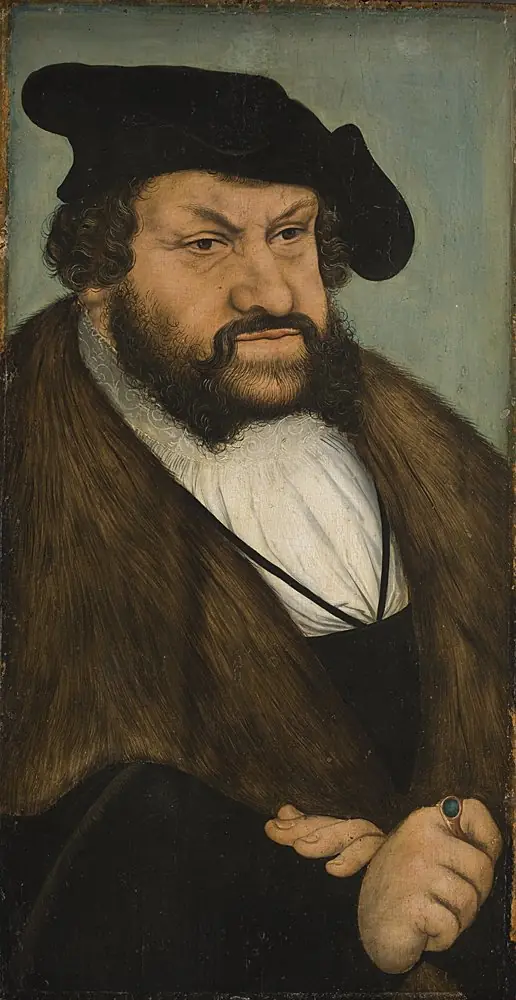 Portrait of the Elector John the Steadfast of Saxony (1468-1532)
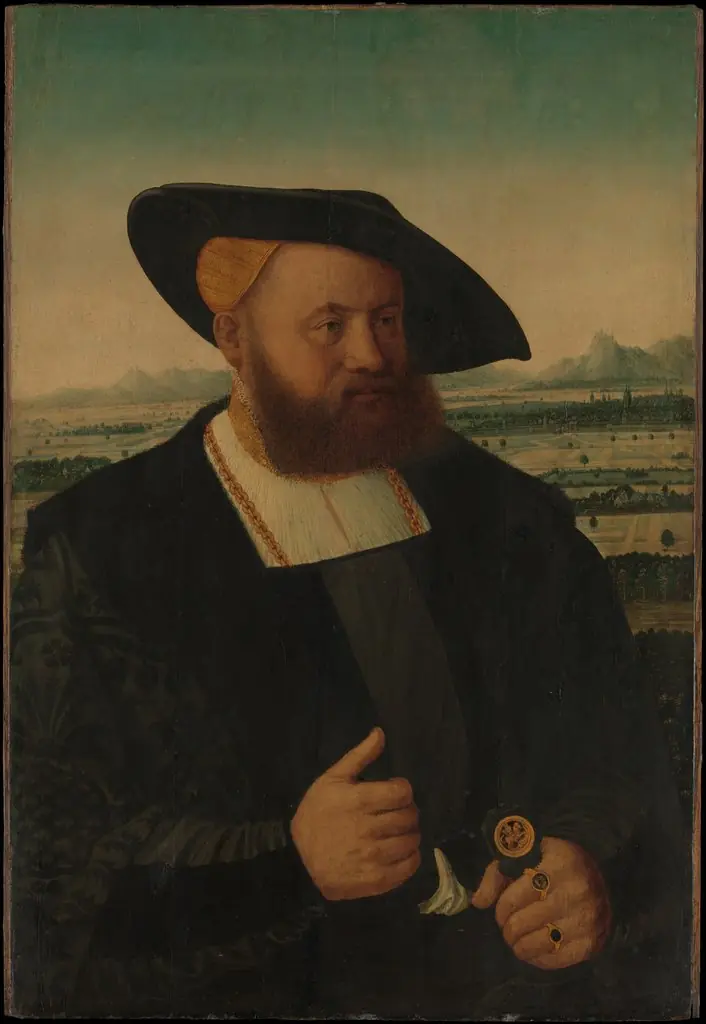 Portrait of a Man with a Moor's Head on His Signet Ring
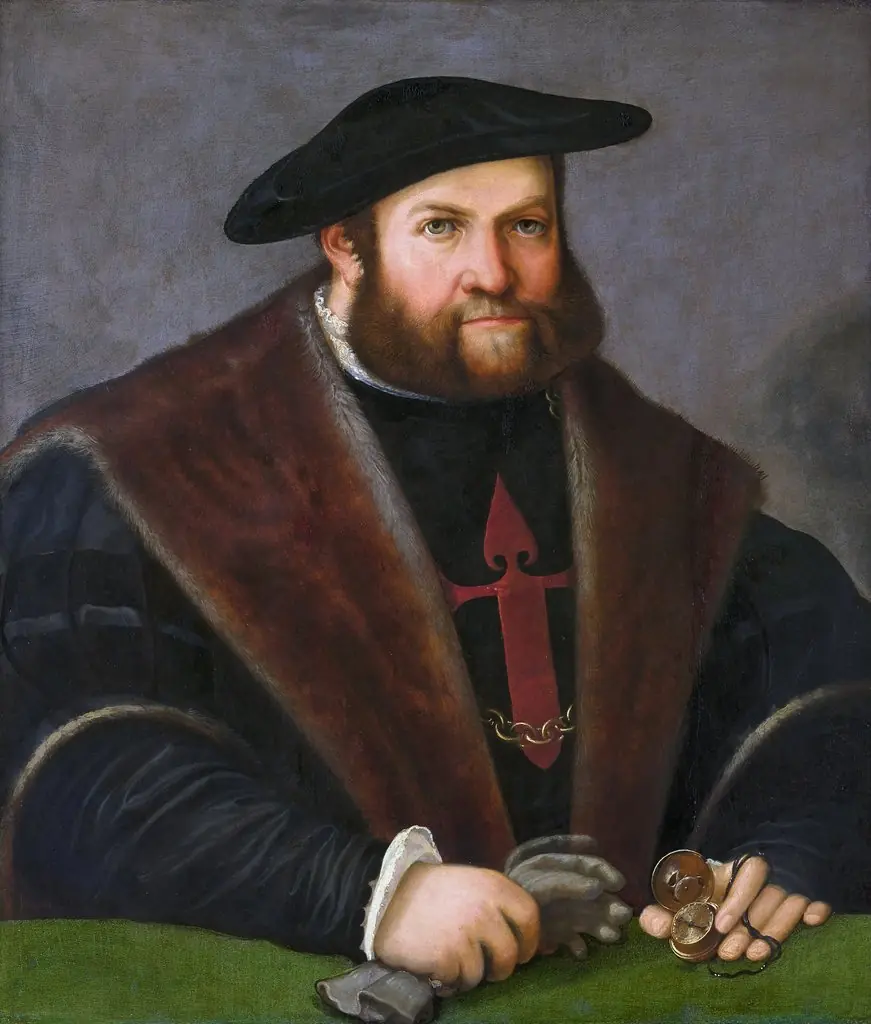 Ulrich Ehinger as Knight of the Order of Santiago