Artwork
Portrait of Stephan Eiselin (d. 1549)
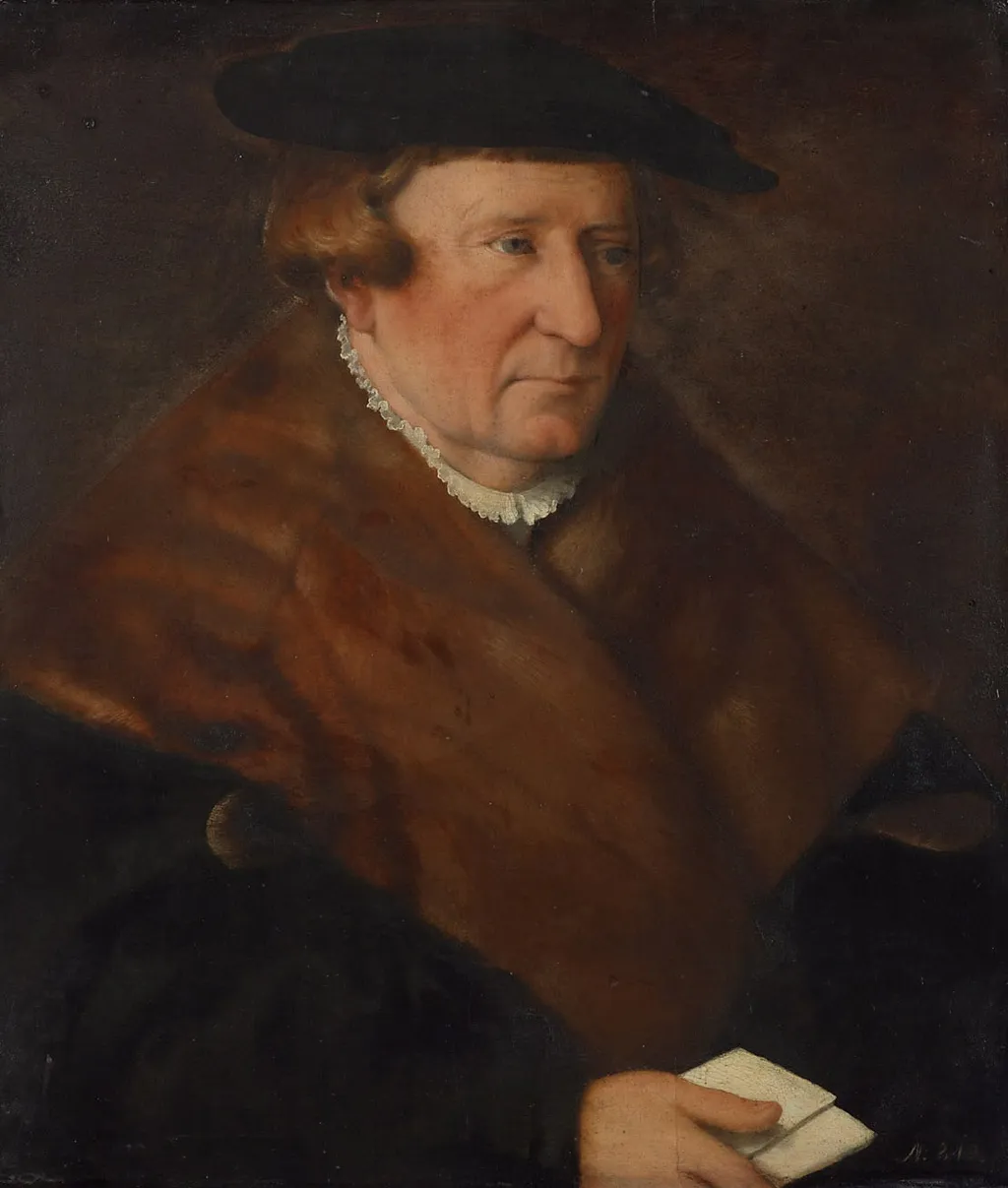
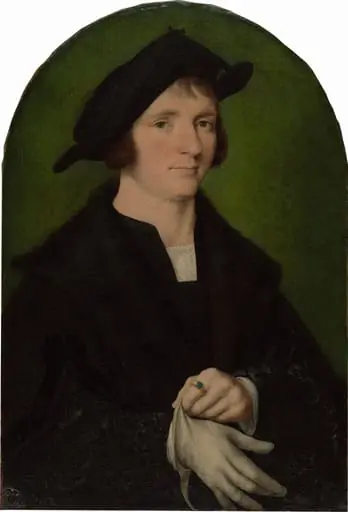
Portrait of Stephan Eiselin (d. 1549) is a wood painting by the Mannerist artist Christoph Amberger. It dates from 1539 and is held in the collection of the Kunsthistorisches Museum. Created in 1539, this lime‑wood panel portrait presents Stephan Eiselin, a man who died a decade later.
About this work
Subject & Meaning
He is depicted holding a book, an attribute associated with learned citizens, while his attire of a fur-trimmed robe marks his status among the patrician class.
The painting portrays Stephan Eiselin, a deceased burgher recorded as dying in 1549, rendered as a dignified portrait figure. He is depicted holding a book, an attribute associated with learned citizens, while his attire of a fur-trimmed robe marks his status among the patrician class. The work functions as a commemorative image that affirms civic identity and moral virtue through conventional portrait conventions of the period.
The limewood portrait was executed by Christoph Amberger in 1539 and is housed in the Kunsthistorisches Museum Wien.
The subject’s clothing, book, and solemn expression reference contemporary civic values of education and respectable citizenship in Renaissance Augsburg.
Technique & Style
The work is executed in limewood as a painted portrait. It measures 55 by 47 units, reflecting its carved wood support and surface finish. The composition presents a three-quarter view of the sitter, rendered with soft chiaroscuro and fine detail that emphasizes facial features and clothing texture. These stylistic choices align with Northern Renaissance portraiture, highlighting both individual identity and status.
History & Provenance
The portrait of Stephan Eiselin was created by Christoph Amberger in 1539, executed in oil on limewood. The work entered the collection of the Kunsthistorisches Museum in Vienna, where it remains held. No further details regarding the original commission, the sitter's relationship to the artist, or intermediate ownership prior to the museum's acquisition are documented in the available sources.
The painting is held in the collection of the Kunsthistorisches Museum in Vienna, as recorded in the Wikidata entry for the work. The panel, executed on limewood in 1539, is catalogued within that institution's holdings alongside other portraits by Christoph Amberger.
No accession number or catalogue identifier is provided in the available sources, and no exhibition history is documented.
Overview
Created in 1539, this lime‑wood panel portrait presents Stephan Eiselin, a man who died a decade later. Executed by Augsburg painter Christoph Amberger, a contemporary influenced by Hans Holbein, the work exemplifies the Northern Renaissance’s attention to individual likeness and status. It is part of the Kunsthistorisches Museum’s collection in Vienna.
Artist & collection
Artist
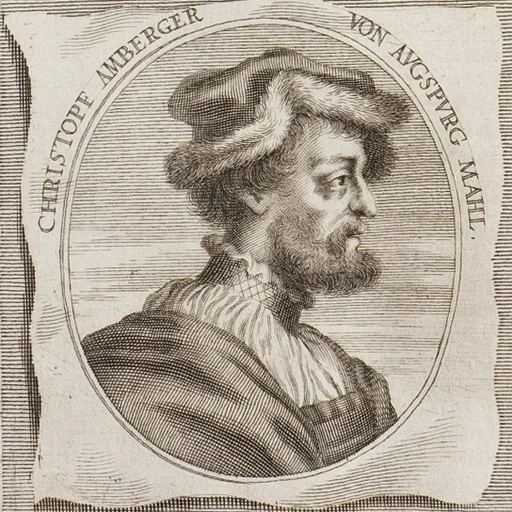
Christoph Amberger (c. 1505 – 1562) was a painter of Augsburg in the sixteenth century, a disciple of Hans Holbein, his principal work being the history of Joseph in twelve pictures.

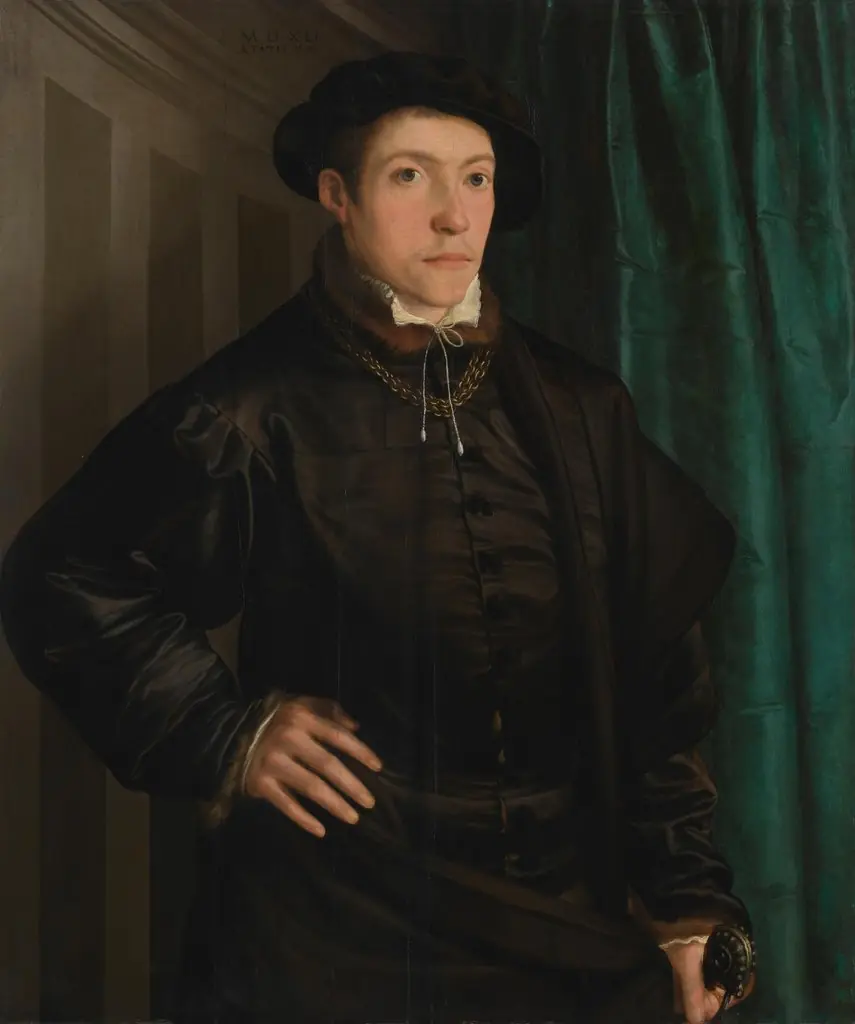
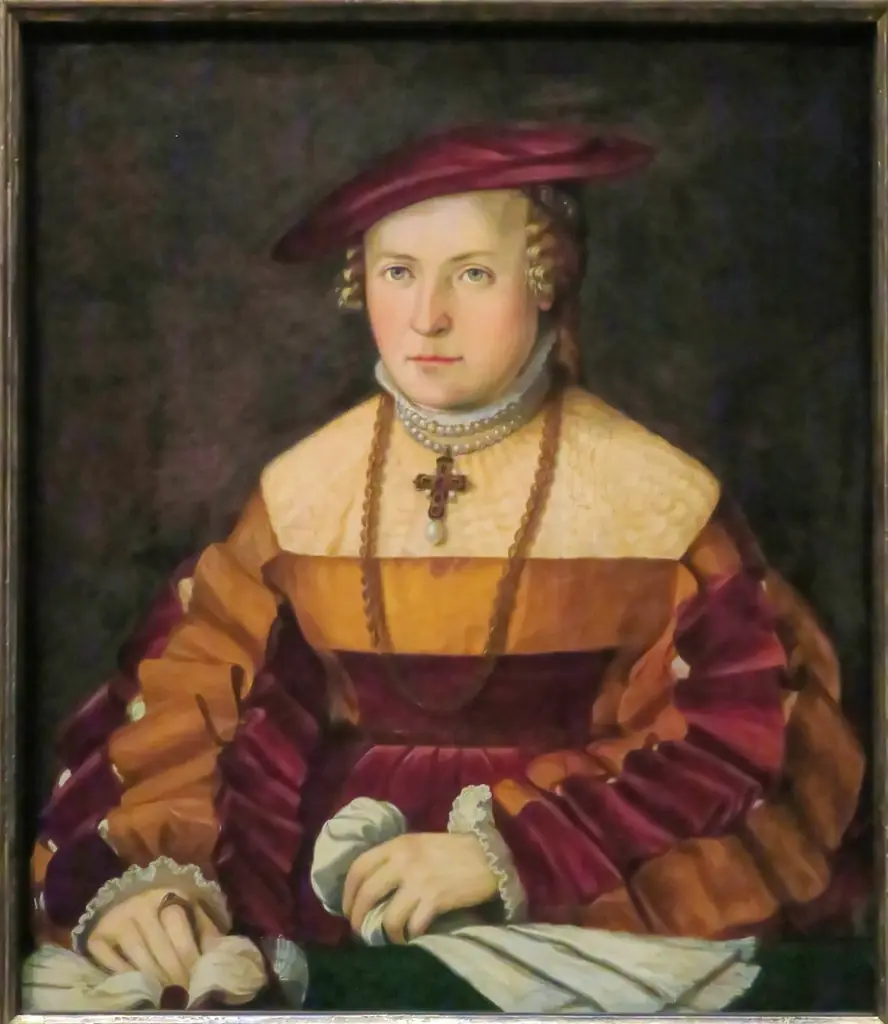
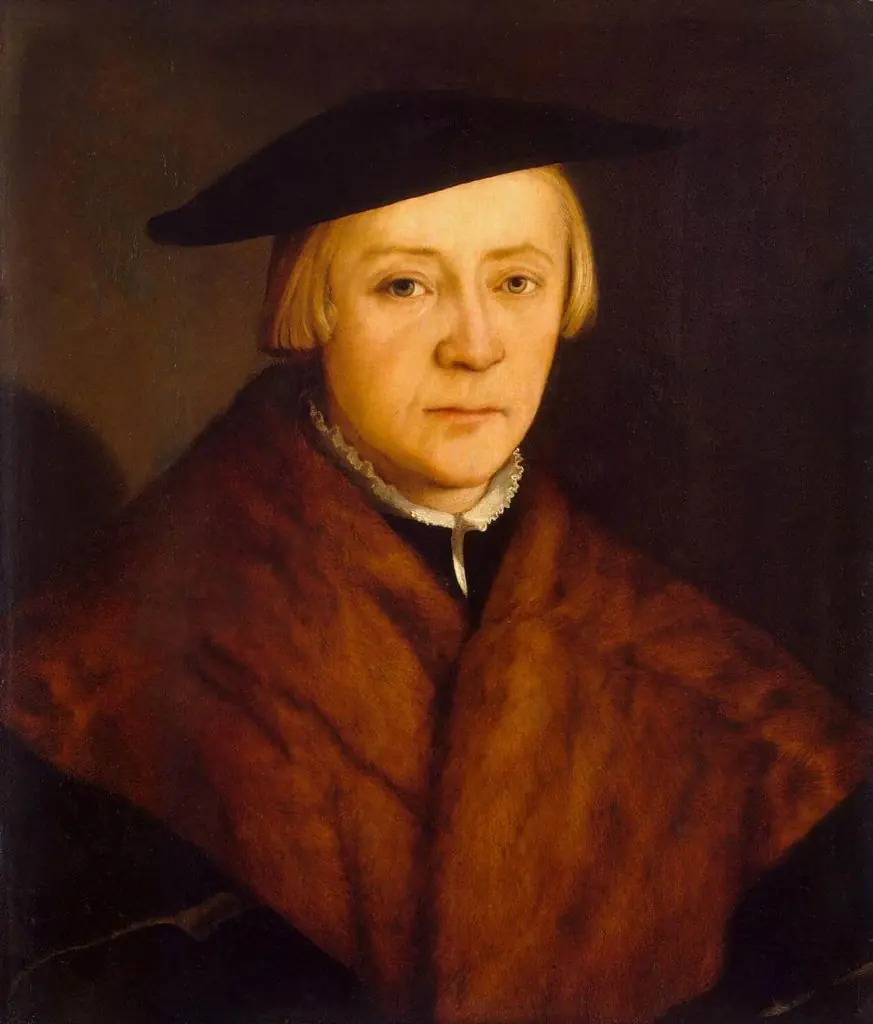
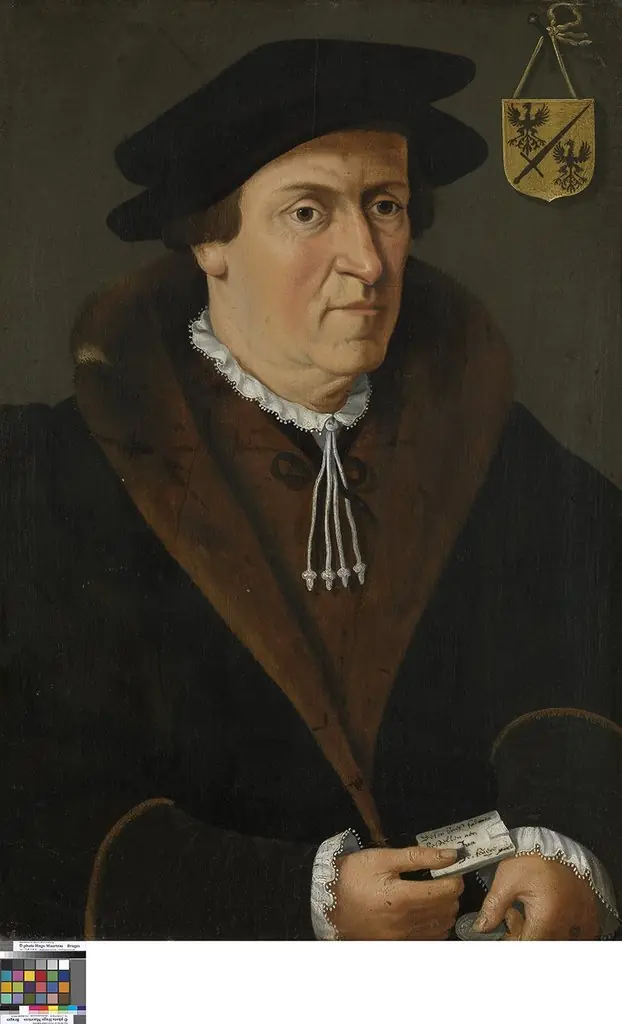 Portrait of Jan de Fevere
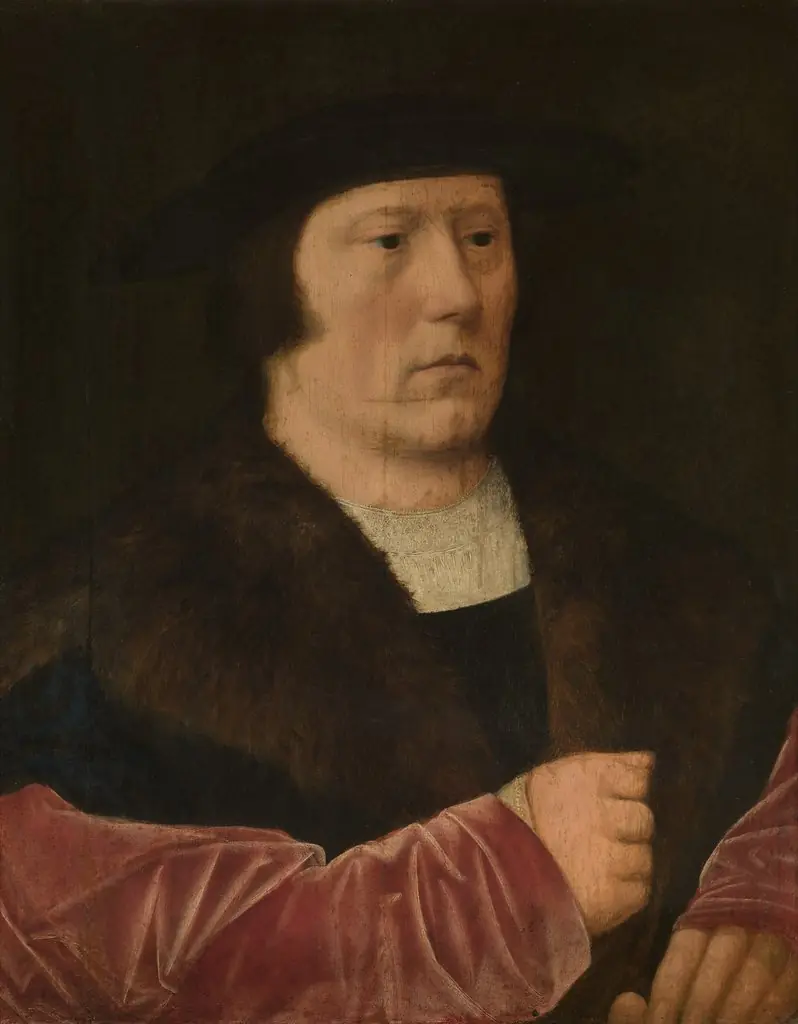 Portrait of a Man
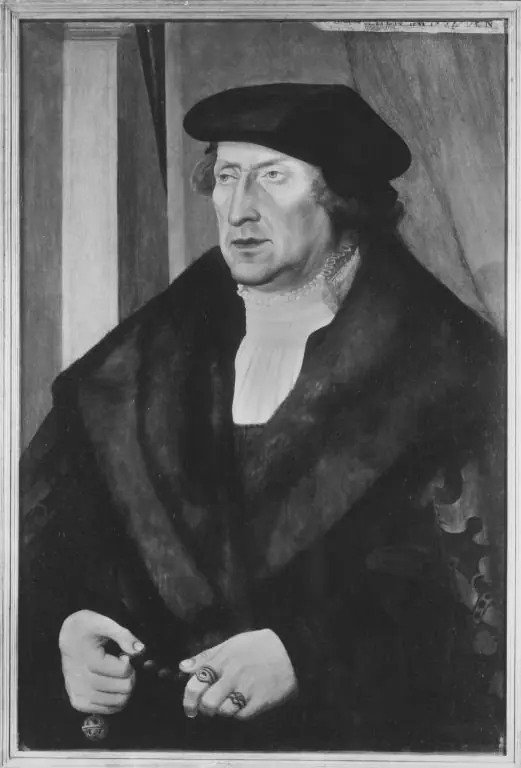 Pfalzgraf Philipp, Bischof von Freising
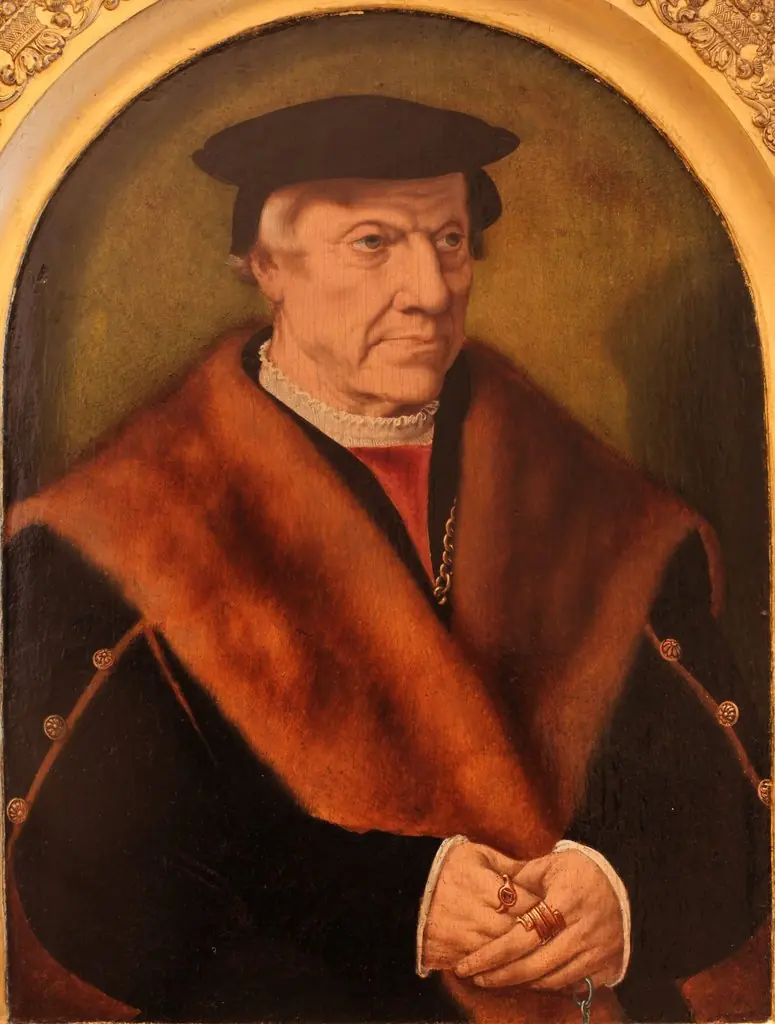 Portrait of a man
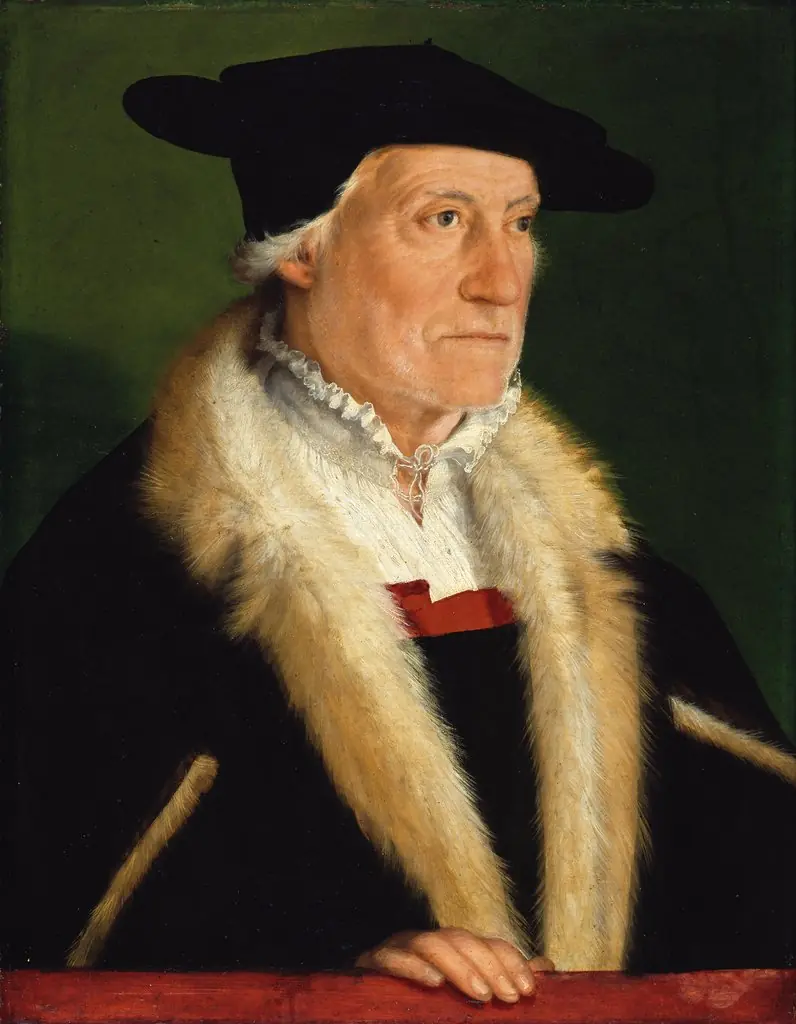 The Cosmographer Sebastien Münster
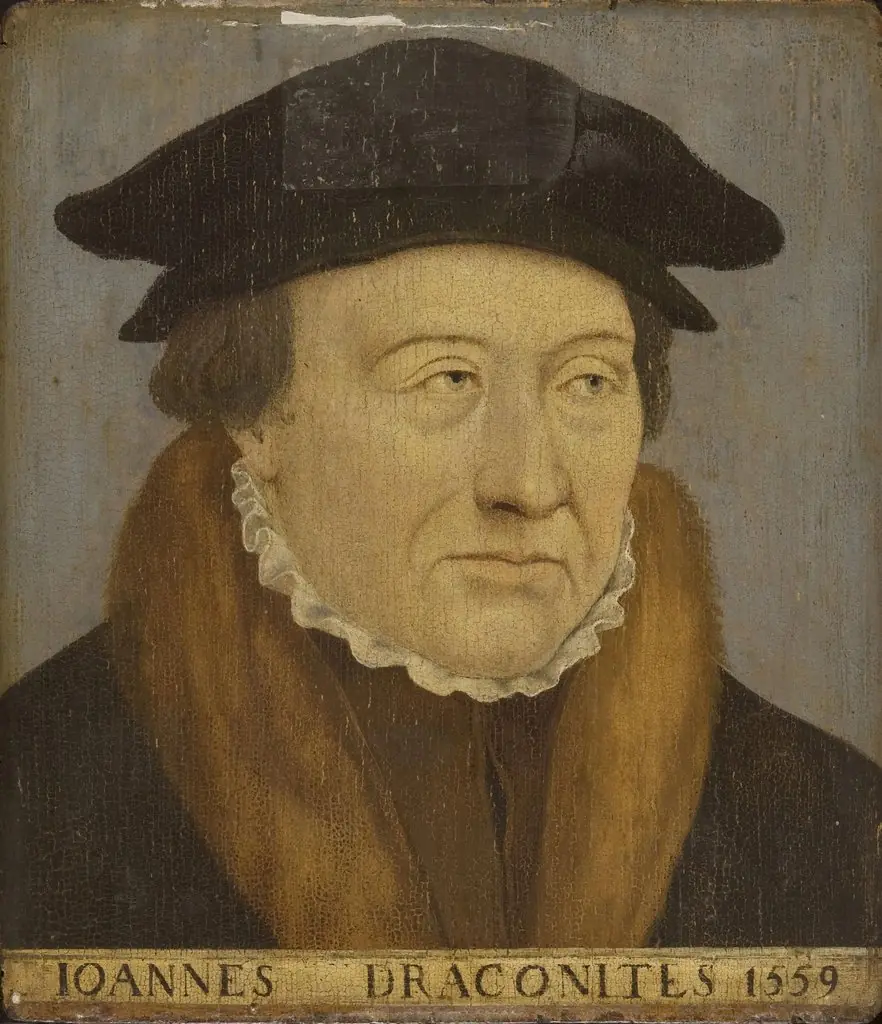 Portrait of Johannes Draconites
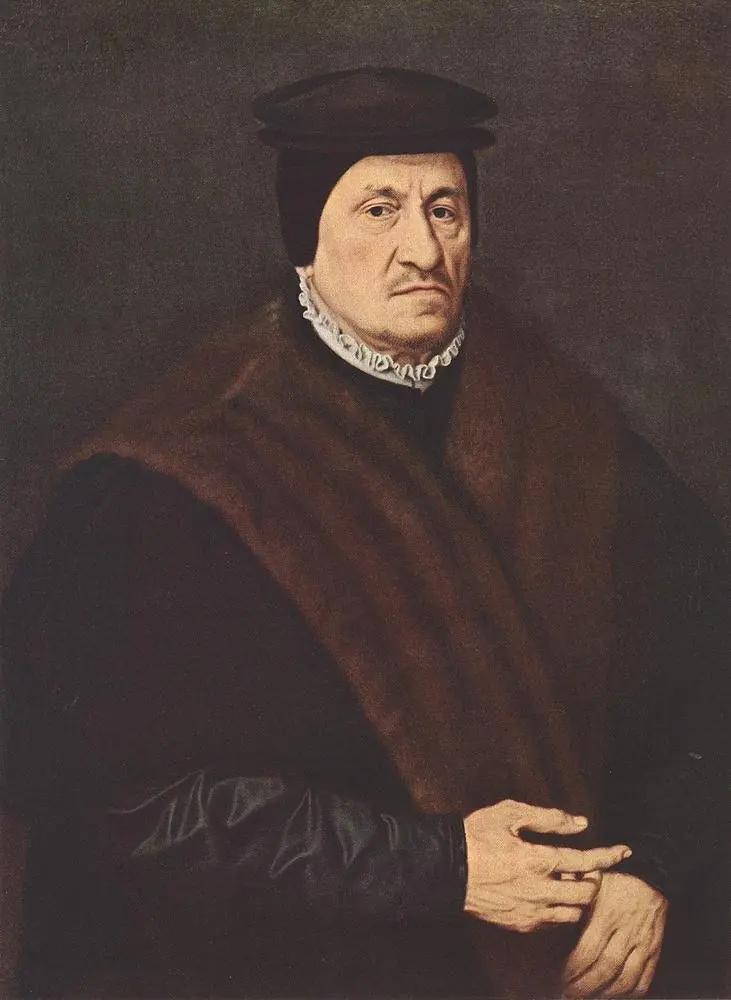 Portrait of an Elderly Man
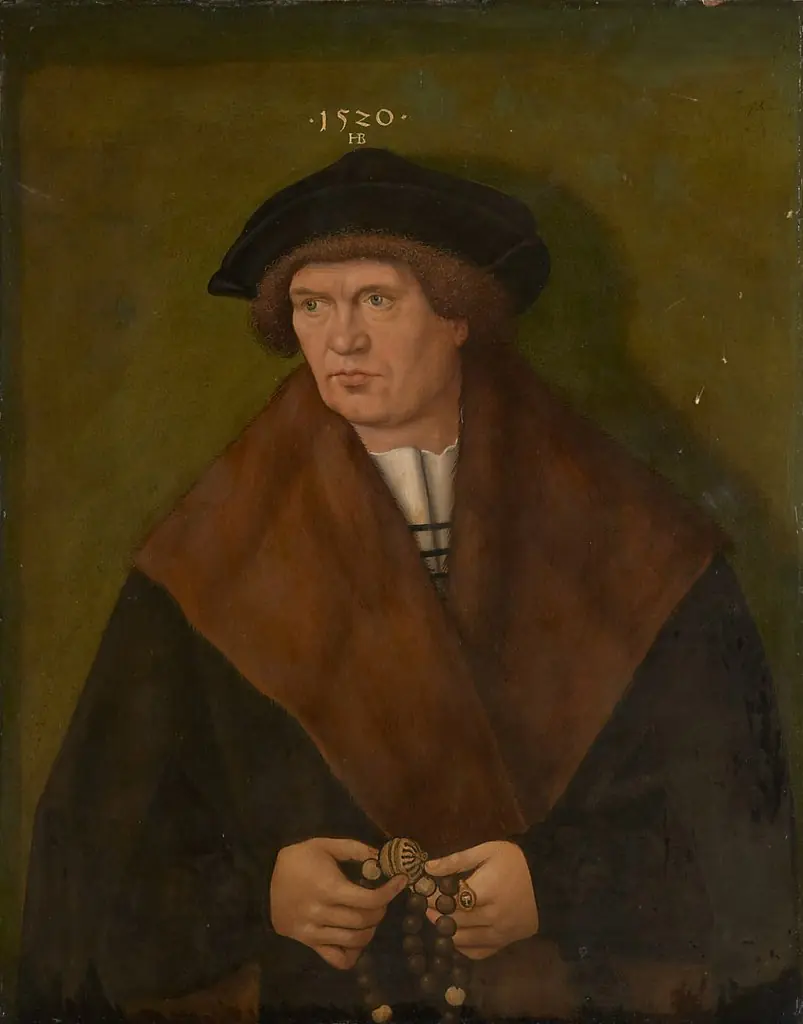 The Nuremberg dressmaker Hans Pirkel the Younger
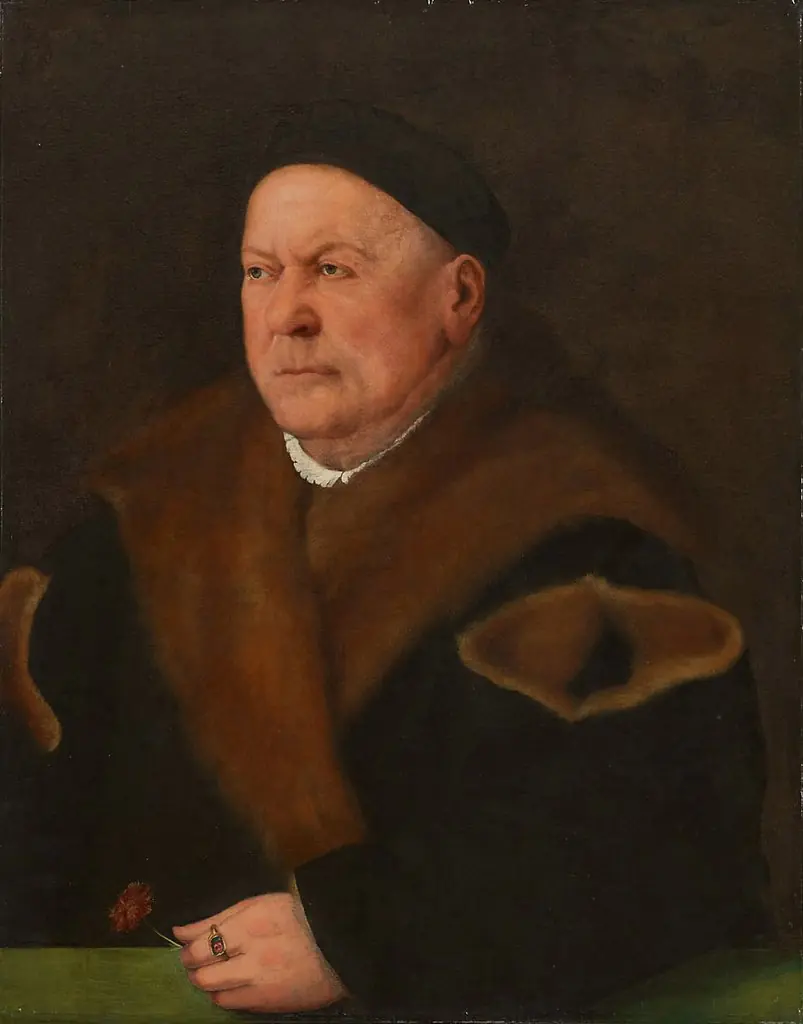 Der Augsburger Patrizier Ulrich Sulzer (1463-1545)
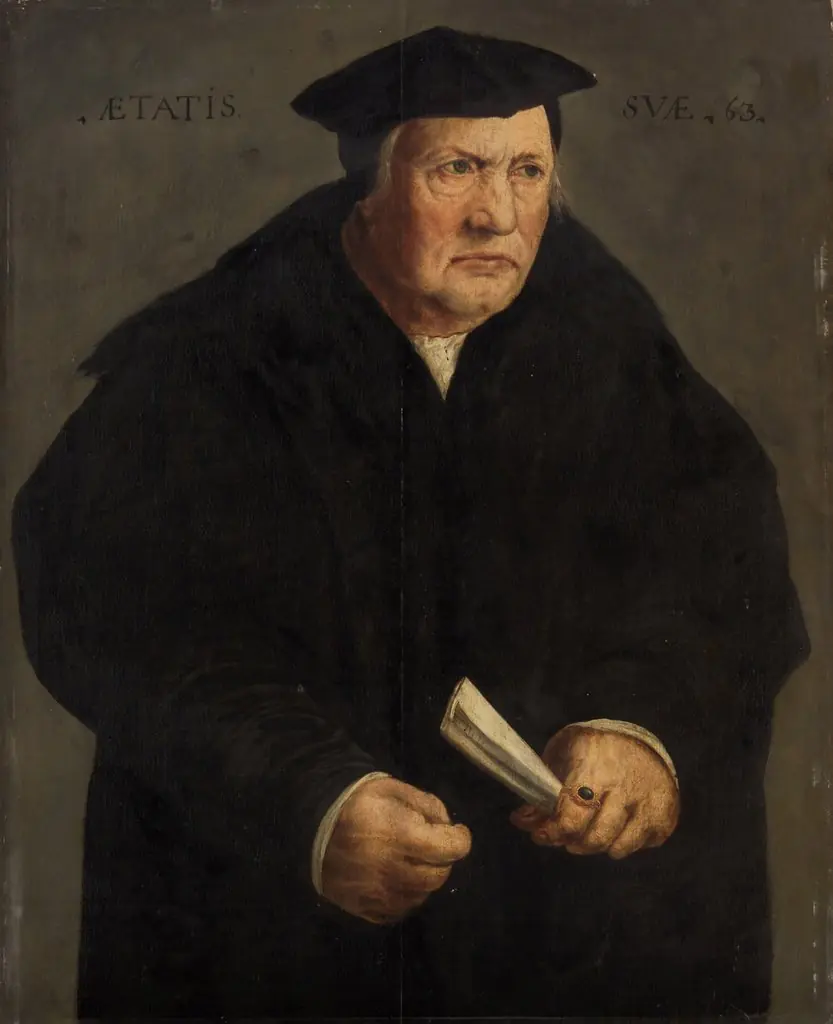 Männliches Bildnis
 Joris Vezeleer