Artwork
Saint Jerome
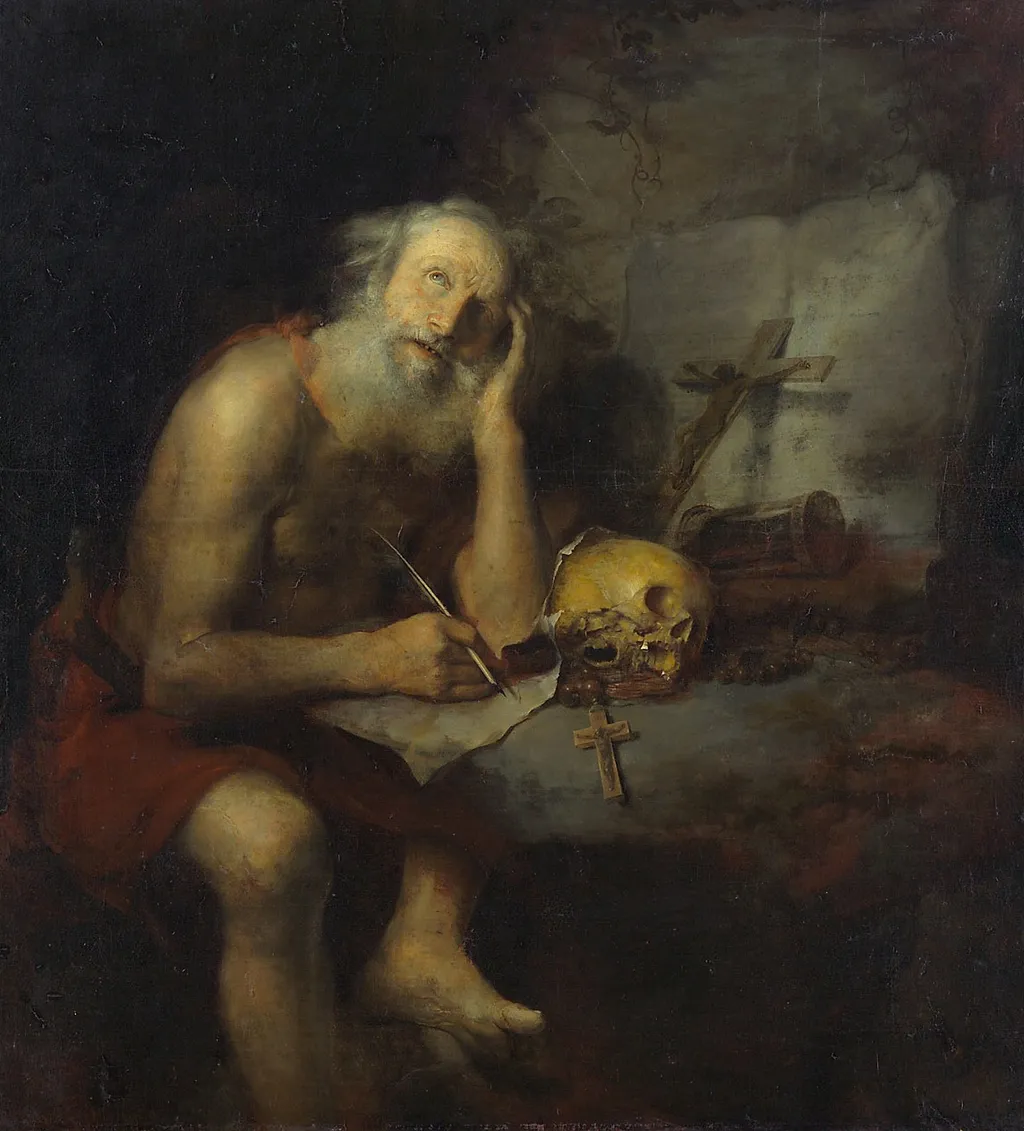
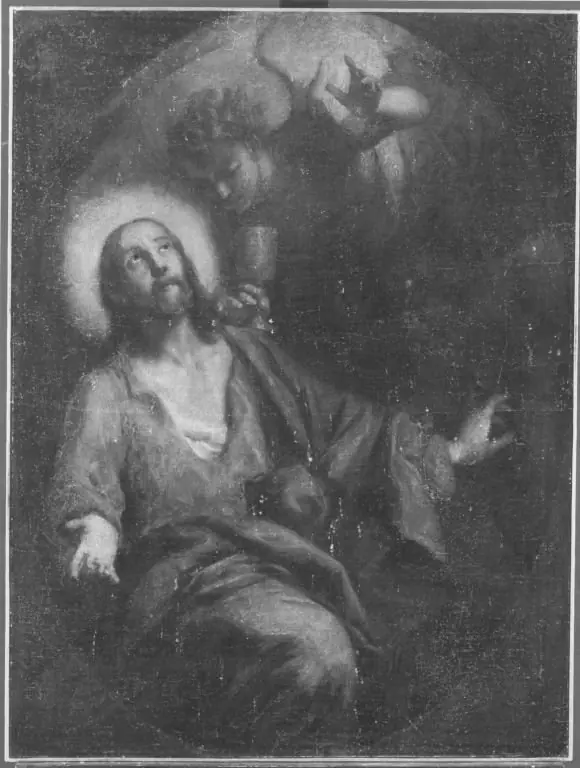
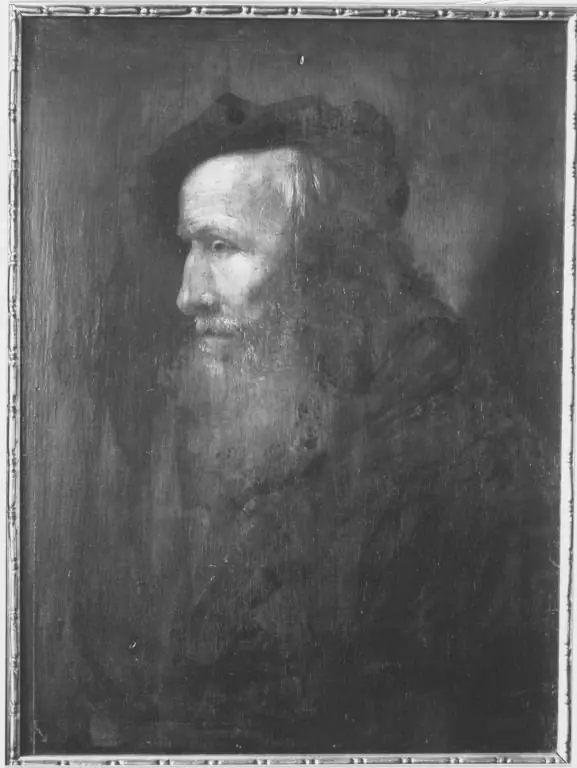
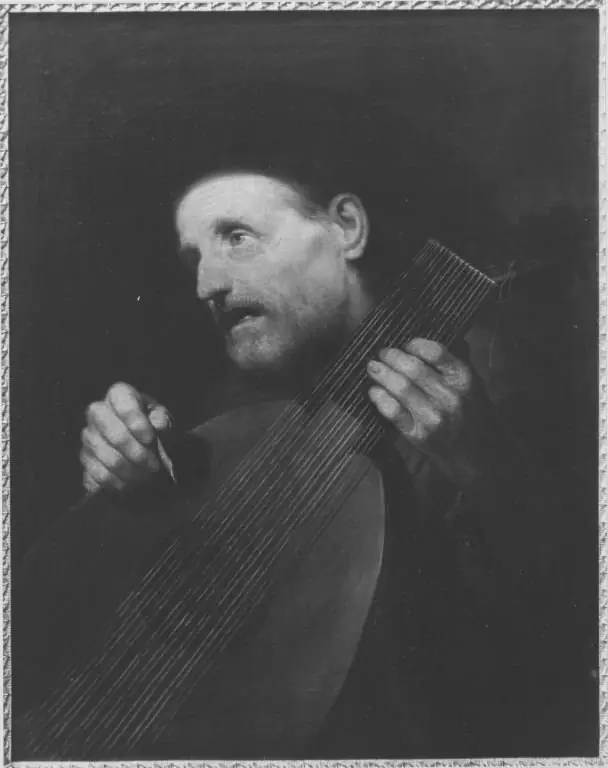
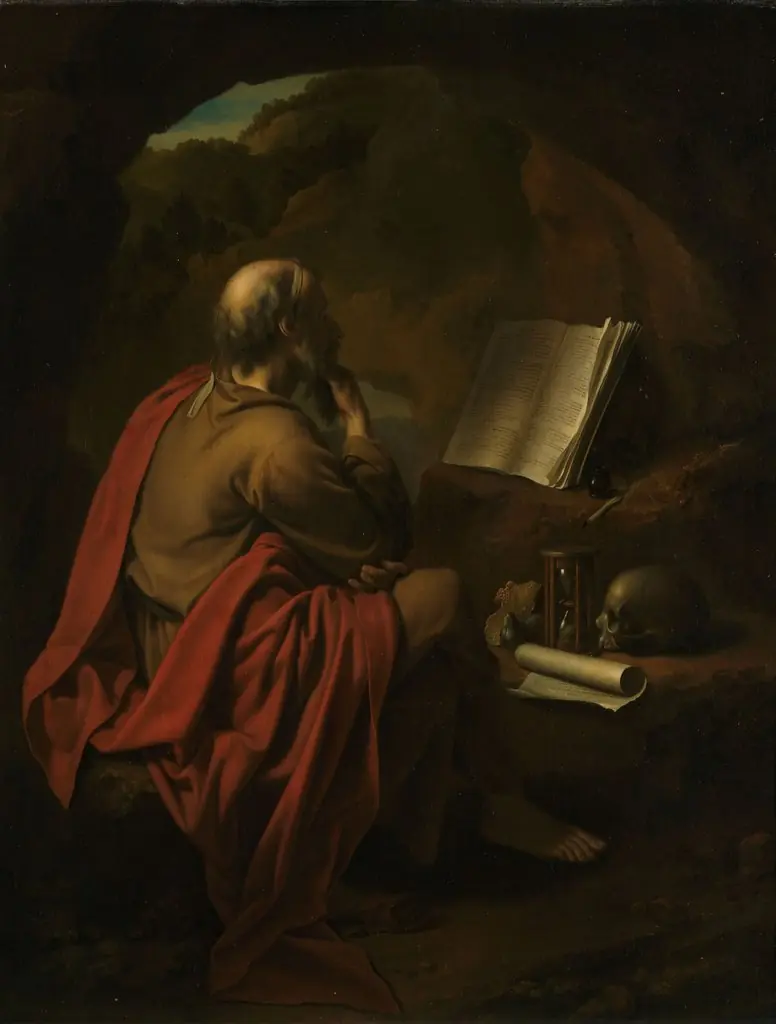
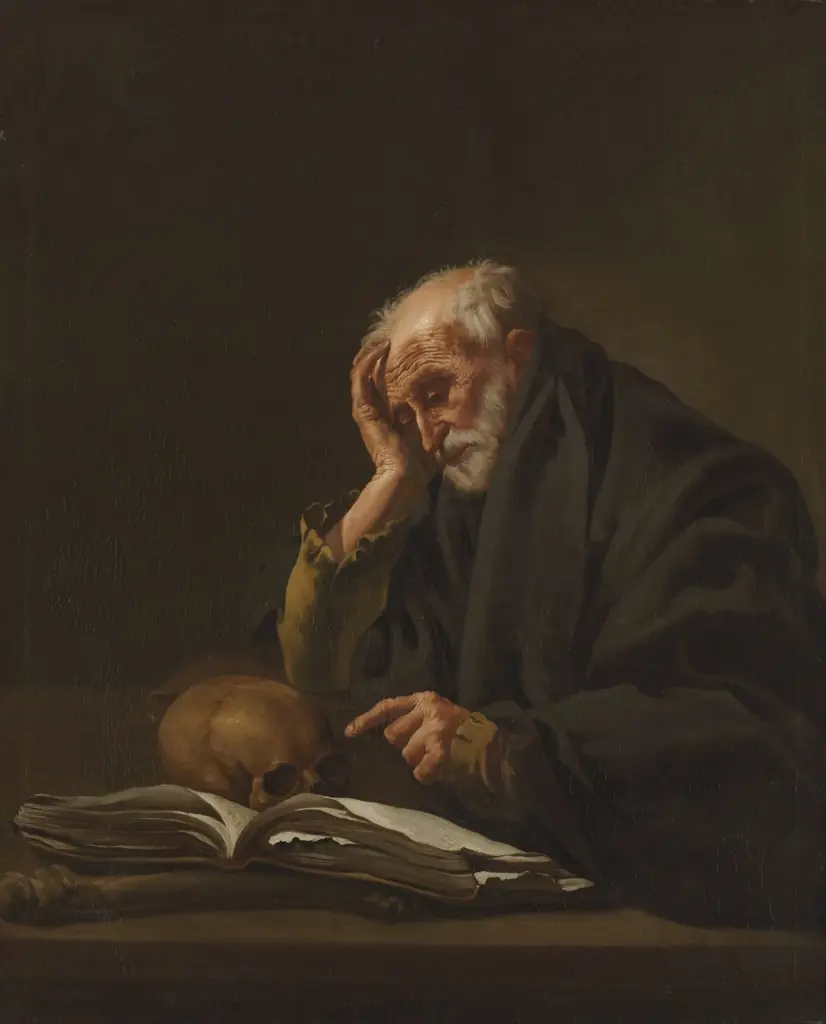
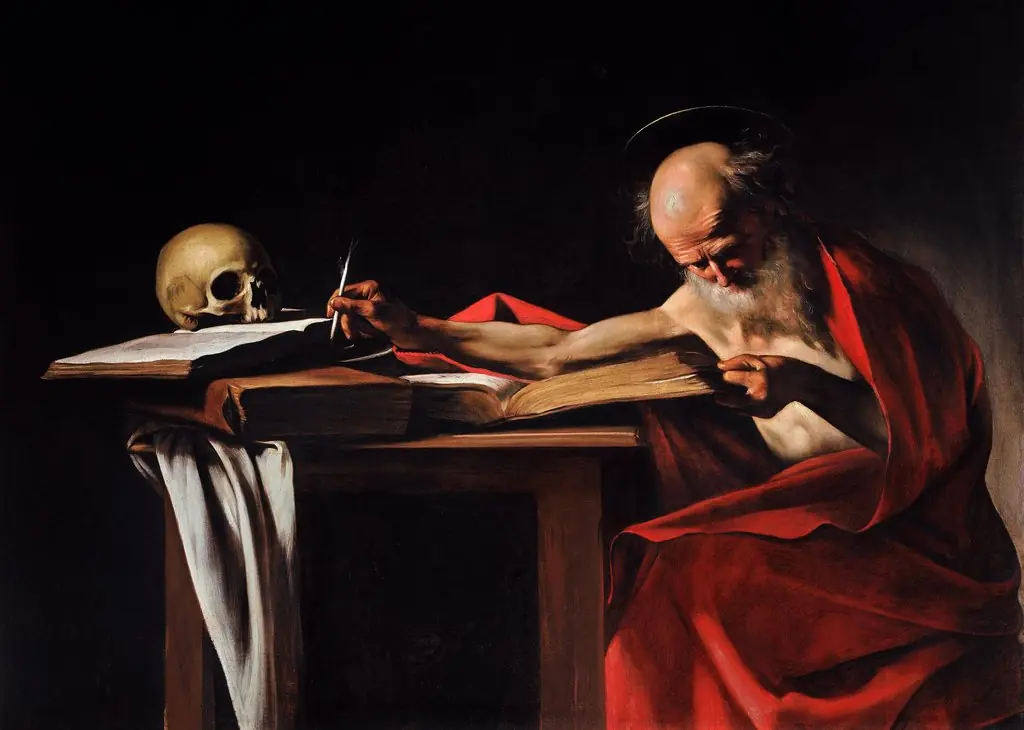
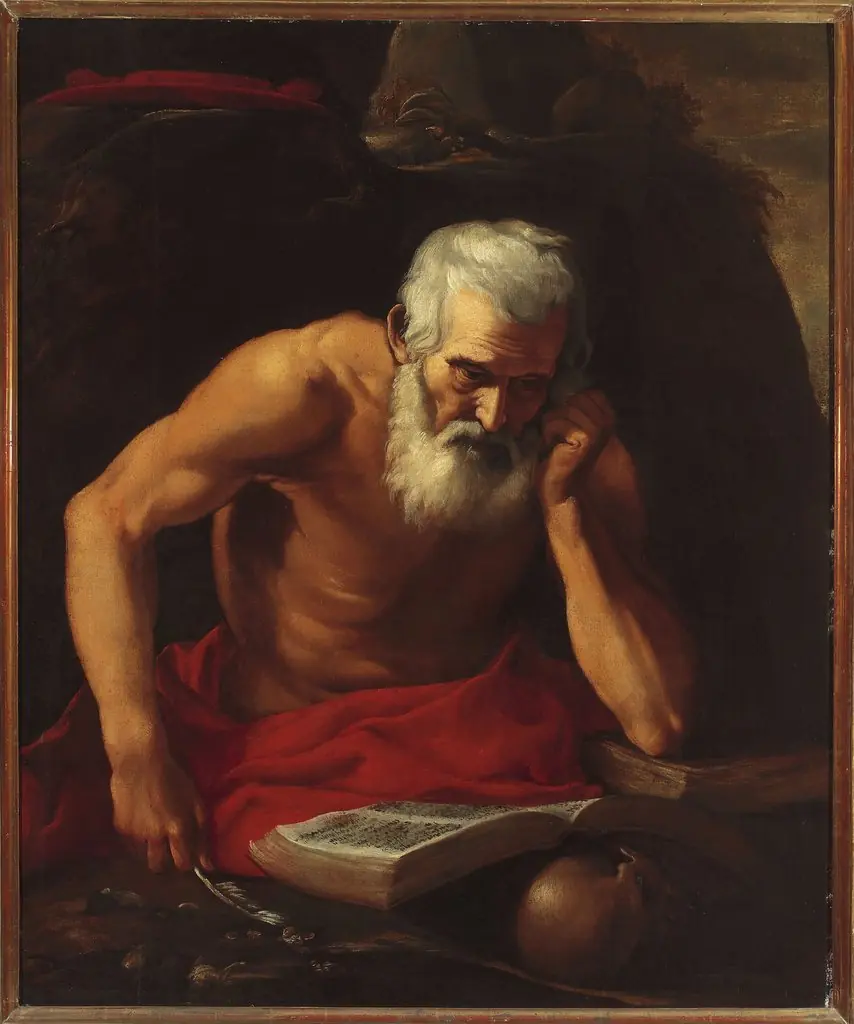
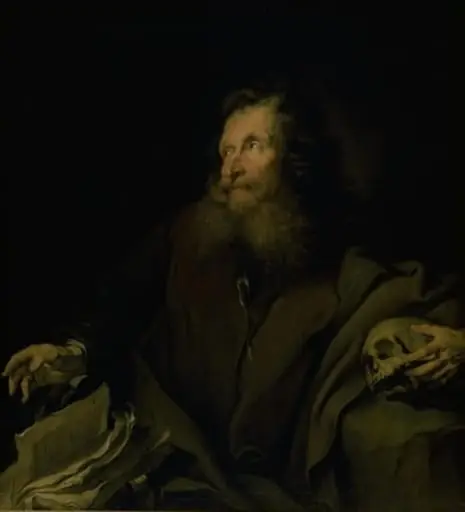
Saint Jerome is an oil painting by the Early Baroque Italian artist Christopher Paudiß. It dates from 1657 and is held in the collection of the Kunsthistorisches Museum.
About this work
Subject & Meaning
The painting depicts Saint Jerome as its main subject, presented within the genre of religious art.
The painting depicts Saint Jerome as its main subject, presented within the genre of religious art. Created by Christopher Paudiß in 1657, the work focuses entirely on the figure of Jerome, a common subject in Christian iconography known for his scholarship and asceticism. As a religious piece executed in oil on canvas, the artwork represents the veneration of this specific saint, adhering to traditional themes associated with his life and legacy.
Technique & Style
The painting Saint Jerome by Christopher Paudiß is executed in oil on canvas, dated 1657. The handling aligns with the Baroque religious tradition of the period, employing layered glazes to build luminous flesh tones and drapery. The composition centers on the half-length figure of Jerome, whose aged face and bony hands are rendered with careful attention to anatomical structure and tactile surface detail.
Stylistic qualities include dramatic chiaroscuro and a restrained palette of earthy ochres and deep blacks, with highlights used to articulate the saint’s features and the folds of his garment.
History & Provenance
Painted in 1657 by Christopher Paudiß, the work entered the imperial collections that later formed the core of the Kunsthistorisches Museum, Vienna.
The painting remains in that institution’s holdings, where it is documented as part of the museum’s religious-art holdings.
Christopher Paudiß's oil painting Saint Jerome, executed in 1657, is held in the collection of the Kunsthistorisches Museum. The work depicts the religious subject of Jerome in the religious art genre. While the painting's physical dimensions are recorded as 136 cm in height and 124 cm in width, the provided sources do not list a specific inventory or accession number for the piece. Furthermore, no exhibition history is documented in the available references for this artwork.
Context
The painting Saint Jerome by Christopher Paudiß was created in 1657 and depicts the saint in a contemplative stance, reflecting Counter-Reformation ideals of personal devotion. It is housed in the Kunsthistorisches Museum, where it forms part of a broader collection of Baroque religious works that emphasize naturalistic detail and emotional intensity. Contemporary scholarship notes its significance as an example of 17th-century Austrian painting that engages with Counter-Reformation themes, as discussed in art historical analyses of the period.
The work exemplifies Paudiß's role within the Viennese school of painting, demonstrating his mastery of religious subject matter through precise anatomical rendering and symbolic composition. Its formal qualities, including the use of chiaroscuro and spatial depth, align with broader Baroque trends while showcasing the artist's individual approach to narrative clarity and devotional imagery.
Overview
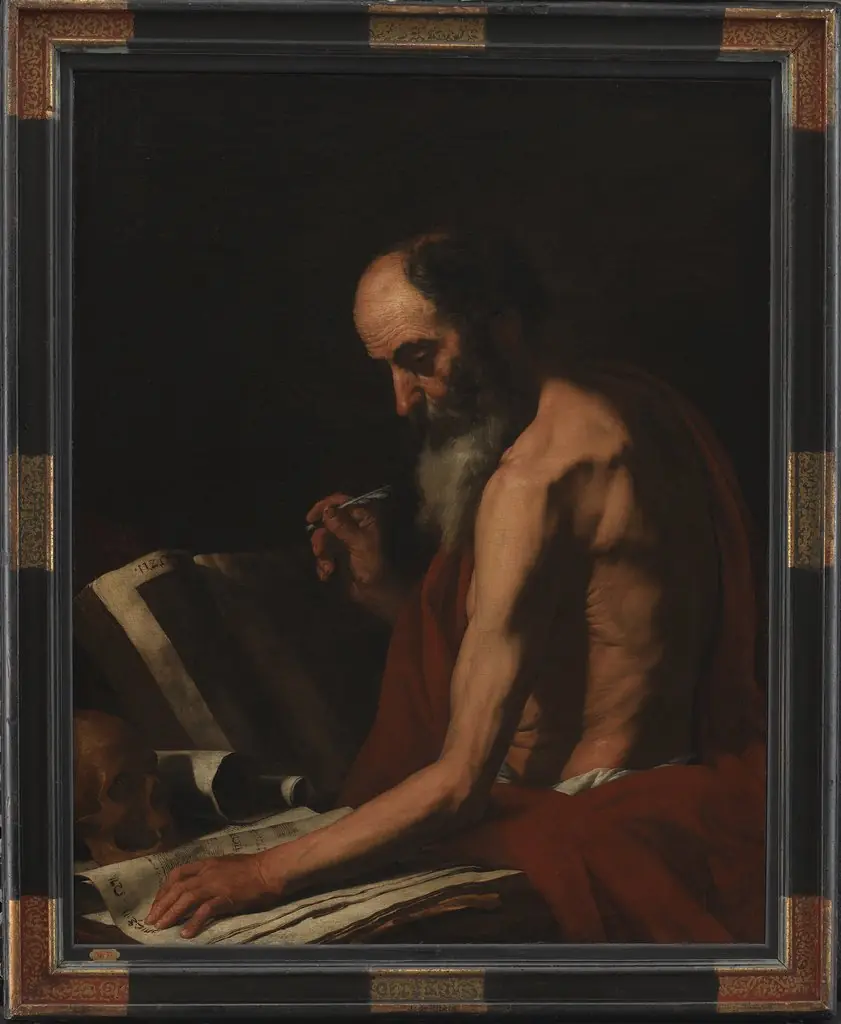
Created in 1657, this oil painting portrays Saint Jerome seated at a desk, surrounded by symbolic objects such as a skull, a cross, and a book. The figure wears a red robe, rests his right arm on the surface, and holds a quill poised over a sheet of paper, his gaze lifted upward in contemplation. The work belongs to the collection of the Kunsthistorisches Museum in Vienna.
Artist & collection
Artist
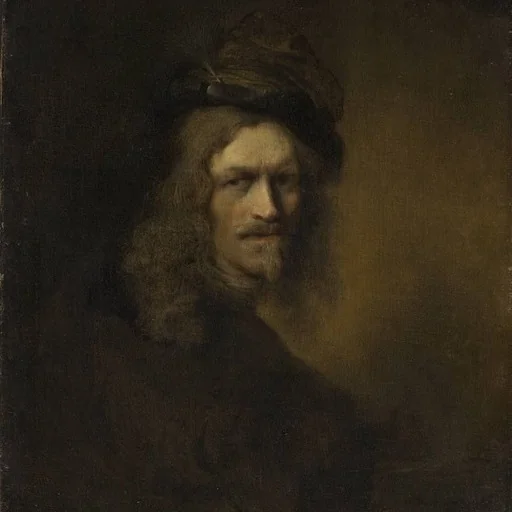
Christoph(er) Paudiß (1630 in Lower Saxony – 1666 in Freising, Upper Bavaria) was a Bavarian Baroque painter and a student of Rembrandt van Rijn.