Artwork
Saint Jerome
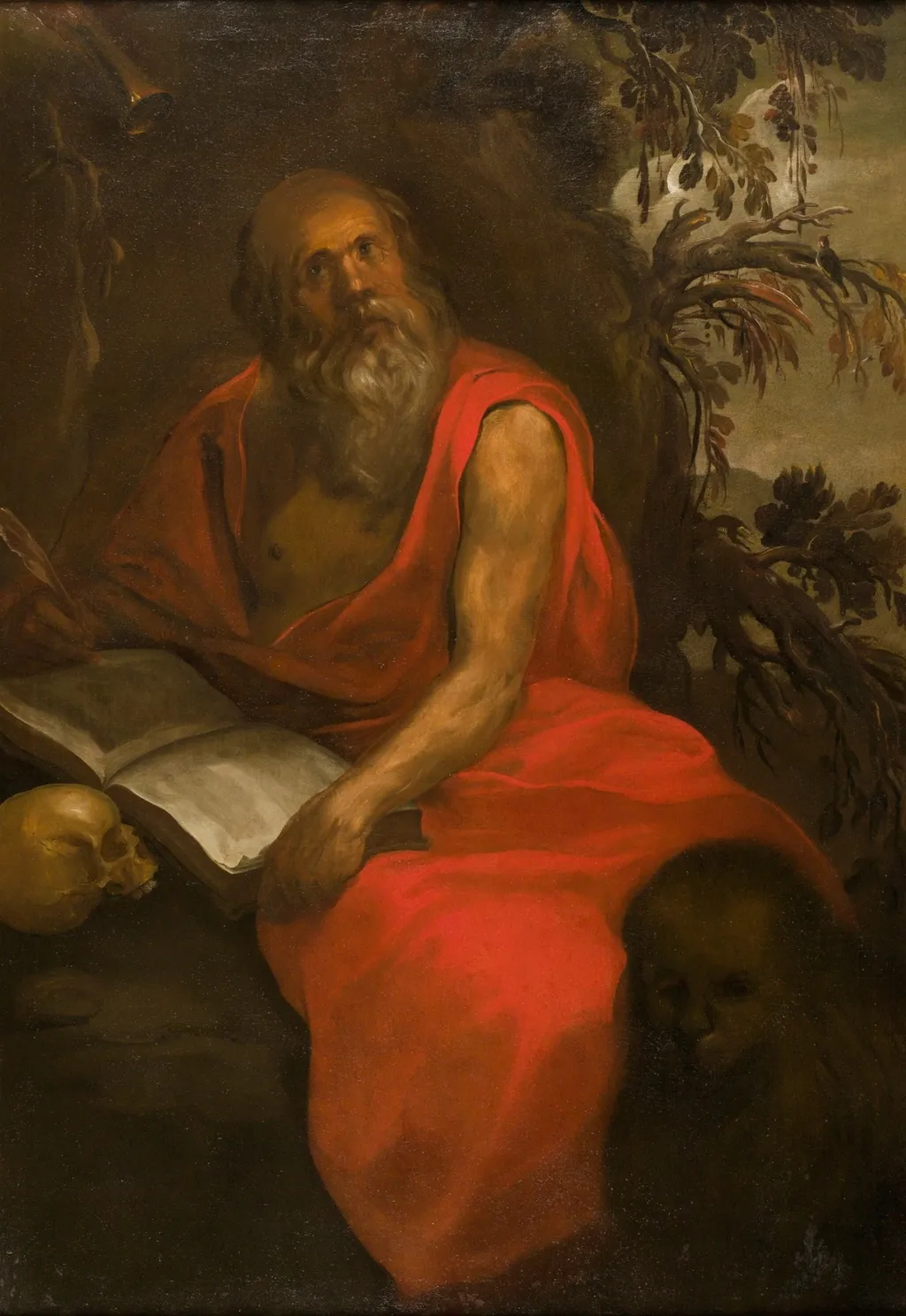
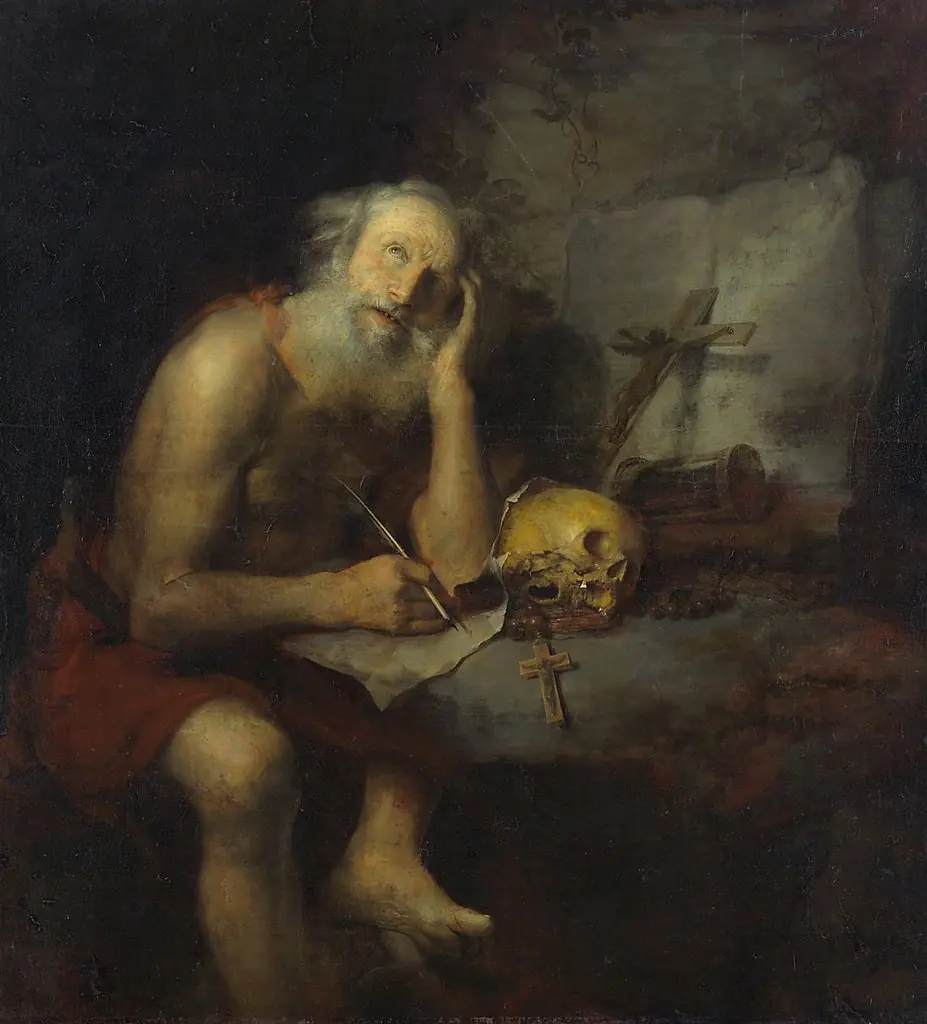
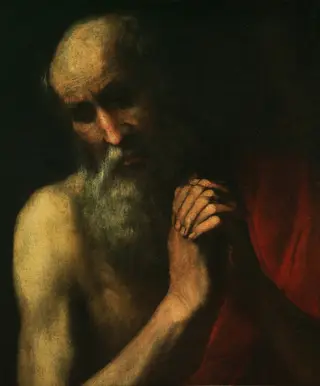
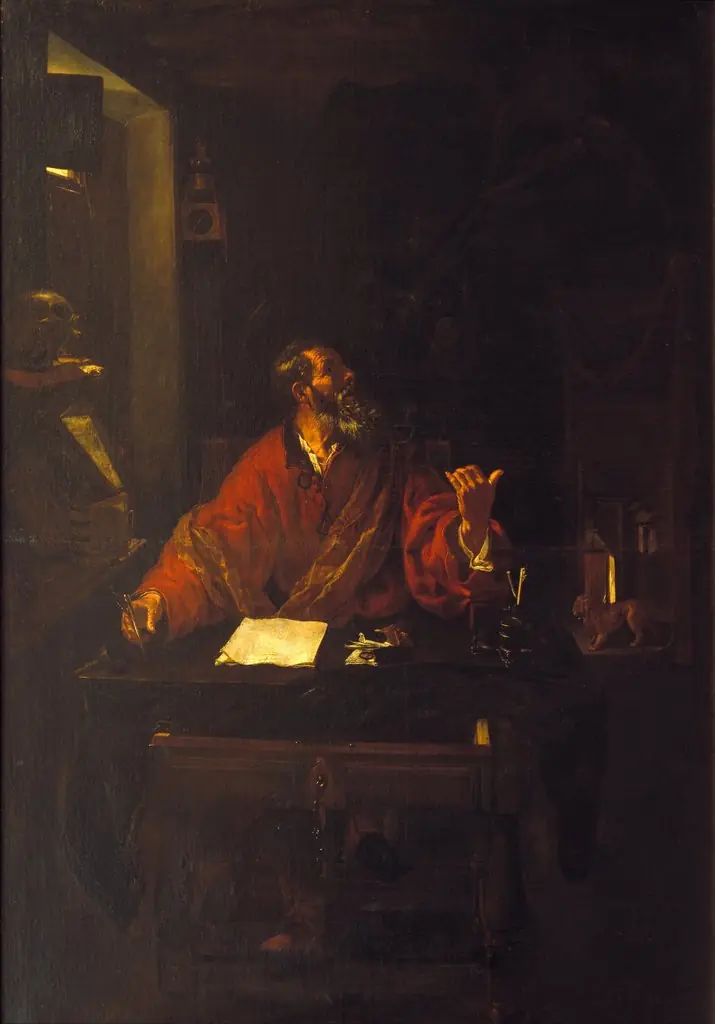
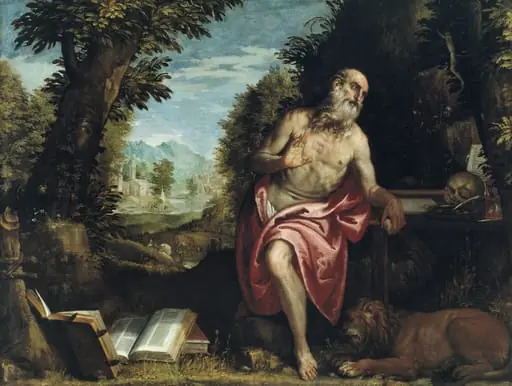
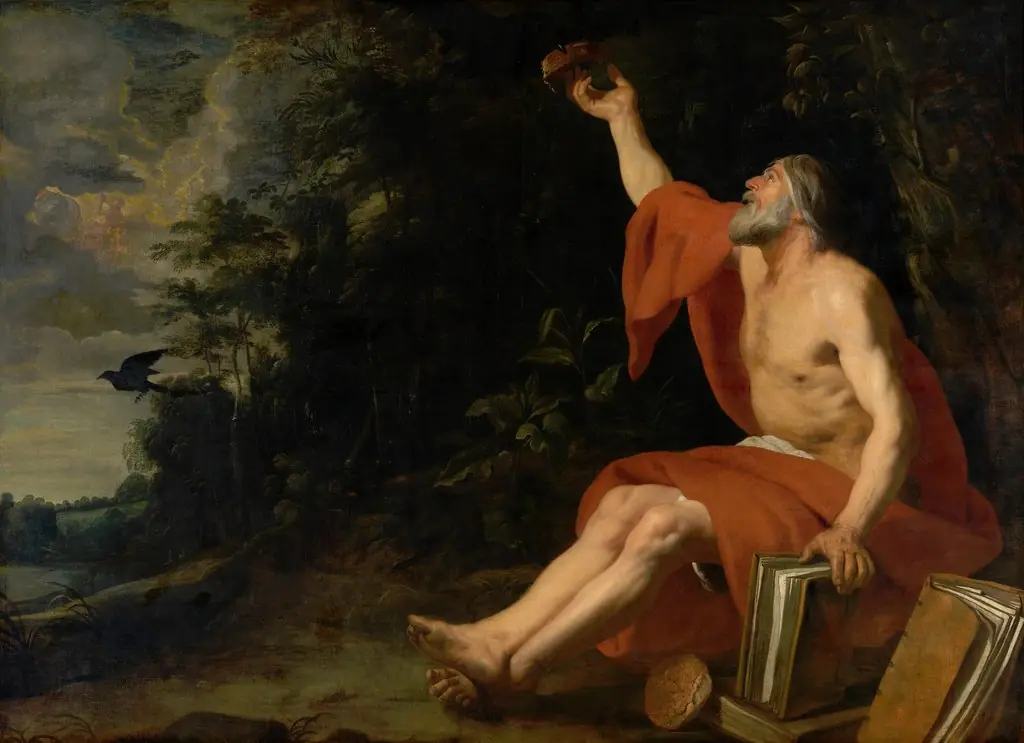
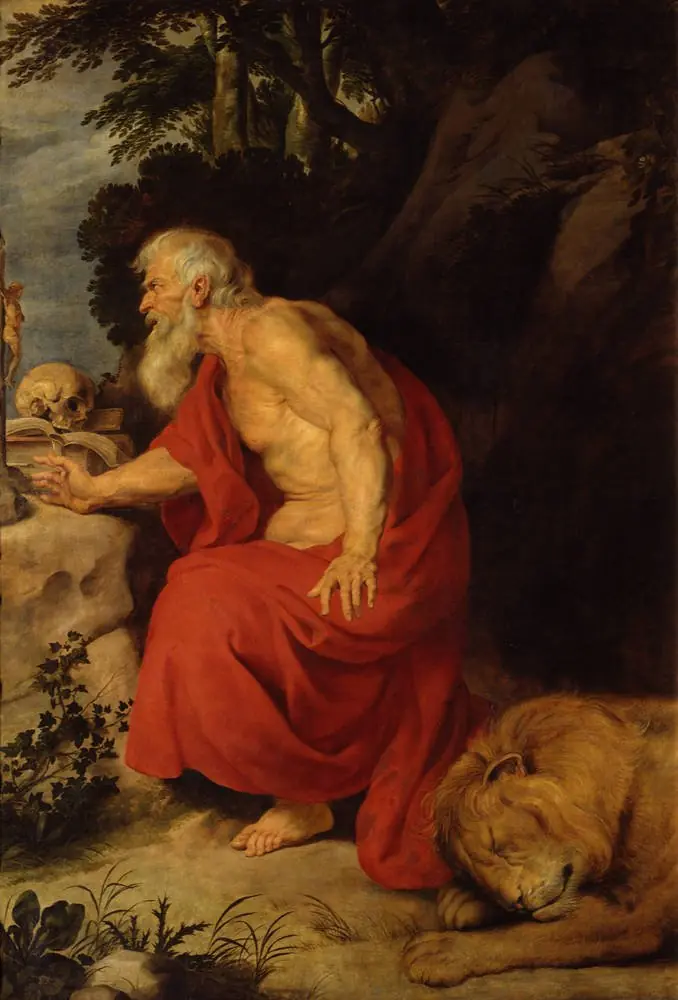
Saint Jerome is an oil painting by the Early Baroque Italian artist Francisco Herrera the Elder. It dates from 1640 and is held in the collection of the Museo del Prado.
About this work
Subject & Meaning
The work belongs to the religious genre and presents Jerome alongside two attributes identified in the catalogue record: a skull and a book.
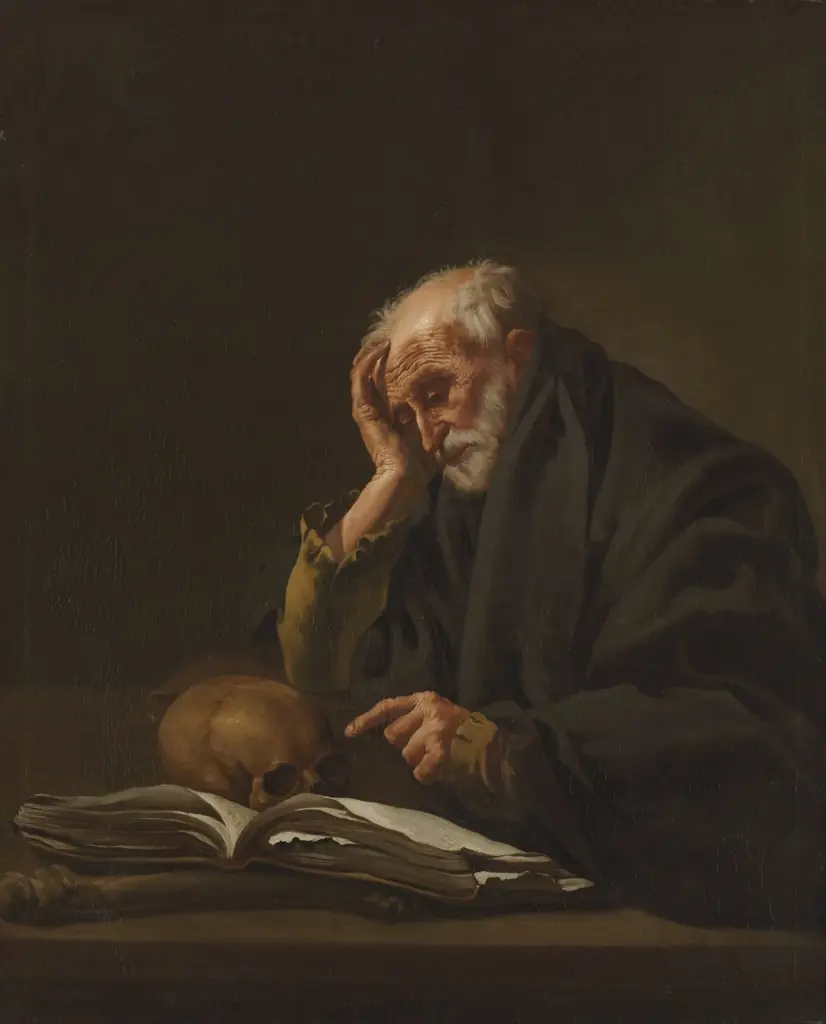
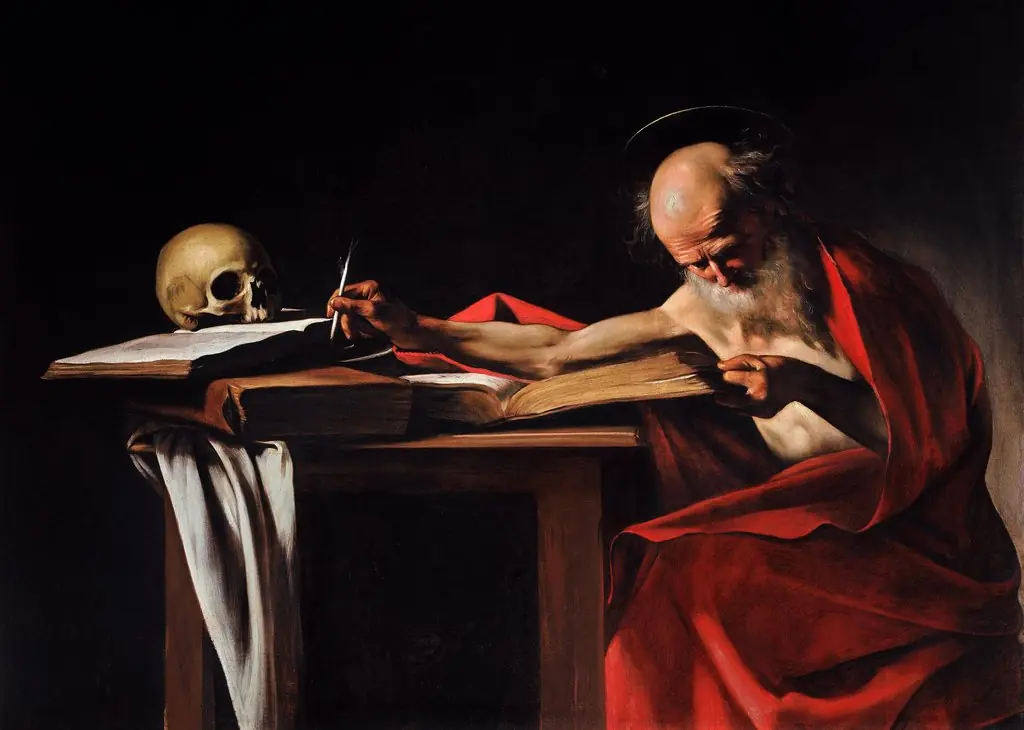
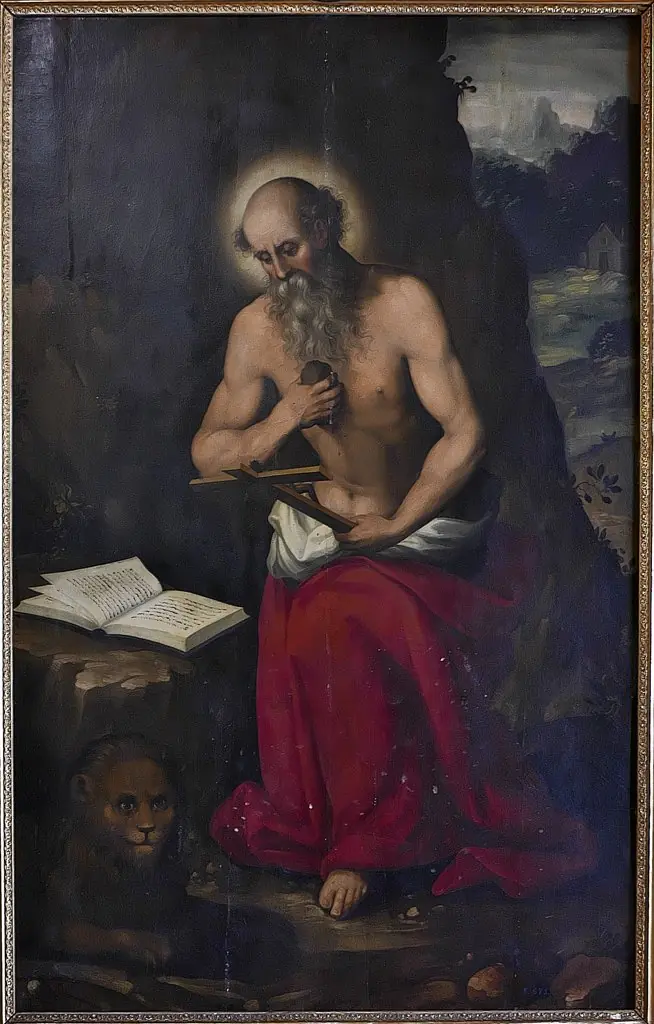
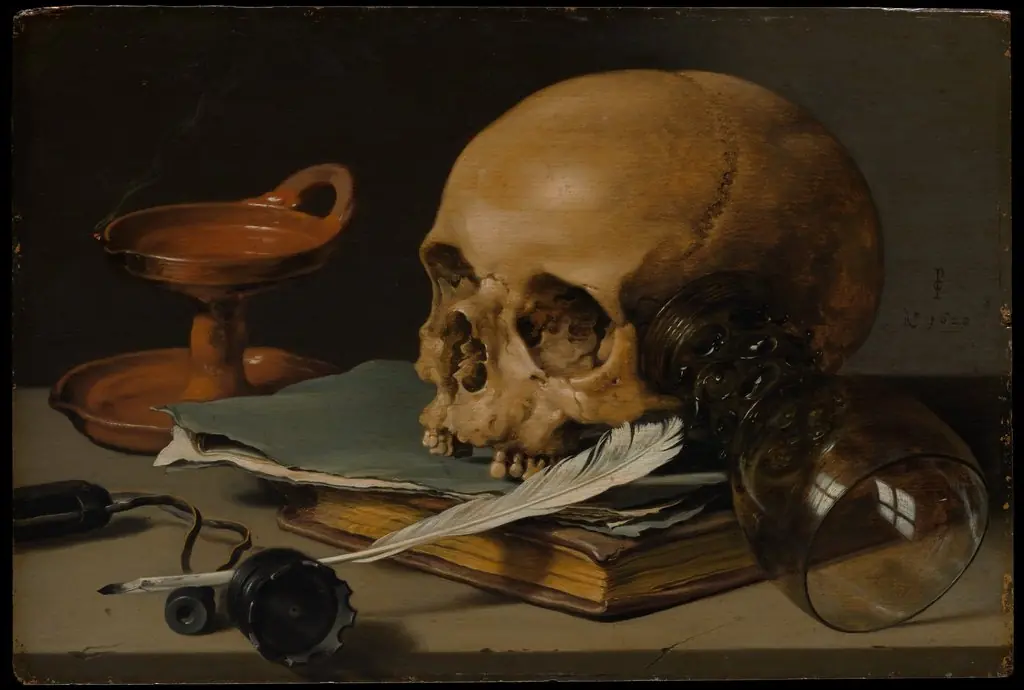
The painting depicts Saint Jerome, a Doctor of the Church and translator of the Latin Vulgate Bible, as its main subject. The work belongs to the religious genre and presents Jerome alongside two attributes identified in the catalogue record: a skull and a book. The skull functions as a memento mori, recalling mortality and prompting penitential reflection, while the book alludes to Jerome's scholarly labors and his role as a learned church father.
Together, these elements frame Jerome as both an ascetic penitent and an authoritative biblical scholar, aligning the image with the longstanding iconographic tradition of portraying the saint in his study or in penitential contemplation.
Technique & Style
Executed in oil on canvas in 1640, the work measures 143 cm in height and 100 cm in width.
The handling combines fluid, atmospheric modeling with sharp, descriptive accents, particularly in the rendering of the saint’s wiry beard and the folds of his drapery. A muted palette of ochres and umbers is enlivened by cooler passages around the skull and book, establishing a restrained yet focused light that models the figure against a dark background. The composition centers on Jerome’s half-length figure, seated with an open codex and a skull, the latter serving both as memento mori and iconographic attribute.
History & Provenance
The painting Saint Jerome by Francisco Herrera the Elder is part of the collection at the Museo del Prado, where it is recorded under inventory number P00968. Its exhibition history includes being displayed in the museum's galleries as part of the permanent collection, with records indicating its presence in exhibitions focused on Spanish Baroque art. The work has been featured in scholarly displays highlighting religious paintings from the 17th century.
Overview
Created in 1640 by the Sevillian painter Francisco Herrera the Elder, this oil on canvas portrays Saint Jerome in a contemplative pose. The composition centers the aged saint, whose white beard and furrowed visage convey a sense of scholarly gravity, set against a muted, shadowy backdrop that emphasizes his solitary presence.
Own this work as a print
Artist & collection
Artist
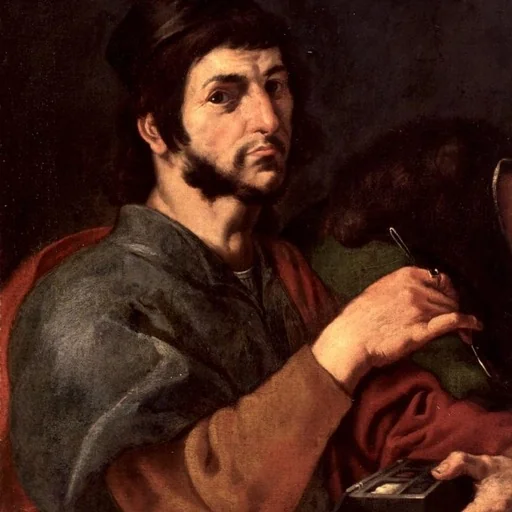
Francisco Herrera (1576–1656) was a Spanish painter, born in Seville. He was the founder of the Seville school. He is known as El viejo, "the elder," to distinguish him from his son Francisco Herrera the Younger, also a noted painter.