Artwork
Witches' Sabbath
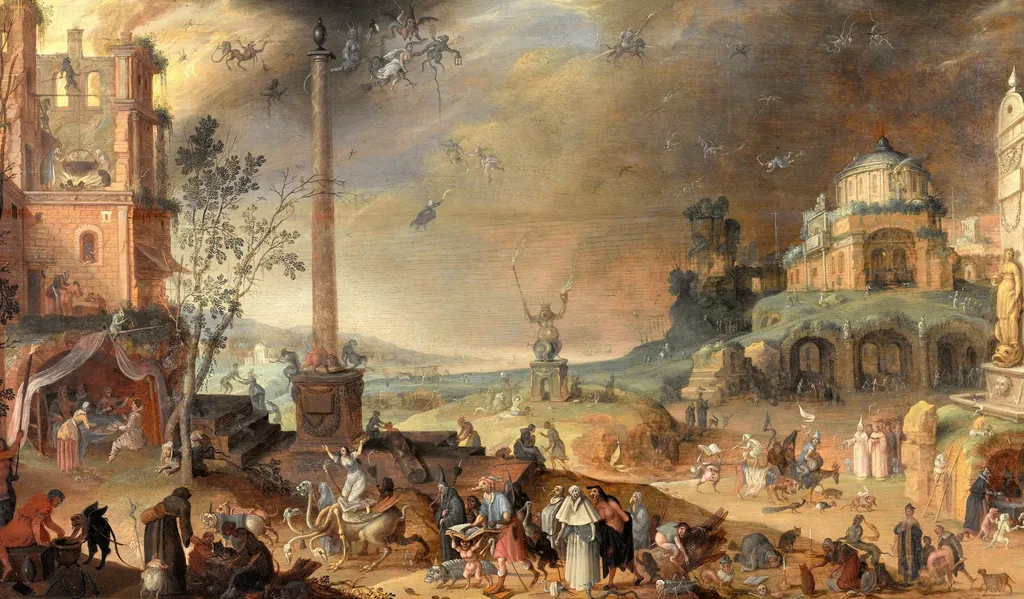
Witches' Sabbath is an unspecified painting by the Dutch Golden Age artist Claes Jacobsz van der Heck. It dates from 1636 and is held in the collection of the Rijksmuseum. Created in 1636, this oil painting depicts a nocturnal, imaginary landscape titled “Witches’ Sabbath.
About this work
The artist packed every inch with strange creatures, some look almost funny now, but they were meant to scare viewers back then.
You see a wild night scene: crumbling towers, flying devils, witches stirring a giant pot, and a fat demon sitting on a globe.
This painting was made in 1636, when people still feared witches. The artist packed every inch with strange creatures, some look almost funny now, but they were meant to scare viewers back then. No one knows who painted it, so the mystery adds to the spooky feel.
To see more eerie scenes like this, visit the Rijksmuseum.
History & Provenance
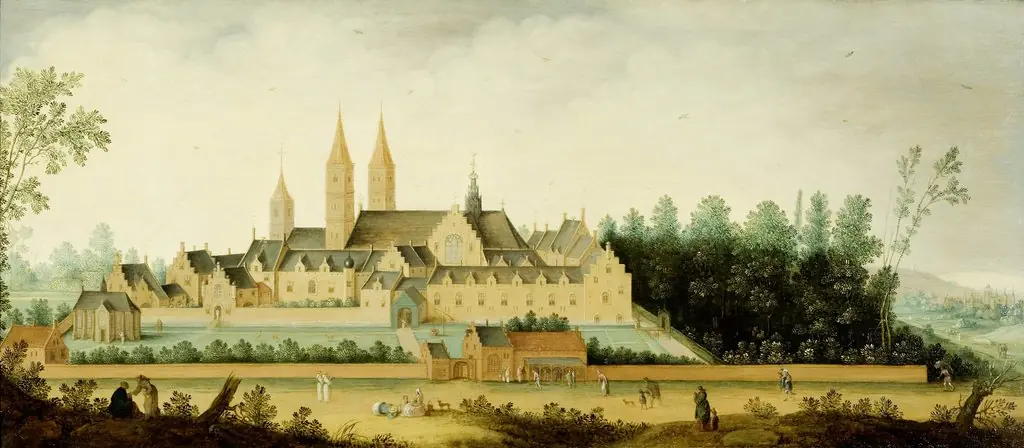
Claes Jacobsz van der Heck created Witches' Sabbath in 1636 as a history painting, a genre documented in his classification as a Dutch Golden Age artist. The work originates from his documented specialization in historical allegories and landscapes, with thematic connections to abbey views and moral subjects like the Judgment of Solomon. His artistic activity is tied to Alkmaar, where he was registered with the Sint-Lucas Guild in 1632 and where several of his works, including landscapes of Egmond Abbey, remain in the Stedelijk Museum Alkmaar's collection. Provenance is anchored in his family workshop context and regional output, with no evidence of external commissions or transregional ownership chains recorded in the sources.
The painting's creation history aligns with van der Heck's documented techniques and influences, particularly his training under Jan Nagel and stylistic affinities with contemporaries like Gilles de Saens. Dating to 1636 is confirmed by explicit record of the work's year, situating it within his mature period following early commissions such as the 1613 schutterstuk for the Oude Schutterij. His role in guild-banner design and decorative projects for Alkmaar's civic and religious institutions further contextualizes the work's production within local civic culture. The attribution history reflects early confusion with his cousin Claes Dircksz van der Heck, later resolved by archival research confirming Claes Jacobsz as the sole creator.
Witches' Sabbath thus represents a typical example of 17th-century Dutch historical painting, characterized by moral narratives rendered in the local Alkmaar artistic milieu rather than international patronage.
Context
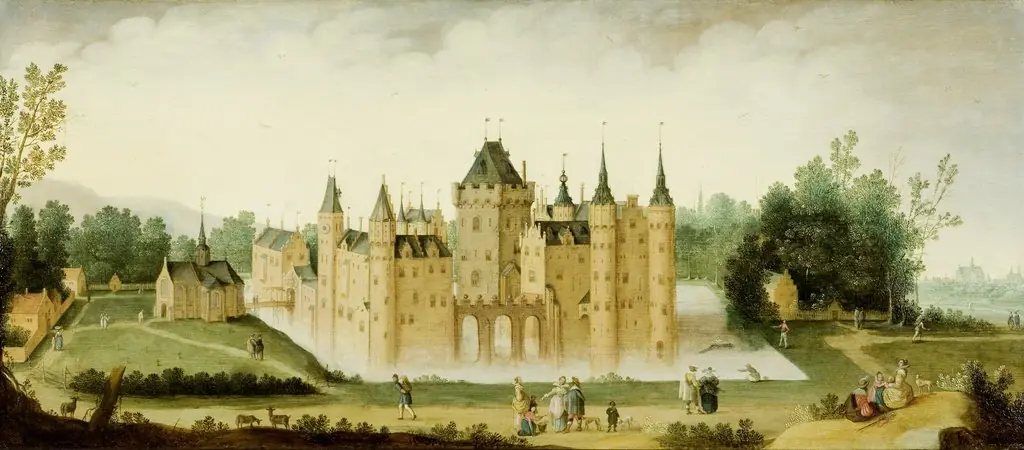
Claes Jacobsz van der Heck was a Dutch Golden Age history painter active in Alkmaar during the early 17th century, known for specialized landscape views of abbeys and castles and for historical allegories such as his 1616 Judgment of Solomon, which hung in the Alkmaar city hall and later entered the Stedelijk Museum Alkmaar's collection; he helped establish the Alkmaar Guild of Saint Luke in 1632, designed coats of arms and guild banners, and was regarded in his time as a master of the region, though 19th-century scholarship mistakenly conflated his work with that of his cousin Claes Dircksz van der Heck, a confusion corrected by historian Dick Wortel in 1943
Legacy
Claes Jacobsz van der Heck's Witches' Sabbath (1636) has been recognized as an influential history painting within Dutch Golden Age art. Contemporary records indicate the work was displayed in the Alkmaar city hall and later entered the collection of the Stedelijk Museum Alkmaar, where several of his other landscape compositions remain on view. Art historians have noted the painting's role in shaping later depictions of witchcraft scenes, citing its compositional treatment of ritual space and atmospheric lighting as a reference point for 17th‑century genre painters. The attribution history of the piece was clarified in the 20th century, distinguishing van der Heck's authorship from that of his cousin Claes Dircksz van der Heck, thereby solidifying the artist's reputation as a master of Alkmaar and a forerunner of later Dutch painters who explored supernatural subjects.
Artist & collection
Artist
Claes Jacobsz van der Heck (Nicolaes Jacobsz van der Heck) (c. 1575 in Alkmaar – 1652 in Alkmaar) was a Dutch Golden Age painter.

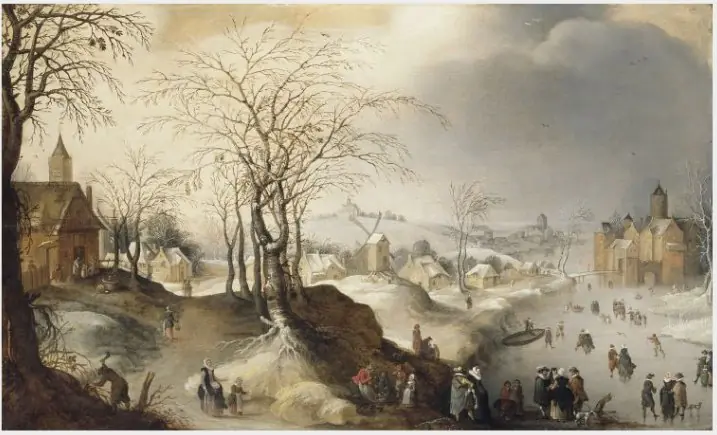
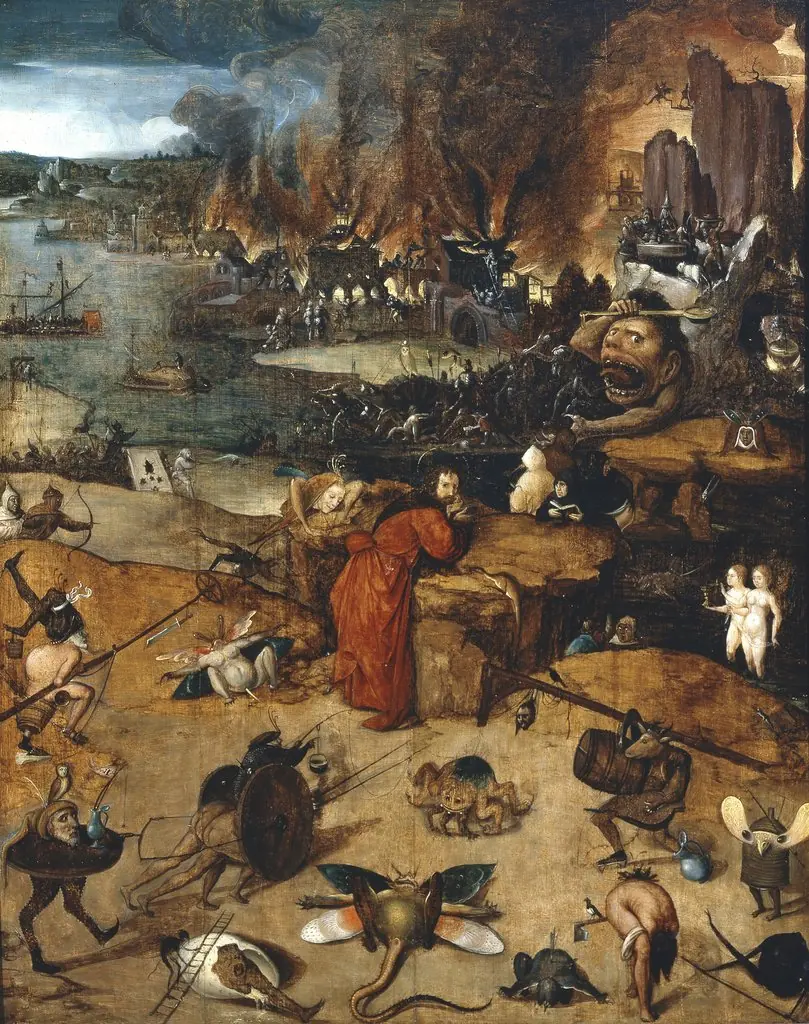 Temptation of St. Athony
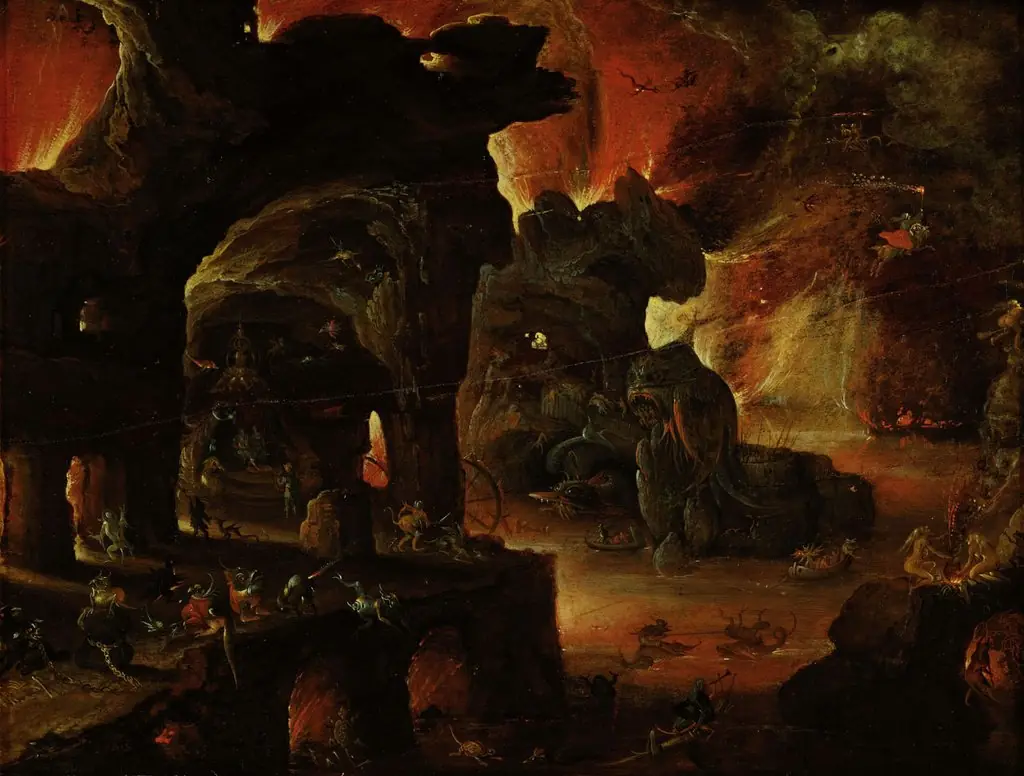 Orpheus in the Underworld
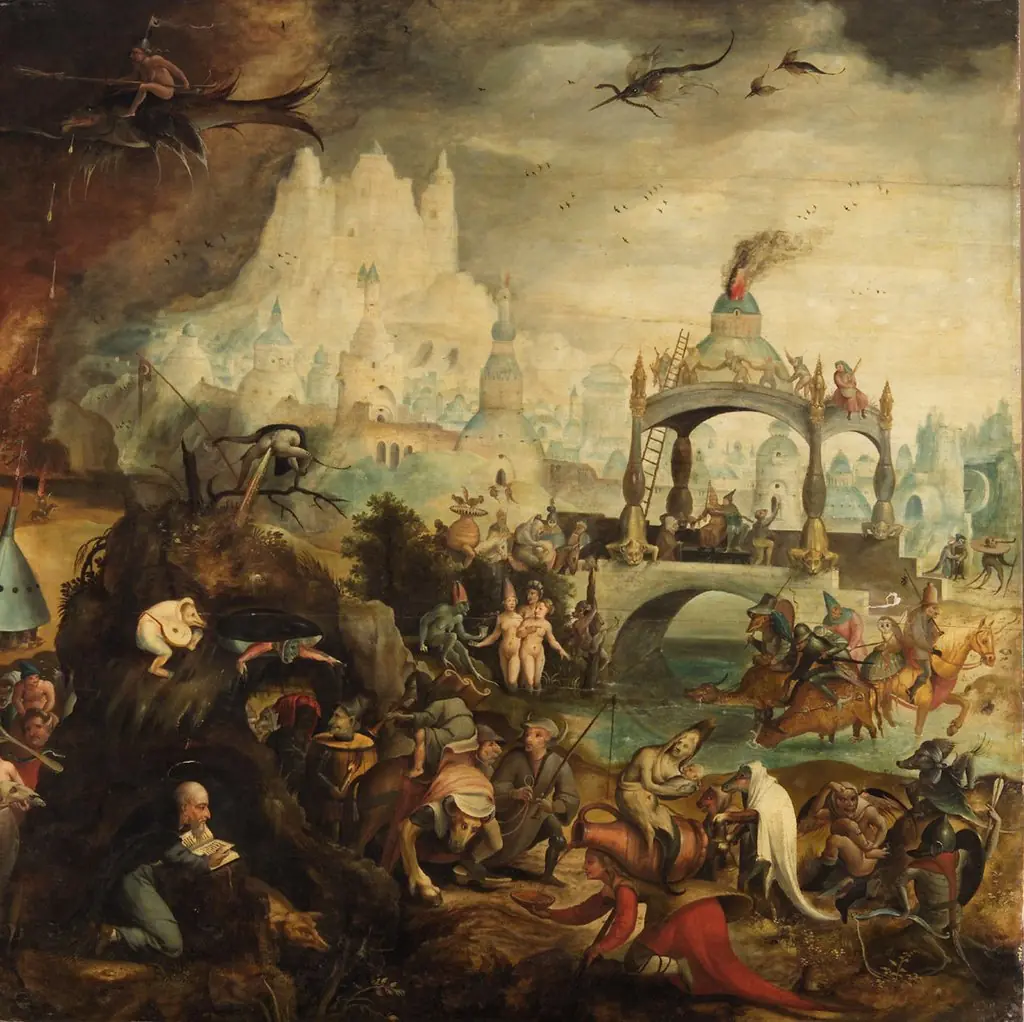 Versuchung des Hl. Antonius
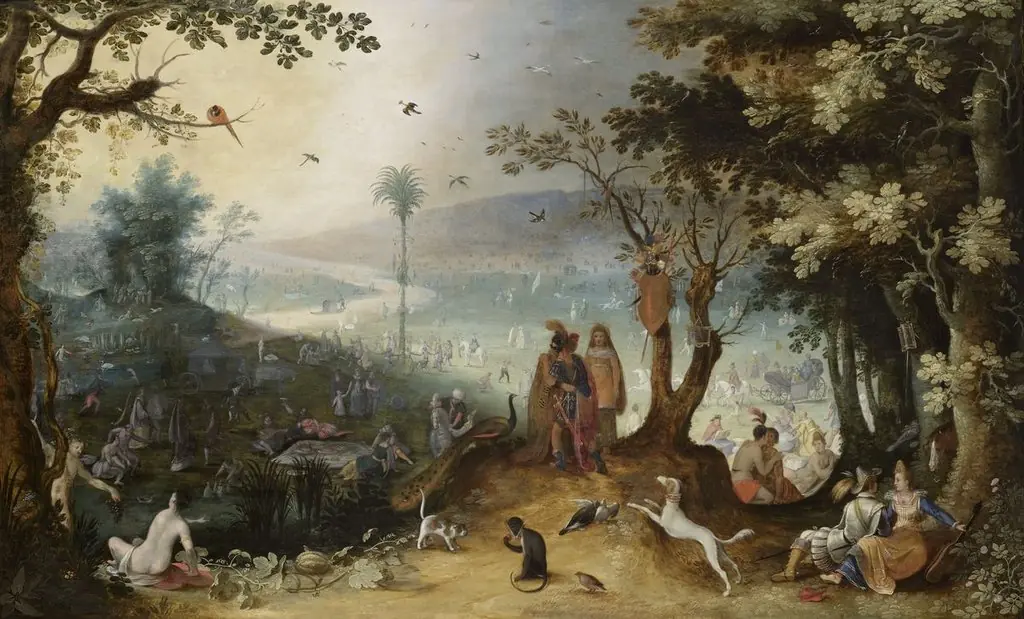 Aeneas meeting with his father in the Elysium
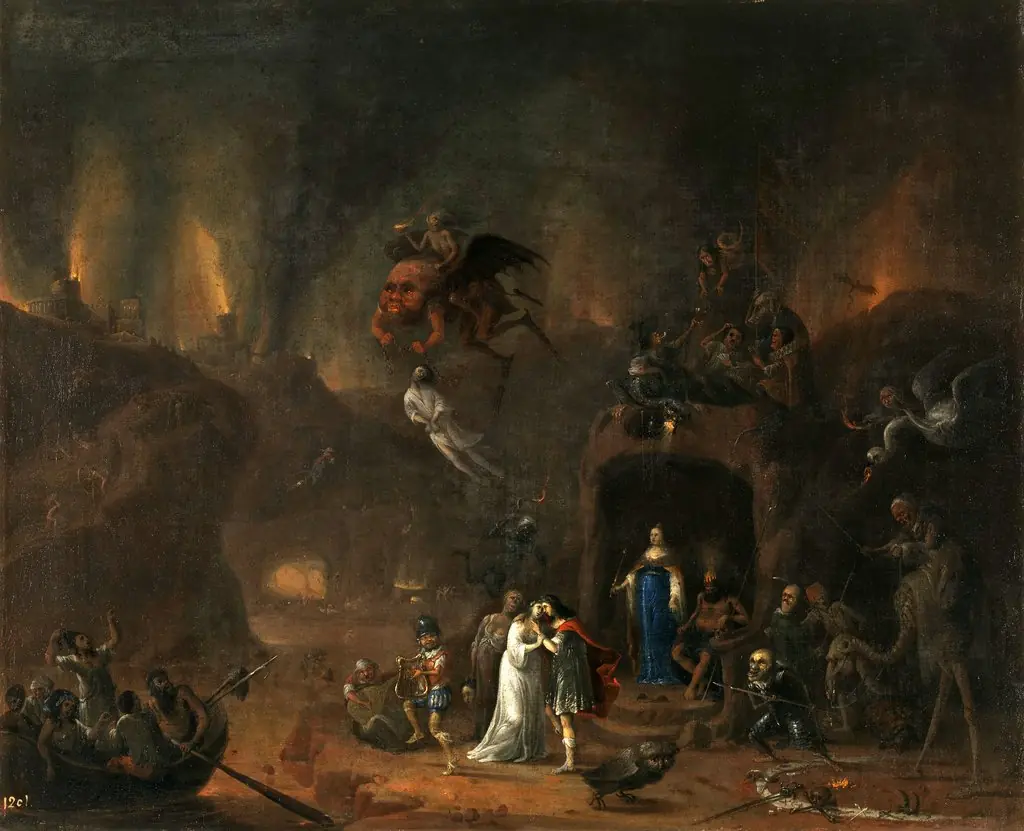 Orpheus and Eurydice in the Underworld
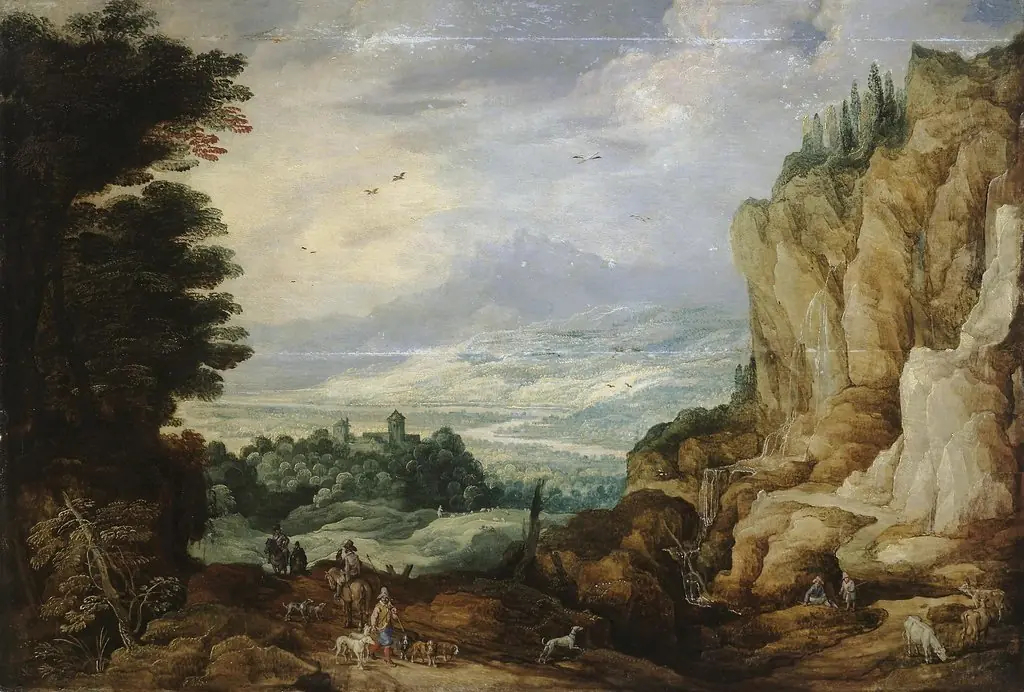 Rock Landscape with a Waterfall
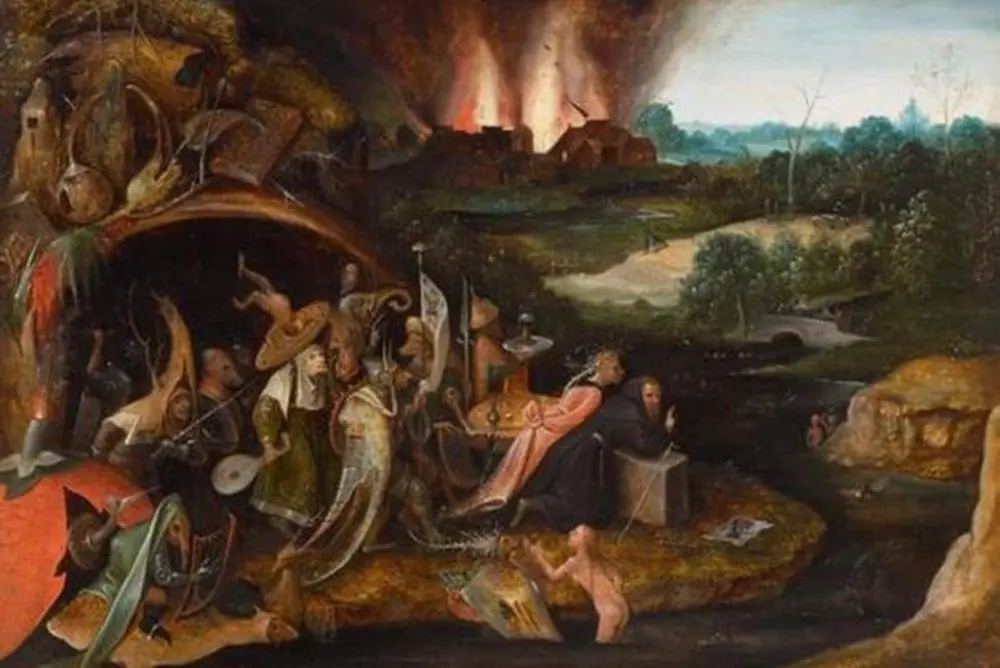 The temptation of St. Antony
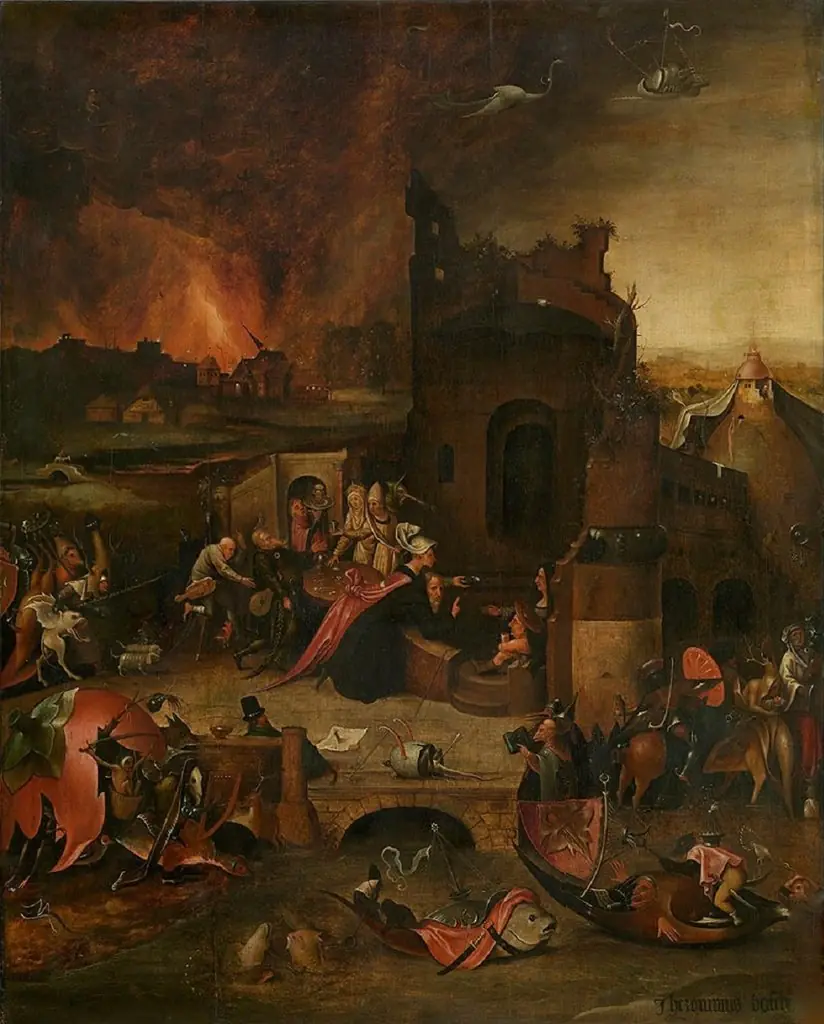 The Temptation of Antony Abbot of Egypt
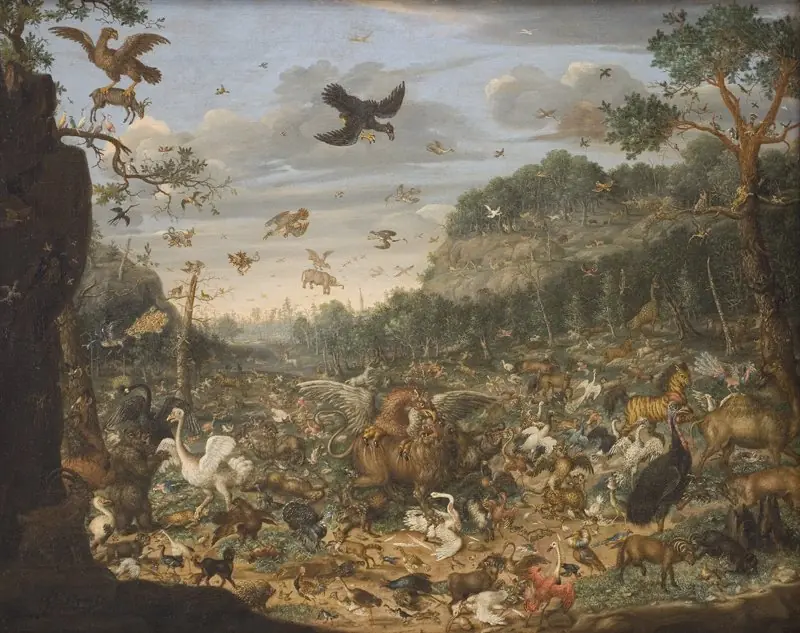 The Earth after the Fall of Man
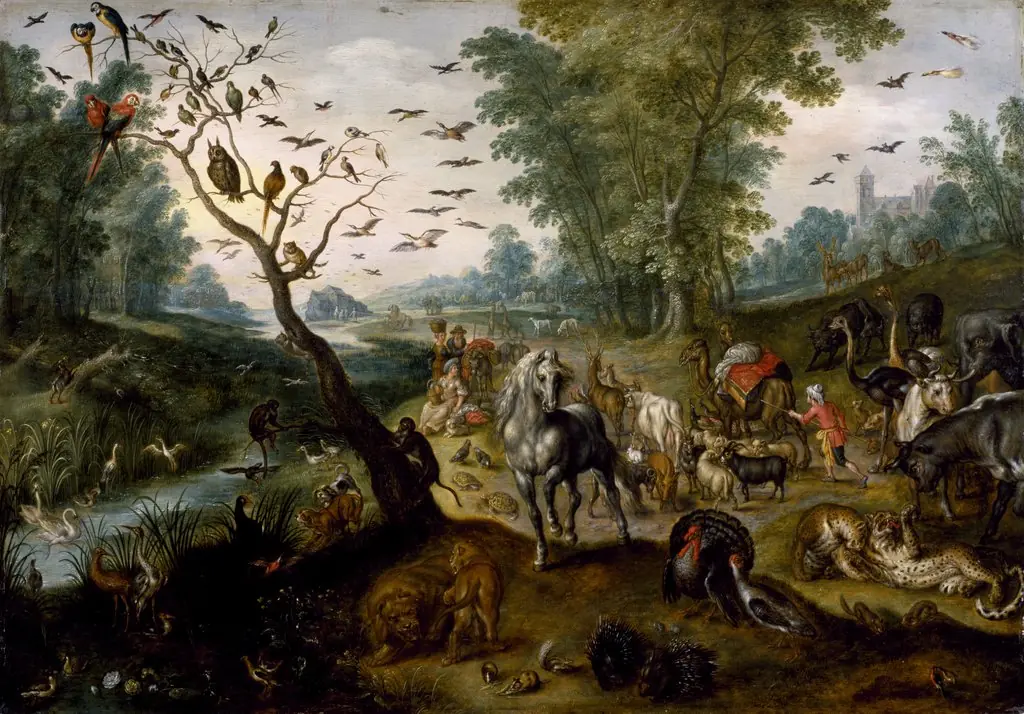 Noah's Family Assembling Animals before the Ark