Artwork
The Draughtsman
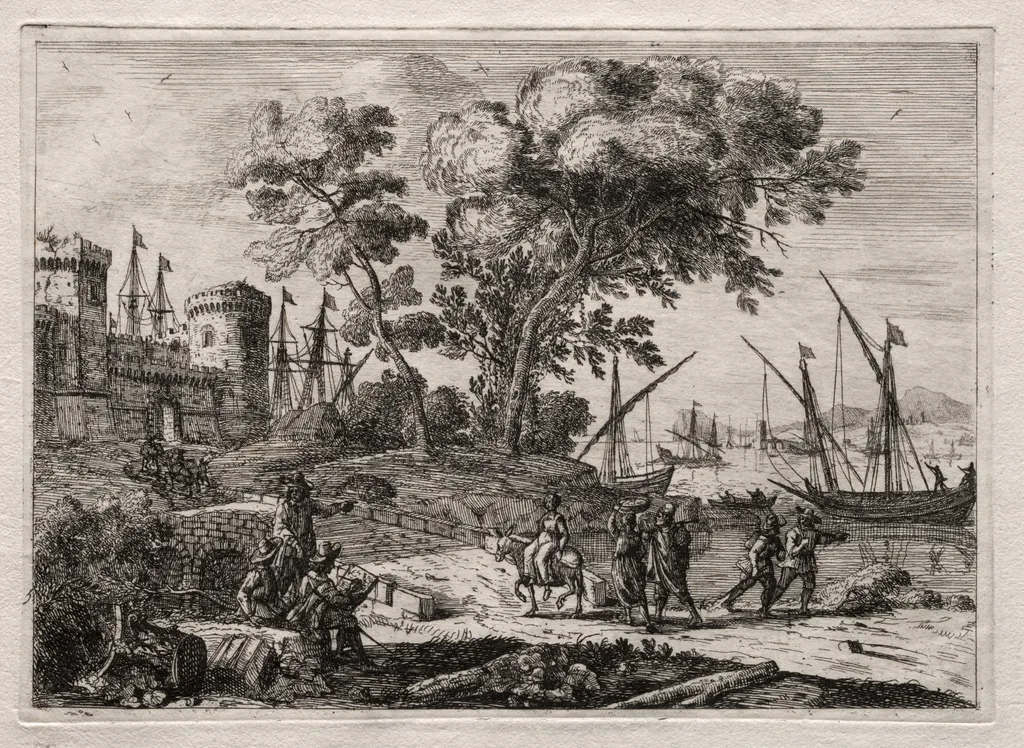
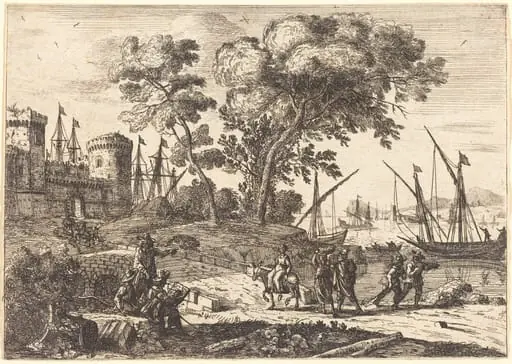
The Draughtsman is a print by the Baroque artist Claude Lorrain. It dates from 1650 and is held in the collection of the Cleveland Museum of Art.
- Accession no.
- 1925.32
- Credit line
- Gift of Ralph King
About this work
Overview
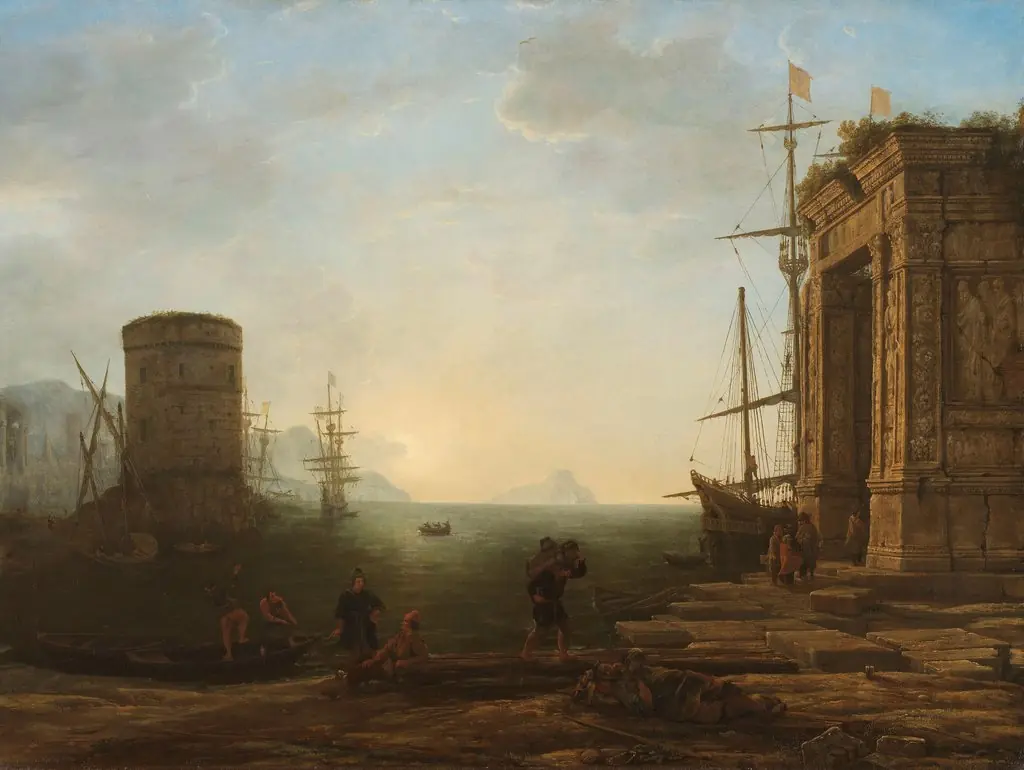
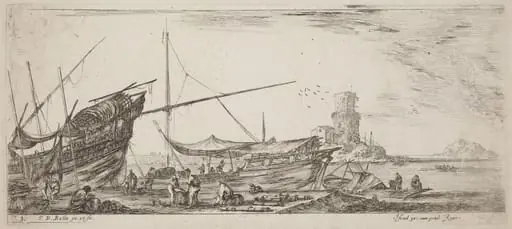
The Draughtsman is a 1650 print by Claude Lorrain, a French artist known for his landscapes. It is a black-and-white scene depicting a bustling harbor.
Subject & Meaning
The print shows a walled city with a harbor, where people are loading cargo and moving along a path. The scene is set against a backdrop of towers and a castle-like structure, suggesting a classical or biblical inspiration.
Technique & Style
Lorrain used shading to create a sense of depth, with distant elements rendered softer than those in the foreground. This technique, common in 17th-century art, creates a convincing illusion of space.
History & Provenance
The Draughtsman is part of the Cleveland Museum of Art's collection. Lorrain spent most of his career in Italy, where he helped elevate landscape painting as a genre.
Own this work as a print
Artist & collection
Artist
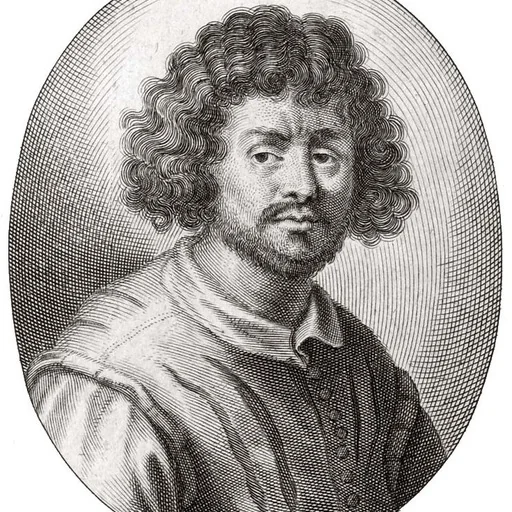
Claude Lorrain (French:; born Claude Gellée, called le Lorrain in French; traditionally just Claude in English; c.

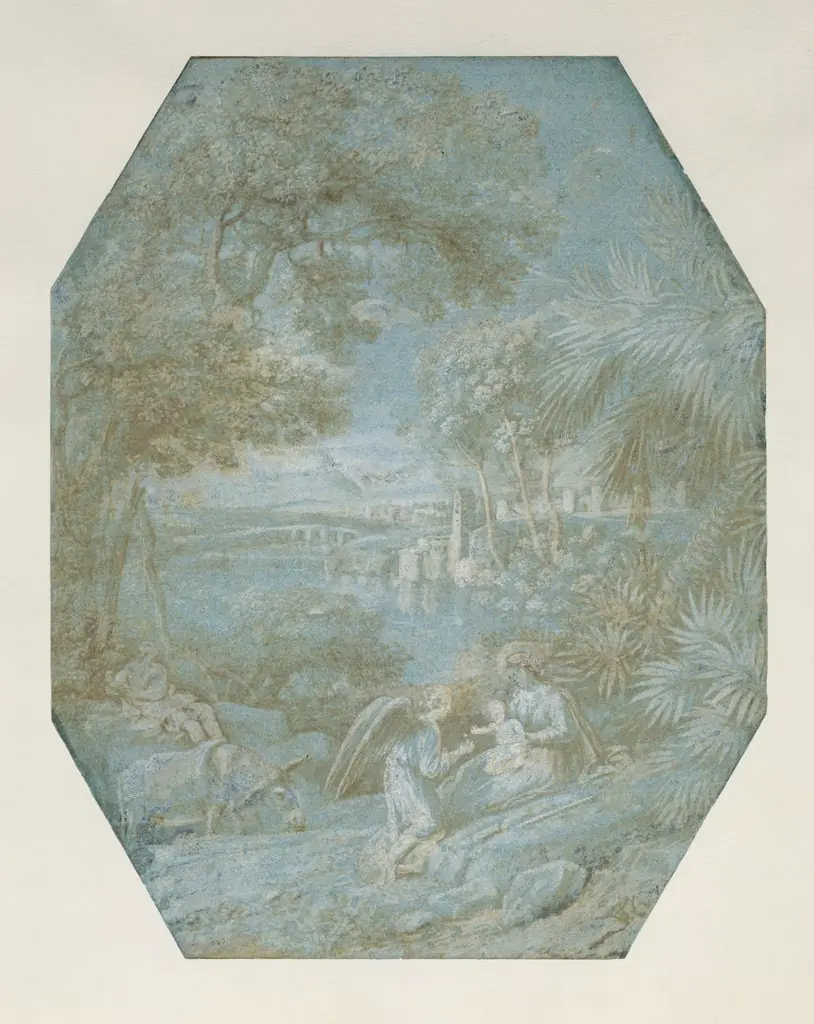
 Coast Scene with an Artist (Le dessinateur)
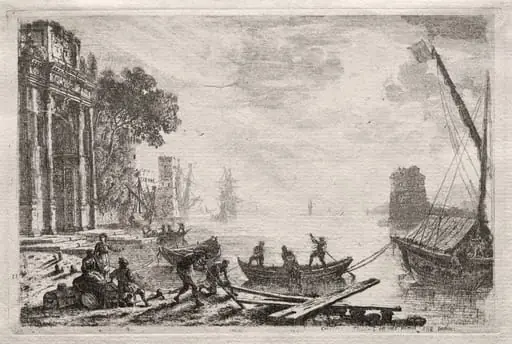 The Sunset
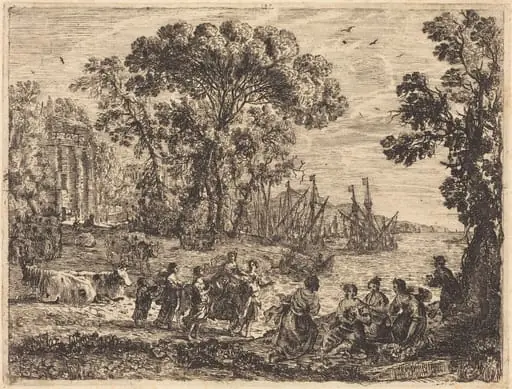 Europa and the Bull (L'enlèvement d'Europe)
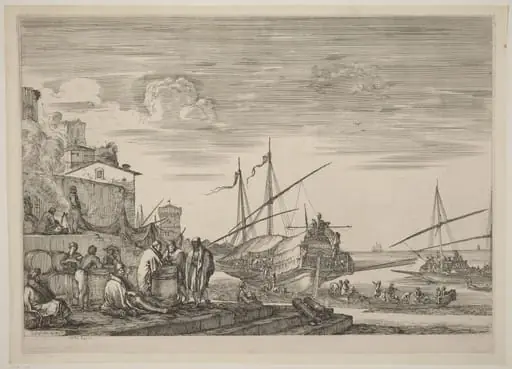 View of Several Houses Facing the Port
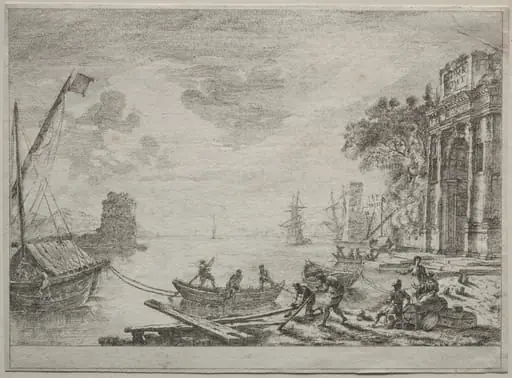 The Sunset
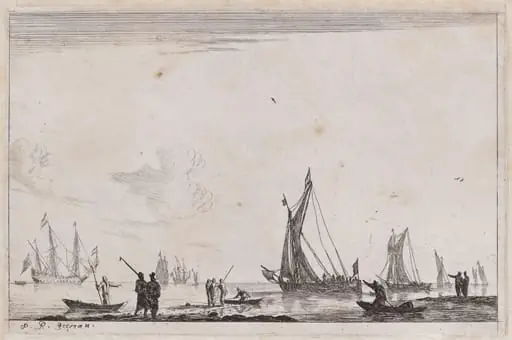 Inland Waterway with Two Galliots at the Right
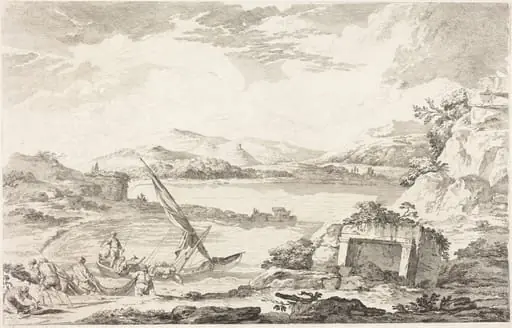 View of the Ancient Port of Phaleron, Athens
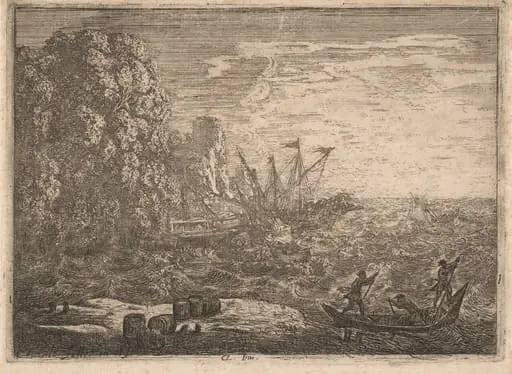 The Tempest (La Tempête)
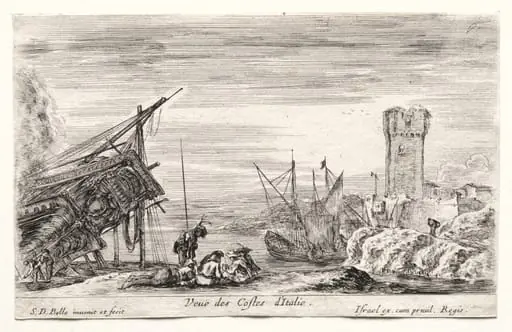 Views of Sea Ports: View of the Italian Coast
 Harbor View
 Rustic Seaport
- The Wooden Bridge