Artwork
Poppy Field near Vétheuil
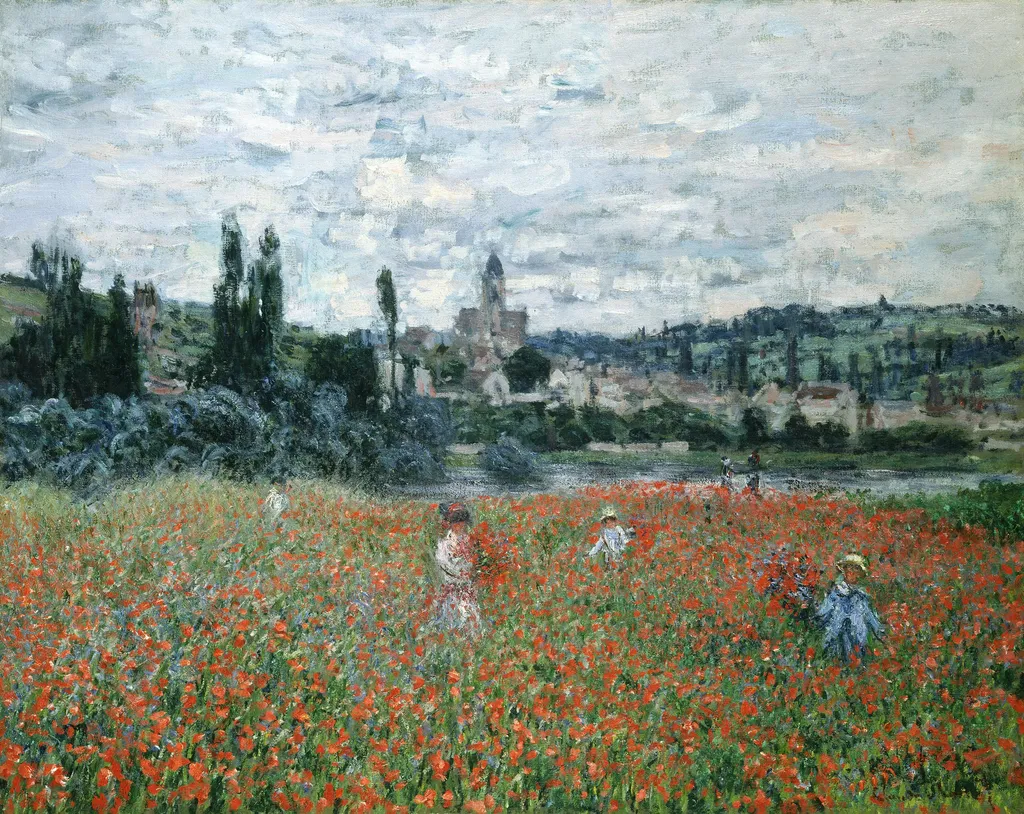
Poppy Field near Vétheuil is an oil painting by the Impressionist artist Claude Monet. It dates from 1890 and is held in the collection of the Collection of Max Emden.
About this work
Subject & Meaning
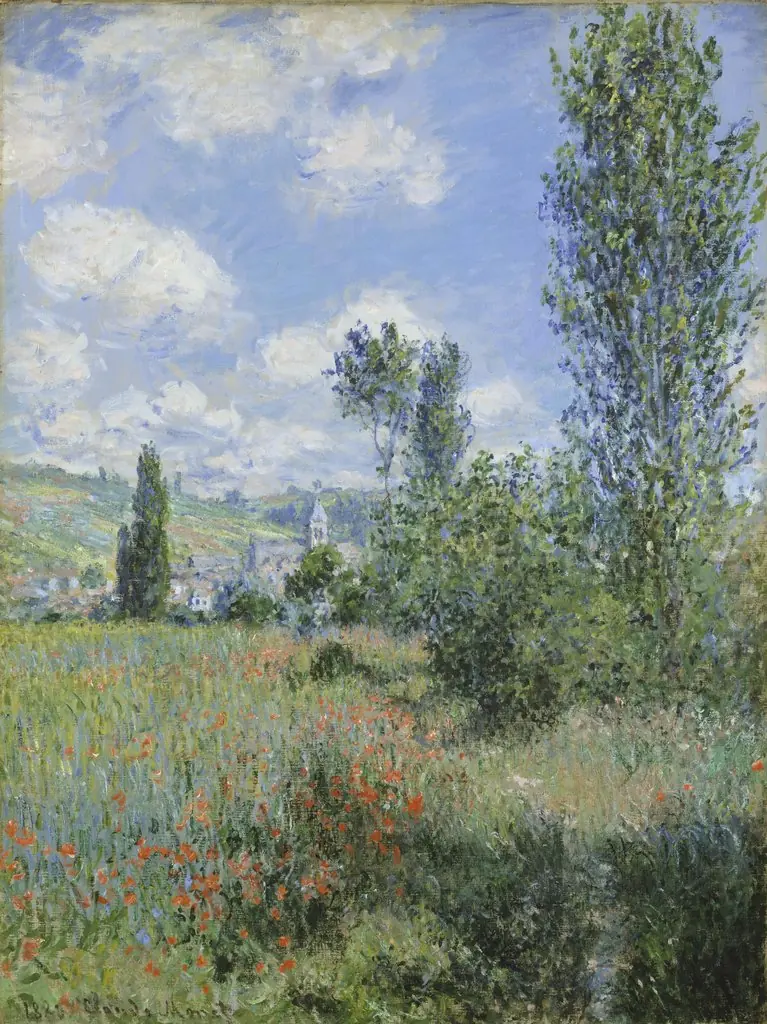
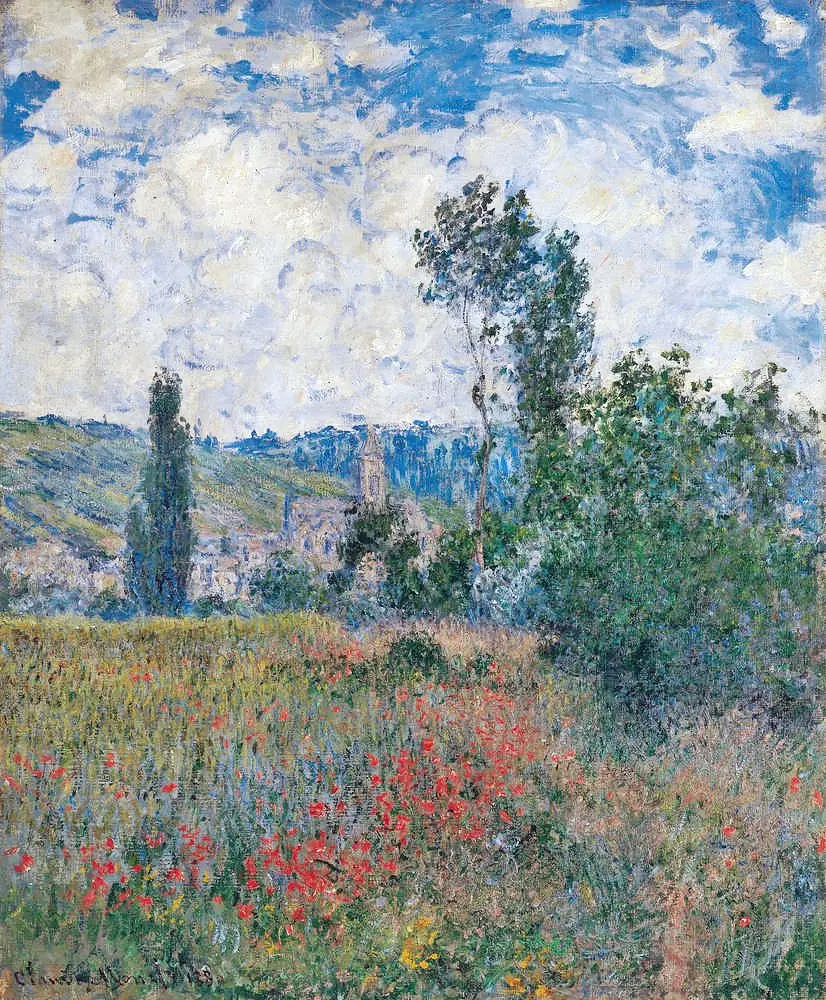
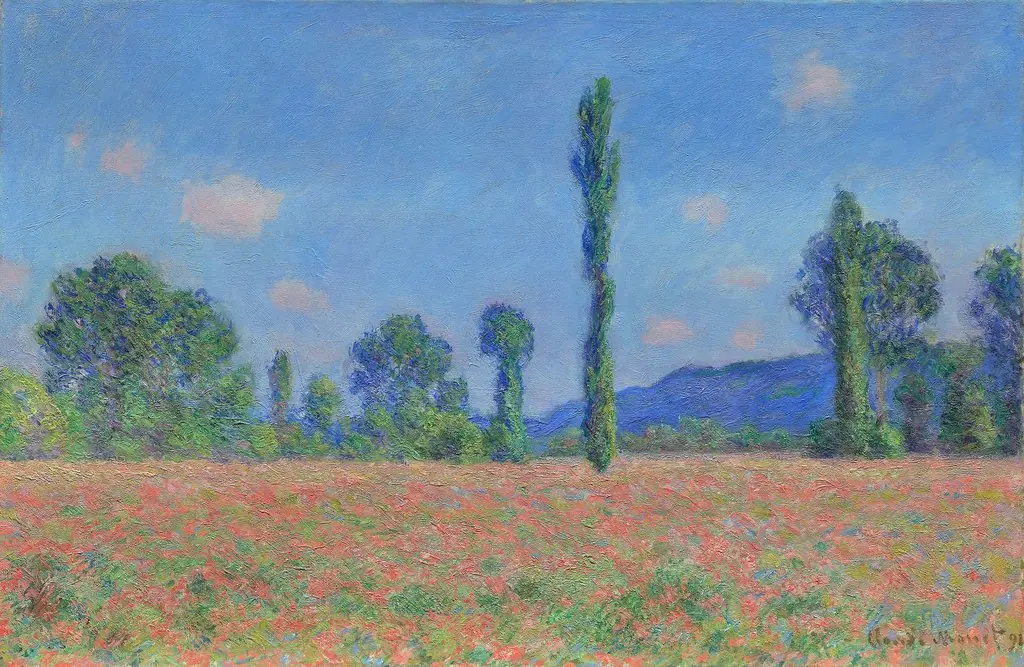
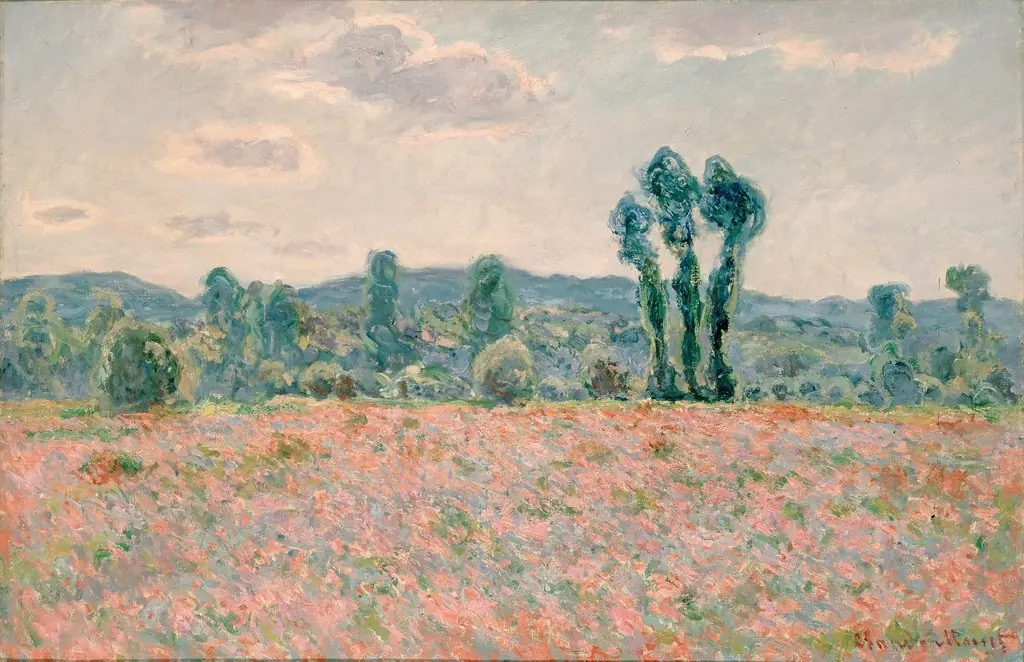
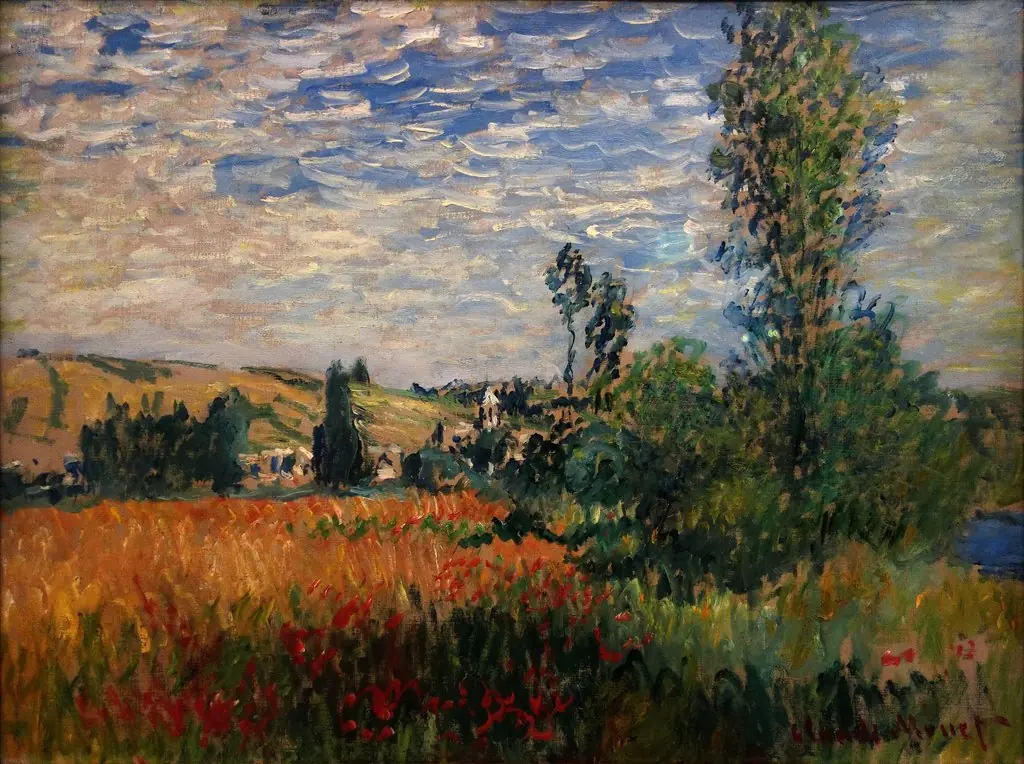
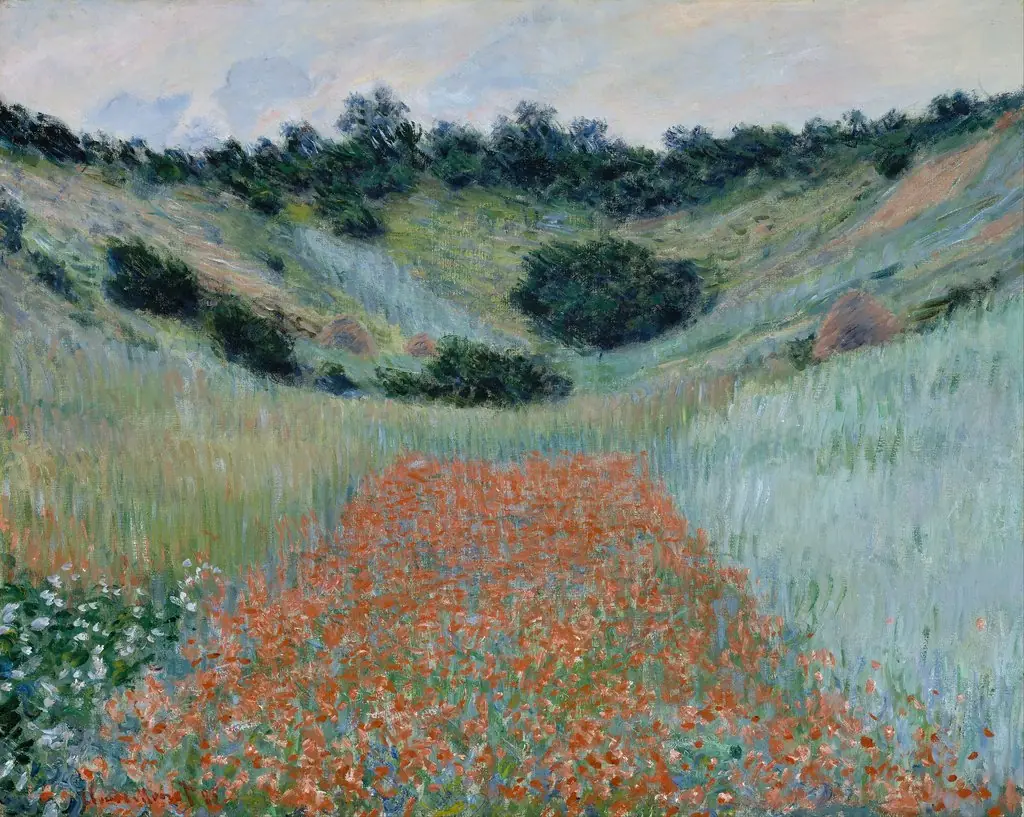
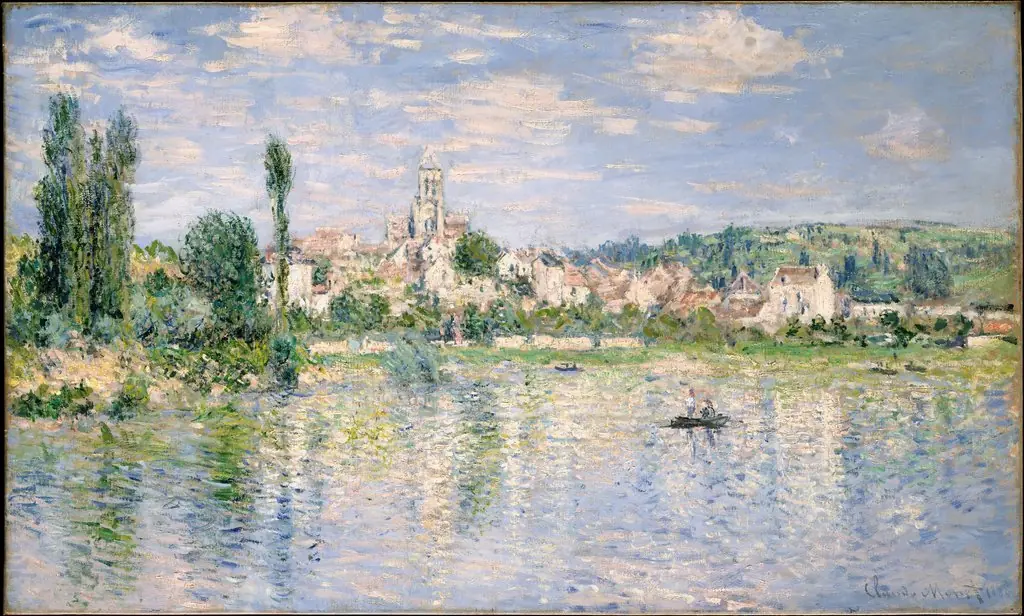
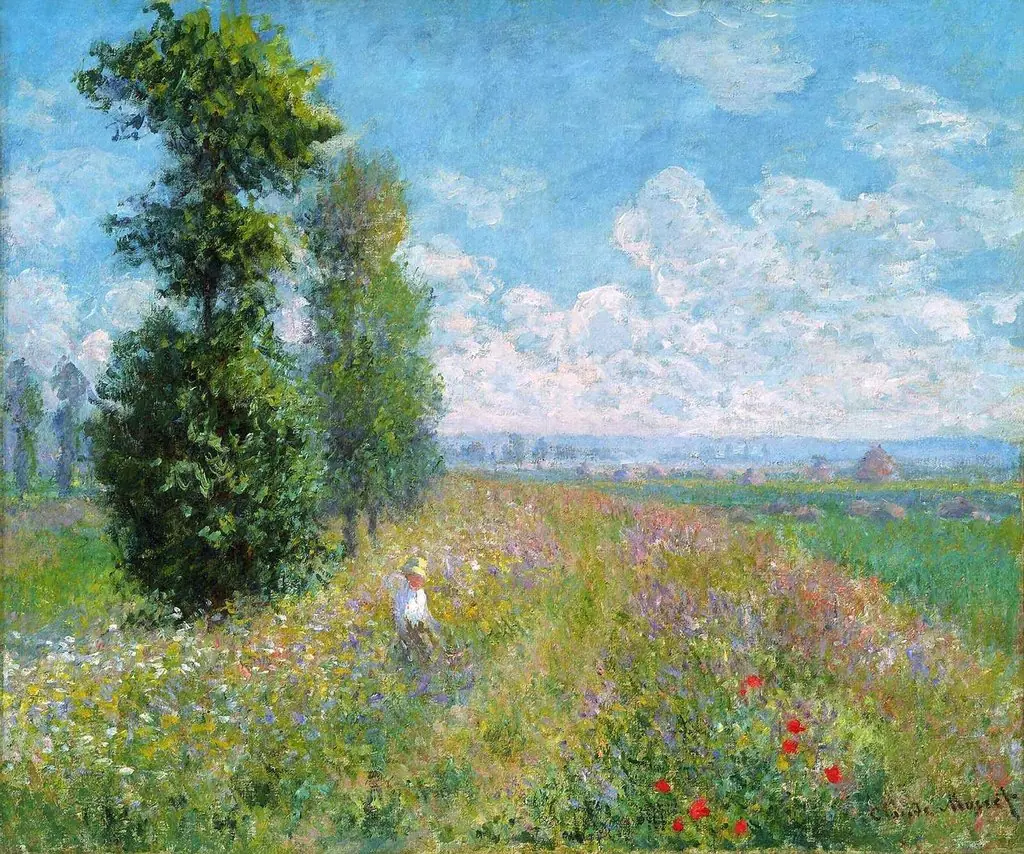
This Impressionist landscape depicts a field of red poppies (Papaver rhoeas) situated near Vétheuil, viewed from the vantage point of Lavacourt in Moisson.
This Impressionist landscape depicts a field of red poppies (Papaver rhoeas) situated near Vétheuil, viewed from the vantage point of Lavacourt in Moisson. The composition features human figures, specifically women and children, engaged in gathering flowers in the foreground, integrating daily rural labor into the natural setting. Beyond the Seine River, the background reveals the village of Vétheuil, dominated by the Church of Notre-Dame.
Visually, the work presents a stark contrast between the vibrant, fresh tones of the poppy field and the cooler, darker blue hues of the distant village, creating a sense of separation between the immediate landscape and the settlement. While nature remains the primary protagonist, the inclusion of the harvesters emphasizes the intersection of human life and the environment. The painting serves as a record of the specific geography of the Île-de-France region during Monet's residence there.
Technique & Style
The work is an oil on canvas painting executed in 1879 at Moisson, employing the rapid brushwork and color juxtaposition characteristic of Impressionism. Monet renders a meadow of Papaver rhoeas beside the Seine with loose, vibrant strokes that blend and soften edges, creating a sense of immediacy and luminous freshness. The composition is divided between the bright red poppies in the foreground and the cooler, more subdued village and sky behind, emphasizing contrast in both hue and atmospheric effect.
The canvas measures 73 × 92 cm and has been part of the Emil G. Bührle Collection in Zurich since 1960, where it was stolen in 2008 and later recovered.
History & Provenance
Claude Monet painted Poppy Field near Vétheuil around 1879, executing the oil on canvas on location at Moisson, across the Seine from Vétheuil.
The work first passed through the dealer Paul Durand-Ruel and then the Bernheim-Jeune gallery in Paris, before entering the collection of Paul Cassirer. It crossed into Germany in 1916 and later surfaced in Switzerland, at Brissago. In 1940 it was purchased via Fritz Nathan from a Jewish family, and from 1941 it was held by Emil Georg Bührle.
The painting has been conserved by the Foundation E.G. Bührle Collection in Zurich since the foundation's creation in 1960.
The painting was stolen from the Zurich museum on 10 February 2008, along with three other works including a Van Gogh, and was recovered a few days later. Heirs of a previous Jewish owner have since sought restitution, arguing that the sale was never legally concluded.
Poppy Field near Vétheuil, painted by Claude Monet in 1879, is an oil on canvas landscape held in the collection of the Foundation E.G. Bührle Collection in Brissago Islands, Kunsthaus Zürich (inventory/accession managed under the Emil Bührle Collection). The work entered the Bührle collection after being acquired from Fritz Nathan in 1940 and has been displayed in exhibitions of the Emil Bührle Collection, including its presentation in Zurich. It was stolen from the foundation on 10 February 2008 alongside three other paintings and later recovered.
The painting passed through the hands of Paul Durand-Ruel, Bernheim-Jeune, Paul Cassirer, and Julius Stern before arriving in Switzerland. It was purchased by Emil Bührle in 1941 and has remained in the foundation’s possession since its establishment in 1960.
Context
Poppy Field near Vétheuil belongs to Monet’s late-1870s series of rural landscapes around Vétheuil and Lavacourt, executed in the plein-air technique that defined Impressionism. Scholars note the work’s division between the vivid red poppy field in the foreground and the muted, bluish village across the Seine, a compositional contrast that underscores Monet’s interest in optical perception over topographic fidelity. The painting’s provenance reflects the turbulent market for Impressionist works in the early twentieth century: it passed through Parisian dealers Durand-Ruel and Bernheim-Jeune before entering German collections in 1916 and later moving to Switzerland, where it was acquired by Emil Georg Bührle in 1941.
The work’s 2008 theft from the Fondation E.G. Bührle and subsequent recovery briefly focused international attention on its contested wartime history and ongoing restitution claims by the heirs of its pre-1940 owners.
Within Monet’s oeuvre, the canvas is situated alongside such contemporaneous poppy fields as The Poppies, reinforcing his serial approach to light and color in landscape. Its inclusion in the Bührle Collection has anchored it in Swiss museum history and in debates about provenance and ethical collecting practices in the context of Impressionist art.
Legacy
Poppy Field near Vétheuil has been recognized as a pivotal example of Monet’s plein-air practice in the late 1870s, cited in major collections literature as emblematic of his mature Impressionist landscape style. Its trajectory through successive European dealers and collectors, from Durand-Ruel and Bernheim-Jeune in Paris to Cassirer in Berlin, anchored its reputation in the transalpine art market before its relocation to Switzerland after World War I. The painting’s later association with Emil Georg Bührle’s collection elevated its profile; today it remains a centerpiece of the Foundation E.G. Bührle in Zurich, where it has been repeatedly highlighted in provenance debates. Its 2008 theft from the foundation and swift recovery amplified public attention, reinforcing its status as a high-profile Impressionist work whose ownership history intersects with restitution controversies in the early twenty-first century.
Overview
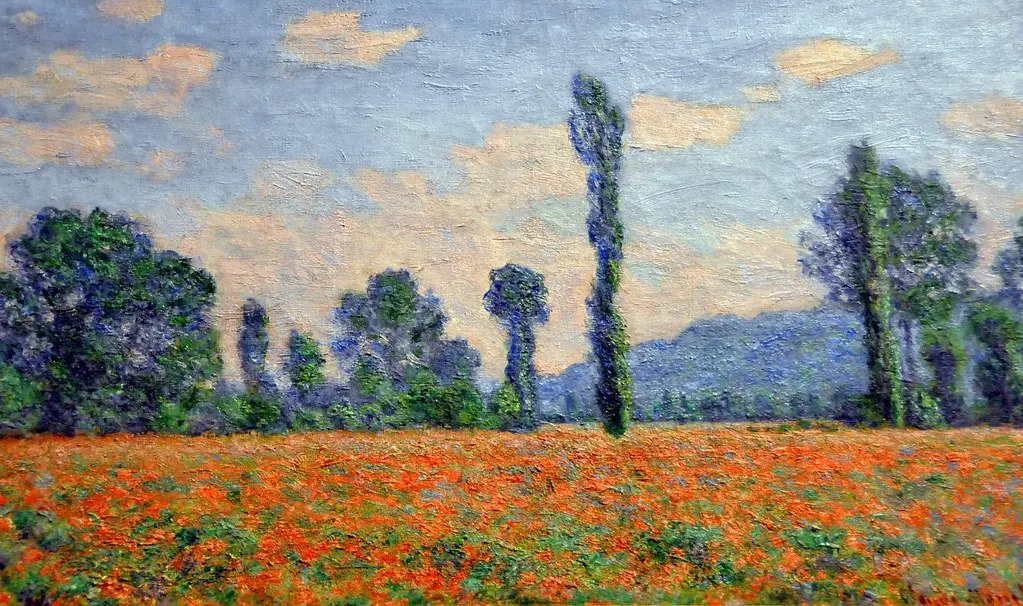
Claude Monet’s 1890 oil painting titled Poppy Field near Vétheuil portrays a summer landscape along the Seine. The canvas is dominated by a vivid expanse of red poppies that occupy the foreground, while a modest village and its church rise beyond the riverbank under a softly clouded sky. The work exemplifies Monet’s late‑period focus on light and colour in the French countryside.
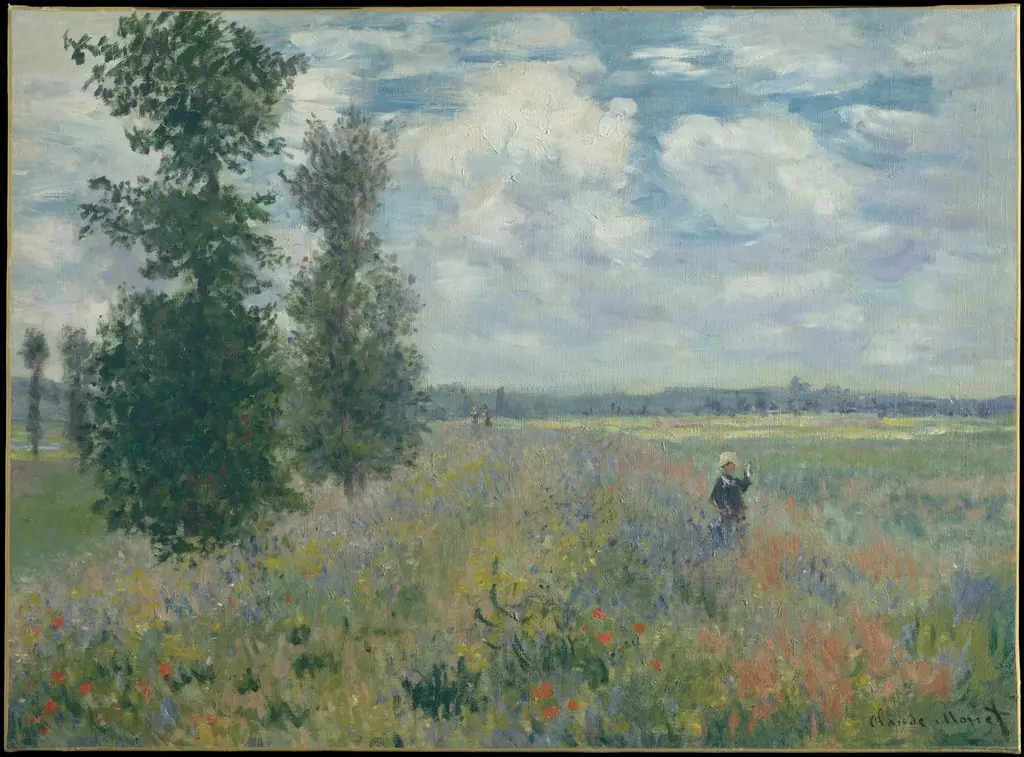
Own this work as a print
Artist & collection
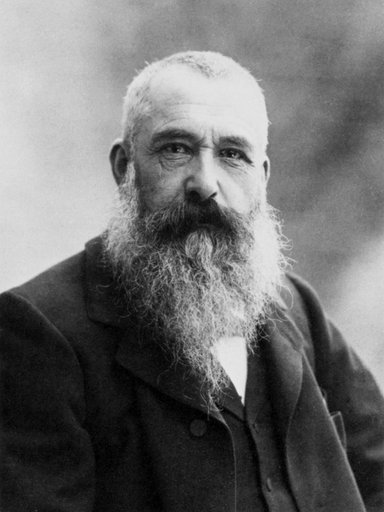
Artist
Oscar-Claude Monet was a French painter and founder of Impressionism who is seen as a key precursor to modernism, especially in his attempts to paint nature as he perceived it.