Artwork
La Grenouillère
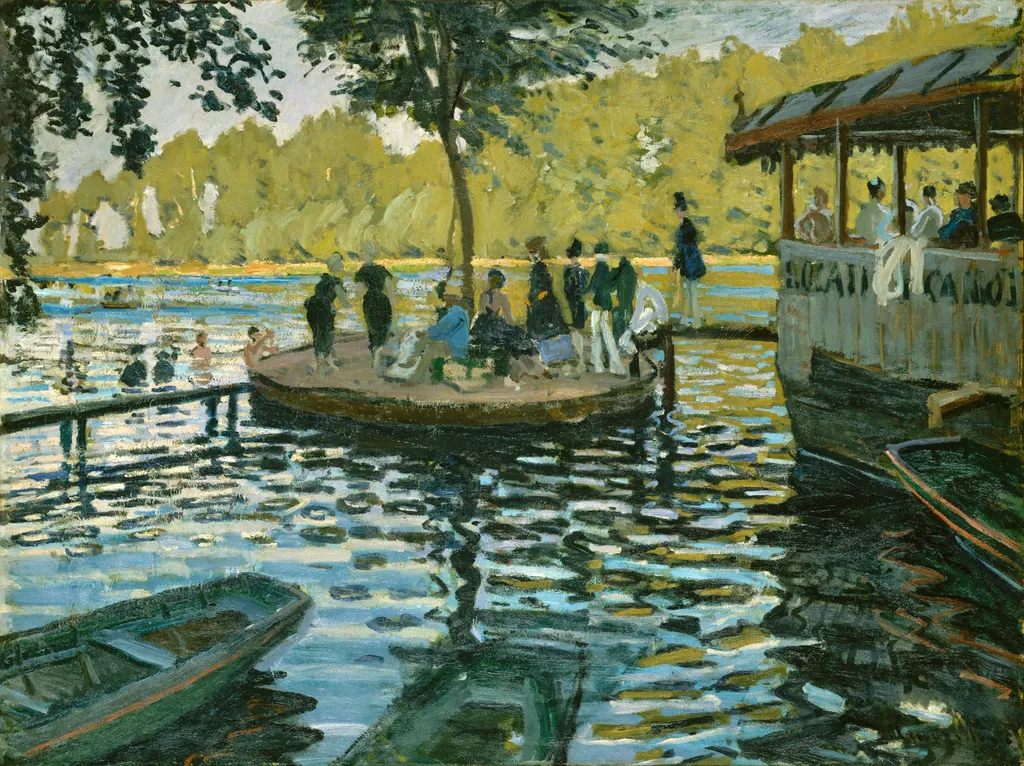
La Grenouillère is an oil painting by the Impressionist artist Claude Monet. It dates from 1869 and is held in the collection of the Metropolitan Museum of Art.
About this work
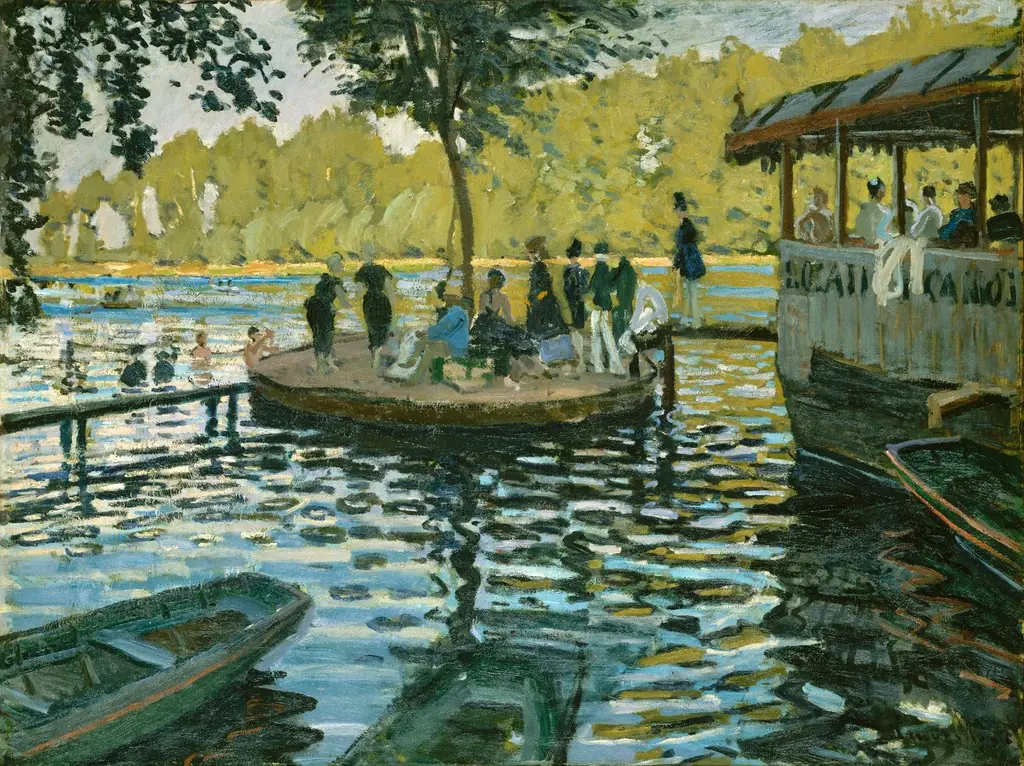
In summer 1869, Monet and Renoir set up their easels side by side at La Grenouillère, a riverside resort on the Seine near Bougival. Monet dismissed the oil sketches he made there as pochades, or bad sketches, yet their broad, rapid brushwork, all rippling water and fashionable Parisians, caught a pivotal moment in the rise of Impressionism.
Subject & Meaning
La Grenouillère depicts the popular Seine-side resort of the same name, a floating restaurant and bathing establishment on the Île de Croissy near Bougival.
La Grenouillère depicts the popular Seine-side resort of the same name, a floating restaurant and bathing establishment on the Île de Croissy near Bougival. The scene centers on the artificial islet called the Camembert, connected by a narrow gangplank to the main pontoon, where bathers and boats vie for space. Monet captures a crowd of Parisian middle-class visitors enjoying leisure activities, bathing, boating, and socializing.
The name "Grenouillère" puns on "frog pond" and the lively chatter of young women. The painting embodies the Impressionist fascination with modern life, seeking to render the fleeting effects of light on water and the transient pleasures of contemporary society. It also subtly reflects the social dynamics of the Second Empire, a place where, as Guy de Maupassant would later describe, the "world's froth" of Parisian society gathered.
Technique & Style
This oil-on-canvas work (74.6 × 99.7 cm) exhibits an early Impressionist technique characterized by broad, constructive brushstrokes applied in a rapid, cursive manner. Instead of a polished finish, Monet employs a sketch-like handling that weaves repetitive motifs, water ripples, foliage, boats, and figures, into a dense fabric of paint. Human forms are reduced to synthetic dabs of color, while the artist concentrates on the shifting reflections and movements of the Seine.
The palette is limited to yellows, blues, and browns, with abrupt chromatic contrasts creating the effects of light and shadow. This approach, though still descriptive, marks a departure from the more delicate surfaces Monet sought in his exhibition pieces.
History & Provenance
Claude Monet painted La Grenouillère in 1869 during a summer he spent with Pierre-Auguste Renoir at the Seine resort of La Grenouillère. In a letter to Frédéric Bazille dated September 25, 1869, Monet described his ambition to paint the bathing spot, referring to his initial attempts as sketches. The present work is considered one of those sketches, while a larger, more finished composition, now lost, likely represented the tableau he envisioned.
The painting’s provenance begins with Édouard Manet, who owned it until his death in 1883. It then passed to his widow, Suzanne Manet, and was acquired by the dealer Durand-Ruel in stages between 1886 and 1891. On September 27, 1897, Durand-Ruel sold it to H. O. Havemeyer for 12,500 francs.
It remained in the Havemeyer family, first with H. O. Havemeyer until 1907, then with his widow Louisine W. Havemeyer, until she bequeathed it to the Metropolitan Museum of Art in 1929.
La Grenouillère is held at the Metropolitan Museum of Art in New York. It entered the museum's collection in 1929 as part of the bequest of Louisine W. Havemeyer. The painting may have been exhibited at the second Impressionist exhibition in 1876, though this is not definitively documented. No inventory or accession number is recorded in the available sources.
Context
Painted in 1869, La Grenouillère is regarded as a foundational work in the emergence of Impressionism. Monet and Renoir worked alongside each other that summer, and their joint experiments at the site helped forge the broken brushwork and plein-air approach that defined the movement. The painting corresponds to the “bad sketches” Monet described in a letter to Bazille, and it may have been included in the second Impressionist exhibition of 1876.
Art historians have closely compared Monet’s version with Renoir’s to contrast their stylistic choices, Monet’s emphasis on light and water versus Renoir’s more detailed figures. The work continues to attract scholarly attention, featuring in exhibition catalogs and technical studies of Impressionist materials and technique.
Legacy
La Grenouillère is widely regarded as a pivotal work in the birth of Impressionism; the summer of 1869, when Monet and Renoir painted the scene side by side, is often cited as the moment the impressionist technique was invented. The painting was likely shown at the second Impressionist exhibition in 1876, cementing its place in the movement's history. Its legacy extends beyond fine art: Guy de Maupassant later set his 1881 short story "La femme de Paul" at La Grenouillère, and the site is commemorated on the Chemin des Impressionnistes tourist route.
The canvas entered the Metropolitan Museum of Art in 1929 as a bequest of Louisine Havemeyer, ensuring its continued prominence in one of the world's leading collections. Monet's treatment of light and water in this work influenced generations of artists.
Overview
Claude Monet's 1869 painting, La Grenouillère, captures a popular leisure spot on the Seine. This oil sketch, created alongside Pierre-Auguste Renoir, is recognized for its innovative approach to light and movement. It represents a crucial early step in the development of Impressionism, showcasing the artists' shared interest in depicting modern life and transient atmospheric effects with rapid brushwork.
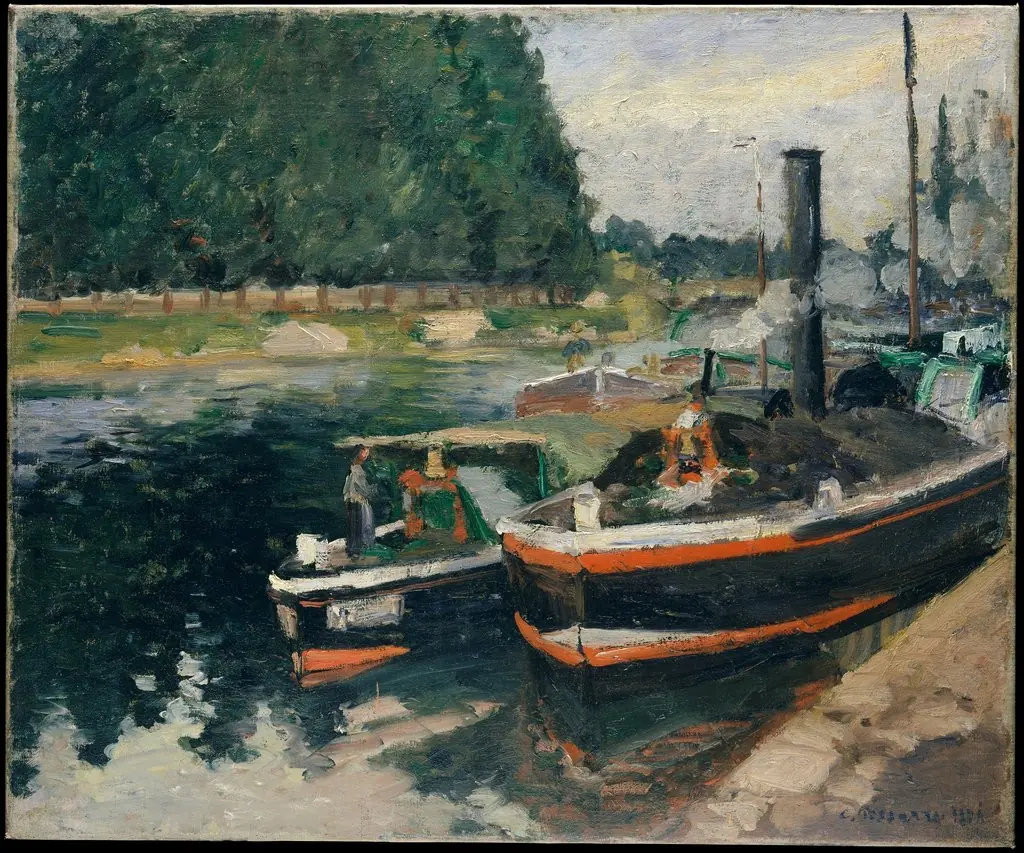
Own this work as a print
Artist & collection
Artist
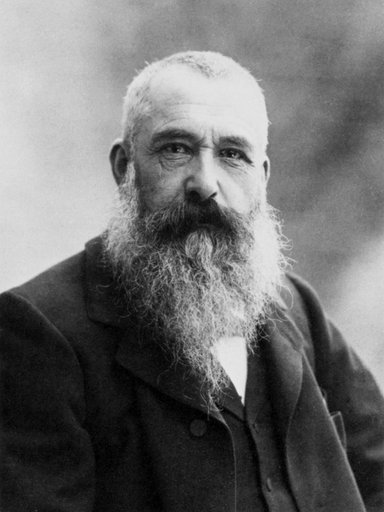
Oscar-Claude Monet was a French painter and founder of Impressionism who is seen as a key precursor to modernism, especially in his attempts to paint nature as he perceived it.


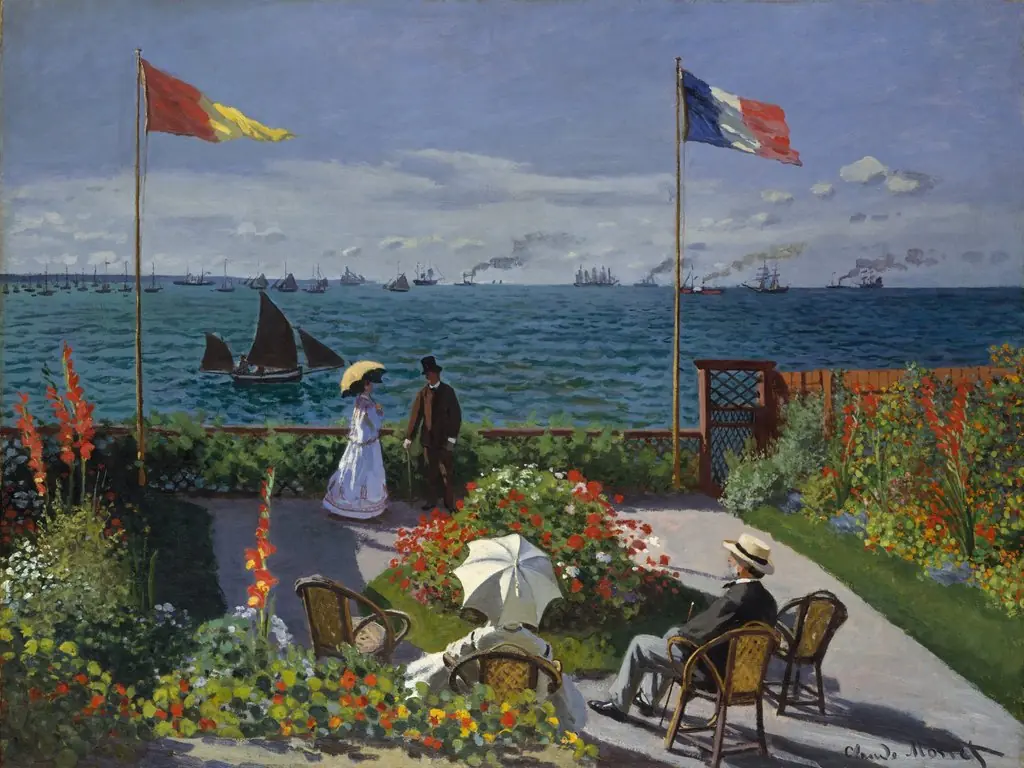
- Barges at Pontoise
 Horse and Boats (Study for "Bathers at Asnières")
 The Flood on the Road to Saint-Germain
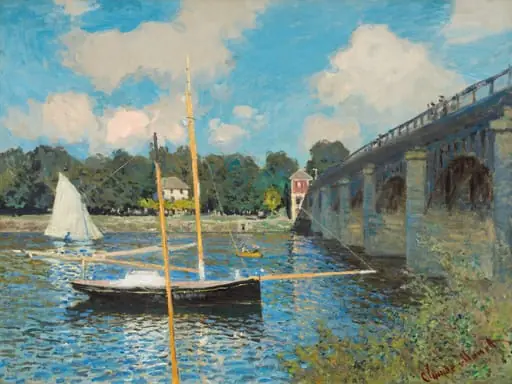 The Bridge at Argenteuil
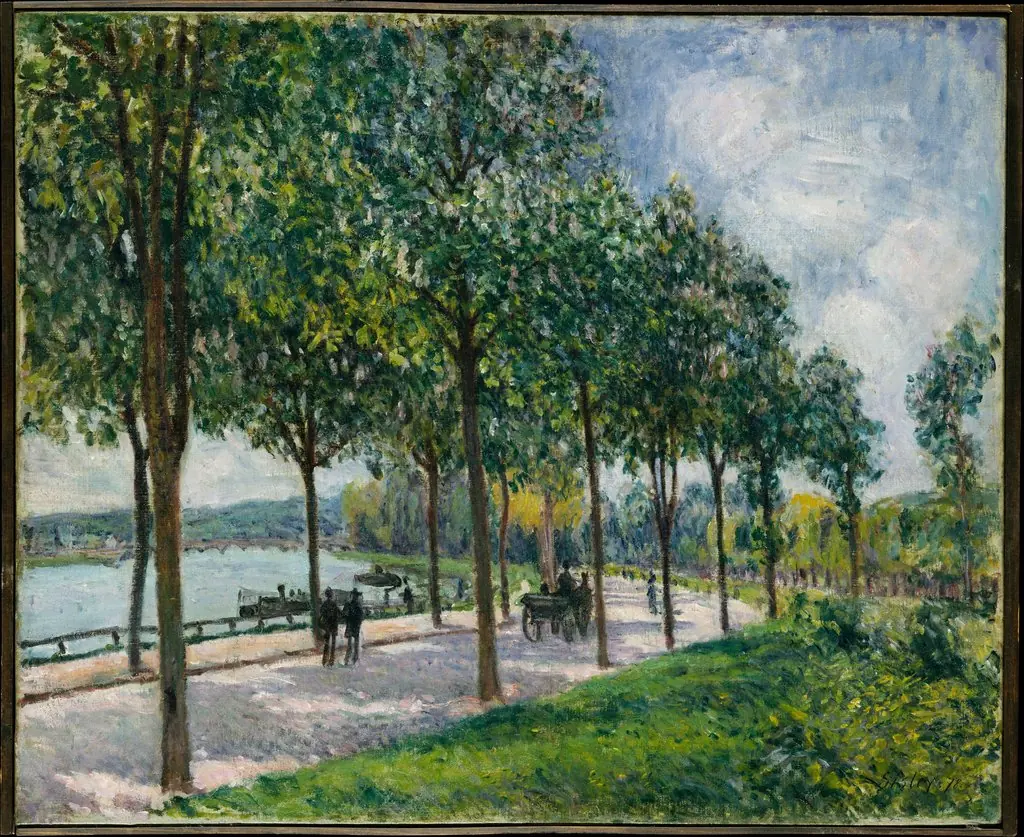 Allée of Chestnut Trees
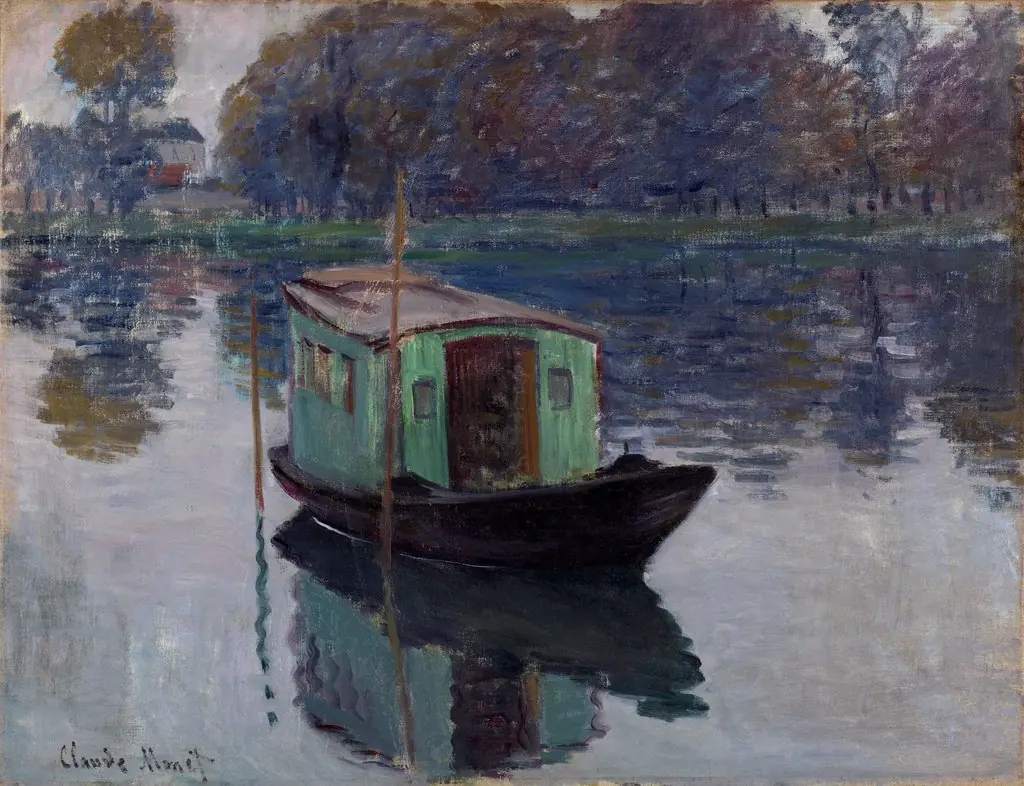 Le bateau-atelier
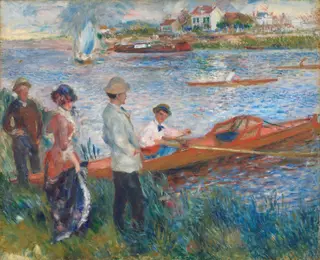 Oarsmen at Chatou
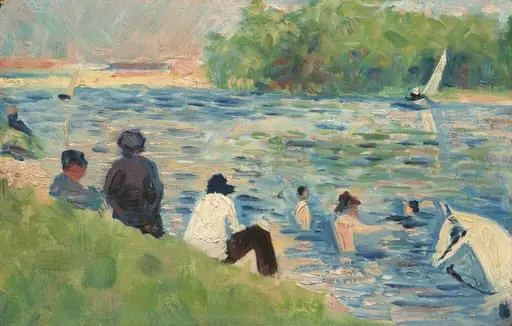 Bathers (Study for "Bathers at Asnières")
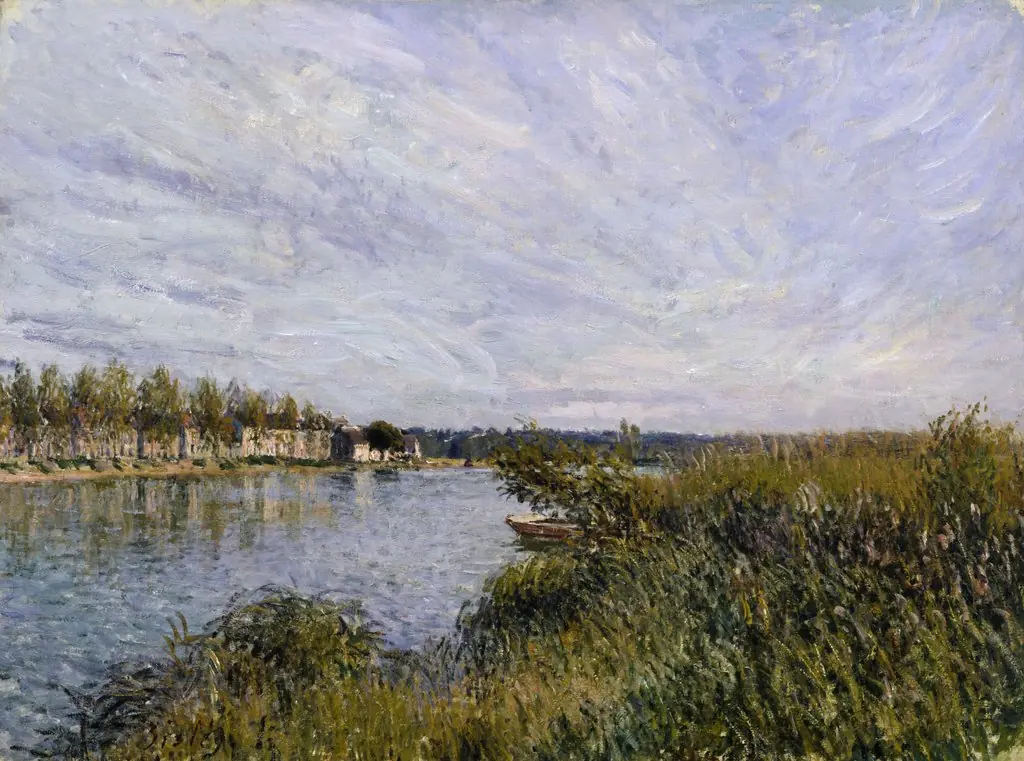 View of Saint-Mammès
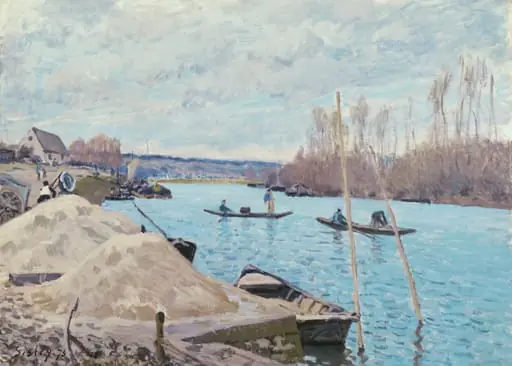 The Seine at Port-Marly, Piles of Sand
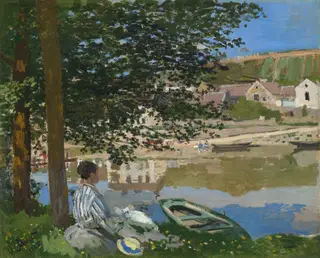 On the Bank of the Seine, Bennecourt
 The Washerwomen in Bougival
 Studied in the Impressionism course
  Compared in the Color & Light course