Artwork
Argenteuil
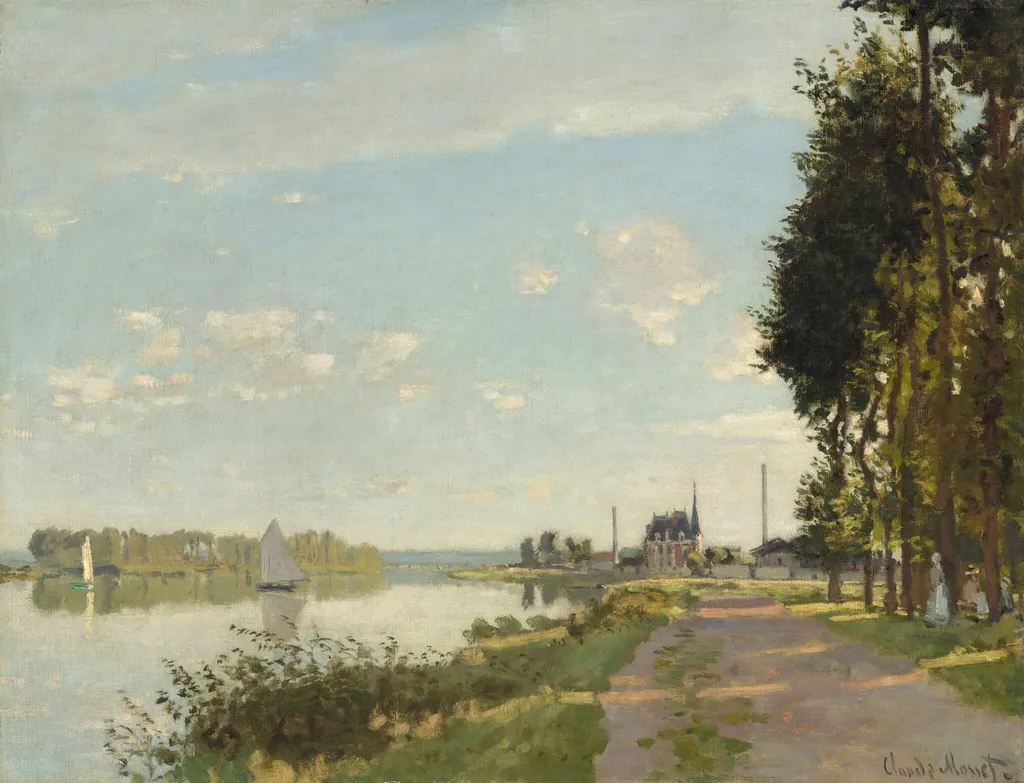
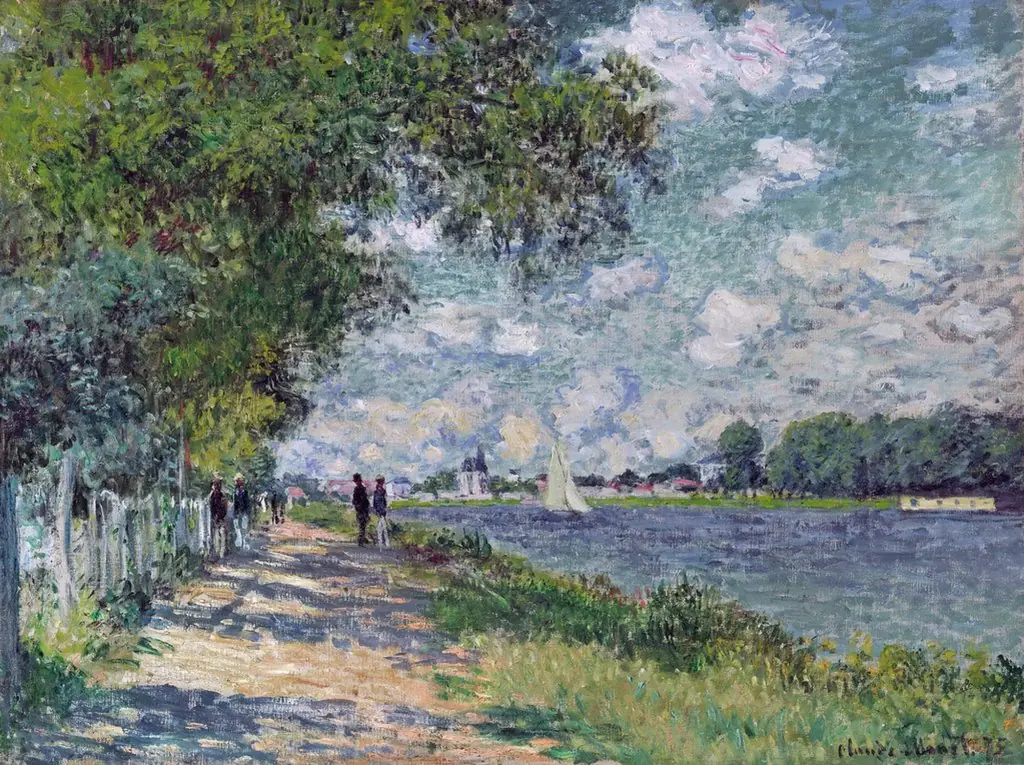
Argenteuil is an oil painting by the Impressionist artist Claude Monet. It dates from 1872 and is held in the collection of the National Gallery of Art.
- Inscription
- Inscribed:lower right: Claude Monet.
About this work
A tree leans over the Seine beside a house, a quiet scene built from simple colors that create a sense of calm. Monet painted it in 1872, during a time of change in art.
Subject & Meaning
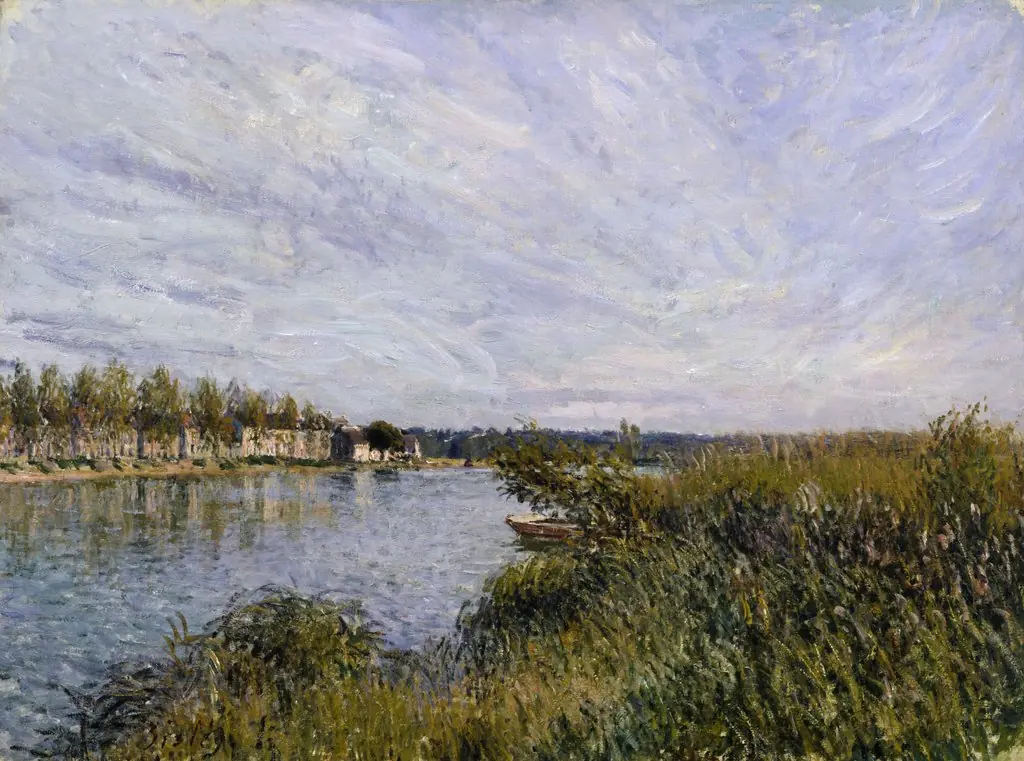
Argenteuil is a landscape painting by Claude Monet that depicts a view along the Seine at the town of Argenteuil, with houses and trees lining the riverbank.
Argenteuil is a landscape painting by Claude Monet that depicts a view along the Seine at the town of Argenteuil, with houses and trees lining the riverbank. The composition centers on the waterway as its primary subject, flanked by domestic architecture and vegetation that situate the scene within a recognizable suburban setting northwest of Paris. As a work of Impressionist landscape, the painting represents Monet's sustained engagement with the Seine as a motif, capturing the interplay between river, built environment, and foliage under natural light.
The inclusion of houses and trees alongside the river conveys the everyday character of the Argenteuil waterfront, a locale Monet famously used as a site for exploring modern suburban life and the optical effects of atmosphere on familiar terrain.
Technique & Style
Monet’s Argenteuil (c. 1872) is executed in oil on canvas, a medium typical of his plein-air practice during this period. The handling is characterized by rapid, broken brushwork and discrete touches of pigment that coalesce into shimmering light effects across the river, foliage, and built structures. The composition’s formal qualities foreground an asymmetrical, open view of the Seine, with a prominent house and tree anchoring the left foreground.
Subtle tonal modulations and fleeting reflections on the water surface exemplify the Impressionist concern with atmospheric perception over linear definition. No technical or condition data are provided in the cited sources.
History & Provenance
Claude Monet created the oil-on-canvas painting Argenteuil in 1872, depicting the Seine, a house, and trees. The work was likely purchased directly from the artist by Paul Durand-Ruel in Paris during that same year. By approximately 1957, the painting was in the possession of Mlle Marguerite Hugo in Paris, identified as the great-granddaughter of Victor Hugo, who lent the piece to an Arts Council exhibition that year.
Hugo sold the work in 1965 through Wildenstein and Co., which subsequently facilitated its sale on March 14, 1966, to Ailsa Mellon Bruce of New York. Upon her death in 1969, Bruce bequeathed the painting to the National Gallery of Art in Washington, D.C., in 1970, where it remains part of the permanent collection under accession number 1970.17.1. Its exhibition history includes the 1957 Arts Council of Great Britain traveling exhibition in Edinburgh and London and, more recently, the 2018 exhibition Monet & Architecture at the National Gallery, London.
Overview
This oil on canvas painting, titled Argenteuil, depicts a tranquil landscape along the Seine River. It presents a serene view featuring a solitary tree gently arching over the water, alongside a distant house. The artist employed a restrained palette, contributing to the overall sense of quietude and introspection. This work offers a glimpse into a specific moment in art history, characterized by evolving artistic approaches.
Context
Created during a period of significant artistic innovation, Argenteuil reflects the emerging interests of painters in depicting modern life and landscape. The emphasis on light, atmosphere, and the direct observation of nature places it within the stylistic developments that defined Impressionism. Its quiet contemplation of a riverside scene resonates with the work of contemporaries such as Claude Monet, who also frequently explored the environs of Argenteuil.
Own this work as a print
Artist & collection
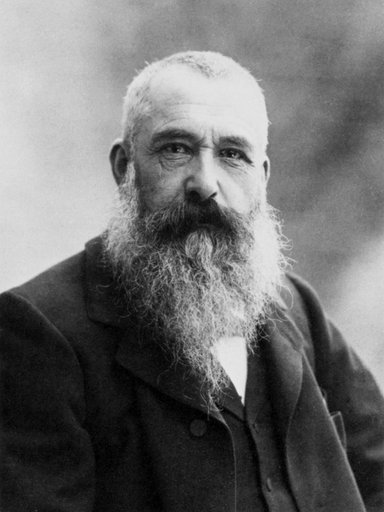
Artist
Oscar-Claude Monet was a French painter and founder of Impressionism who is seen as a key precursor to modernism, especially in his attempts to paint nature as he perceived it.