Artwork
The Path through the Irises
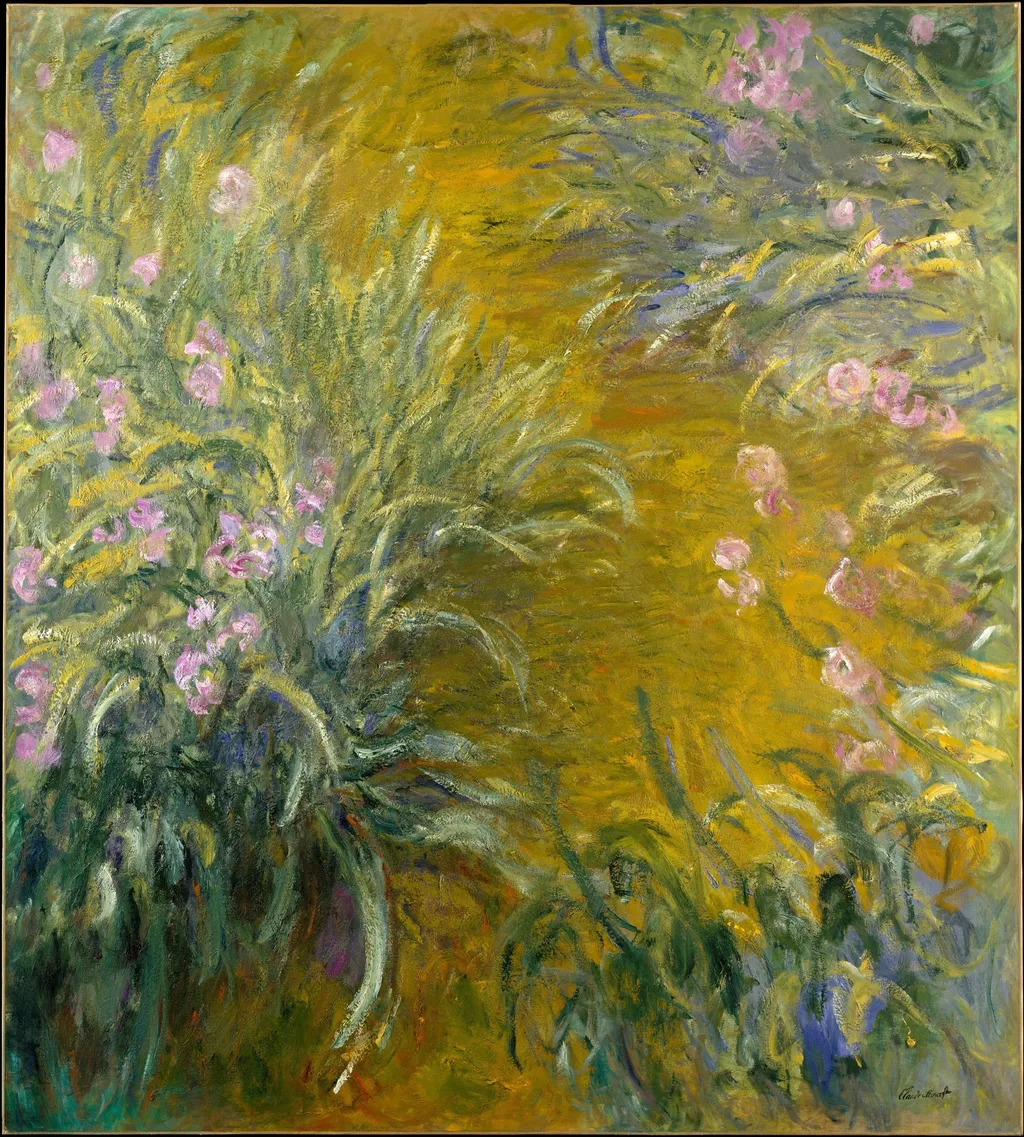
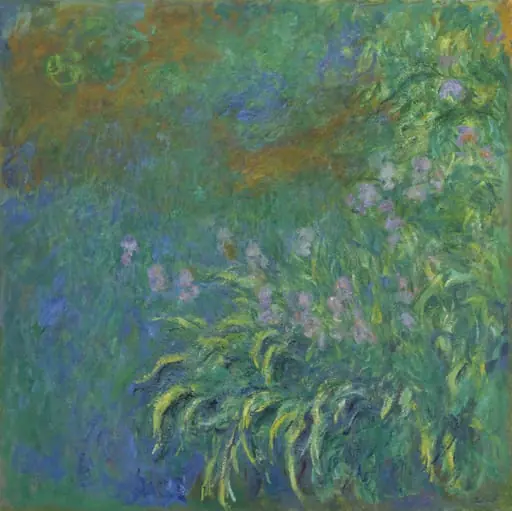
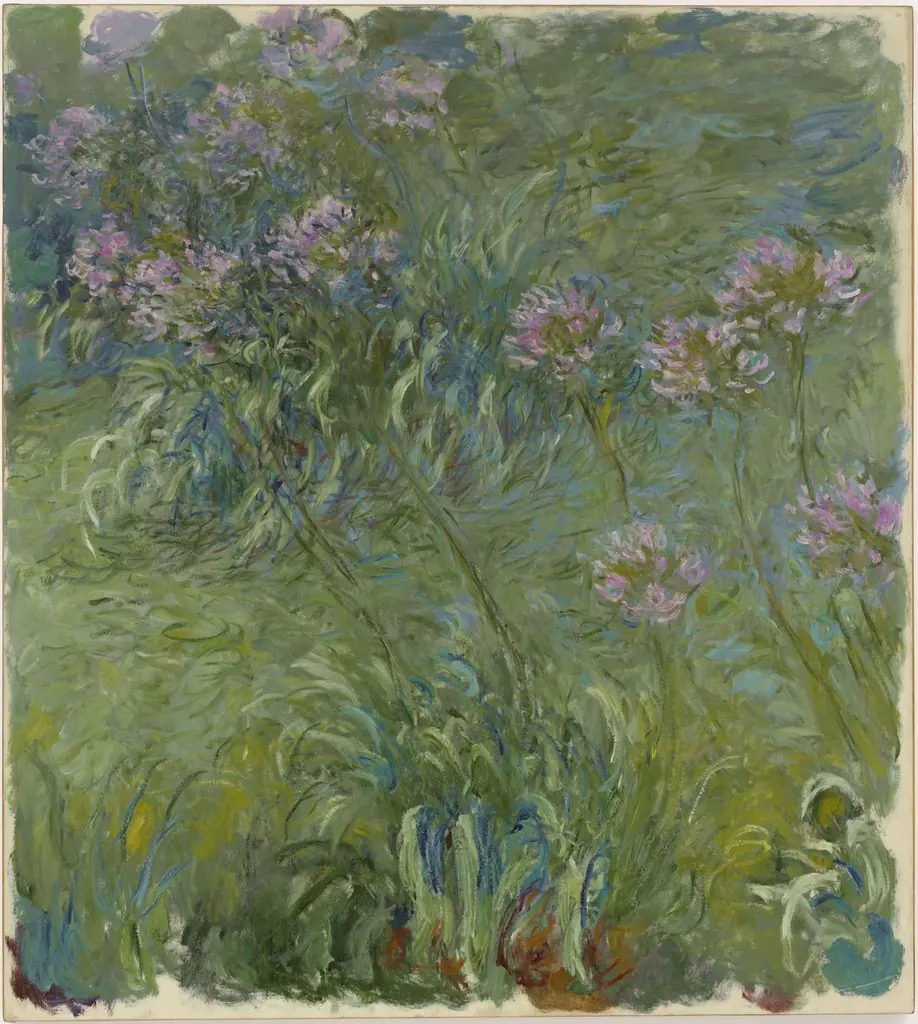
The Path through the Irises is an oil painting by the Impressionist artist Claude Monet. It dates from 1914 and is held in the collection of the Metropolitan Museum of Art.
About this work
Subject & Meaning
The painting thus embodies Monet's late‑period preoccupation with the interplay of light, texture, and the ephemeral qualities of the garden environment.
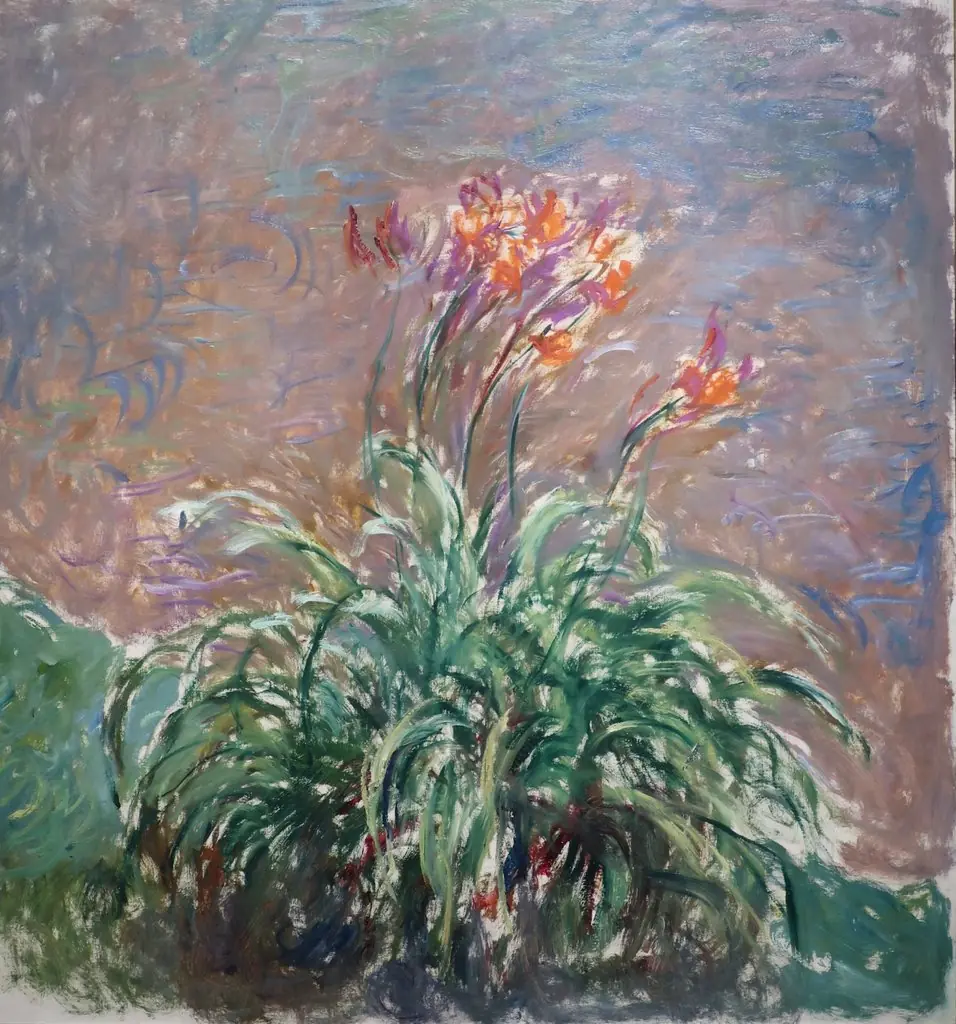
The Path through the Irises depicts a dense thicket of irises blooming against a muted sky, a motif Monet returned to in his late garden series to explore color vibration and atmospheric depth. The flowers function as symbolic markers of renewal and fleeting beauty, reflecting the artist's contemplation of nature's cycles during World War I. In this work the irises are rendered with layered brushstrokes that dissolve form into pure chromatic sensation, emphasizing sensory experience over literal representation. The painting thus embodies Monet's late‑period preoccupation with the interplay of light, texture, and the ephemeral qualities of the garden environment.
Technique & Style
Executed in 1914, The Path through the Irises is an oil painting on canvas. The work measures 200.3 cm in height and 180 cm in width. As a depiction of flowers, the piece utilizes oil paint as its primary medium applied to a fabric support. The composition focuses on floral subjects, consistent with the artist's late-period investigations into garden imagery.
History & Provenance
Claude Monet created The Path through the Irises in 1914. Following its completion, the painting entered the collection of the artist's son, Michel Monet. Ownership subsequently passed to the dealership Wildenstein & Company before being acquired by Walter Annenberg, who later donated the piece to the Metropolitan Museum of Art, where it remains part of the permanent collection.
Context
The Path through the Irises (1914) occupies a pivotal position in Claude Monet's late oeuvre, reflecting his sustained investigation of garden spaces at his Giverny residence and foreshadowing his final water lily series. While direct critical commentary on this specific painting remains sparse in scholarly literature, its formal qualities, particularly the vigorous handling of irises against a luminous background, have been cited as exemplifying Monet's transitional role between Impressionist color experiments and the emergent language of abstraction that would dominate modernist discourse. This work is situated within the artist's broader dialogue with botanical subjects, where recurring motifs of irises and water lilies served both as compositional studies and symbolic anchors, reinforcing his lifelong preoccupation with capturing transient natural effects through evolving visual strategies.
Overview
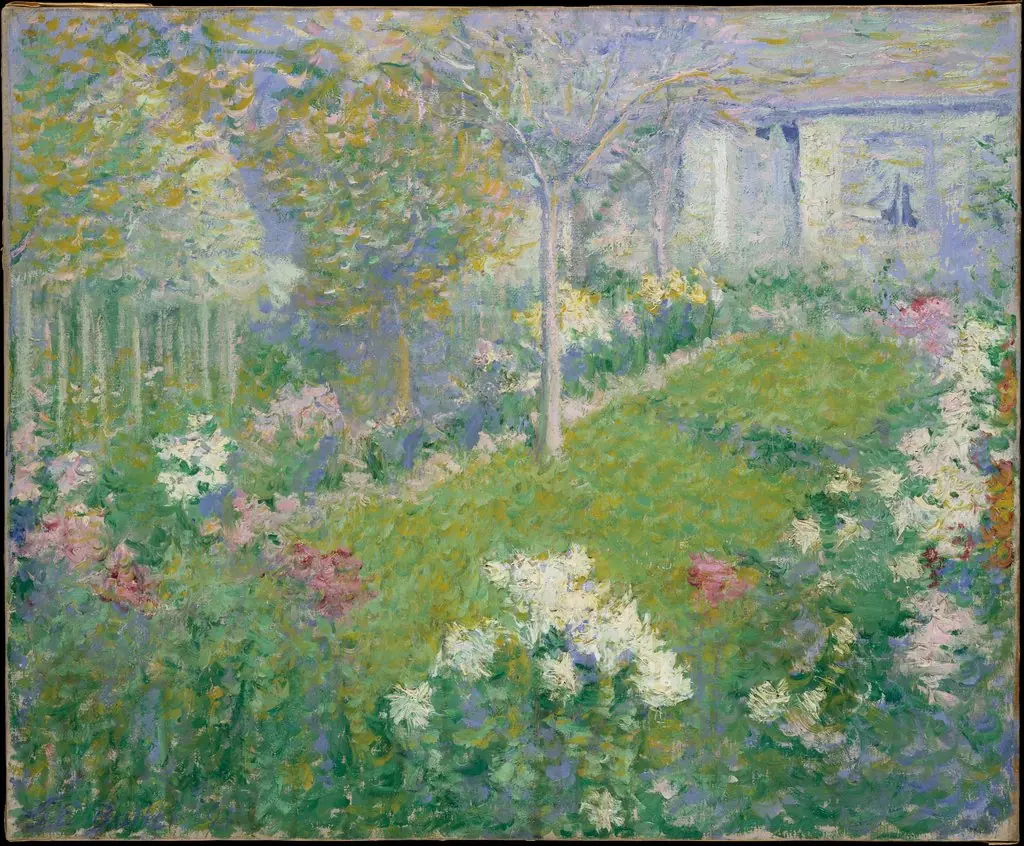
Claude Monet’s 1914 oil work titled The Path through the Irises presents a quiet garden scene. A meandering track leads the eye among verdant foliage and clusters of pink irises, creating a tranquil composition that now belongs to the collection of the Metropolitan Museum of Art.
Own this work as a print
Artist & collection
Artist
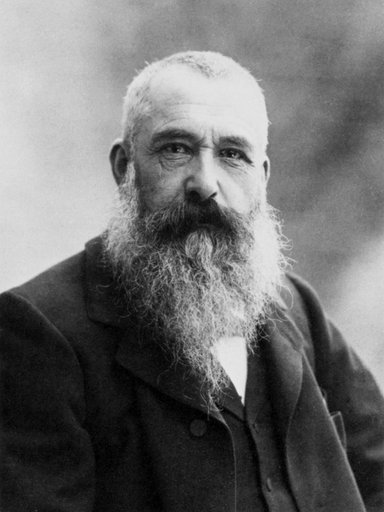
Oscar-Claude Monet was a French painter and founder of Impressionism who is seen as a key precursor to modernism, especially in his attempts to paint nature as he perceived it.