Artwork
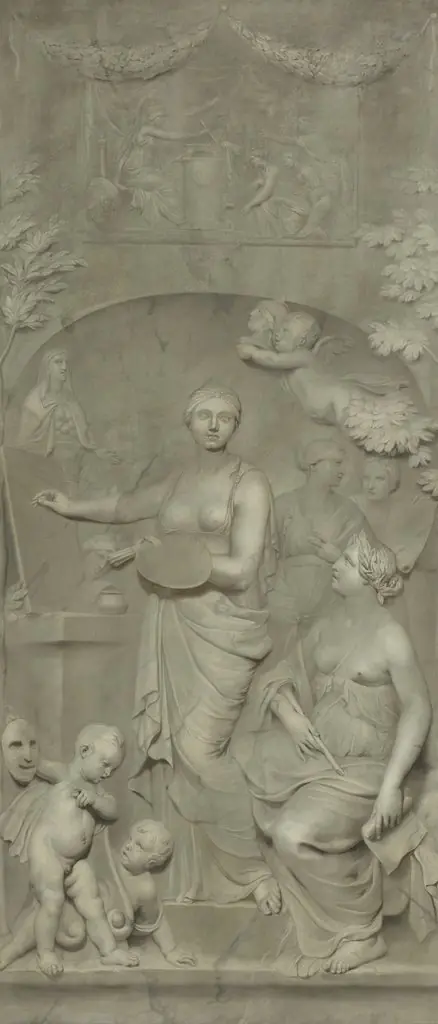
Allegory of Ceramic Painting
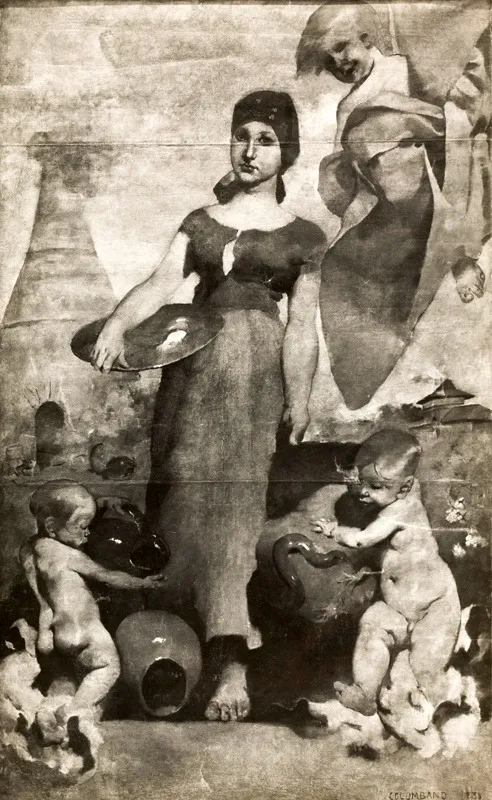
Allegory of Ceramic Painting is an oil painting by the Post-Impressionist artist Columbano Bordalo Pinheiro. It dates from 1893 and is held in the collection of the São Paulo Museum of Art.
About this work
Overview
Painted in 1893 by Portuguese artist Columbano Bordalo Pinheiro, this oil-on-canvas work presents a symbolic representation of ceramic artistry.
Painted in 1893 by Portuguese artist Columbano Bordalo Pinheiro, this oil-on-canvas work presents a symbolic representation of ceramic artistry. Though rooted in Realist traditions, its composition and tone reflect broader late-19th-century shifts toward allegorical and decorative themes. The painting is part of the São Paulo Museum of Art’s collection, where it stands as a rare example of Portuguese symbolic painting in a major international collection.
Subject & Meaning
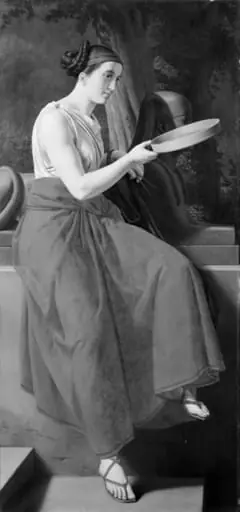
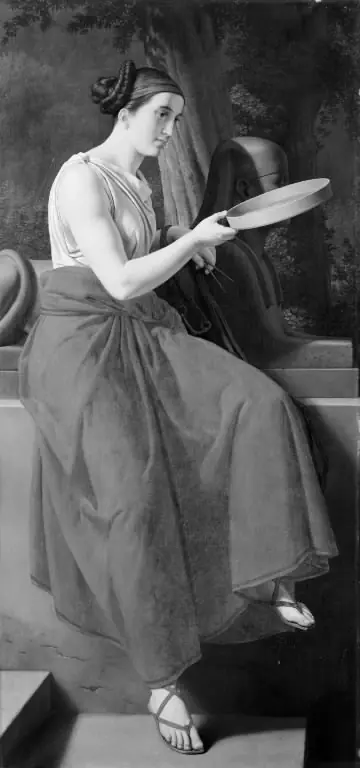
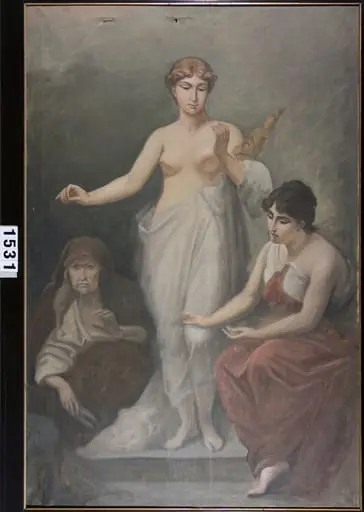
A woman, dressed in flowing garments, holds a ceramic plate and a painter’s palette, suggesting a fusion of craft and artistic creation. Behind her, three cherubs interact playfully among shelves of pottery, evoking mythological guardianship of artisanal tradition. The scene does not depict a literal workshop but rather a metaphor for the dignity and continuity of ceramic arts, linking human labor with idealized, almost divine, inspiration.
Technique & Style
Bordalo Pinheiro employs muted, harmonious tones and carefully balanced forms to create a serene, structured composition. Brushwork is controlled yet expressive, avoiding the loose brushstrokes of Impressionism in favor of defined contours and subtle modeling. The arrangement of ceramics and figures follows a symmetrical rhythm, reinforcing the theme of order and craftsmanship, while the lighting enhances the tactile quality of the pottery surfaces.
History & Provenance
Created in 1893, the painting remained in Portugal until entering the São Paulo Museum of Art’s collection in the 20th century. Its acquisition reflects the museum’s broader interest in European symbolic art beyond its dominant Brazilian holdings. No significant exhibition history or documented ownership prior to its arrival in São Paulo is recorded, though its presence there underscores transatlantic cultural exchange in modern art collections.
Context
In late 19th-century Portugal, artists like Bordalo Pinheiro sought to elevate domestic and artisanal subjects through refined, intellectualized imagery. While Realism dominated Portuguese painting, this work aligns with a quieter trend toward allegory, influenced by European Symbolism and the revival of craft aesthetics. The ceramic motif may also respond to Portugal’s long-standing pottery traditions, reimagined through a modern, symbolic lens.
Legacy
Though not widely reproduced or studied outside Portugal, the painting remains a key example of Bordalo Pinheiro’s engagement with allegory beyond portraiture and social realism. Its presence in São Paulo highlights its role as a bridge between Iberian artistic traditions and Latin American modern collections. It continues to inform discussions on how craft, gender, and symbolism intersect in late 19th-century European art.
Artist & collection
Artist
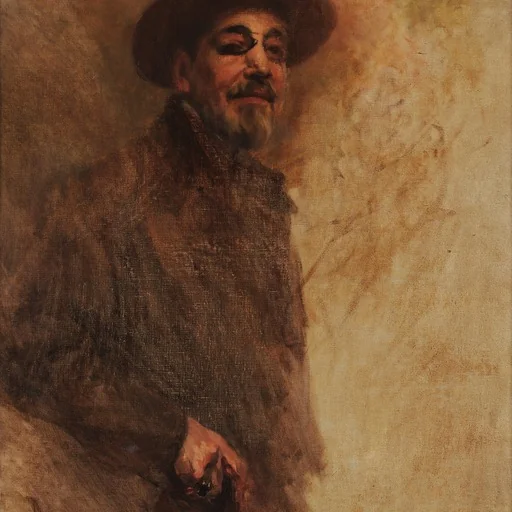
Columbano Bordalo Pinheiro (Almada, 21 November 1857 – Lisbon, 6 November 1929), who is usually referred to as Columbano, was a Portuguese Realist painter.