Artwork
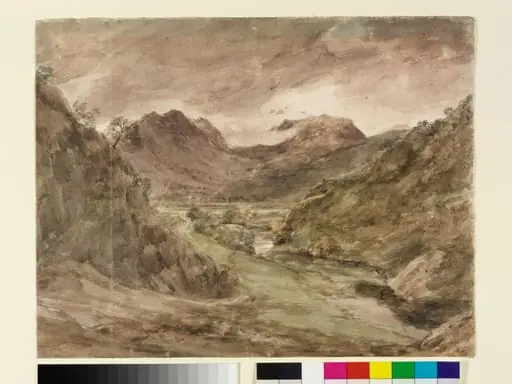
Derwentwater : stormy evening.
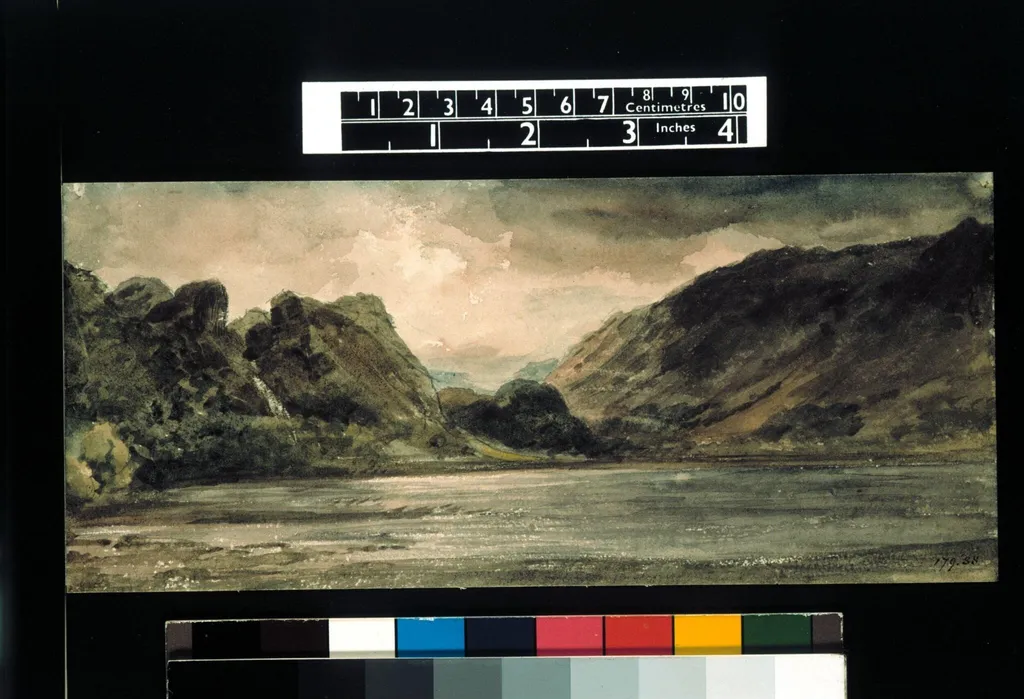
Derwentwater : stormy evening. is a watercolor work on paper by the Romanticist artist John Constable. It dates from 6 and is held in the collection of the Victoria and Albert Museum.
About this work
Overview
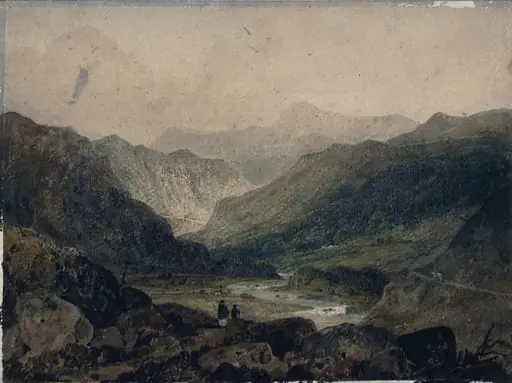
This watercolour by John Constable captures a turbulent evening at Derwentwater in the Lake District, painted during his 1806 tour. Executed in loose, expressive brushwork, it conveys the raw energy of nature under a darkening sky. The work was exhibited at the Royal Academy that same year, marking one of his early public presentations of landscape studies from northern England.
Subject & Meaning
The scene presents a wild, unidealized landscape, churning water, jagged hills, and a brooding sky, emphasizing nature’s power over human presence. There are no figures or structures, focusing attention on atmospheric conditions and the emotional weight of the environment. The painting reflects a contemplative engagement with the sublime, where nature’s volatility evokes awe rather than comfort.
Technique & Style
Constable employed a restrained palette of muted blues, browns, and dull greens, with fleeting touches of pale yellow suggesting light breaking through clouds. His brushwork is rapid and fluid, using wet-on-wet washes to imply motion in water and sky. The paper’s texture is left partially visible, enhancing the sense of spontaneity and immediacy characteristic of his sketch-like approach.
History & Provenance
Created in autumn 1806 during Constable’s travels through the Lake District, the work was exhibited at the Royal Academy as entry No. 65. The reverse bears faint pencil annotations and traces of watercolour, indicating it was likely a study or working sketch. Its survival as a finished piece suggests it held personal significance beyond its role as preparatory material.
Context
Constable’s Lake District journey occurred amid a broader interest in Britain’s wilder landscapes, influenced by Romantic ideals and travel literature.
Constable’s Lake District journey occurred amid a broader interest in Britain’s wilder landscapes, influenced by Romantic ideals and travel literature. Unlike idealized classical landscapes, his focus on transient weather and unpolished terrain aligned with emerging sensibilities that valued emotional authenticity over formal harmony. This work contributes to a growing body of British watercolours that redefined landscape as a vehicle for personal response.
Legacy
Though not widely known during his lifetime, this watercolour exemplifies Constable’s commitment to observing nature directly. Its emphasis on atmosphere and informal technique prefigured later developments in British landscape art and influenced 19th-century artists seeking to capture nature’s impermanence. The piece remains a key example of early Romantic watercolour practice in England.
Own this work as a print
Artist & collection
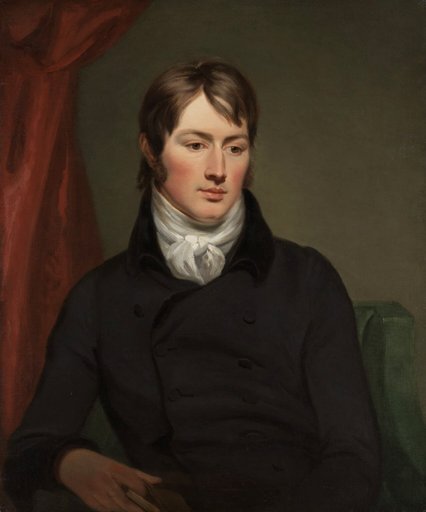
Artist
John Constable was an English landscape painter in the Romantic tradition. Born in Suffolk, he is known principally for revolutionising the genre of landscape painting with his pictures of Dedham Vale, the area on the…

 Borrowdale: view towards Glaramara.
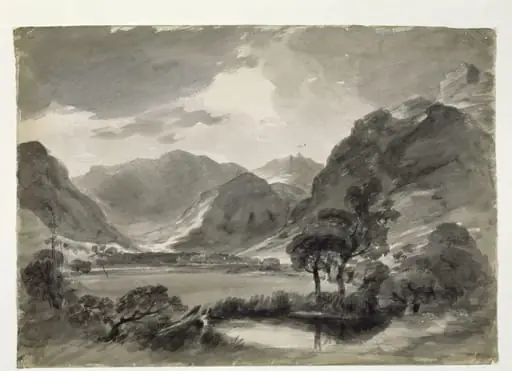 View in Langdale
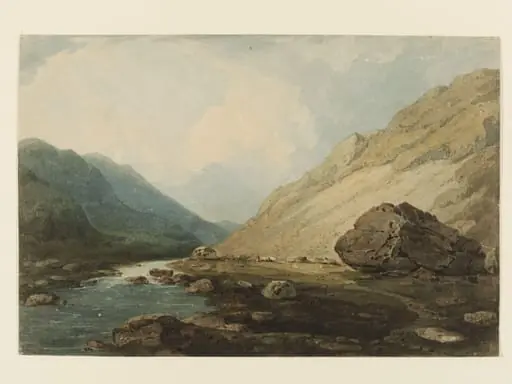 View in the Pass of Llanberis, Wales
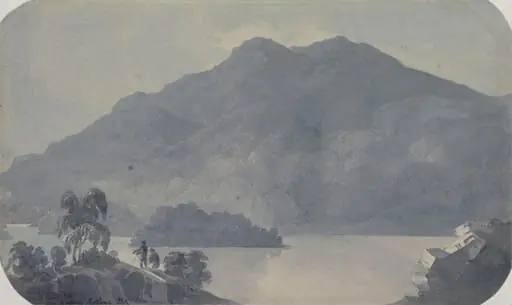 Ellen's Isle, Loch Katrine, Scotland
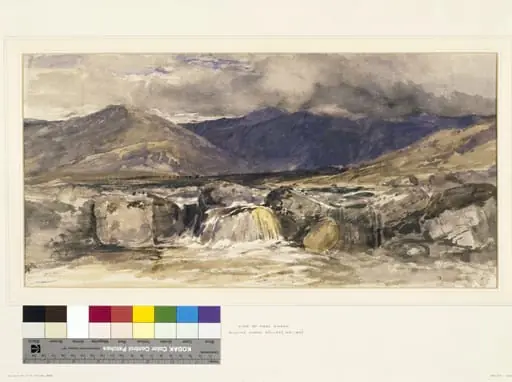 Moel Siabod, North Wales
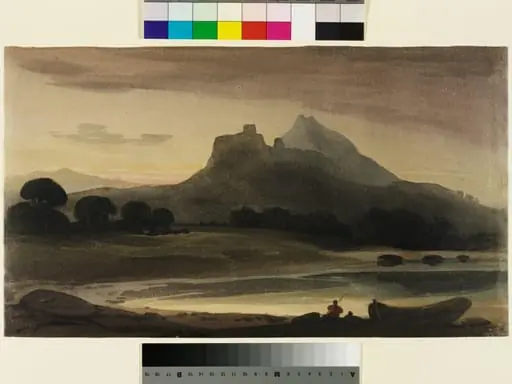 Mountainous Landscape : Afterglow
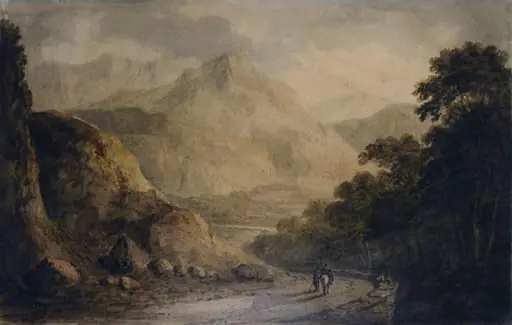 Road leading to Pont Aberglaslyn: View looking into the Vale of Festiniog, North Wales
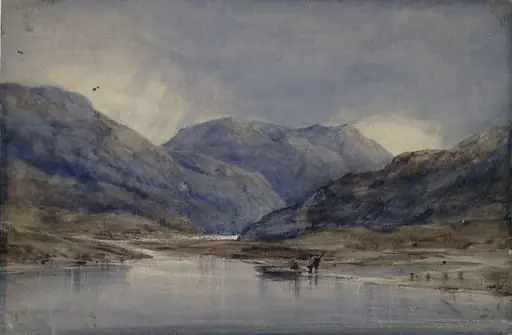 Lake scene, Cumberland
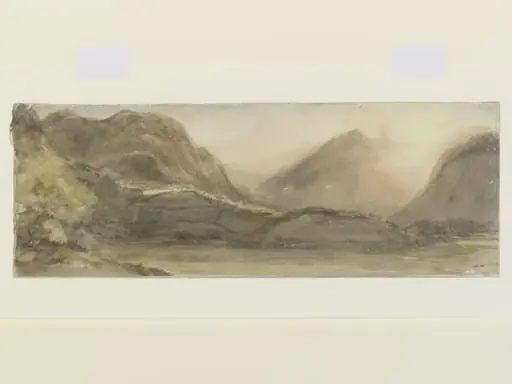 View in Borrowdale.
 Distant View of Snowdon