Artwork
Peasant Kermis
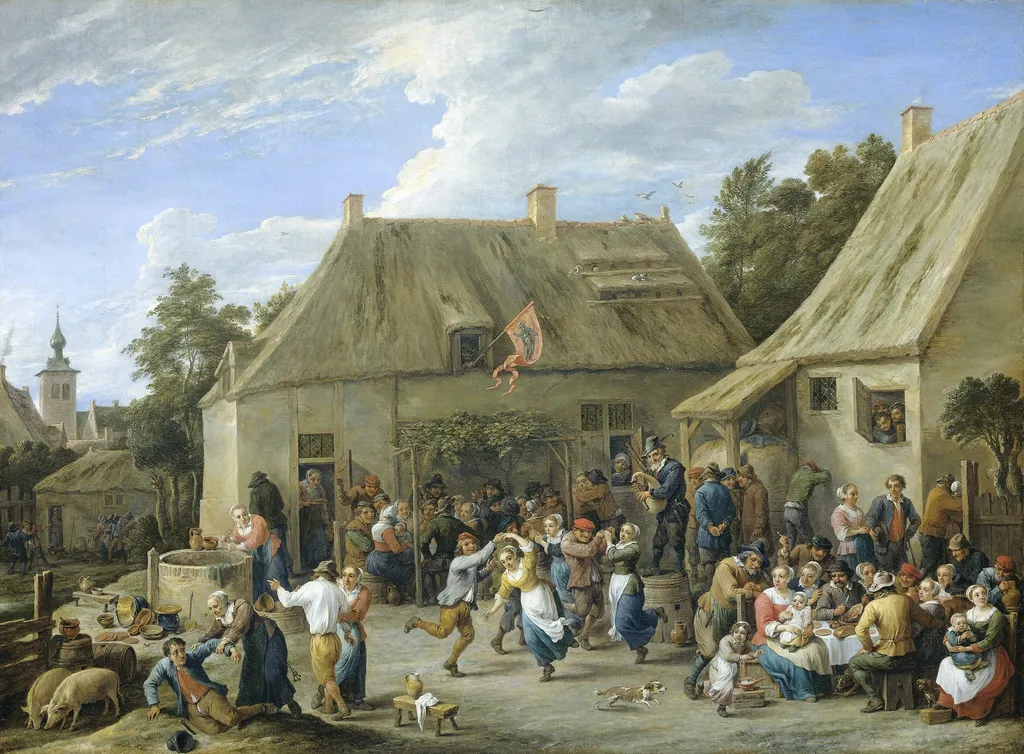
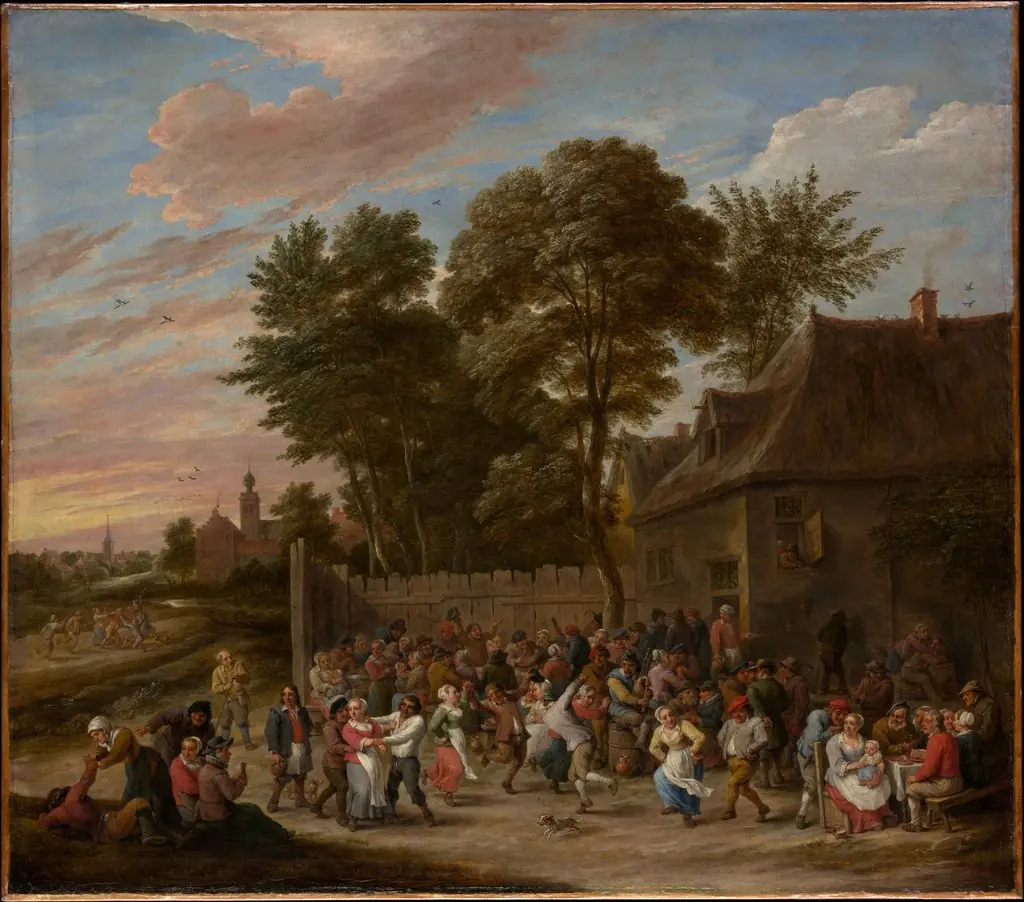
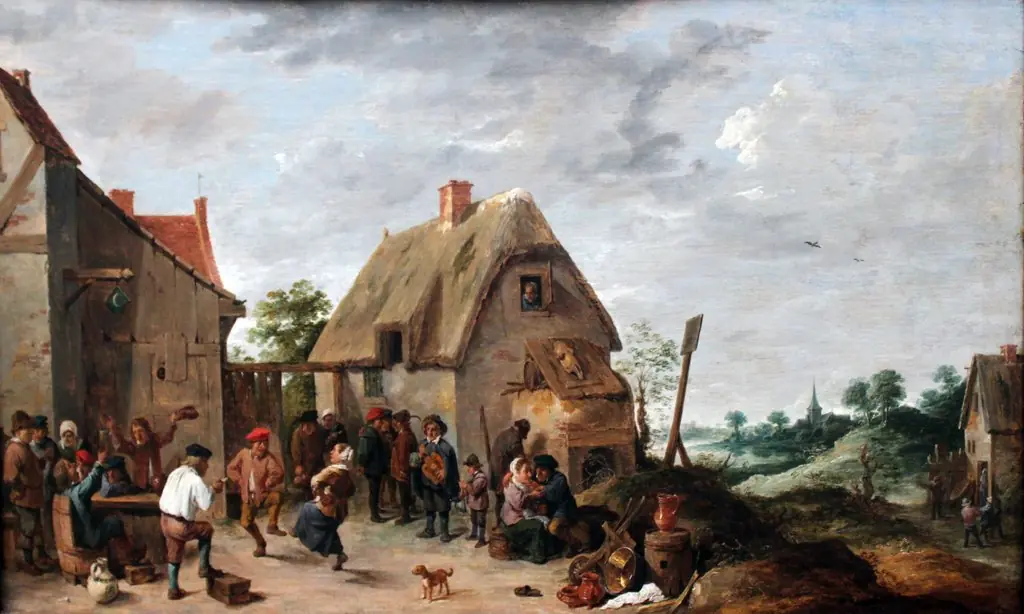
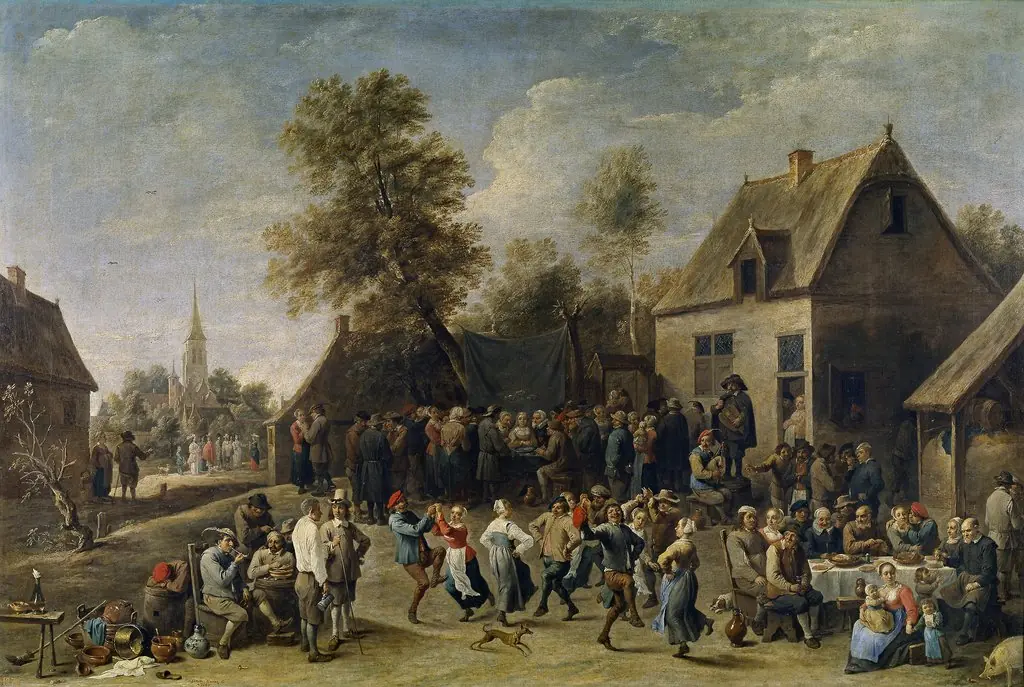
Peasant Kermis is an oil painting by the Flemish Baroque painting artist David Teniers the Younger. It dates from 1665 and is held in the collection of the Rijksmuseum.
About this work
Technique & Style
The overall tonality and lively figural arrangement align with Teniers’s characteristic blend of topographical observation and gently comic genre narrative.
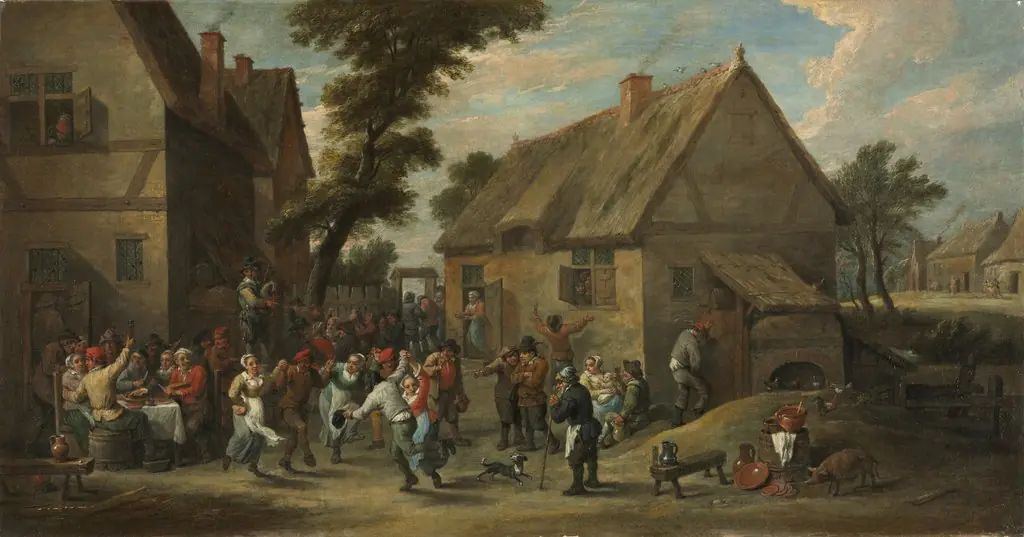
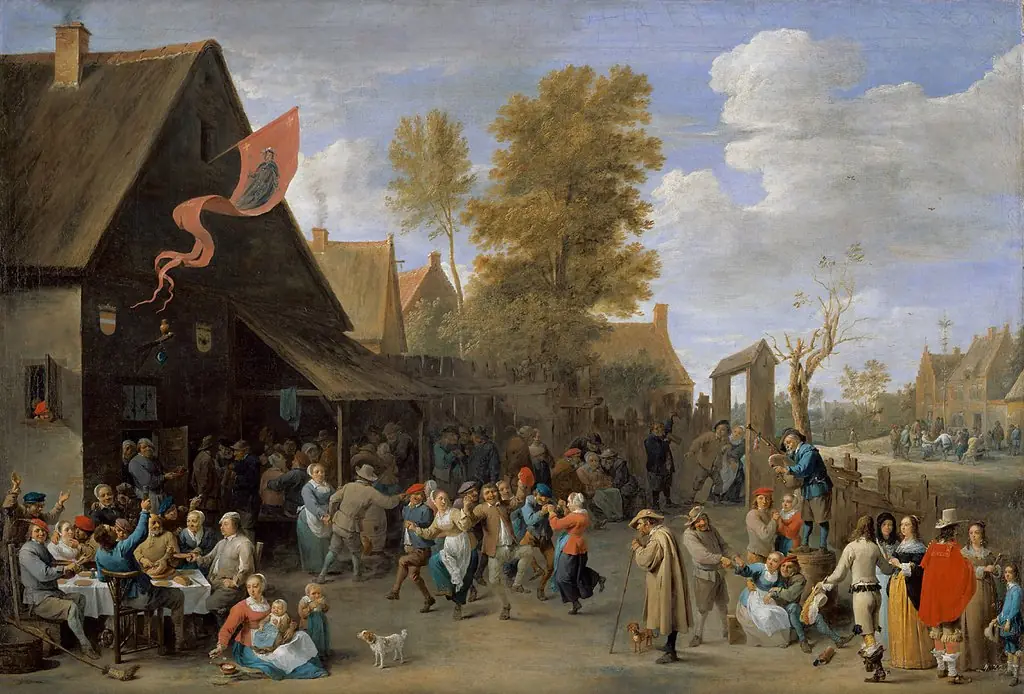
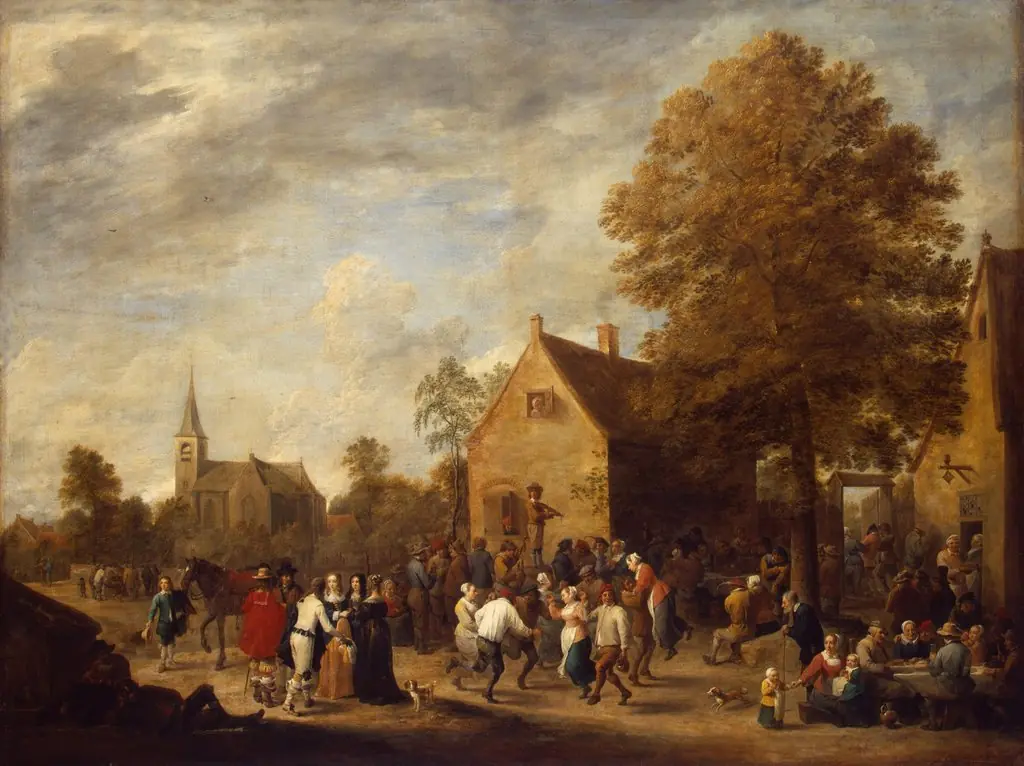
The work is painted in oil on canvas, a medium Teniers employed to build up dense, layered passages that render both the varied textures of costumes and the soft atmospheric haze of a village festival. Handling is broad yet meticulous, with small figures and intricate details, such as the lace collars and ceramic jugs, painted in crisp, controlled strokes that contrast with the more fluid handling of the landscape and sky. The composition favors a low horizon, allowing the animated crowd and rustic architecture to dominate the scene.
Color is earthy and muted, punctuated by accents of red and white that draw the eye across the bustling kermis. The overall tonality and lively figural arrangement align with Teniers’s characteristic blend of topographical observation and gently comic genre narrative.
History & Provenance
The painting is dated 1665 by internal corpus records, which align with its Wikidata inception year.
It was created in Brussels, where Teniers the Younger was active. The work later entered the Amsterdam collection of Adriaan van der Hoop, a prominent Dutch patron whose holdings were bequeathed to the city in 1854. By 1855 it was part of the municipal collection and subsequently transferred to the Rijksmuseum, where it remains today.
David Teniers the Younger's Peasant Kermis, an oil painting on canvas created in 1665, is held by the Rijksmuseum in Amsterdam. The work is part of the collection formerly known as the Adriaan van der Hoop collection, which is now managed by the Amsterdam Museum. The painting measures 78 cm in height and 106.5 cm in width.
It was originally made in Brussels before entering the Dutch holdings. No specific exhibition history or accession number details are provided in the available records.
Overview
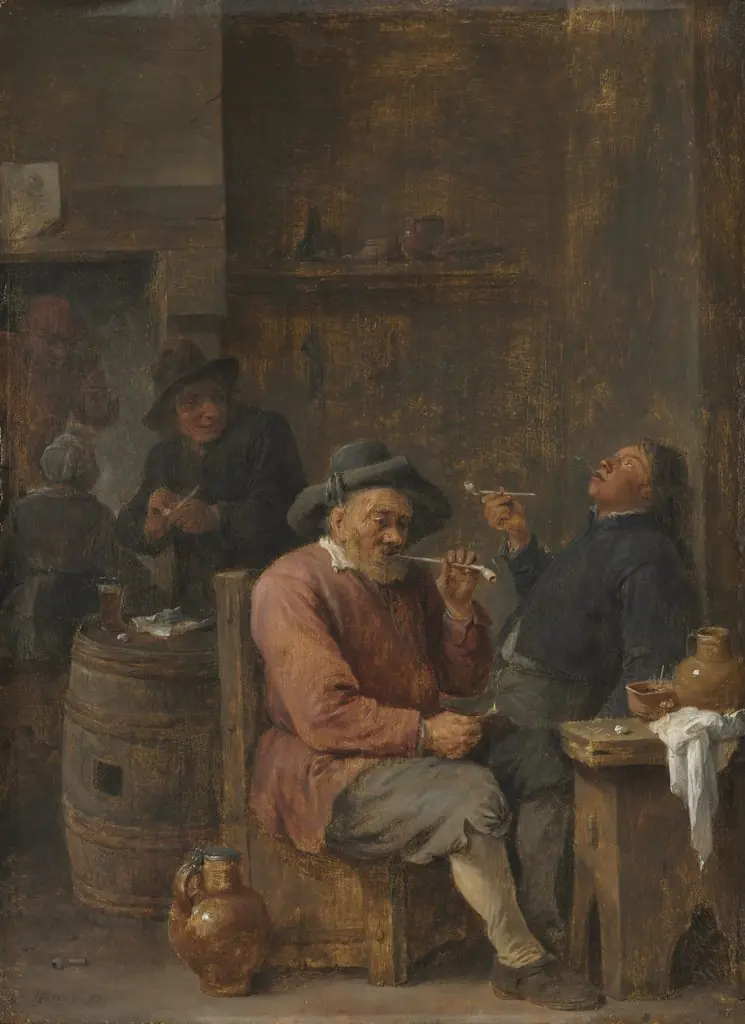
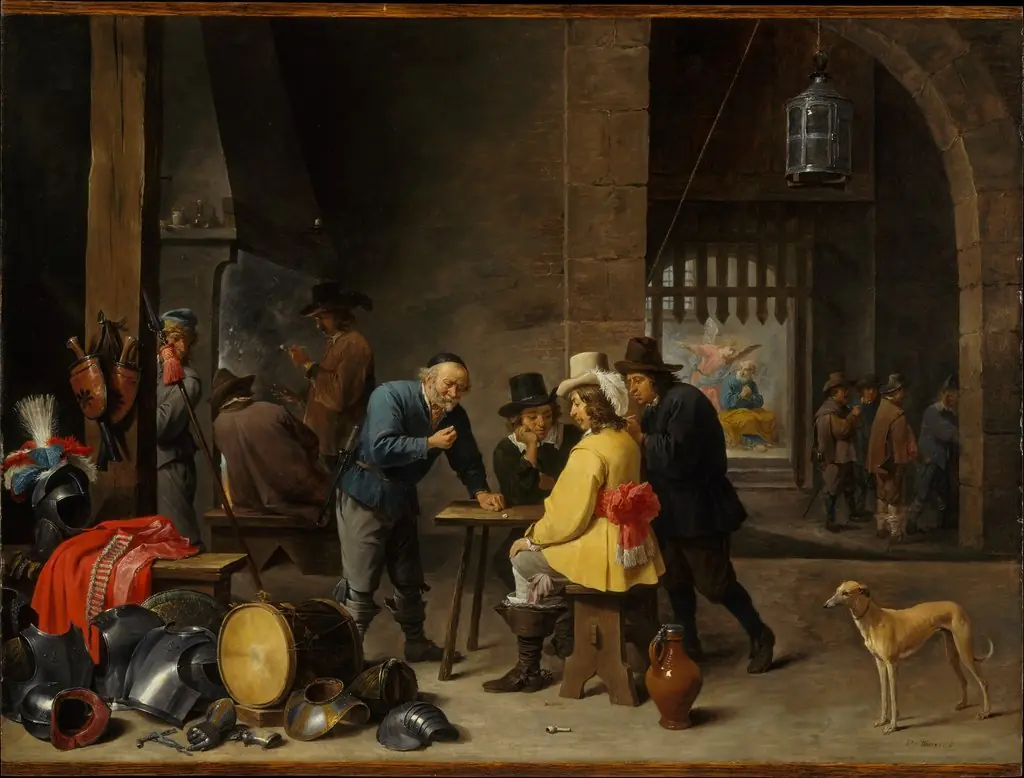
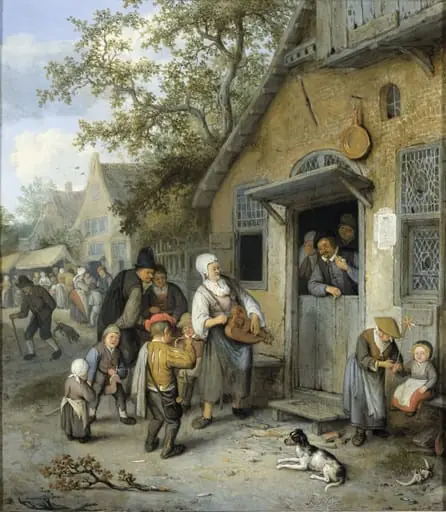
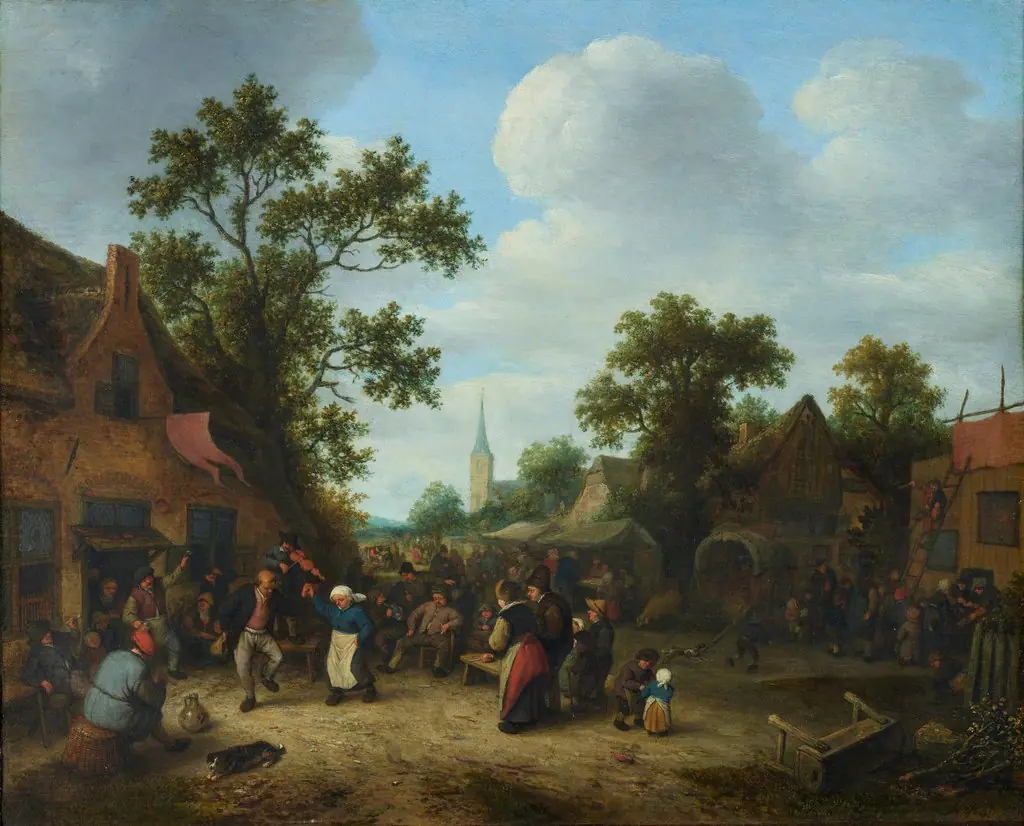
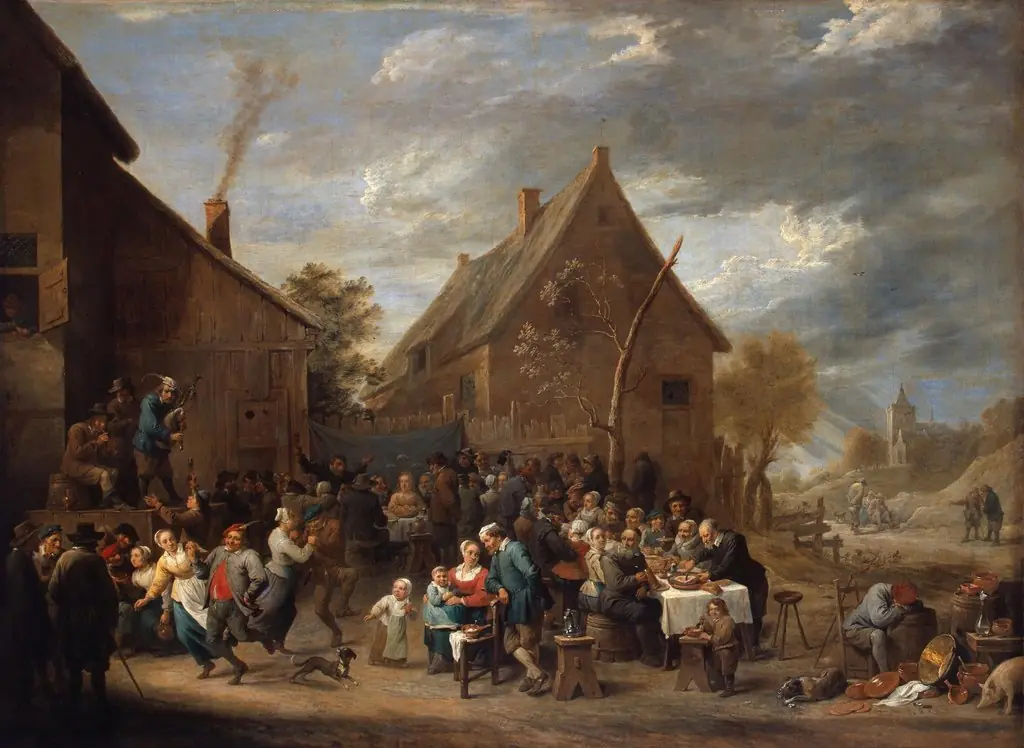
This painting depicts a crowded scene of villagers gathered around a tavern, rendered in oil on canvas. The composition centers on a group of figures engaged in drinking and socializing, with a strong emphasis on communal activity rather than individual portraiture.
Subject & Meaning
The work presents a genre scene of rural life, showing peasants in a moment of leisure. The figures appear in various states of intoxication and revelry, suggesting themes of excess and social interaction. The setting includes architectural elements typical of Flemish village taverns, with wooden beams and simple furnishings.
Context
Genre paintings of this type emerged from a cultural interest in depicting everyday life among common people, a departure from the religious and mythological subjects that dominated earlier periods. These scenes often carried moral undertones about vice and virtue, though interpretations vary regarding whether they condemn or celebrate the depicted behavior.
Legacy
The work represents a significant example of Flemish genre painting, contributing to our understanding of social customs and artistic conventions of the period. It continues to be studied for its technical execution and its place within the broader tradition of European genre art.
Own this work as a print
Artist & collection
Artist
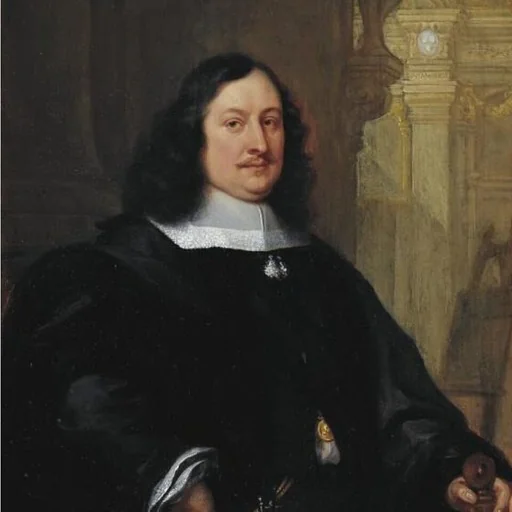
David Teniers the Younger or David Teniers II was a Flemish Baroque painter, printmaker, and artist.