Artwork
Godsvrucht
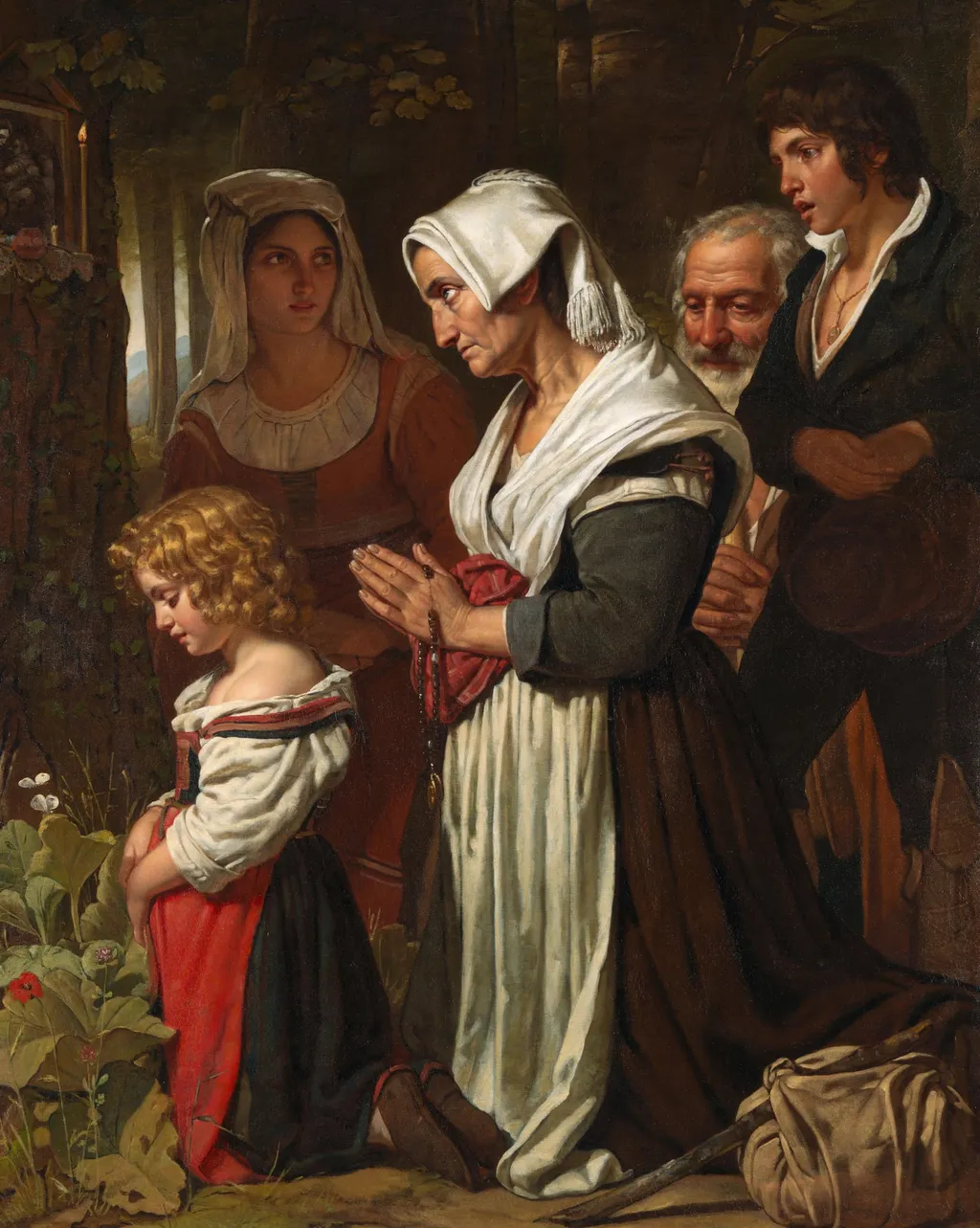
Godsvrucht is an unspecified painting by the Biedermeier artist Cornelis Kruseman. It dates from -752 and is held in the collection of the Rijksmuseum.
About this work
Overview
Created in 1821 while the artist was in Rome, this oil painting titled “Godsvrucht” depicts a multigenerational family gathered beneath a tree. The composition includes two elderly figures, a young couple, and an infant, while a diminutive Marian altar is perched among the branches above them.
Subject & Meaning
The work presents a domestic scene that juxtaposes age and youth, suggesting themes of continuity and devotion. The presence of the Virgin Mary’s altar, positioned high in the foliage, underscores a spiritual guardianship over the family unit.
Technique & Style
Kruseman blends the meticulous observation characteristic of Dutch realism in the older figures with the smooth, idealized treatment of the younger subjects, reflecting Italianate classicism. The small altar is a precise replication of a composition by Raphael, indicating the artist’s study of Renaissance models.
History & Provenance
The painting was executed during Kruseman’s Italian sojourn, a period when many Dutch artists sought inspiration from classical antiquity and the Renaissance. Its provenance traces back to the artist’s own collection before entering public holdings, where it is now displayed as part of the Rijksmuseum’s 19th‑century holdings.
Context
“Godsvrucht” illustrates the cross‑cultural exchange prevalent among early‑19th‑century Dutch painters who traveled to Italy. By merging Northern realism with Southern idealism, the work reflects contemporary artistic dialogues about national identity and the influence of Italian art on Dutch practice.
Own this work as a print
Artist & collection
Artist
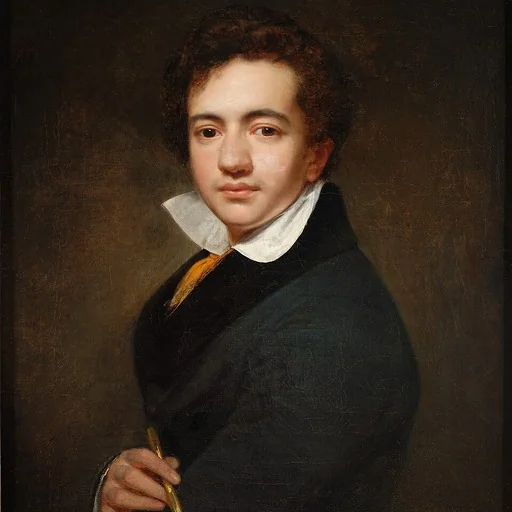
Cornelis Kruseman (Dutch pronunciation:; 25 September 1797 – 14 November 1857) was a Dutch painter, draughtsman, etcher, lithographer, silhouettist, paper-cut artist, and art collector.

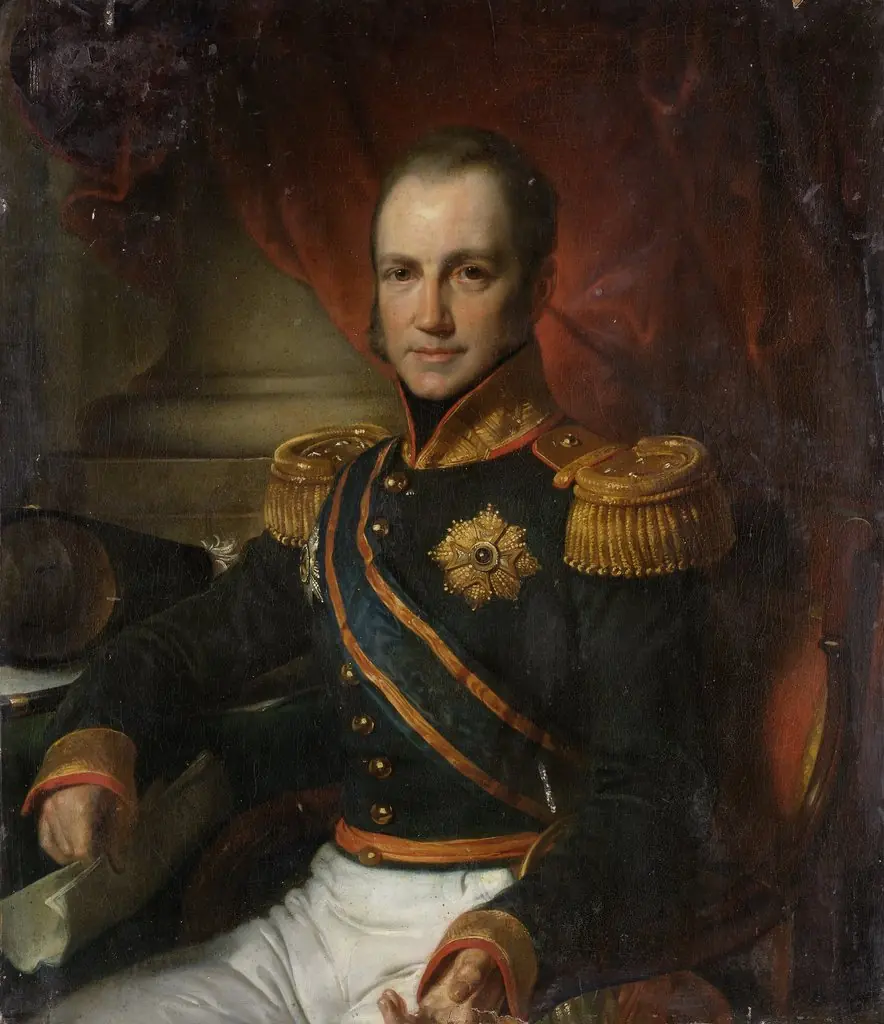 Portrait of Godart Alexander Gerard Philip, Baron van der Capellen, Governor-General of the Dutch East Indies
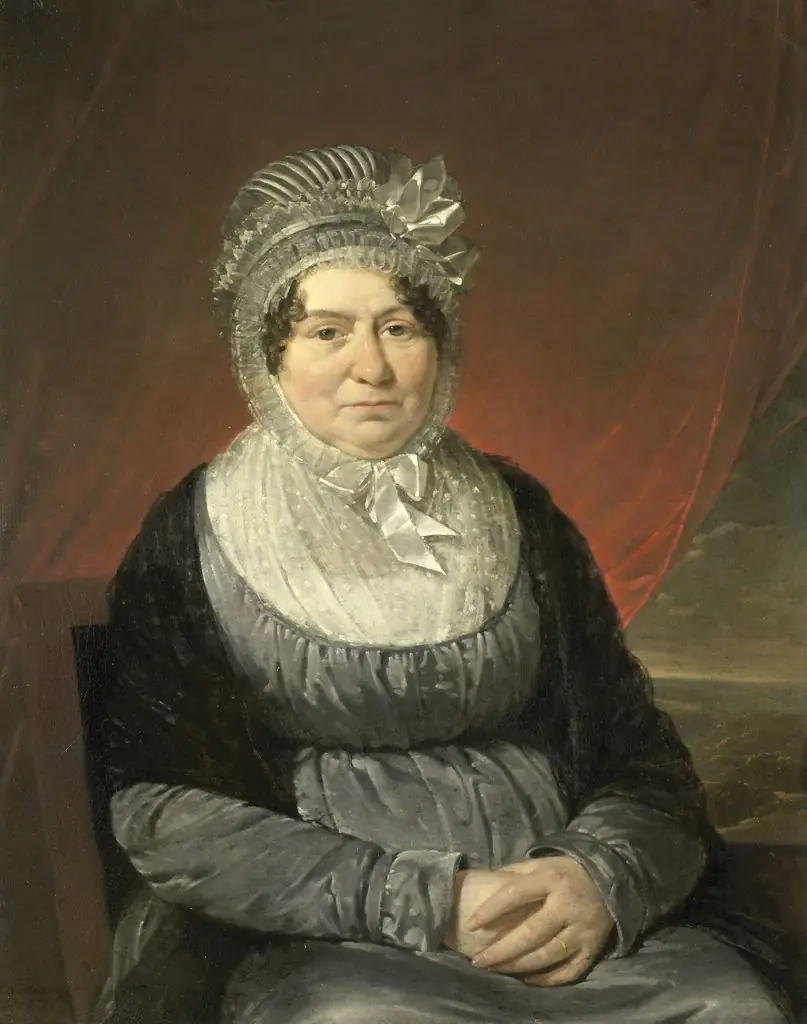 Portrait of Mrs. Brak-Haskenhoff
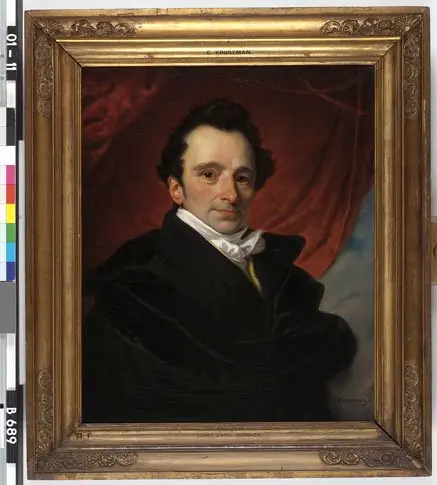 Portrait of the actor Gerrit Carel Rombach (1784-1833)
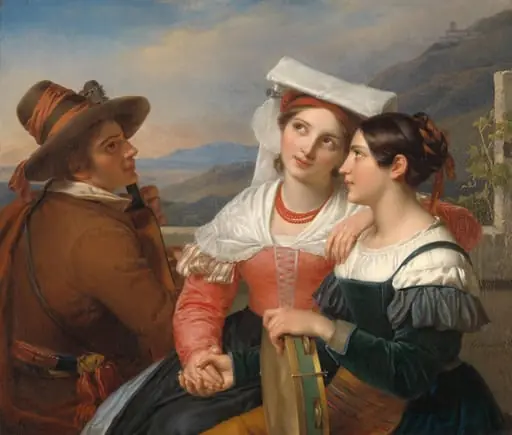 Een van zin
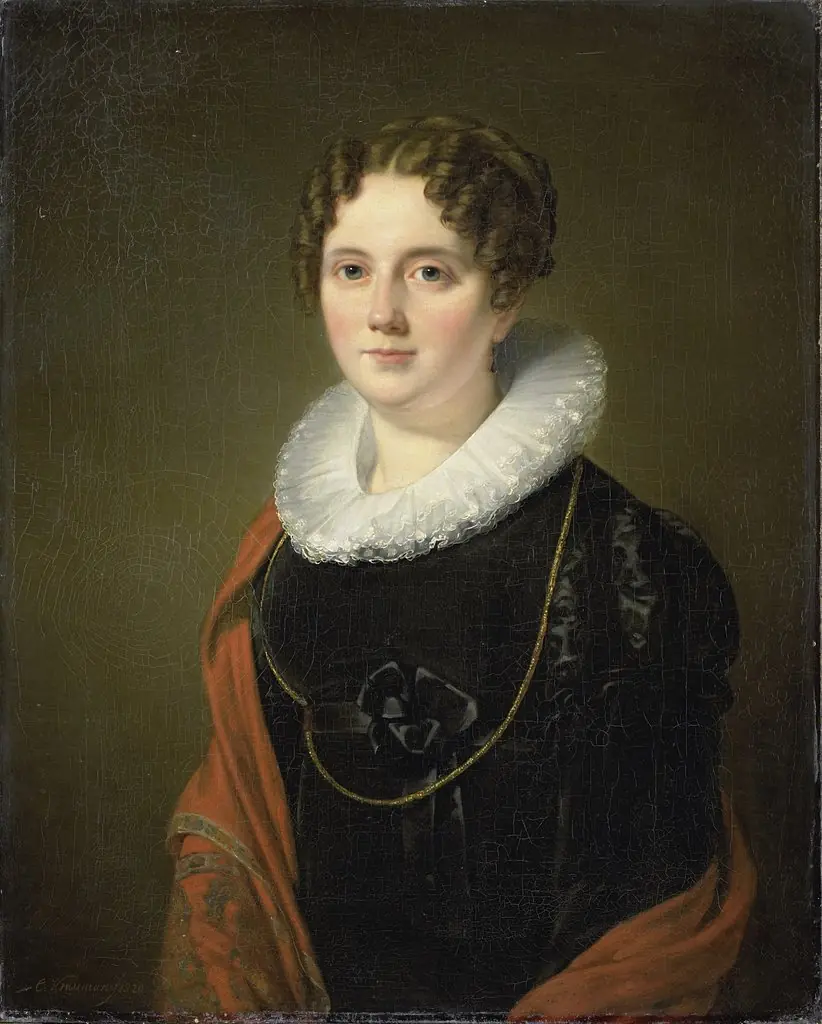 Portrait of Marie Allebé-Herckenrath, Grandmother of the Painter August Allebé
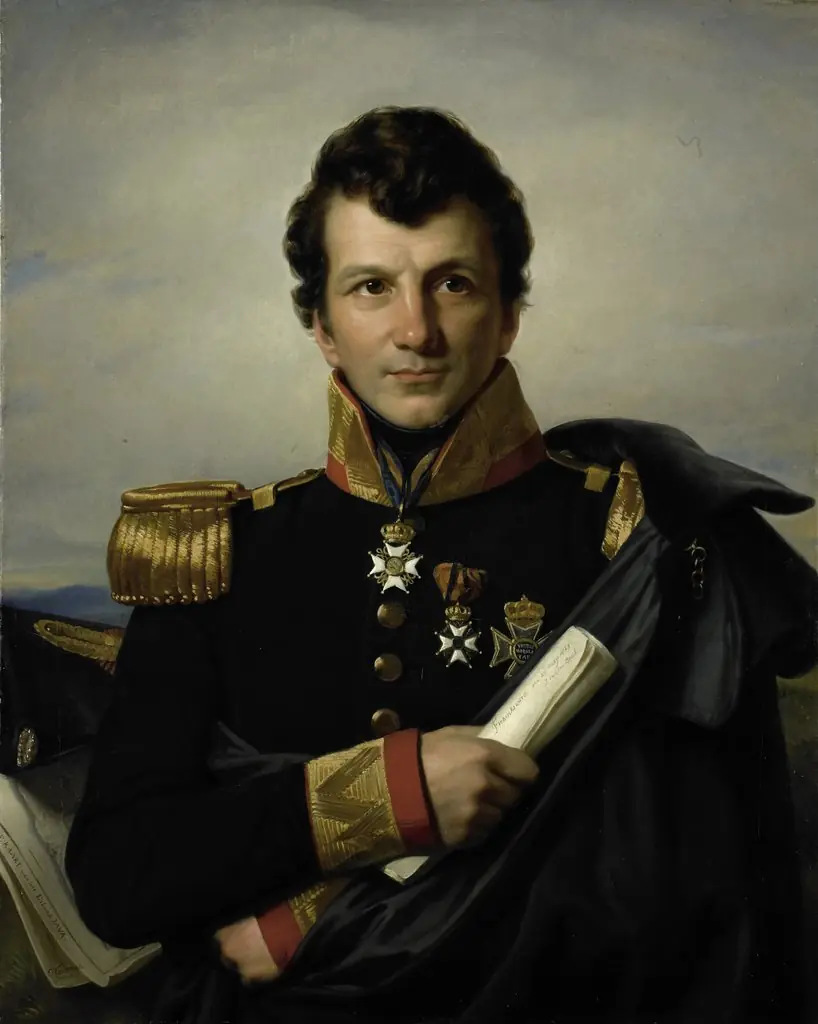 Portrait of Johannes, Graaf van den Bosch, Governor-General of the Dutch East Indies, Minister of the Colonies
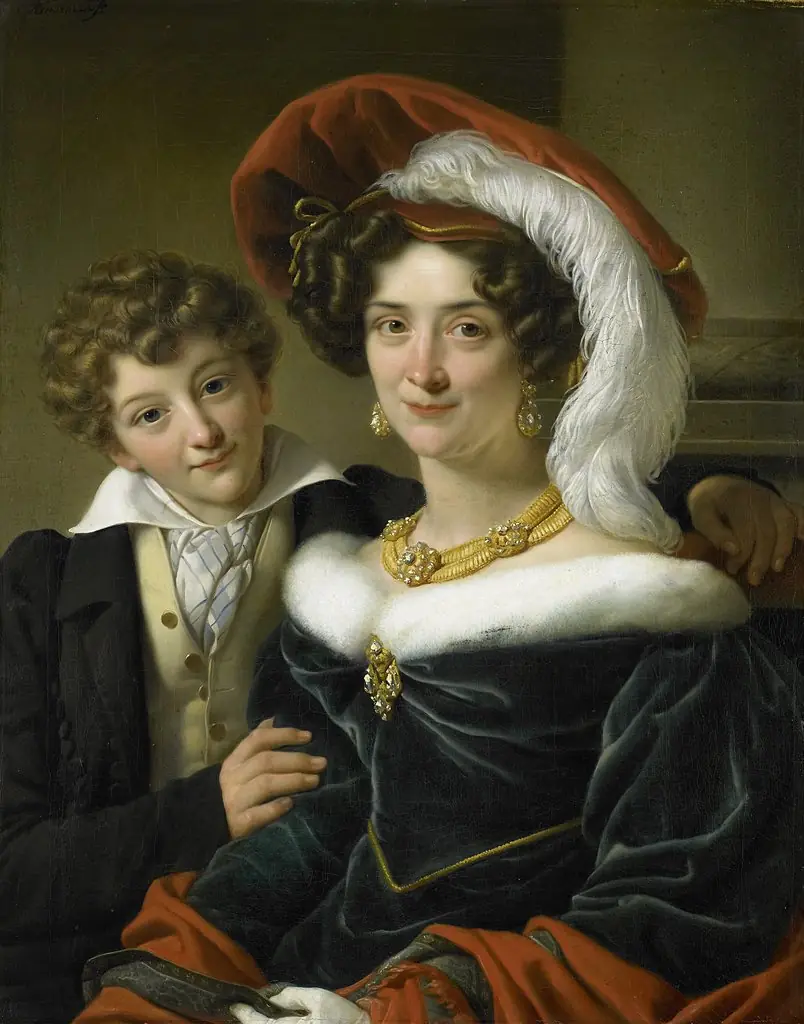 Portrait of Rudolphina Wilhelmina Elizabeth de Sturler, second Wife of Count Johannes van den Bosch with their Son Richard Leeuwenhart
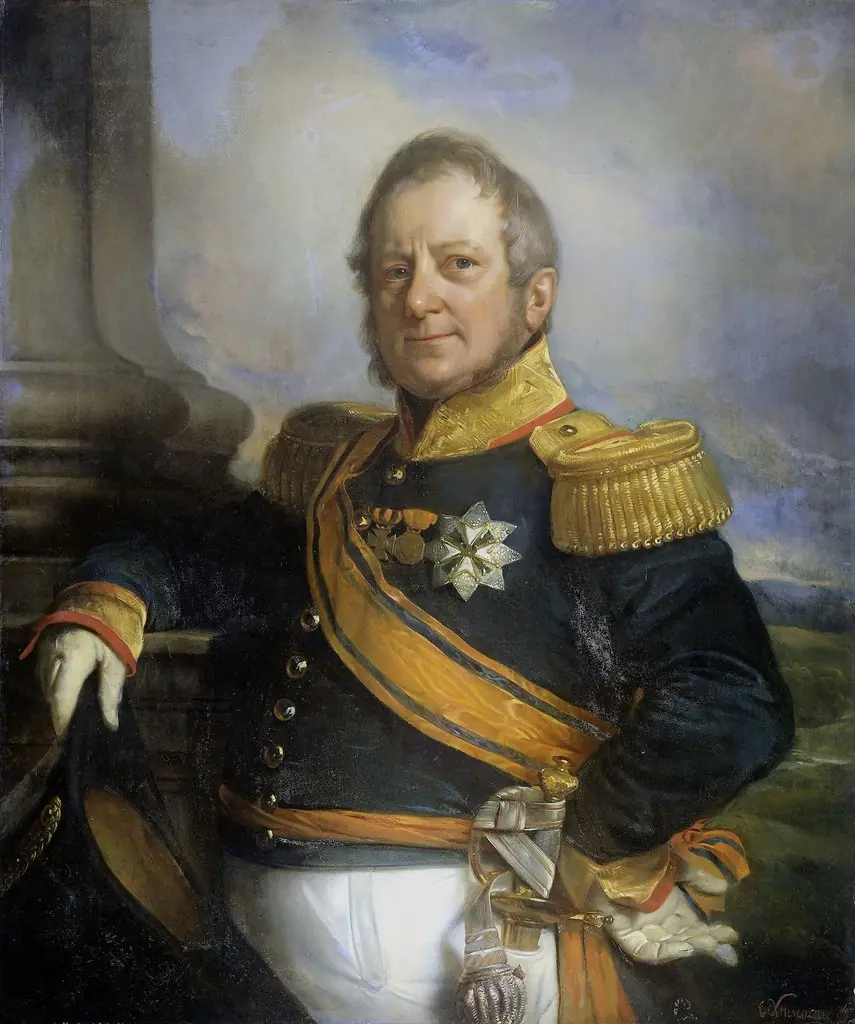 Portrait of Hendrik Merkus, Baron de Kock, Army Commandant and after 1826 Lieutenant Governor-General of the Dutch East Indies
- Isoäidin morsiuskruunu
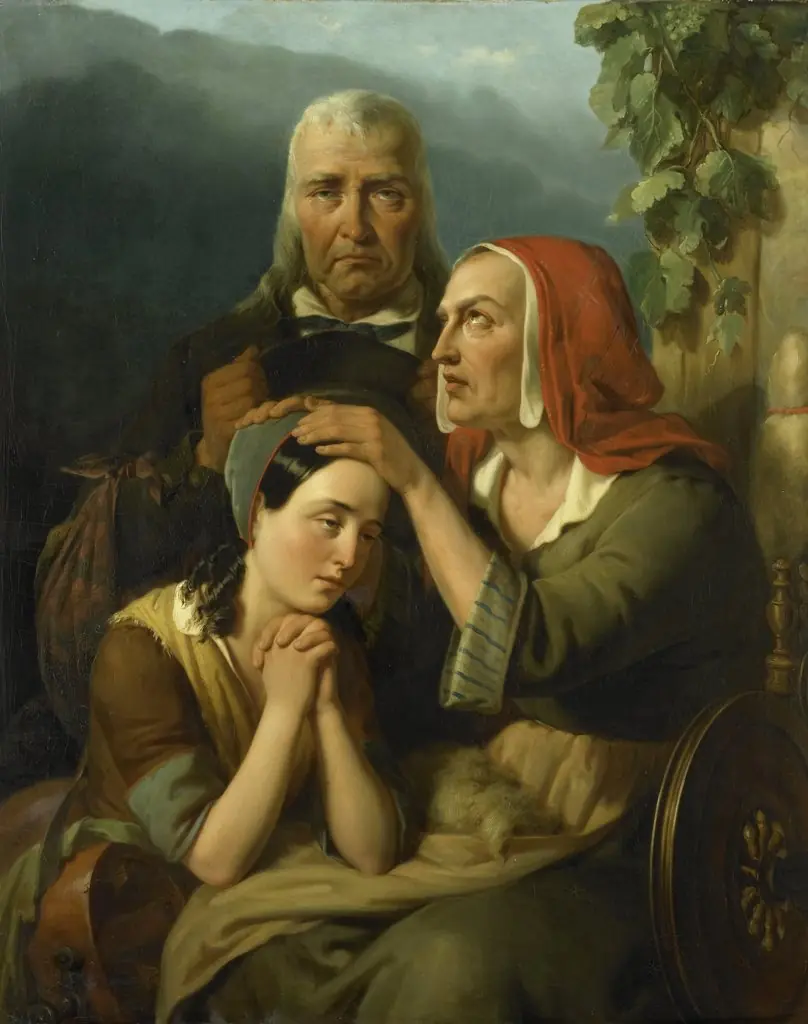 'A Mother's Blessing'
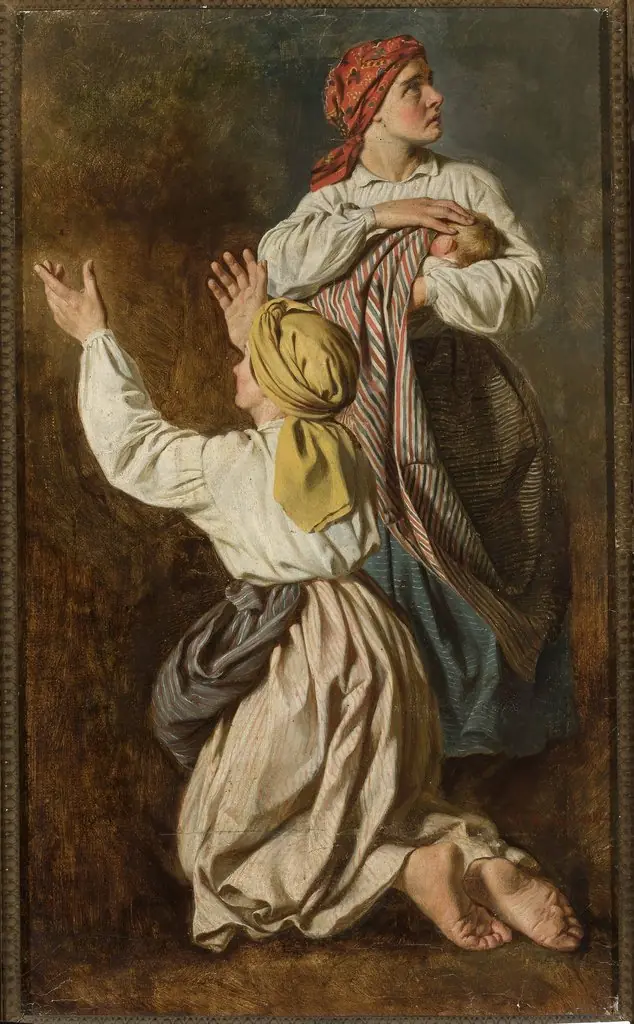 Women fleeing from the fire
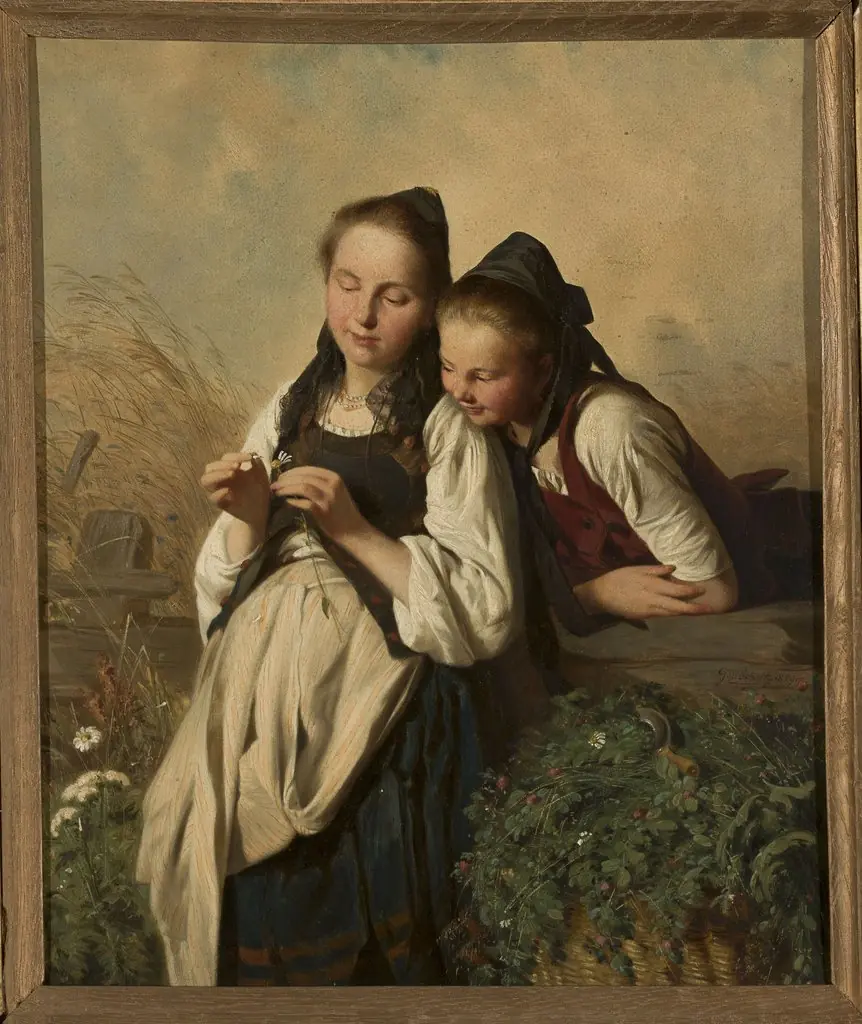 Love divination
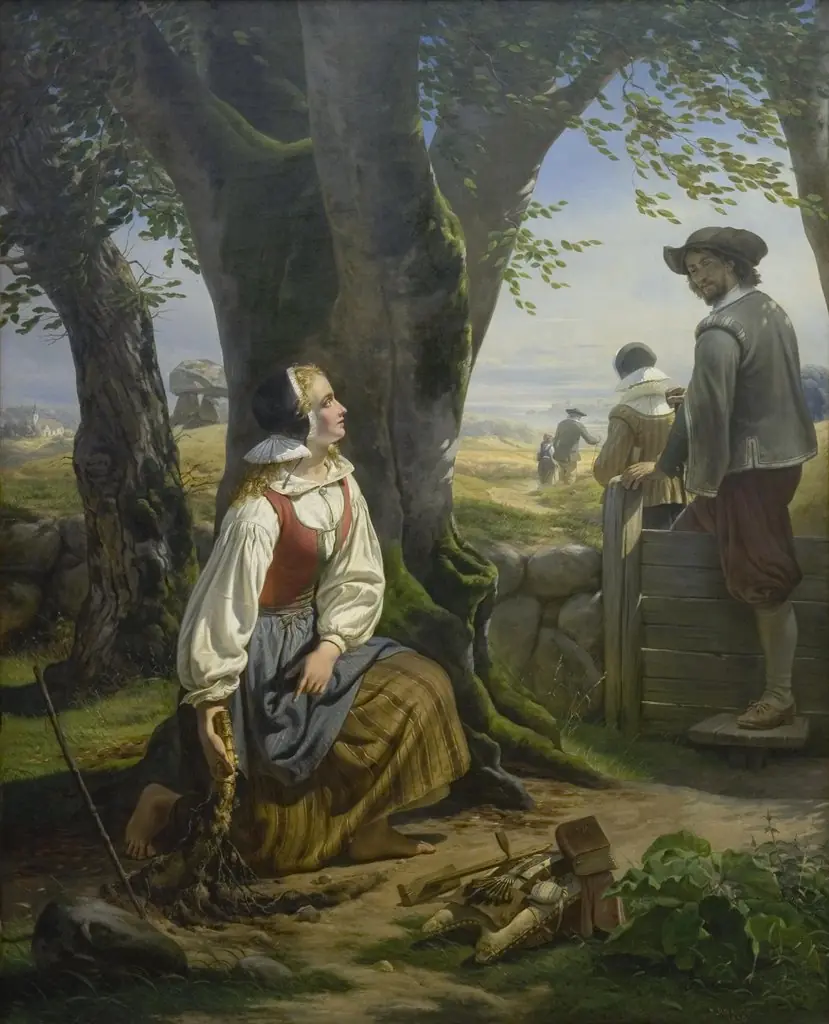 Kirsten Svendsdatter Finds the Gold Horn at Gallehus on 20 July 1639
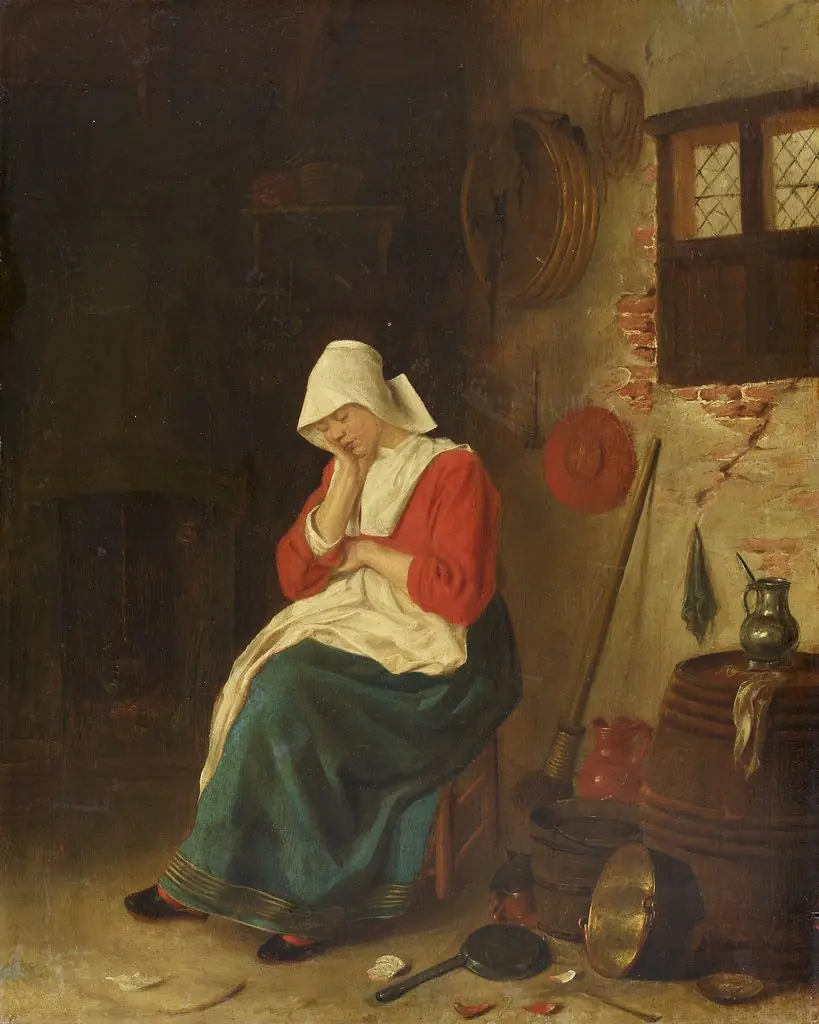 The Sleeping Kitchenmaid
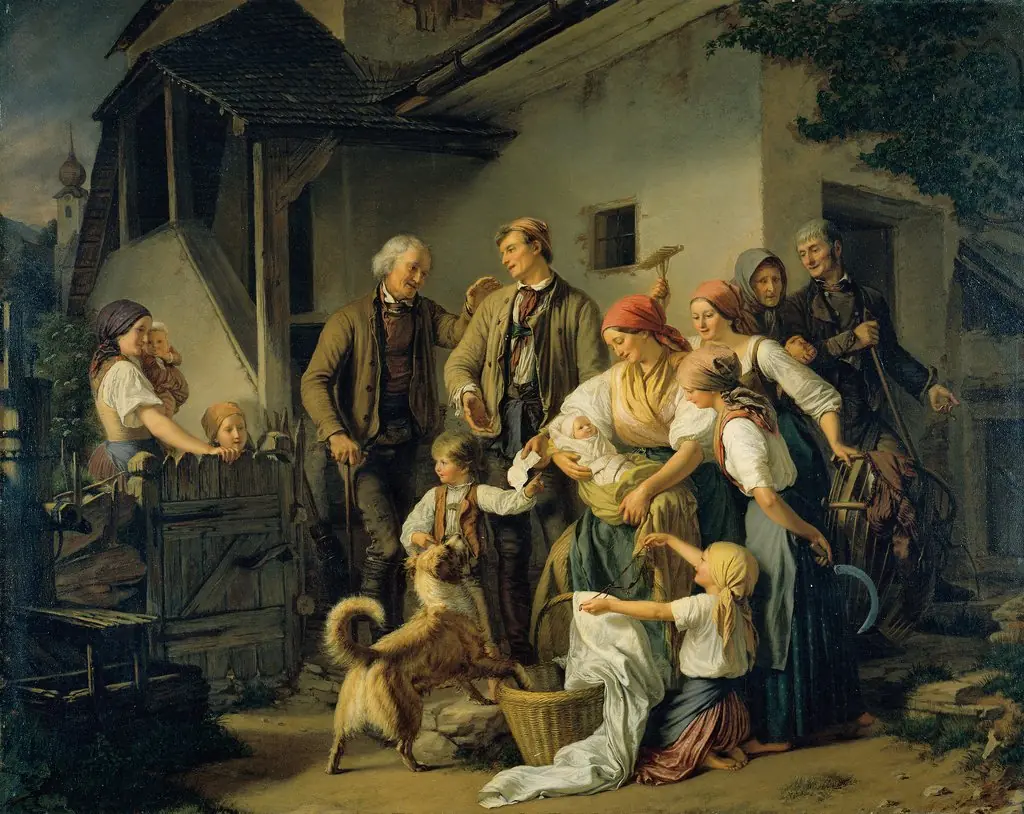 The Foundling
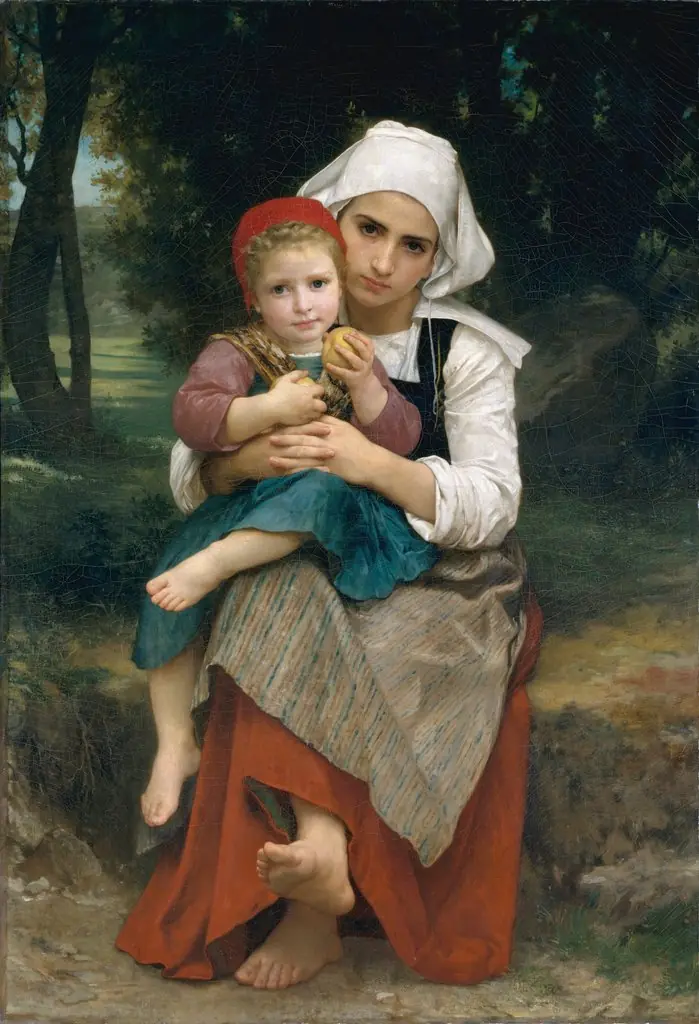 Breton Brother and Sister
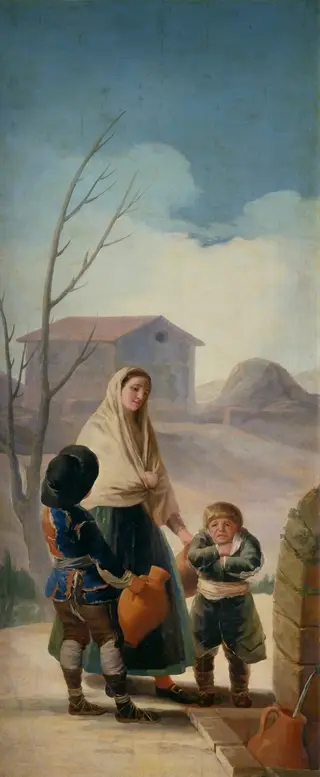 The Poor at the Fountain
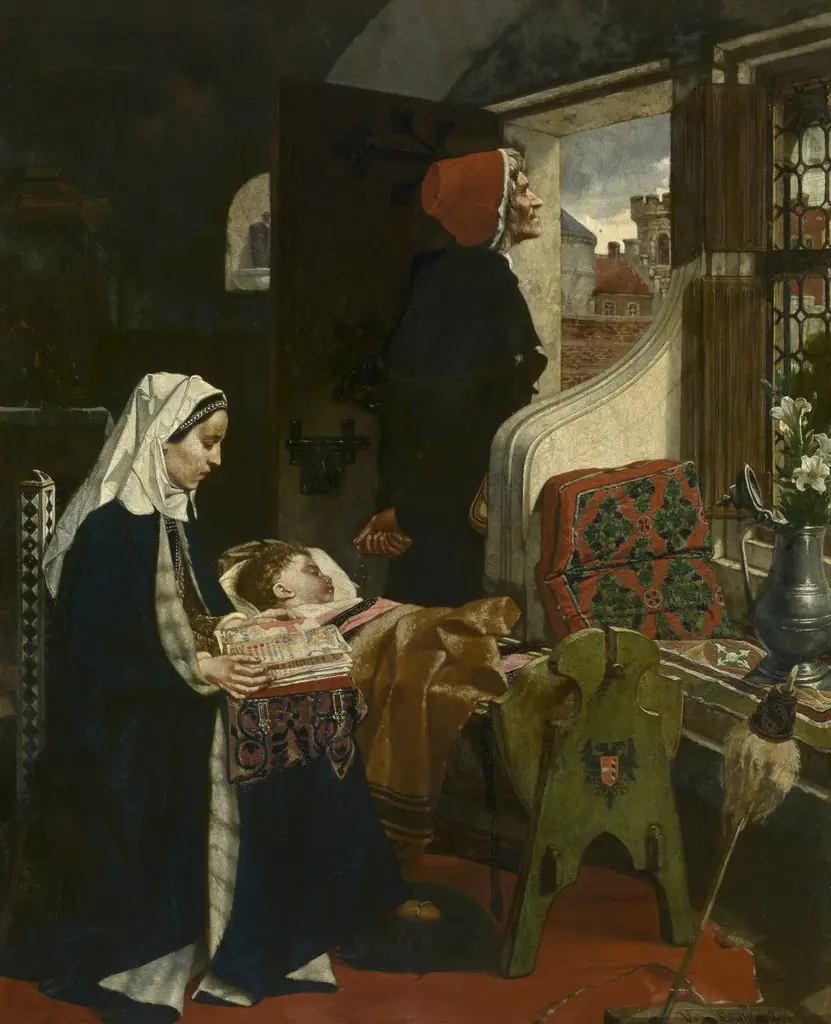 Johanna van der Gheynst with her Child in the Cradle
 The Day before Parting
 The ill child