Artwork
Portrait of Rudolphina Wilhelmina Elizabeth de Sturler, second Wife of Count Johannes van den Bosch with their Son Richard Leeuwenhart
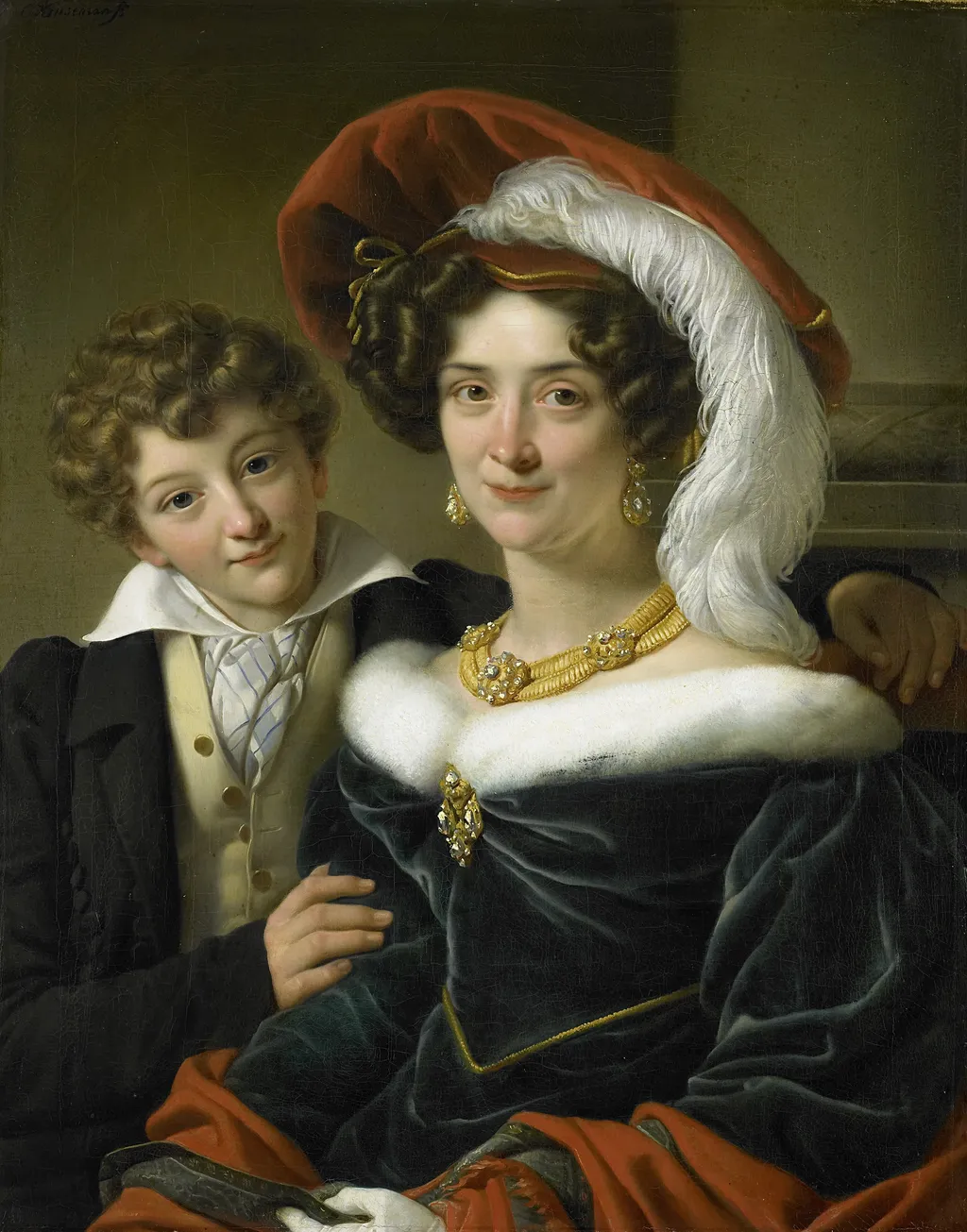
Portrait of Rudolphina Wilhelmina Elizabeth de Sturler, second Wife of Count Johannes van den Bosch with their Son Richard Leeuwenhart is an oil painting by Cornelis Kruseman. It dates from 1829 and is held in the collection of the Rijksmuseum.
About this work
Subject & Meaning
The portrait shows Rudolphina Wilhelmina Elizabeth de Sturler, the second wife of Count Johannes van den Bosch, together with her son Richard Leeuwenhart.
The portrait shows Rudolphina Wilhelmina Elizabeth de Sturler, the second wife of Count Johannes van den Bosch, together with her son Richard Leeuwenhart. Painted by Cornelis Kruseman in 1829, the work is an oil on canvas portrait held in the Rijksmuseum. It functions as a conventional family portrait from the early nineteenth century, emphasizing the status of the subjects within their social circle.
Technique & Style
Oil on canvas, painted in 1829 by Cornelis Kruseman. The work measures 87 cm in height and 70 cm in width, depicting Rudolphina Wilhelmina Elizabeth de Sturler with her son Richard Leeuwenhart. It is classified as a portrait and is part of the Rijksmuseum collection.
History & Provenance
Cornelis Kruseman executed this oil-on-canvas portrait in 1829. The work depicts Rudolphina Wilhelmina Elizabeth de Sturler, the second wife of Count Johannes van den Bosch, alongside their son Richard Leeuwenhart. Measuring 87 cm in height and 70 cm in width, the painting was created during the artist's active period in the early nineteenth century.
The piece currently resides in the collection of the Rijksmuseum, where it is preserved as part of the institution's holdings of Dutch portraiture.
Overview
Cornelis Kruseman’s 1829 oil portrait presents Rudolphina Wilhelmina Elizabeth de Sturler, the second wife of Count Johannes van den Bosch, together with their son Richard Leeuwenhart. The composition captures a domestic scene, with the mother seated in an elegant dark dress and fur shawl, while the child stands nearby, his smile suggesting a moment of familial intimacy.
Context
At the time of its creation, Kruseman was established as a portraitist for the Dutch elite, often depicting members of the aristocracy and their families. The portrait reflects contemporary conventions of representing status through clothing and accessories, while also aligning with the broader European trend of intimate family portraiture emerging in the post‑Napoleonic era.
Own this work as a print
Artist & collection
Artist
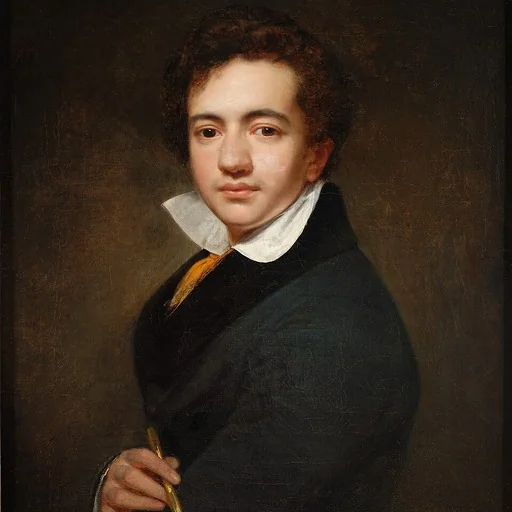
Cornelis Kruseman (Dutch pronunciation:; 25 September 1797 – 14 November 1857) was a Dutch painter, draughtsman, etcher, lithographer, silhouettist, paper-cut artist, and art collector.

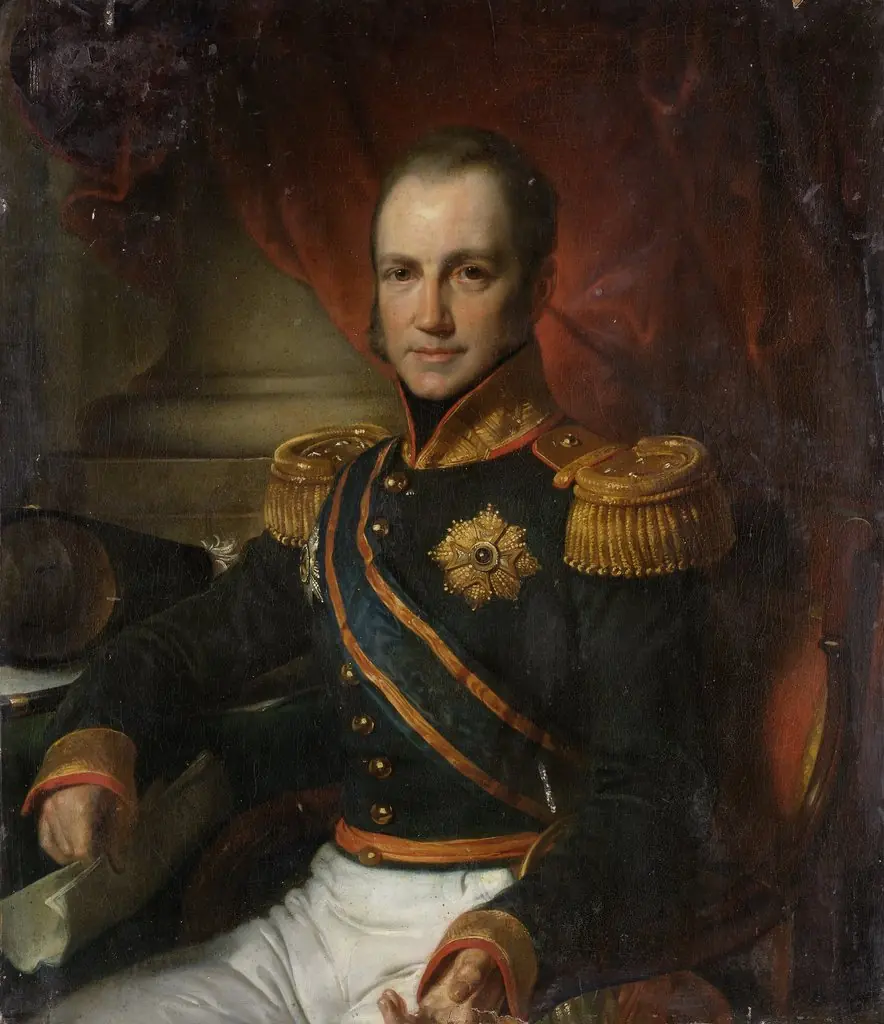 Portrait of Godart Alexander Gerard Philip, Baron van der Capellen, Governor-General of the Dutch East Indies
 Portrait of Mrs. Brak-Haskenhoff
 Portrait of the actor Gerrit Carel Rombach (1784-1833)
 Een van zin
 Portrait of Marie Allebé-Herckenrath, Grandmother of the Painter August Allebé
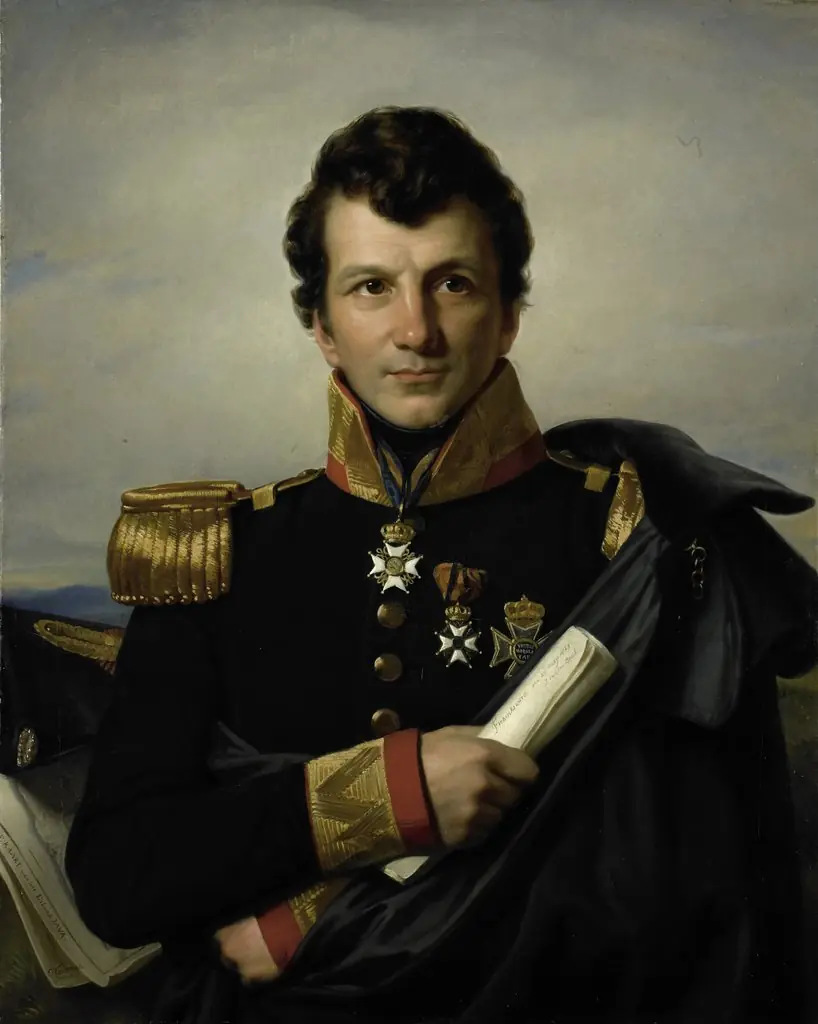 Portrait of Johannes, Graaf van den Bosch, Governor-General of the Dutch East Indies, Minister of the Colonies
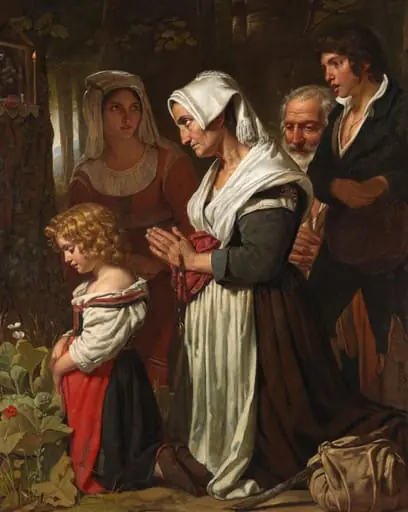 Godsvrucht
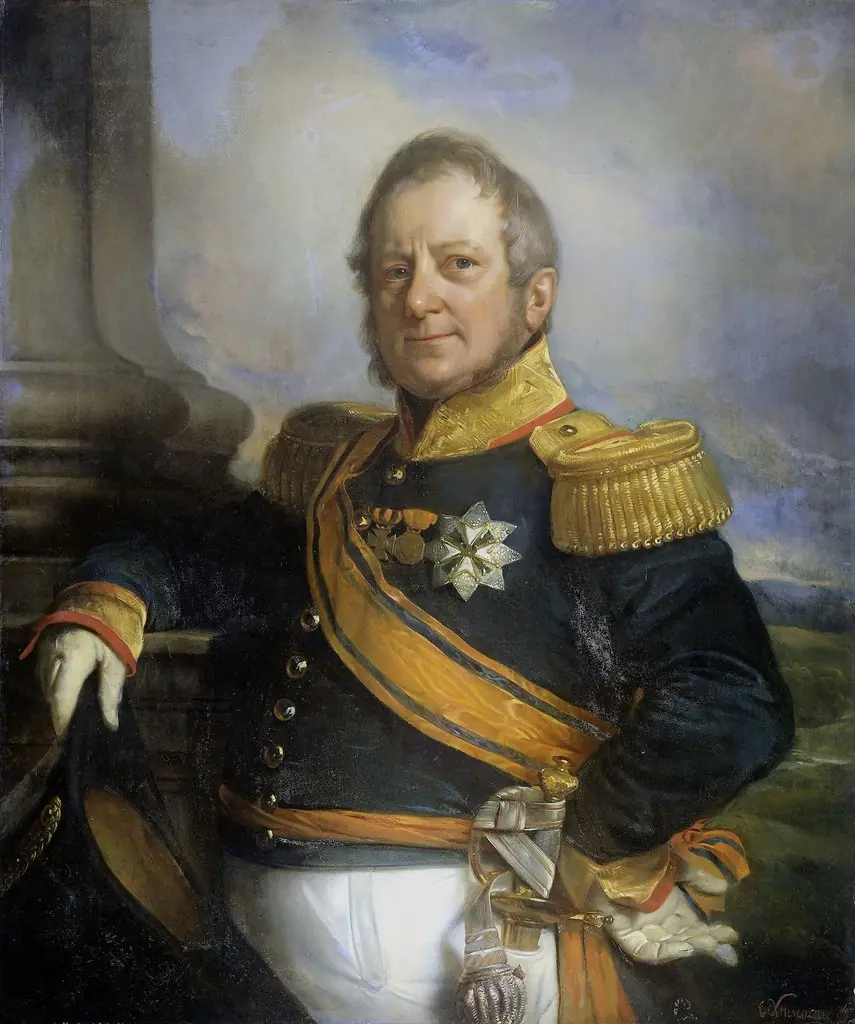 Portrait of Hendrik Merkus, Baron de Kock, Army Commandant and after 1826 Lieutenant Governor-General of the Dutch East Indies
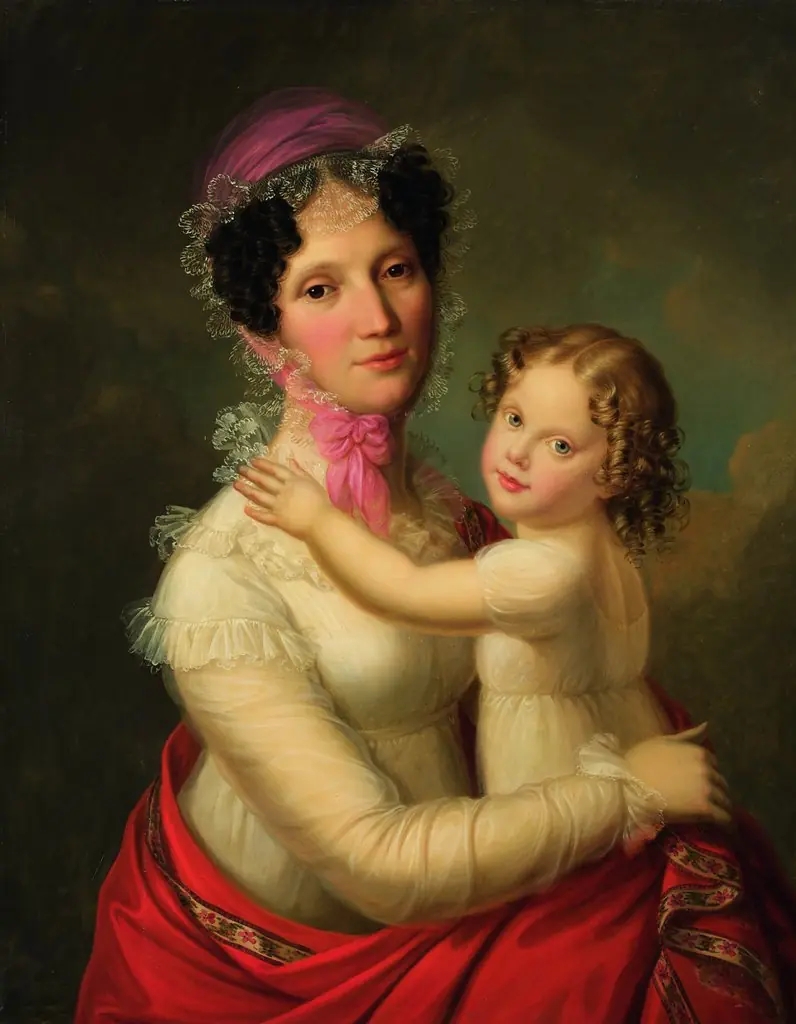 Eleonora Mayer, Baroness zu Gravenegg with her daughter Isabella
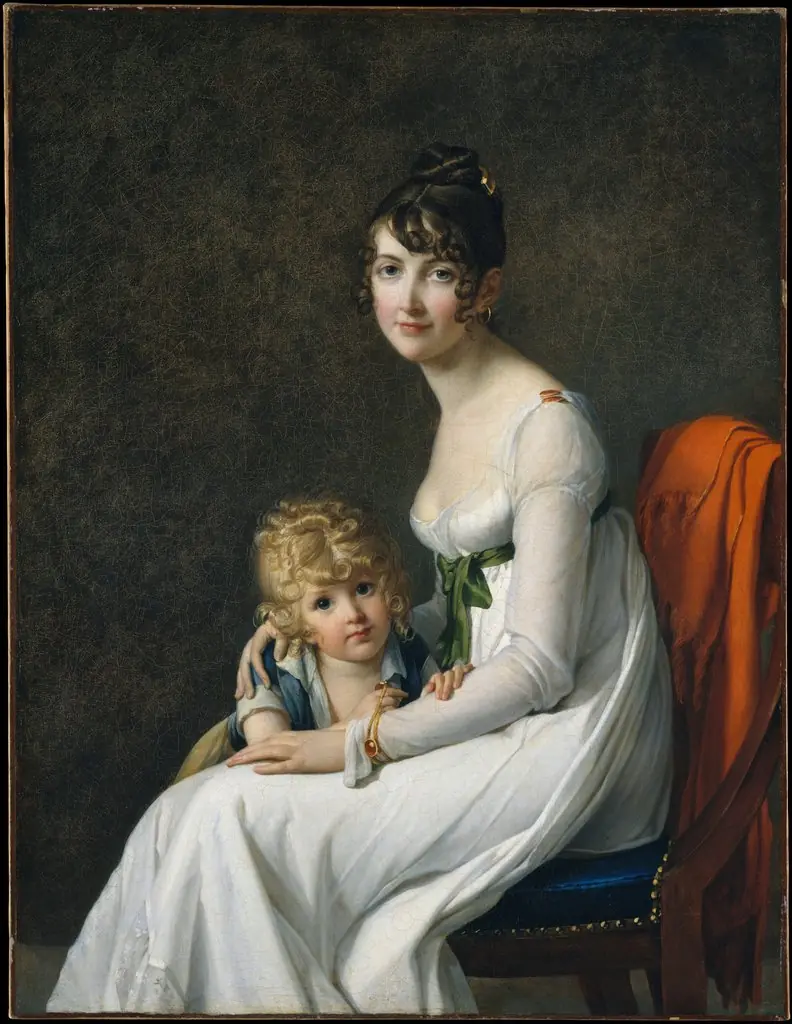 Madame Philippe Panon Desbassayns de Richemont (Jeanne Eglé Mourgue, 1778–1855) and Her Son, Eugène (1800–1859)
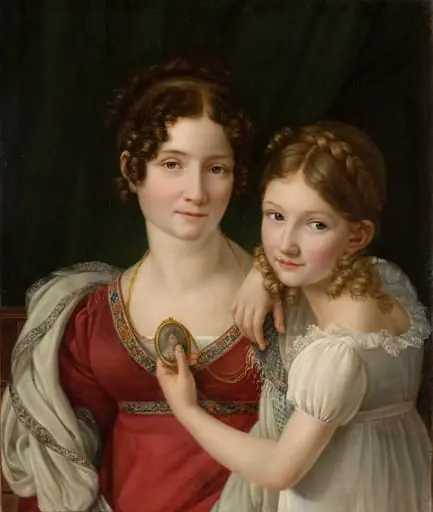 Muotokuva äidistä tyttärensä kanssa
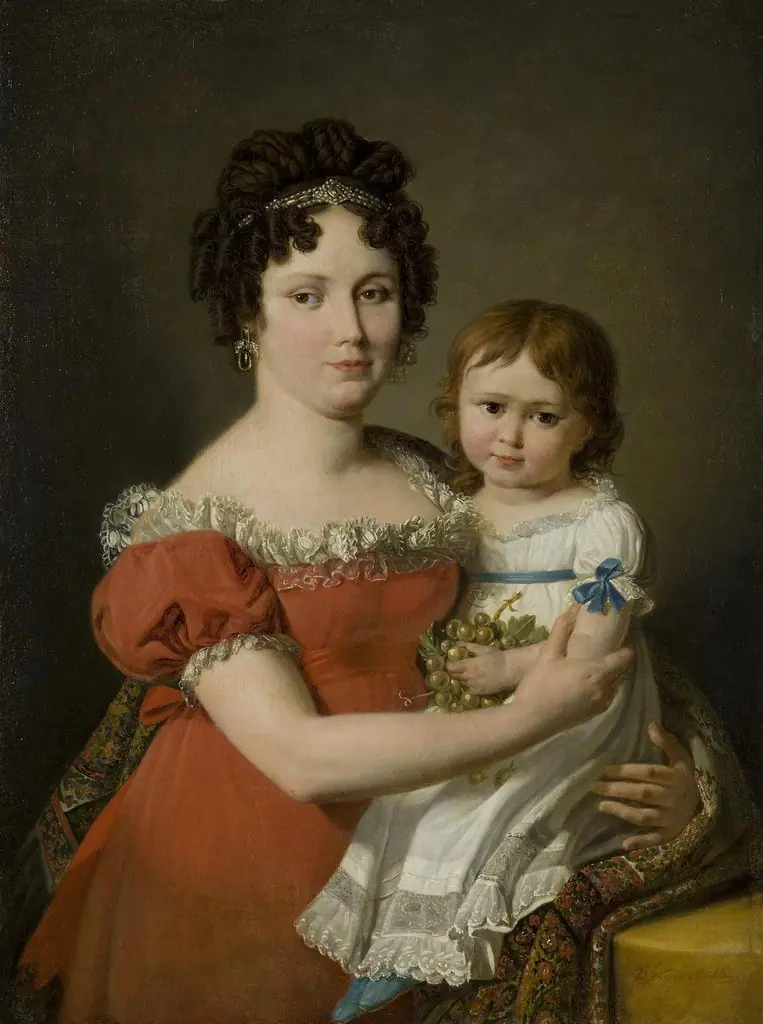 Portrait of A.P. Mailevskaya with Her Daughter
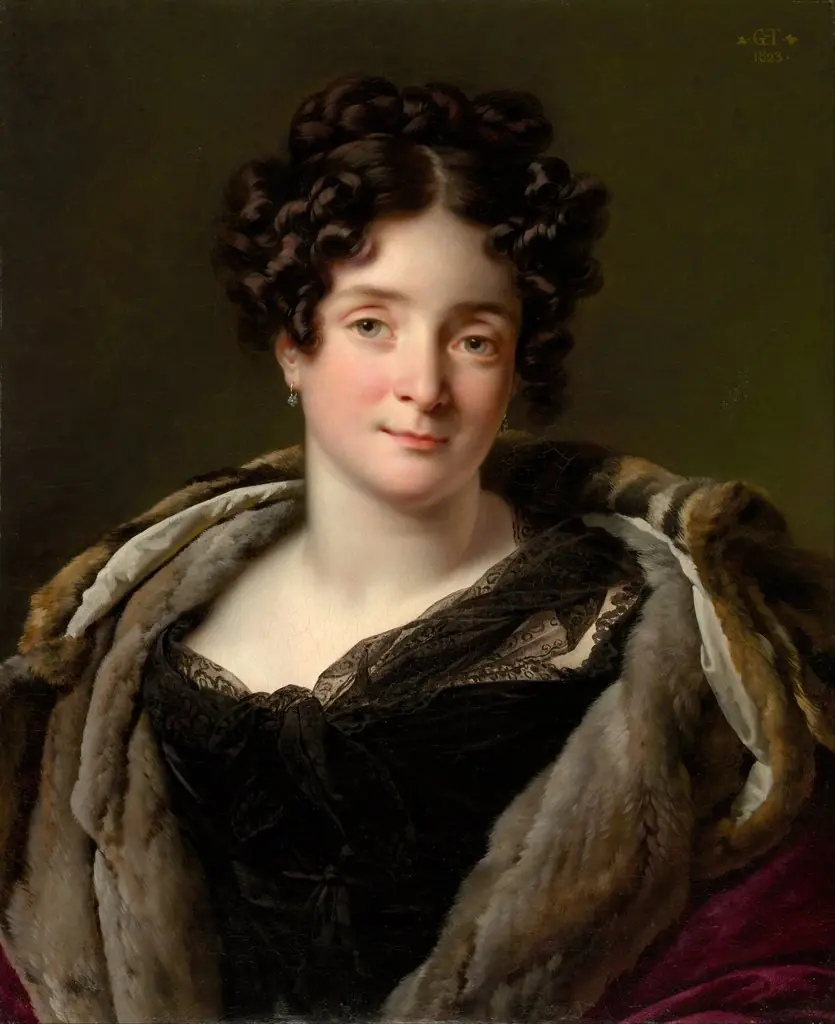 Madame Jacques-Louis-Étienne Reizet (Colette-Désirée-Thérèse Godefroy, 1782–1850)
 Портрет А.Е. Лабзиной с воспитанницей С.А. Мудровой
 Marie-Caroline de Bourbon-Sicile, Duchess of Berry and her daughter Louise-Marie-Thérèse
 Portret van een vrouw met haar twee kinderen
 Portrait of Louise-Antoinette-Scholastique Guéhéneuc, Madame la Maréchale Lannes, Duchesse de Montebello, with her Children
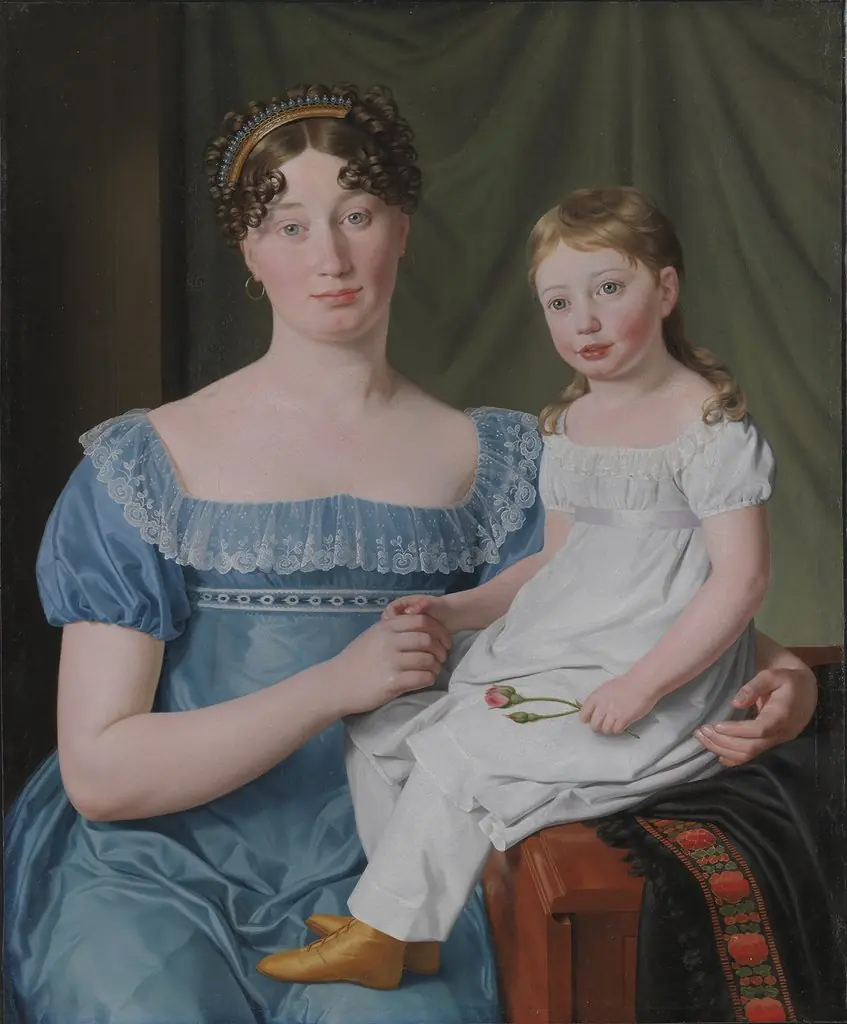 Portrait of a Noblewoman Sophie Hedvig Løvenskiold and her Three-Year-Old Daughter
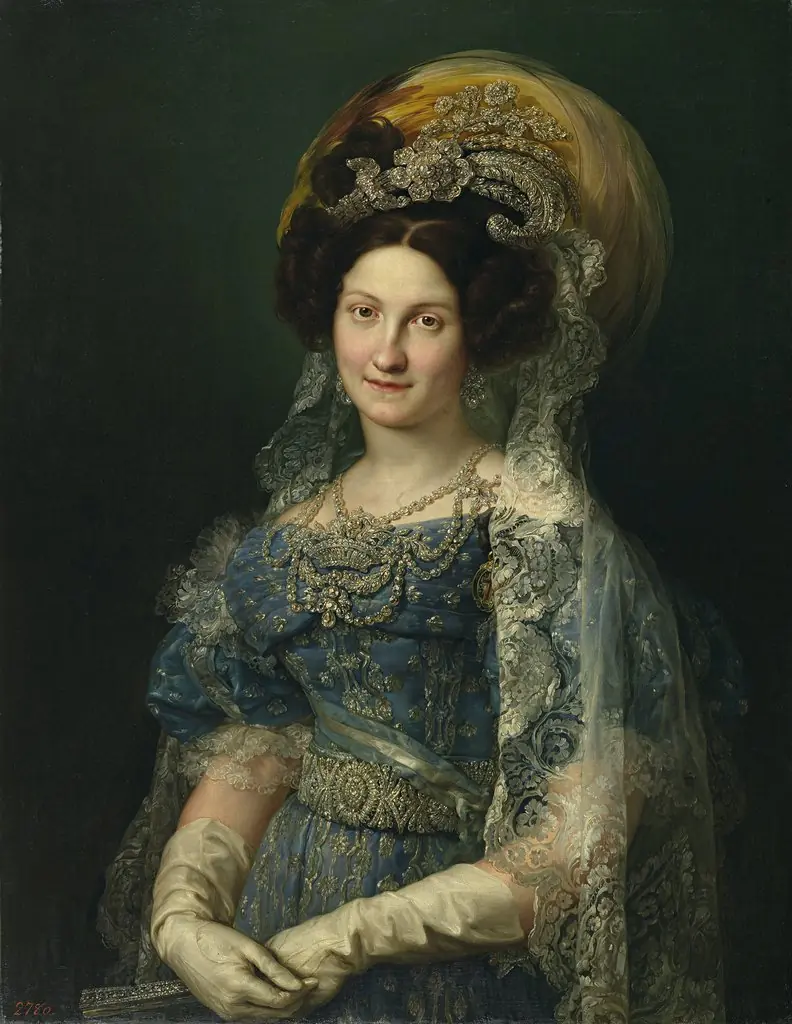 María Cristina de Borbon, Queen of Spain
- Portrait of Hortense de Beauharnais, Queen of Holland