Artwork
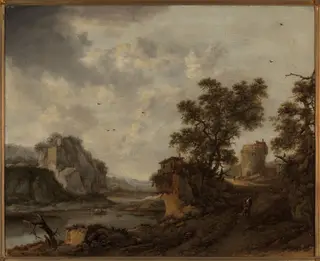
Capriccio Roman landscape with ruins
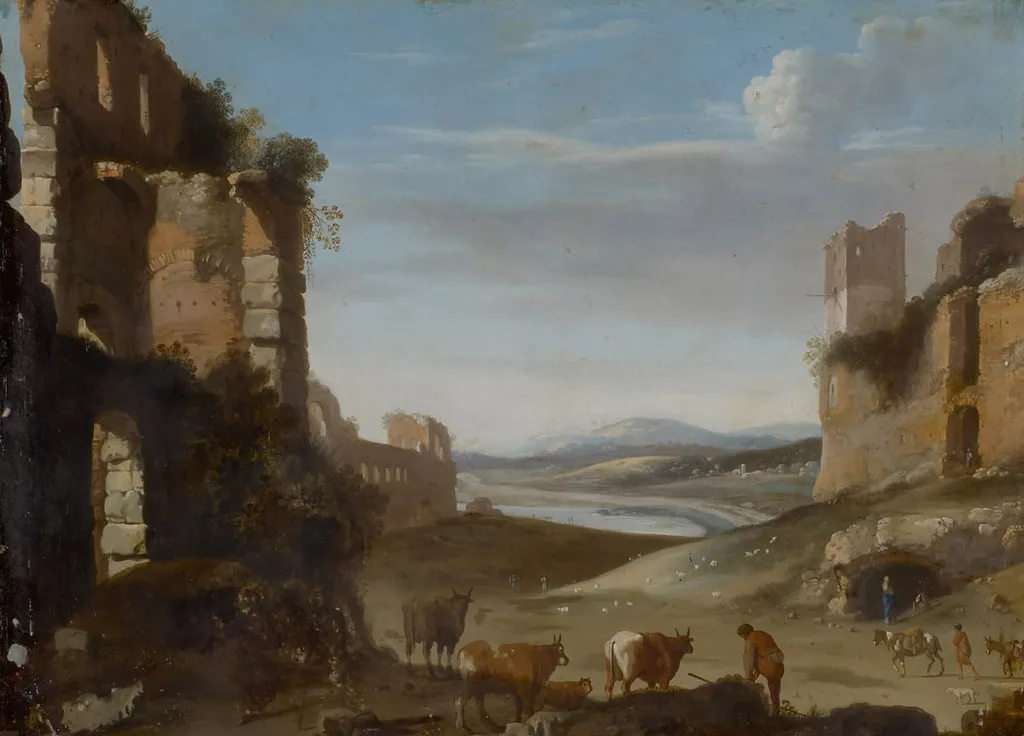
Capriccio Roman landscape with ruins is an oil painting by the Early Baroque Italian artist Cornelius van Poelenburgh. It dates from 1620 and is held in the collection of the Kunsthistorisches Museum.
About this work
Subject & Meaning
The inclusion of Roman motifs aligns with contemporary taste for vedute-like views that transformed archaeological fragments into emblems of learned nostalgia.
The painting depicts a fantastical Roman landscape featuring classical ruins and ancient architecture rendered in an idealized, picturesque arrangement. Poelenburgh’s composition juxtaposes intact columns, broken pediments, and crumbling walls, evoking the grandeur and decay of antiquity. Such capricci, fanciful combinations of real and imagined elements, often celebrated the cultural prestige of Rome while prompting viewers to reflect on the passage of time and the endurance of classical heritage.
The inclusion of Roman motifs aligns with contemporary taste for vedute-like views that transformed archaeological fragments into emblems of learned nostalgia.
Technique & Style
The painting is executed in oil on copper, a support associated with fine detail and luminous effects. Handling shows careful stippling and glazing, exploiting copper’s smooth surface to render intricate architectural ruins and foliage with crisp definition and subtle tonal transitions. The small scale (41 × 55 cm) and refined technique align with early seventeenth-century Dutch capriccio practice, emphasizing picturesque invention over topographical accuracy.
Formal qualities include a low horizon and steep recession, guiding the eye through layered ruins toward a luminous sky. Architectural motifs, columns, arches, and obelisks, are rendered with archaeological precision, while vegetation is stylized into decorative clusters. The palette favors warm ochres and umbers enlivened by cool highlights, enhancing the illusion of depth and atmosphere.
History & Provenance
The painting titled Capriccio Roman landscape with ruins was created in 1620 by Cornelius van Poelenburgh, with attribution also given to Bartholomeus Breenbergh. Executed in oil on a copper support, the work measures 41 cm in height and 55 cm in width. Its creation history is linked to the depiction of Roman ruins within a landscape setting.
Provenance records indicate the piece was once part of the private collection of Étienne François, duc de Choiseul, specifically within his Cabinet de Monseigneur le duc de Choiseul. The work subsequently entered the holdings of the Kunsthistorisches Museum in Vienna, where it remains located.
Context
Cornelius van Poelenburgh created Capriccio Roman landscape with ruins in 1620 on copper as a cabinet painting. The work entered the collection of Étienne François, duc de Choiseul, and now resides in the Kunsthistorisches Museum. It exemplifies the 17th-century Dutch landscape tradition while incorporating Roman antiquity motifs characteristic of van Poelenburgh's capriccios.
Scholarship highlights its role within the artist's broader synthesis of Dutch realism and Italianate classicism, reflecting Baroque-era antiquarian interests and the collector's taste for evocative antiquarian scenes.
Legacy
The capriccio of a Roman landscape with ruins by Cornelius van Poelenburgh, dated 1620 and executed in oil on copper, entered the collection of Étienne François, duc de Choiseul, before being acquired by the Kunsthistorisches Museum, where it remains today. Though not widely celebrated in its own time, the work’s blend of topographical precision and imaginative antiquarianism influenced later 17th‑century vedute painters who adopted its compositional motifs and antiquarian interest. Its presence in a prominent private collection underscored the appeal of idealized Roman scenery among European connoisseurs, contributing to the genre’s development and eventual prominence in later vedute productions.
Overview
Capriccio Roman landscape with ruins is a 1620 painting on copper by Cornelius van Poelenburgh, a Dutch artist based in Rome during the early 17th century. It exemplifies the early Baroque Italian movement, presenting an imaginary Roman landscape incorporating ancient ruins.
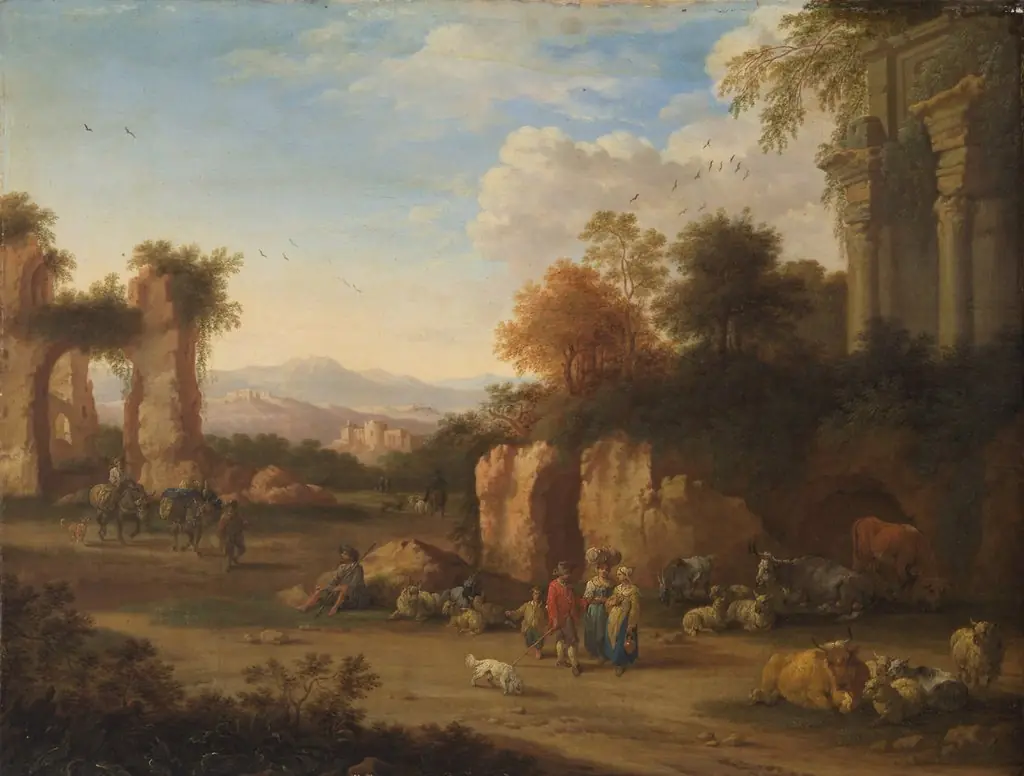
Artist & collection
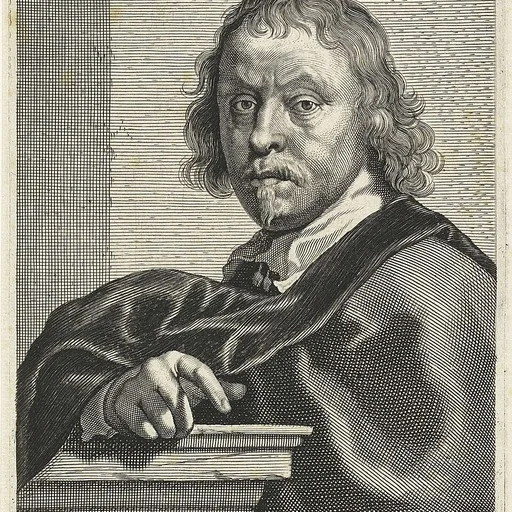
Artist
Cornelis van Poelenburgh or Cornelis van Poelenburch (1594 – 12 August 1667), was a Dutch landscape painter and draughtsman.


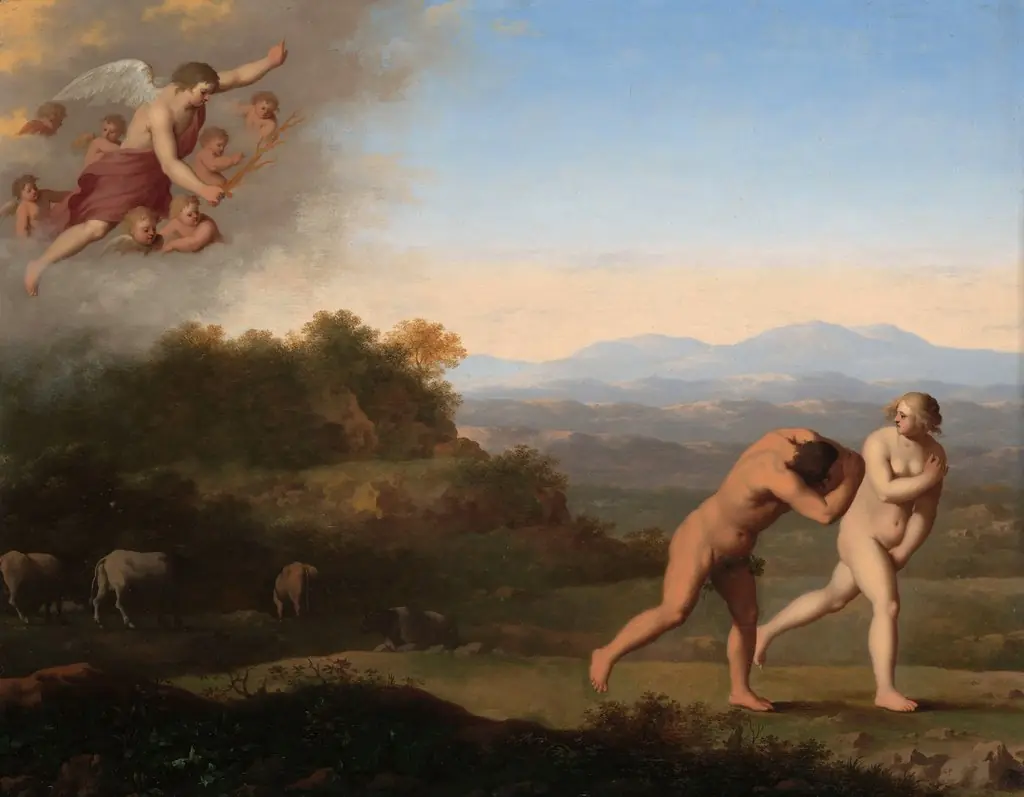
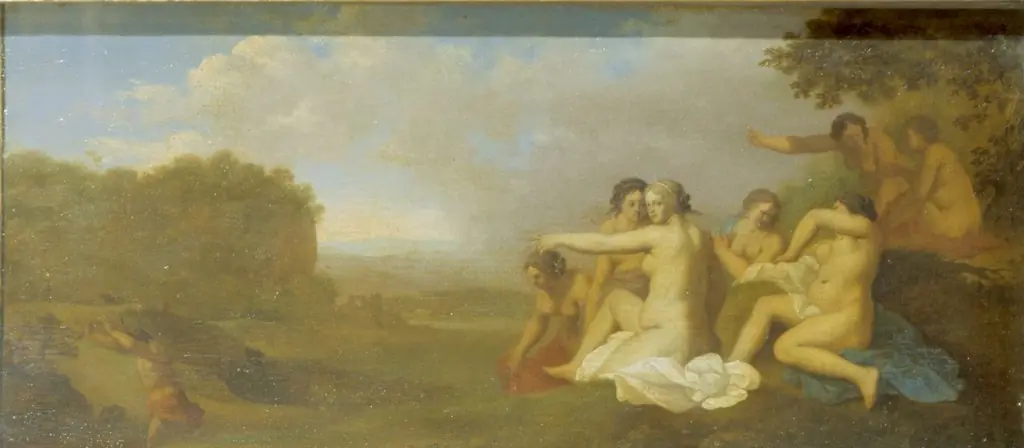
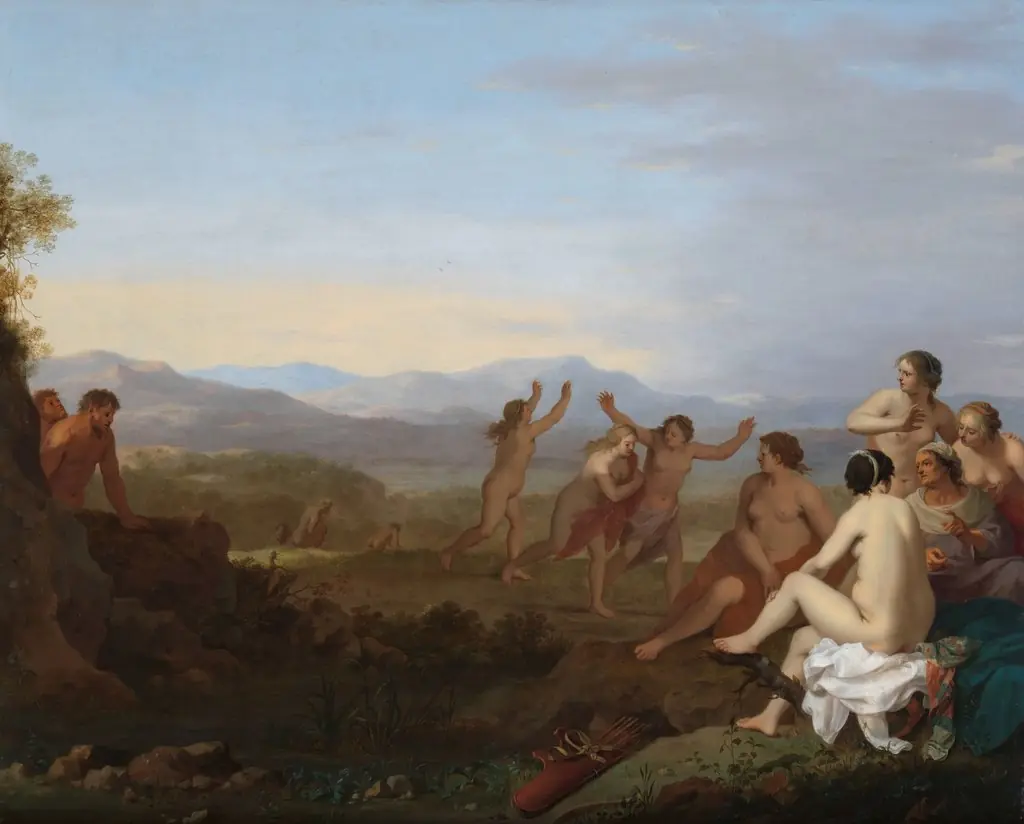
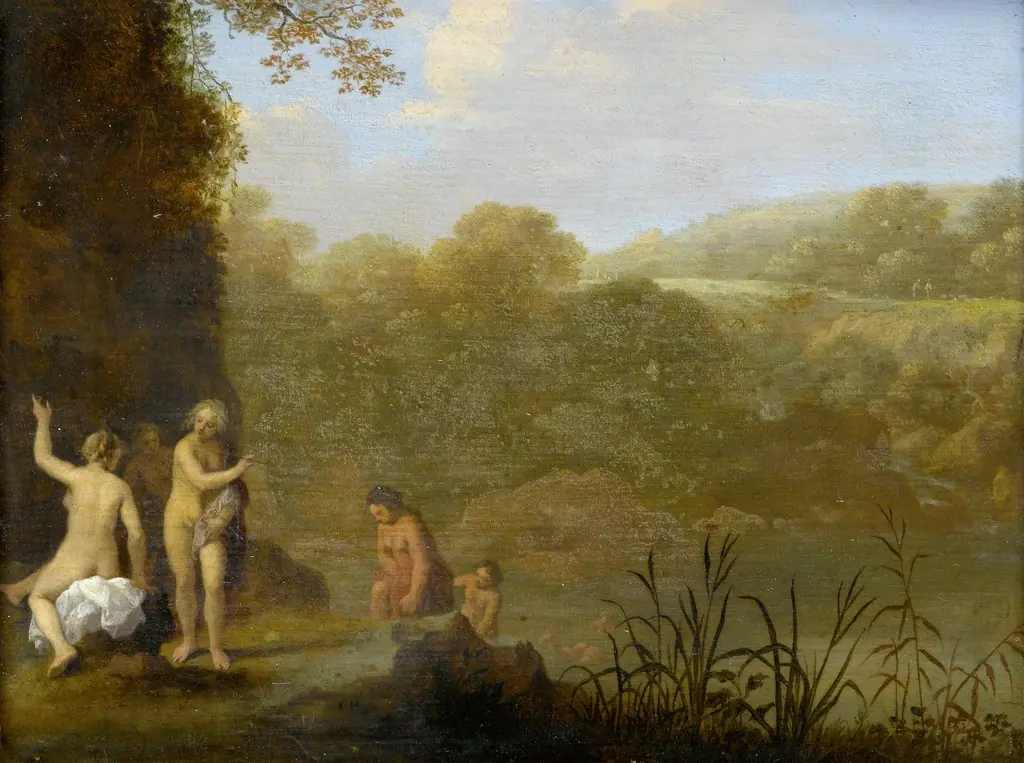
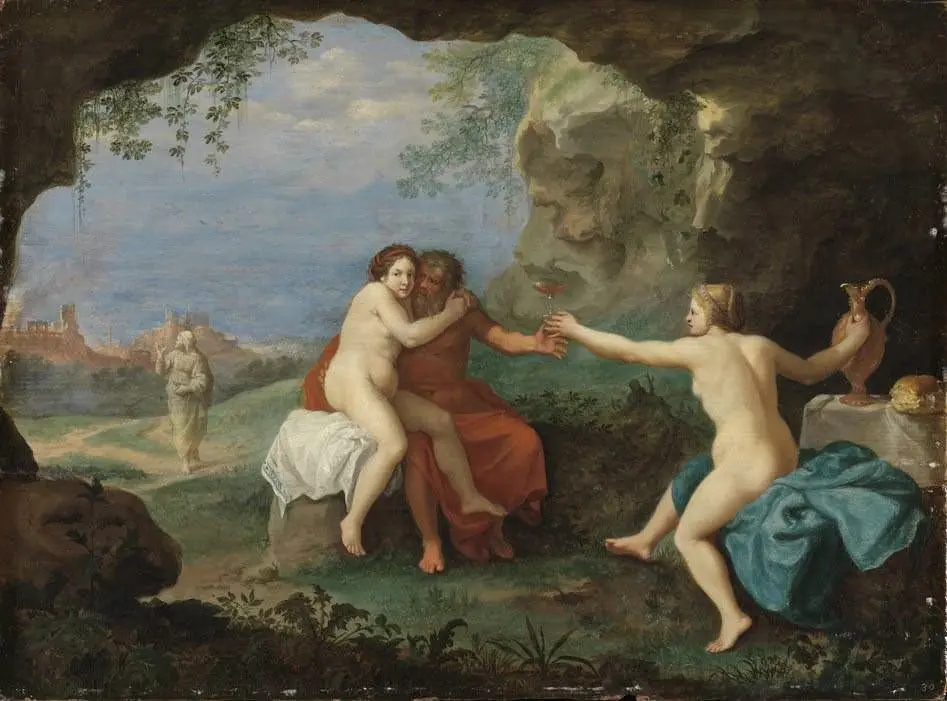
- Italian landscape with ancient ruins and peasants
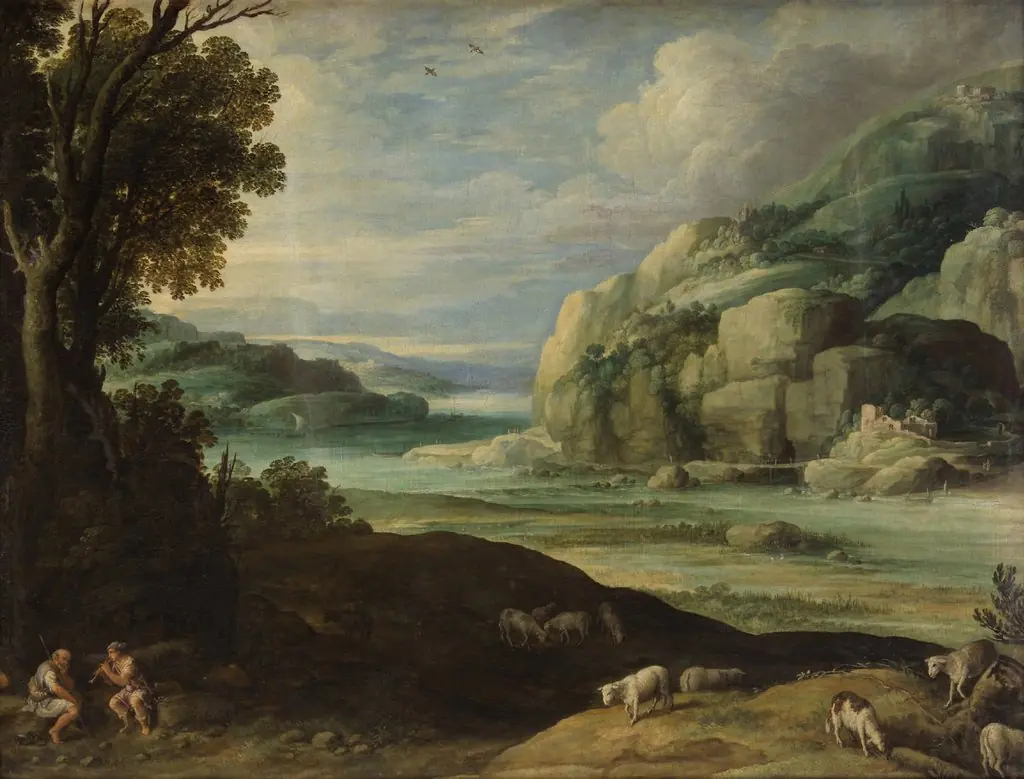 Landschaft mit Merkur und Argus
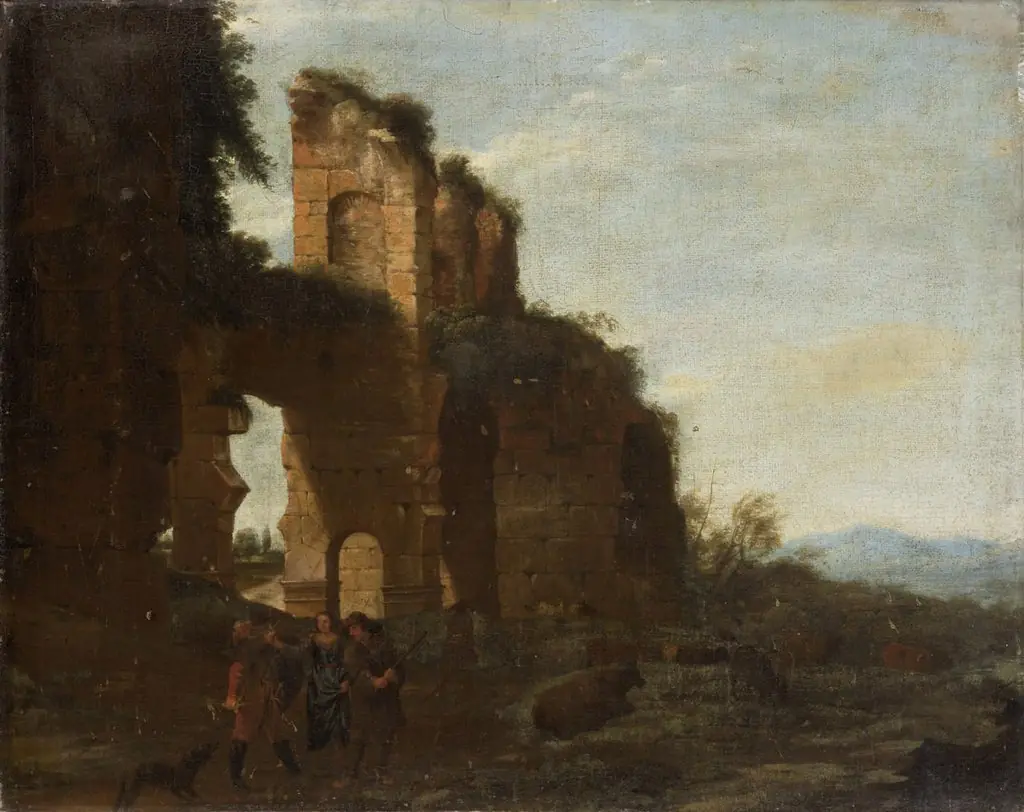 Ruine mit Räubern und einer Frau
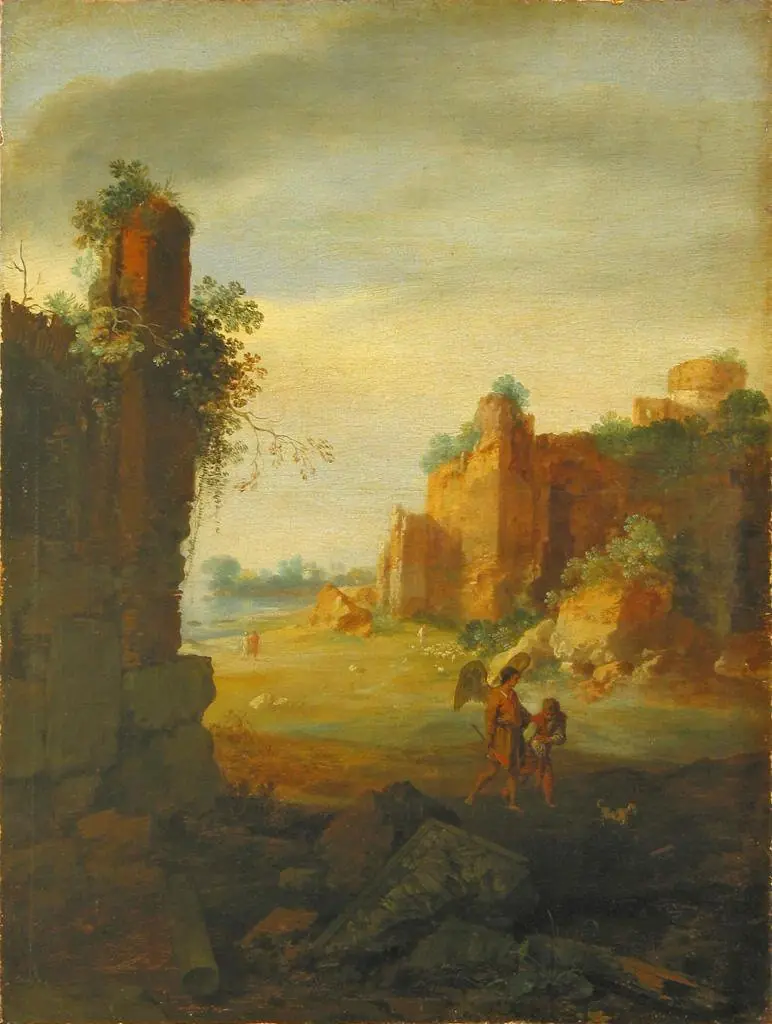 Landscape with Tobias and the Angel
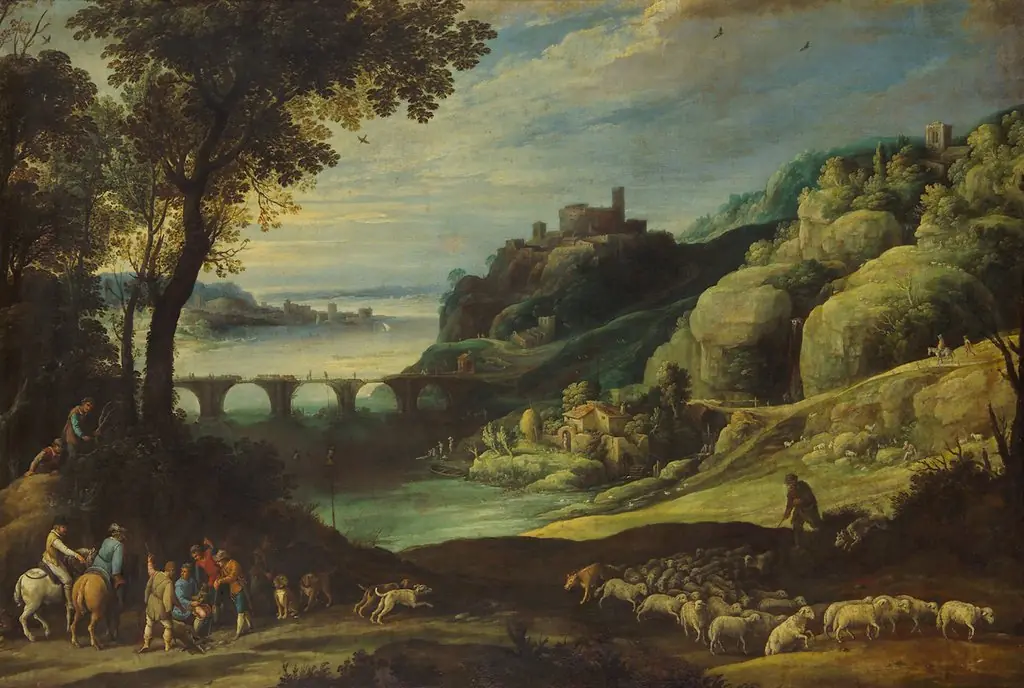 Landschaft mit Brücke
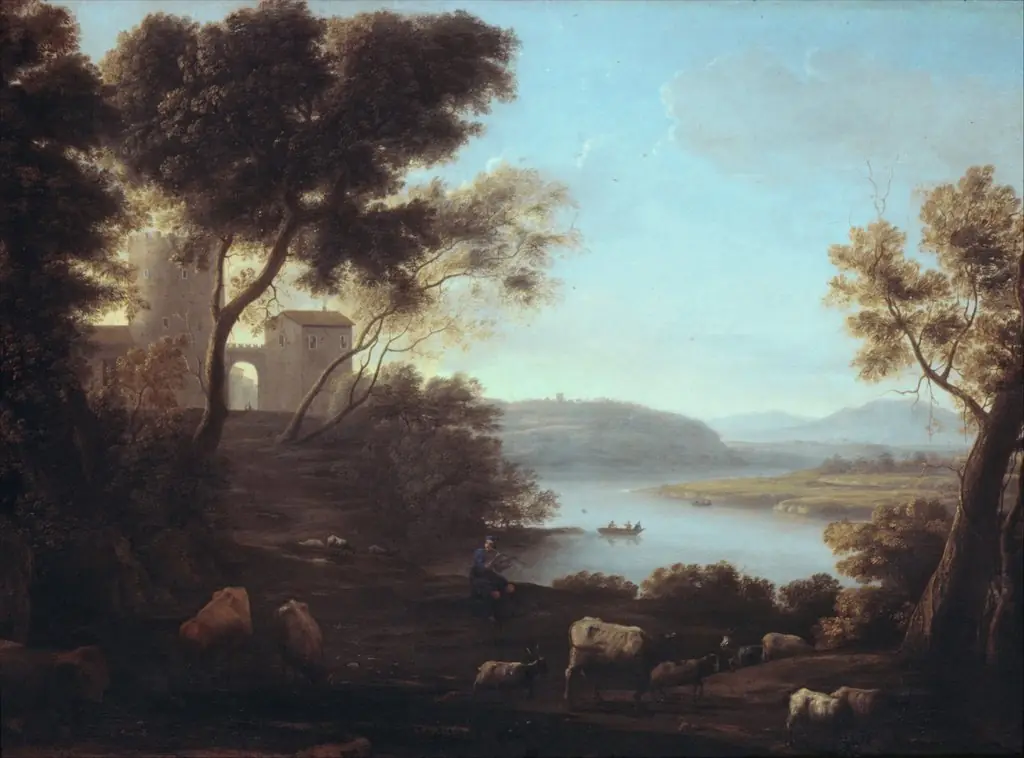 Pastoral Landscape: The Roman Campagna
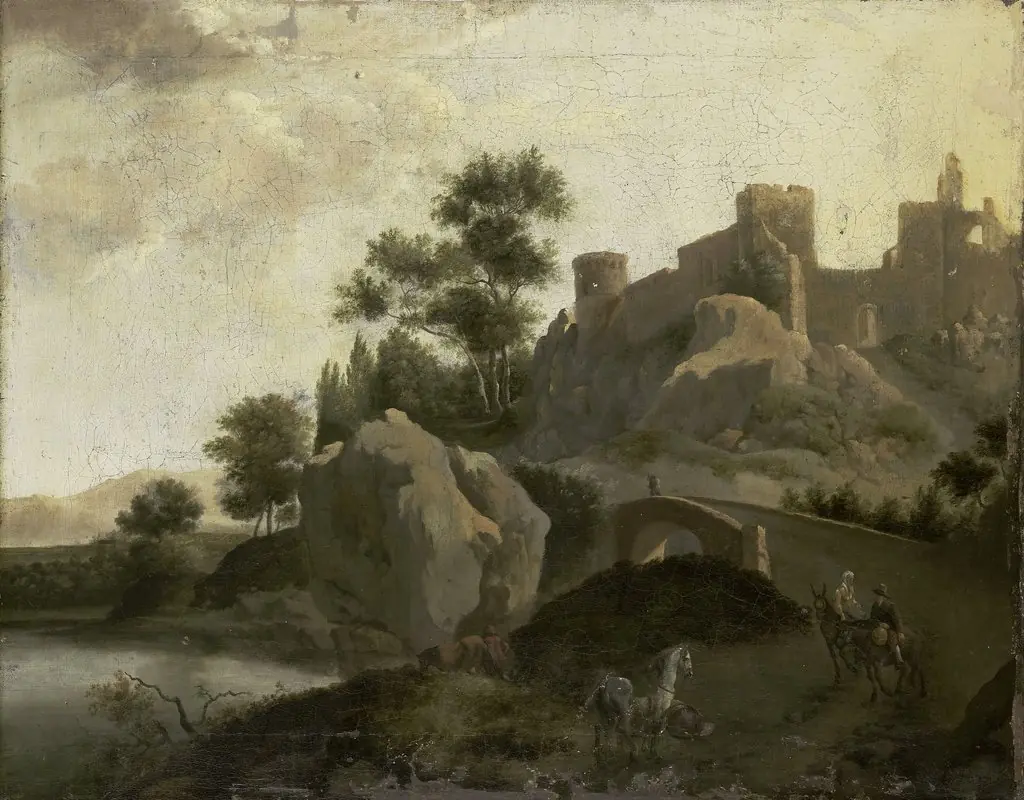 Italian Landscape
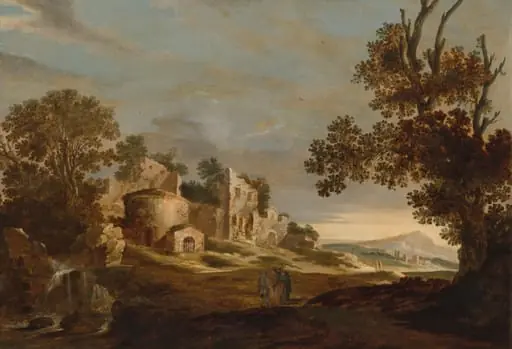 Landscape with Journey to Emmaus
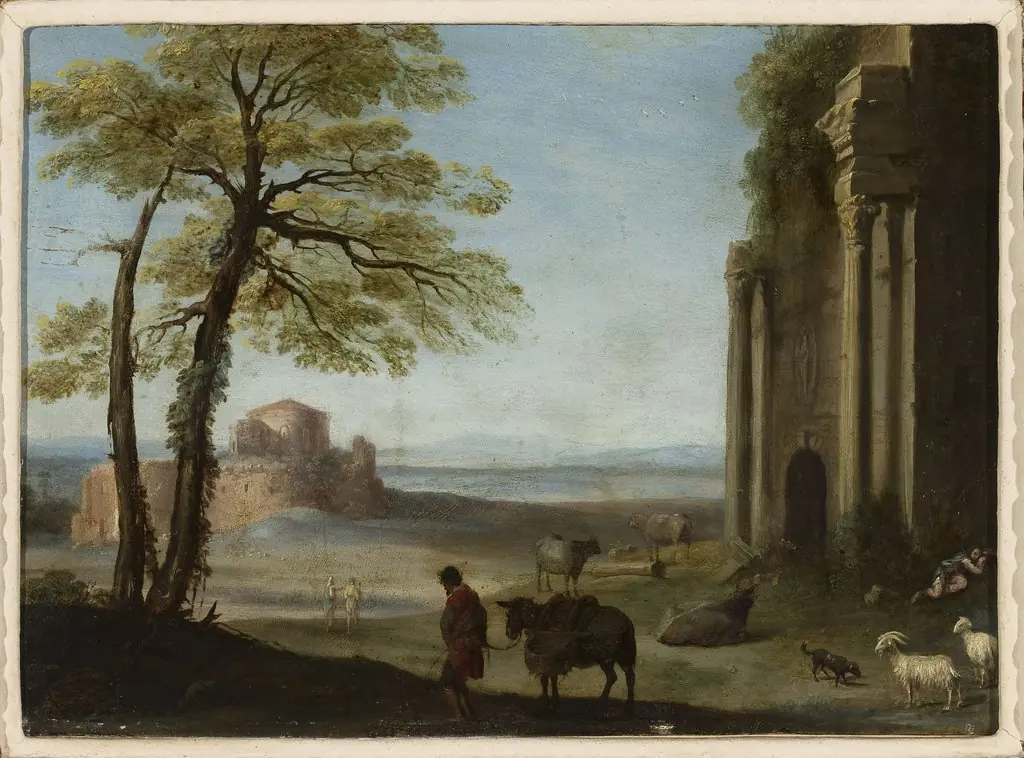 Pastoral landscape
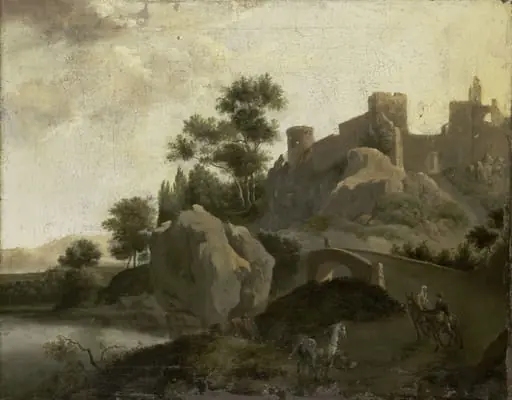 Italian Landscape
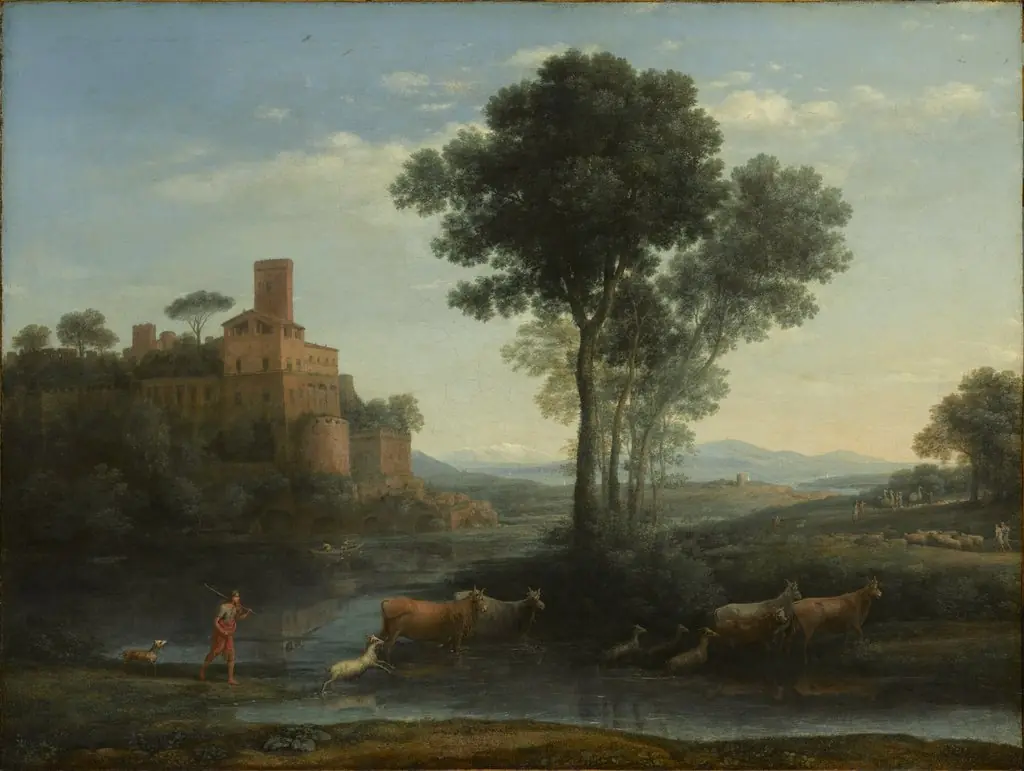 Landscape with the Voyage of Jacob
 River landscape