Artwork
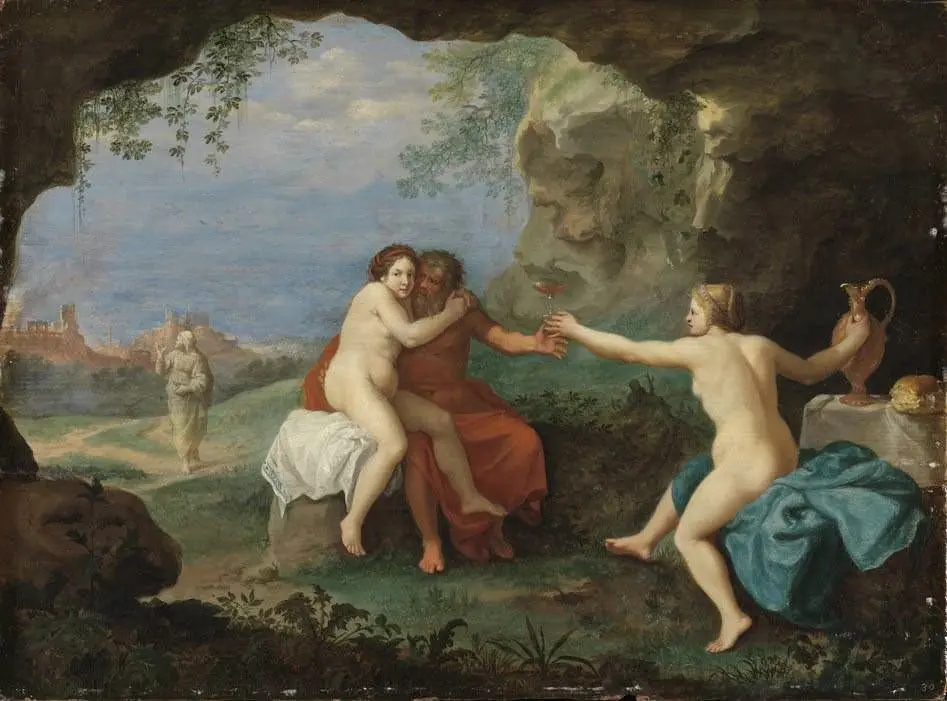
Sine Cerere et Baccho friget Venus
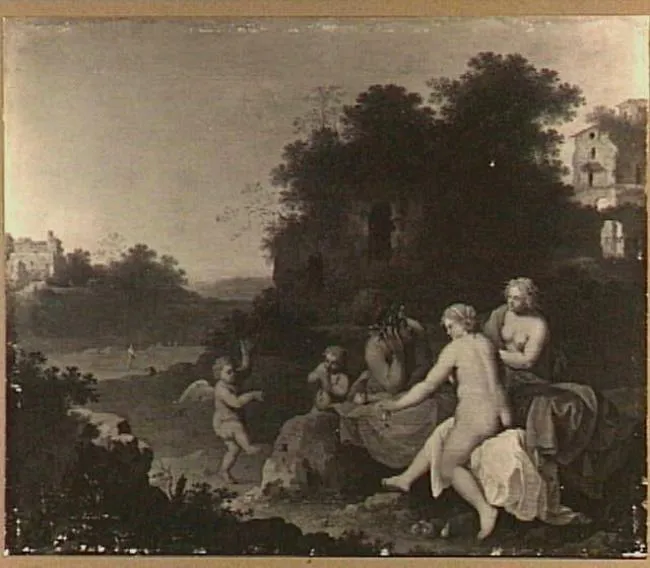
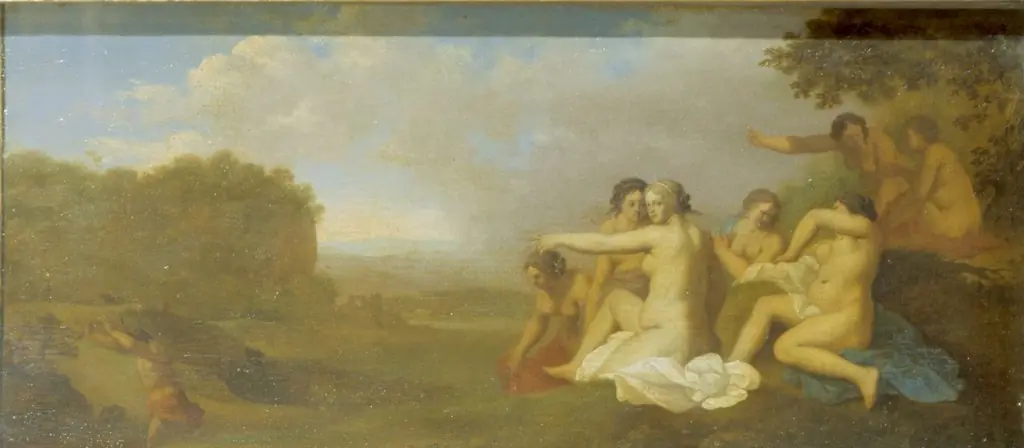
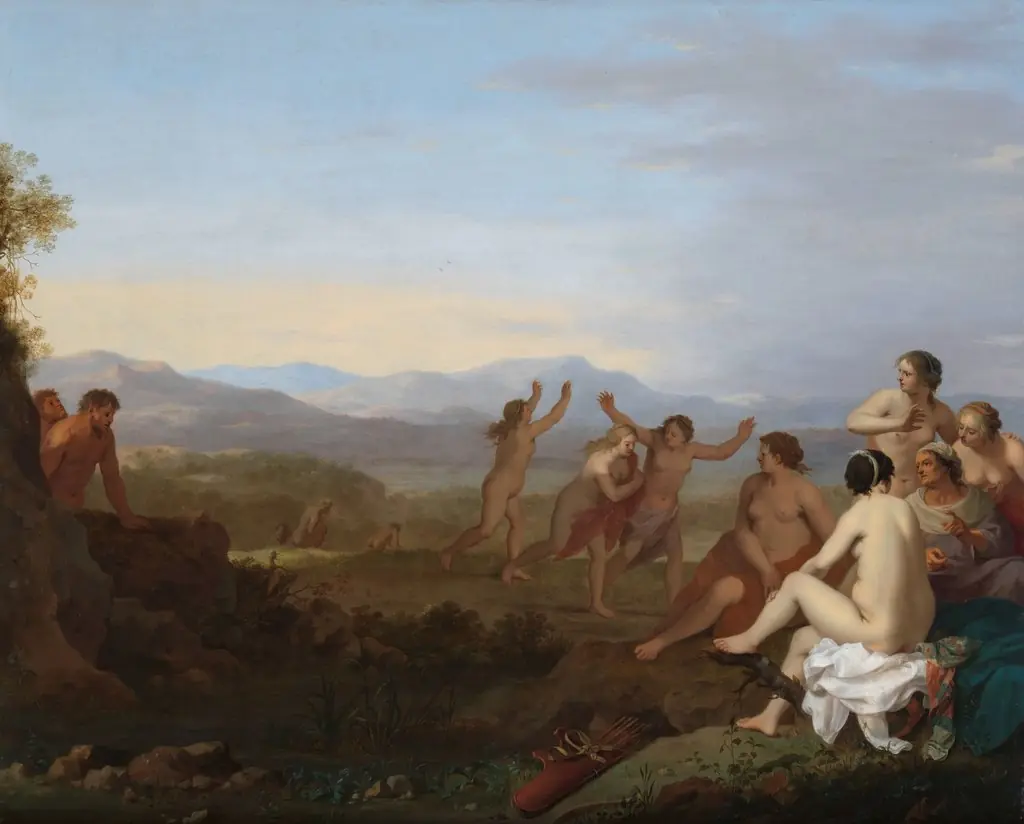
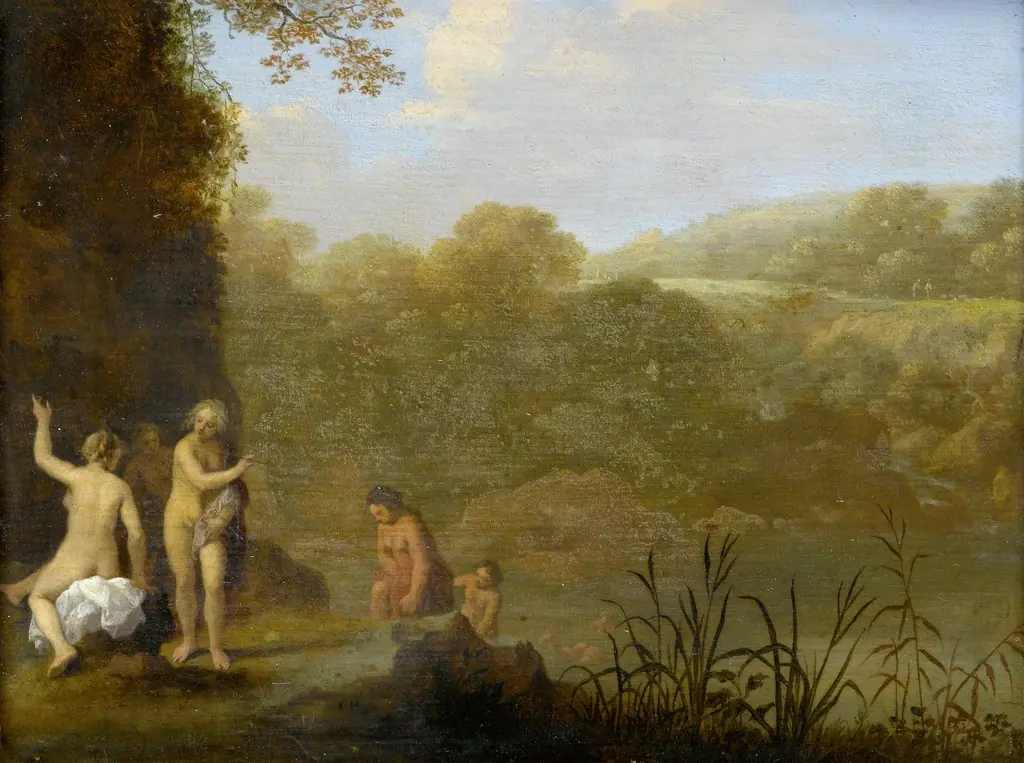
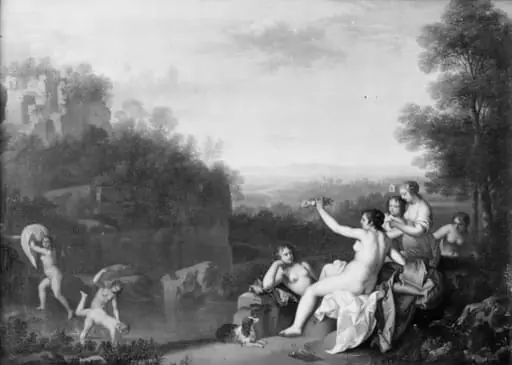
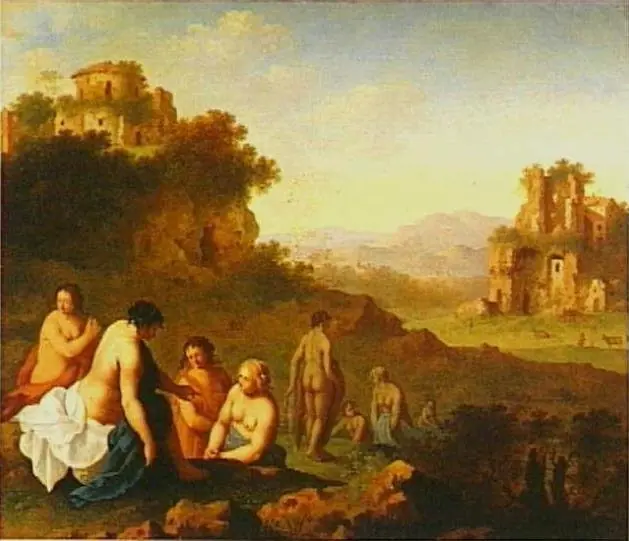
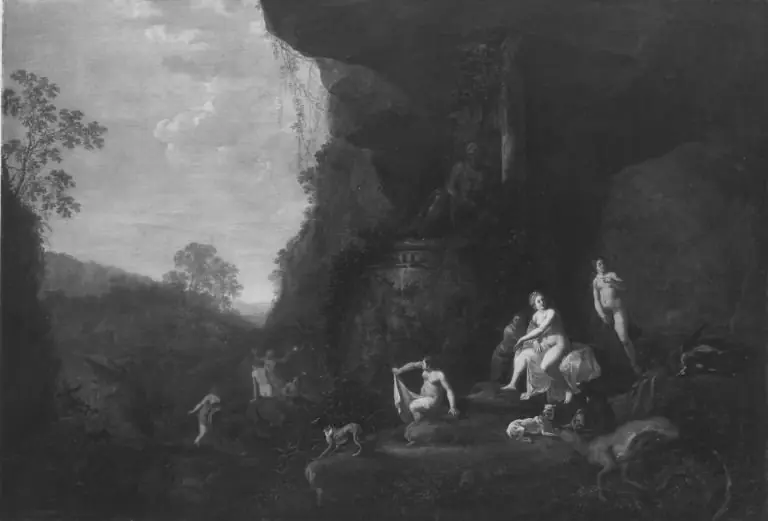
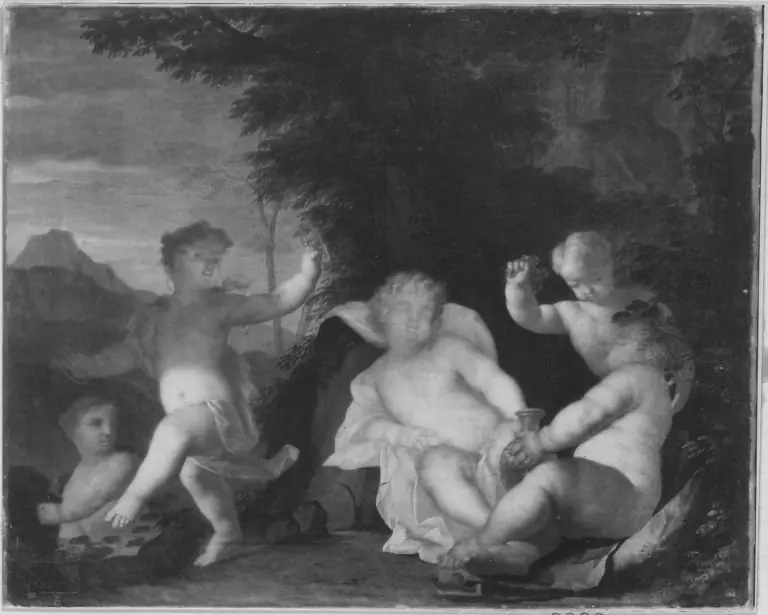
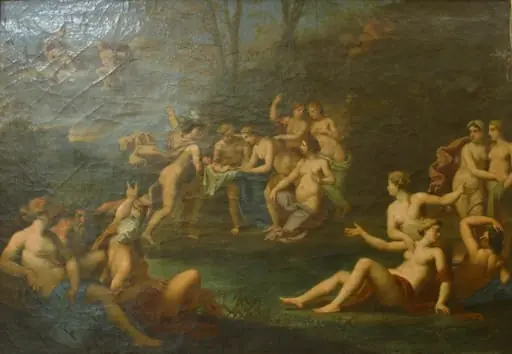
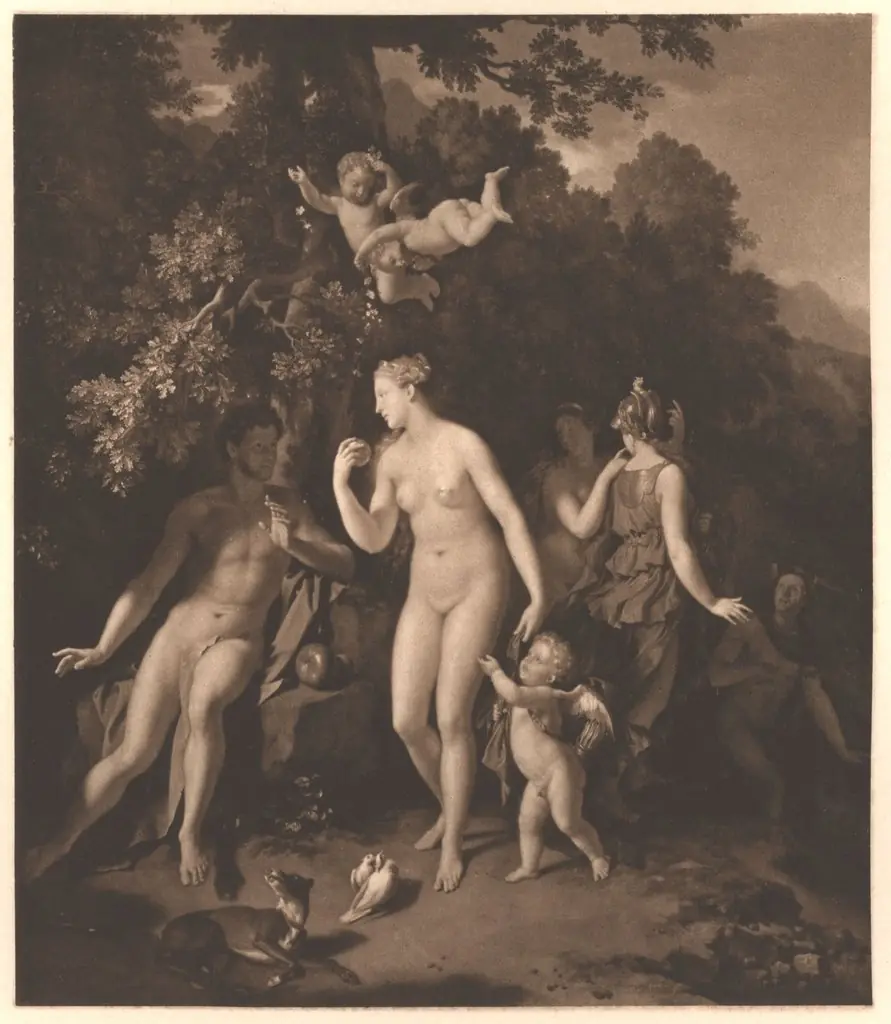
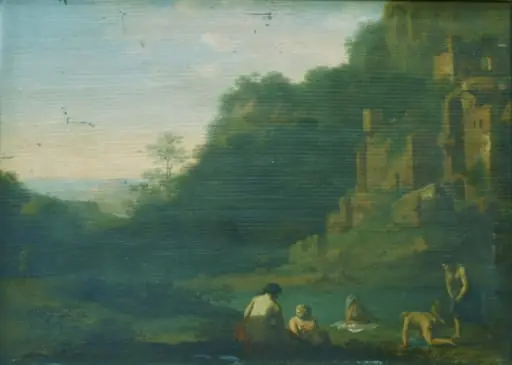
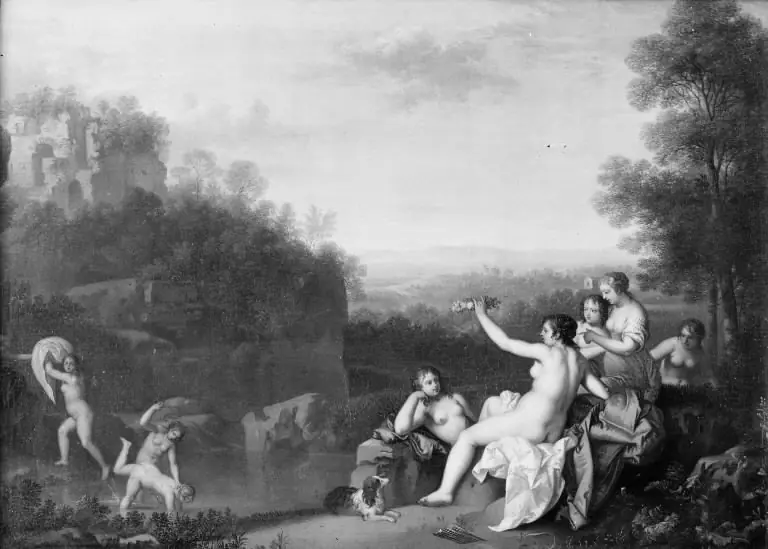
Sine Cerere et Baccho friget Venus is an oil painting by the Dutch Golden Age artist Cornelius van Poelenburgh. It is held in the collection of the Hermitage Museum.
About this work
Subject & Meaning
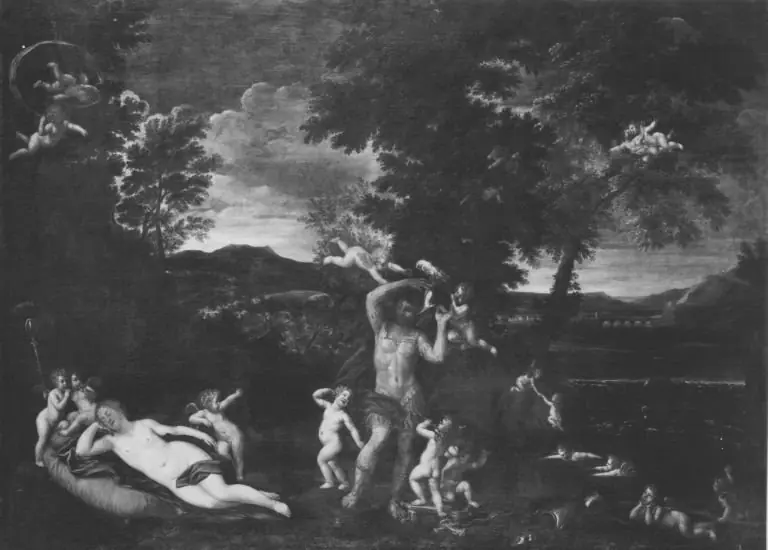
At its core, the scene depicts Venus, the goddess of love, flanked by Ceres, goddess of agriculture and abundance, and Bacchus, god of wine and revelry.
The painting illustrates the Latin adage Sine Cerere et Baccho friget Venus ('Without Ceres and Bacchus, Venus grows cold'), encapsulating a classical allegory of human dependency. At its core, the scene depicts Venus, the goddess of love, flanked by Ceres, goddess of agriculture and abundance, and Bacchus, god of wine and revelry. Their presence symbolizes the necessity of sustenance and intoxication for love to thrive, without food and wine, passion languishes.
The iconography relies on established mythological conventions: Venus often appears nude or semi-nude, while Ceres is identified by wheat sheaves or a cornucopia, and Bacchus by grapevines or a drinking vessel. The composition underscores interdependence, suggesting that love, nourishment, and celebration are intertwined forces in human experience. The work functions as a moral or philosophical meditation on the balance between desire and the material conditions that sustain it.
Technique & Style
Executed in 1681, this mythological work is an oil painting on panel measuring 22.5 by 29 centimeters. Although historically linked to Cornelis van Poelenburgh, the piece is now attributed to Jan van Haensbergen. The composition depicts the allegorical subject of Venus shivering without Ceres and Bacchus, blending narrative mythology with landscape elements.
The small scale of the support suggests an intimate handling intended for close viewing within a private collection context.
History & Provenance
The painting is dated to 1681, as indicated by its inception date and the year given in early catalogues. Although early attributions assigned it to Cornelius van Poelenburgh, later scholarship re‑identified the work as by Jan van Haensbergen, noting that it was formerly attributed to Poelenburgh. The piece entered the collection of Antoine Poullain before being acquired by the Hermitage Museum, where it remains today. No information about a specific commission is recorded in the available sources.
Overview
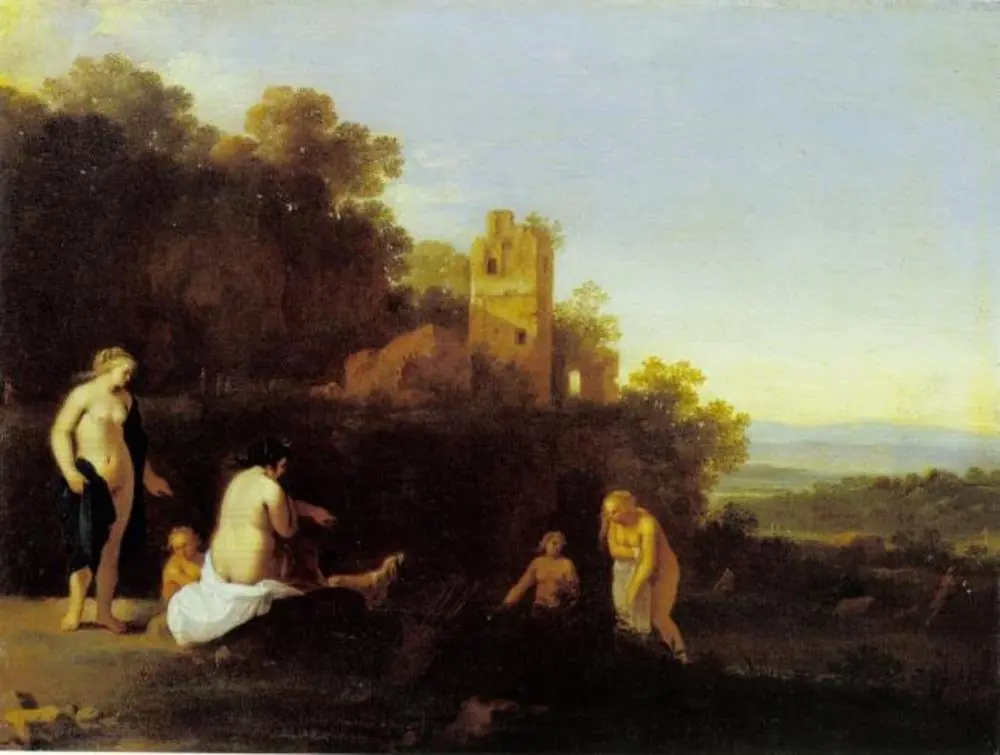
Cornelius van Poelenburgh’s 1691 oil painting Sine Cerere et Baccho friget Venus presents a tranquil mythological scene within an intimate, Italianate landscape. Executed on a modest scale, the work exemplifies the Dutch Golden Age’s fascination with classical subjects rendered in a serene, pastoral setting. It is part of the State Hermitage Museum’s collection.
Artist & collection
Artist
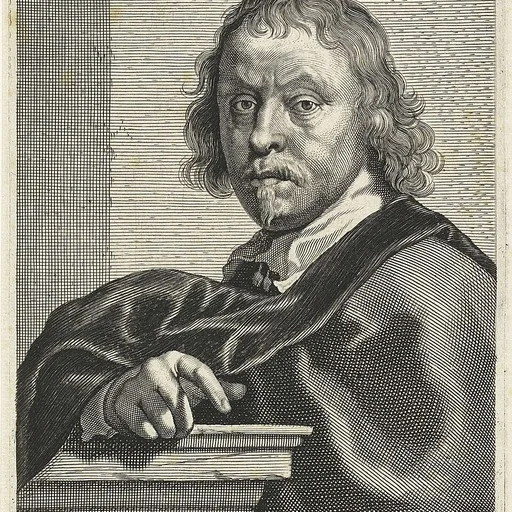
Cornelis van Poelenburgh or Cornelis van Poelenburch (1594 – 12 August 1667), was a Dutch landscape painter and draughtsman.