Artwork
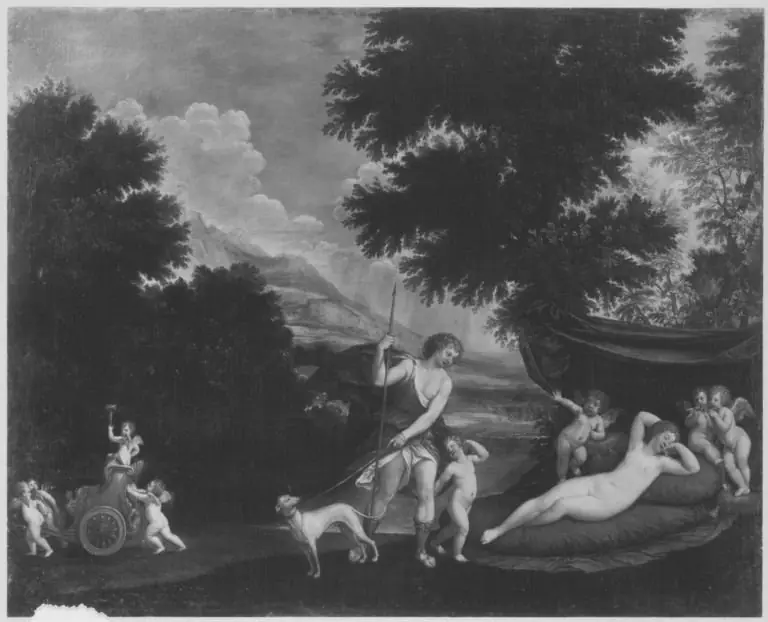
Venus, von Mars belauscht
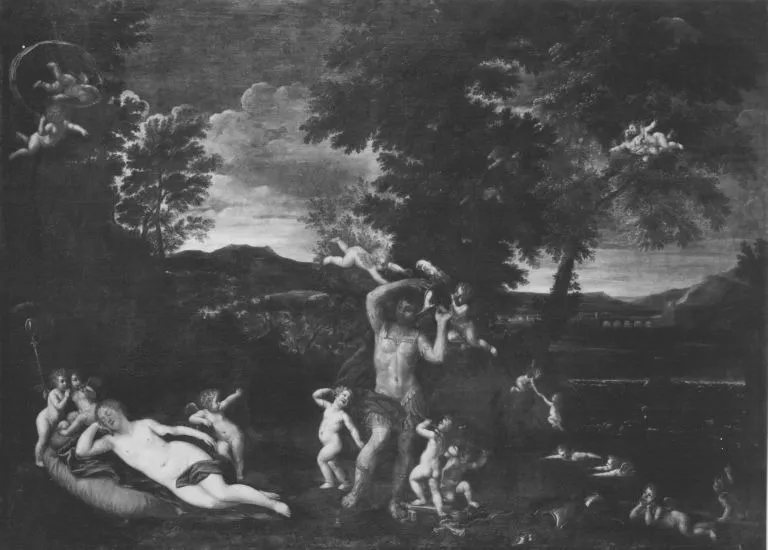
Venus, von Mars belauscht is an unspecified painting by the Early Baroque Italian artist Francesco Albani. It dates from 1619 and is held in the collection of the Alte Pinakothek.
About this work
Subject & Meaning
As a piece of mythology, the composition centers on these two deities, representing the classic narrative of the goddess of love and the god of war.
The work is a mythological painting by Francesco Albani that depicts the figures of Venus and Mars. As a piece of mythology, the composition centers on these two deities, representing the classic narrative of the goddess of love and the god of war. The title, which translates to "Venus, Spied on by Mars," indicates the specific scene where the two characters are shown in a moment of interaction or observation.
This subject matter places the artwork firmly within the tradition of mythological painting, focusing on the relationship and dynamic between these two central figures from classical antiquity.
Technique & Style
The work is an oil painting on canvas, executed by Francesco Albani in 1619. It measures 219.8 cm in width and 159.2 cm in height, and is housed in the Alte Pinakothek of the Bavarian State Painting Collections. The composition depicts Venus observed by Mars, rendered with a delicate, idealized classicising style characteristic of early‑Baroque mythological scenes.
The surface shows fine brushwork and a luminous palette, contributing to a harmonious, narrative composition that emphasizes the sensual presence of Venus while Mars watches in a poised, almost contemplative stance.
Overview
Francesco Albani’s 1619 canvas, titled Venus, von Mars belauscht, presents a nocturnal woodland tableau in which the god of war, Mars, is caught in a moment of surprise while a partially concealed Venus lies nearby. The composition is dominated by dense foliage, a storm‑filled sky, and a muted palette that emphasizes the tension between the figures and their shadowy surroundings.
History & Provenance
Completed in 1619, the painting entered the collection of the Alte Pinakothek in Munich, where it remains on display. Its acquisition reflects the museum’s 19th‑century focus on assembling representative works of Italian Baroque art, securing Albani’s contribution to the canon of mythological painting.
Context
Created during Albani’s mature period, the canvas reflects the artist’s fascination with classical subjects and his participation in the Bolognese school’s emphasis on graceful composition. The work aligns with contemporary trends that blended narrative drama with decorative elegance, catering to the tastes of aristocratic patrons who favored mythological allegories as moral and aesthetic exemplars.
Artist & collection

Artist
Francesco Albani or Albano was an Italian Baroque painter of Albanian descent who was active in Bologna, Rome, Viterbo (1609–1610), Mantua (1621–1622) and Florence (1633).

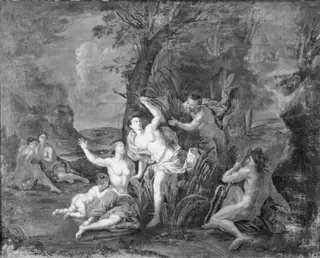
- Nogle nymfer overraskes af en satyr. Ved siden sidder en flodgud
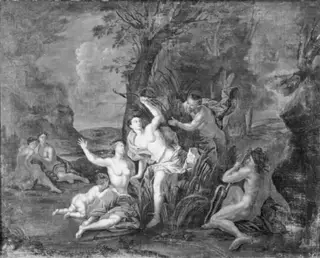 Nogle nymfer overraskes af en satyr. Ved siden sidder en flodgud
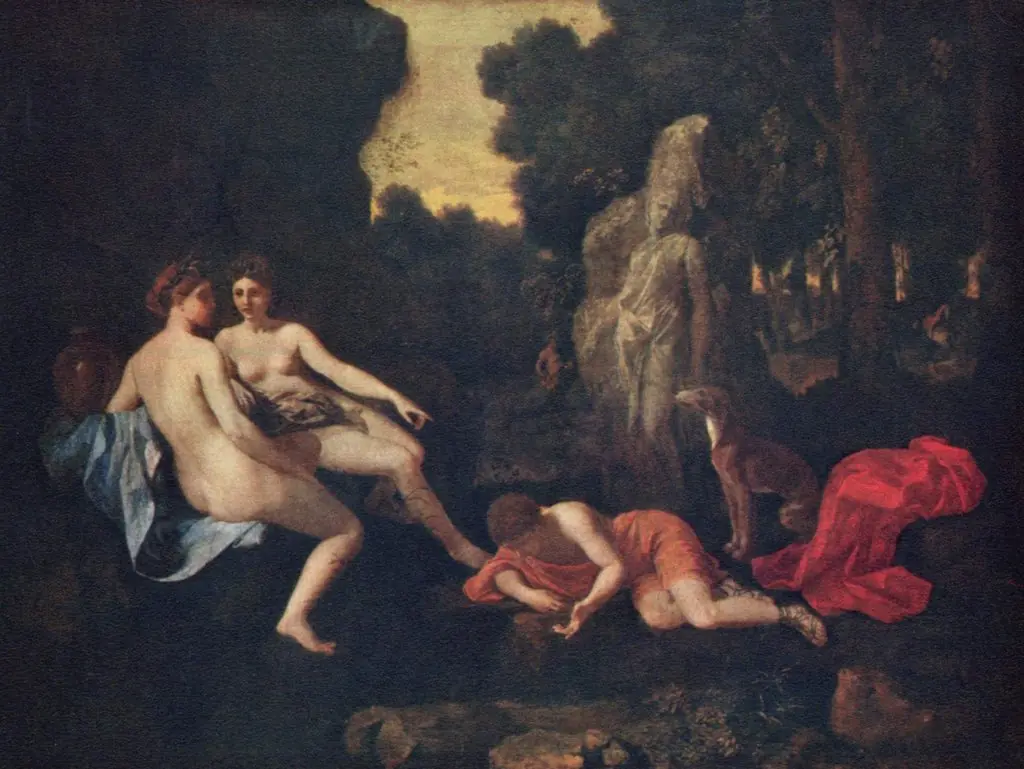 Narcissus with Two Nymphs and Echo
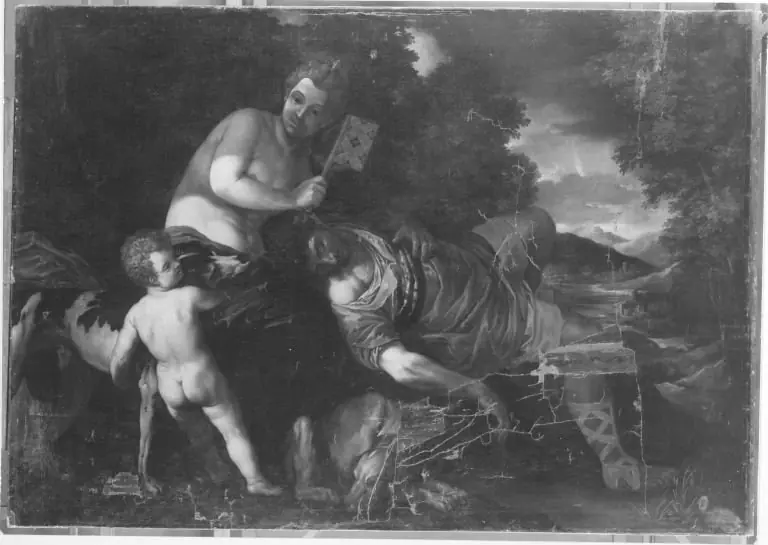 Venus with the sleeping Adonis
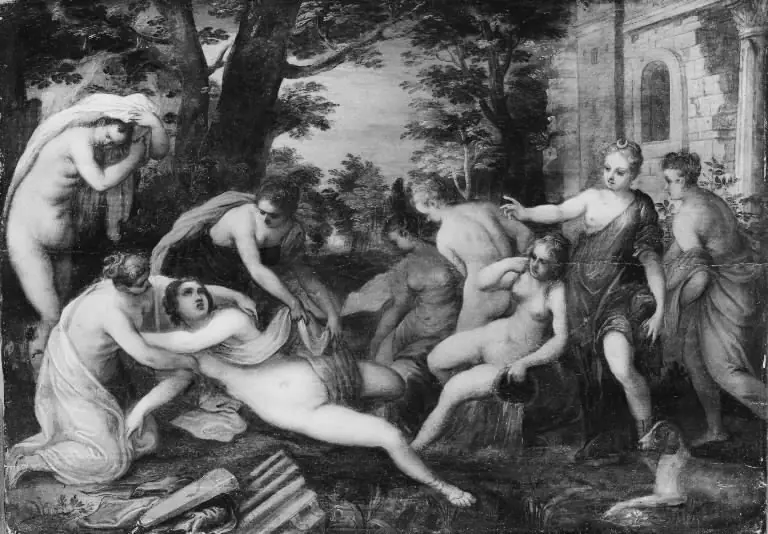 Callisto in Diana's Bath
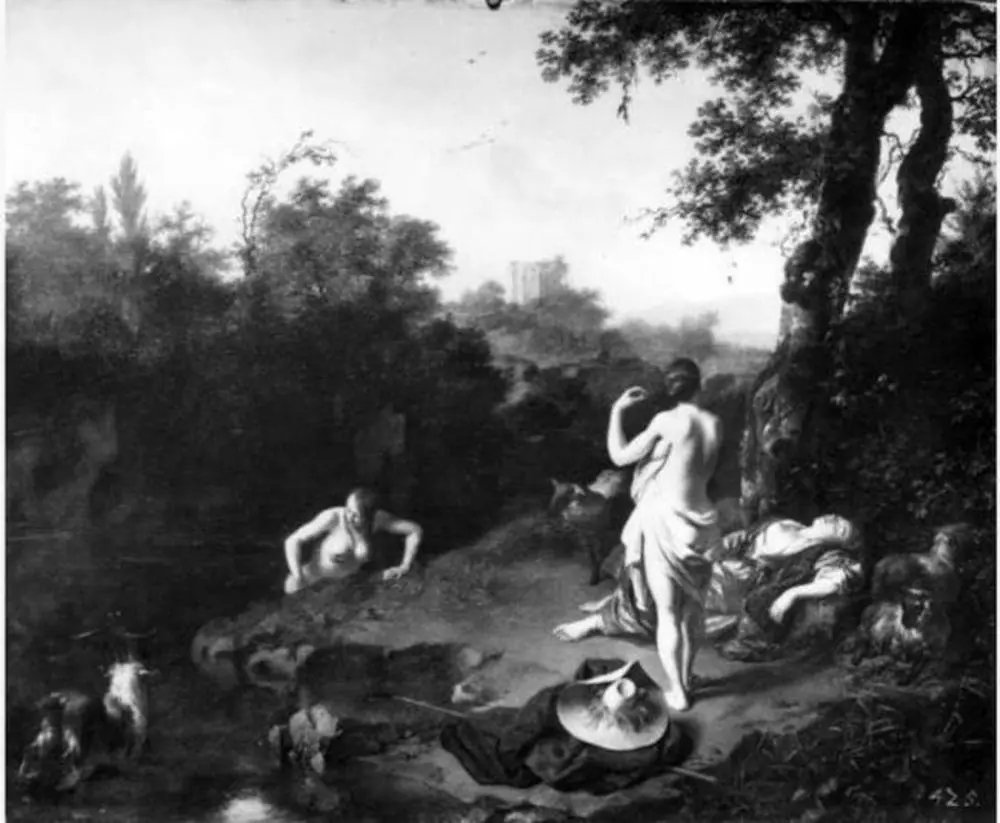 Bathing woman
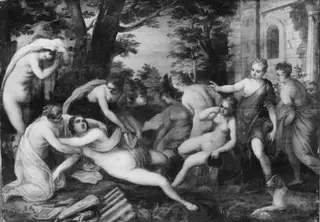 Callisto in Diana's Bath
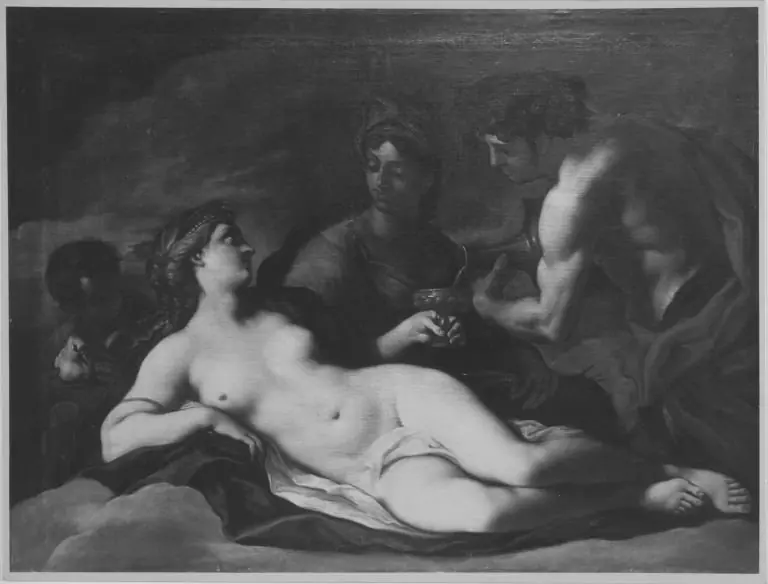 Venus mit Ceres und Bacchus
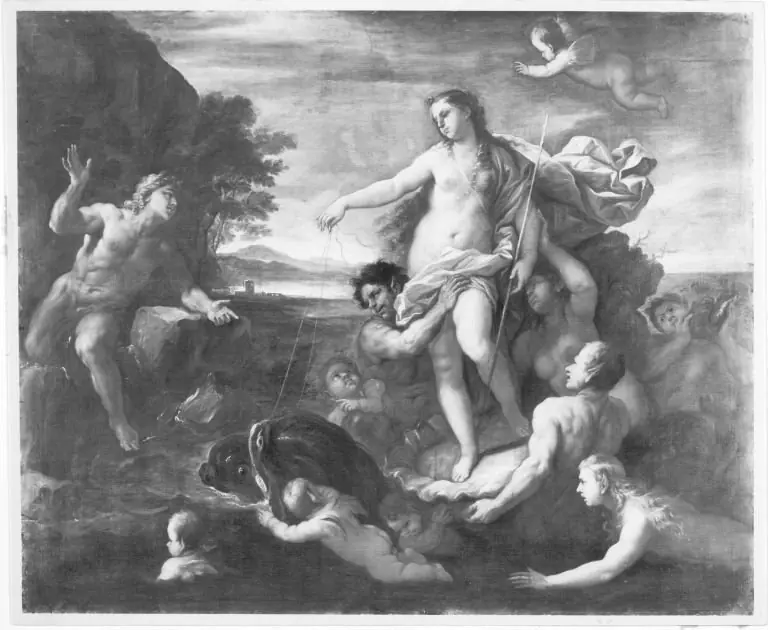 Galathea besucht Acis
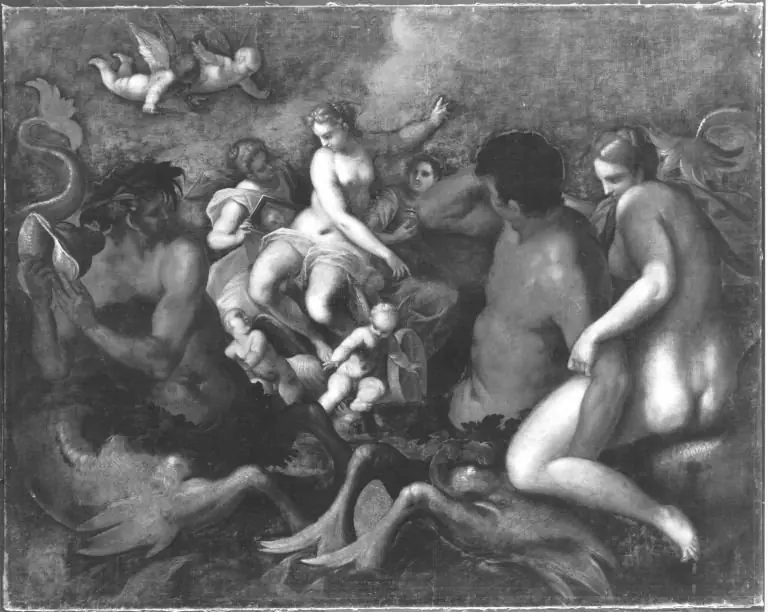 Thetis auf dem Meere