Artwork
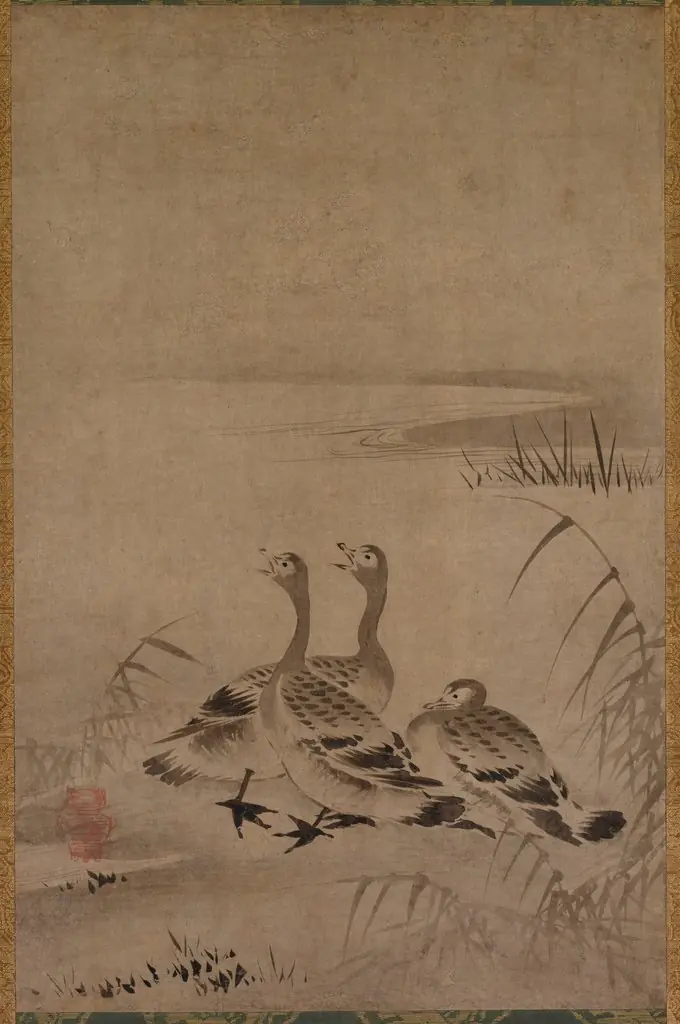
Reeds and Goose
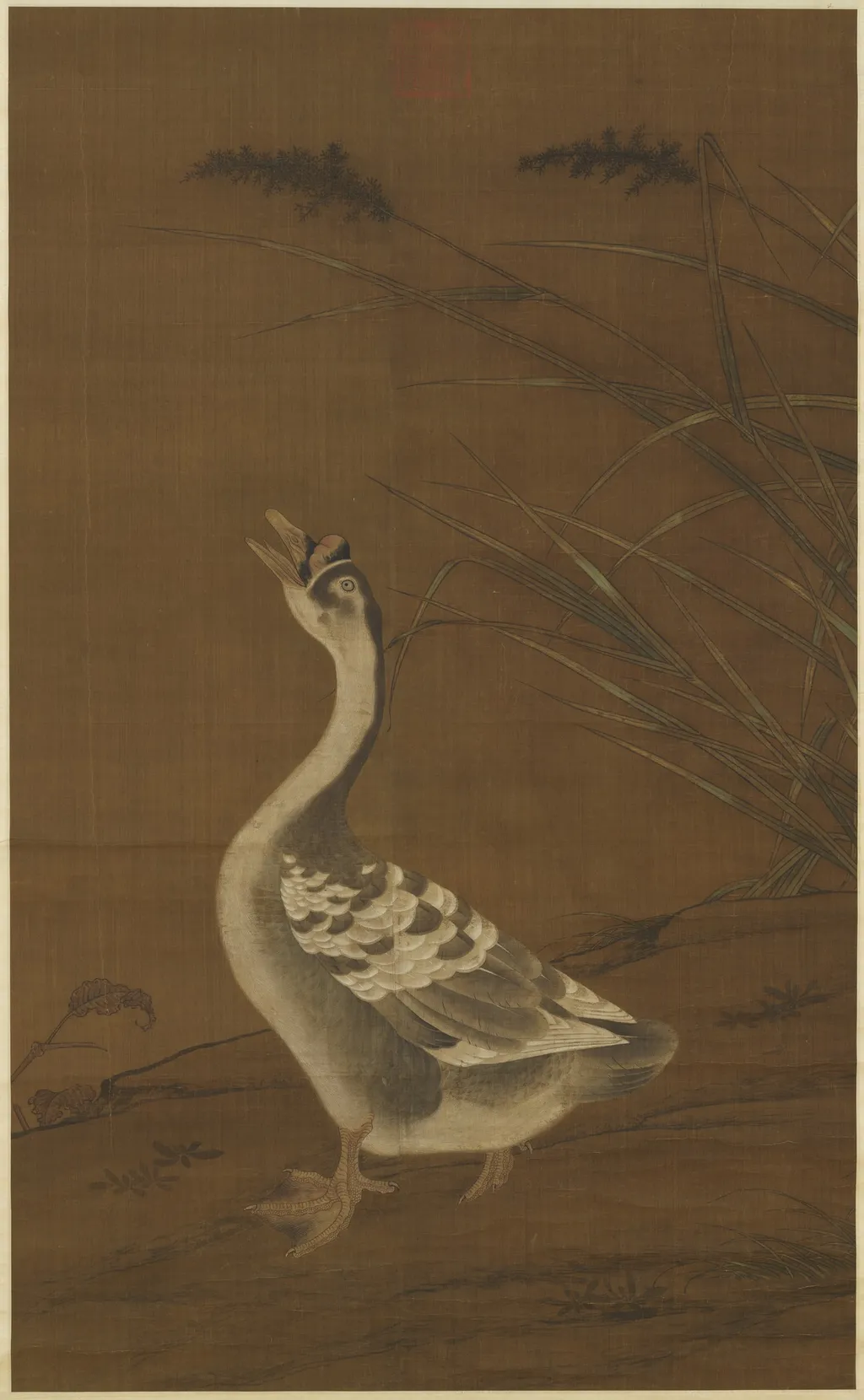
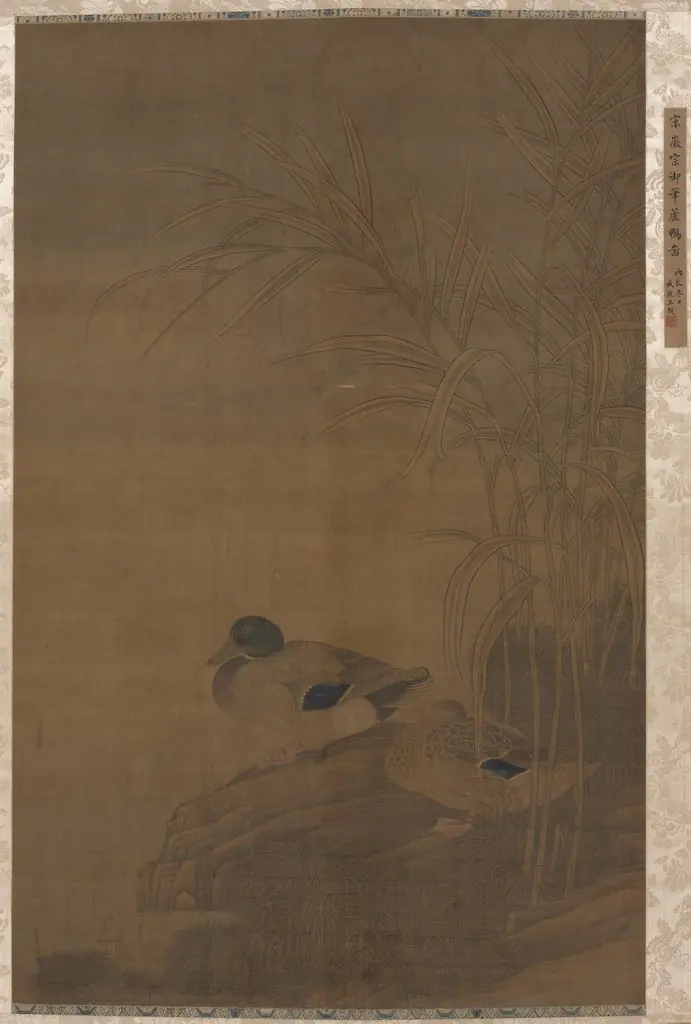
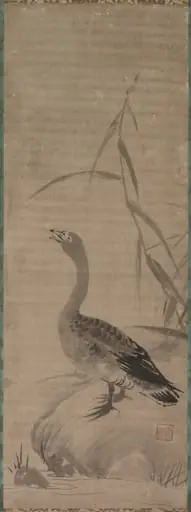
Reeds and Goose is an unspecified painting by the Song dynasty landscape artist Cui Bai. It dates from 1050 and is held in the collection of the National Palace Museum.
About this work
Overview
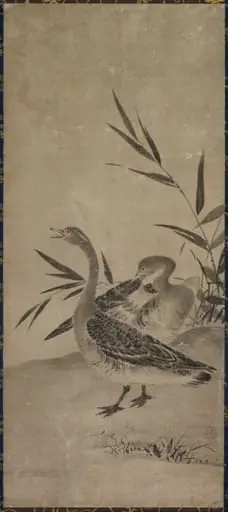
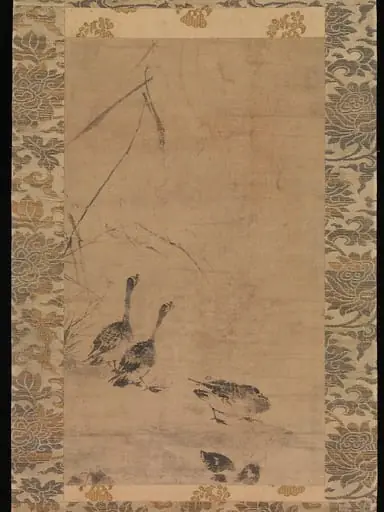
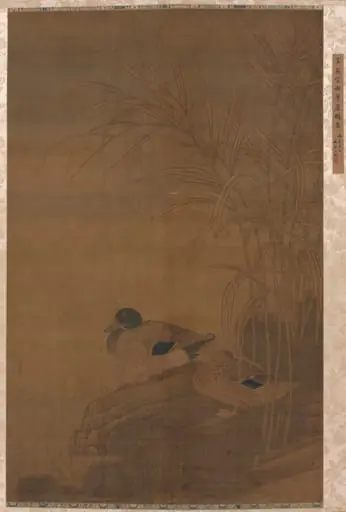
Created around 1050, Reeds and Goose is a hanging scroll by Cui Bai, a painter associated with the Northern Song court. The composition presents a solitary goose amid a cluster of reeds, rendered in muted, earthy hues that convey a quiet, natural atmosphere typical of Song landscape painting.
Subject & Meaning
The central figure, a goose poised on a small patch of land, lifts its head and opens its beak as if preparing for flight, suggesting a moment of poised movement within stillness. The surrounding reeds recede into the background, reinforcing a sense of depth and the harmonious coexistence of fauna and flora.
Technique & Style
Cui employs restrained brushwork and a limited palette of subdued tones, emphasizing texture over vivid color. The delicate rendering of reed stalks and the subtle modeling of the goose’s plumage reflect the Song dynasty’s preference for understated realism and an emphasis on atmospheric tranquility.
History & Provenance
Cui Bai, originally known for his animal and plant studies, relocated to Kaifeng, the Northern Song capital, where he entered the imperial workshop of Emperor Shenzong. Reeds and Goose exemplifies the artist’s courtly reputation for natural subjects, a specialty that set him apart from many contemporaries focused on landscape or figure painting.
Context
During the Northern Song period, court painters were encouraged to capture the essence of nature with precision and restraint. This work aligns with the broader aesthetic of the era, which valued subtlety, scholarly observation, and the integration of poetic sentiment within visual art.
Own this work as a print
Artist & collection
Artist
Cui Bai (Chinese: 崔白; pinyin: Cuī Bái; Wade–Giles: Ts'ui Po, also known as Cui Bo, style name Zixi (子西)) (fl.