Artwork
Wild Geese
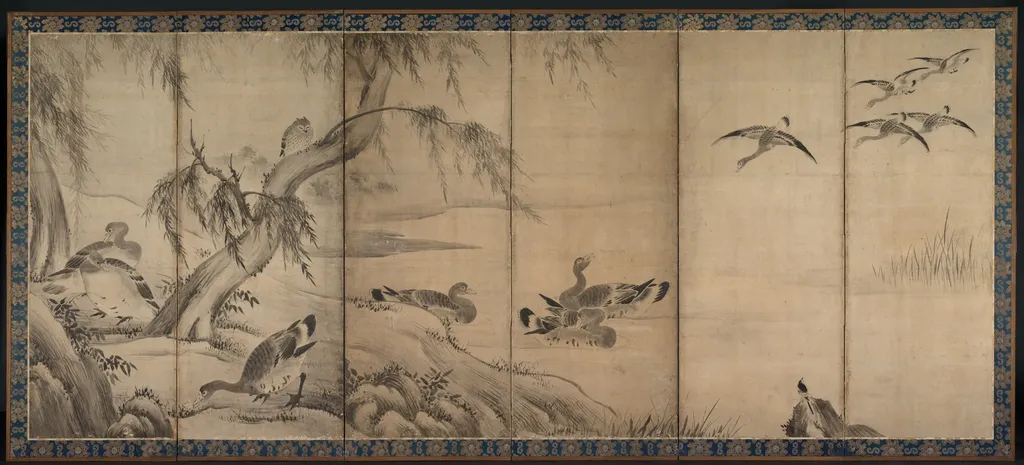
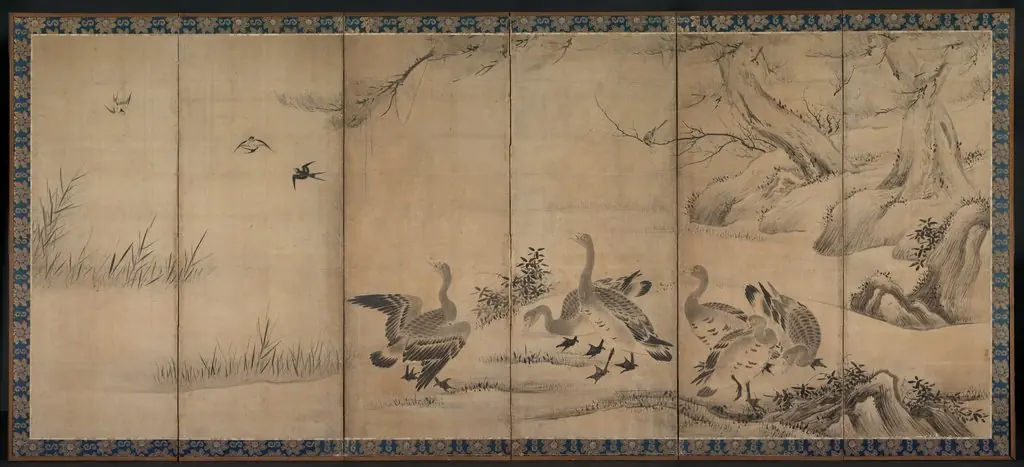
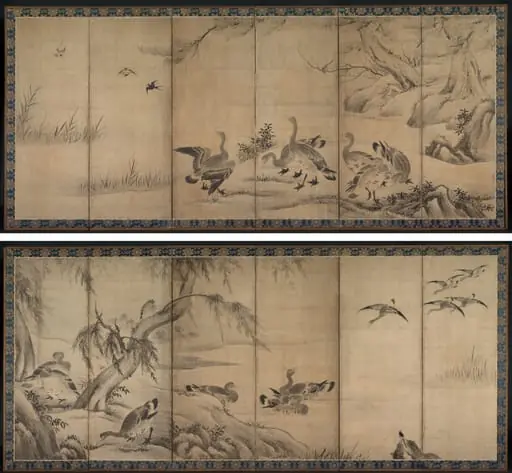
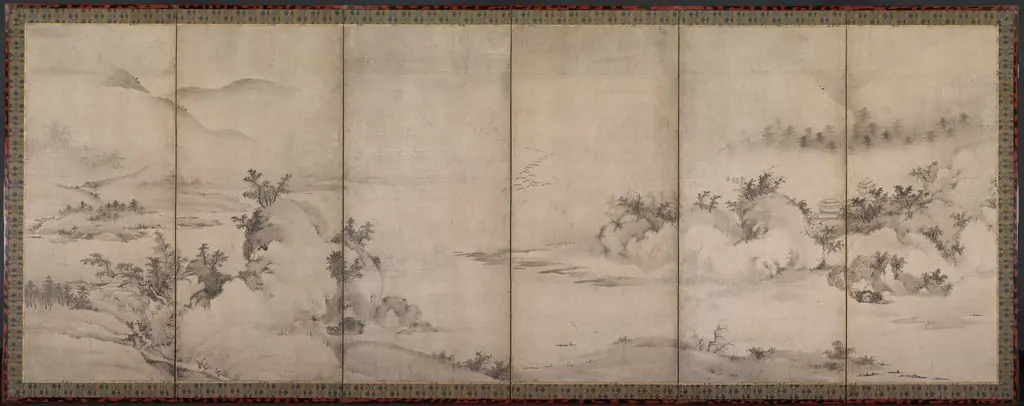
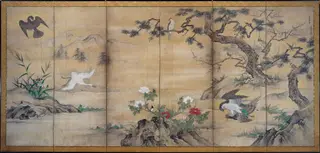
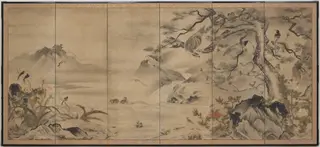
Wild Geese is an unspecified painting by the Kanō school artist Kanō Sanraku. It dates from 1607 and is held in the collection of the Cleveland Museum of Art.
About this work
History & Provenance
Wild Geese is a painting created by the Japanese artist Kanō Sanraku in 1607, during the early Edo period. It is held in the collection of the Cleveland Museum of Art, where it is cataloged under accession number 1987.9.2. While the work originates from Japan, its current institutional home is the Cleveland Museum of Art. No earlier ownership history is documented in the available sources.
Overview
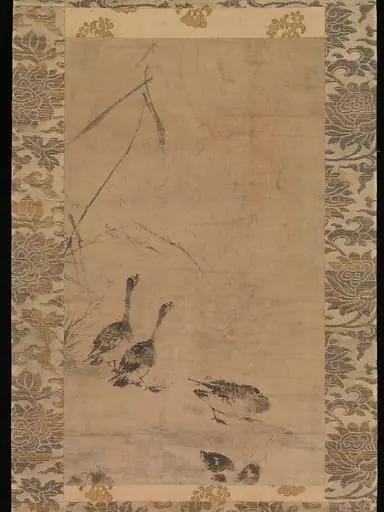
Created in 1607 by Kanō Sanraku, a sixth‑generation member of the Kanō lineage that served Japan’s shogunate, this hanging scroll depicts a tranquil natural scene of geese among reeds and trees. The work belongs to the collection of the Cleveland Museum of Art.
Subject & Meaning
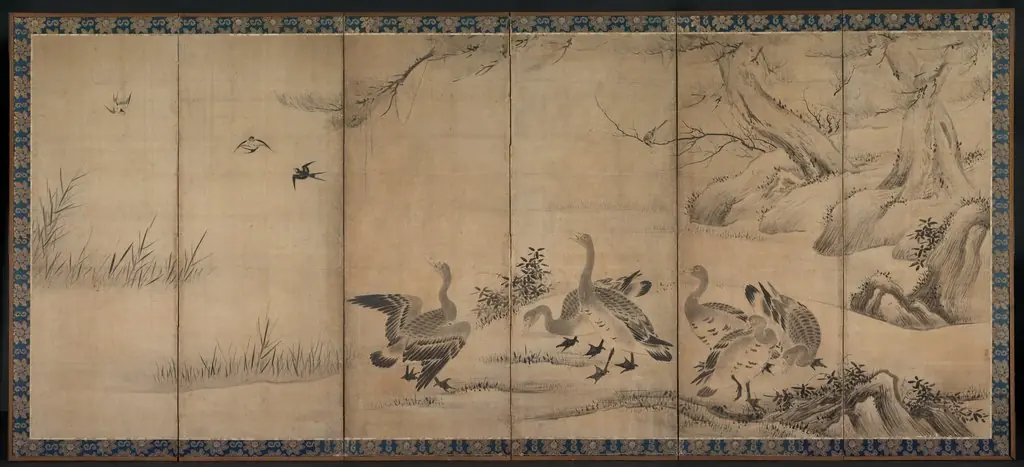
The composition centers on a flock of geese, some perched on slender reeds, others in mid‑flight, set against a backdrop of tall grasses and distant trees. The arrangement emphasizes the birds’ movement and the quiet rhythm of a wetland environment.
Technique & Style
Sanraku employs the Kanō school’s characteristic brushwork, smooth, controlled strokes that render both the delicate feathers and the sturdy reeds with equal precision. The palette is restrained, dominated by muted browns, grays and soft greens, reflecting the transition from the bold Momoyama vigor to the more subdued Edo aesthetic.
Context
Kanō Sanraku’s work bridges two stylistic eras: the dynamic, decorative flair of the Momoyama period and the restrained, contemplative approach that defined Edo‑period painting. This synthesis is evident in the balanced composition and the careful observation of natural detail, hallmarks of the Kanō school’s adaptation to changing tastes.
Artist & collection
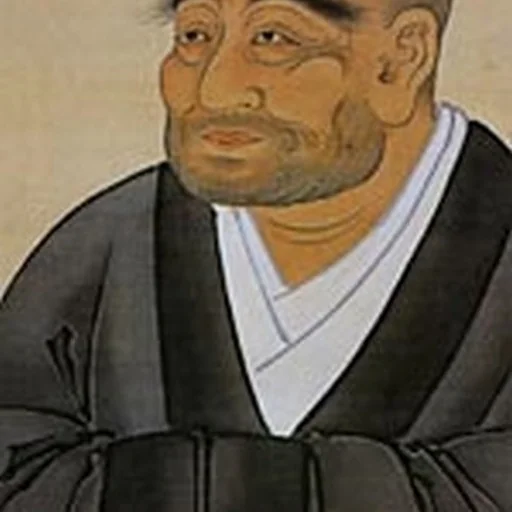
Artist
Kanō Sanraku (狩野 山楽; 1559 – September 30, 1635) was a Japanese painter also known as Kimura Heizō (his birth name), Shūri, Mitsuyori, and Sanraku.