Artwork
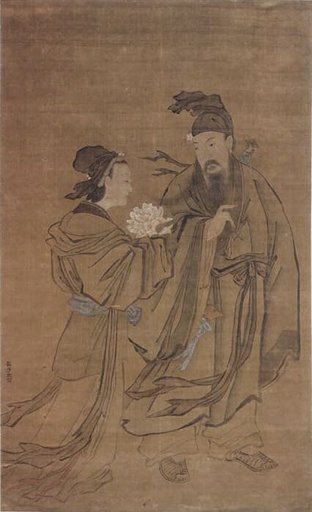
清 佚名 傳崔子忠 呂洞賓戯牡丹仙子 軸|Lȕ Dongbin and the Spirit of the Peony
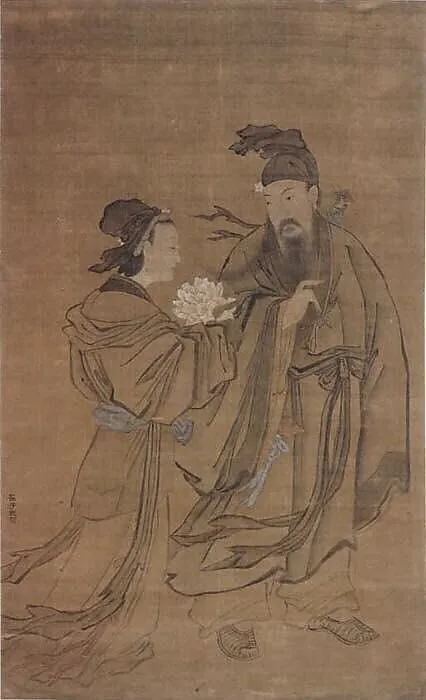
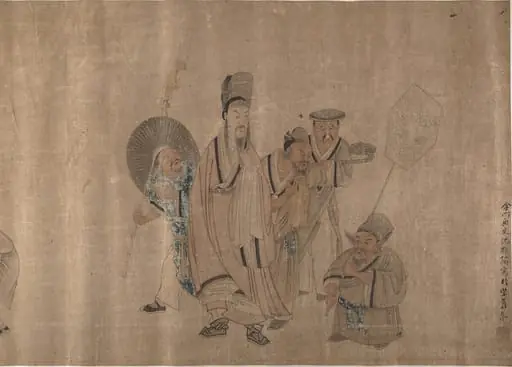
清 佚名 傳崔子忠 呂洞賓戯牡丹仙子 軸|Lȕ Dongbin and the Spirit of the Peony is an ink painting by the Chinese Orthodox School artist Cui Zizhong. It dates from 1639 and is held in the collection of the Metropolitan Museum of Art. This hanging scroll, titled Lü Dongbin and the Spirit of the Peony, is rendered with ink and color on silk.
About this work
Subject & Meaning
The composition features a man and a woman, identified respectively as the Taoist figure and the personification of the Paeonia flower.
This 1639 hanging scroll depicts the mythological encounter between the immortal Lü Dongbin and the Spirit of the Peony. The composition features a man and a woman, identified respectively as the Taoist figure and the personification of the Paeonia flower. As a work of religious mythology, the painting visualizes the interaction between a humanized deity and a floral spirit, a common theme in Chinese art where nature spirits take human form.
The title frames the scene as a playful or flirtatious exchange, suggesting a narrative of divine amusement or courtship. The use of color and ink on silk serves to bring this supernatural dialogue to life.
Technique & Style
Executed as a hanging scroll, the work is rendered in ink and color on silk, a traditional Chinese painting support suited to fine brushwork and layered washes. The composition measures 144.8 cm in height by 85.7 cm in width, adopting the vertical axis characteristic of hanging-scroll formats. Painted in China and dated to 1639, the mythological subject of Lü Dongbin and the Spirit of the Peony is conveyed through figural depiction paired with botanical elements, including the peony itself.
Attribution to Cui Zizhong is traditional rather than confirmed, and the anonymous execution on silk reflects the conventions of mid-seventeenth-century figure painting.
History & Provenance
The painting, dated 1639, is a hanging scroll executed in ink and color on silk and is attributed to an unidentified artist, with a traditional attribution to Cui Zizhong. It was produced in China during the seventeenth century. The work is held in the collection of the Metropolitan Museum of Art.
No further documentation of an earlier ownership chain, commissioning party, or intermediate provenance prior to its museum accession is recorded in the available sources.
Overview
This hanging scroll, titled Lü Dongbin and the Spirit of the Peony, is rendered with ink and color on silk. It presents a scene from Chinese folklore, capturing a moment of lighthearted interaction between an immortal figure and a floral spirit. The artwork is notable for its vibrant palette and its distinctly playful, rather than solemn, narrative approach, reflecting a common theme in traditional Chinese painting.
Context
The peony flower, or Paeonia, holds significant cultural importance in China and frequently appears in various forms of Chinese art, including numerous scrolls. Its presence in this painting not only serves as a narrative element for the spirit's dwelling but also connects the work to a broader artistic tradition where the peony symbolizes prosperity, honor, and beauty. This artwork thus participates in a long-standing visual dialogue within Chinese painting.
Artist & collection

- Untitled
 Landscapes and Figures: Figures
 元 佚名 釋迦三尊圖 軸|Shakyamuni coming down from the mountains
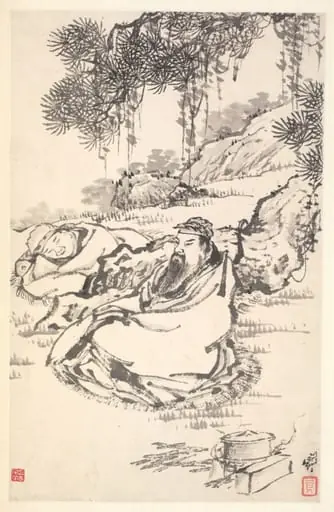 Lu Tong and Servant
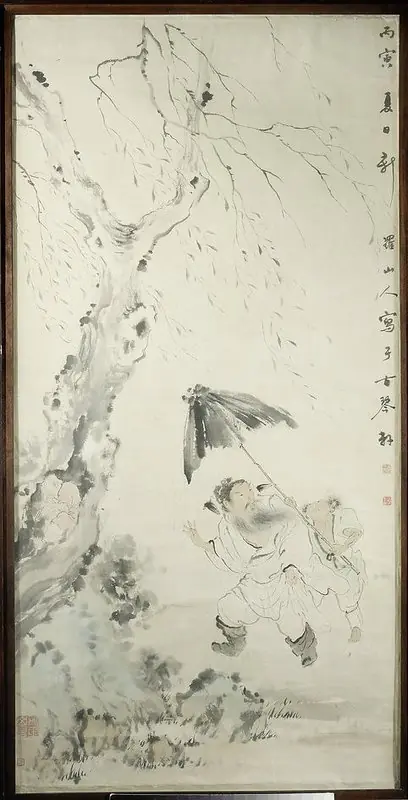 Pijany Zhong Kui - Władca demonów
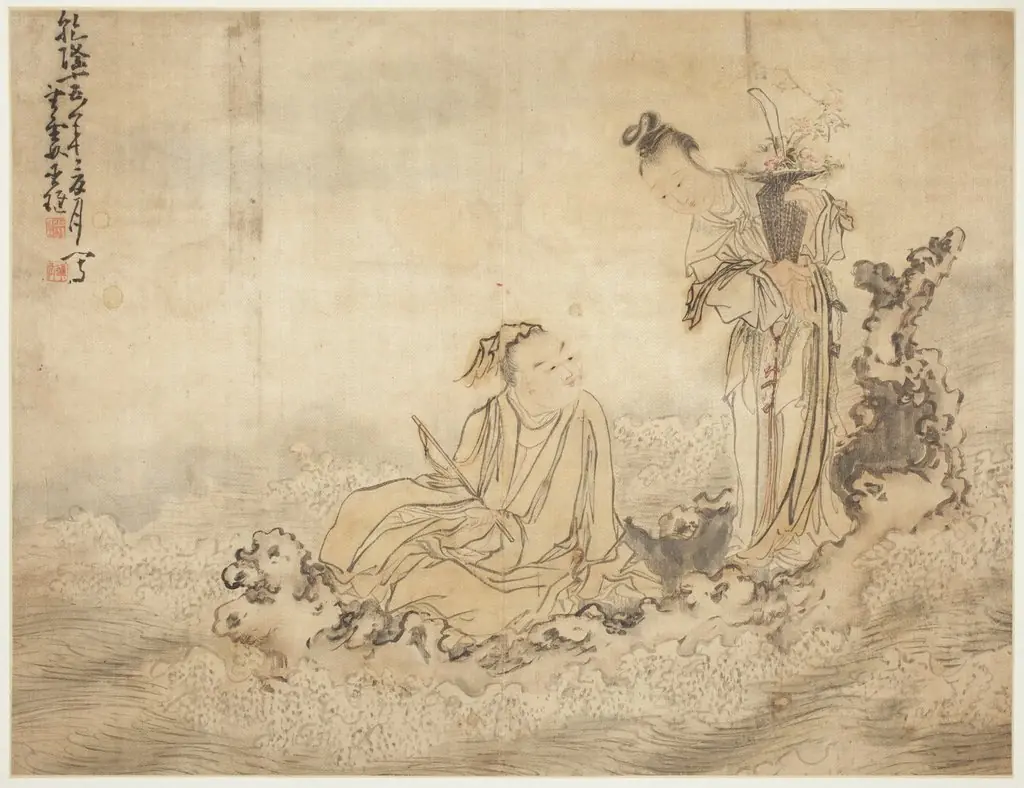 Landscapes and Figures: Figures
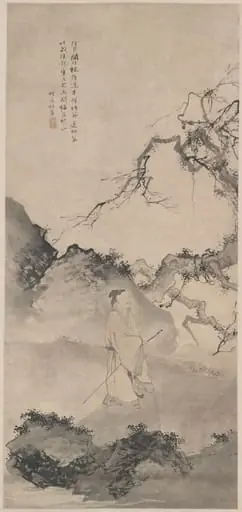 The Poet Lin Bu Wandering in the Moonlight
 Untitled
 Untitled
 Listening to the Qin (Zither)
 明 丁雲鵬 潯陽送客圖 軸|Song of the Lute
 Untitled