Artwork
Philosophy
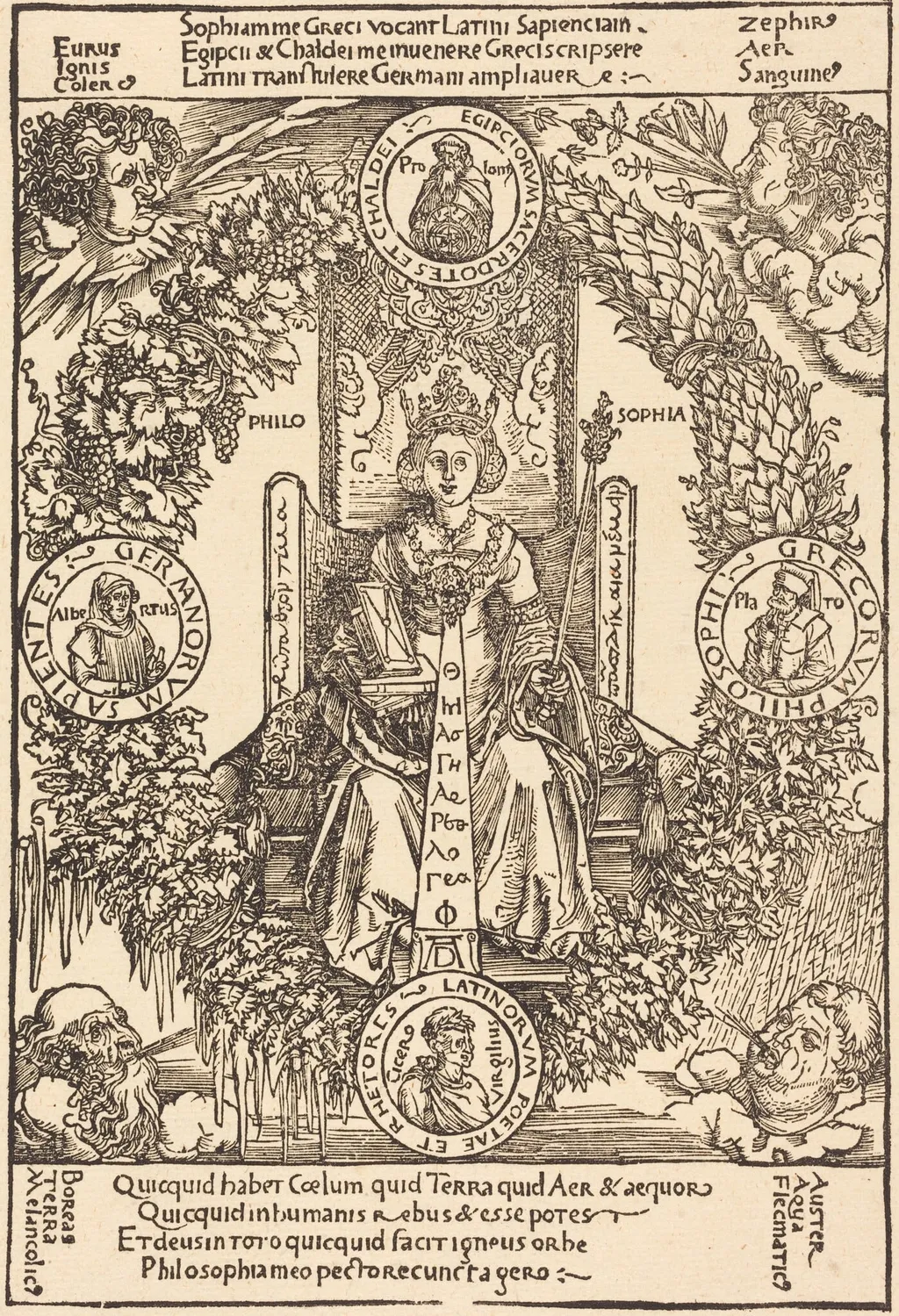
Philosophy is an ink print by the Northern Renaissance artist Albrecht Dürer. It dates from 1502 and is held in the collection of the Metropolitan Museum of Art.
- Inscription
- Inscribed:in block, top left: Eurus / Ignis / Coler[i]cus; in block, top center: Sophiam me Greci vocant Latini Sapienciam,; Egipcii & Chaldei me inuenere Greci scripsere / Latini transtulere Germani ampliavere.; in block, top right: Zephirus / Aer / Sanguineus; in block, upper center, in top medallion: EGIPCIORVM SACERDOTES ET CHALDEI / Ptolemy; in block, upper left and right: PHILOSOPHIA; in block, on left arm of throne: [Greek inscription from Pseudo-Phosyides vv. 6]; in block, on right arm of throne: [Greek inscription from Pseudo-Phosyides vv. 7]; in block, in left medallion: SAPIENTES GERMANORVM / Albertus; in block, in right medallion: GRECORVM PHILOSOPHI / Plato; in block, on tablet from breast to feet of Philosophy: Θ / Μ / Ας / Γη / Αρ / Ρετ / Λο / Γρα / Φ; in block, on scroll at foot of tablet: AD [artist's monogram]; in block, in bottom medallion: LATINORVM POETAE ET RHETORES / Cicero / Virgilius; in block, bottom left: Boreas / Terra / Melancolius; in block, bottom center: Quicquid habet Cœlum quid Terra quid Aer & aequor / Quicquid in humanis rebus & esse potest / Et deus in toto quicquid facit igneus orbe / Philosophia meo pectore cuncta gero.; in block, bottom right: Auster / Aqua / Flecmaticus; verso, lower right, in graphite by a later hand: C 23845
About this work
Overview
Albrecht Dürer’s woodcut entitled Philosophy, executed around 1502, is a trial proof on laid paper. The print presents an allegorical figure seated at a desk, surrounded by books and assorted objects, absorbed in contemplation. The composition captures a solitary, reflective episode, using the medium’s characteristic line work to delineate the scholarly setting.
Subject & Meaning
The central figure represents the abstract concept of philosophy, embodied as a learned man immersed in study. The surrounding volumes and curiosities suggest a breadth of knowledge and inquiry, while his introspective pose conveys the intellectual pursuit of understanding. The work functions as a visual meditation on the role of contemplation in the acquisition of wisdom.
Technique & Style
Created as a woodcut, the image was carved into a wooden block and printed onto laid paper, a common support in the early sixteenth century. The trial proof status indicates an early impression, revealing Dürer’s precise incising of line and texture. The stark contrasts and fine hatching exemplify his mastery of the medium’s graphic potential.
History & Provenance
The print originates from Dürer’s early period, when he explored allegorical subjects alongside his more celebrated religious and portrait works. As a trial proof, it likely served as a test of composition before a larger edition. The piece has remained within scholarly collections, providing insight into Dürer’s experimental process and his engagement with humanist themes.
Own this work as a print
Artist & collection
Artist
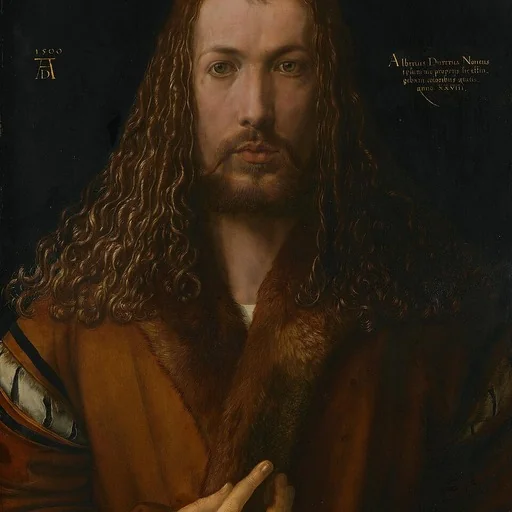
Albrecht Dürer spent his life in Nuremberg, a busy German city where artists traded prints like currency.

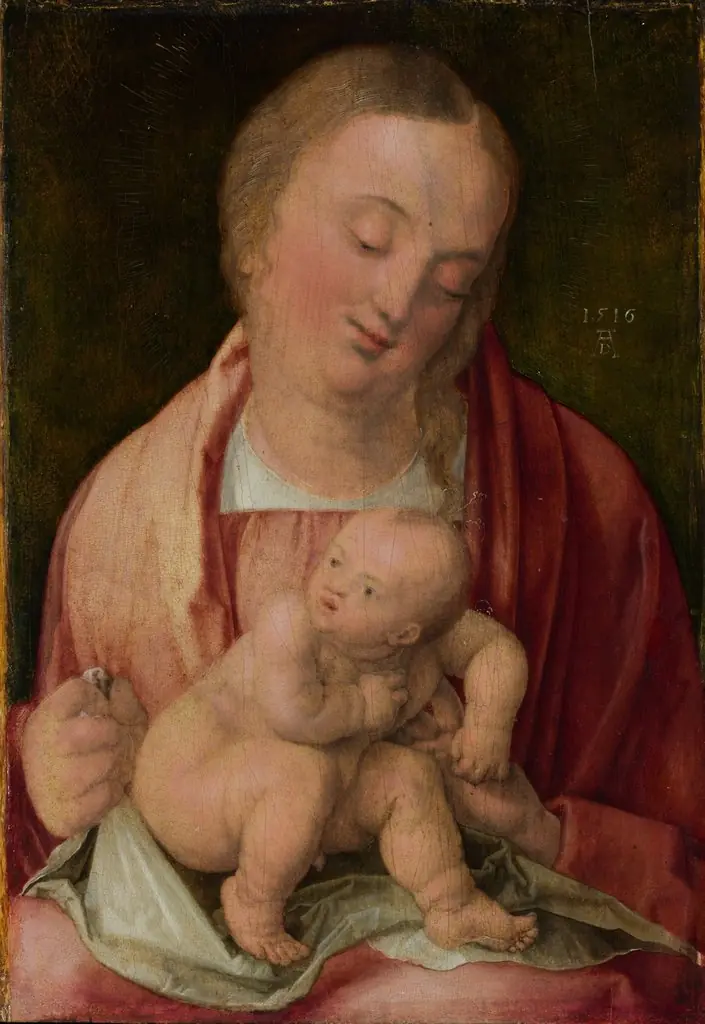
![Madonna and Child [obverse], by Albrecht Dürer](https://artifactworldgallery.com/img/albrecht-durer--madonna-and-child-obverse--d7b8ebf05d22ebe5-w320.webp)
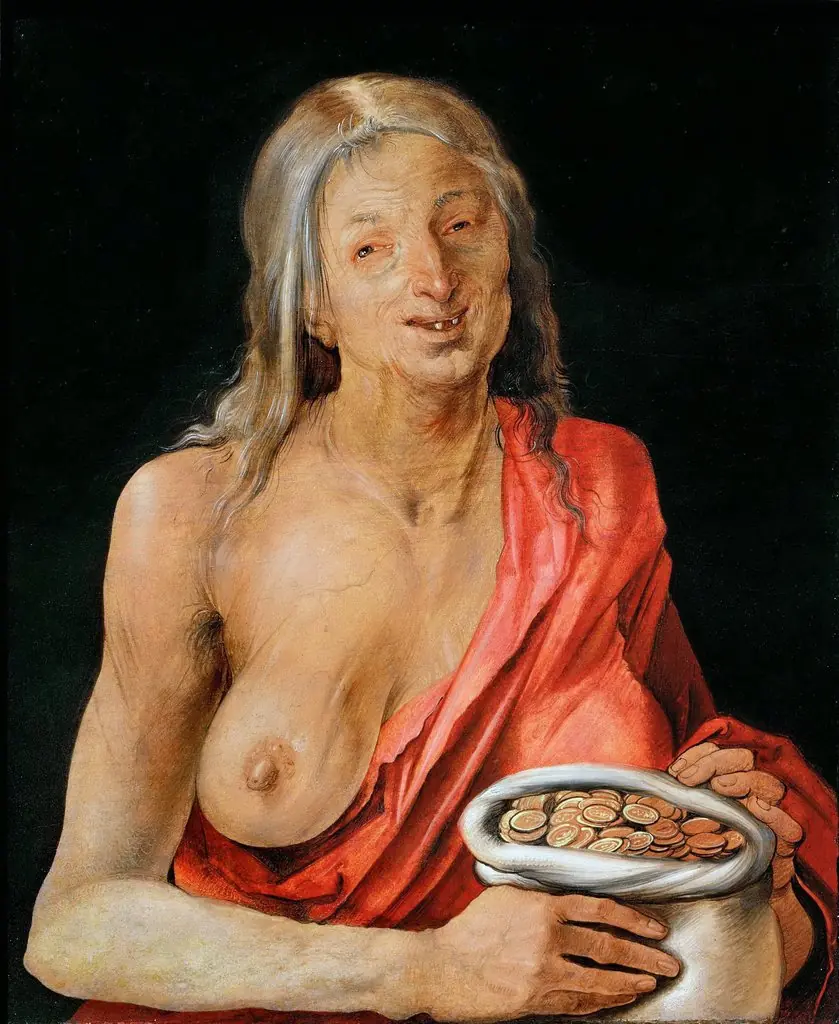
![Lot and His Daughters [reverse], by Albrecht Dürer](https://artifactworldgallery.com/img/albrecht-durer--lot-and-his-daughters-reverse--b4ebf9b282faa17a-w320.webp)
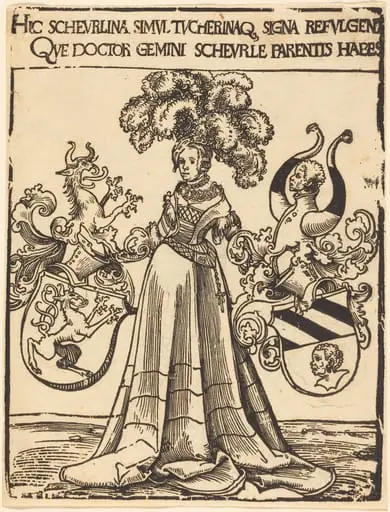
- Coat of Arms of Scheurl and Tucher Families
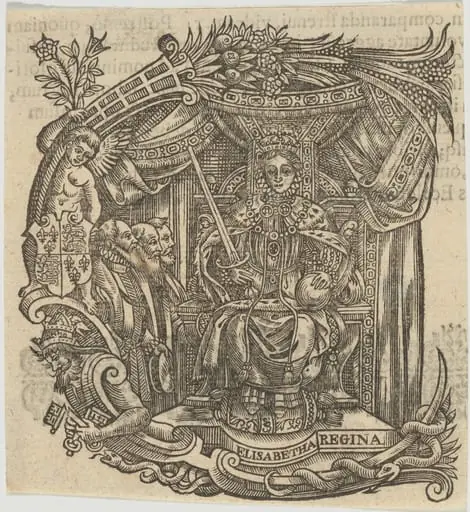 Queen Elizabeth Memorial
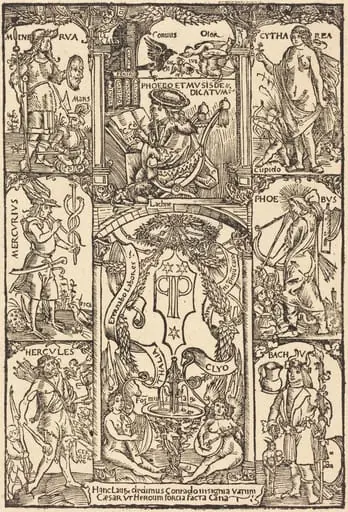 Celtes Surrounded by Greek and Roman Gods
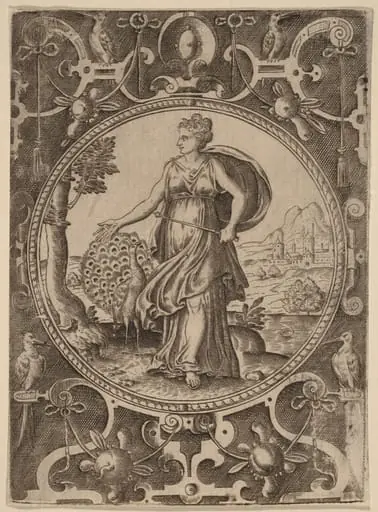 Juno
Juno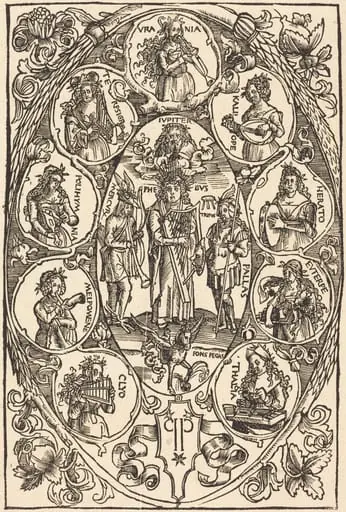 Apollo and the Muses
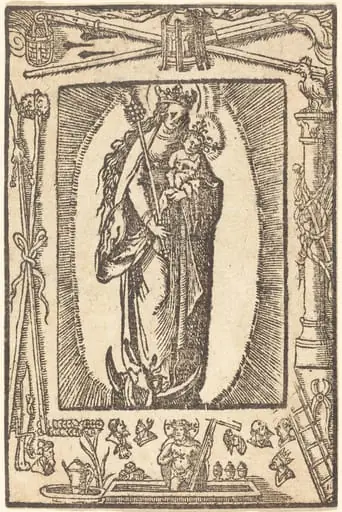 Madonna and Child
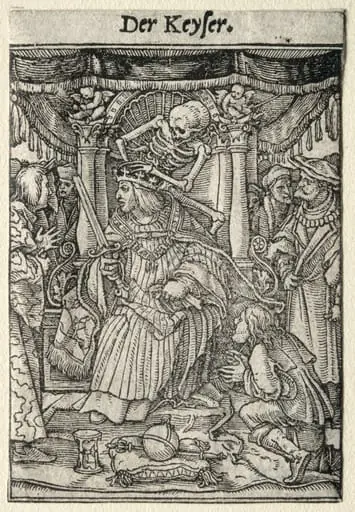 Dance of Death: The Emperor
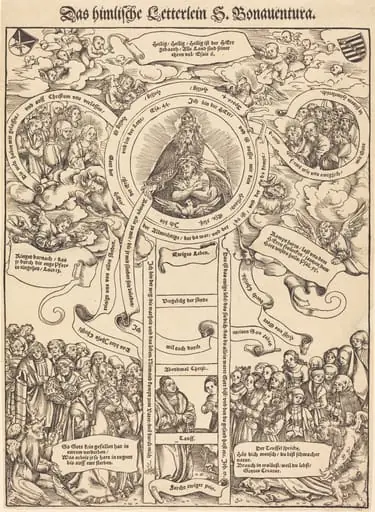 The Celestial Ladder of Saint Bonaventura
 The Emblem
 The Virgin and Child
 Bookplate of Scheurl and Tucher
 Grotesque with Strapwork in the Form of a Cartouche