Artwork
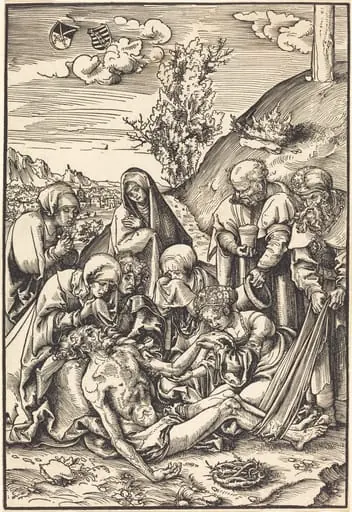
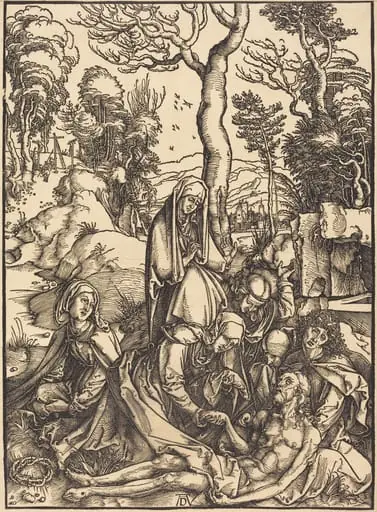
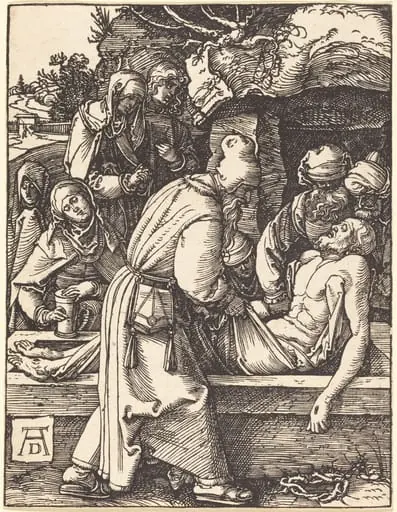
The Deposition
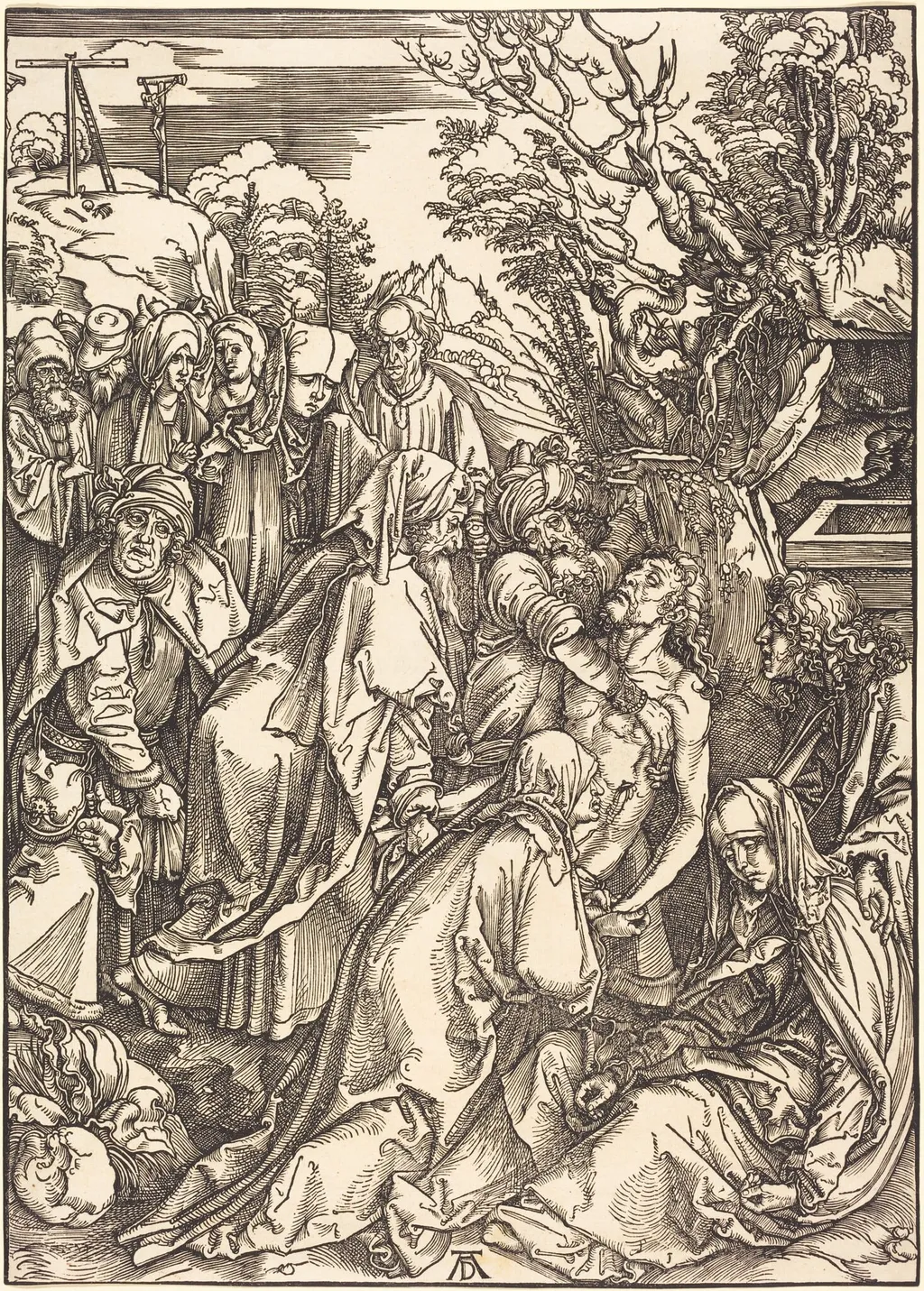
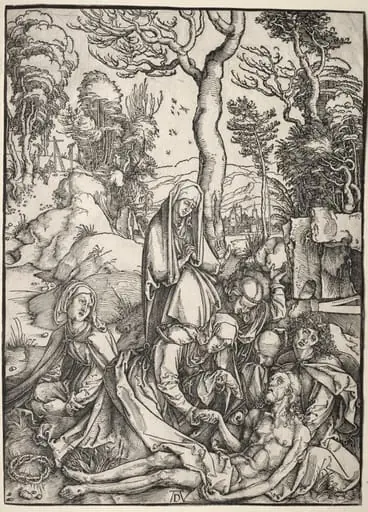
The Deposition is an ink print by the Northern Renaissance artist Albrecht Dürer. It dates from 1497 and is held in the collection of the Albertina.
About this work
The artist used a lot of detail, which is interesting because it's a woodcut - a technique where a design is carved into wood and then printed.
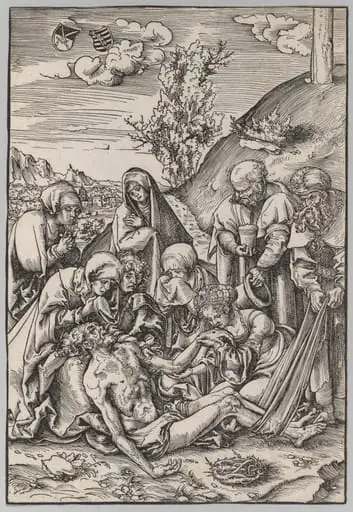
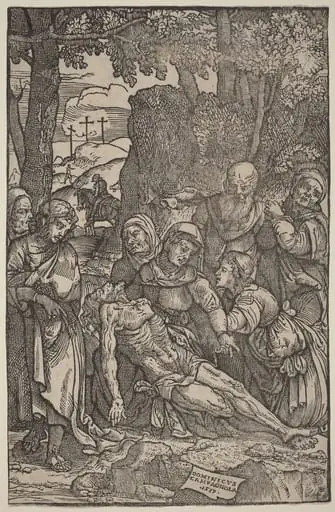
This painting shows Jesus Christ being taken down from the cross. It's a somber scene with many people around. The artist used a lot of detail, which is interesting because it's a woodcut - a technique where a design is carved into wood and then printed.
The detail in this woodcut is notable, especially considering it was made around 1497. This was a time when artists were experimenting with new ways to create images.
To learn more about this style, look up the technique: woodcut.
Subject & Meaning
The Deposition depicts the entombment of Christ, drawn from the New Testament narrative of Jesus' burial after the Crucifixion. Dürer presents the scene with solemn gravity, emphasizing the moment of removal from the cross as an act of sacrifice and redemption central to Christian theology. The composition underscores themes of suffering, burial, and the promise of resurrection, reflecting the core meaning of the Passion in Western Christian iconography.
The work belongs to the German Renaissance and is part of Dürer's influential Great Passion series, a cycle of woodcuts that redefined religious printmaking through unprecedented emotional depth and technical mastery. By focusing on the physical and spiritual weight of Christ's removal, the image invites contemplation of theological sacrifice and the foundational Christian belief in atonement. This subject matter aligns with the broader tradition of Passion imagery in late medieval and early modern art, where the Deposition served as a powerful meditation on faith and loss.
Technique & Style
The work is a woodcut print on paper, executed in black ink on a wooden block and transferred to support. It is classified within the German Renaissance movement and depicts the entombment of Christ, reflecting a religious narrative drawn from the New Testament. The composition demonstrates precise line work and balanced spatial arrangement characteristic of Albrecht Dürer's early printmaking practice, with the figure of Christ rendered in a moment of solemn repose.
Formal qualities include a restrained tonal contrast and careful attention to anatomical detail, underscoring the artist's technical mastery of the medium.
History & Provenance
The Deposition is a woodcut print created in 1497 by Albrecht Dürer, depicting the entombment of Christ. It belongs to the German Renaissance movement and is part of the Great Passion series. The work has been held in several major institutions, including the Metropolitan Museum of Art, the National Gallery of Art in Washington, D.C., the Albertina, the Cleveland Museum of Art, and through the Rosenwald Collection. Its creation falls within the late 15th century, with documented dates ranging from 1497 to 1500.
Albrecht Dürer's woodcut The Deposition (1497) is held in the collections of several major institutions, including the Metropolitan Museum of Art, the Albertina, and the Cleveland Museum of Art. The National Gallery of Art in Washington, D.C., also houses a version of this print, which is part of the Great Passion series and originates from the Rosenwald Collection. While specific accession numbers are not detailed in the provided records, the work is firmly established within these public holdings.
The piece depicts the entombment of Christ and measures 39 cm in height by 28 cm in width. No specific exhibition history or past loan records are documented in the available sources.
Context
Albrecht Dürer's woodcut The Deposition (1497) belongs to his early religious series, notably the Small Passion and the broader Great Passion cycle, reflecting the devotional intensity of German Renaissance printmaking. It portrays the entombment of Christ with stark compositional focus on the central figure of Jesus, drawing directly from New Testament narrative. The work's significance is underscored by its inclusion in major institutional collections, including the National Gallery of Art in Washington, D.C., establishing its enduring scholarly and curatorial relevance within art historical discourse.
Legacy
The Deposition influenced religious printmaking through its emotive portrayal of Christ's entombment and its technical precision in rendering, inspiring later artists to explore similar compositions and chiaroscuro effects. Its inclusion in major collections, such as the Metropolitan Museum of Art and the Albertina, cemented its status as a paradigm of German Renaissance printmaking, shaping scholarly discourse on narrative depth in devotional art.
The work's legacy persists in contemporary exhibitions and academic studies that reference its compositional innovations and role in elevating printmaking to a respected medium for religious storytelling.
Overview
The Deposition is a woodcut by Albrecht Dürer, created around 1497. It is a print on wood, depicting a pivotal scene from Christian narrative.
Own this work as a print
Artist & collection
Artist
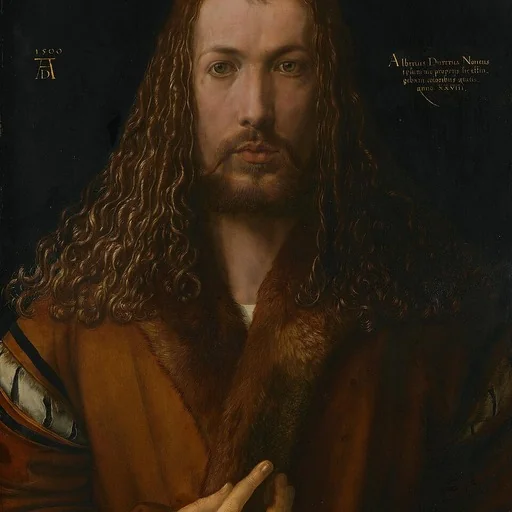
Albrecht Dürer spent his life in Nuremberg, a busy German city where artists traded prints like currency.

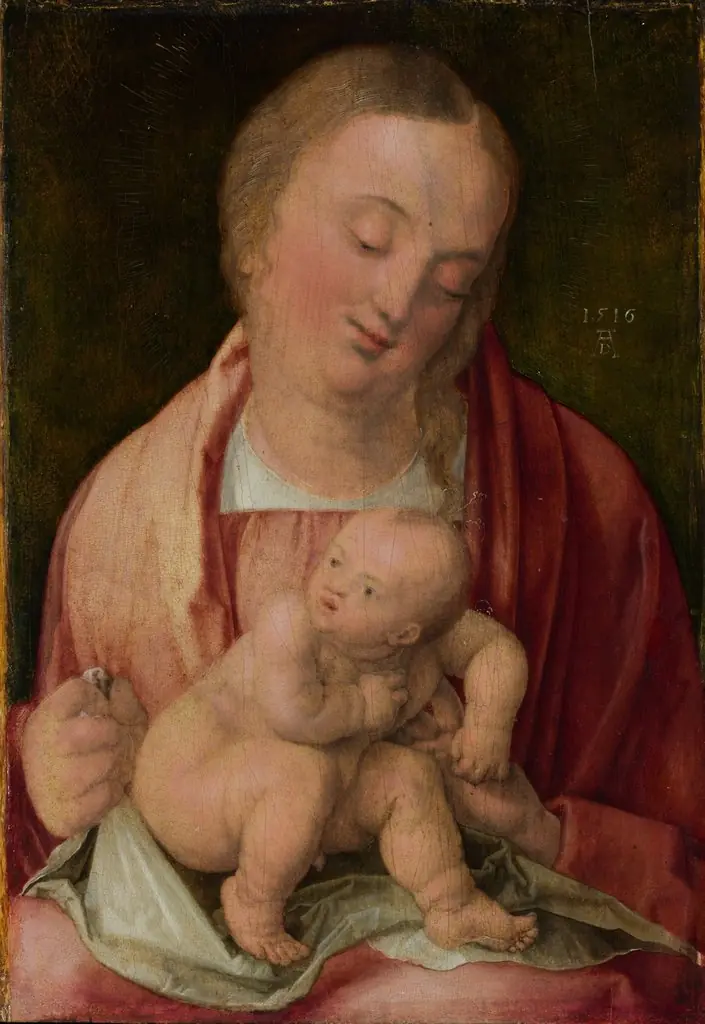
![Madonna and Child [obverse], by Albrecht Dürer](https://artifactworldgallery.com/img/albrecht-durer--madonna-and-child-obverse--d7b8ebf05d22ebe5-w320.webp)
![Lot and His Daughters [reverse], by Albrecht Dürer](https://artifactworldgallery.com/img/albrecht-durer--lot-and-his-daughters-reverse--b4ebf9b282faa17a-w320.webp)