Artwork
The Lamentation
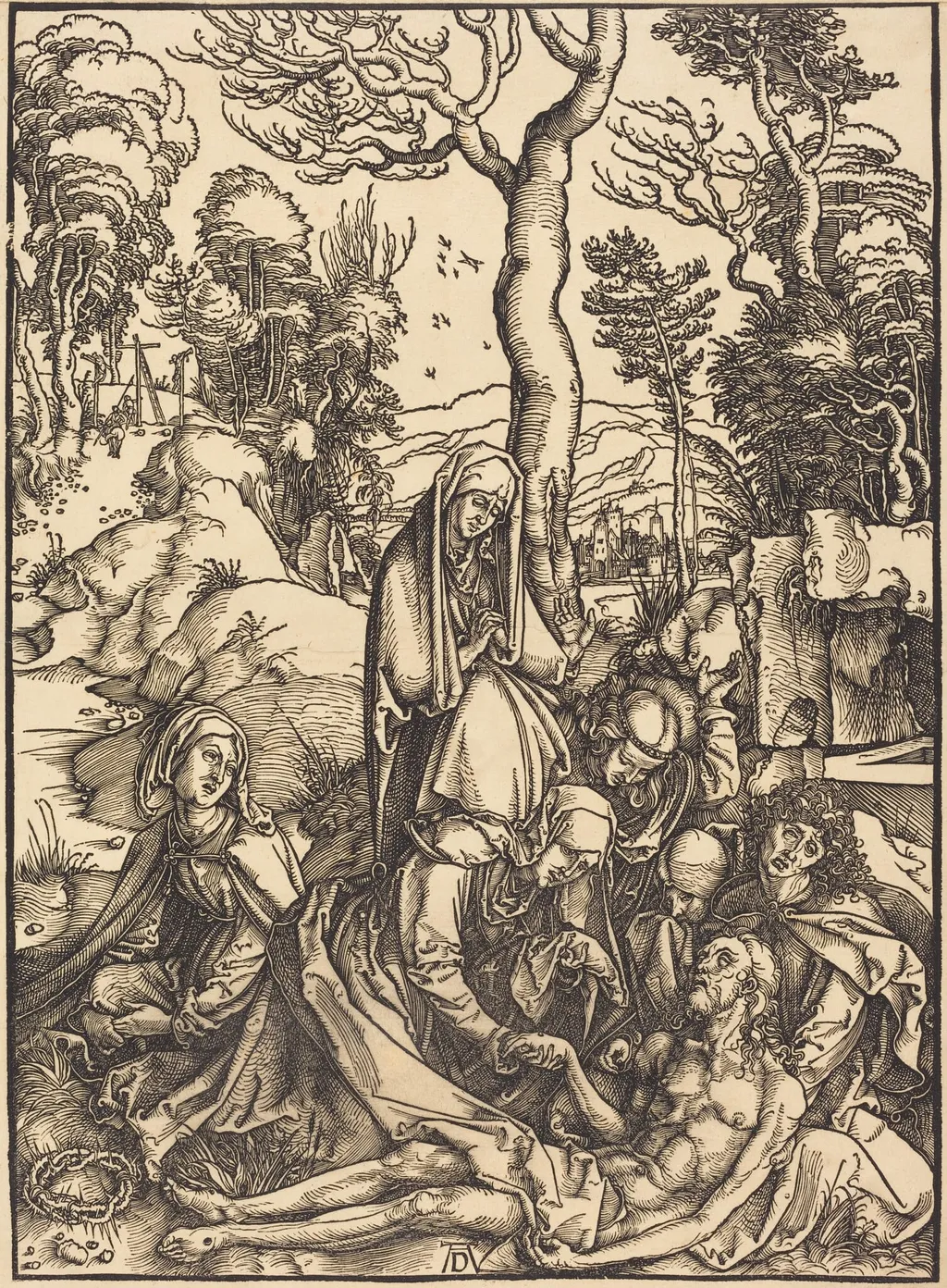
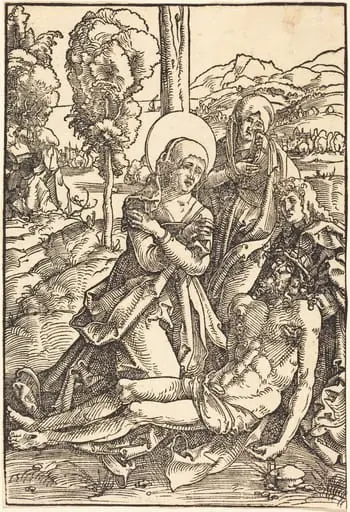
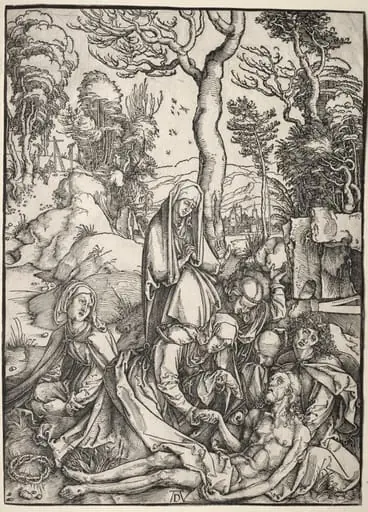
The Lamentation is an ink print by the Northern Renaissance artist Albrecht Dürer. It dates from 1498 and is held in the collection of the Metropolitan Museum of Art.
About this work
Subject & Meaning
The composition focuses on the dead body of Jesus following his crucifixion, a scene derived from narratives within the New Testament.
Albrecht Dürer's woodcut, created in 1498 as part of the Great Passion series, illustrates the Lamentation of Christ. The composition focuses on the dead body of Jesus following his crucifixion, a scene derived from narratives within the New Testament. As a work of German Renaissance religious art, the print serves as a devotional image intended to evoke empathy and contemplation regarding the suffering and sacrifice of Christ.
The iconography centers strictly on the mourning over the deceased savior, adhering to traditional theological representations of this specific moment in the Passion cycle.
History & Provenance
Albrecht Dürer created the woodcut The Lamentation in 1498 as part of his Great Passion series. The work depicts the Lamentation of Christ, a scene derived from the New Testament, and belongs to the German Renaissance movement. While the primary inception date is established as 1498, some records also reference dates such as 1497 and 1500.
The print measures 39 cm in height by 28 cm in width. The creation history is tied to Dürer's extensive work on religious woodcuts during this period, though specific commission details for this individual sheet are not detailed in the provided sources.
Multiple impressions of Albrecht Dürer's 1498 woodcut The Lamentation are held in major public collections. Specific institutional holdings include the National Gallery of Art in Washington, D.C., and the Cleveland Museum of Art. Other repositories listed with this work are the Cooper Hewitt, Smithsonian Design Museum; the Metropolitan Museum of Art; the Albertina; the Rosenwald Collection at the National Gallery of Art; the Chester Beatty Library; and the Cleveland Museum of Art.
The work is part of Dürer's Great Passion series. No specific accession numbers or exhibition history dates are provided in the available sources.
Overview
The Lamentation is a woodcut print by Albrecht Dürer, dating to circa 1498, representing a somber religious scene.
Technique & Style
Dürer's innovative use of simple lines achieved complex emotional resonance, characteristic of his skill in woodcut, a technique he helped advance with such nuanced designs.
Context
Emerging in the late 15th century, this work reflects the religious themes prevalent in European art of the time, while its style hints at the impending Renaissance humanism.
Legacy
The Lamentation contributes to Dürer's legacy as a woodcut innovator, influencing subsequent generations in both religious art and the technical advancement of printmaking.
Own this work as a print
Artist & collection
Artist
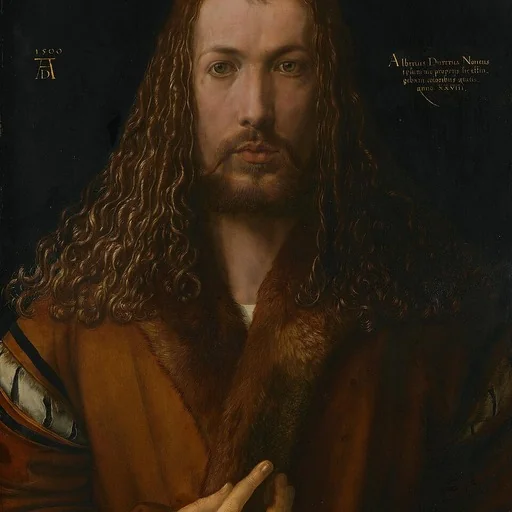
Albrecht Dürer spent his life in Nuremberg, a busy German city where artists traded prints like currency.

![Madonna and Child [obverse], by Albrecht Dürer](https://artifactworldgallery.com/img/albrecht-durer--madonna-and-child-obverse--d7b8ebf05d22ebe5-w320.webp)
![Lot and His Daughters [reverse], by Albrecht Dürer](https://artifactworldgallery.com/img/albrecht-durer--lot-and-his-daughters-reverse--b4ebf9b282faa17a-w320.webp)
- The Lamentation
 The Angel with the Key to the Bottomless Pit
 The Lamentation
 The Great Passion: The Lamentation of Christ
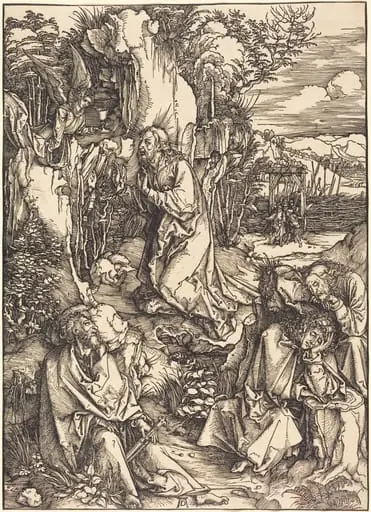 Christ on the Mount of Olives
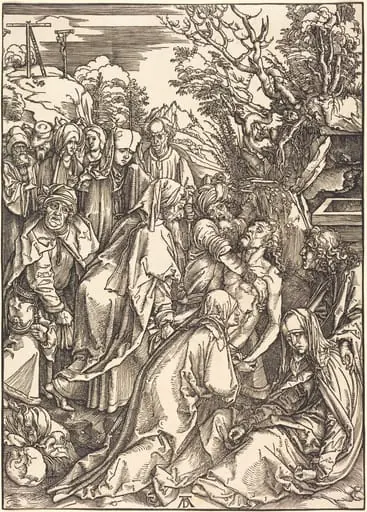 The Deposition
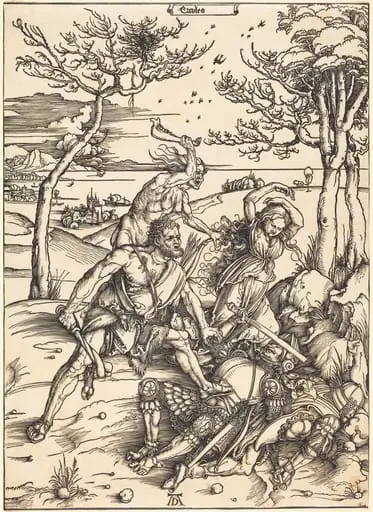 Hercules Conquering Cacus ("Ercules")
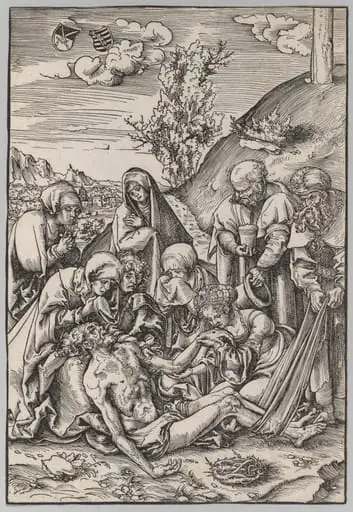 The Passion: The Lamentation
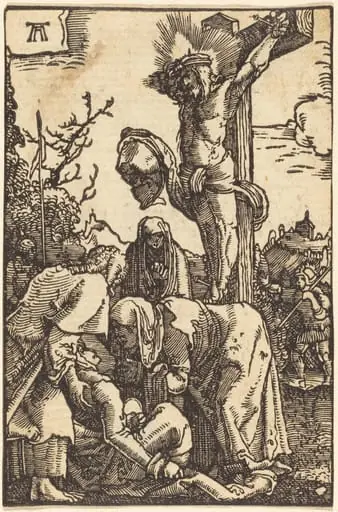 Christ on the Cross
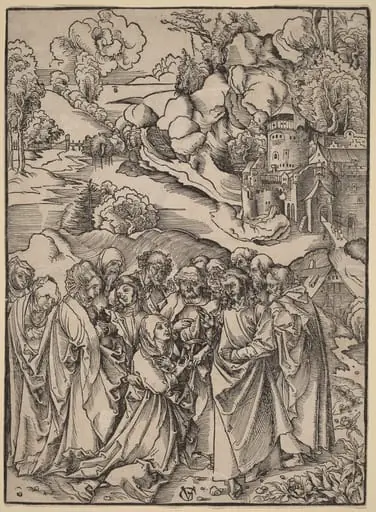 Christ and the Apostles and the Holy Women
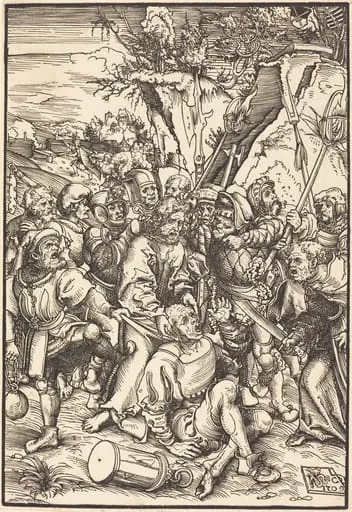 Christ Taken Captive
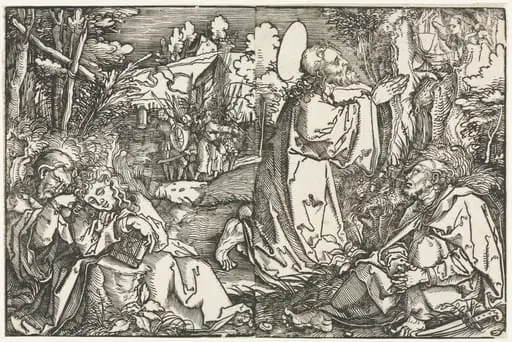 The Agony in the Garden