Artwork
The Four Horsemen
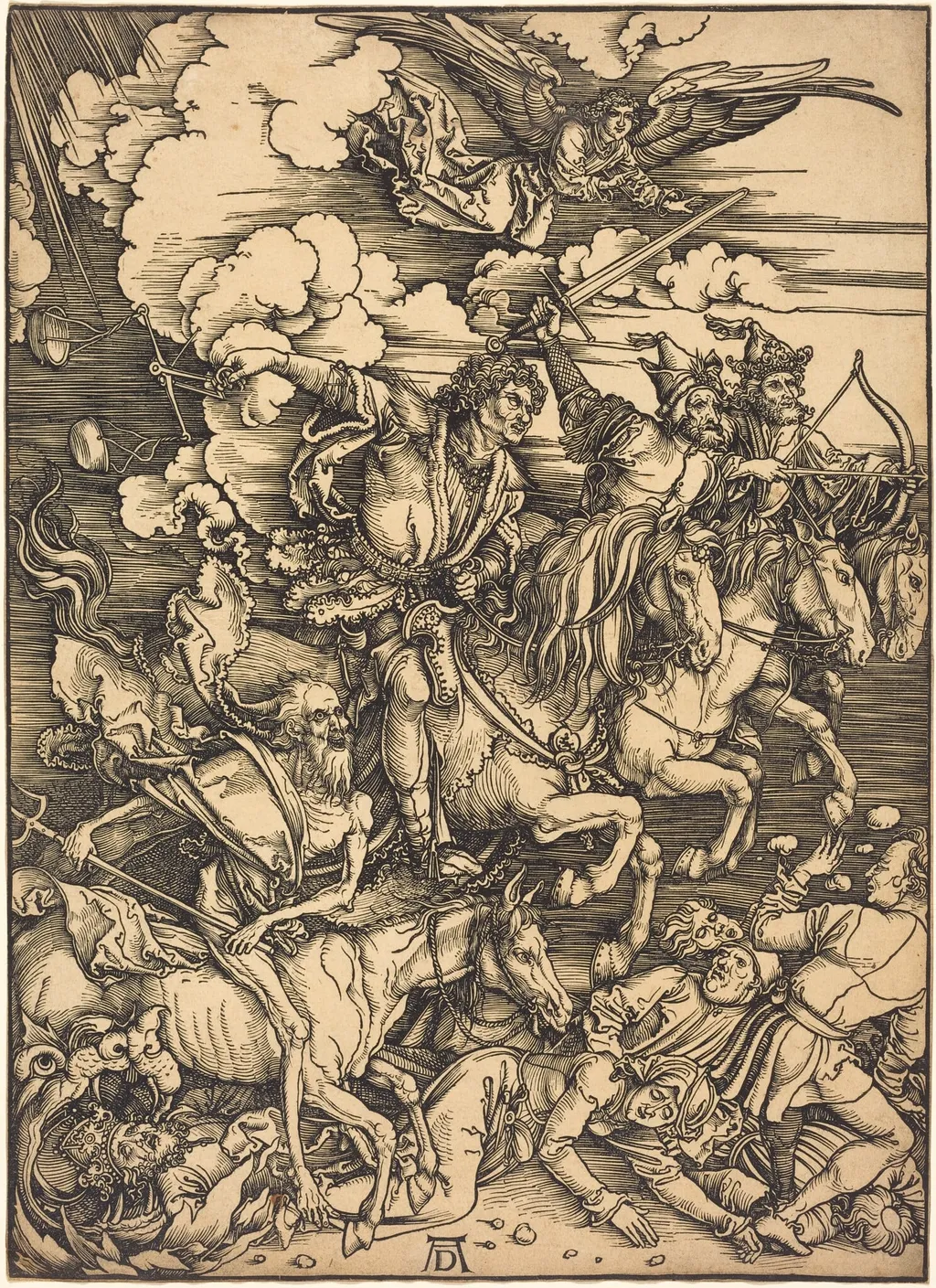
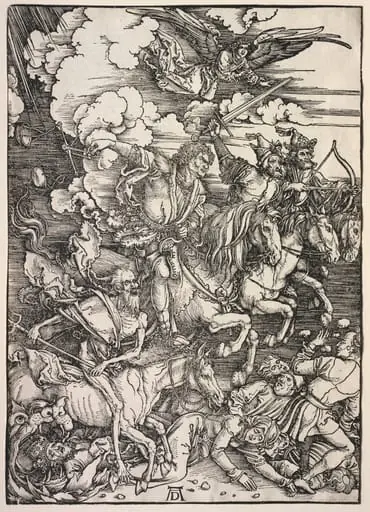
The Four Horsemen is an ink print by the Northern Renaissance artist Albrecht Dürer. It dates from 1497 and is held in the collection of the Metropolitan Museum of Art.
About this work
Subject & Meaning
The work’s iconography reflects late medieval and early Renaissance anxieties about religious upheaval and eschatological judgment.
Dürer’s woodcut depicts the Four Horsemen of the Apocalypse as described in Revelation 6, where the Lamb opens the first four seals and four riders emerge in sequence. The first rider on a white horse carries a bow, symbolizing conquest; the second on a red horse wields a great sword, signifying war and bloodshed; the third on a black horse holds a balance, representing economic collapse and famine; and the fourth, Death, rides a pale horse accompanied by Hell, bringing pestilence and death. The composition conveys relentless, thunderous motion, uniting the riders in a single sweeping charge across the page.
The work’s iconography reflects late medieval and early Renaissance anxieties about religious upheaval and eschatological judgment. Dürer’s white-on-black execution intensifies the ominous atmosphere, while his naturalistic details, flora, fauna, and artifacts, carry layered symbolic meaning. Though often read as a dire prophecy, Dürer’s presentation avoids explicit condemnation, allowing viewers to interpret the riders’ actions within the broader context of divine revelation and human consequence.
Technique & Style
Created as a woodcut on laid paper, the work exemplifies the German Renaissance mastery of the medium. Albrecht Dürer achieved a dynamic, thunderous sense of movement through the stark contrast of black ink and white space, eliminating the need for color that earlier artists relied upon for impact. The composition depicts the Four Horsemen galloping forward with vigorous energy, demonstrating a high level of technical virtuosity in the handling of the woodblock.
This approach allowed the image to function as a standalone visual statement, with text traditionally printed on the reverse side of the sheet. The print measures approximately 39.5 to 39.8 cm in height and 28.5 to 28.6 cm in width.
History & Provenance
The Four Horsemen is a woodcut printed by Albrecht Dürer in 1496 in Nuremberg, forming the first plate of his Apocalypse series and illustrating Revelation 6. Dürer designed, cut, and printed the image himself, financing the production without a patron, and the work was issued in a bilingual edition in 1498. The subject draws on the biblical four riders, each representing conquest, war, famine, and death.
After its creation the print entered the holdings of numerous institutions, including the Museum Boijmans Van Beuningen, the National Gallery of Art in Washington, the Cleveland Museum of Art, and the Chester Beatty Library, among others, reflecting a dispersed provenance rather than a single ownership chain.
The woodcut is held in multiple institutions, with the clearest institutional records locating impressions in the Museum Boijmans Van Beuningen, the National Gallery of Art, Washington, D.C., the Cleveland Museum of Art, the Chester Beatty Library, the Staatliche Kunsthalle Karlsruhe, the Städel Museum, and the Statens Museum for Kunst.
Inventory records associate the work with the Rosenwald Collection at the National Gallery of Art and with the Kupferstich-Kabinett Dresden. The Cleveland impression is recorded under accession number 1963.255, while the Washington, D.C. example carries the accession 1943.3.3161.
Context
The Four Horsemen (1496) is a woodcut from Dürer’s Apocalypse series, reflecting the German Renaissance’s religious anxiety preceding the Reformation.
Critics have noted its dynamic composition and novel use of black‑and‑white engraving to convey apocalyptic narrative, marking a shift from earlier illustrated Apocalypses that relied on color or marginal miniatures.
Scholars view the print as emblematic of Dürer’s innovation in printmaking, influencing subsequent German artists and establishing a template for visual interpretations of the Book of Revelation.
Legacy
Albrecht Dürer's woodcut is widely recognized as one of the most famous prints from his illustrated Apocalypse series. Its dynamic, almost audible sense of movement, achieved through remarkable technical imagination, established a visual standard that has remained unequaled. The work also represents a pivotal milestone in the history of art publishing: the Apocalypse series was the first book published exclusively at an artist's own expense.
By reversing the traditional layout, reserving the front of each page for the woodcut and placing the text on the back, Dürer prioritized the visual impact of the image over the text. Furthermore, he demonstrated that vigorous artistic effects could be achieved strictly through black-and-white printmaking, liberating the medium from its previous reliance on color. Through these prints, Dürer established his artistic independence and was able to reach vast audiences.
Overview
Albrecht Dürer's "The Four Horsemen" is a prominent woodcut print from his larger Apocalypse series. Executed on laid paper, this work exemplifies the artist's mastery of the printmaking medium. It visually interprets a dramatic passage from the biblical Book of Revelation, depicting the harbingers of the end times with intense detail and dynamic composition, making it a significant example of Northern Renaissance graphic art.
Own this work as a print
Artist & collection
Artist
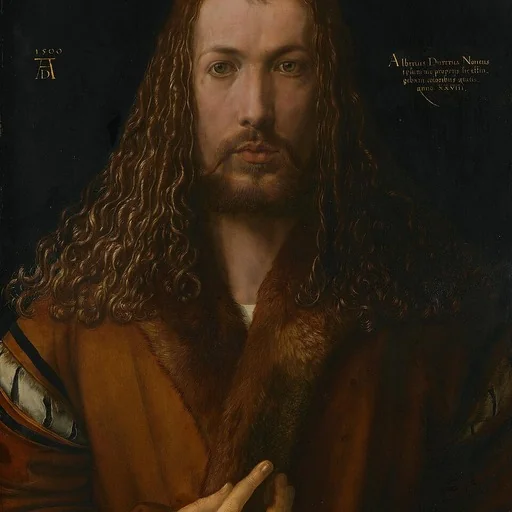
Albrecht Dürer spent his life in Nuremberg, a busy German city where artists traded prints like currency.

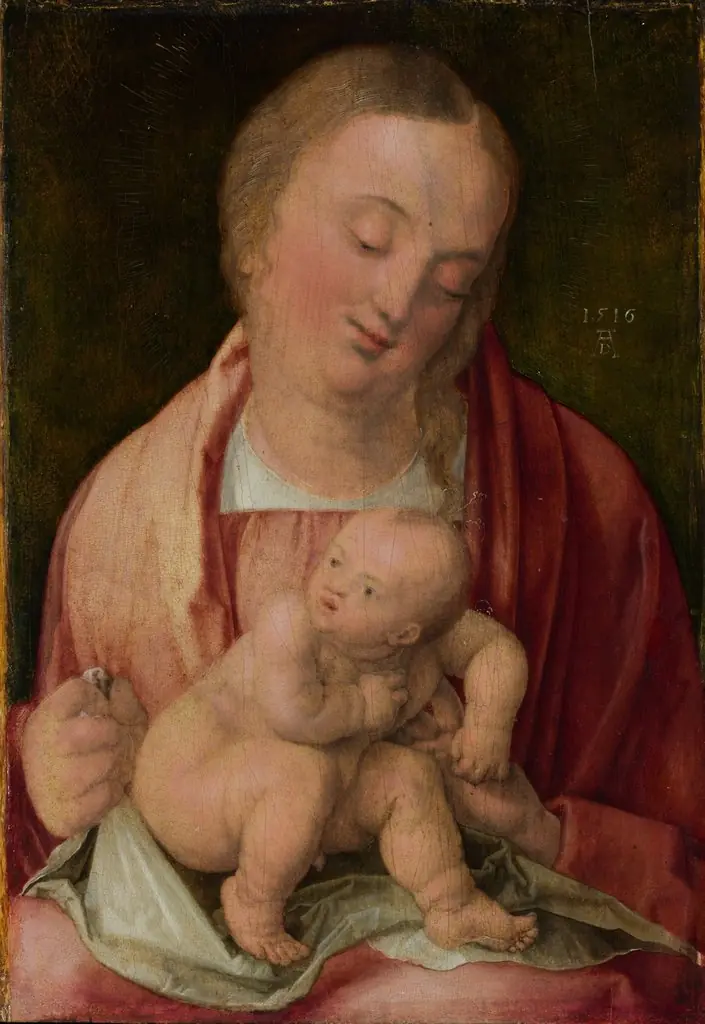
![Madonna and Child [obverse], by Albrecht Dürer](https://artifactworldgallery.com/img/albrecht-durer--madonna-and-child-obverse--d7b8ebf05d22ebe5-w320.webp)
![Lot and His Daughters [reverse], by Albrecht Dürer](https://artifactworldgallery.com/img/albrecht-durer--lot-and-his-daughters-reverse--b4ebf9b282faa17a-w320.webp)