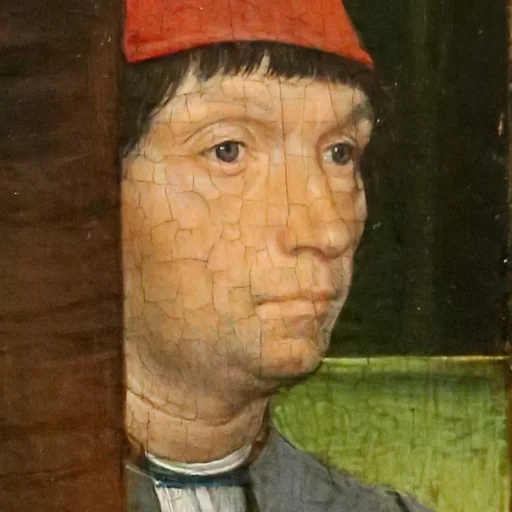
Subject
Trumpet
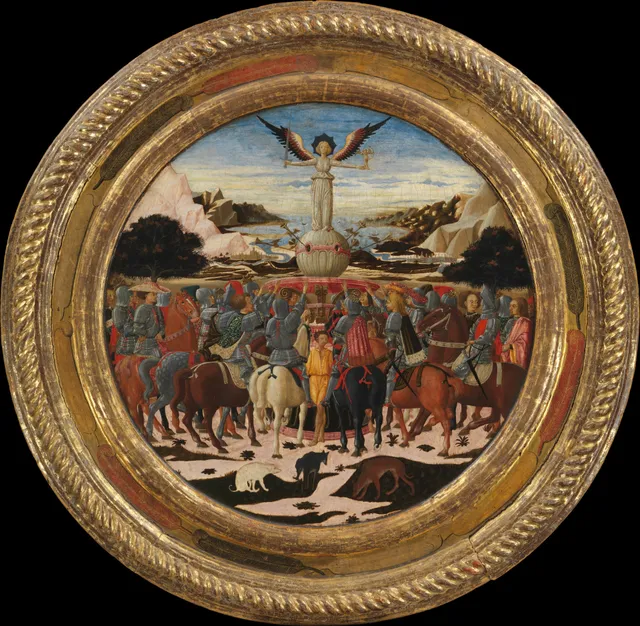
Trumpet is a subject in art. The gallery holds 35 works in this subject in art, including works by Hans Memling, Charles Le Brun and Peter Paul Rubens.
An organ stop can be one of three things:
the control on an organ console that selects a particular sound the row of organ pipes used to create a particular sound, more appropriately known as a rank the sound itself Organ stops are sorted into four major types: principal, string, reed, and flute. This is a sortable list of names that may be found associated with electronic and pipe organ stops.
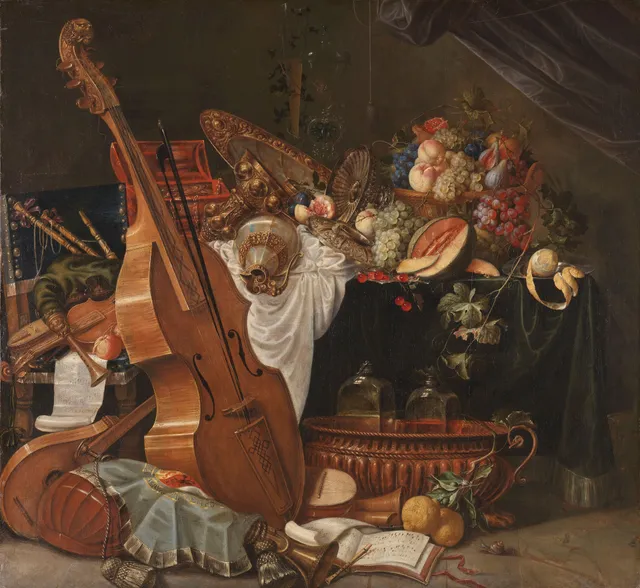
Key artists
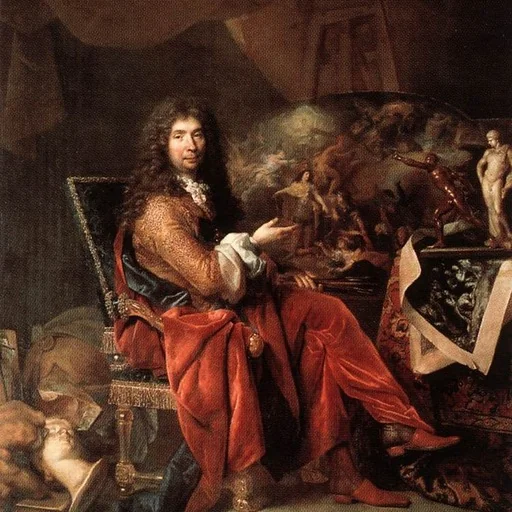
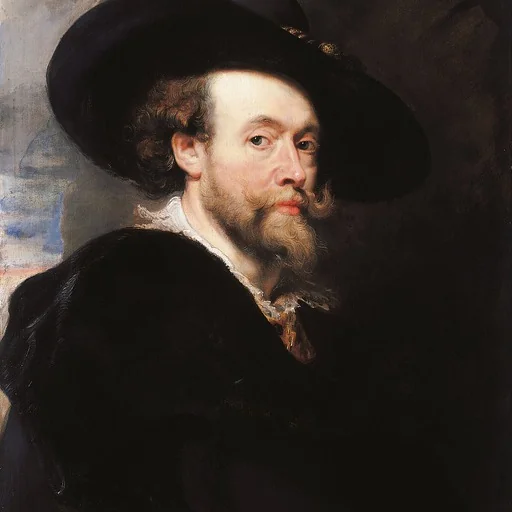

Overview
The trumpet is a brass instrument with the highest register in its family, tracing its origins back to 1500 BC. Initially, early metal trumpets found in contexts such as the grave of King Tut were not used for music but for military signaling and religious ceremonies. In medieval times, trumpet players were heavily guarded in war because of their importance in relaying commands. Over centuries, the instrument evolved from a rudimentary signaling device into a versatile musical instrument, a transformation driven by physical developments, technical advances, and the players who expanded its repertoire and broke down barriers regarding its capabilities.
Across movements & periods
During the Baroque period, the natural trumpet, which lacked valves or keys, dominated. Players produced melodies by playing in the high clarino register, a demanding technique requiring great skill. The Classical period saw the instrument relegated to supporting orchestral roles due to its limited note choices in the lower register. This changed when Anton Weidinger developed a seven-keyed trumpet in the late 18th century, the first capable of playing a full chromatic scale. The invention of piston valves in the mid-19th century fully revolutionized the instrument, making it completely chromatic and as flexible as any other. In the 20th century, the trumpet became a defining voice of jazz, with players utilizing mutes, extended techniques, and improvisational vocabulary, while contemporary composers continue to explore its atmospheric and lyrical potential.
Notable depictions
One of the earliest named trumpet players depicted in visual art is John Blanke, a Tudor trumpeter shown twice in the 1511 Westminster Tournament Roll, a 60-foot illuminated manuscript portraying a royal procession with Blanke holding a long, valveless trumpet on horseback. Blanke is the first known Black person in Britain whose name and image survive together. In the realm of music, the trumpet's capabilities were famously showcased in Joseph Haydn's Trumpet Concerto in E-flat Major, composed in 1796 for Weidinger's keyed trumpet, and Johann Nepomuk Hummel's Trumpet Concerto in E Major, composed in 1803. Earlier Baroque masterpieces include Georg Philipp Telemann's Trumpet Concerto in D Major from the 1710s and Antonio Vivaldi's Concerto for Two Trumpets from the 1720s.
Legacy
The trumpet's legacy extends from its foundational role in classical repertoire to its transformative impact on global music. Jean-Baptiste Arban's 1864 method book codified valved technique and remains the standard pedagogical text. In the 20th century, Louis Armstrong revolutionized jazz by shifting the focus from group improvisation to solo performance, while Miles Davis redefined the instrument's expressive possibilities through restraint and the use of space, profoundly influencing the development of cool jazz and jazz fusion. The Louis Armstrong House Museum preserves this heritage, holding artifacts such as a 1934 Selmer trumpet given to Armstrong by King George V. Contemporary trumpeters like Wynton Marsalis and Alison Balsom continue to expand the instrument's horizons, performing new concertos that bridge classical traditions with jazz and world music, ensuring the trumpet's enduring relevance.
Works
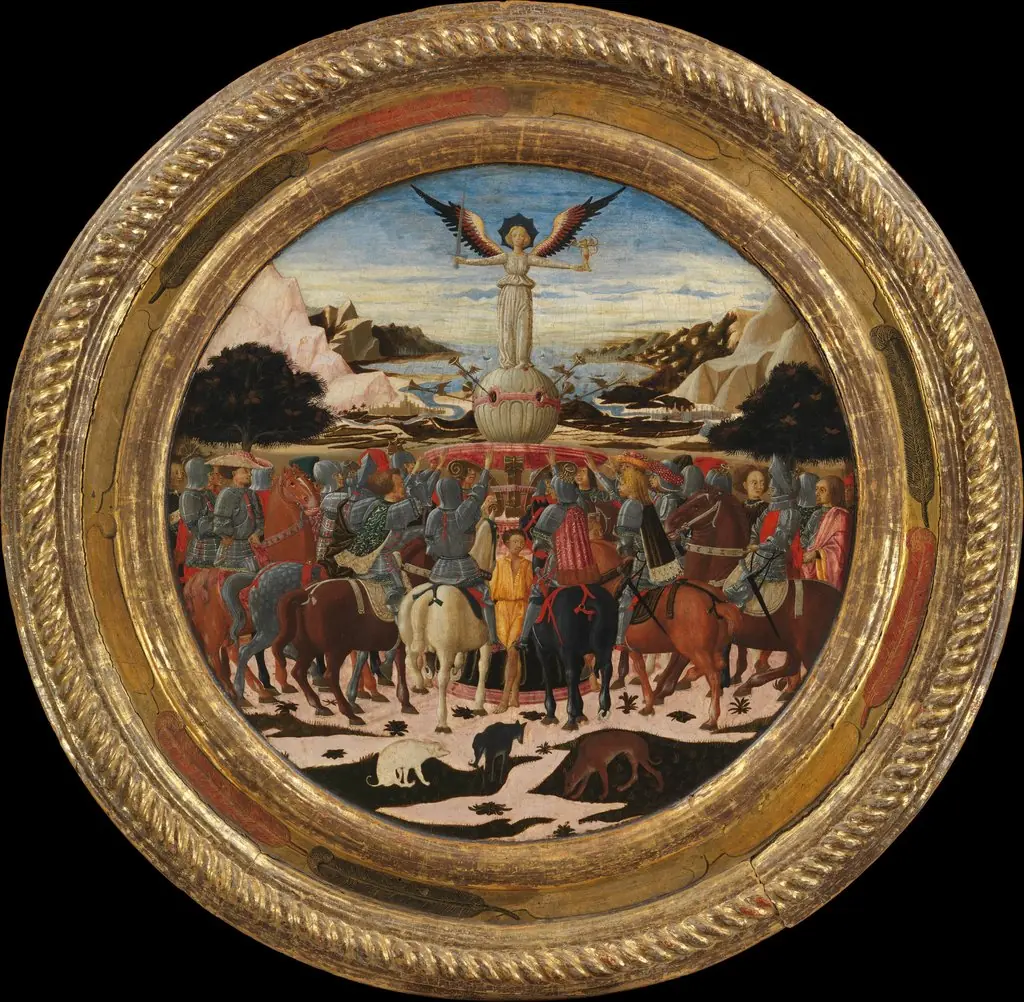 The Triumph of Fame
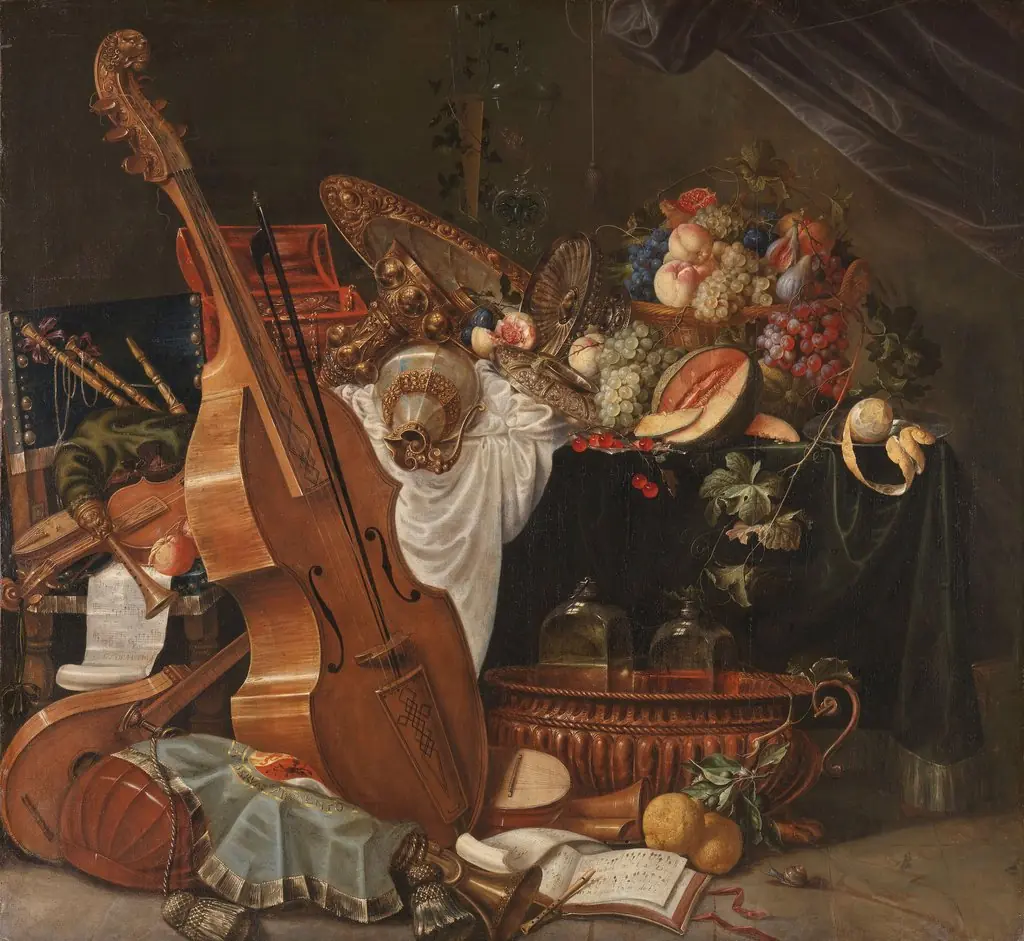 Still life
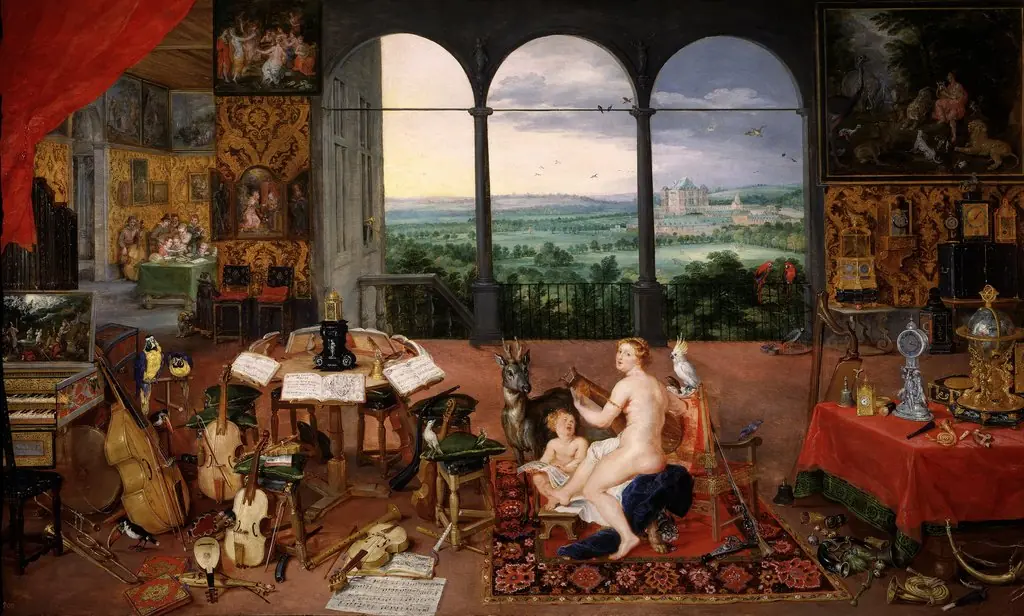 Hearing
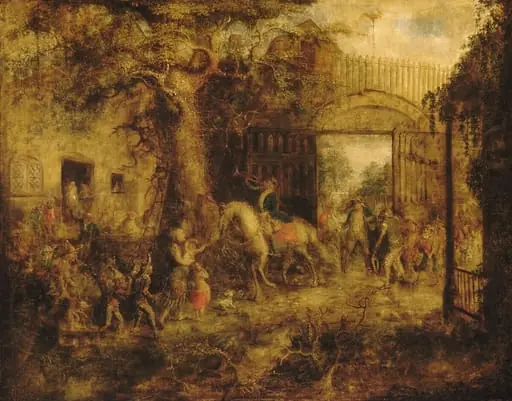 The Vigilant Stuyvesant's Wall Street Gate
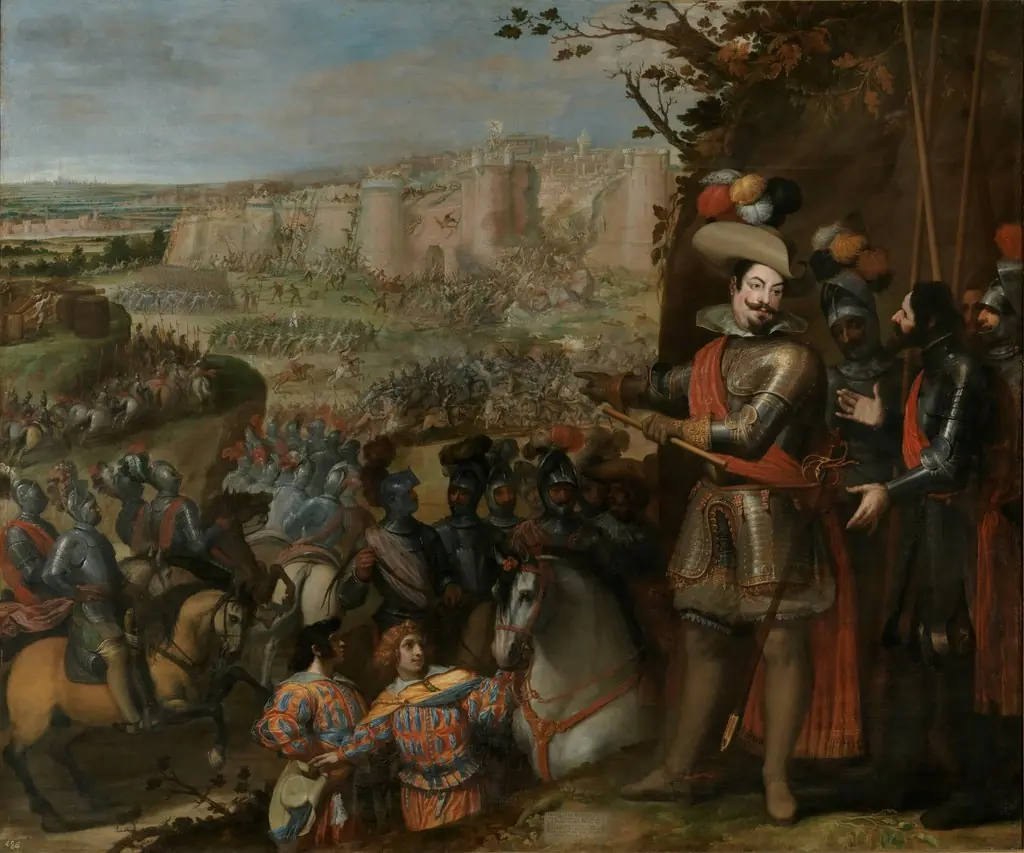 The Storming of Rheinfelden
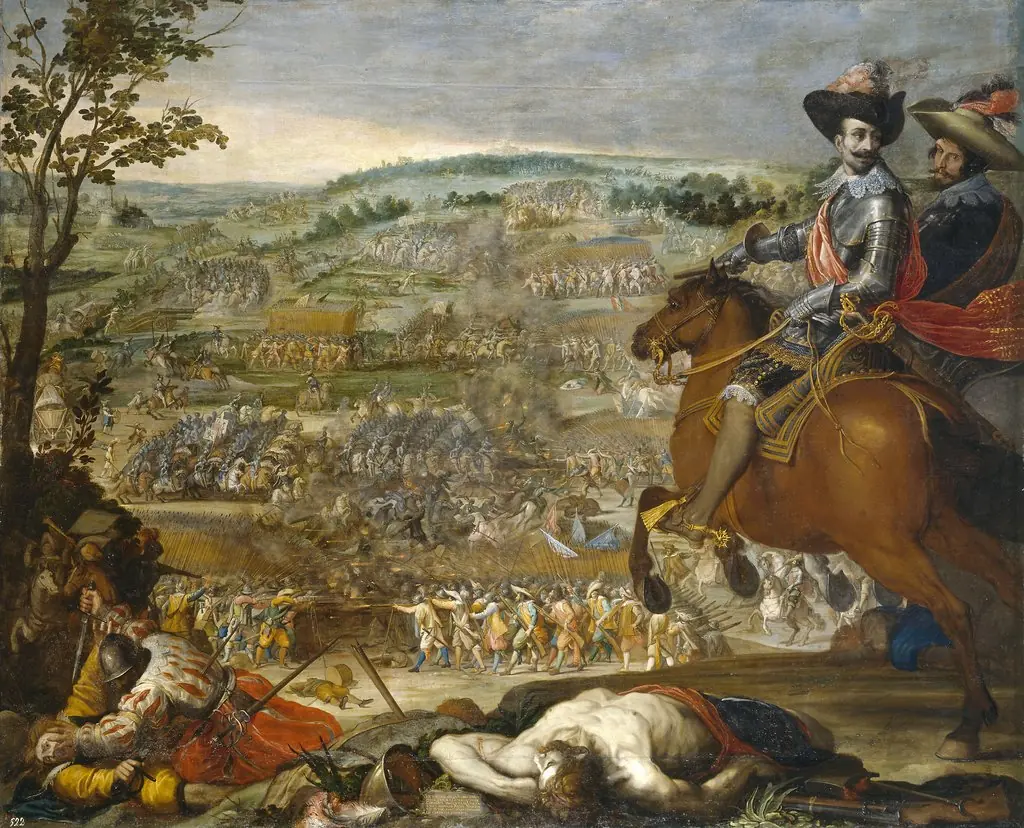 The Victory of Fleurus
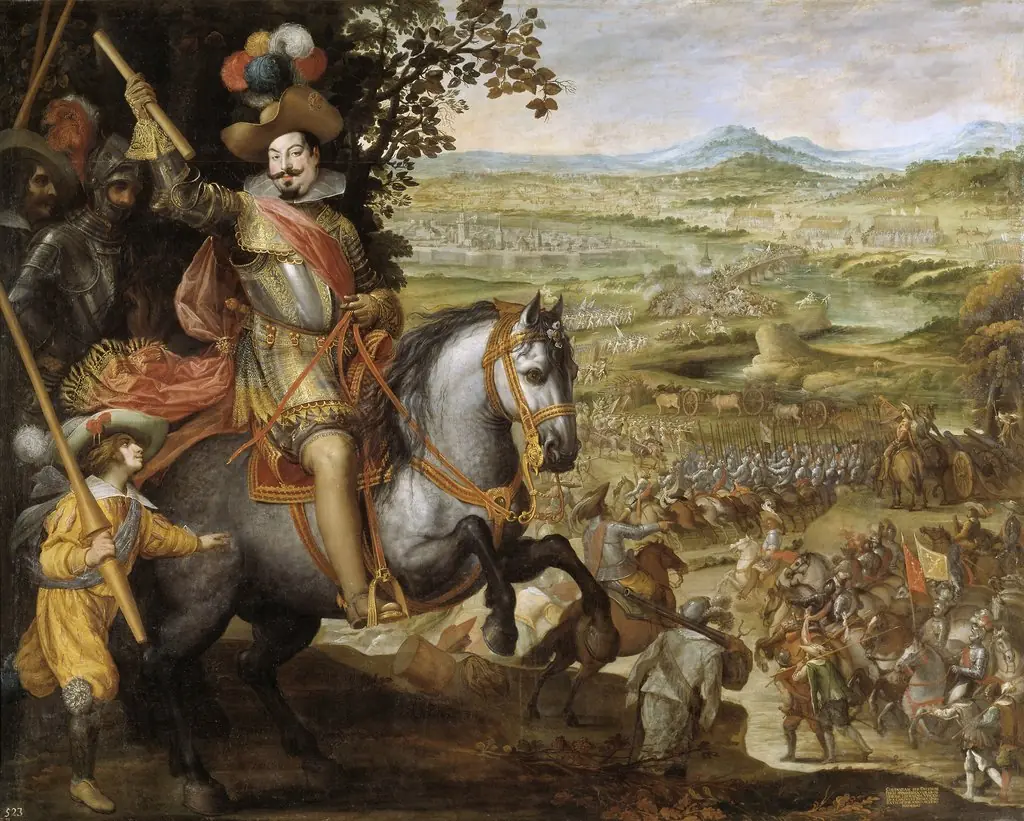 The Relief of Constance
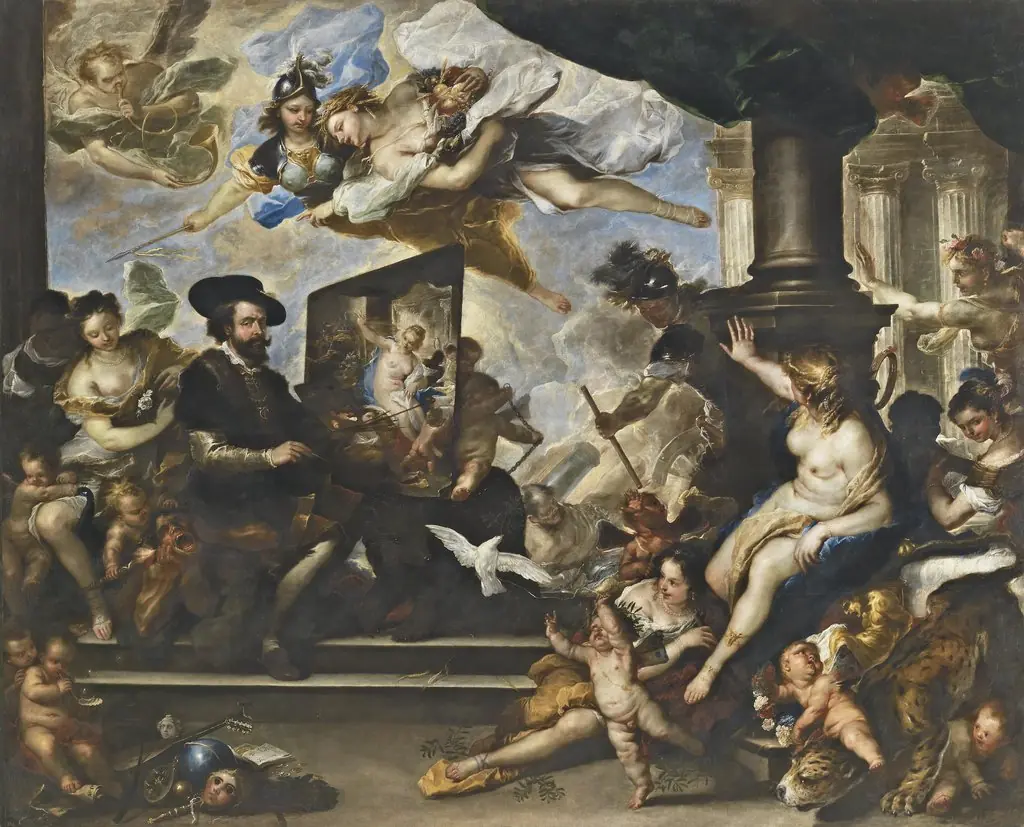 Rubens painting ‘The Allegory of Peace’
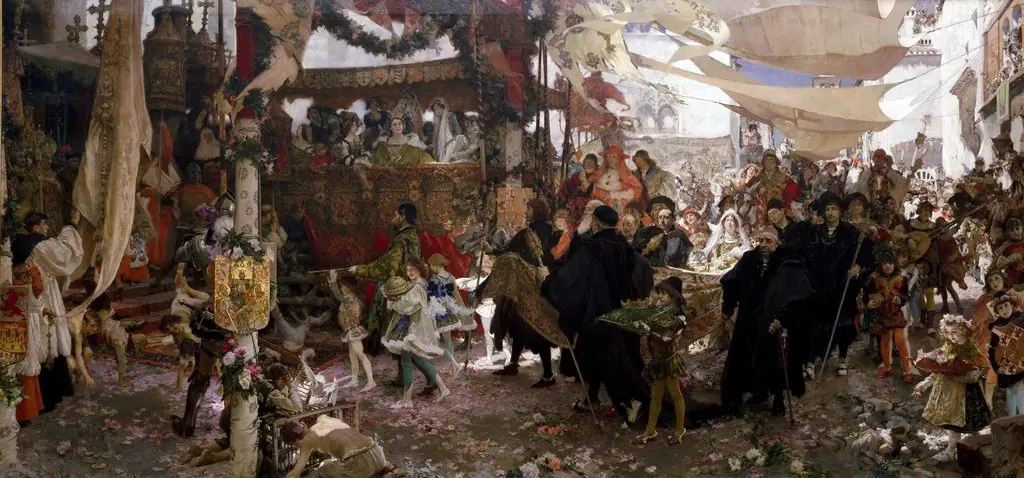 The Baptismal procession of Prince Juan, son of the Catholic Kings, through the streets of Seville
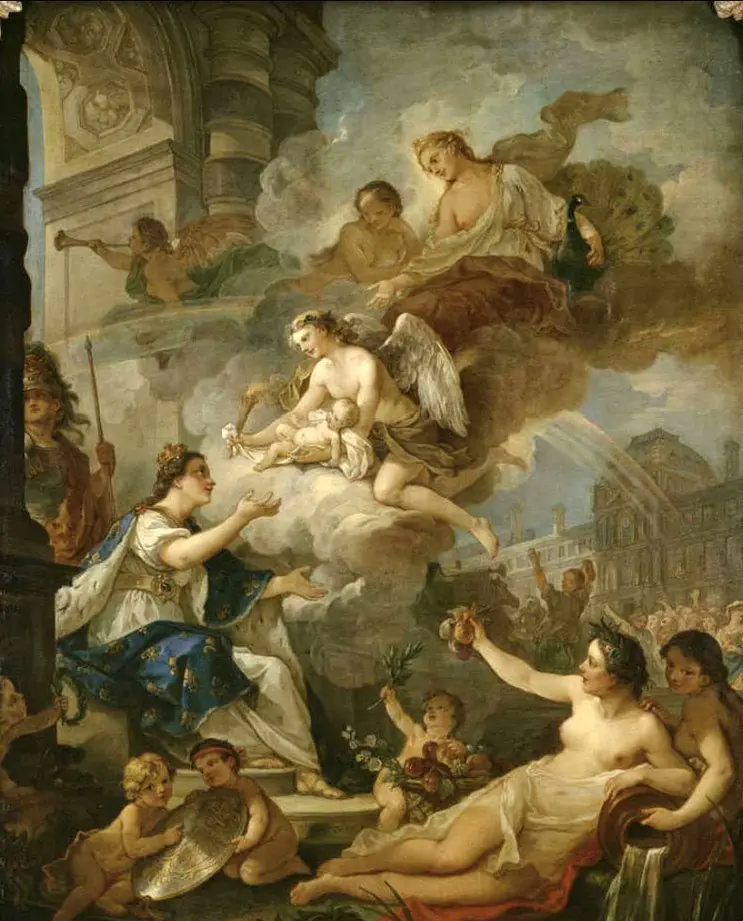 Allegory of the Birth of Marie-Zéphyrine of France, daughter of Louis of France
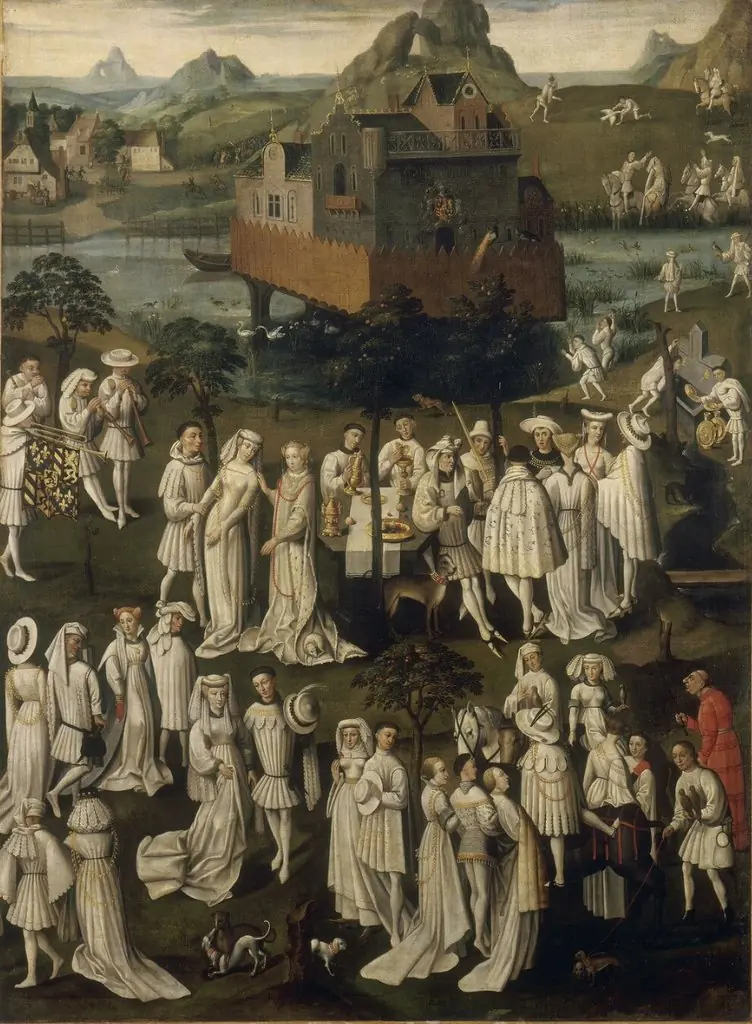 Garden of love at the court of Philippe the Good, Duke of Burgundy
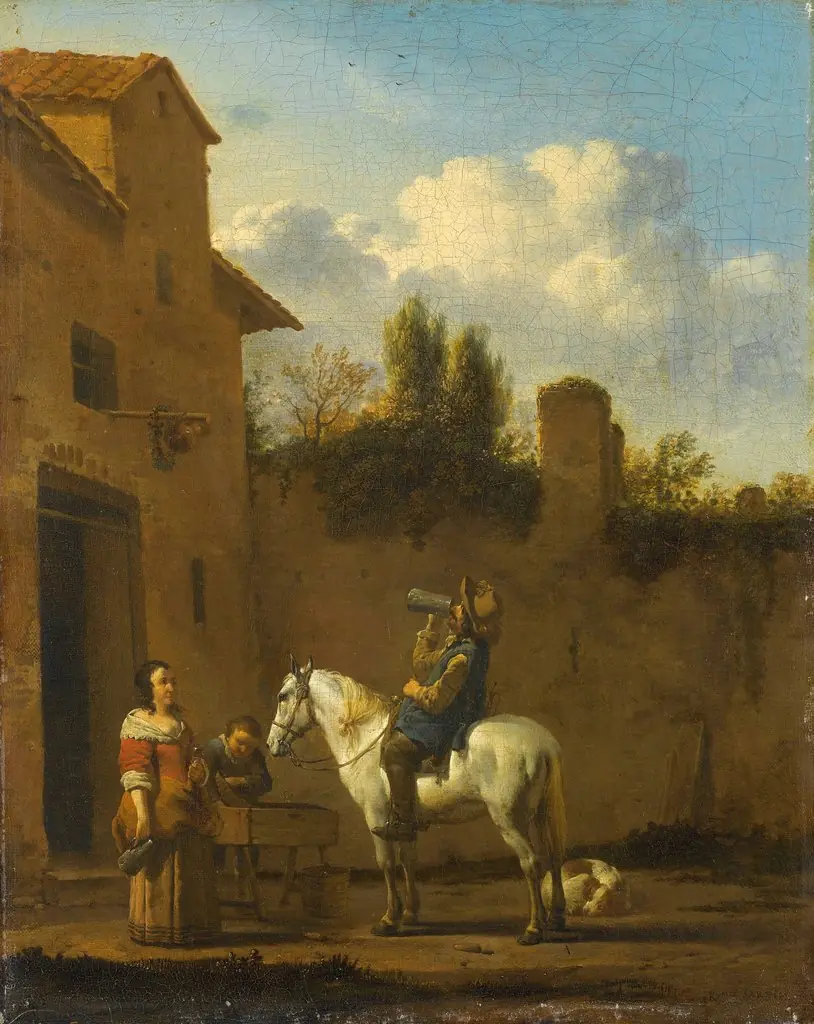 Mounted trumpeter taking a drink
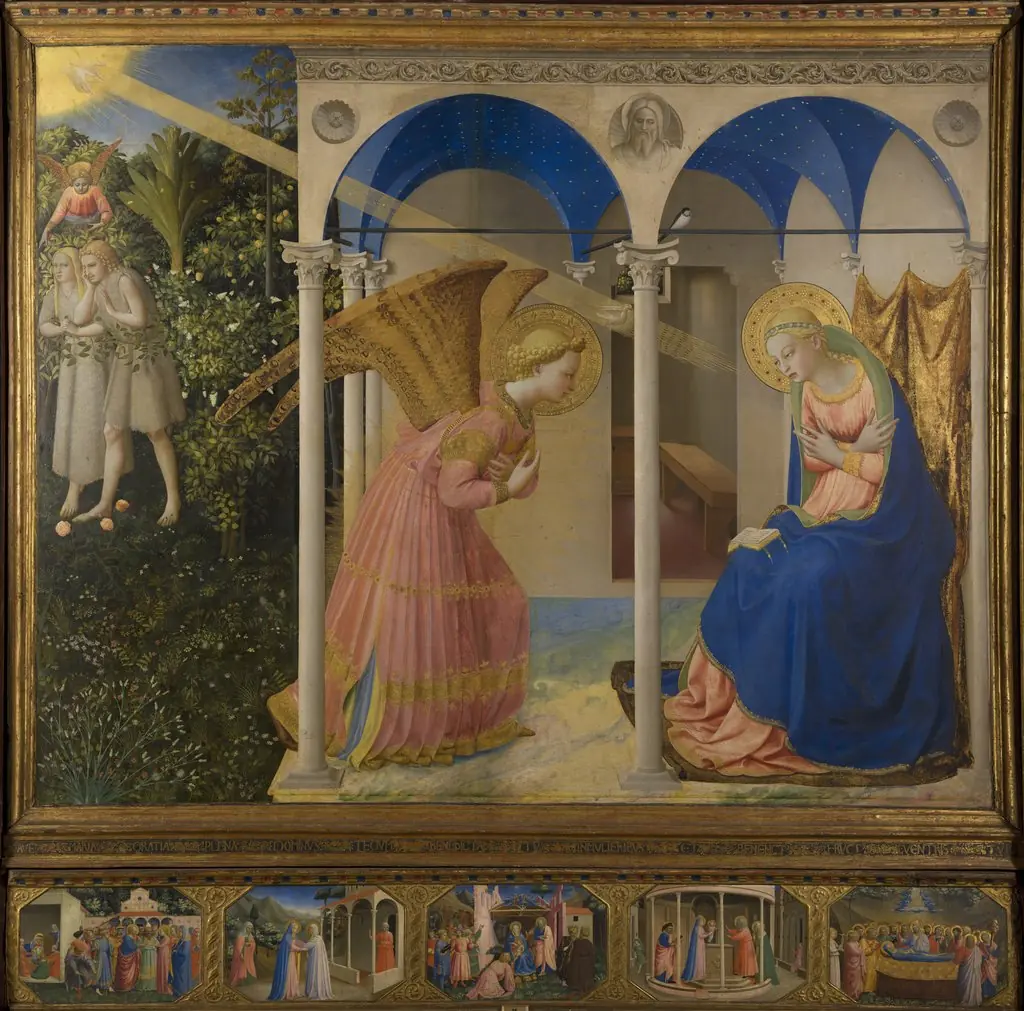 Annunciation
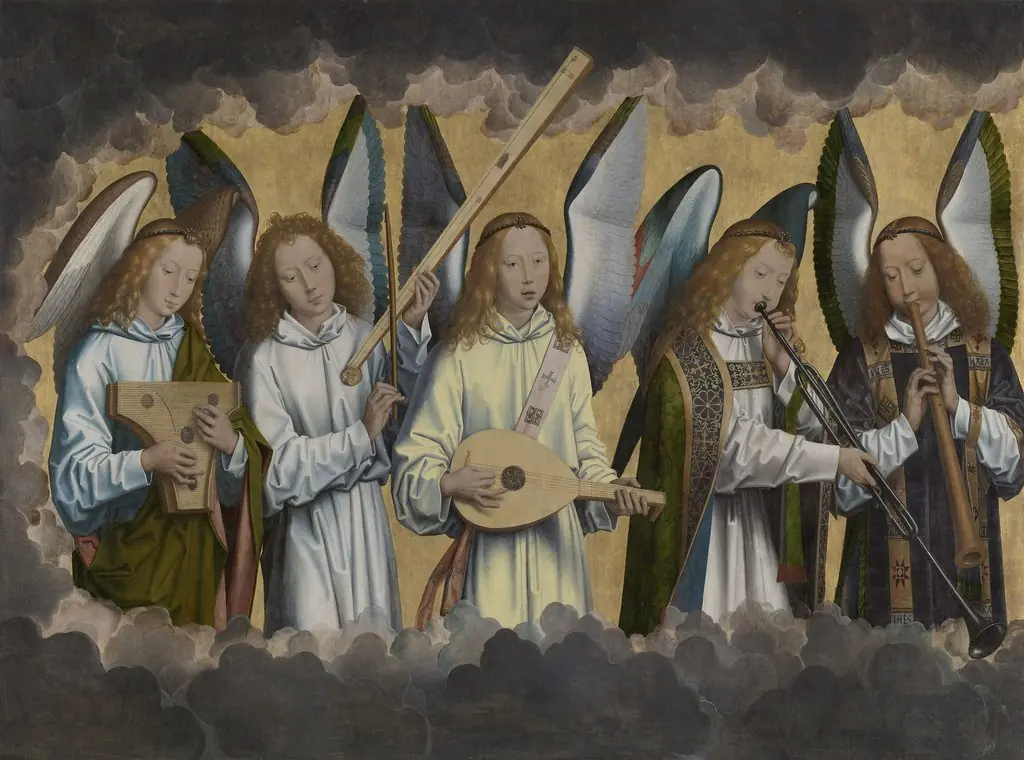 Music-making Angels
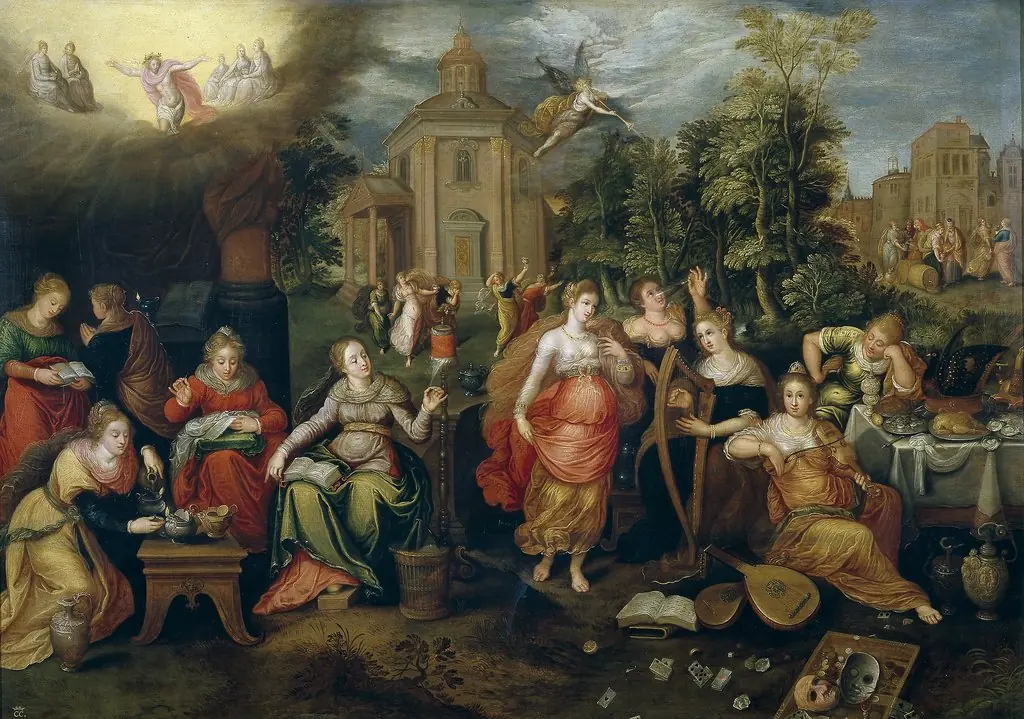 The foolish virgins and the wise virgins
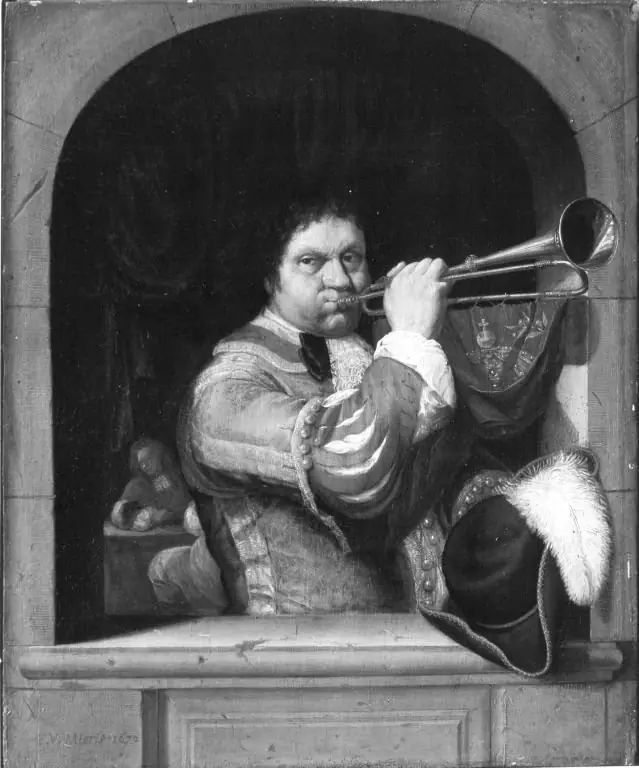 A Trumpeter
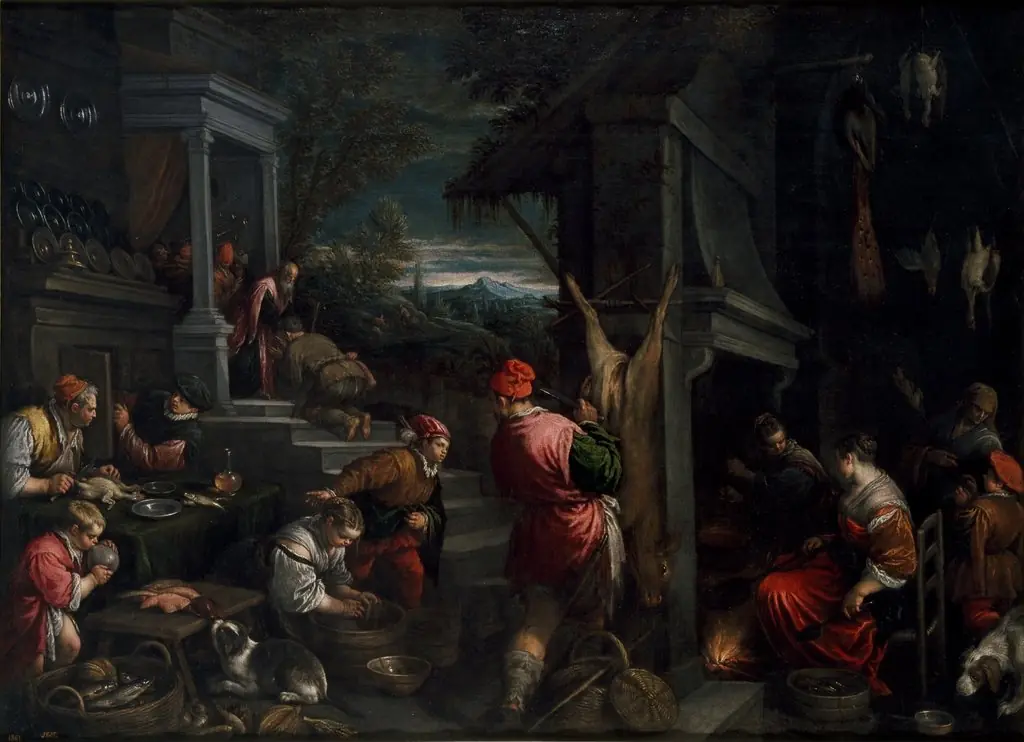 The Return of the Prodigal Son
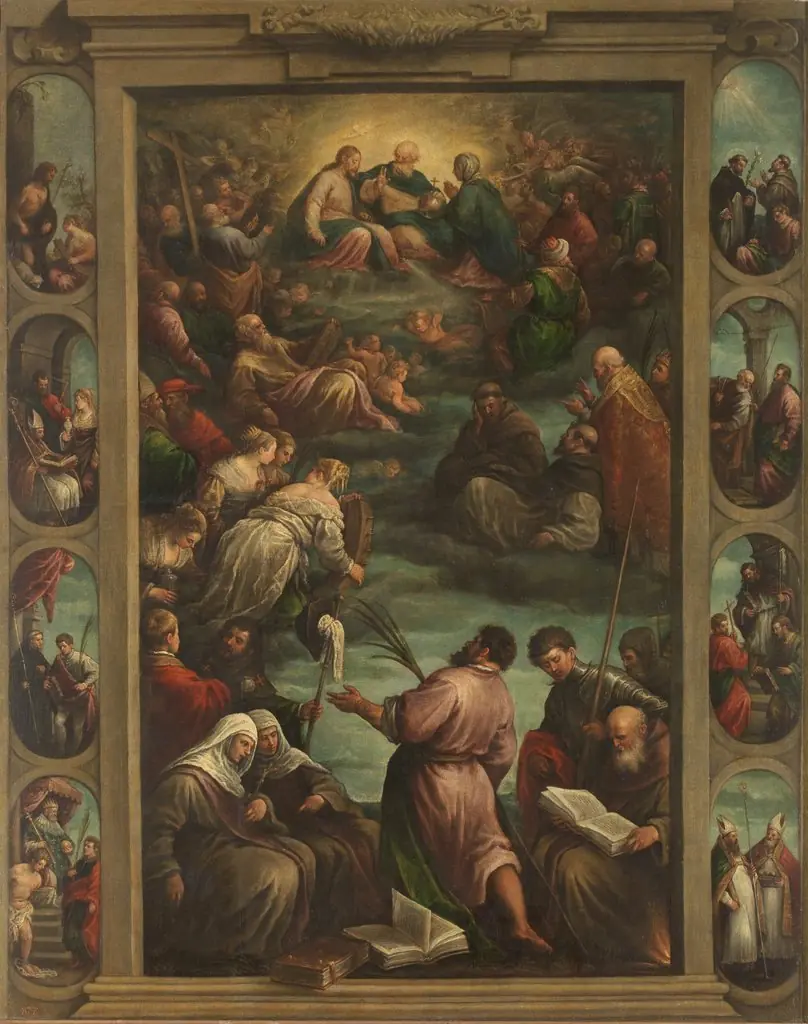 Virgin in Heaven
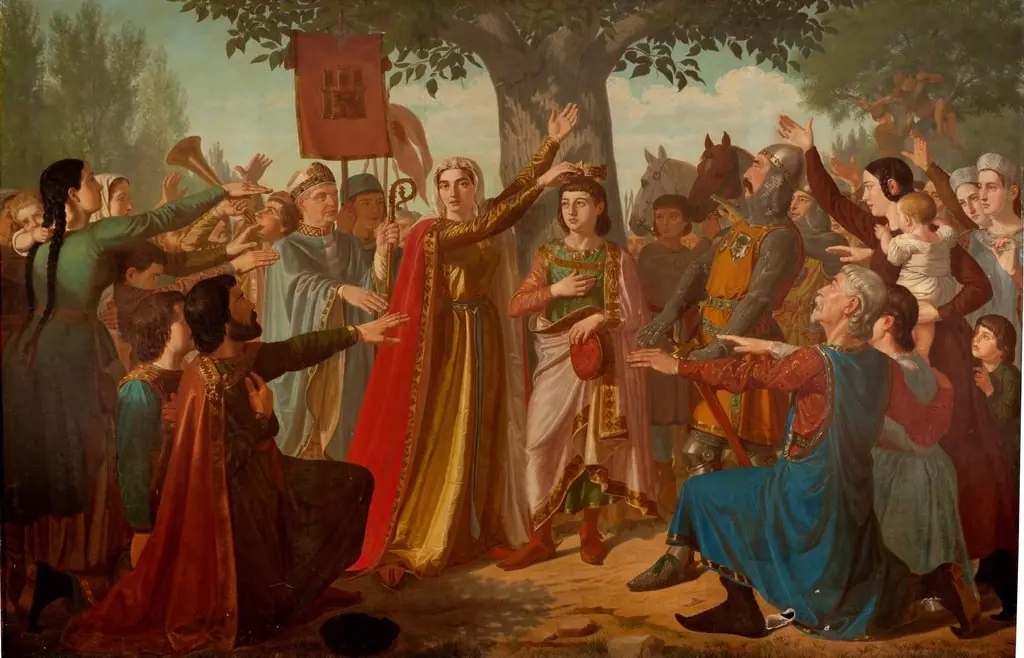 Doña Berenguela coronando a su hijo don Fernando
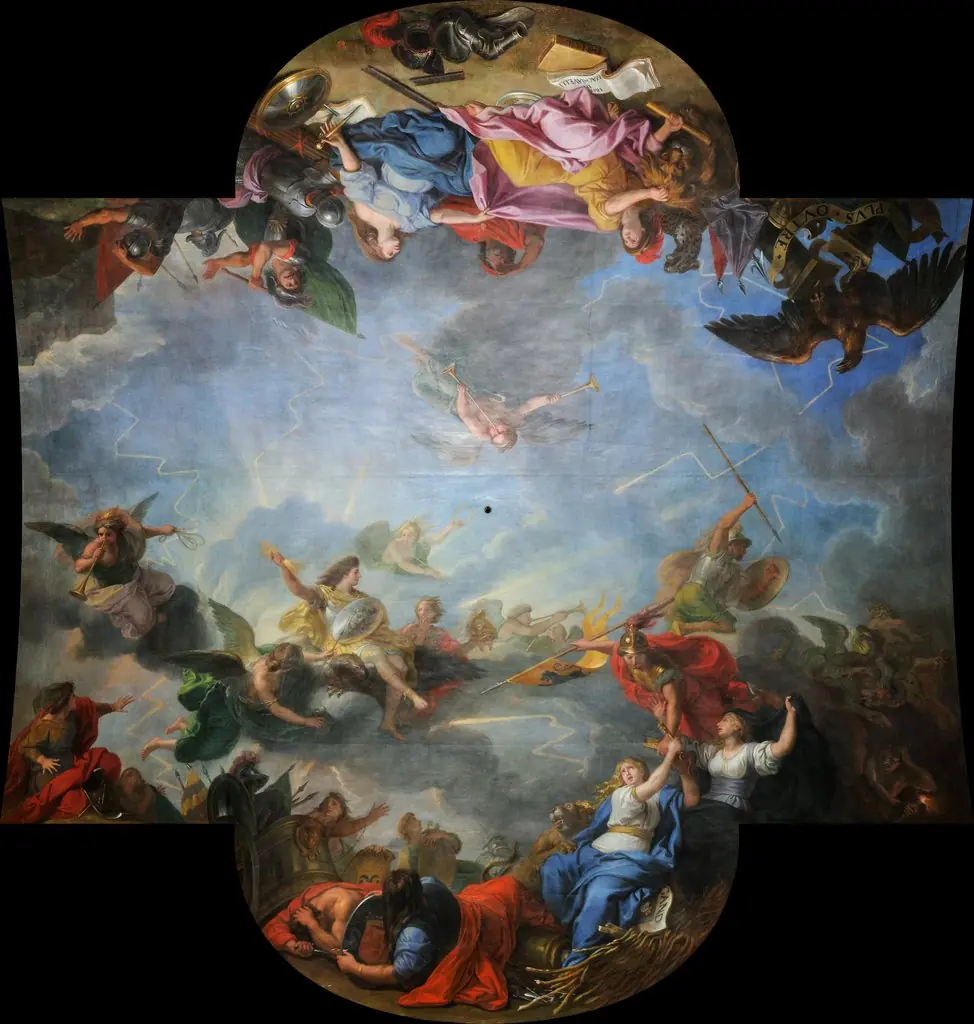 capture the citadel
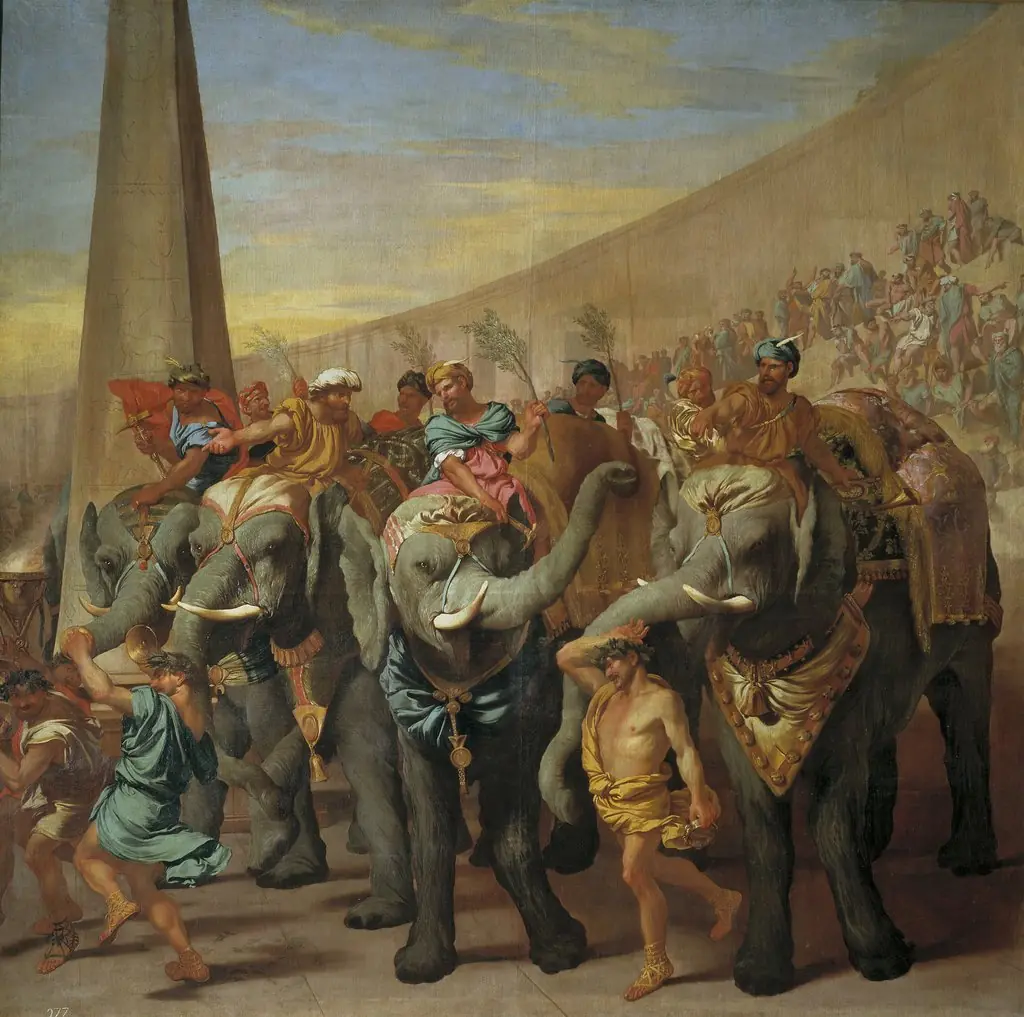 Elephants in a circus
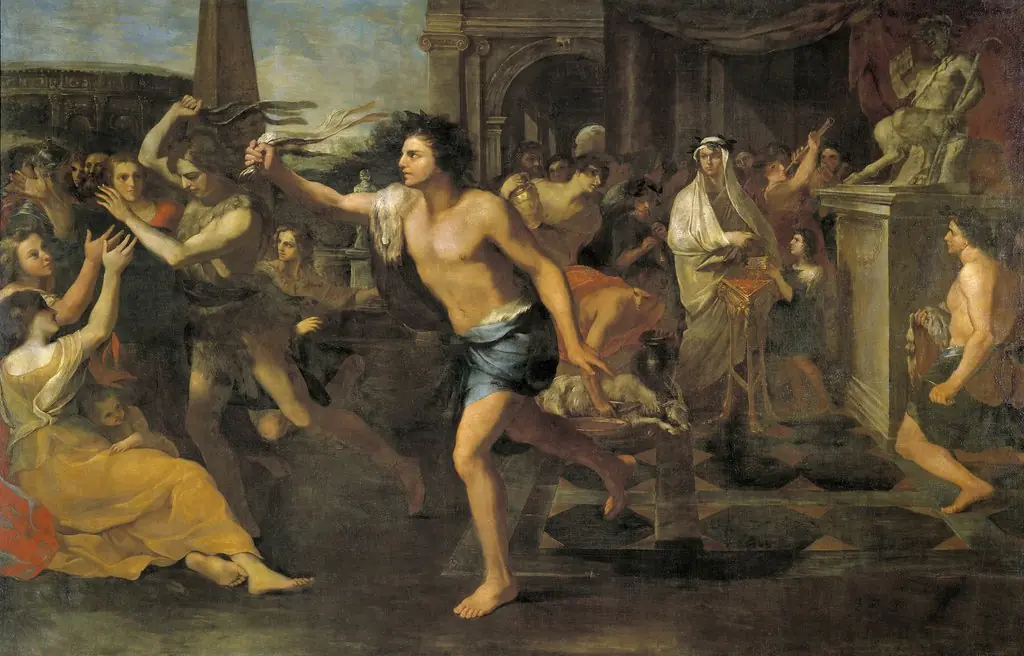 Fiestas Lupercales
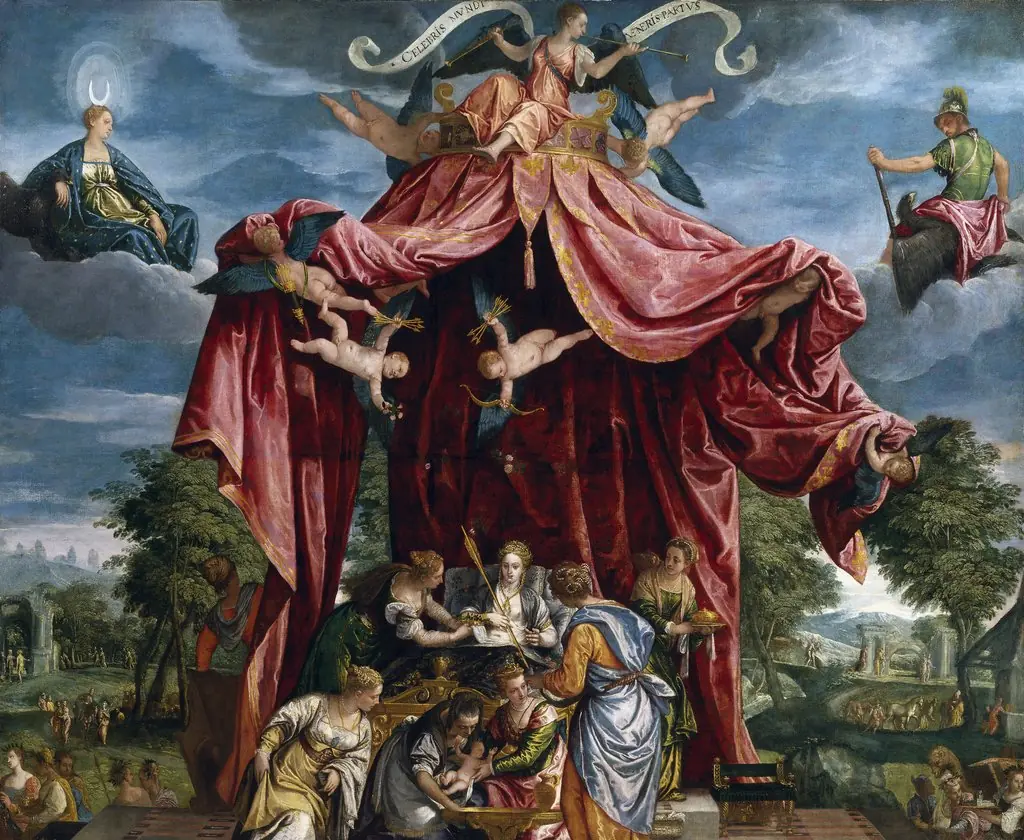 Allegory of the Birth of the Infante Don Fernando
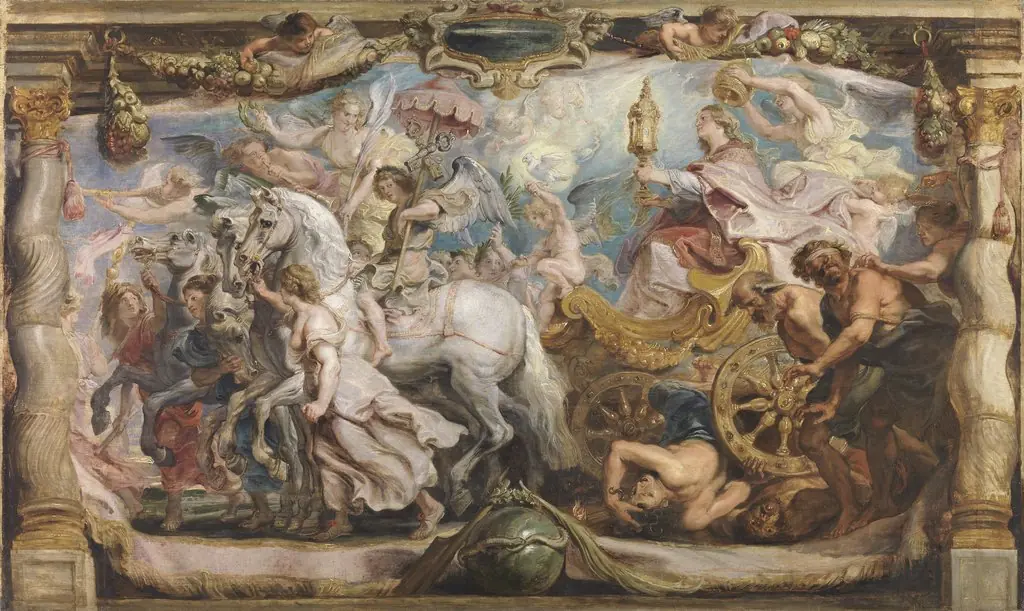 The Triumph of the Church
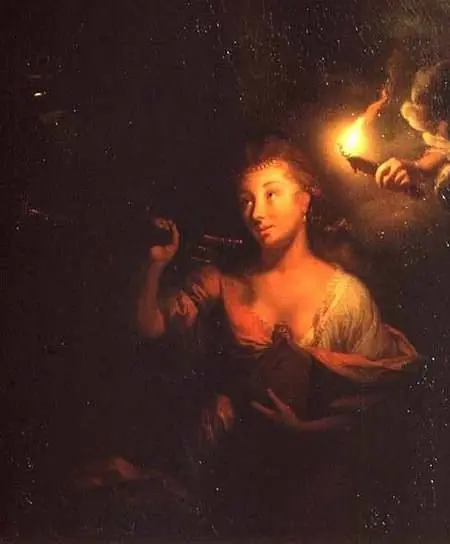 The Muse Clio
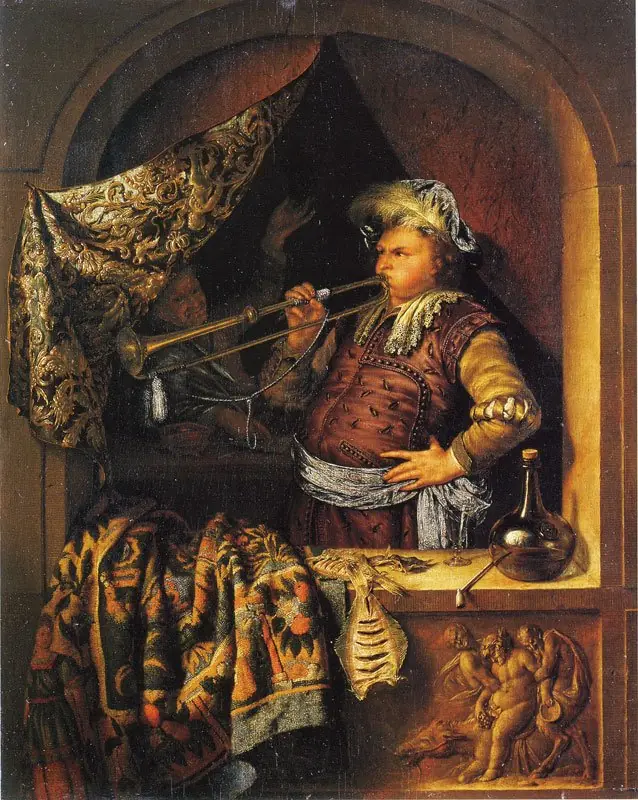 The Trumpetter
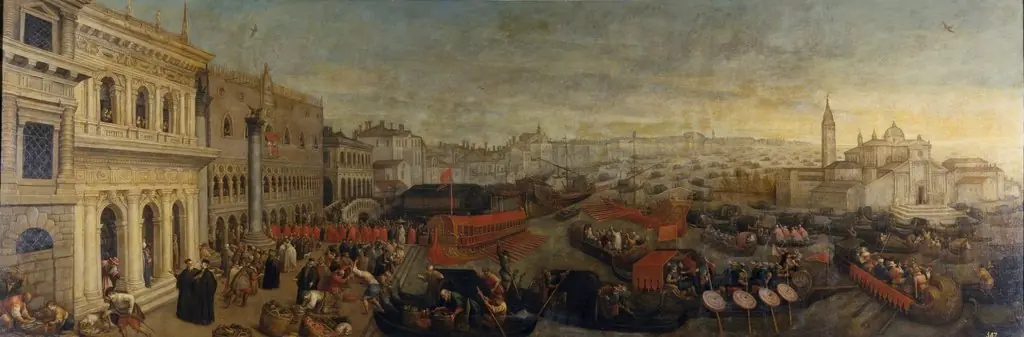 Embarkation of the Doge of Venice
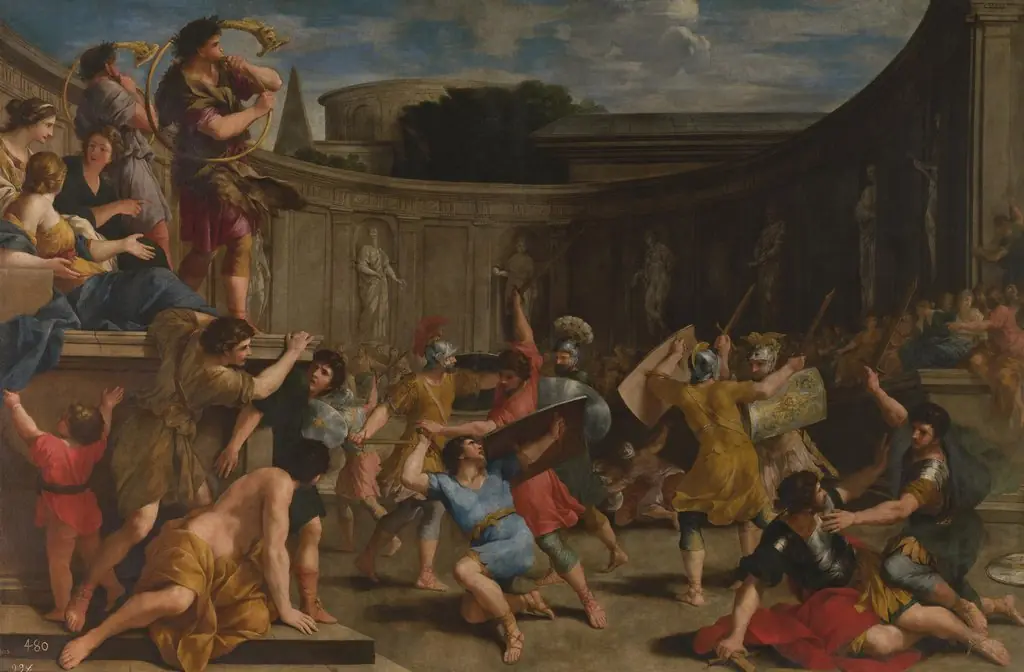 Roman Gladiators with Wooden Swords
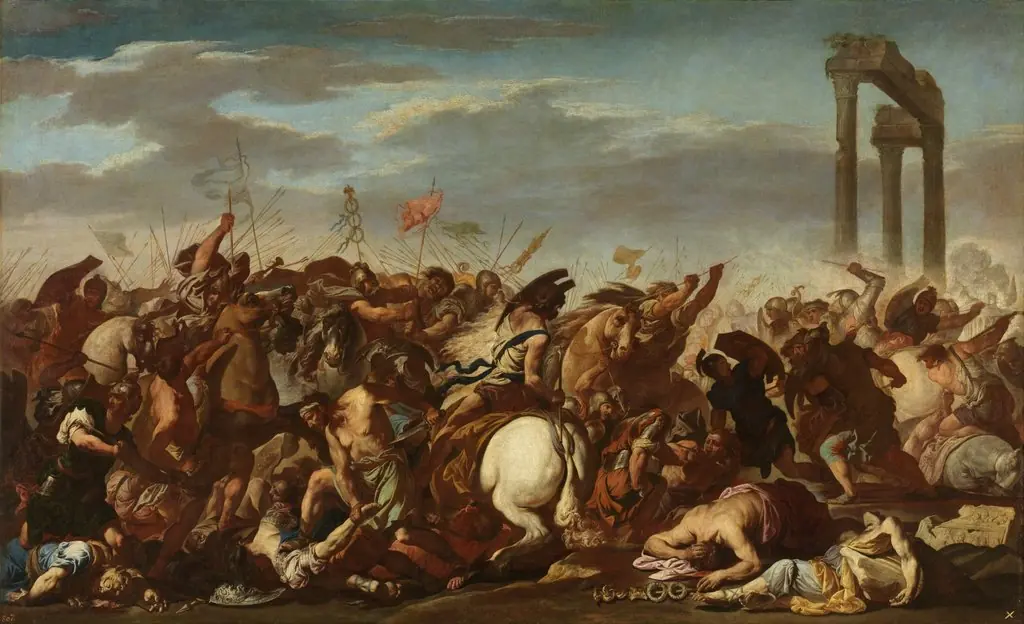 Batalla
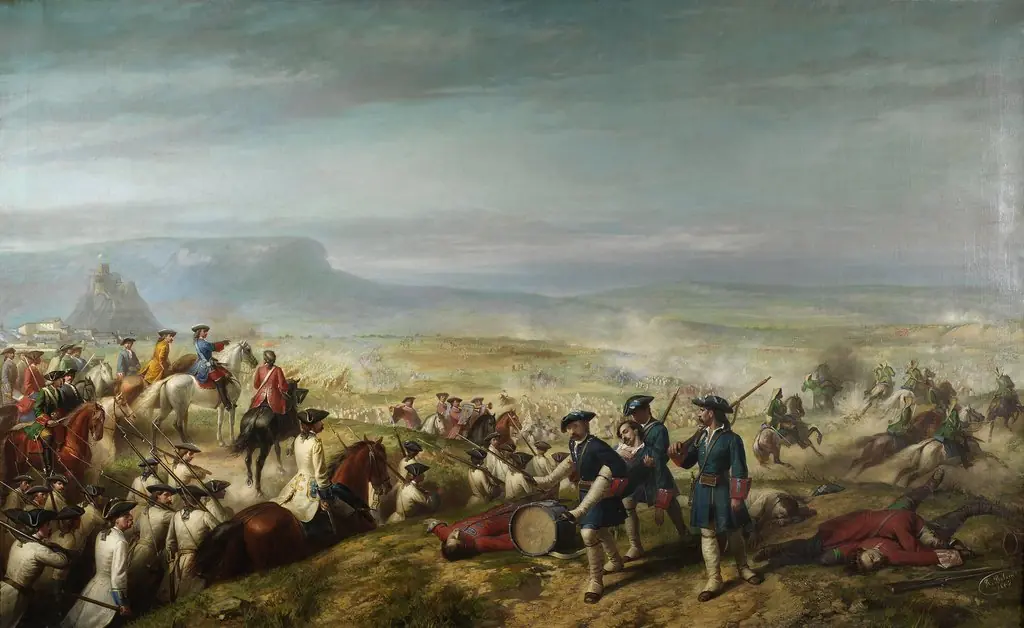 La Batalla de Almansa
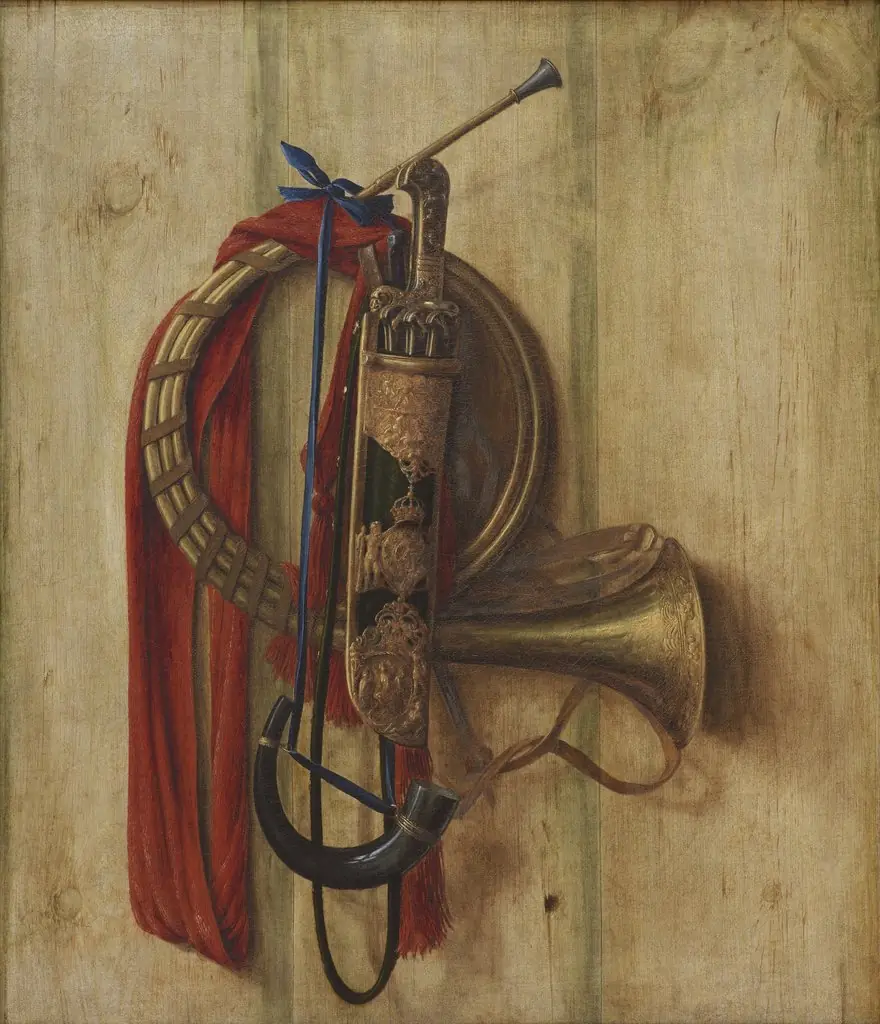 Trompe l'Oeil with Christian V's equipment for Riding to Hounds
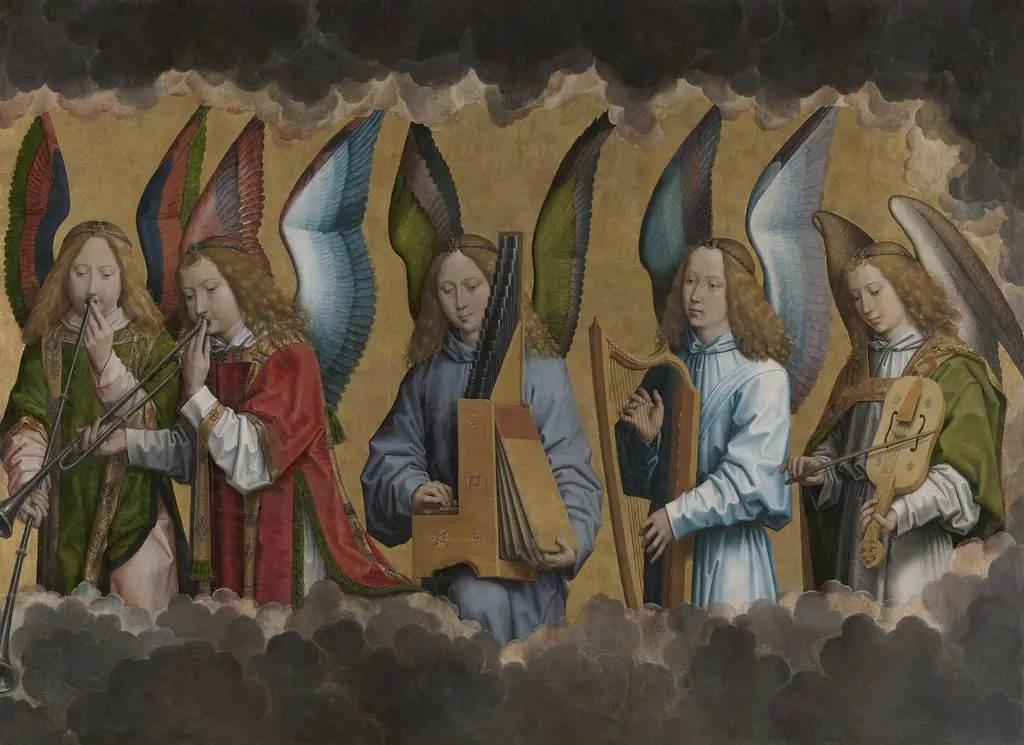 Music-making Angels
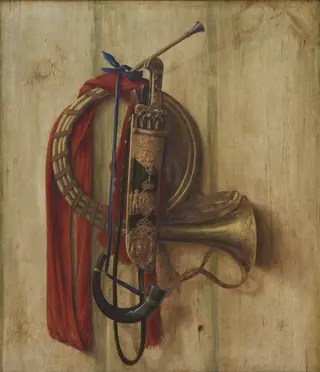 Trompe l'Oeil with Christian V's equipment for Riding to Hounds
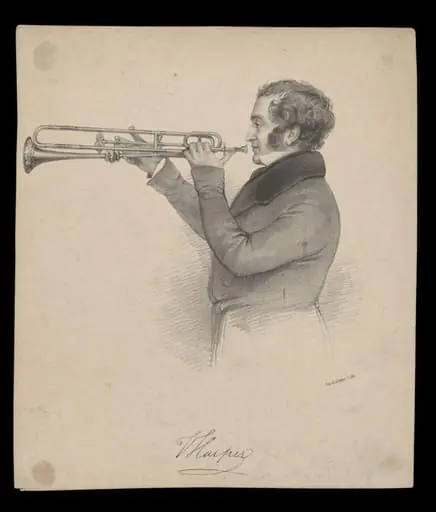 H Beard Print Collection
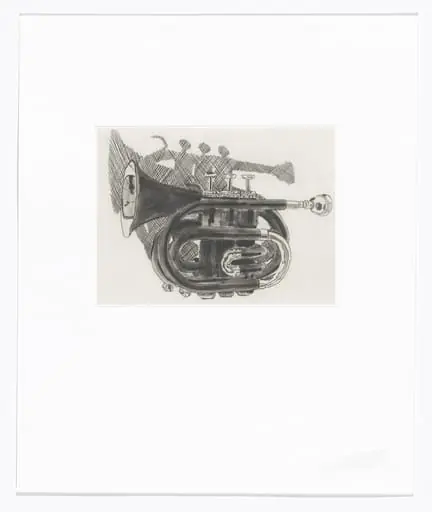 Untitled
Frequently asked questions
What is Trumpet?
Trumpet is a subject in art. An organ stop can be one of three things: the control on an organ console that selects a particular sound the row of organ pipes used to create a particular sound, more appropriately known as a rank the sound itself Organ stops are sorted into four major types: principal, strin…
How many Trumpet works does Artifact World Gallery have?
Artifact World Gallery holds 35 public-domain Trumpet works, all free to view and download.
Who are the key Trumpet artists?
Key Trumpet artists in the collection include Hans Memling, Charles Le Brun and Peter Paul Rubens.
Where can I see Trumpet works?
Trumpet works in the collection are held by Museo del Prado, Palace of Versailles and Statens Museum for Kunst.