Artwork
The Teacher, the Clergyman, and Providence
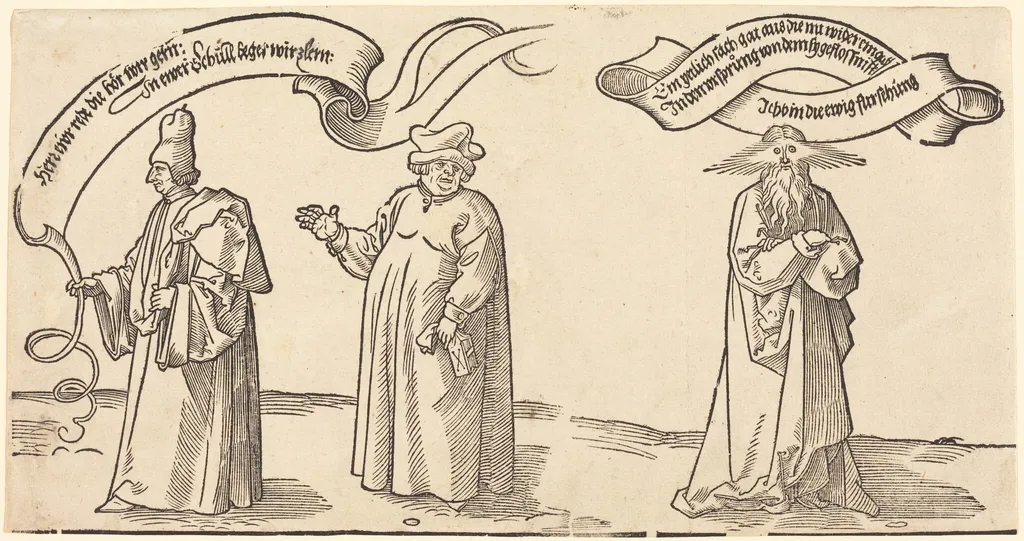
The Teacher, the Clergyman, and Providence is an ink print by the Northern Renaissance artist Albrecht Dürer. It dates from 1526 and is held in the collection of the National Gallery of Art.
About this work
Subject & Meaning
Created in 1526, Albrecht Dürer's woodcut The Teacher, the Clergyman, and Providence functions as an allegory within the German Renaissance tradition.
Created in 1526, Albrecht Dürer's woodcut The Teacher, the Clergyman, and Providence functions as an allegory within the German Renaissance tradition. The composition depicts three central figures: a school teacher, a pastor, and a personification of divine providence. These characters represent the essential pillars of spiritual and intellectual guidance, illustrating the interconnected roles of education and religious leadership under the watch of a higher power.
The work uses these specific archetypes to convey a moral message about societal order and the source of true wisdom.
Technique & Style
Created in 1526 by Albrecht Dürer, The Teacher, the Clergyman, and Providence is a woodcut print executed on paper. The work measures 13.9 cm in height and 26.2 cm in width, reflecting the standard dimensions for a sheet of this period. As an allegorical print, the medium relies on the precise incision of wood blocks to convey its narrative of divine providence, a pastor, and a school teacher.
The piece exemplifies the technical mastery characteristic of the German Renaissance, utilizing the stark contrasts and linear definition inherent to the woodcut process to articulate its complex symbolic content.
History & Provenance
The work titled The Teacher, the Clergyman, and Providence is a woodcut created by Albrecht Dürer in 1526 in Nuremberg. It depicts a school teacher, a pastor, and divine providence, reflecting themes of allegory within the German Renaissance movement. The print measures 13.9 cm in height and 26.2 cm in width and was made on paper.
It is part of the Rosenwald Collection in the Prints department of the National Gallery of Art in Washington, D.C., where it remains in the institution's collection.
The work is held in the collection of the National Gallery of Art in Washington, D.C., where it is part of the Prints department and specifically the Rosenwald Collection. It is also associated with the Kupferstich-Kabinett in Dresden. The print was created in Nuremberg in 1526.
It has been exhibited as part of the National Gallery of Art's holdings, with its accession linked to the Rosenwald Collection. The work is classified as an allegory from the German Renaissance movement.
Context
The Teacher, the Clergyman, and Providence is a 1526 woodcut allegory by Albrecht Dürer that embodies German Renaissance humanist themes through its symbolic representation of divine providence, a pastor, and a school teacher. The print is part of the National Gallery of Art's Rosenwald Collection and Dresden Kupferstich-Kabinett holdings, reflecting its significance within major institutional collections of German Renaissance prints.
Overview
Albrecht Dürer’s woodcut, titled The Teacher, the Clergyman, and Providence, dates from around 1526. Executed as an allegorical print, it brings together three figures, a schoolmaster, a pastor, and an embodiment of divine providence, within a compact composition that reflects the artist’s engagement with contemporary religious and social concerns.
Artist & collection
Artist
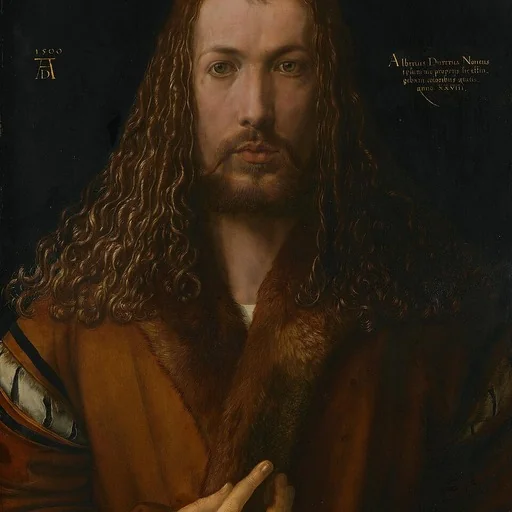
Albrecht Dürer spent his life in Nuremberg, a busy German city where artists traded prints like currency.

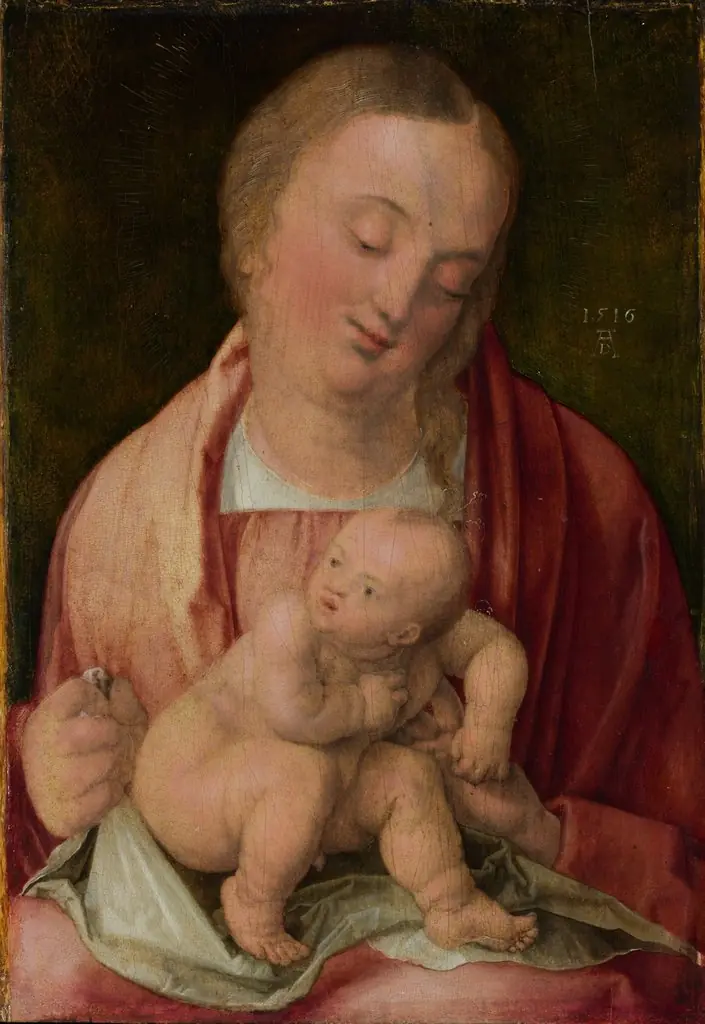
![Madonna and Child [obverse], by Albrecht Dürer](https://artifactworldgallery.com/img/albrecht-durer--madonna-and-child-obverse--d7b8ebf05d22ebe5-w320.webp)
![Lot and His Daughters [reverse], by Albrecht Dürer](https://artifactworldgallery.com/img/albrecht-durer--lot-and-his-daughters-reverse--b4ebf9b282faa17a-w320.webp)
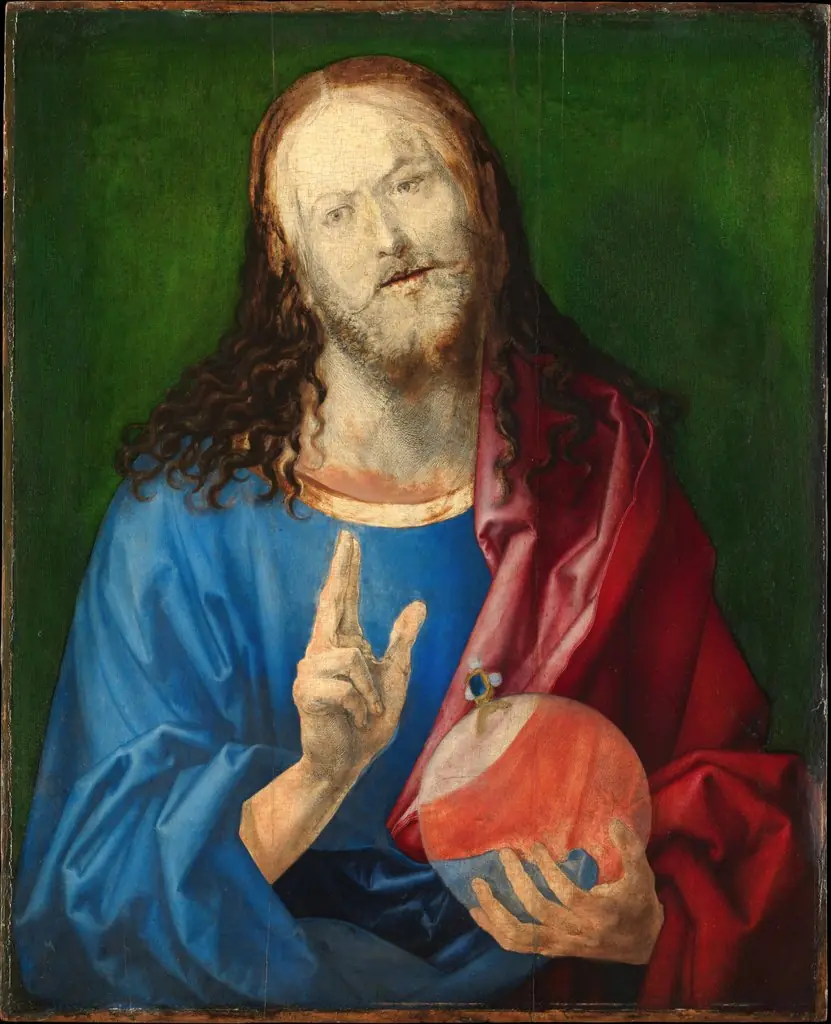
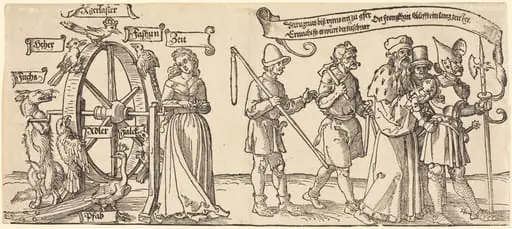
- Time and a Fox Turning the Wheel of Fortune with People of all Ranks to the Right
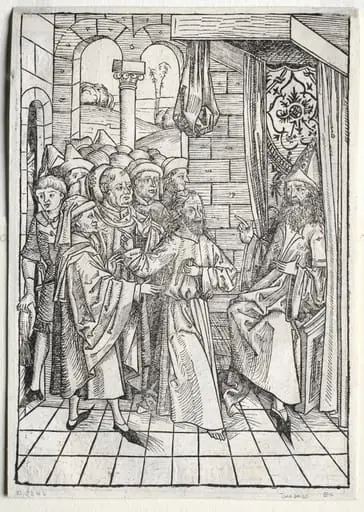 Der Schatzbehalter: Christ before Caiaphas (verso)
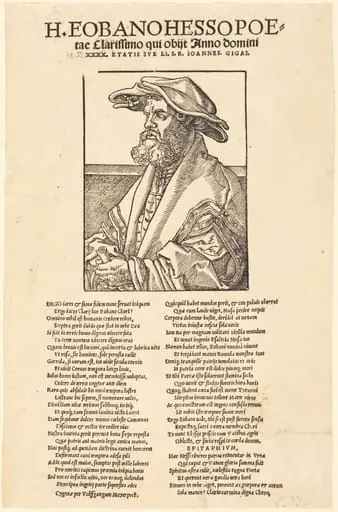 Eobanus Hess
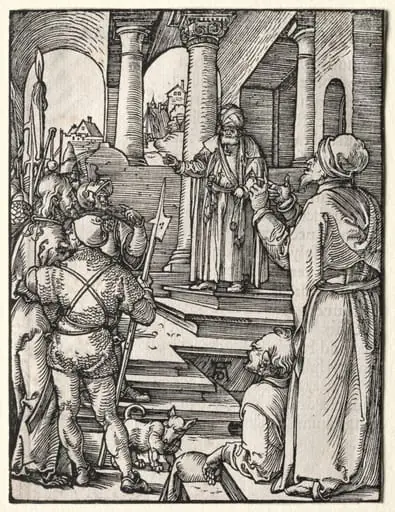 The Small Passion: Christ Before Pilate
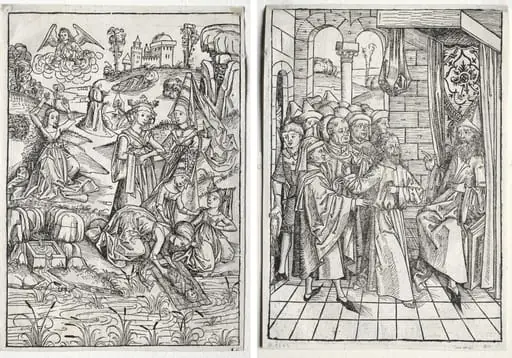 Der Schatzbehalter: Moses Found by Pharaoh's Daughter (recto); Der Schatzbehalter: Christ before Caiaphas (verso)
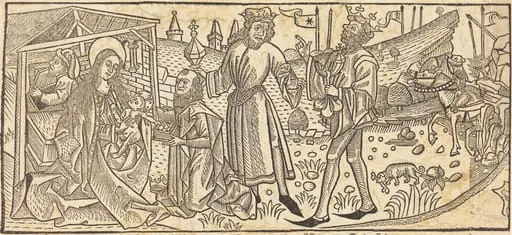 The Adoration of the Magi
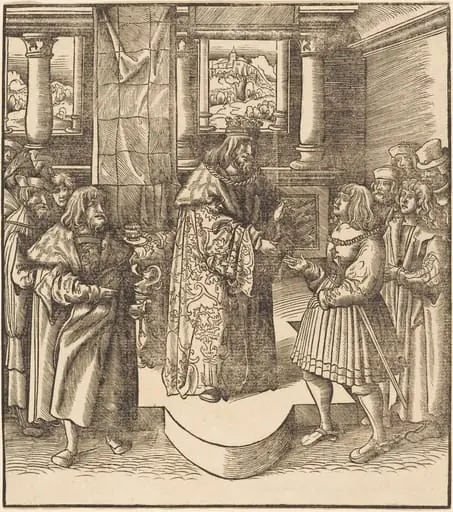 The Old White King Sending His Messengers to Portugal
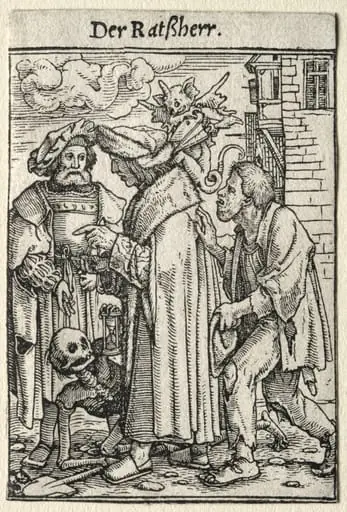 Dance of Death: The Councillor
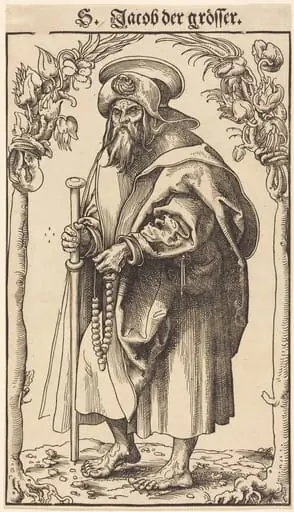 Saint James the Greater
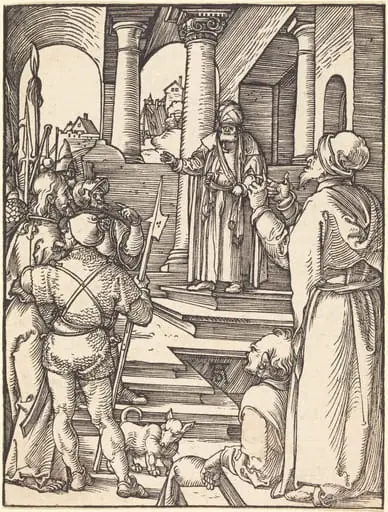 Christ before Pilate
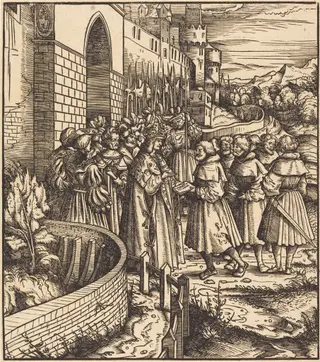 The Swiss Embassy against the Blue King
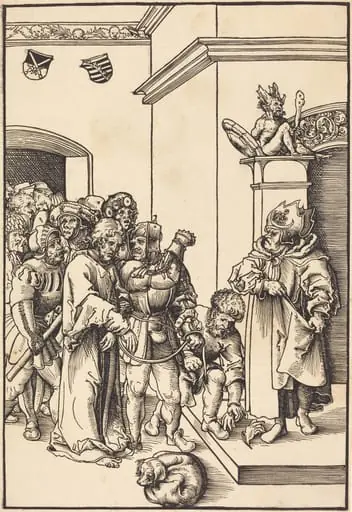 Christ before Annas