Artwork
Willibald Pirckheimer
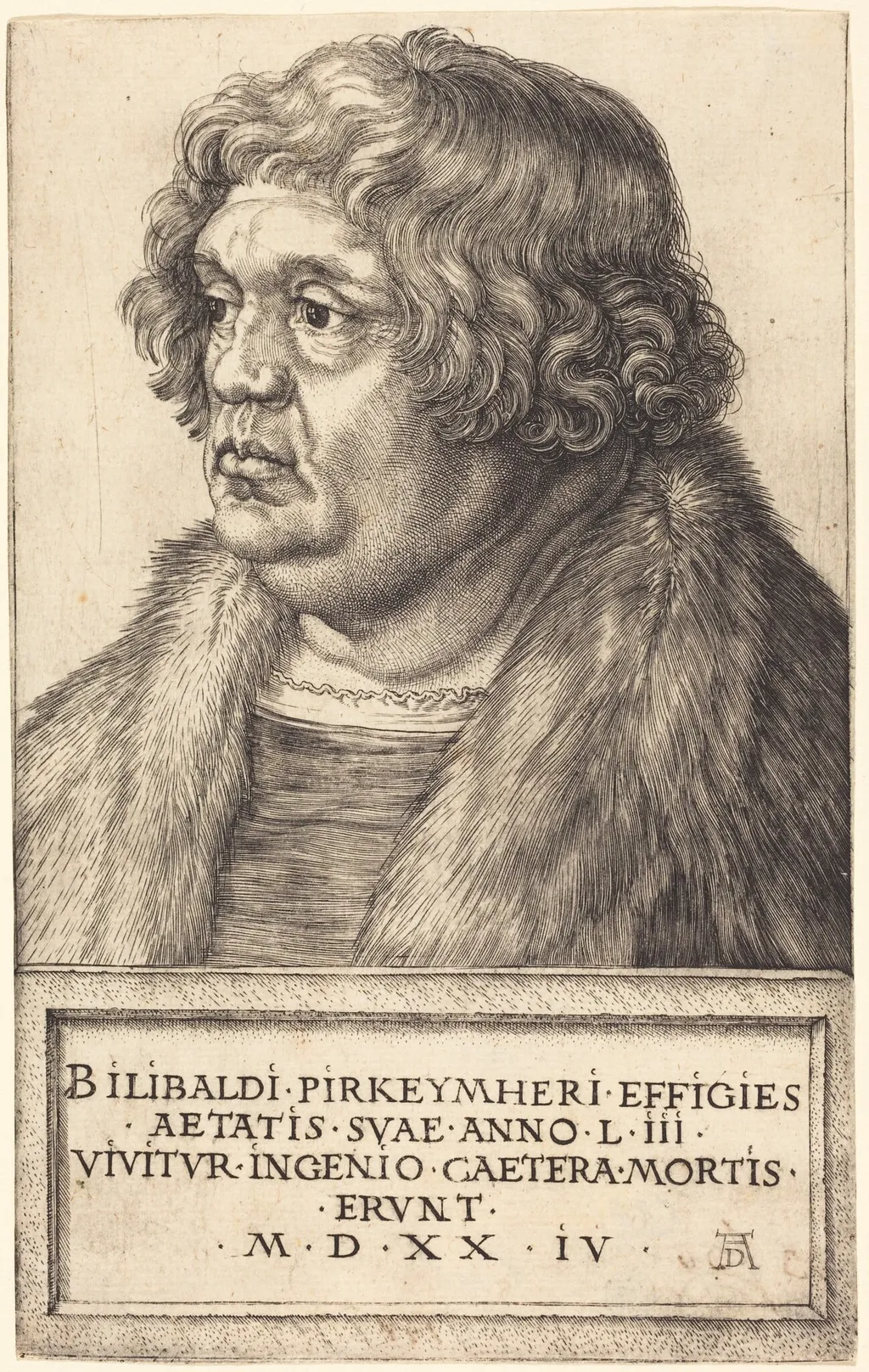
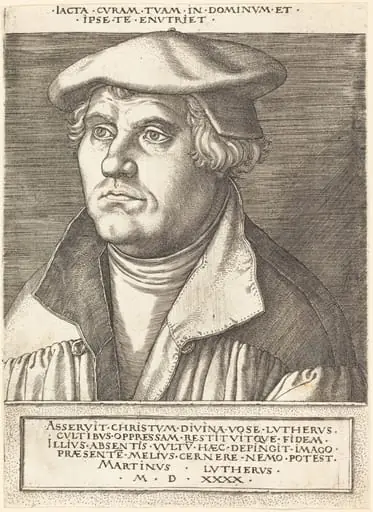
Willibald Pirckheimer is an ink print by the Northern Renaissance artist Albrecht Dürer. It dates from 1524 and is held in the collection of the National Gallery of Art.
- Inscription
- Inscribed:lower center in plate: BILIBALDI PIRKEYMHERI EFFIGIES / AETATIS SVAE ANNO LIII / VIVTVR INGENIO CAETERA MORTIS / ERVNT / MDXXIV AD [artist's monogram]; verso, top left, in graphite by a later hand:19; verso, lower left, in ink by a later hand: 13/30 [?]; verso, lower left, in ink by a later hand: [illegible, possibly collector's mark]; verso, lower left, in graphite by a later hand: A 106 [?]; verso, bottom right, in graphite by a later hand: 382; verso, bottom center, in ink by a later hand: 148; verso, bottom right, in graphite by a later hand: 2005.105.1
About this work
This is a black-and-white portrait of a man with curly hair and a short beard. He’s wearing a high collar and a fur-lined robe, looking off to the side with a serious expression. The lines are all drawn by hand, making his face and clothes look textured.
The text below his head says his name and the year 1524. It’s an old-style print, not a painting.
Want to learn more? Try engraving.
Overview
Albrecht Dürer’s 1524 engraving depicts the humanist scholar Willibald Pirckheimer. Executed on laid paper, the image presents a monochrome portrait in which the sitter gazes slightly away, his expression composed. The work resides in the collection of the National Gallery of Art in Washington, D.C., and serves as a documented example of Dürer’s printmaking during the later phase of his career.
Subject & Meaning
Willibald Pirckheimer, a prominent legal scholar and patron of the arts in Nuremberg, is rendered with careful attention to his attire and demeanor. The high‑collared garment and fur‑trimmed robe signal his status, while the thoughtful glance suggests intellectual engagement. The portrait functions as both a personal likeness and a visual testament to the cultural network surrounding Dürer.
Technique & Style
The engraving employs hand‑drawn lines to model the facial features and fabric textures, creating a nuanced tonal range without the use of color. Laid paper provides a subtle tooth that catches the fine cross‑hatching, enhancing depth. Dürer’s precise line work and mastery of chiaroscuro are evident, reflecting his mature approach to printmaking in the early sixteenth century.
History & Provenance
Created in 1524, the print bears the sitter’s name and date inscribed beneath the portrait, confirming its identity. Over the centuries it passed through private collections before entering the National Gallery of Art, where it is catalogued as part of the museum’s holdings of Northern Renaissance prints.
Context
The portrait emerges from a period when Dürer increasingly produced individualized prints for his learned acquaintances. Pirckheimer, a close friend of Dürer, frequently corresponded with the artist, and this engraving reflects the intellectual exchange that characterized the Nuremberg humanist circle of the early 1500s.
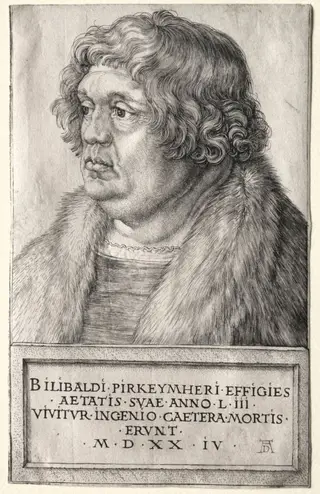
Own this work as a print
Artist & collection
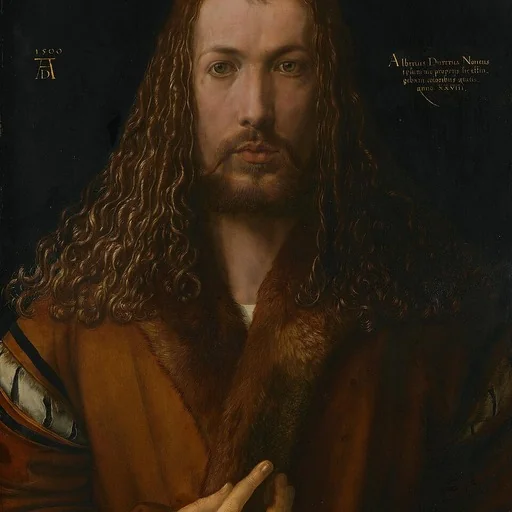
Artist
Albrecht Dürer spent his life in Nuremberg, a busy German city where artists traded prints like currency.

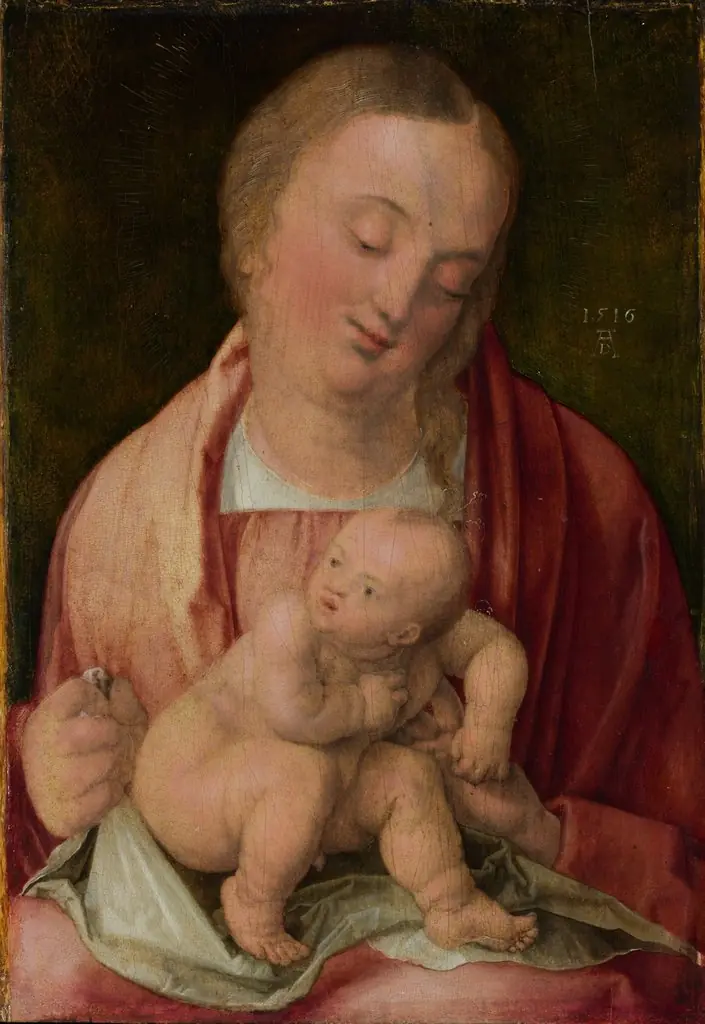
![Madonna and Child [obverse], by Albrecht Dürer](https://artifactworldgallery.com/img/albrecht-durer--madonna-and-child-obverse--d7b8ebf05d22ebe5-w320.webp)
![Lot and His Daughters [reverse], by Albrecht Dürer](https://artifactworldgallery.com/img/albrecht-durer--lot-and-his-daughters-reverse--b4ebf9b282faa17a-w320.webp)