Artwork
Pieta
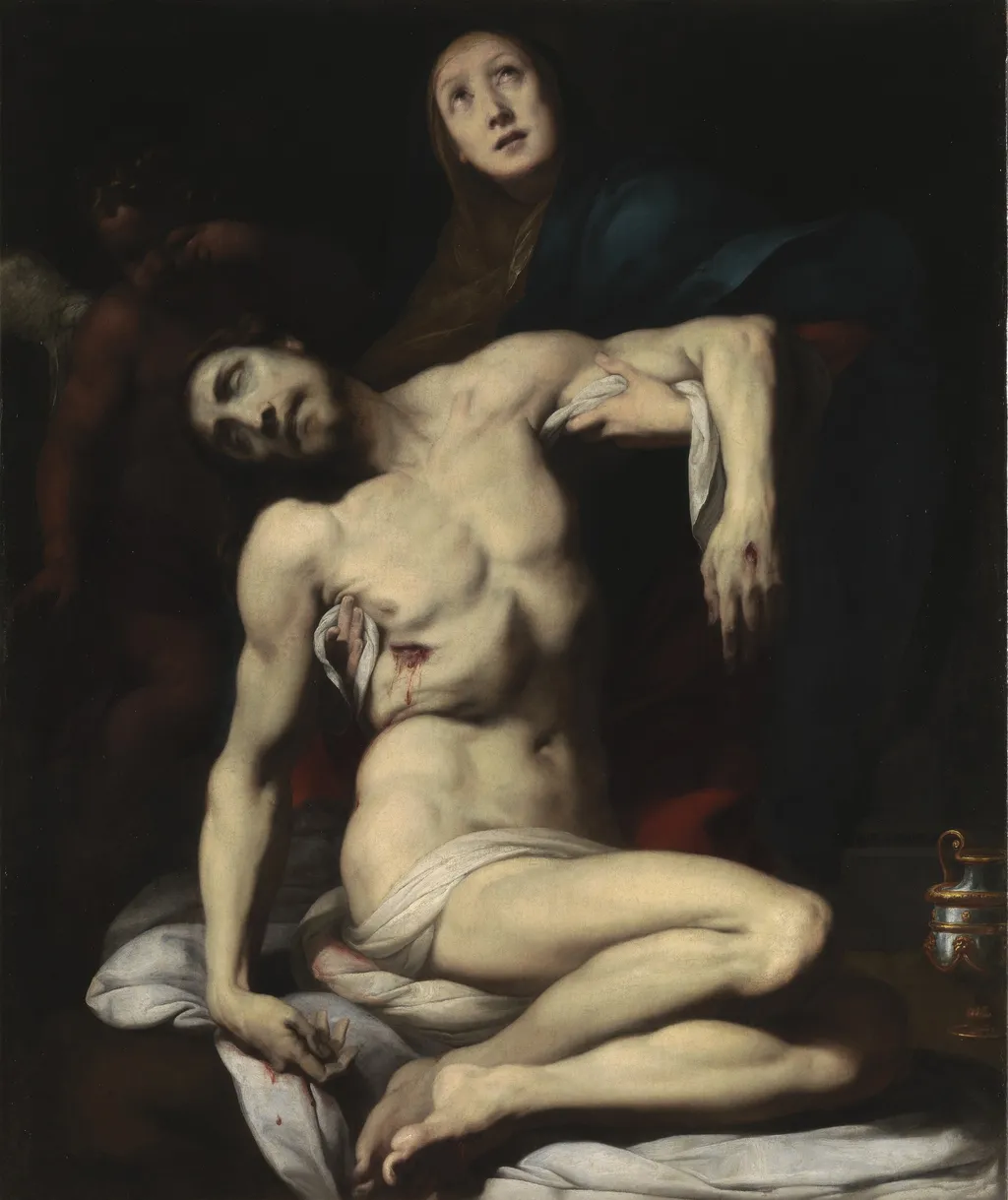
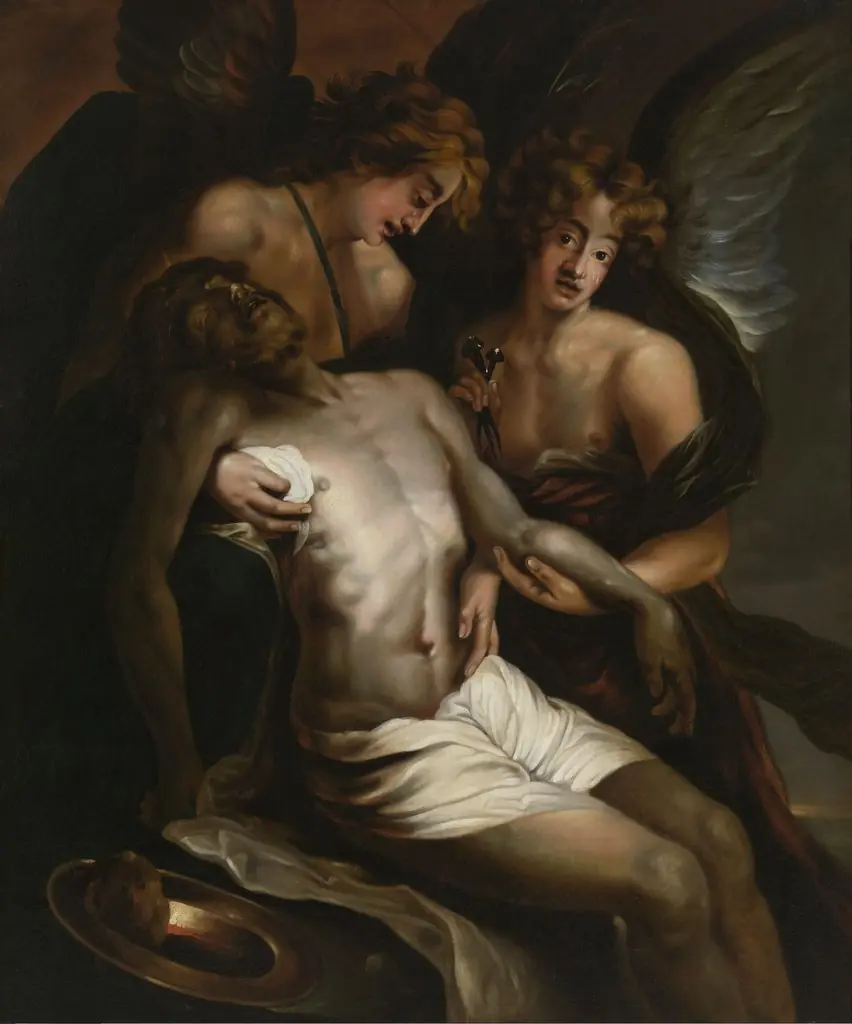
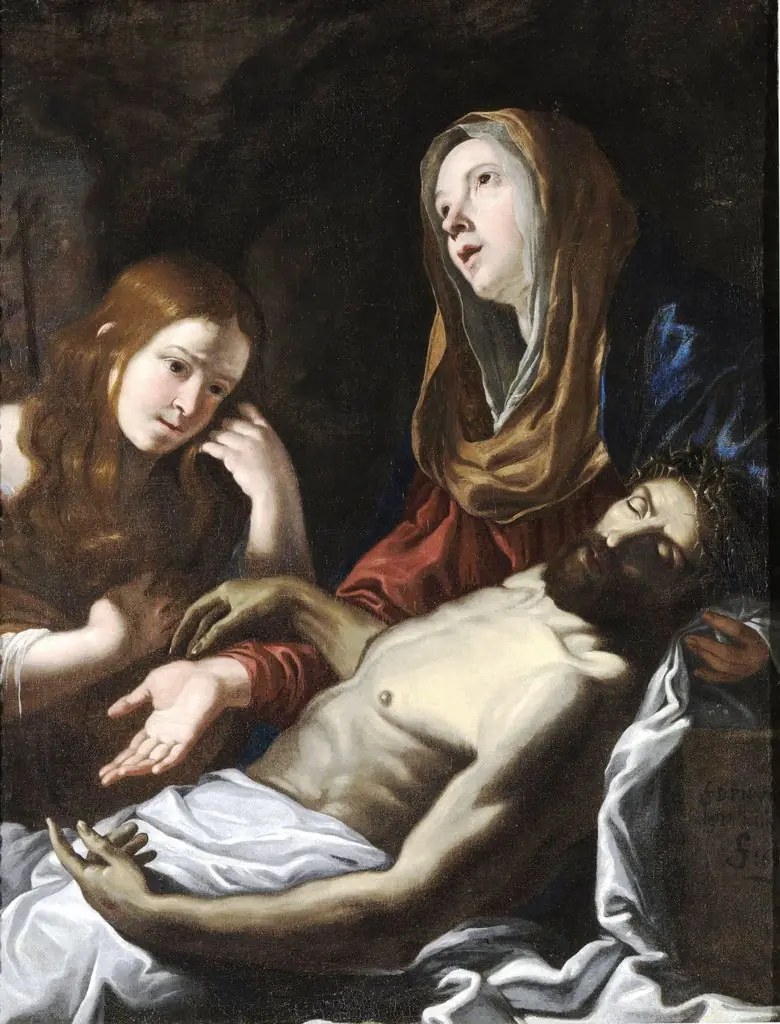
Pieta is an oil painting by the Early Baroque Italian artist Daniele Crespi. It dates from 1626 and is held in the collection of the Museo del Prado.
About this work
Subject & Meaning
The painting depicts the Pietà, a traditional religious subject representing the Virgin Mary cradling the dead body of her son, Jesus Christ.
The painting depicts the Pietà, a traditional religious subject representing the Virgin Mary cradling the dead body of her son, Jesus Christ. As a work of religious art, the composition focuses on the sorrowful moment following the Crucifixion, emphasizing themes of grief, compassion, and divine sacrifice. The central figures are Mary and the lifeless Christ, whose presence anchors the emotional and theological weight of the scene.
Created in 1626, the work serves as a visual meditation on mourning and redemption within the Christian tradition.
Technique & Style
Daniele Crespi's 1626 Pietà is an oil painting executed on canvas, reflecting the religious genre characteristic of early Baroque art. The work measures 154 cm in height and 128 cm in width, employing oil paint as its primary medium to render the poignant depiction of Jesus Christ in a moment of lamentation. Its formal composition emphasizes intimate emotional gravity through subdued chiaroscuro and restrained coloration, aligning with the stylistic traits of the period while maintaining a distinct devotional focus.
The painting's technical execution demonstrates careful handling of canvas support, contributing to its preserved condition within the Museo del Prado's collection, where it remains part of the royal legacy established by Ferdinand VII of Spain.
History & Provenance
Daniele Crespi's Pietà was created in 1626, executed in oil paint on canvas. The painting later entered the Spanish royal collections, where it was owned by Ferdinand VII of Spain. It is now held by the Museo del Prado, housed at the Royal Palace of Madrid, where it remains part of the museum's holdings as a religious work depicting the Pietà with Christ as the central subject.
Daniele Crespi's painting Pieta, created in 1626, is held in the collection of the Museo del Prado in Madrid. The work is located within the Royal Palace of Madrid and depicts the Pietà subject. Historical records indicate that the piece was formerly owned by Ferdinand VII of Spain.
The artwork is executed in oil paint on canvas and measures 154 cm in height by 128 cm in width.
Overview
Daniele Crespi, a Milanese painter active in the early 1620s, completed an oil painting titled Pietà in 1626. Executed during the early Baroque, the work reflects a shift away from the ornamental Lombard Mannerism toward a clearer, more direct visual language. The canvas is part of the Museo del Prado’s collection.
Context
Crespi’s work belongs to the early Baroque period in northern Italy, a time when artists sought to communicate religious narratives with emotional immediacy. By abandoning the exaggerated poses of Lombard Mannerism, he aligned with broader European trends toward realism and theatrical lighting.
Own this work as a print
Artist & collection
Artist
Daniele Crespi (1598 – 19 July 1630) was an Italian painter and draughtsman. He is regarded as one of the most original artists working in Milan in the 1620s. He broke away from the exaggerated manner of Lombard…