Artwork
Lucrezia Borgia
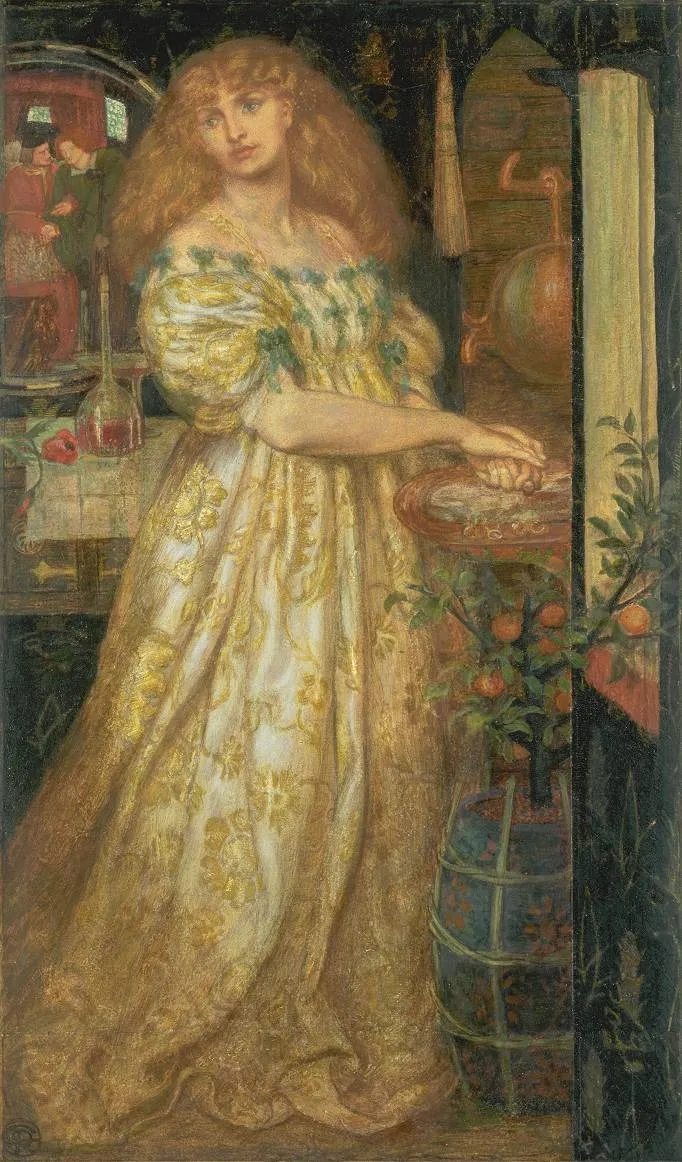
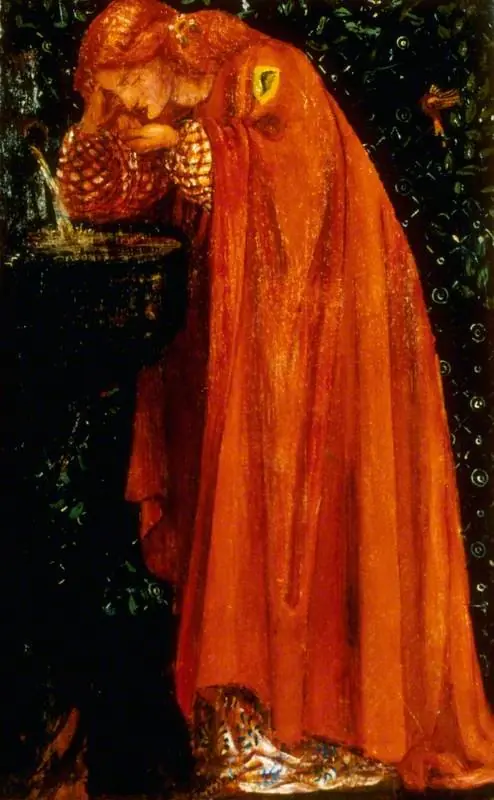
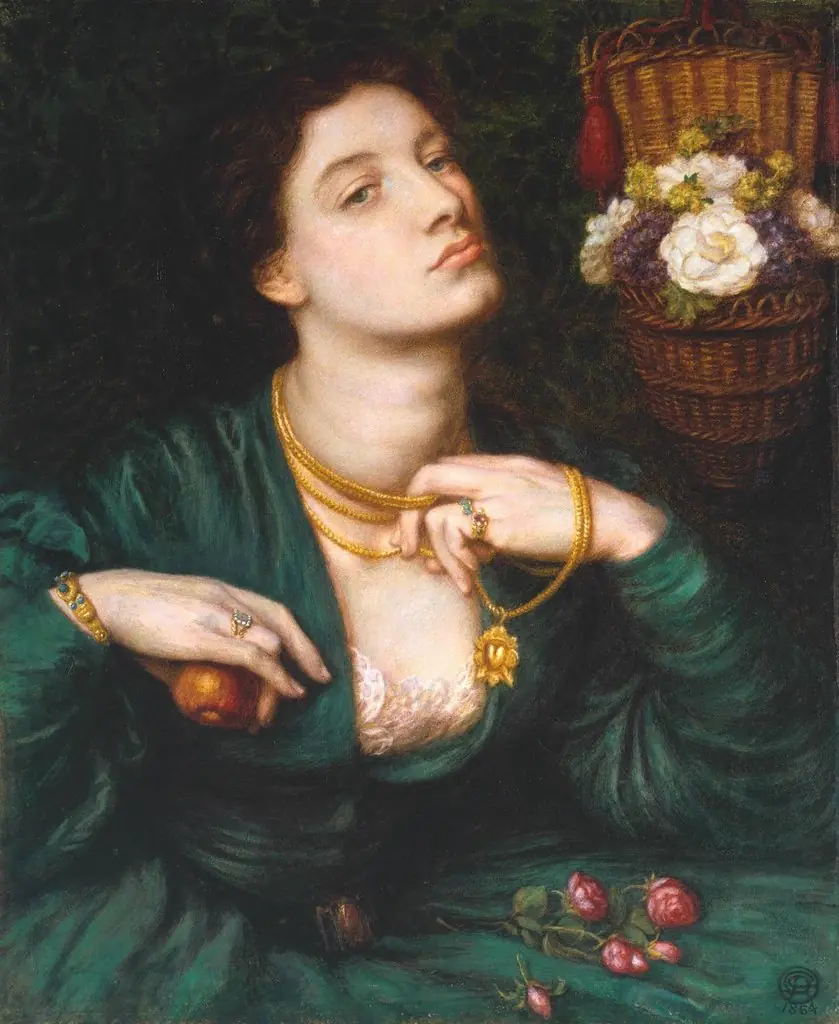
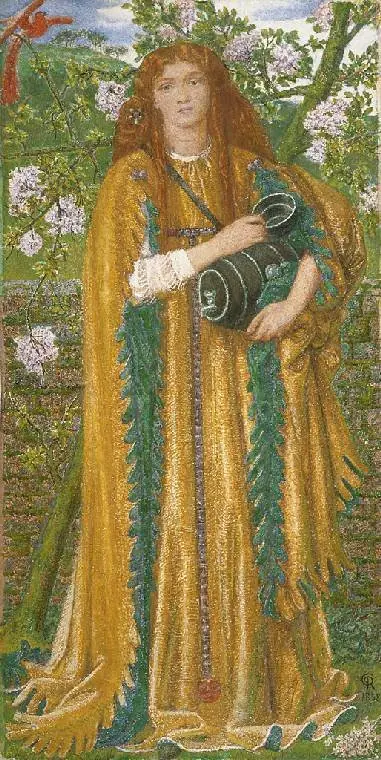
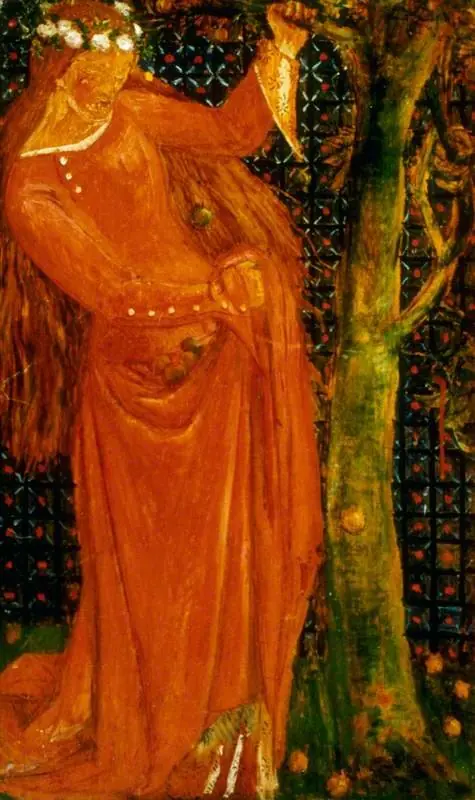
Lucrezia Borgia is an unspecified painting by the Pre-Raphaelite artist Dante Gabriel Rossetti. It dates from 1860 and is held in the collection of the National Gallery.
About this work
Overview
Dante Gabriel Rossetti completed the oil painting Lucrezia Borgia in 1860. Executed during the early phase of the Pre‑Raphaelite Brotherhood, the work exemplifies the group’s commitment to precise detail and historic subject matter. Today the canvas belongs to the collection of Tate Britain in London.
Subject & Meaning
The composition presents a woman identified as Lucrezia Borgia, a figure associated with the political intrigue of the Italian Renaissance. Rossetti renders her with a contemplative pose, suggesting both the allure and the ambiguity that have long surrounded her reputation.
Technique & Style
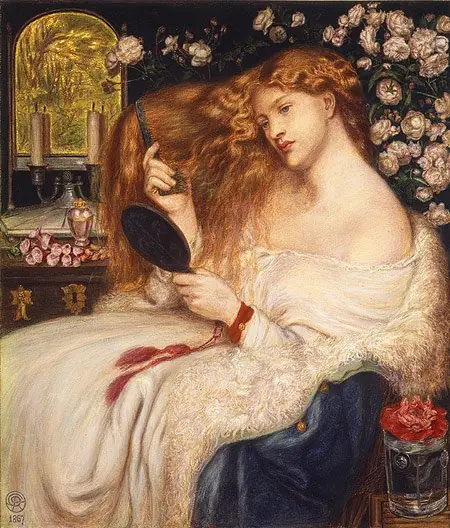
Rossetti employs a finely rendered surface, characteristic of Pre‑Raphaelite realism, and balances luminous whites against deep shadows to create a chiaroscuro effect. The subject’s red curls and the gold‑trimmed white dress are painted with meticulous brushwork that emphasizes texture and material.
History & Provenance
After its exhibition in the 1860s, the painting entered private collections before being acquired by Tate Britain. Its presence in a national institution reflects the enduring scholarly interest in Rossetti’s early works and the broader Pre‑Raphaelite movement.
Artist & collection
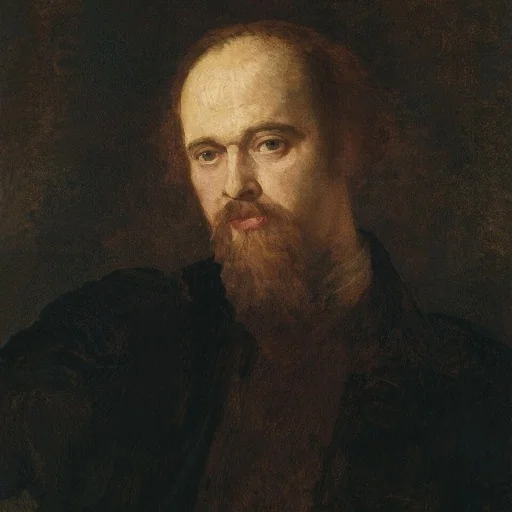
Artist
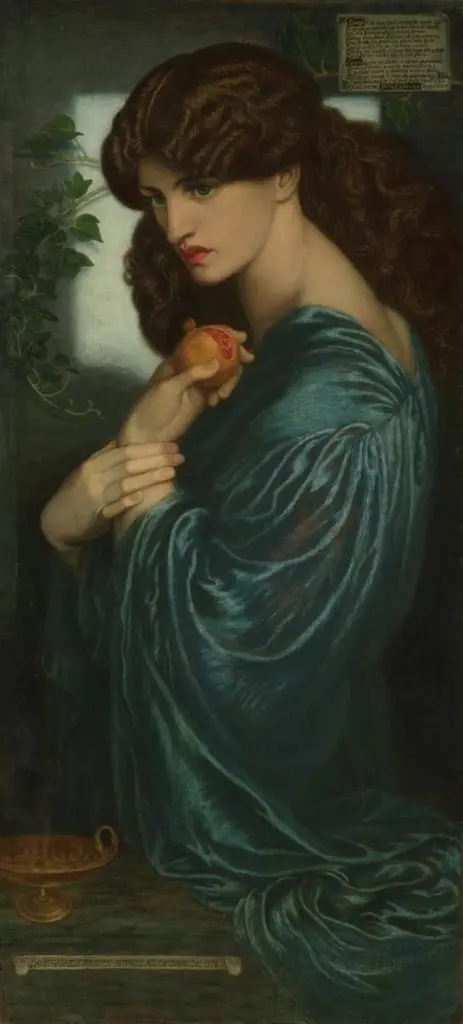
Gabriel Charles Dante Rossetti (12 May 1828 – 9 April 1882), generally known as Dante Gabriel Rossetti ( rə-ZET-ee; Italian: ), was an English poet, illustrator, painter and translator.