Artwork
Sébastopol
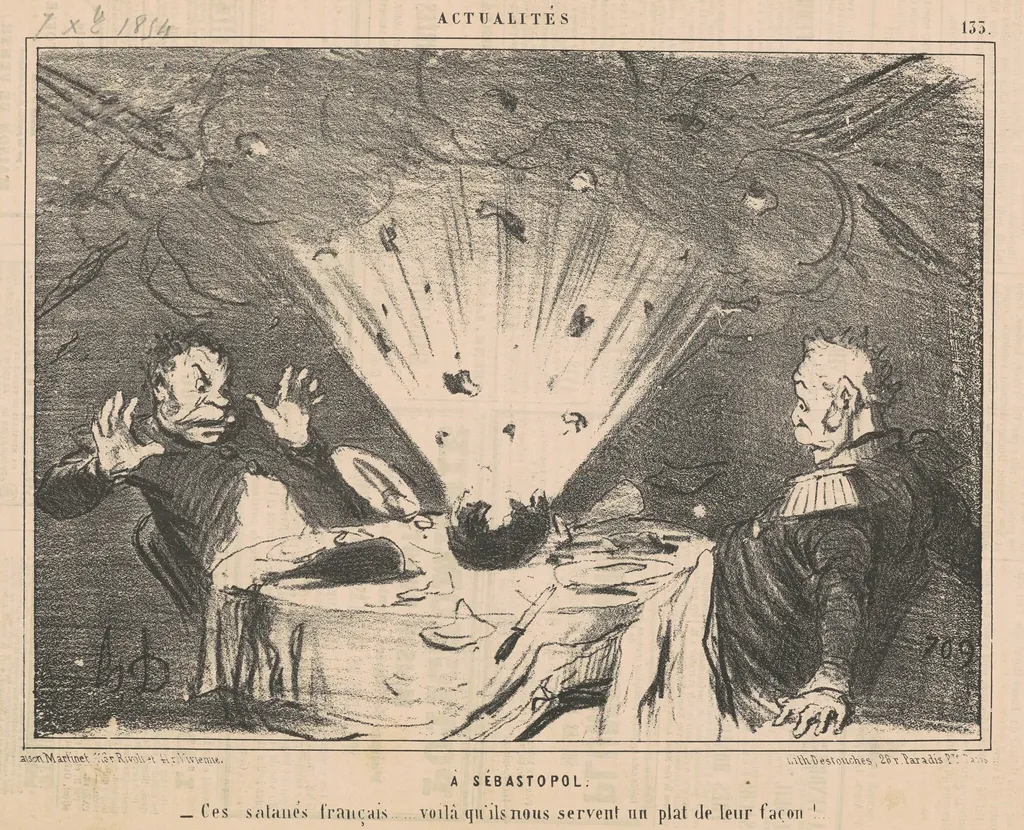
Sébastopol is an ink print by the Impressionist artist Honoré Daumier. It dates from 1854 and is held in the collection of the National Gallery of Art.
About this work
Overview
Honoré Daumier’s lithograph Sébastopol depicts a sudden explosion at a disordered dinner table, sending dishes and cutlery into the air. Two men sit amid the chaos, their faces contorted in shock, while a night sky ablaze with fire and curling smoke forms the backdrop. The scene combines a vivid moment of violence with Daumier’s characteristic satirical edge.
Subject & Meaning
The exaggerated expressions of the diners convey both fear and absurdity, suggesting a critique of how ordinary life is disrupted by distant conflicts.
The work portrays a domestic setting turned violent, using the sudden blast as a visual metaphor for the upheavals of war. The exaggerated expressions of the diners convey both fear and absurdity, suggesting a critique of how ordinary life is disrupted by distant conflicts. The juxtaposition of a familiar meal with explosive turmoil underscores the artist’s commentary on the societal impact of military events.
Technique & Style
Created through lithography, Daumier drew directly onto a limestone surface with greasy crayon, allowing ink to adhere only to the drawn areas. The print is marked by bold, incisive lines and stark contrasts that heighten the drama. His caricature-like exaggeration of facial features and the dynamic arrangement of flying objects give the image a kinetic, almost theatrical quality.
History & Provenance
Daumier produced Sébastopol during the Crimean War (1853‑1856), a period when he frequently illustrated contemporary news for satirical journals. The lithograph was originally issued as part of a series commenting on the war’s progress. It later entered public collections, appearing in exhibitions of 19th‑century French printmaking and in catalogues of Daumier’s political works.
Context
The Crimean War sparked intense public debate in France, and Daumier’s prints served as visual commentary for a readership attuned to current events. By placing the explosion within a domestic scene, he linked the distant battlefield to everyday French life, reflecting the era’s growing awareness of how international conflicts permeated the home front.
Own this work as a print
Artist & collection
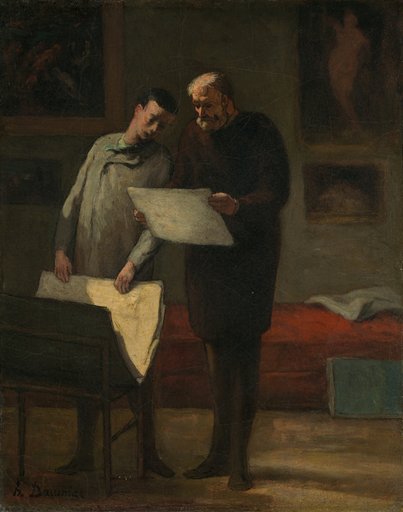
Artist
Honoré-Victorin Daumier (French: ; 26 February 1808 – 10 or 11 February 1879) was a French painter, sculptor, and printmaker, whose many works offer commentary on the social and political life in France, from the…









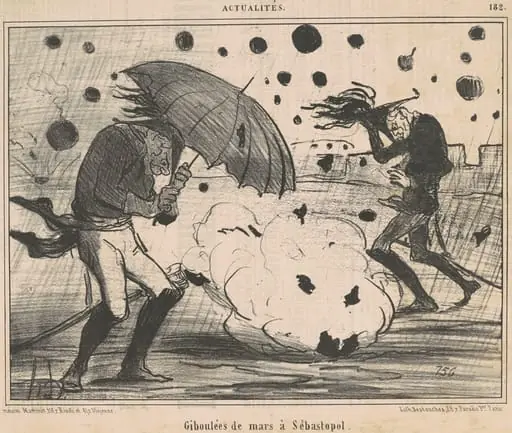
- Giboulées de mars a Sébastopol
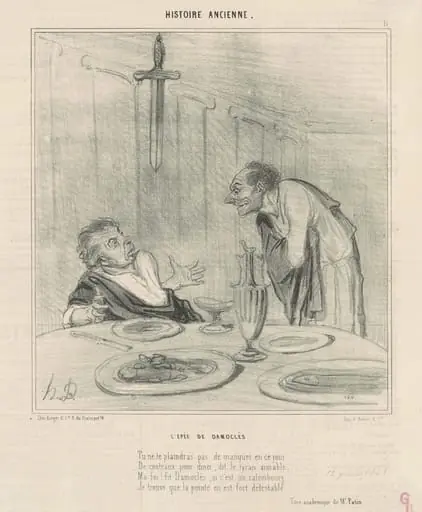 L'épée de Damoclès
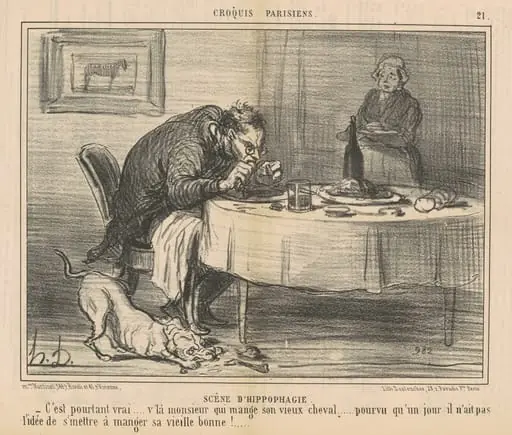 Scène d'Hippophagie
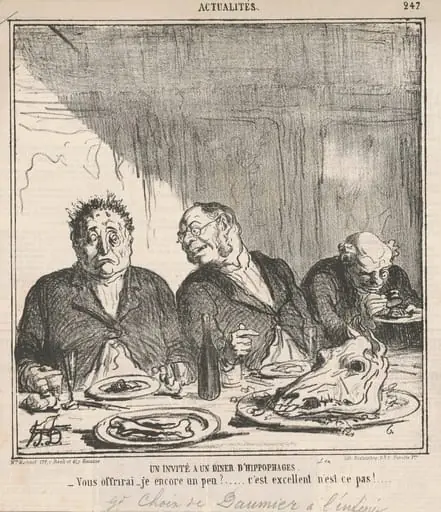 Un invité à un dîner d'hippophages: Vous offrirai-je encore un peu? C'est excellent, n'est-ce pas?
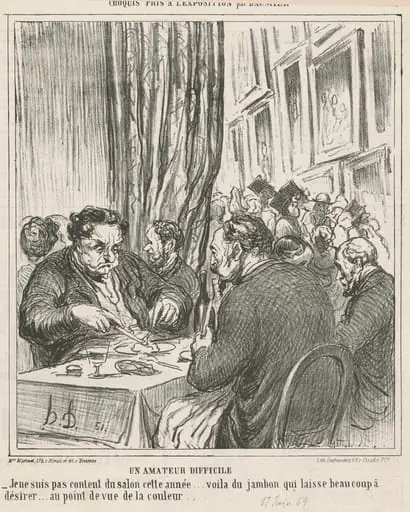 Un amateur difficile
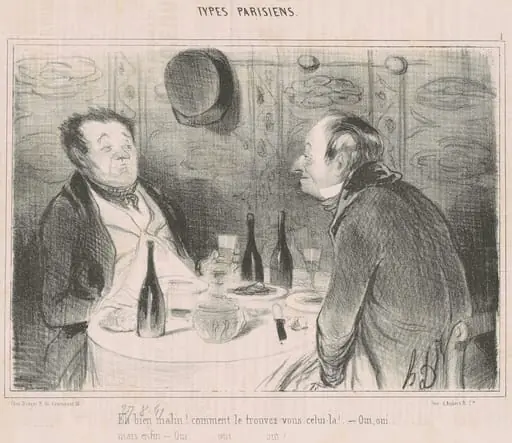 Eh bien Malin! comment le trouvez vous celui-la!
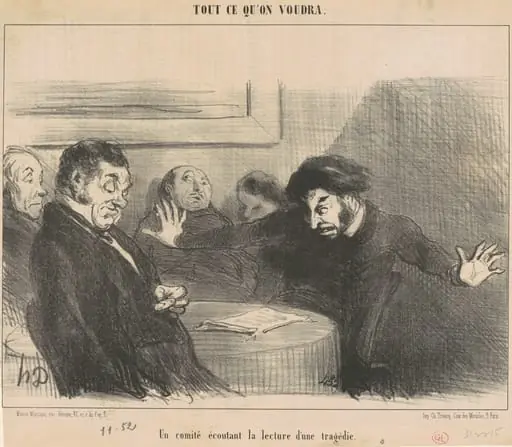 Un comité écoutant la lecture d'une tragédie
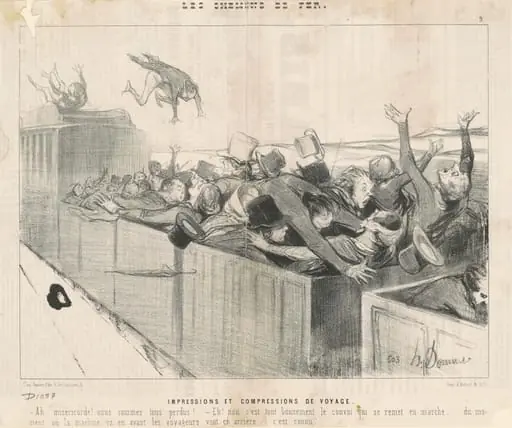 Impressions et compressions de voyage
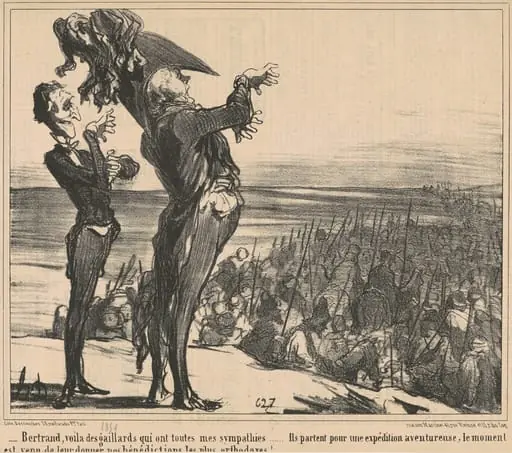 Bertrand, voila des gaillards ...
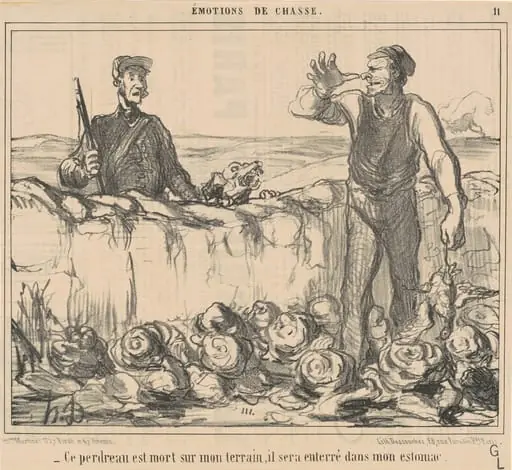 Ce perdreau est mort sur mon terrain ...