Artwork
The Fat Kitchen
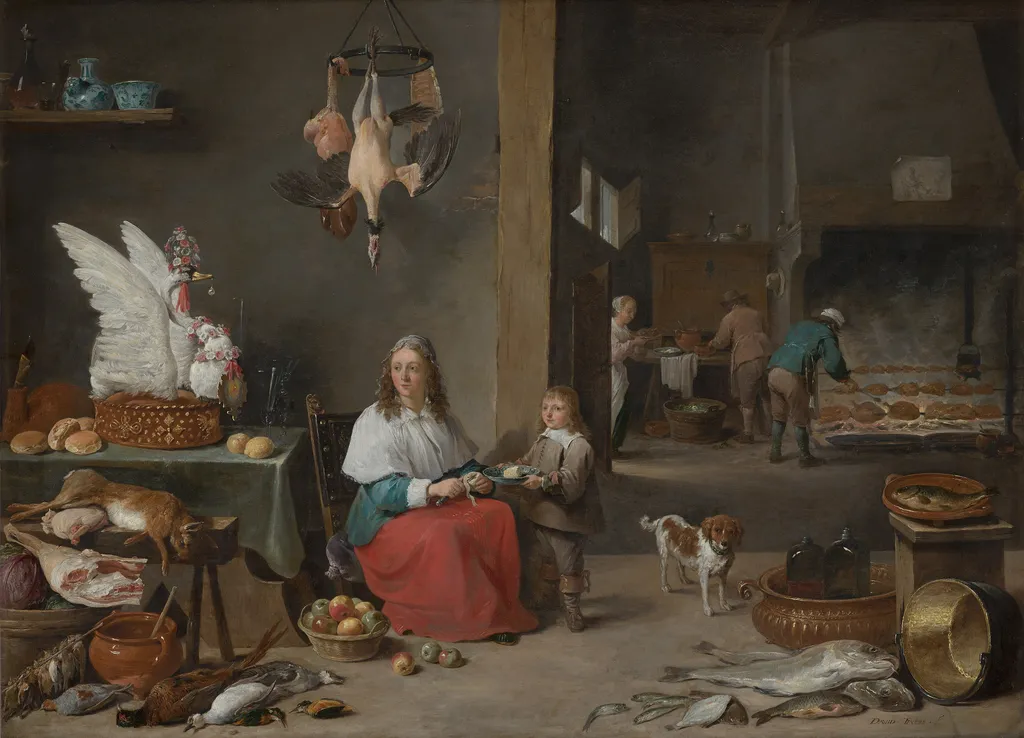
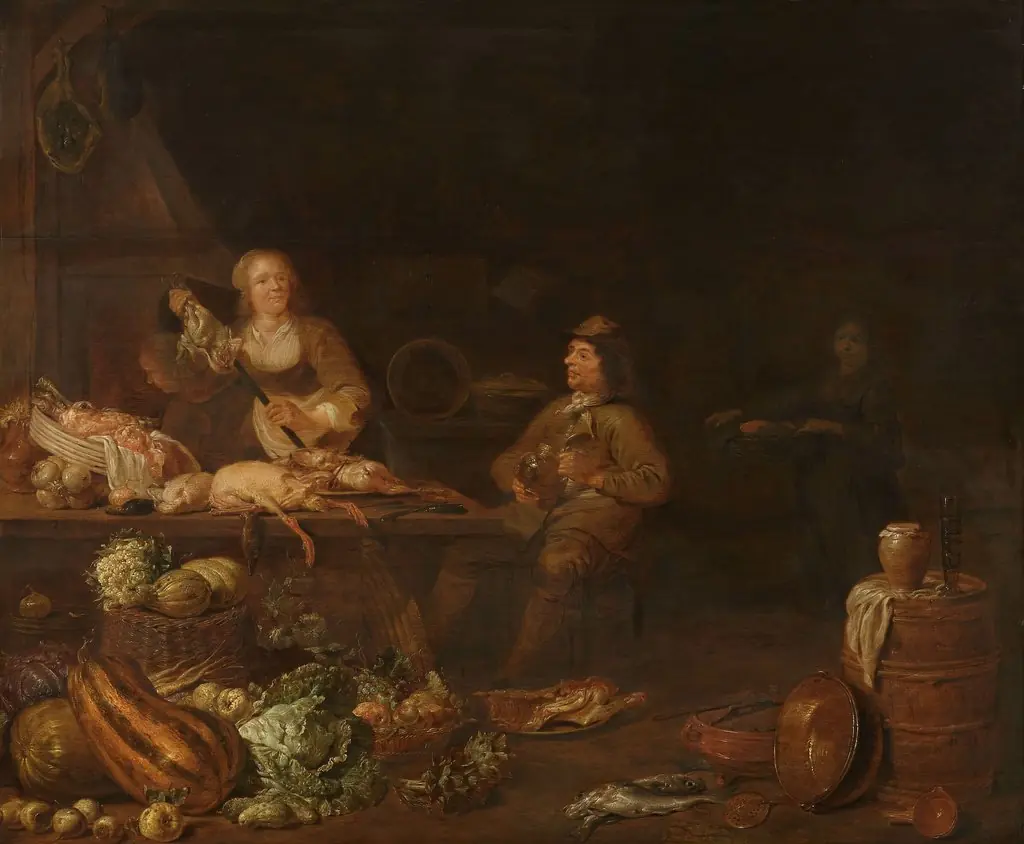
The Fat Kitchen is an oil painting by the Flemish Baroque painting artist David Teniers the Younger. It dates from 1644 and is held in the collection of the Department of Paintings of the Louvre.
About this work
Subject & Meaning
By depicting these specific elements of culinary labor and household life, the work functions as a detailed representation of 17th-century domestic activity.
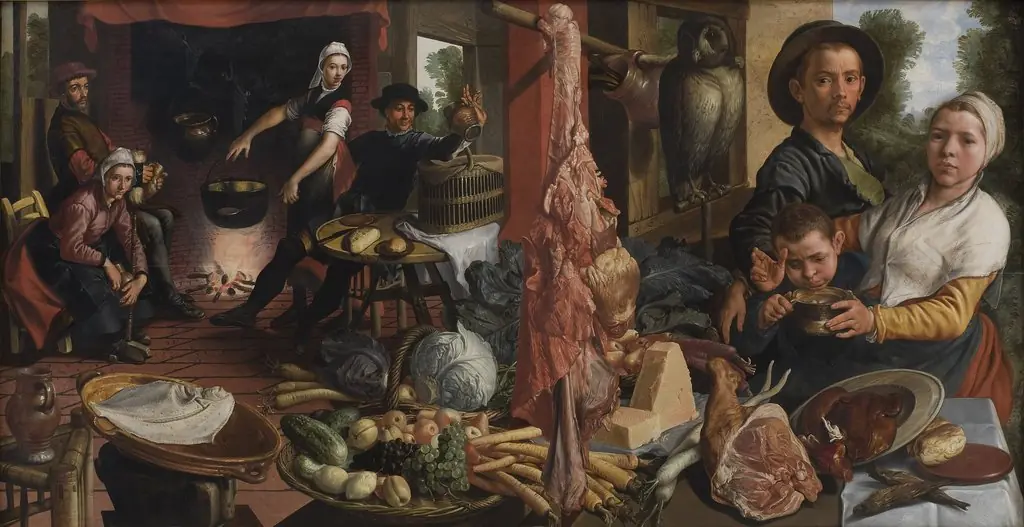
David Teniers the Younger's 1644 copper painting presents a bustling genre scene set within a domestic kitchen. The composition features a fireplace where roasting takes place, surrounded by an array of foodstuffs including poultry, fish, and prepared dishes. The narrative is driven by the interactions of several figures: a female cook, a male chef, a child, and a dog, all contributing to the lively atmosphere of food preparation.
By depicting these specific elements of culinary labor and household life, the work functions as a detailed representation of 17th-century domestic activity. The inclusion of various ingredients and the active presence of workers highlight the abundance and industriousness associated with the kitchen environment, celebrating the everyday routines of food production rather than conveying a hidden allegorical message.
Technique & Style
Executed in 1644, The Fat Kitchen is an oil painting applied to a copper support. This choice of a rigid metal panel rather than canvas or wood allows for the fine detail characteristic of David Teniers the Younger's genre scenes. The work measures 55.5 cm in height and 77.5 cm in width.
The composition depicts a bustling domestic interior filled with culinary activities, featuring figures such as a cook, a woman, a man, and a child alongside a dog. Visual elements include a fireplace used for roasting, various poultry, fish, and prepared dishes, all rendered to capture the textures of food and the atmosphere of a working kitchen.
History & Provenance
The work titled The Fat Kitchen was created by David Teniers the Younger in 1644 as a genre scene painted on copper. It entered the collection of Prince Willem V of Orange Nassau and subsequently passed into the holdings of the Mauritshuis, where it remains today. The painting measures 55.5 cm in height and 77.5 cm in width, reflecting its original dimensions recorded in the museum’s catalog.
Its provenance traces a clear chain from the artist’s workshop to the Prince’s collection and then to the Mauritshuis, underscoring its significance within Dutch Golden Age art.
The Fat Kitchen is held in the collection of the Mauritshuis. Historical records associate the work with the Gallery Prince Willem V, the Department of Paintings of the Louvre, and the collection of Willem V, Prince of Orange-Nassau. The painting, executed on copper in 1644, measures 55.5 cm in height and 77.5 cm in width. The provided sources do not contain specific inventory numbers or a list of exhibitions for this artwork.
Context
The painting was widely appreciated in scholarly circles for its vivid portrayal of everyday domestic activity, reflecting the broader genre painting tradition of the Dutch Golden Age. Art historians view it as a representative example of Teniers' ability to blend observational detail with moralizing undertones, situating the work within the evolution of kitchen scenes in 17th-century European art. Its inclusion in the Mauritshuis collection underscores its significance as part of a curated narrative of Dutch painting's development.
Legacy
The Fat Kitchen (1644) by David Teniers the Younger is recognized as an influential example of Dutch genre painting that shaped later depictions of domestic interiors. Its representation of kitchen activity, especially the portrayal of cooks and household labor, informed subsequent genre scenes emphasizing everyday work. The painting's composition and detailed narrative contributed to the development of kitchen genre works by artists such as Adriaen van Ostade and Jan Steen, who adopted similar settings and character interactions.
The work's legacy is highlighted by its prominent display in the Mauritshuis collection, where it remains part of the museum's celebrated holdings of 17th-century Dutch art.
Overview
The Fat Kitchen, a copper painting by David Teniers the Younger from 1644, presents a vibrant, densely populated genre scene set in a kitchen, abundant with food, activity, and meticulous detail.
Own this work as a print
Artist & collection
Artist
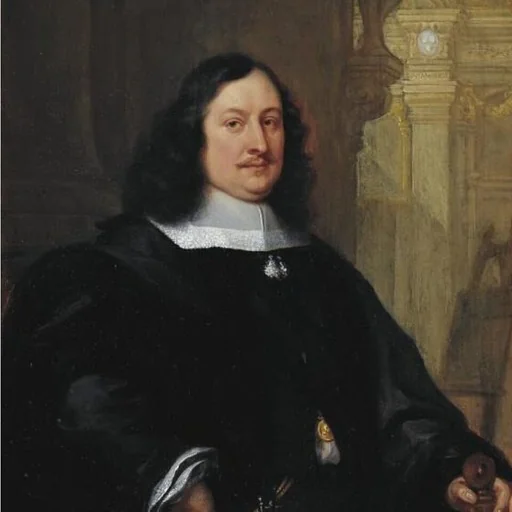
David Teniers the Younger or David Teniers II was a Flemish Baroque painter, printmaker, and artist.

Museum
Department of Paintings of the Louvre
Continue through works from the same source collection.