Artwork
The hurdy-gurdy player
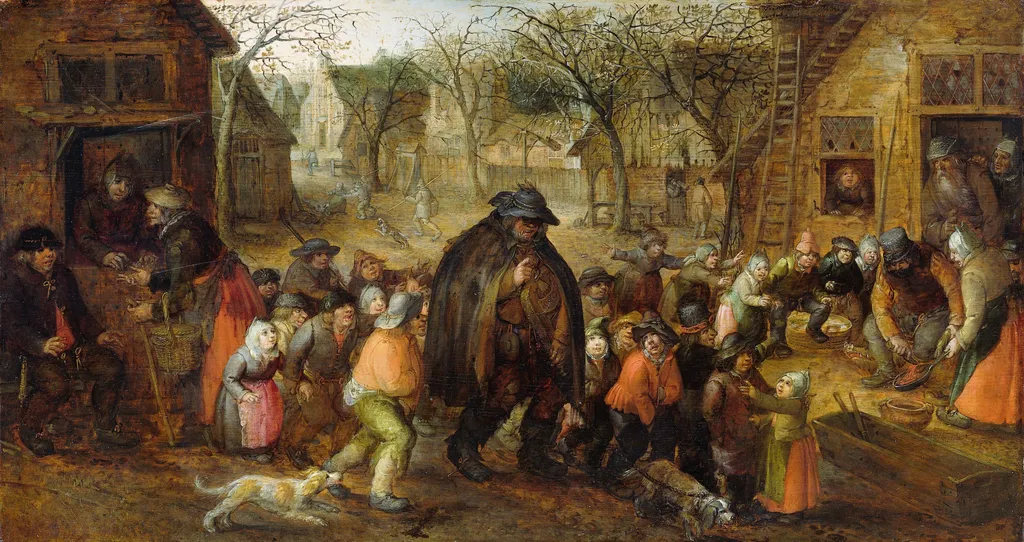
The hurdy-gurdy player is an oil painting by the Dutch Golden Age artist David Vinckboons. It dates from 1608 and is held in the collection of the Rijksmuseum.
About this work
Subject & Meaning
The composition includes a man, a woman, and a child, along with everyday rural elements such as a ladder, a pig, and an act of animal slaughter.
The painting depicts a hurdy-gurdy player, a roving musician who entertained villagers with the crank-driven stringed instrument. The scene unfolds in and around a rural village, incorporating an inn where figures gather. The composition includes a man, a woman, and a child, along with everyday rural elements such as a ladder, a pig, and an act of animal slaughter.
Together these motifs situate the hurdy-gurdy player within a lively peasant environment, a hallmark of David Vinckboons's early seventeenth-century genre landscapes, in which itinerant musicians and tavern-goers populate the countryside. The hurdy-gurdy itself, a portable instrument associated with street and village entertainment, signals themes of popular amusement and rustic sociability, while the surrounding domestic and agricultural details evoke the rhythms of everyday village life.
Technique & Style
Created in 1608, The Hurdy-Gurdy Player by David Vinckboons is executed in oil paint on a wooden panel support. The work measures 33.8 centimeters in height and 62.6 centimeters in width. Stylistically, the piece functions as both a landscape and a genre painting, depicting a rural scene that integrates human figures with their environment.
The composition features a hurdy-gurdy player alongside a woman, a child, and various animals such as a pig, set against a backdrop including a village, an inn, and a ladder. The medium of oil on panel was a standard practice for Dutch painters of this period, allowing for detailed rendering of the depicted slaughter and daily activities. The painting is currently held in the collection of the Rijksmuseum.
Overview
The hurdy-gurdy player, an oil painting from 1608, is a work by David Vinckboons, a Dutch Golden Age artist born in Mechelen in 1576. This landscape composition captures a bustling village scene, centered around a musician and various daily activities. The painting is part of the collection at the Rijksmuseum, offering insight into early 17th-century Dutch genre scenes.
History & Provenance
Created in 1608, The hurdy-gurdy player is attributed to David Vinckboons, an artist active during the Dutch Golden Age. The painting is currently housed in the Rijksmuseum, where it contributes to the institution's extensive collection of early modern European art. Its presence there allows for continued study of Vinckboons's contributions to landscape and genre painting.
Artist & collection
Artist
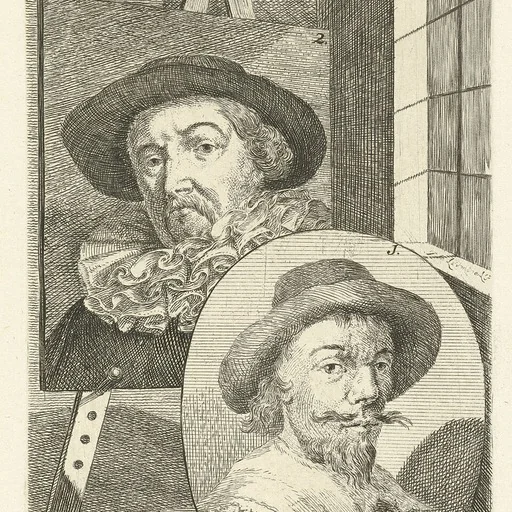
David Vinckboons (baptized 13 August 1576 – c. 1632) was a Dutch Golden Age painter born in Mechelen, Southern Netherlands. Vinckboons, whose name is often spelled as Vingboons, Vinghboons, Vinckebonis or Vinckboom, had…

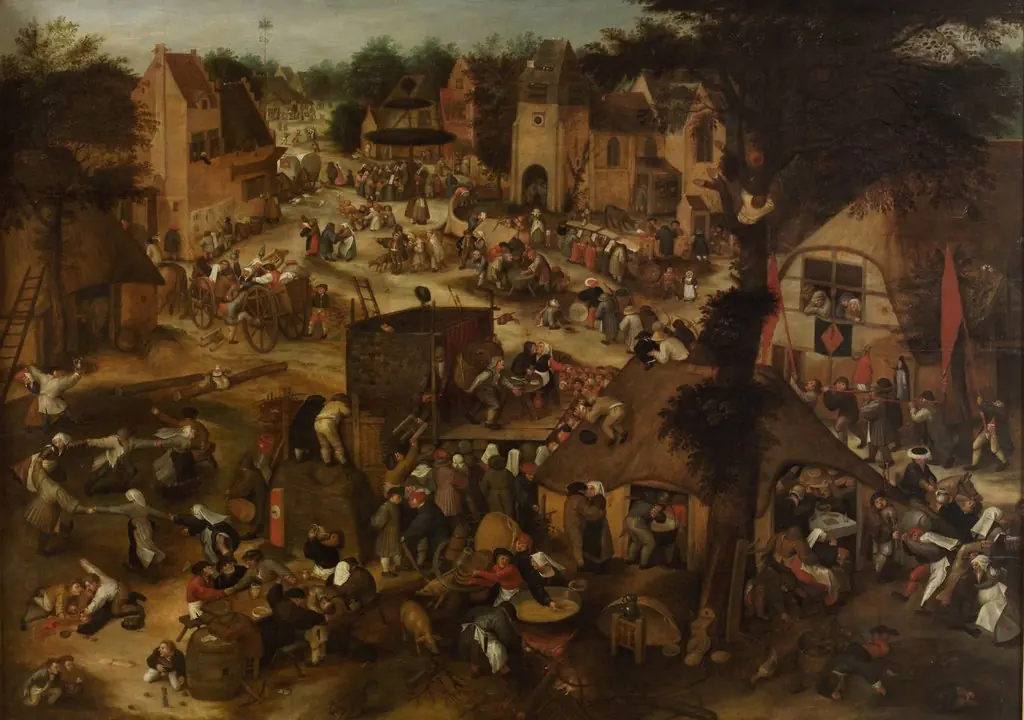
- Performance of the farce 'Een Cluyte van Plaeyerwater' (A Clod from Plaeyerwater) at a Flemish Kermis
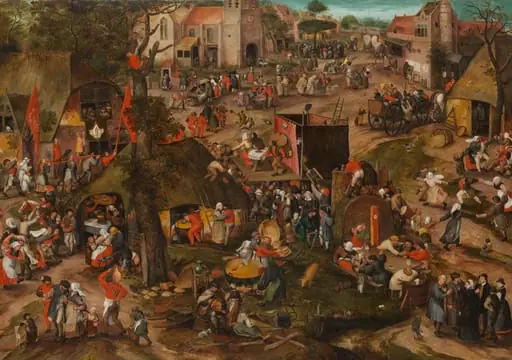 A Flemish Kermis with a Performance of the Farce ‘Een cluyte van Plaeyerwater’
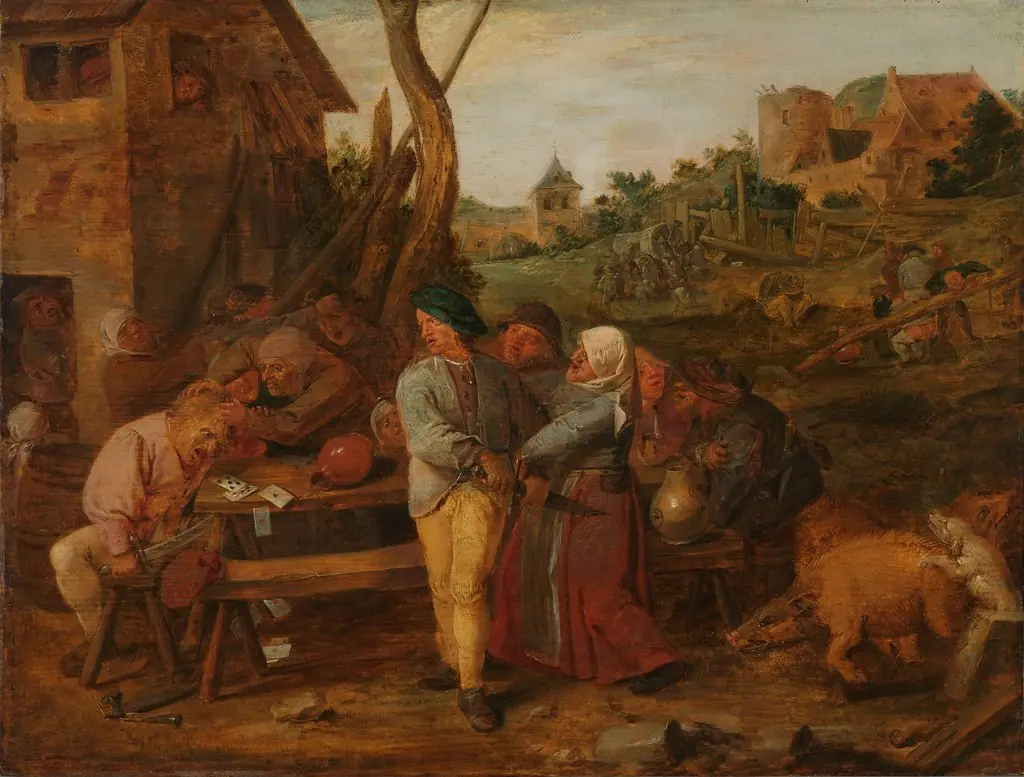 Peasant Brawl
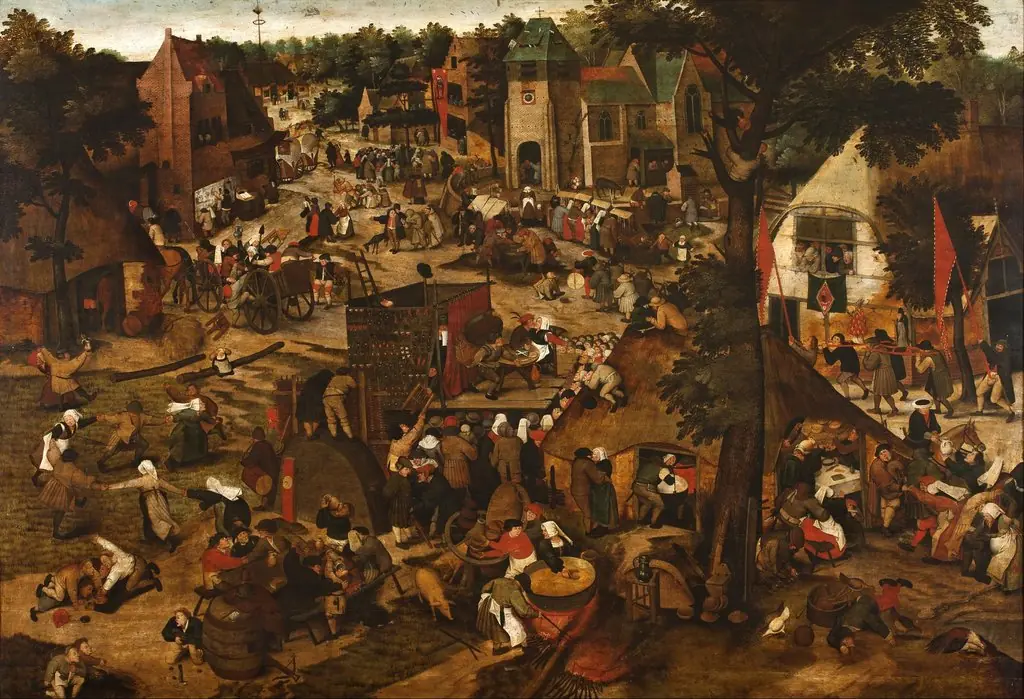 Fair with a Theatrical Presentation
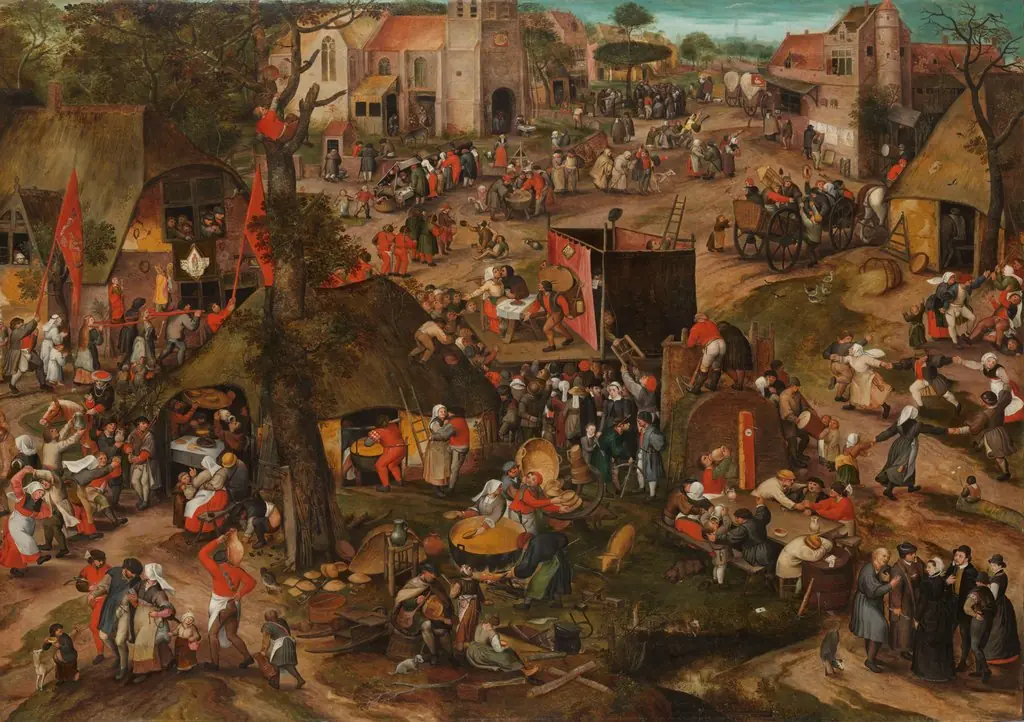 A Performance of the Farce 'Een Cluyte van Plaeyerwater' (A Clod from Plaeyerwater) at a Flemish Kermis
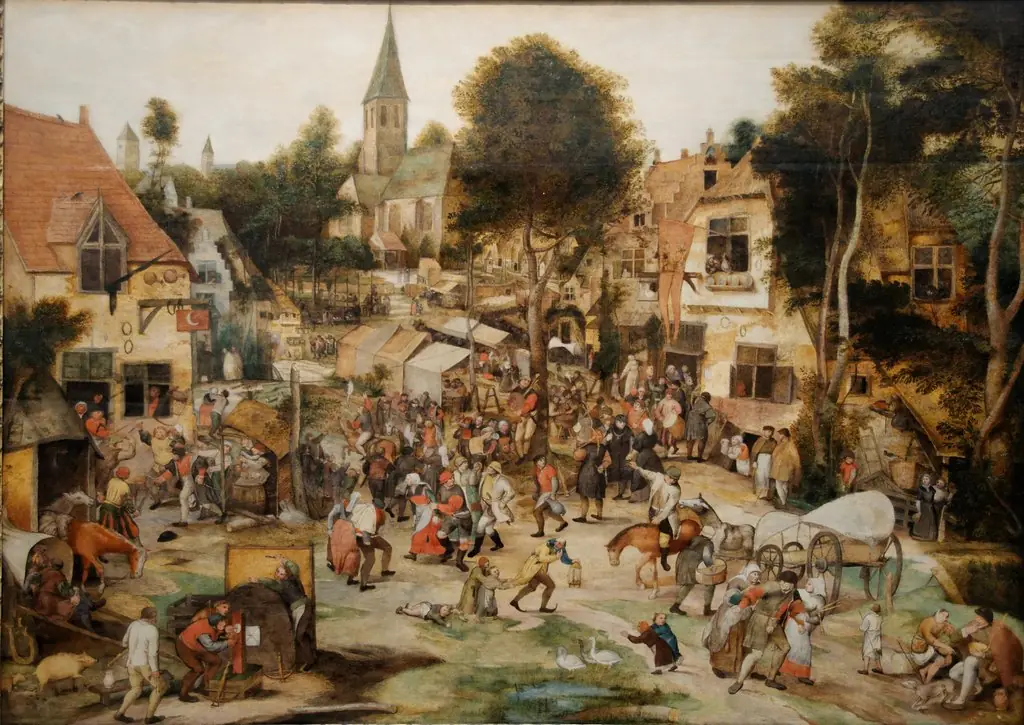 Kermis
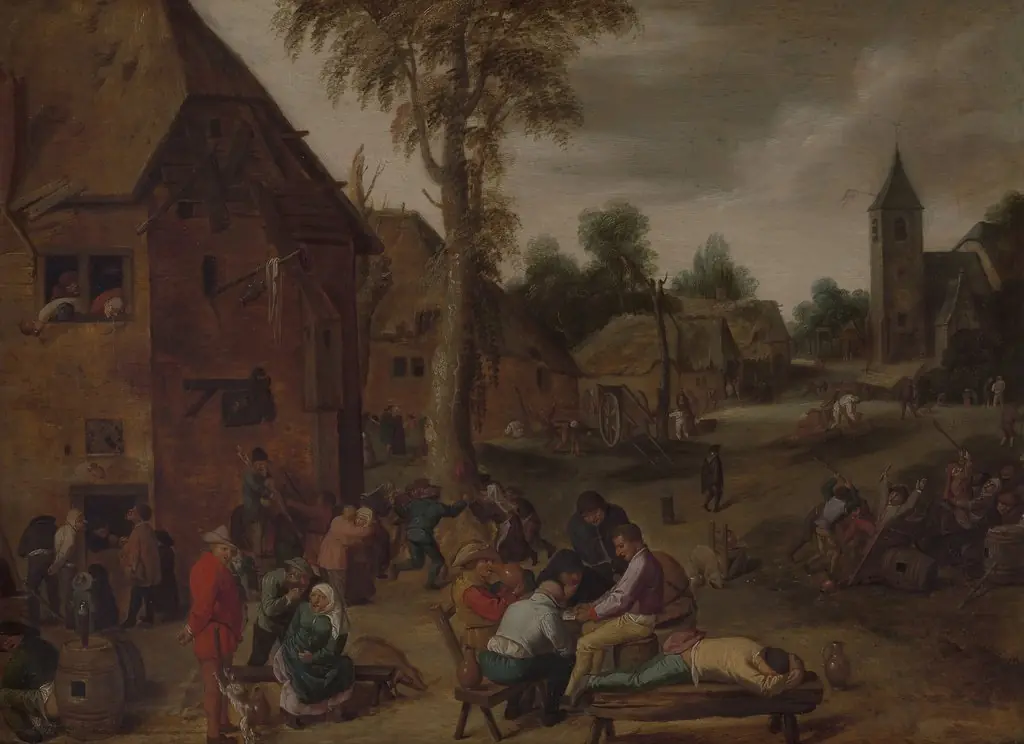 A Fair
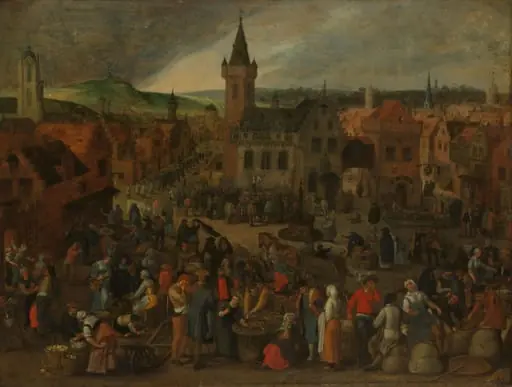 Market Day in a Flemish Town
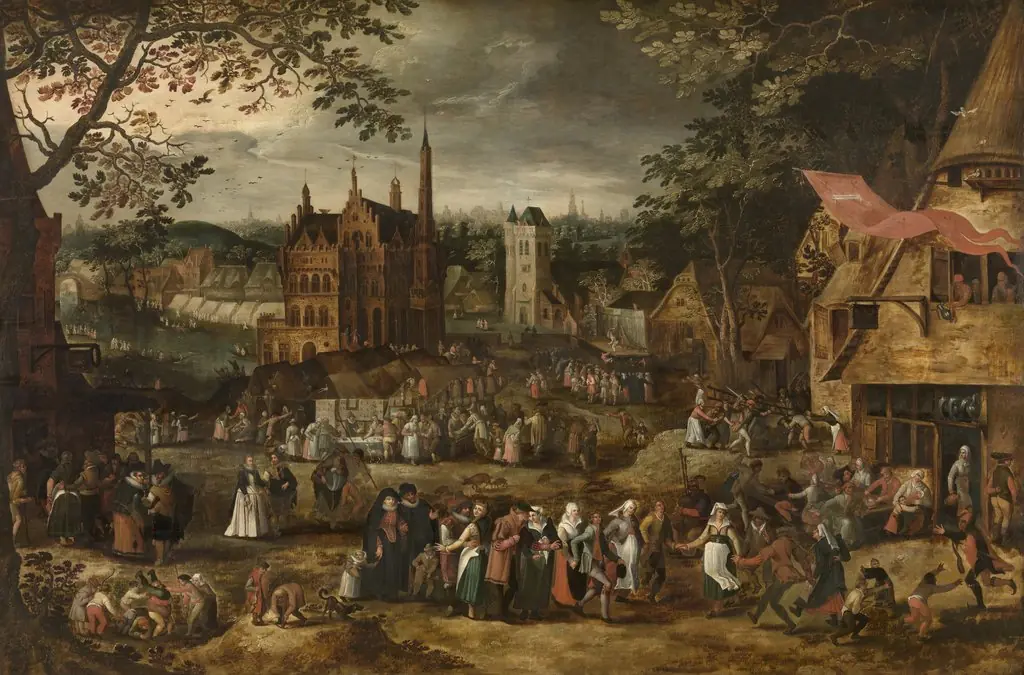 Village Fair
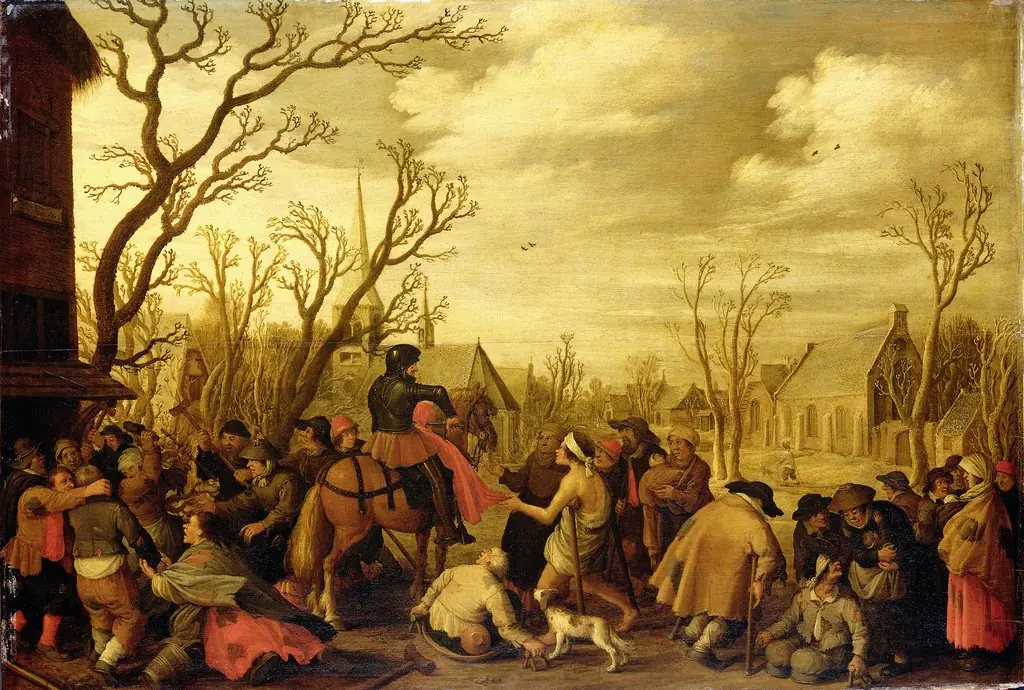 St Martin cutting off part of his cloak for a beggar
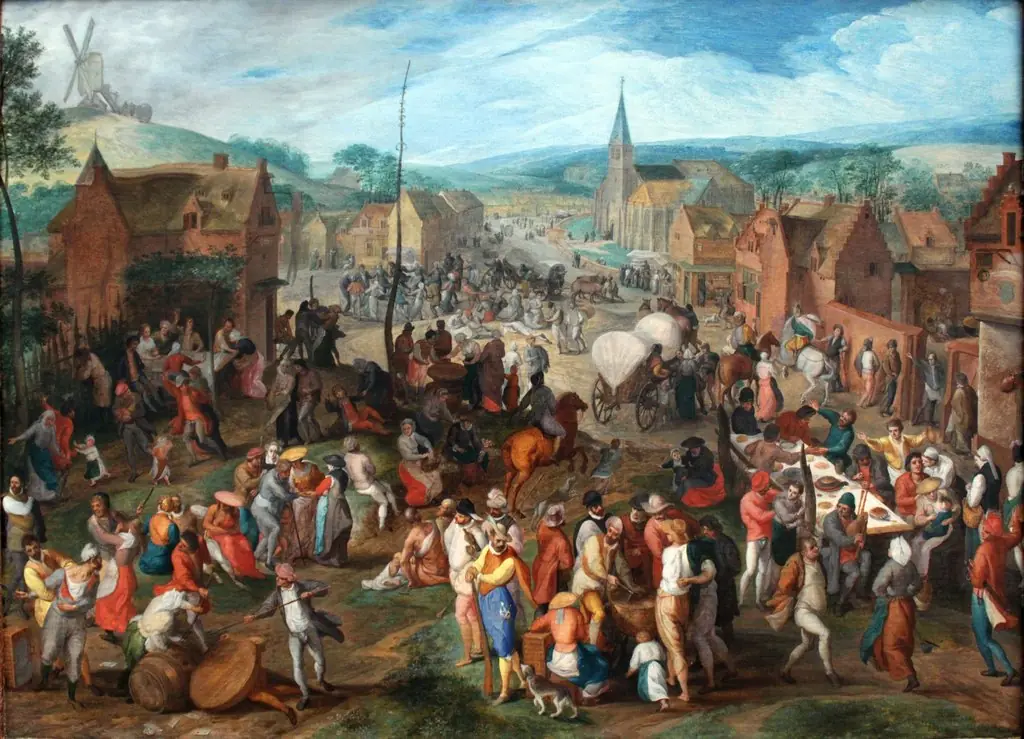 Village Feast
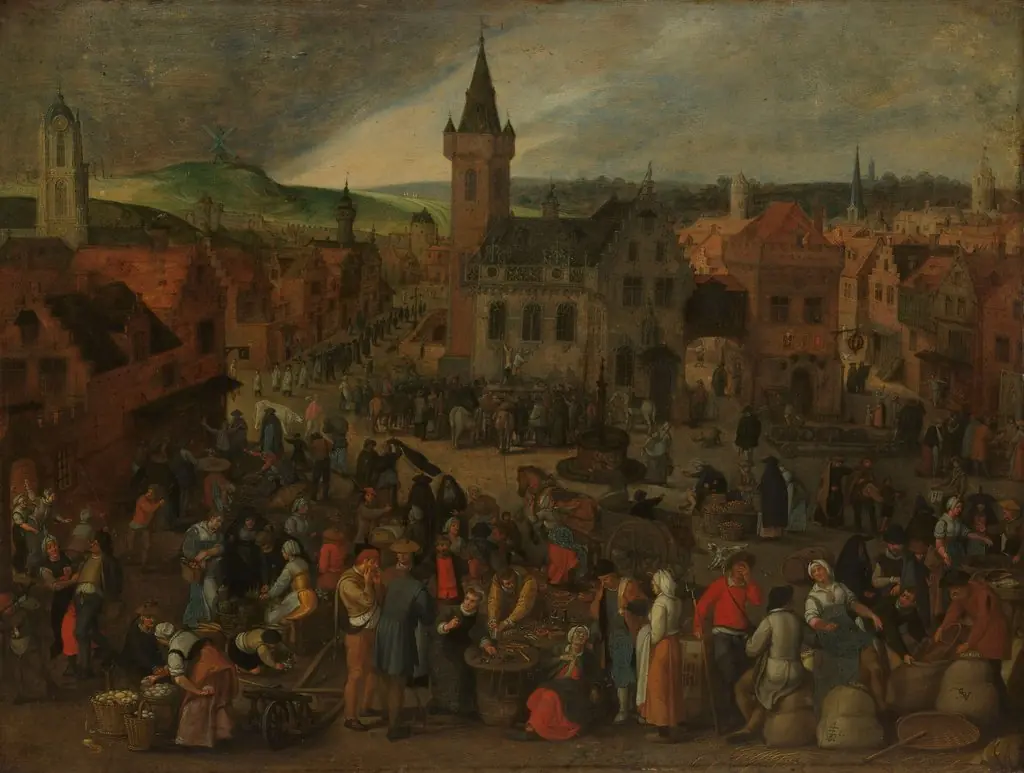 Market day in a Flemish town