Artwork
The Canal dei Marani, Where State Inquisitors Had Them Drowned
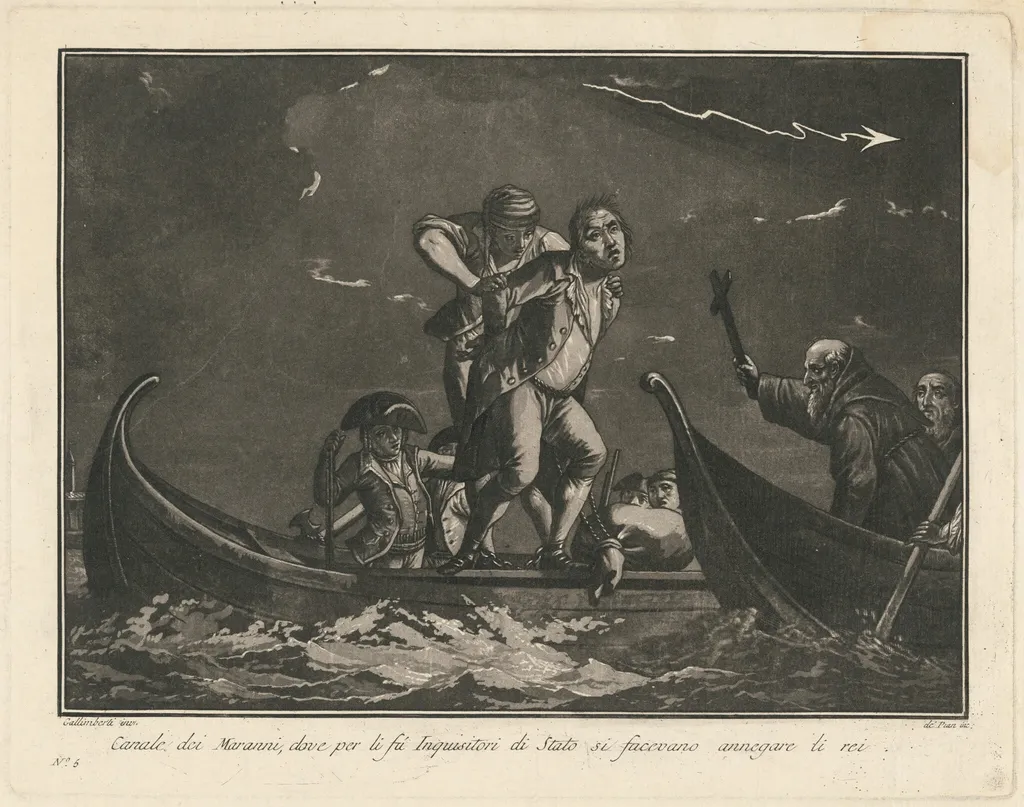
The Canal dei Marani, Where State Inquisitors Had Them Drowned is an ink print by the Romanticist artist Giovanni De Pian. It dates from 1797 and is held in the collection of the National Gallery of Art.
- Inscription
- Inscribed:in plate, below image, at left: Galliberti inv.; in plate, below image, at right: de Pian inc.; in plate, below image, at center: Canale dei Maranni, dove per li fu Inquisitori di Stato si facevano annegare li rei / No. 5; by later hand, lower right in graphite: 582;by later hand, upper left verso in pen and black ink: 5 [in circle]; by later hand, upper right verso in graphite: Pian De Gio; C34
About this work
Overview
The work belongs to a series of prints that critique political repression, using dramatic imagery to convey the brutality of state-sanctioned executions.
Created in 1797 by Giovanni De Pian, this print combines etching and aquatint on laid paper to depict a violent act in Venice’s waterways. It is part of the National Gallery of Art’s collection in Washington, D.C. The work belongs to a series of prints that critique political repression, using dramatic imagery to convey the brutality of state-sanctioned executions. Its medium allows for intense tonal contrasts, enhancing the emotional weight of the scene.
Subject & Meaning
The scene portrays a man being forcibly thrown into the Canal dei Marani, a site historically linked to the execution of political prisoners by the Venetian State Inquisitors. Figures in the boat react with urgency, some restraining, others observing, emphasizing collective complicity. The inscription at the base alludes to state power’s arbitrary cruelty, framing the act not as justice but as terror. The image functions as a silent protest against authoritarian control.
Technique & Style
De Pian employed etching for sharp, linear definition and aquatint to achieve rich, atmospheric shadows. The stormy sky and turbulent water are rendered through layered ink tones, creating a sense of claustrophobic motion. The figures are rendered with angular, forceful contours, heightening the physical struggle.
The composition directs the viewer’s eye toward the falling body, amplifying the moment’s violence through controlled chaos and stark light-dark contrasts.
History & Provenance
The print emerged during a period of political upheaval in Venice, as the Republic neared its collapse under Napoleonic pressure. De Pian, likely aligned with anti-authoritarian sentiments, produced this work as part of a broader critique of the Inquisitors’ secret tribunals. It entered the National Gallery of Art’s collection in the 20th century, preserved as a rare visual record of Venetian political repression and its artistic resistance.
Context
In late 18th-century Venice, the State Inquisitors operated with near-absolute power, using clandestine trials and executions to silence dissent. The Canal dei Marani, though less documented than other sites, was rumored as a place of secret drownings. De Pian’s print taps into public unease and folklore surrounding these acts, transforming local memory into a visual indictment. The work reflects broader Enlightenment-era anxieties about unchecked authority.
Legacy
Though not widely exhibited, the print remains a significant example of political printmaking in late Venetian culture. It contributes to the understanding of how artists used print media to circumvent censorship and disseminate dissent. Its survival in major collections underscores its value as a historical document, offering insight into the intersection of art, power, and repression in a fading republic.
Own this work as a print
Artist & collection


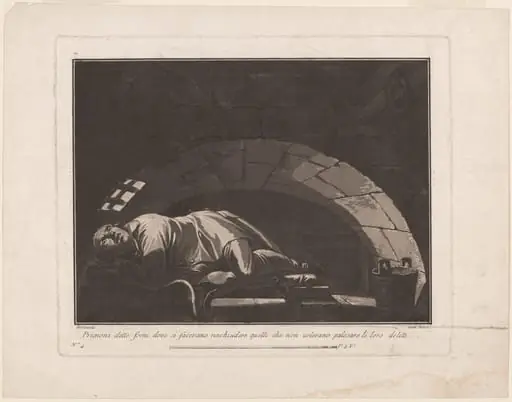 The "Ovens," for Those Who Wouldn't Admit Their Crimes
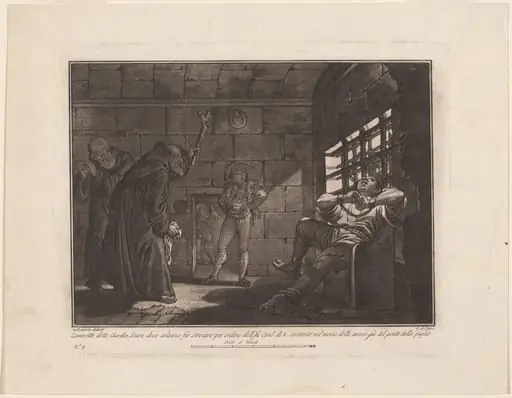 The "Giardin Scuro," for Executions by Strangling
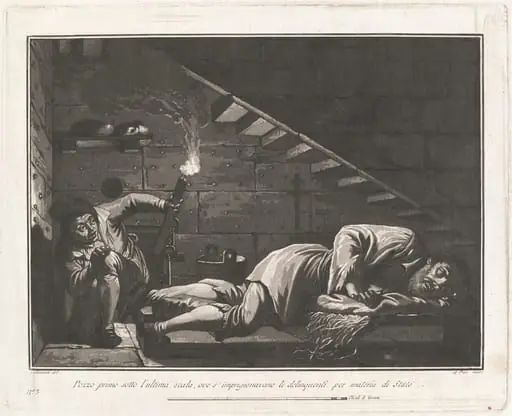 The "Well," for Violators of State Law
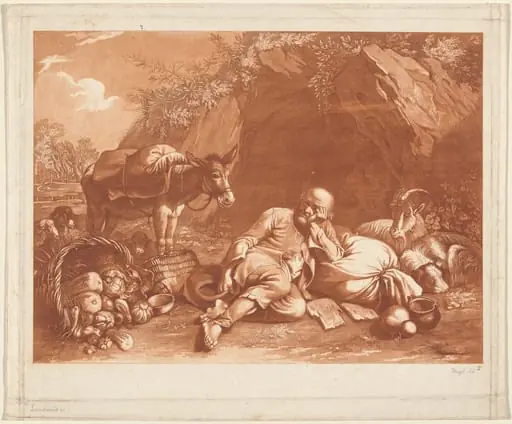 An Old Man Leaning on a Sack
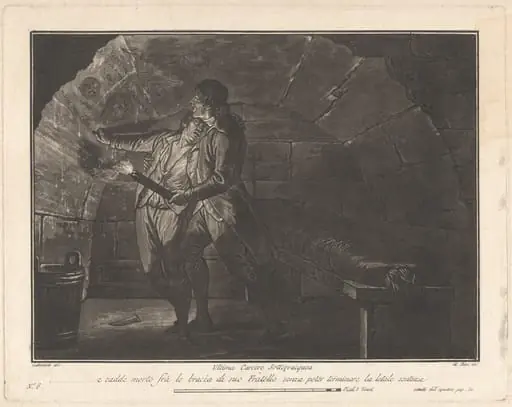 The Last Underground Prison: He Fell Dead into His Brother's Arms
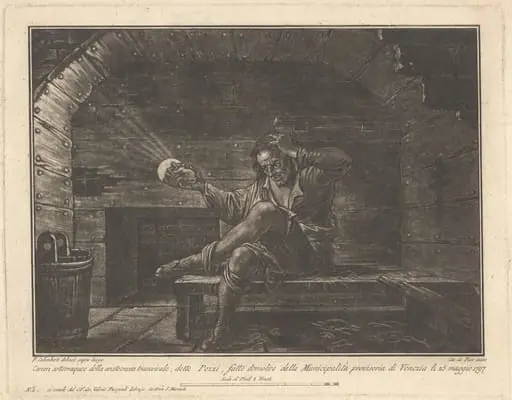 Underground Prisons, Known as "the Wells"
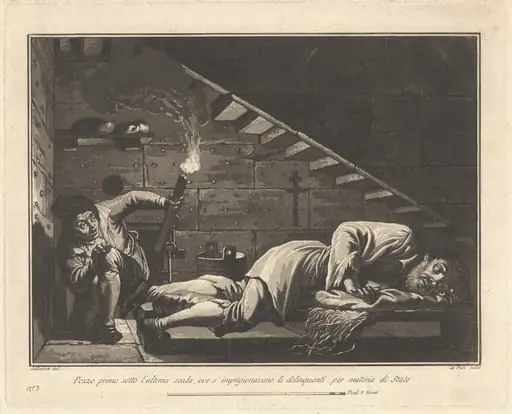 The "Well," for Violators of State Law
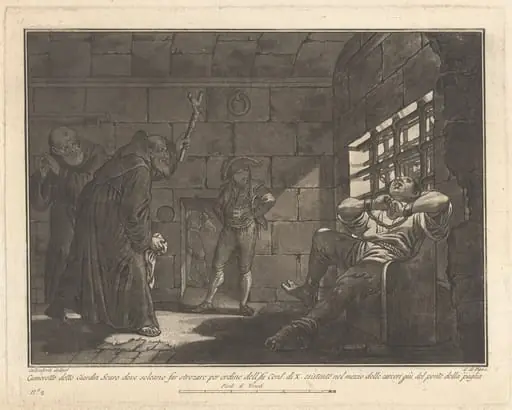 The "Giardin Scuro," for Executions by Strangling
- La fiancee du roi de Garbe: La cassette
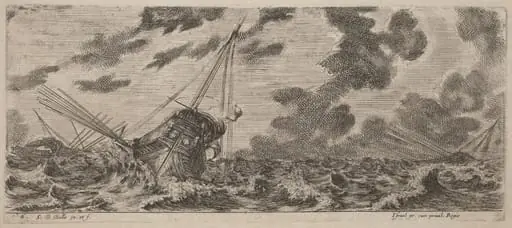 Ship in Tempest
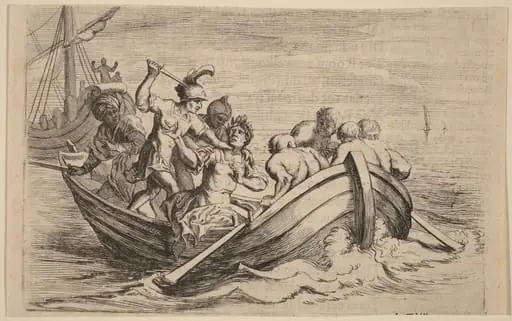 The Stabbing of Pompey
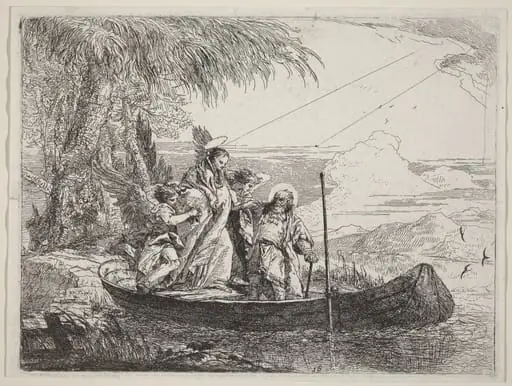 The Madonna, Child, and Angels Entering the Boat
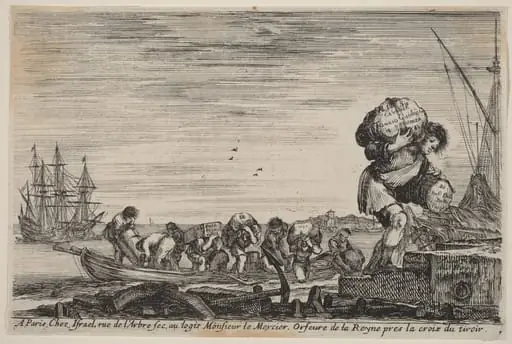 Title Page for "Views of the Ports of the Sea"
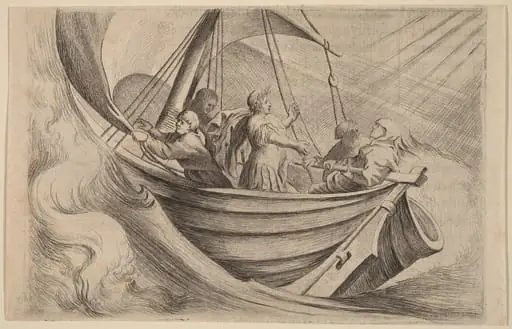 Caesar Crossing Stormy Seas
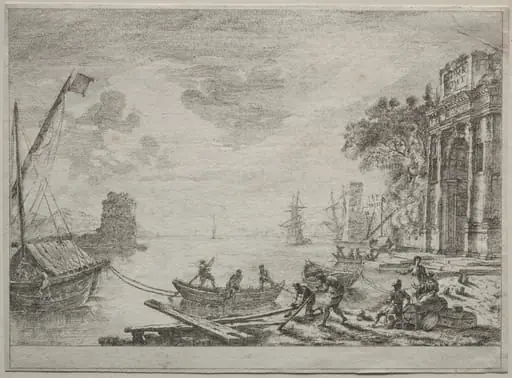 The Sunset
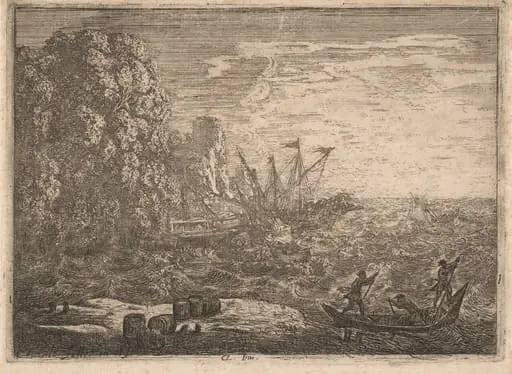 The Tempest (La Tempête)
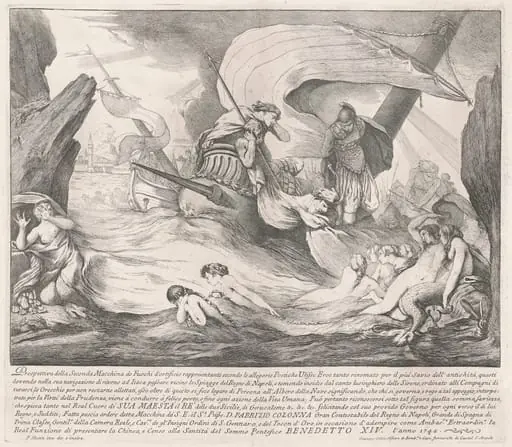 The Seconda Macchina for the Chinea of 1742: Ulysses and the Sirens
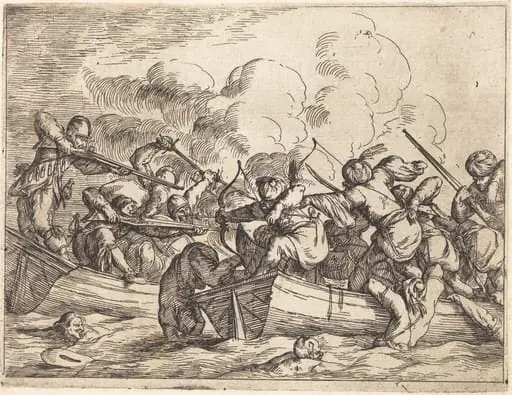 Capricci di varie battaglie
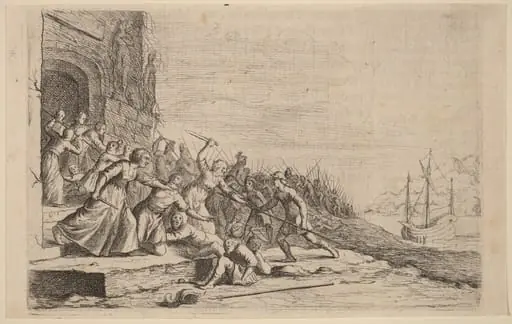 The Followers of Solon Defending the Temple of Venus
 The Miraculous Draught of Fishes