Artwork
Maria in Prayer
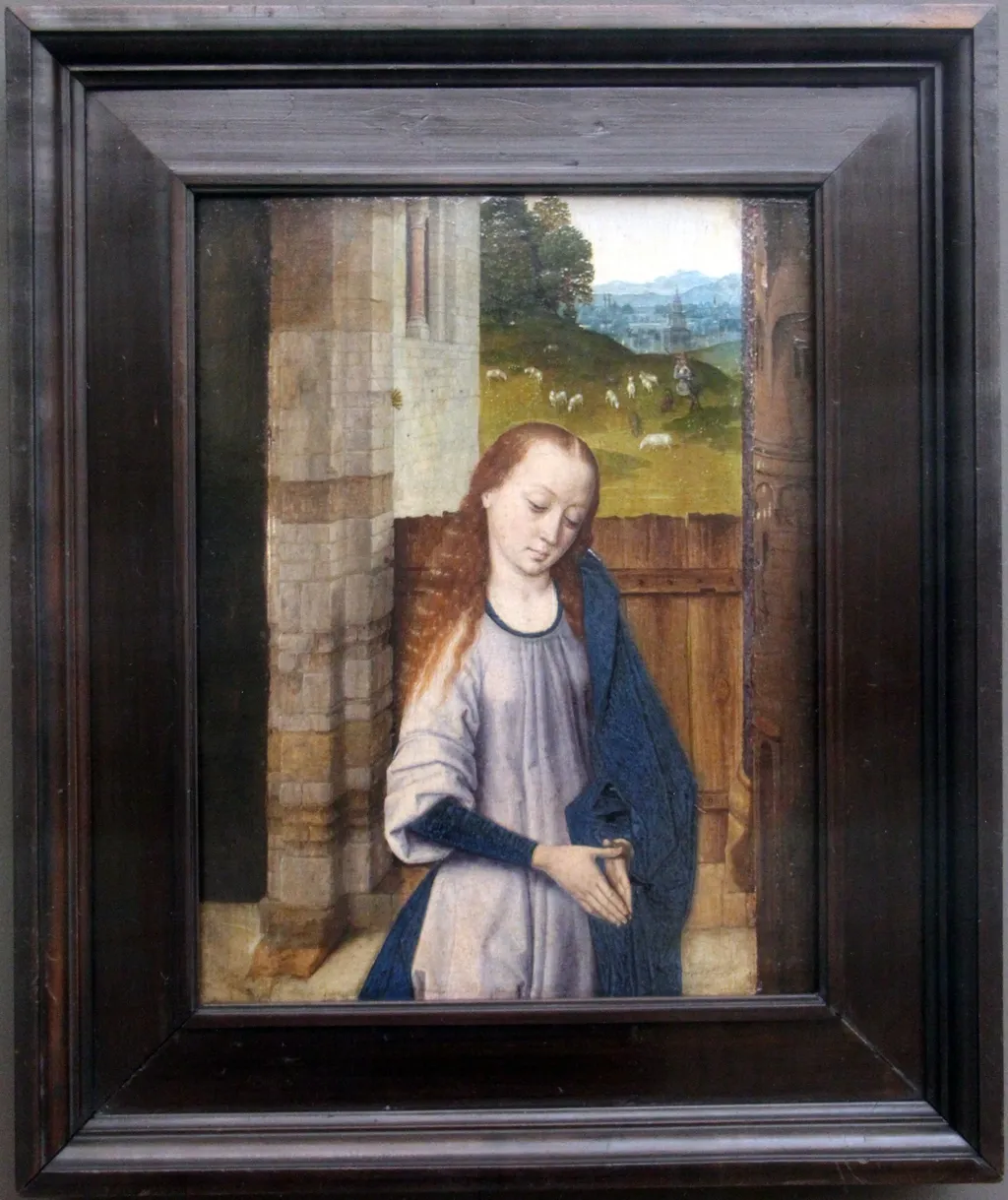
Maria in Prayer is an oil painting by the Northern Renaissance artist Dieric Bouts. It dates from 1450 and is held in the collection of the Gemäldegalerie Berlin. Created circa 1450, this oil painting presents a solitary female figure in a moment of devotion.
About this work
Overview
Maria in Prayer is a religious panel painting created by the Early Netherlandish master Dieric Bouts in 1450.
Maria in Prayer is a religious panel painting created by the Early Netherlandish master Dieric Bouts in 1450. Executed in oil paint on a wooden panel, the work measures 24 in height and 14.5 in width. The painting is a fragment of a disassembled altarpiece originally from Abbey Salmonweiler. Today, the work is held in the collection of the Gemaldegalerie Berlin, Salem Abbey. As a concentrated devotional image of the Virgin, the panel exemplifies the austere, meditative manner that distinguished Bouts from his contemporaries in fifteenth-century Leuven.
Subject & Meaning
The painting depicts the Virgin Mary as a single female figure positioned slightly to the left, engaged in solitary prayer. Her head is bowed and her eyes are cast downward, while her hands are clasped together at her waist in a gesture of devout contemplation. She wears a pale lavender or light gray dress, over which a dark blue mantle is draped across her left shoulder and falls behind her. Her long reddish-brown hair flows down her right shoulder. The imagery reflects the growing influence of the Modern Devotion movement in the fifteenth century, which emphasized personal prayer and meditation, creating a demand for intimate works that facilitated private devotion.
Technique & Style
Bouts executed the work in oil paint on a panel support, employing a palette of muted earth tones, soft greens, warm browns, and the cool blue of the Virgin's mantle. Light falls evenly from the left, illuminating the face and hands of the figure while casting subtle shadows. The paint surface appears smooth, featuring fine detail particularly in the rendering of the face and fabrics. This refined handling aligns with Bouts's broader stylistic signature, which art historians characterize as more austere and linear than that of his predecessors like Rogier van der Weyden and Jan van Eyck. His figures possess a distinct stillness and spatial quietness, their gestures small and their faces grave, achieving a deeply meditative tone.
History & Provenance
Created in 1450, Maria in Prayer was originally part of a larger altarpiece that was subsequently disassembled. The altarpiece originated from Abbey Salmonweiler. The fragment is also associated with a Nativity scene, suggesting its original context within a broader narrative of the life of the Virgin. Following the dissolution of the altarpiece, the panel entered the collection of the Gemaldegalerie Berlin, Salem Abbey, where it remains today. The dismemberment of such altarpieces was a common historical occurrence, often resulting in individual wings and fragments entering distinct museum collections across Europe.
Context
Dieric Bouts, born around 1415 in Haarlem, established his career in Leuven, where he is documented from at least 1457 and served as the official city painter from 1468 until his death in 1475. Leuven was a major center of late medieval scholasticism, home to a Catholic university and wealthy brotherhoods who commissioned contemplative altarpieces. While Bouts learned from Rogier van der Weyden and the Van Eycks, he developed a distinct manner that made Leuven a quiet rival to Bruges and Brussels. Though somewhat eclipsed by van der Weyden and Jan van Eyck in broader art historical fame, Bouts produced high-quality panel paintings characterized by careful compositions, lifelike figures, and vibrant colors, securing his irreplaceable place among early Netherlandish masters.
Legacy
The calm, linear manner developed by Bouts had a lasting impact on Northern European painting. His workshop was continued by his two sons, Dieric Bouts the Younger and Albrecht Bouts, into the early sixteenth century. Beyond his immediate workshop, Bouts's stylistic formulas were widely imitated by Netherlandish painters down to the time of Quentin Matsys. Single-figure devotional panels like Maria in Prayer established a pattern of concentrated, meditative imagery that was reproduced in shops across the Low Countries and into Spain, ensuring the circulation of his aesthetic and theological vision throughout the broader European Renaissance.
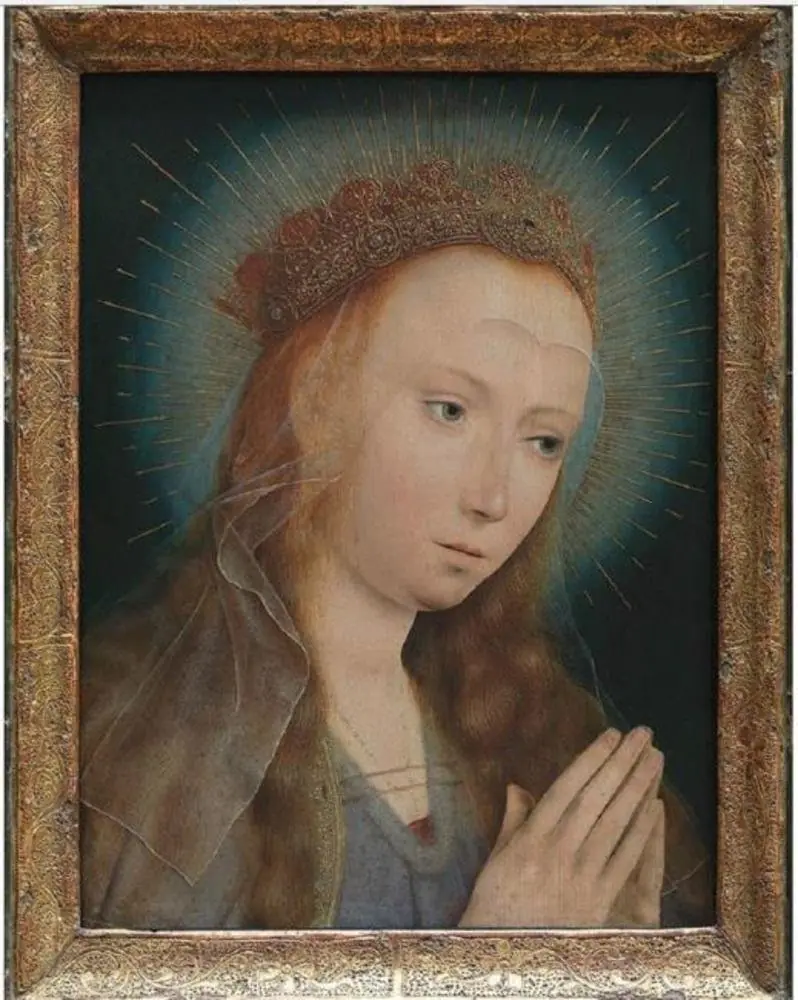
Own this work as a print
Artist & collection
Artist
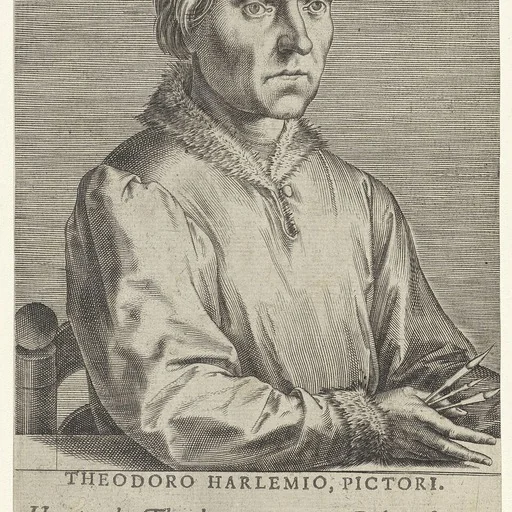
Dieric Bouts (born c. 1415 – 6 May 1475) was an Early Netherlandish painter. Bouts may have studied under Rogier van der Weyden, and his work was influenced by van der Weyden and Jan van Eyck. He worked in Leuven from…

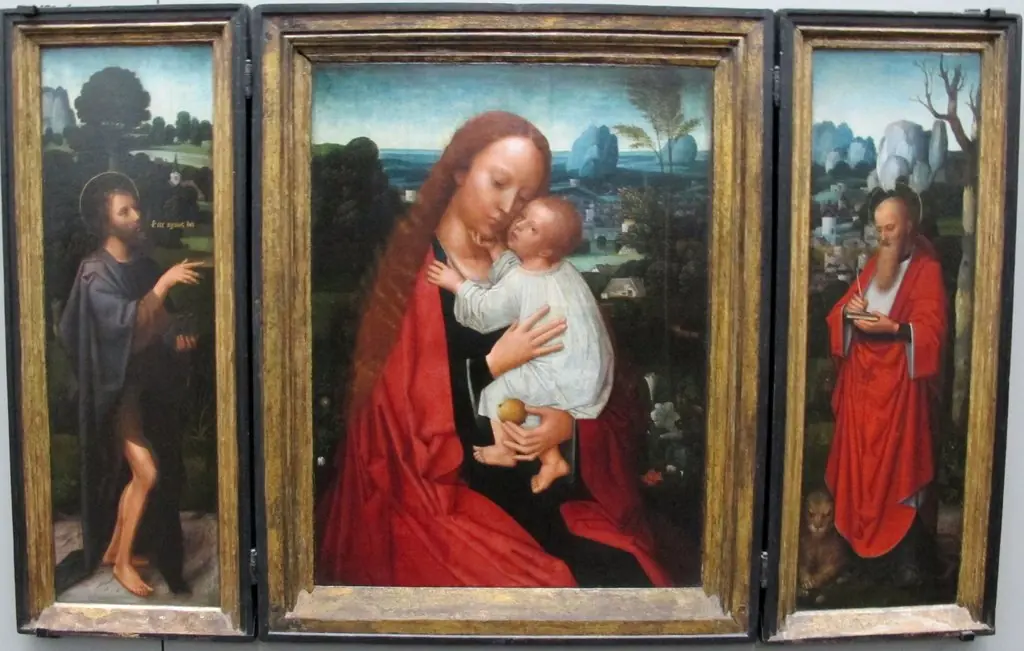 Madonna with John the Baptist and Saint Jerome
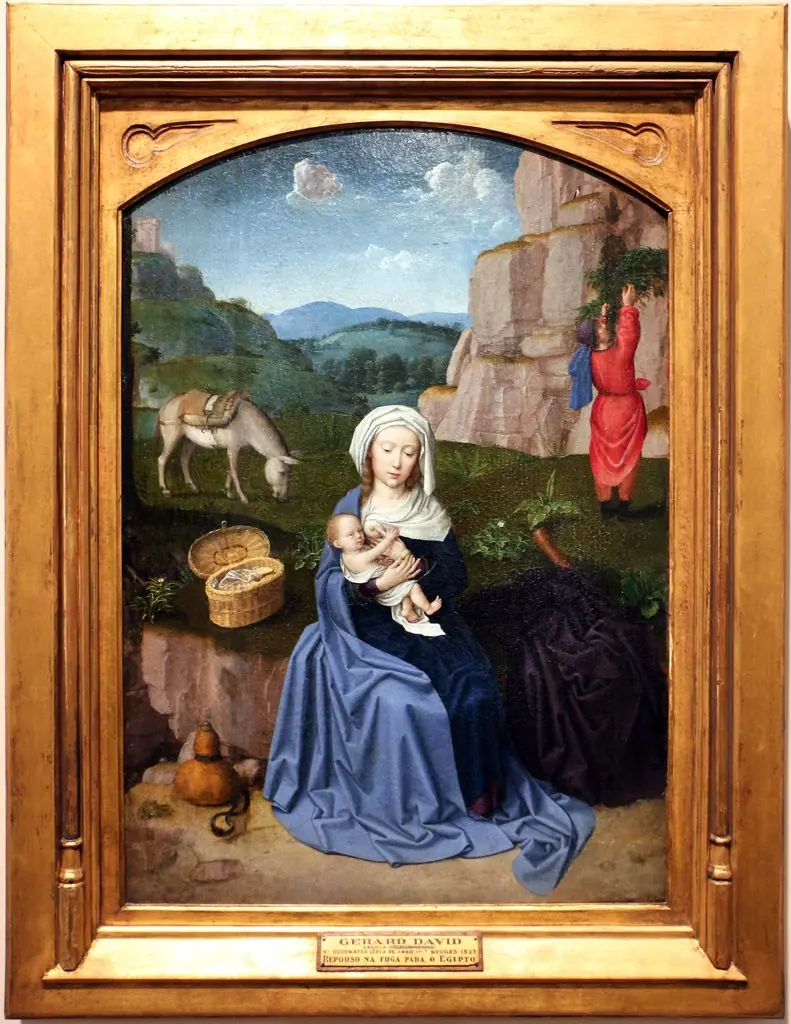 Rest on the Flight into Egypt
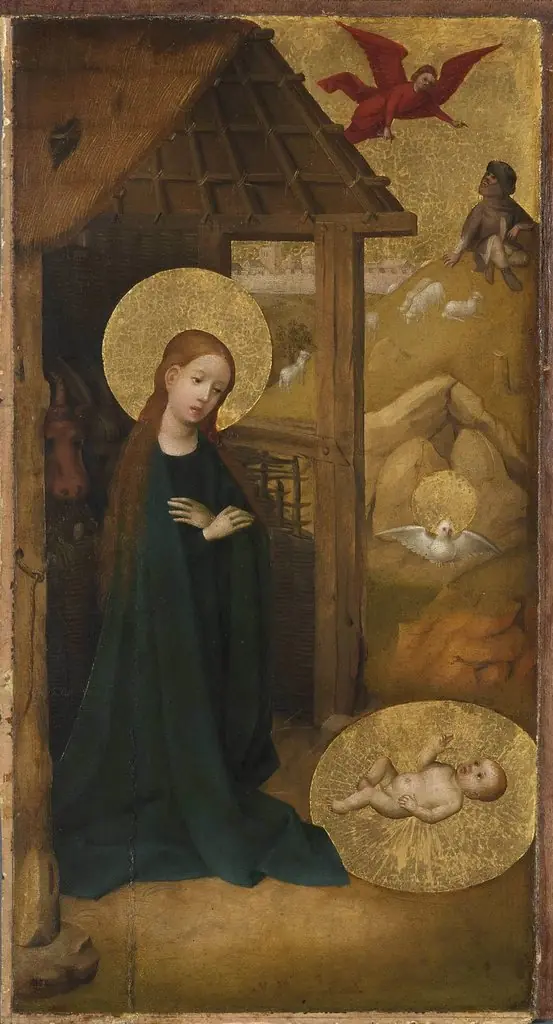 Nativiti (altar piece, with the Cucifixion op Saint Peter and a martyr as outer parts)
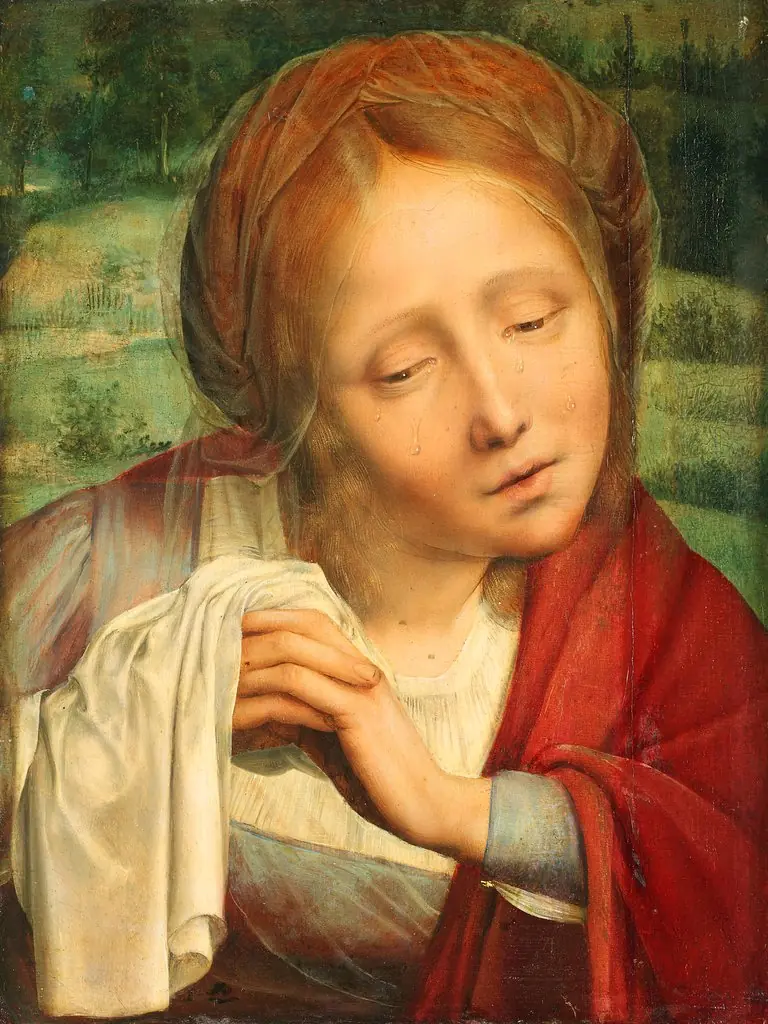 Mourning Woman from a Lamentation
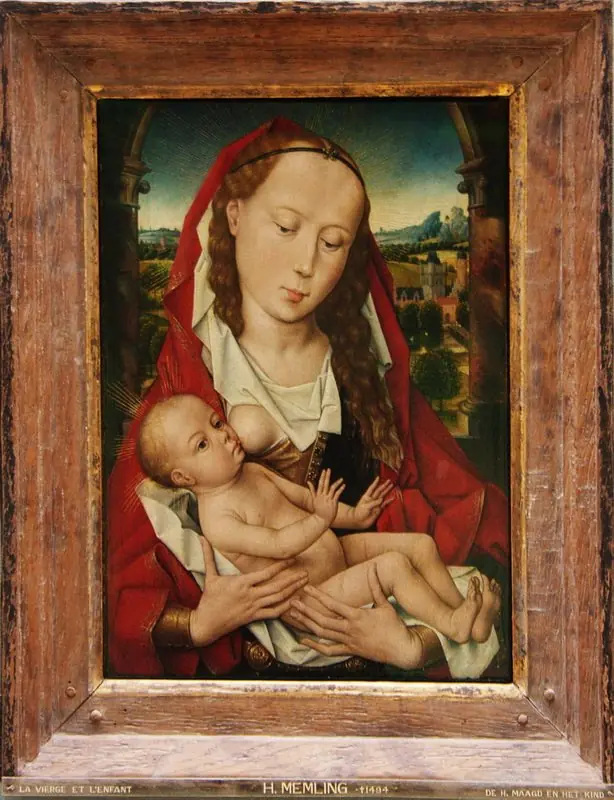 Mare de Déu de la llet
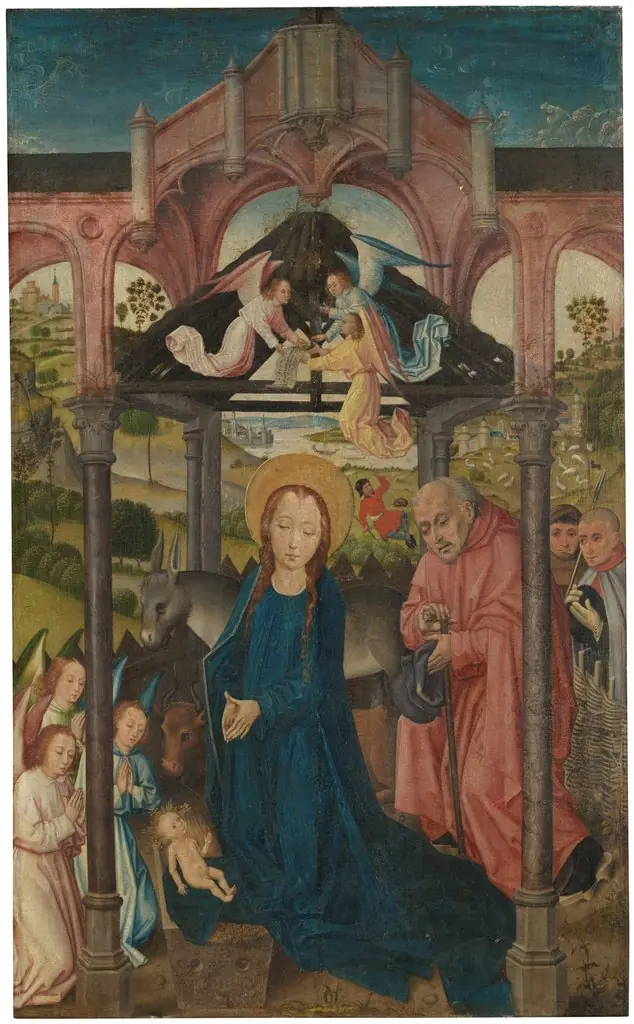 The Nativity
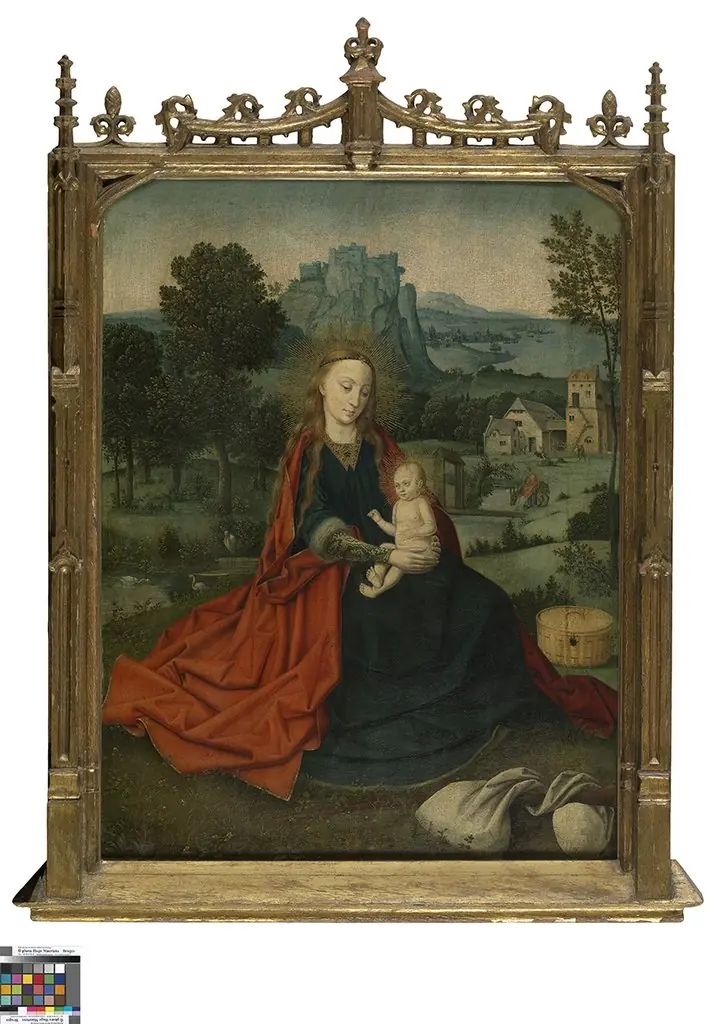 Rest on the Flight into Egypt
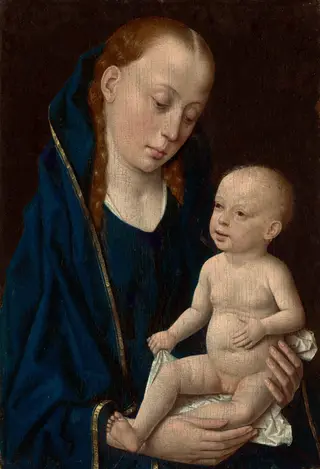
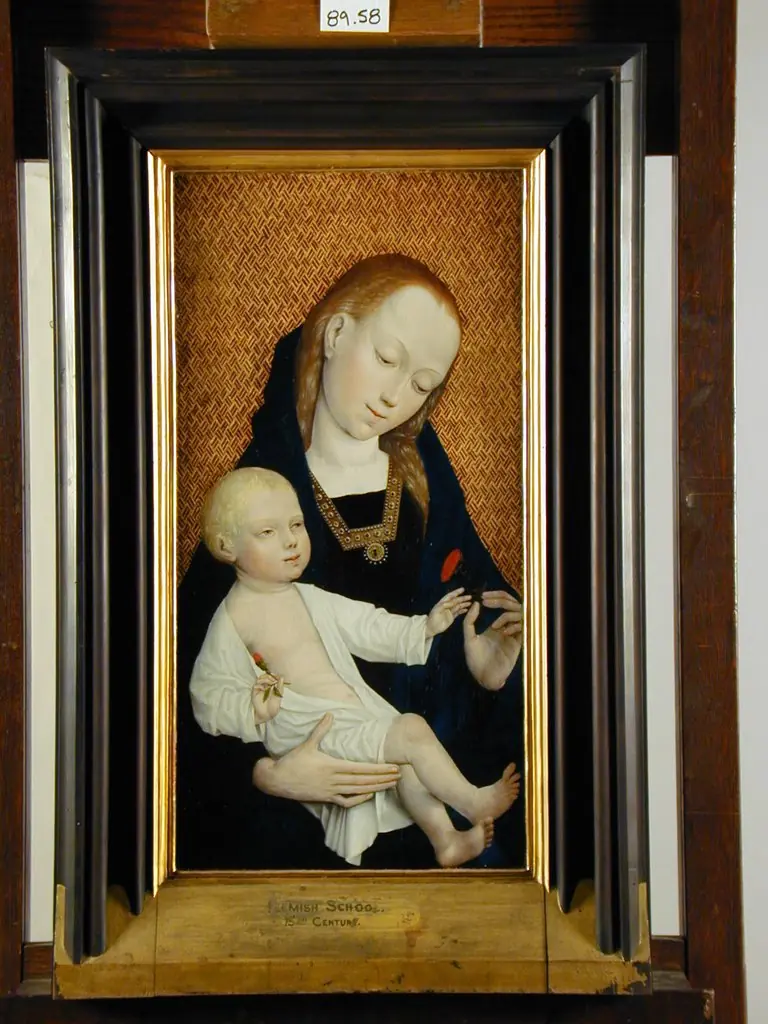 The Virgin and Child
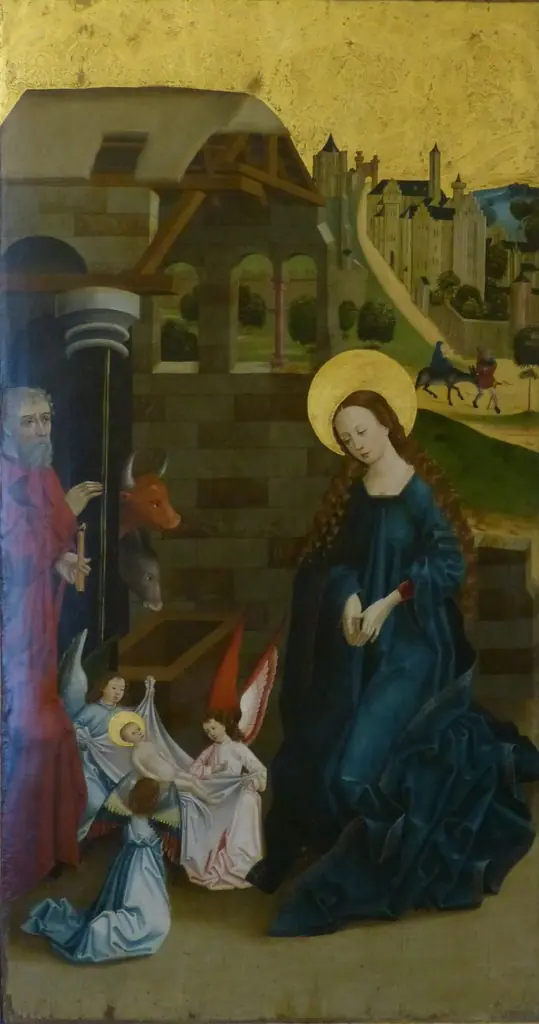 Adoration (The Nativity)
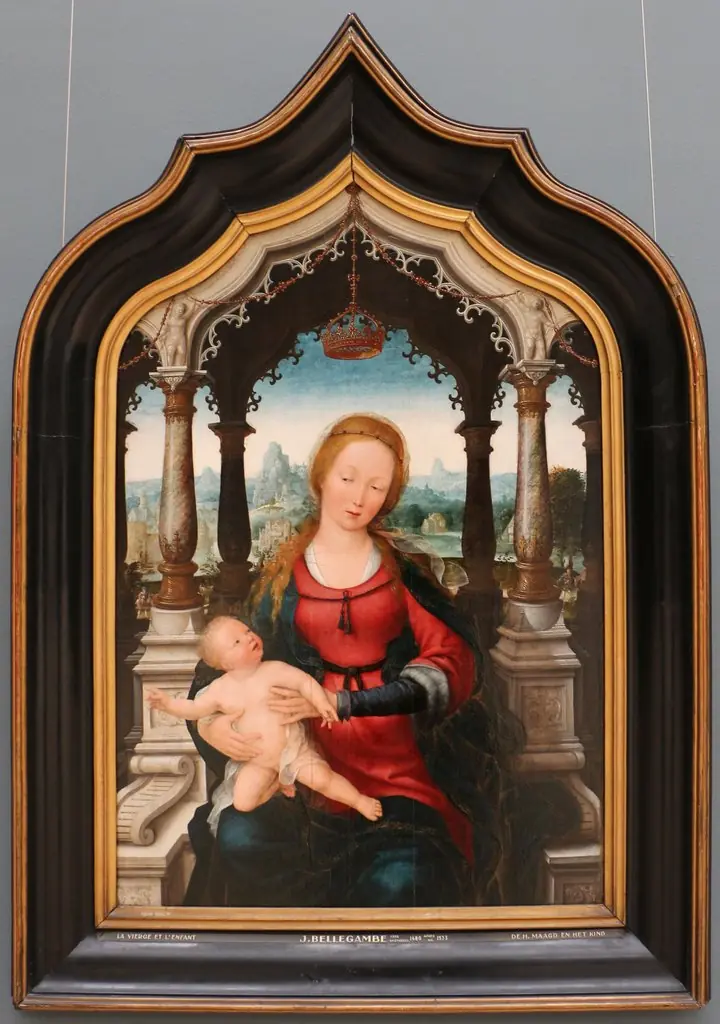 Virgin and Child
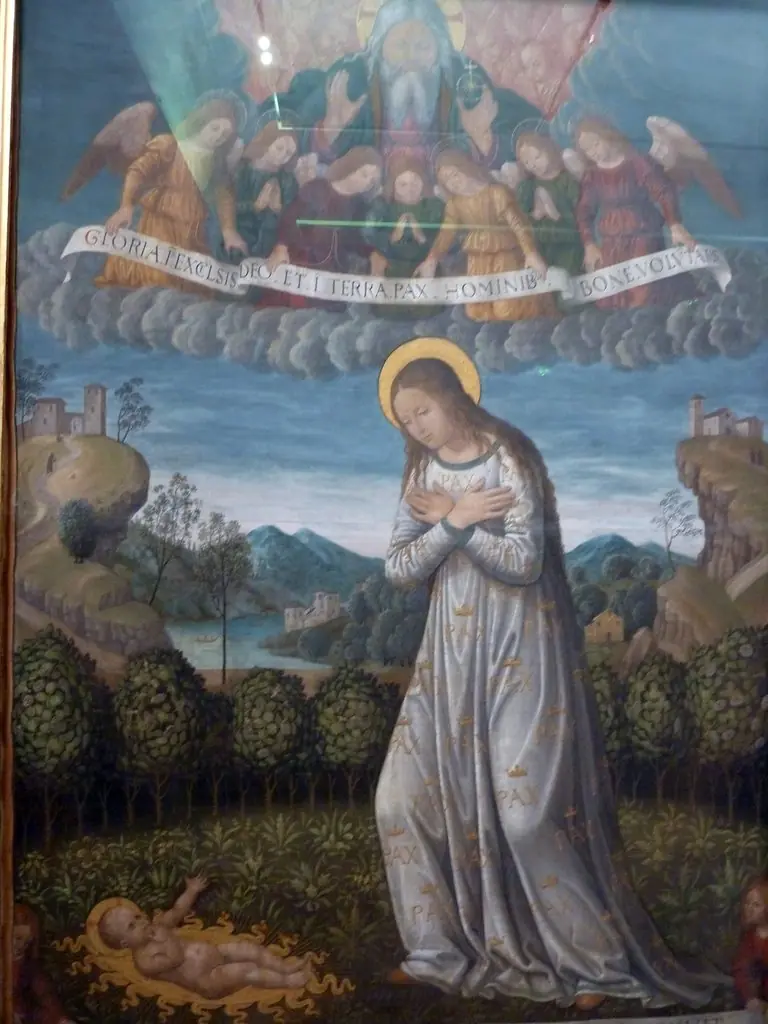 Mary adoring the child
- Virgin Mary Praying