Artwork
Adoration of the Magi
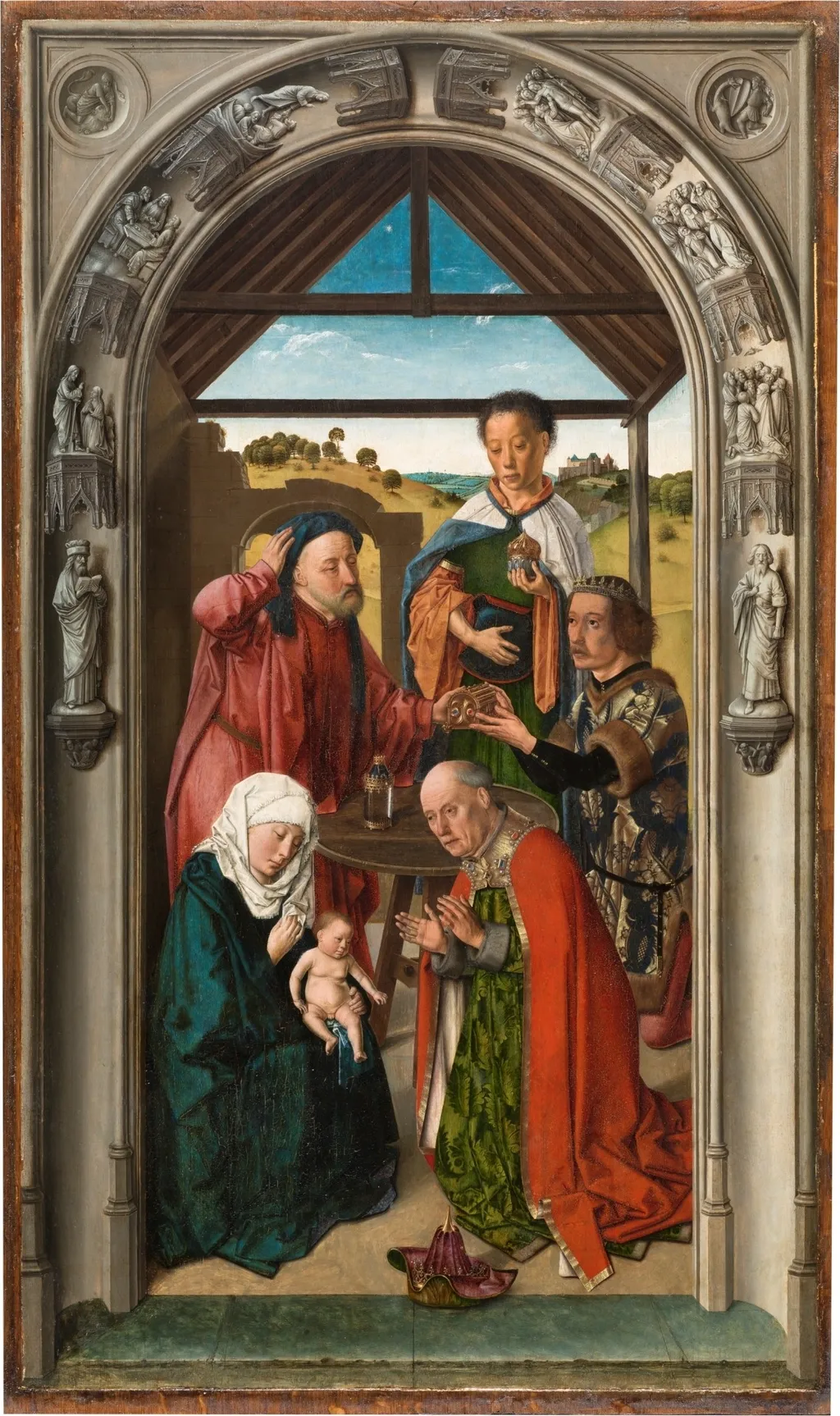
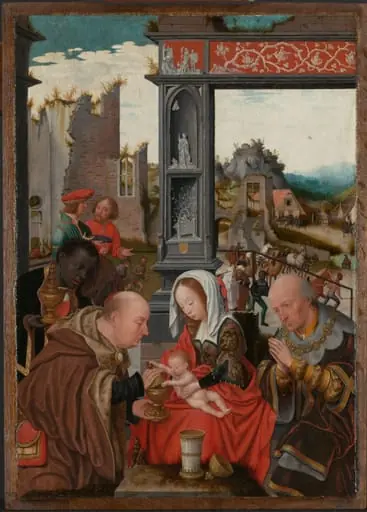
Adoration of the Magi is an oil painting by the Early Renaissance artist Dieric Bouts. It dates from 1445 and is held in the collection of the Museo del Prado.
About this work
Subject & Meaning
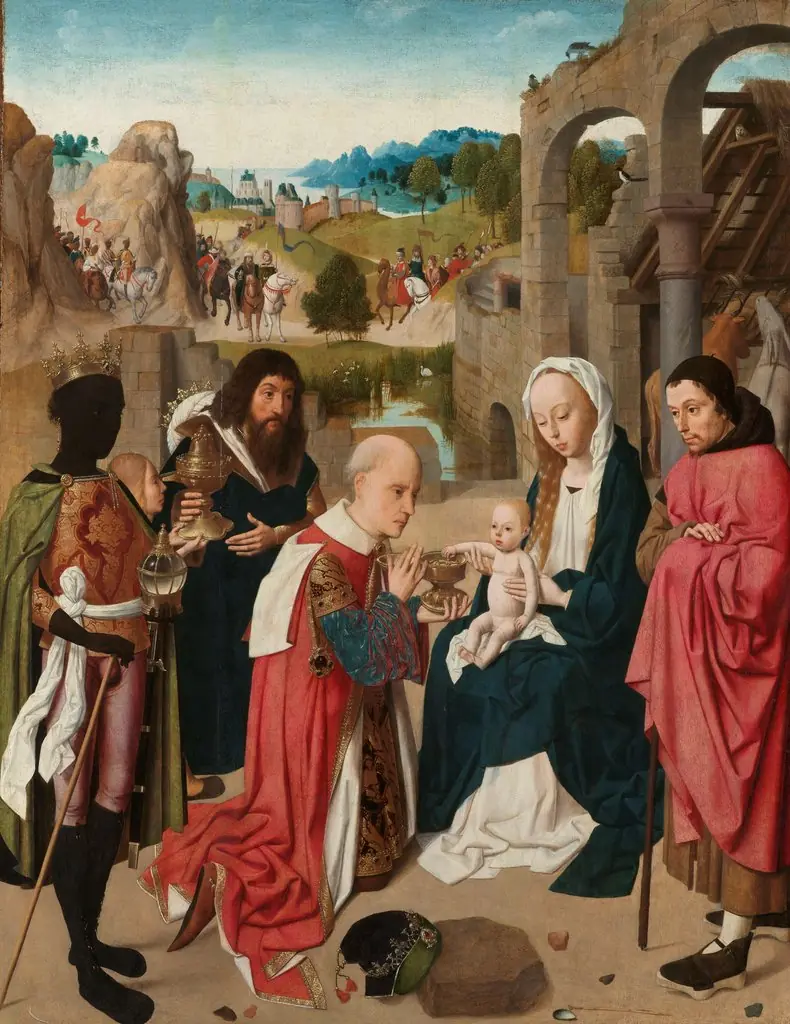
The composition includes the Virgin Mary and Joseph alongside the three Biblical Magi, focusing on the act of worship and recognition of the infant Jesus.
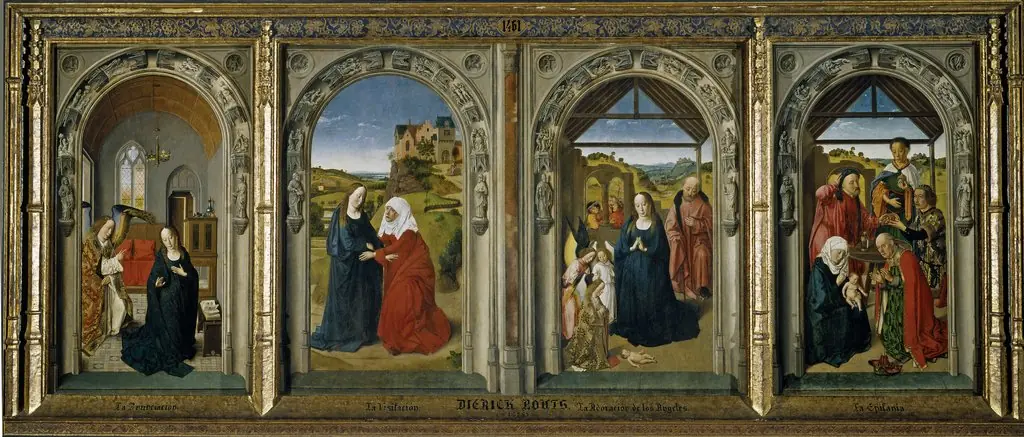
Dieric Bouts's Adoration of the Magi, created in 1445, is a religious panel painting that originally formed part of a larger triptych containing four distinct scenes. The work depicts the biblical event of the Magi presenting gifts to the Christ Child, a central moment in Christian theology. The composition includes the Virgin Mary and Joseph alongside the three Biblical Magi, focusing on the act of worship and recognition of the infant Jesus.
As a segment of a multi-scene narrative, this panel specifically isolates the adoration sequence within the broader story of the Nativity.
Technique & Style
Adoration of the Magi is executed in oil paint on a wooden panel, a support typical of mid-fifteenth-century Netherlandish devotional painting. The work measures 80 cm in height by 56 cm in width and forms one panel of a multi-scene triptych that also includes the Annunciation, Visitation, and Nativity. Its small scale and panel format are consistent with the intimate, finely detailed handling associated with Dieric Bouts's early religious commissions.
The composition centers on the Adoration of the Magi as its main subject, depicting the Virgin Mary, the Christ Child, Joseph, and the Biblical Magi in a religious setting. The use of oil as the binding medium allowed for the layered, translucent glazes characteristic of the Early Netherlandish tradition, supporting the precise rendering of figures and devotional atmosphere that defines the panel's stylistic character.
History & Provenance
Created in 1445 by the artist Dieric Bouts, this oil painting on panel depicts the Adoration of the Magi. The work originally functioned as one of four scenes within a larger triptych, which also included representations of the Annunciation, Visitation, and Nativity. Currently held in the collection of the Museo del Prado, the panel measures 80 cm in height and 56 cm in width. The inception date of 1445 is established as the canonical year of creation for this religious artwork.
Legacy
The Adoration of the Magi, painted by Dieric Bouts in 1445, forms one panel of a four‑scene altarpiece that has been part of the Museo del Prado’s collection since its acquisition. The work, executed in oil on panel and measuring 80 × 56 cm, is cited in art‑historical references as a clear example of early Netherlandish devotional painting, and its display in the Prado has contributed to the artist’s reputation as a master of narrative composition in the mid‑15th century. Scholars continue to reference the panel when discussing the development of triptych structures and the portrayal of biblical narratives in Northern Europe.
Overview
Created by the Early Netherlandish painter Dieric Bouts in 1445, Adoration of the Magi is an oil painting depicting a pivotal biblical scene. This work, now housed in the Museo del Prado, exemplifies the artistic innovations of the early Northern Renaissance. It portrays the three kings presenting their tributes to the infant Christ, attended by the Virgin Mary and Saint Joseph, within an intricately detailed interior.
Artist & collection
Artist
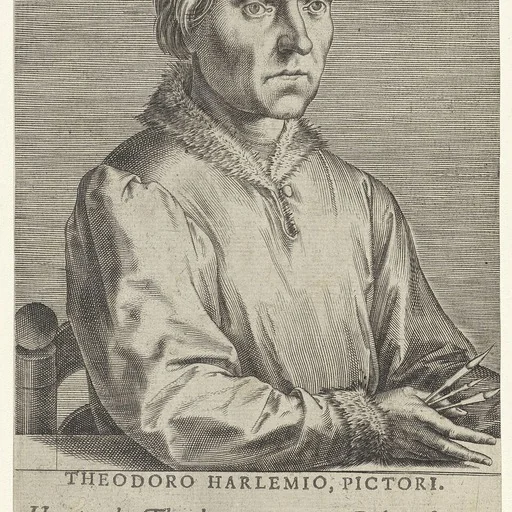
Dieric Bouts (born c. 1415 – 6 May 1475) was an Early Netherlandish painter. Bouts may have studied under Rogier van der Weyden, and his work was influenced by van der Weyden and Jan van Eyck. He worked in Leuven from…

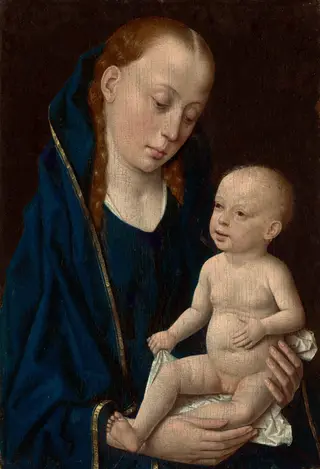
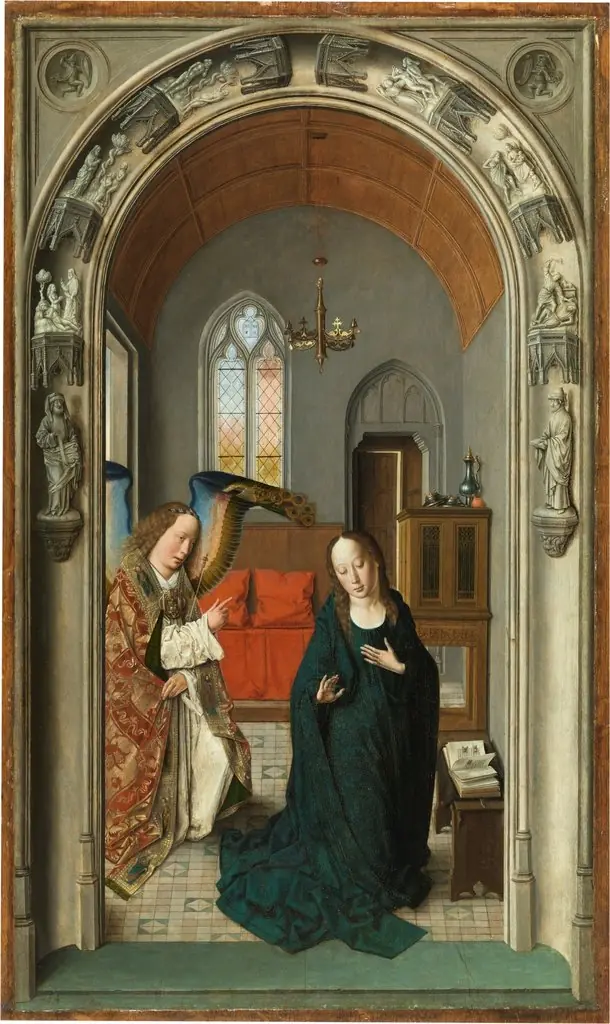
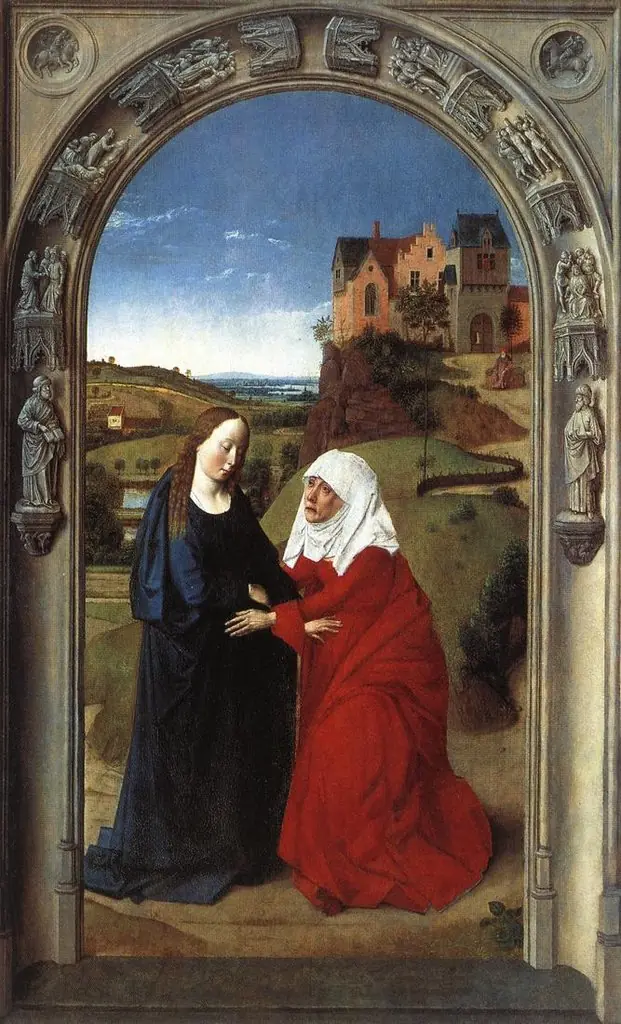
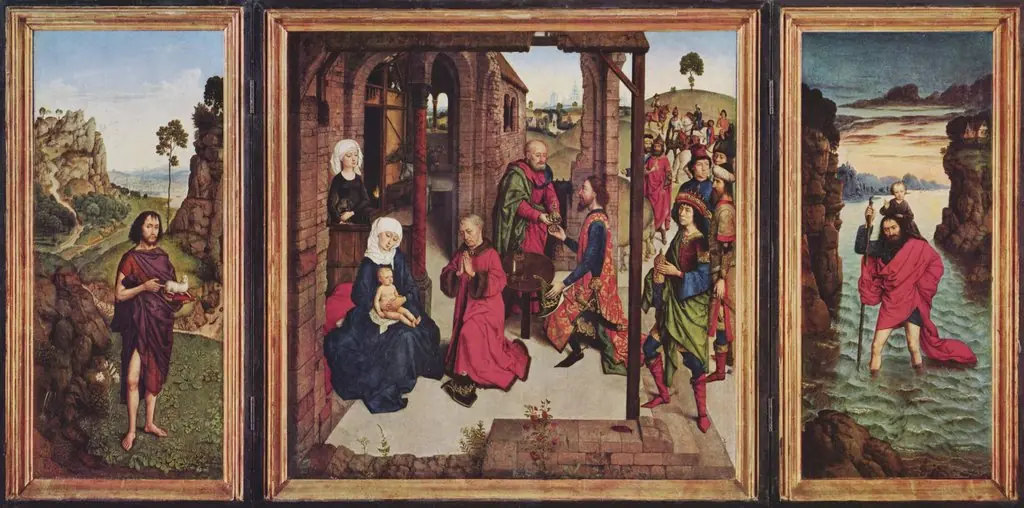
- Adoration of the Magi
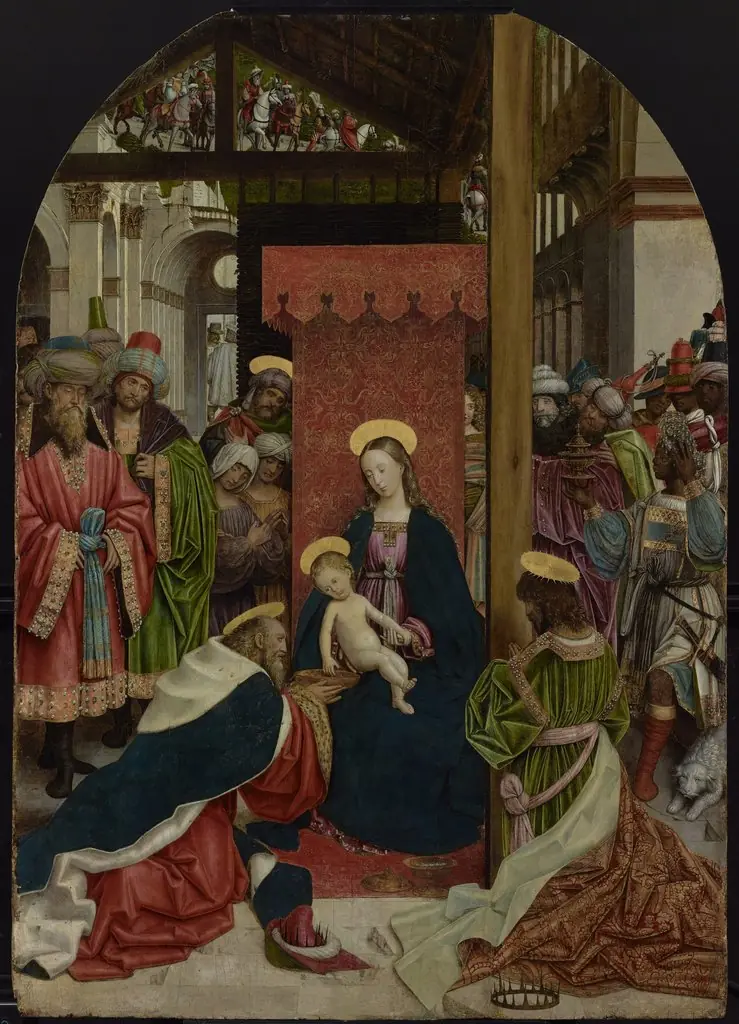
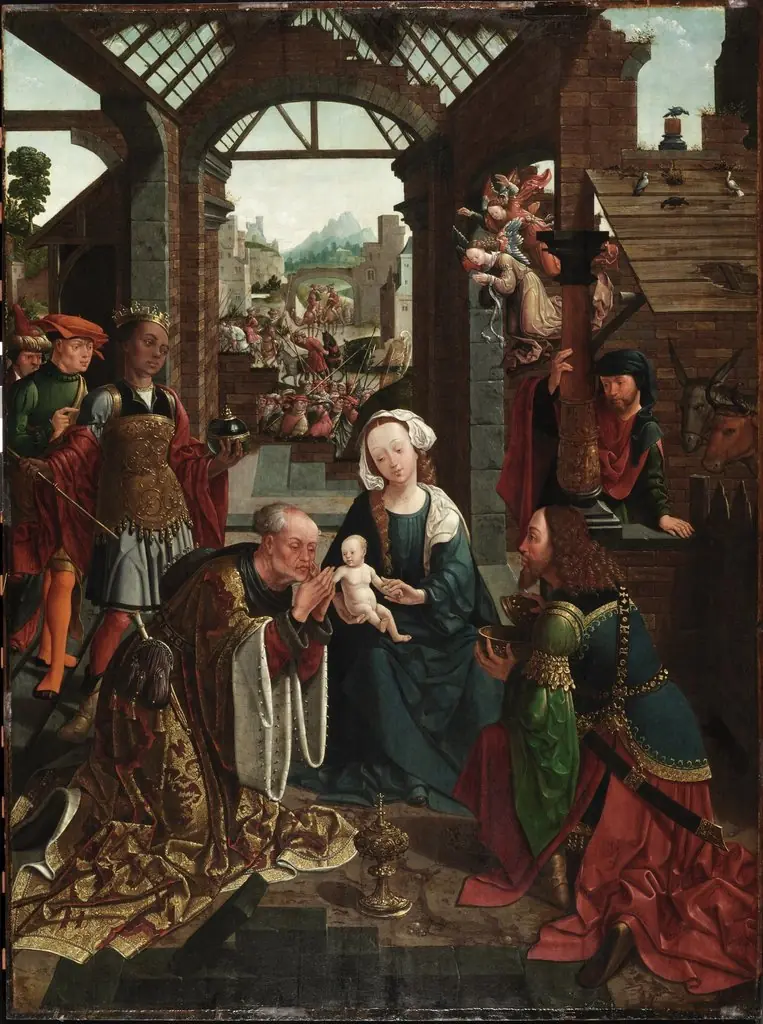 The Adoration of the Kings
 The Adoration of the Magi
 The Adoration of the Magi
 The Nativity
 Kaisheimer Altar: Darbringung im Tempel
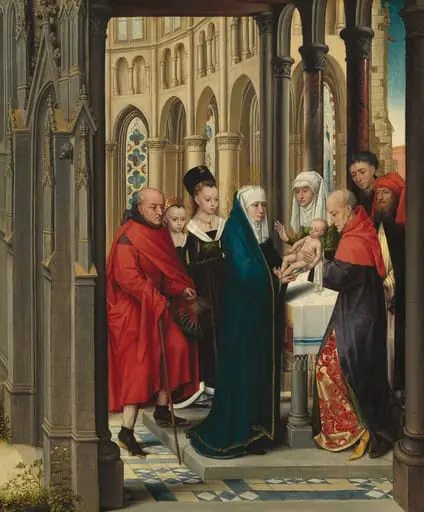 The Presentation in the Temple
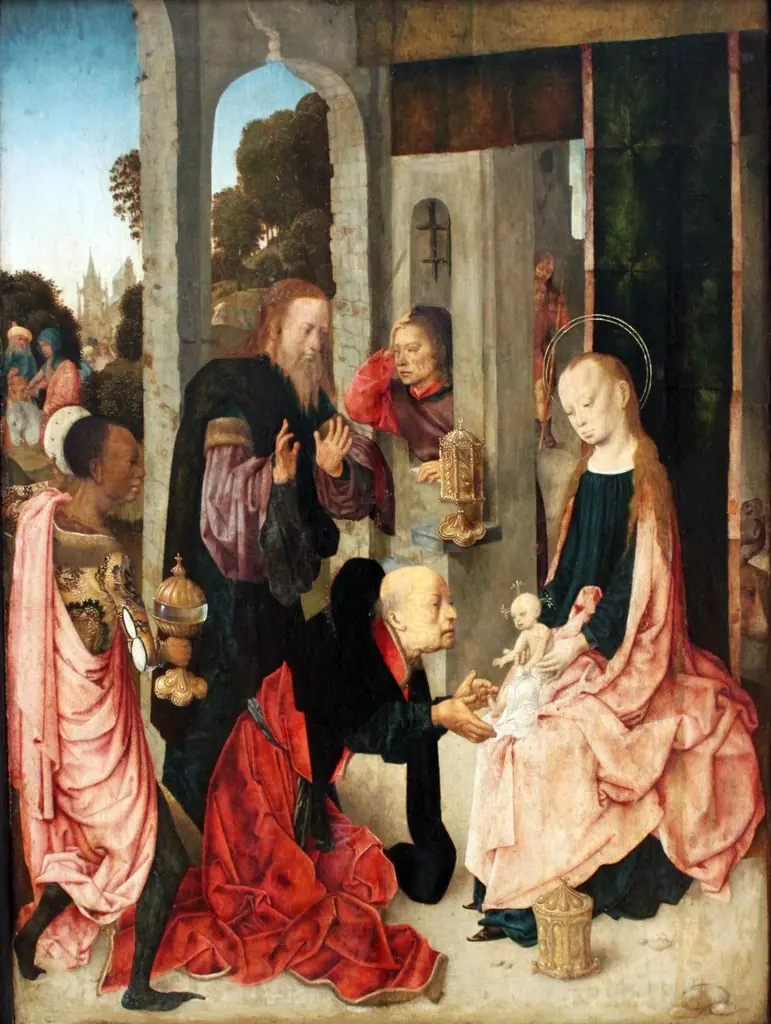 Adoration of the Kings
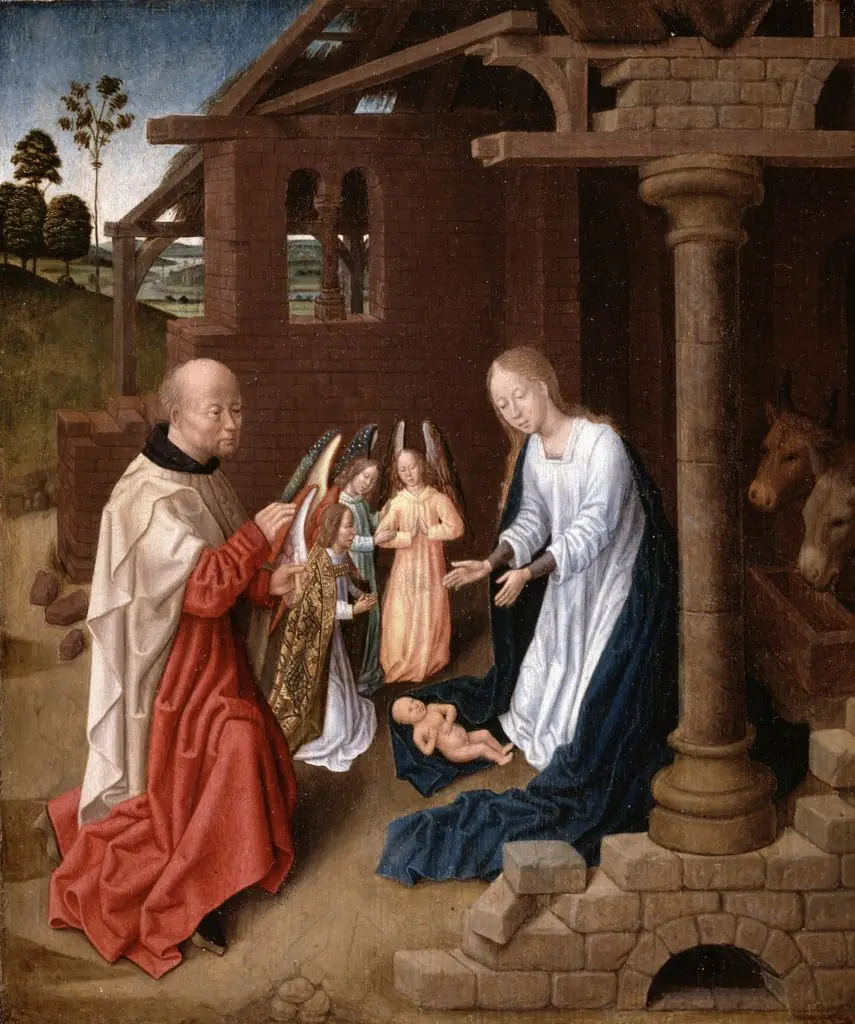 Adoration of the Christ Child
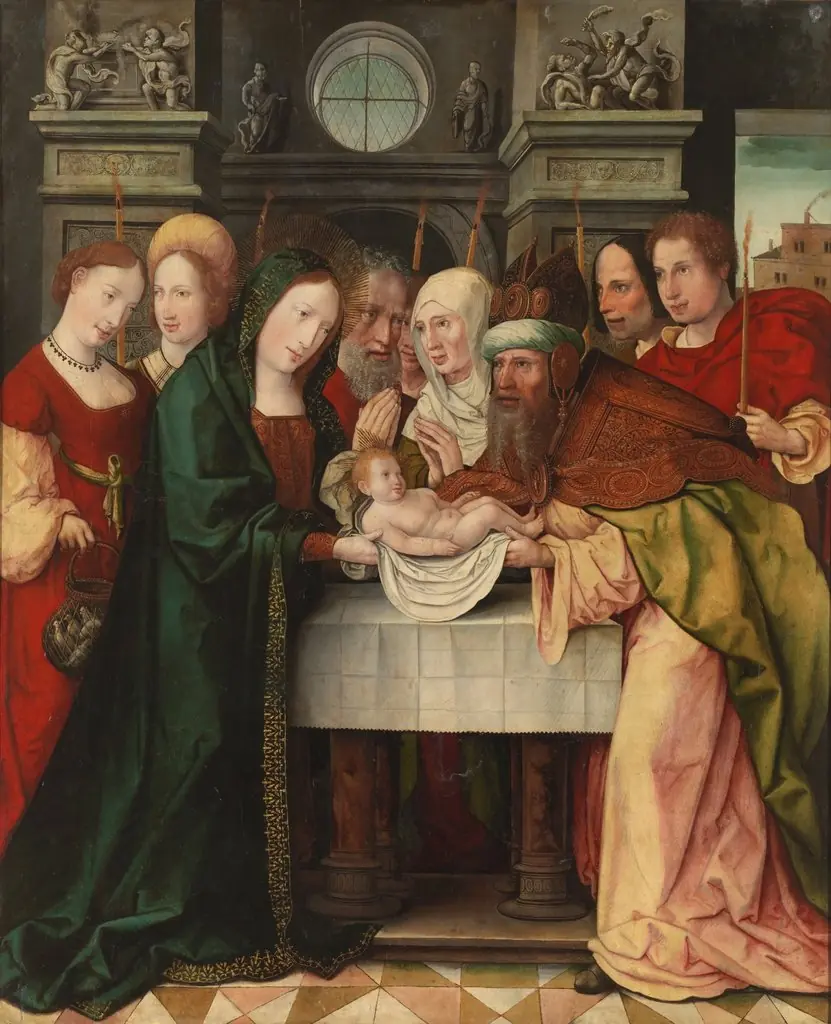 La Purificación de la Virgen
 De aanbidding van de koningen
 Virgin and Child Enthroned, with Saints Jerome and John the Baptist and a Carthusian Monk