Artwork
Virgin and Child
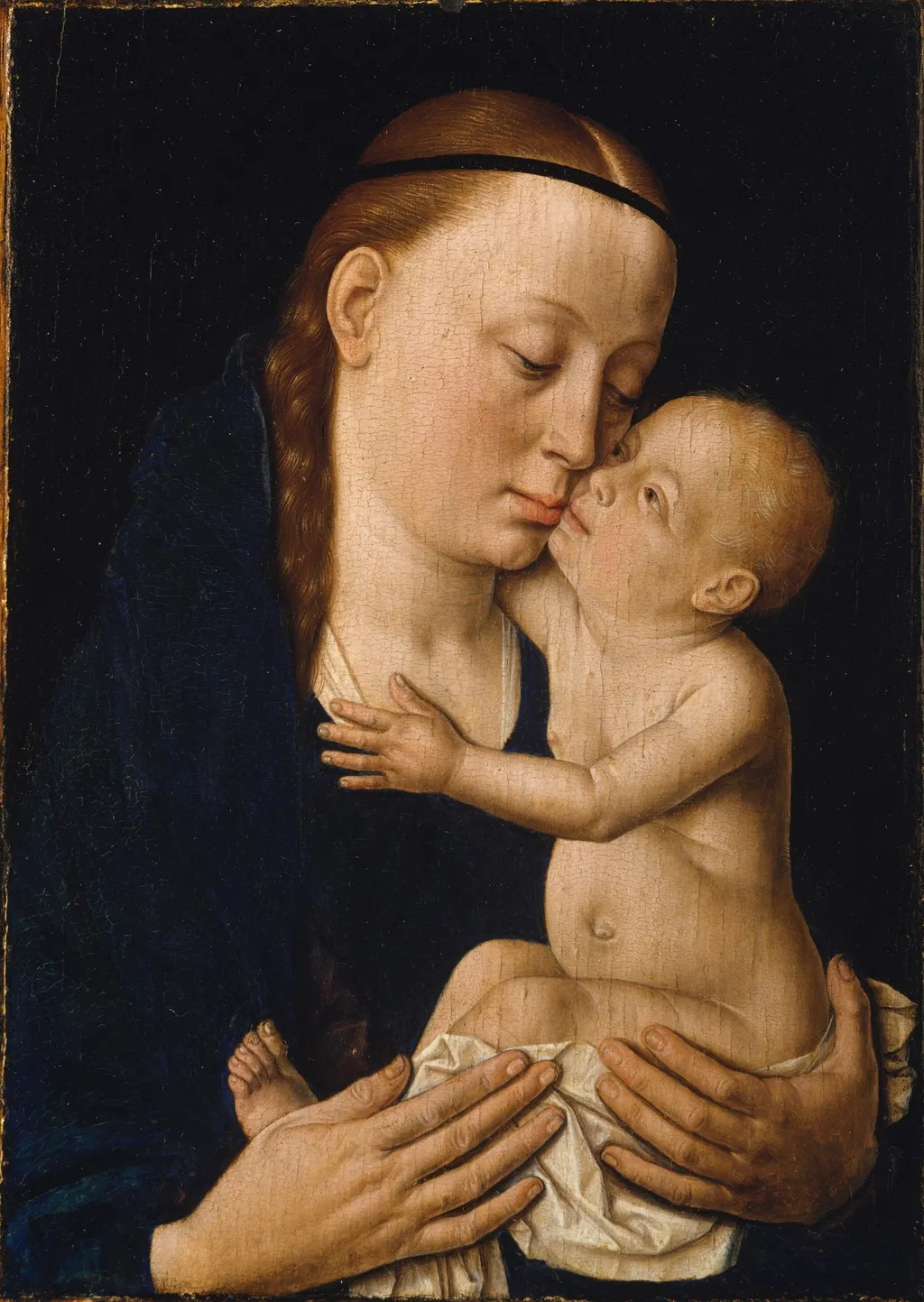
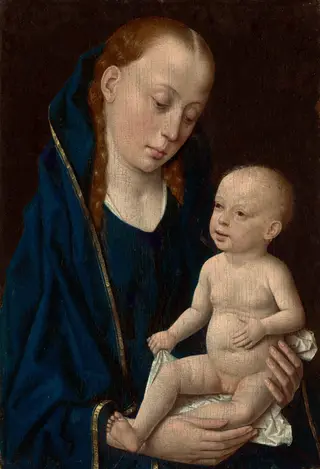
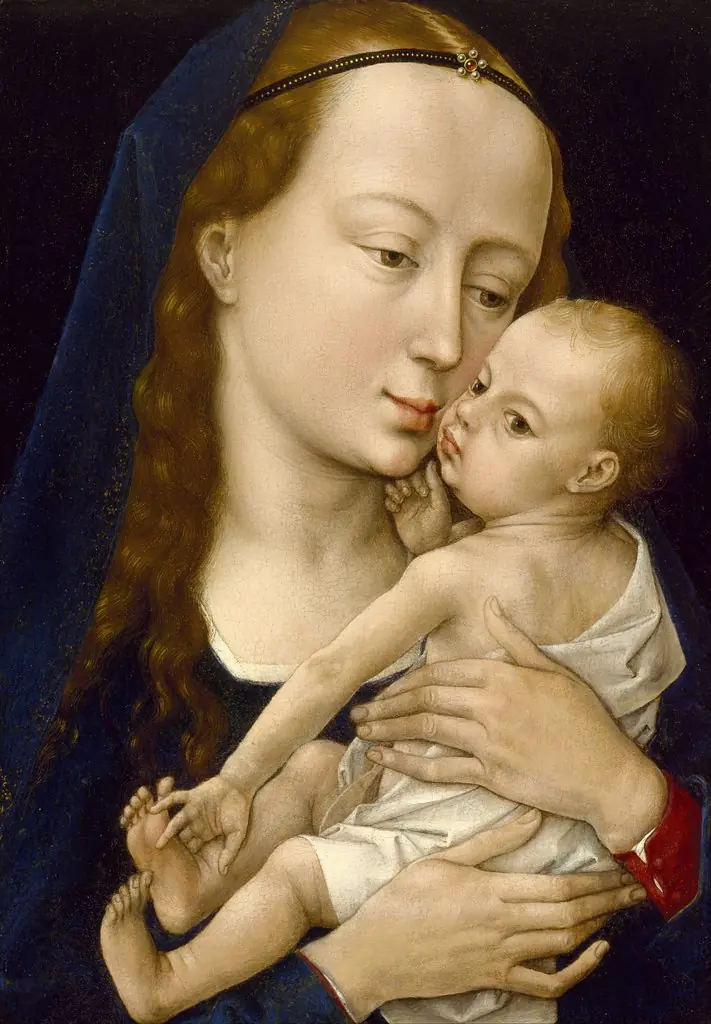
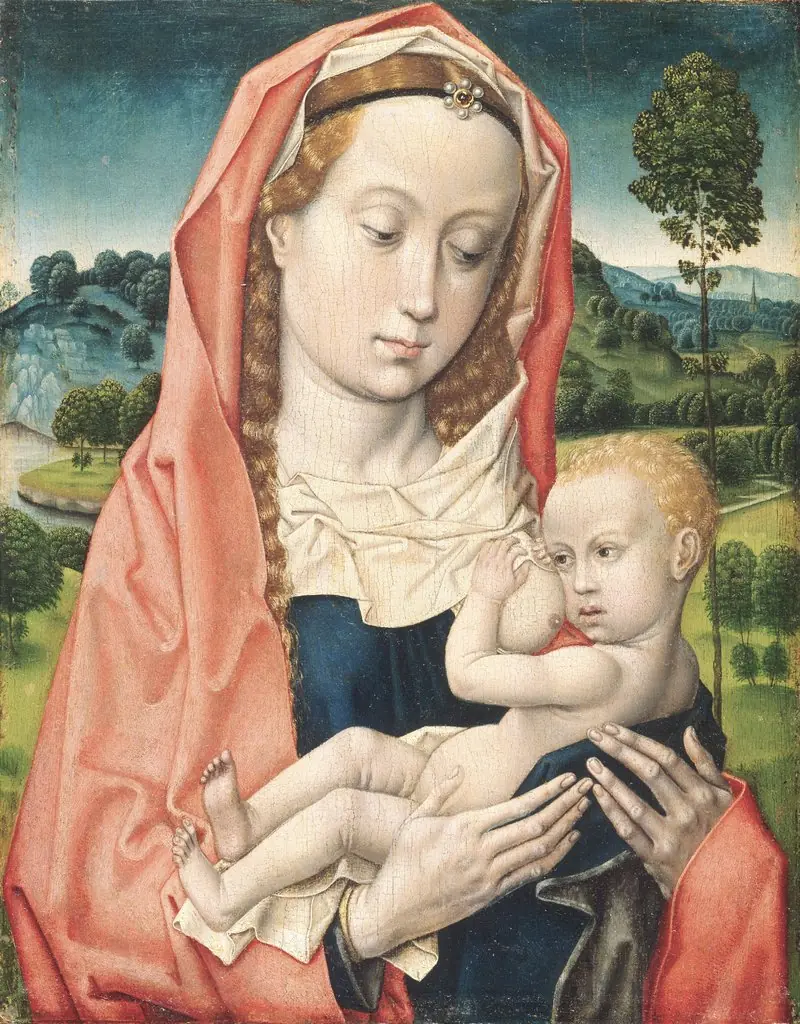
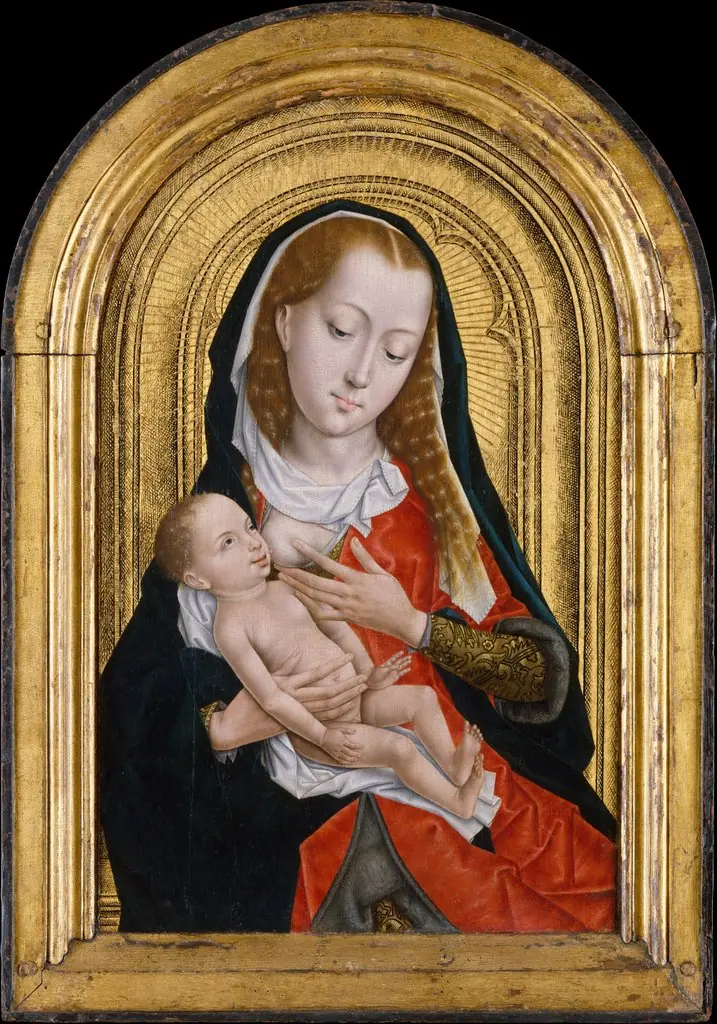
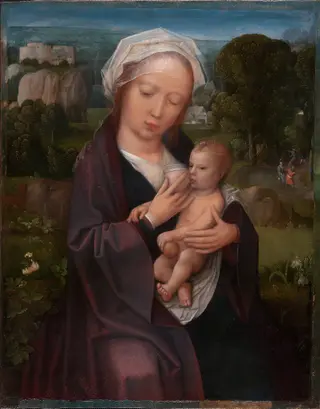
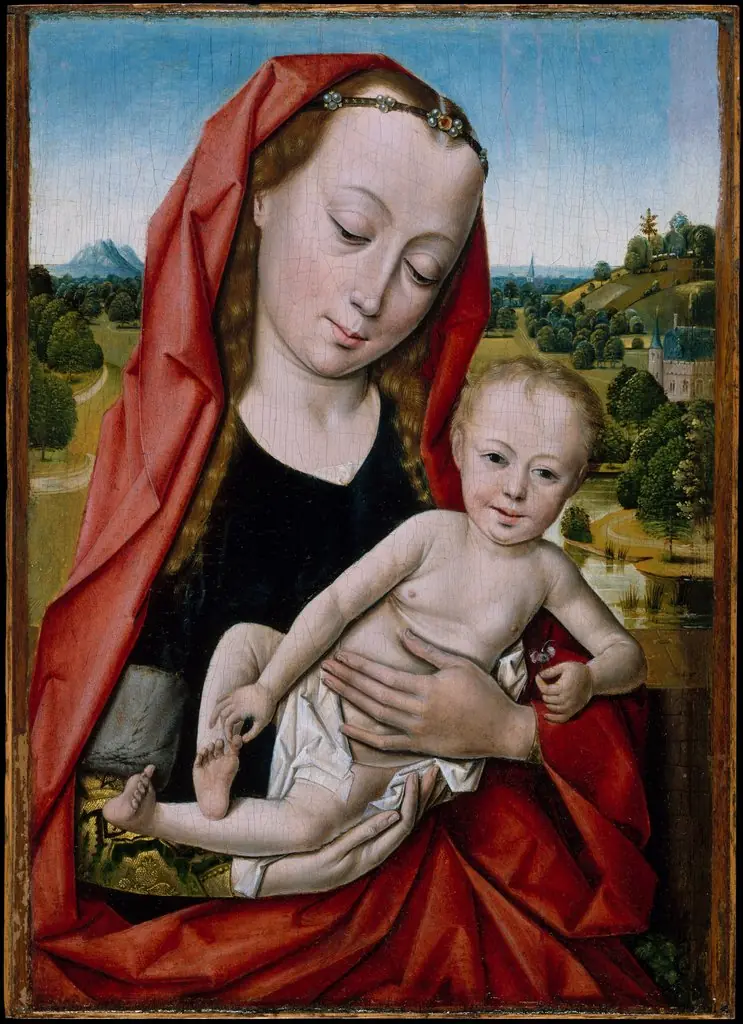
Virgin and Child is an oil painting by the Northern Renaissance artist Dieric Bouts. It dates from 1457 and is held in the collection of the Metropolitan Museum of Art.
About this work
Subject & Meaning
Such iconography makes the Virgin and Child a central motif in the period’s sacred art.
The painting presents the Virgin Mary with the infant Christ, a subject that in Early Netherlandish religious art symbolizes the Incarnation and divine maternity. By depicting Mary and Child together, the work reflects the devotional focus of 15th‑century religious imagery and the theological emphasis on the human nature of the divine. The composition follows the conventions of Early Netherlandish panel painting, employing oil on wood to achieve fine detail and naturalistic light, while the intimate scale invites personal contemplation. Such iconography makes the Virgin and Child a central motif in the period’s sacred art.
Technique & Style
The work is executed in oil paint on a wooden panel, a support characteristic of Early Netherlandish practice. Its modest dimensions, approximately 21.6 cm in height by 16.5 cm in width, reflect the intimate scale typical of private devotional images from this period. The painting belongs to the Early Netherlandish movement, a tradition noted for its meticulous handling of surface, layered glazes, and precise rendering of devotional subjects such as the Madonna and Child.
Such technical conventions allowed for the slow, controlled buildup of translucent color that defined the visual style of mid-fifteenth-century Flemish panel painting.
History & Provenance
The painting Virgin and Child was created in 1457 by the Early Netherlandish artist Dieric Bouts. Executed in oil paint on a panel measuring 21.6 by 16.5 centimeters, the work depicts the Madonna and Christ Child within the religious genre. While specific details regarding its original commission or intermediate ownership history are not provided in the available records, the artwork is currently held in the collection of the Metropolitan Museum of Art, where it remains located. The piece is classified as a painting and represents Bouts's output during the mid-15th century.
The painting Virgin and Child by Dieric Bouts is housed in the Metropolitan Museum of Art in New York. It entered the museum’s collection as part of the institution’s holdings, though the specific accession or inventory number is not listed in the available documentation. The work is catalogued under the museum’s records as a religious painting from 1457, created in oil on panel. Exhibition records do not indicate any prior or current exhibitions of this piece in the sources provided.
Overview
Created by Early Netherlandish painter Dieric Bouts in 1457, Virgin and Child is an oil painting emblematic of the Northern Renaissance. This work portrays the traditional religious subject of the Madonna and Child, capturing an intimate moment between Mary and the infant Jesus. It exemplifies Bouts's characteristic approach to devotional imagery, emphasizing tender human connection within a sacred context.
Own this work as a print
Artist & collection
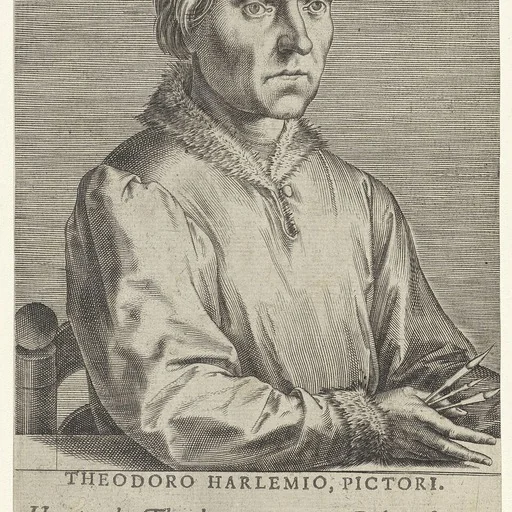
Artist
Dieric Bouts (born c. 1415 – 6 May 1475) was an Early Netherlandish painter. Bouts may have studied under Rogier van der Weyden, and his work was influenced by van der Weyden and Jan van Eyck. He worked in Leuven from…