Artwork
The Virgin and Child
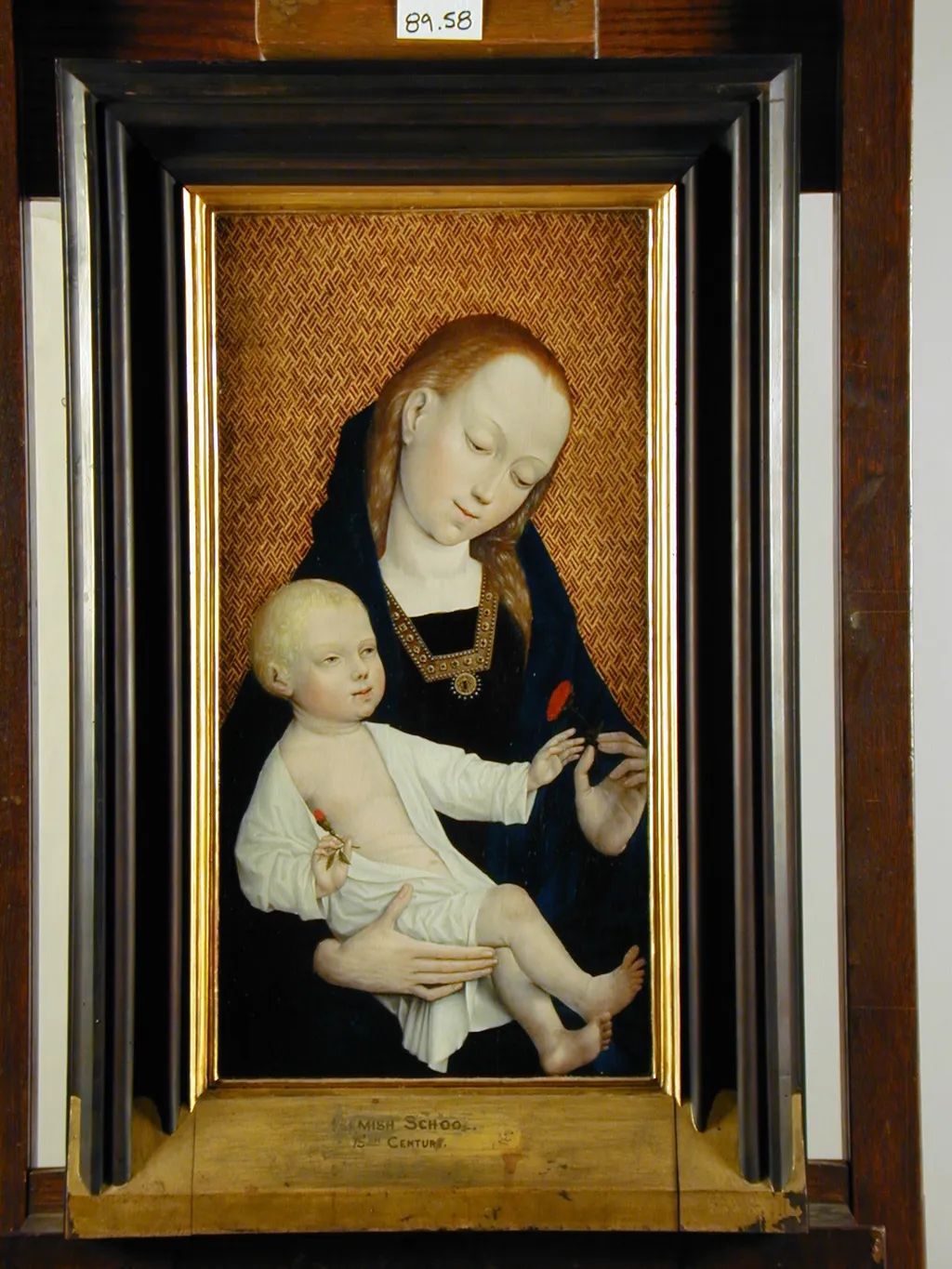
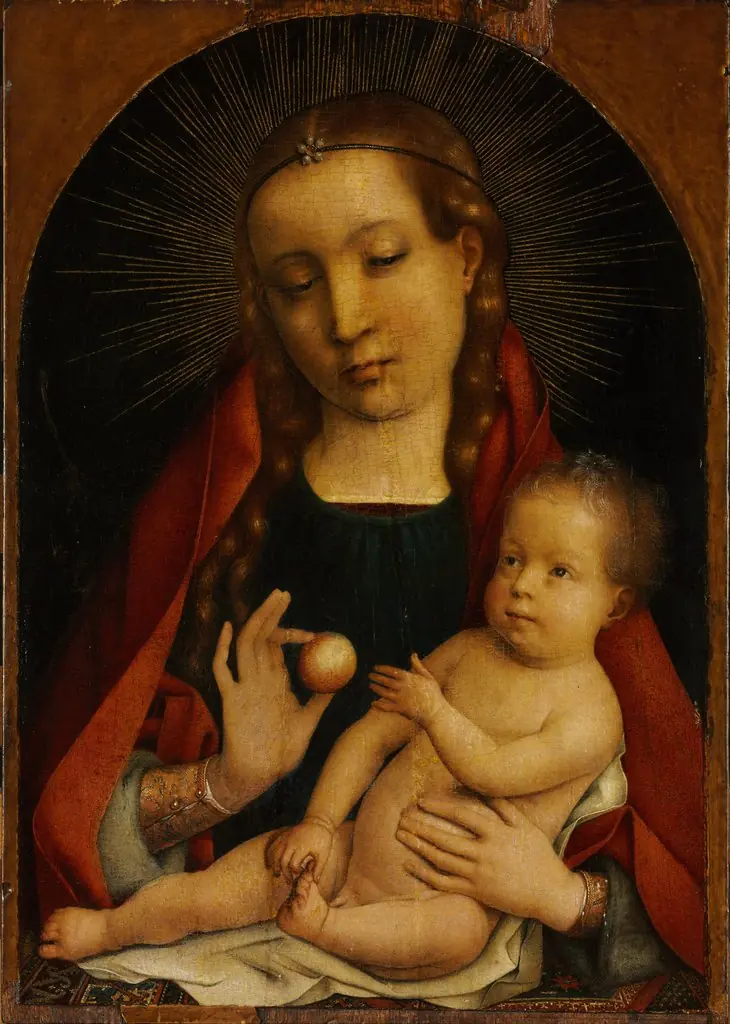
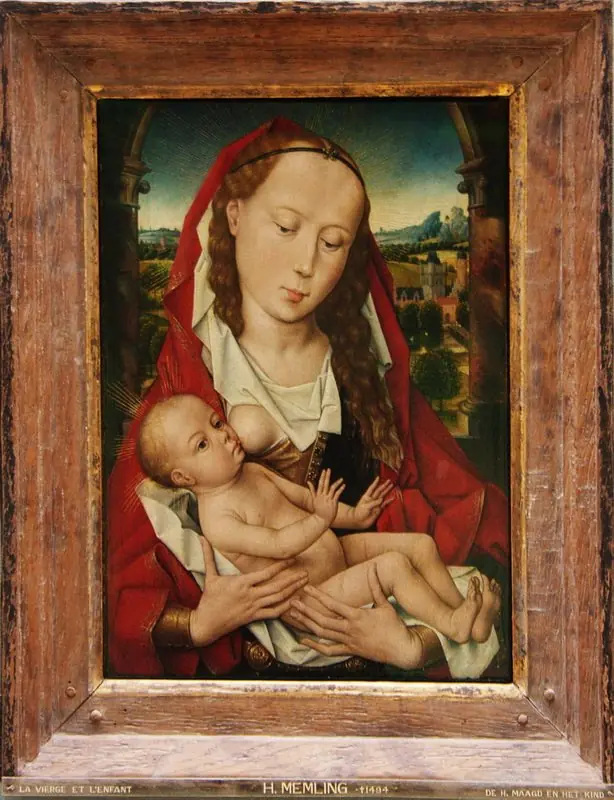
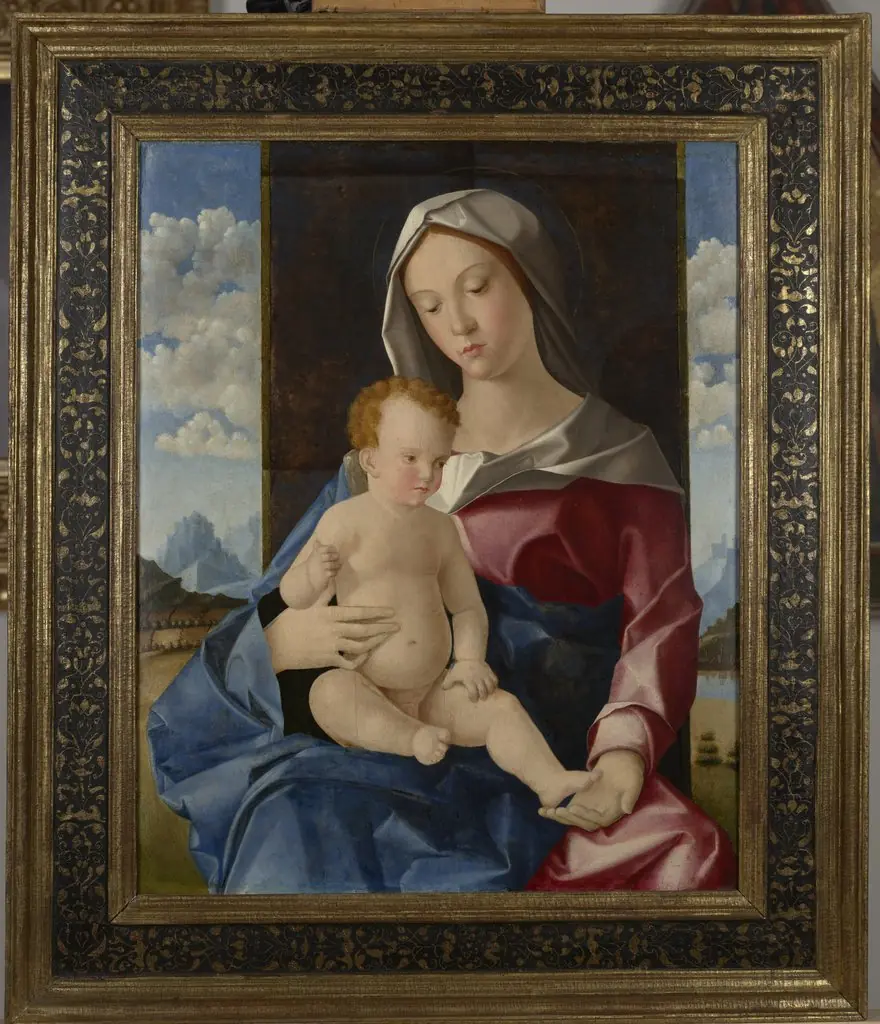
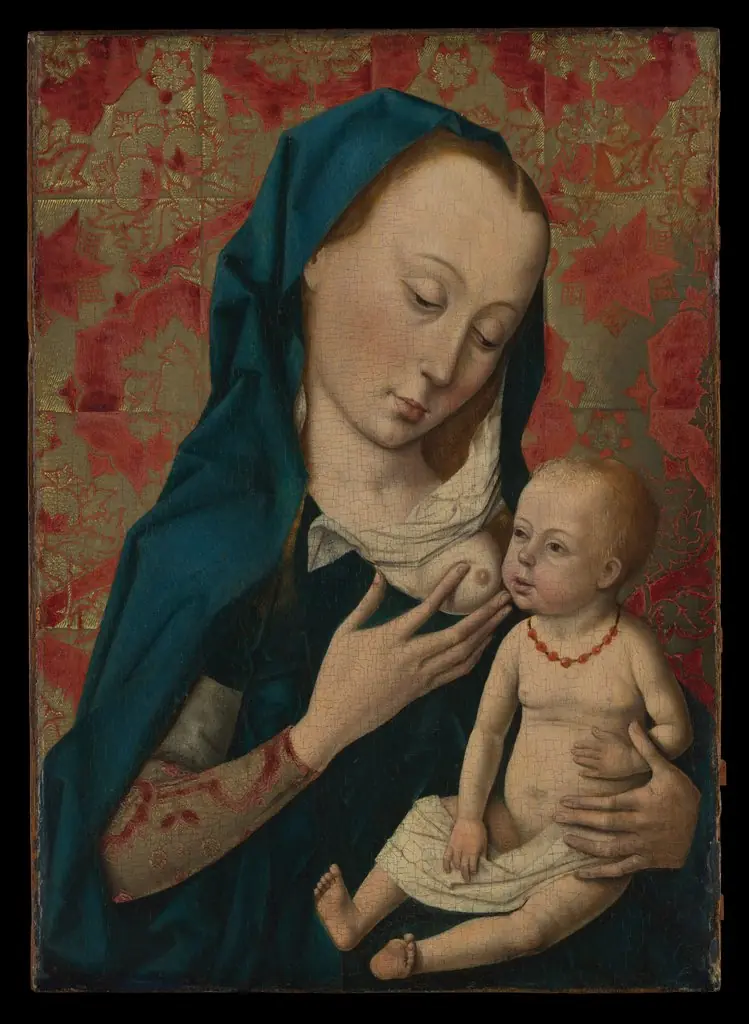
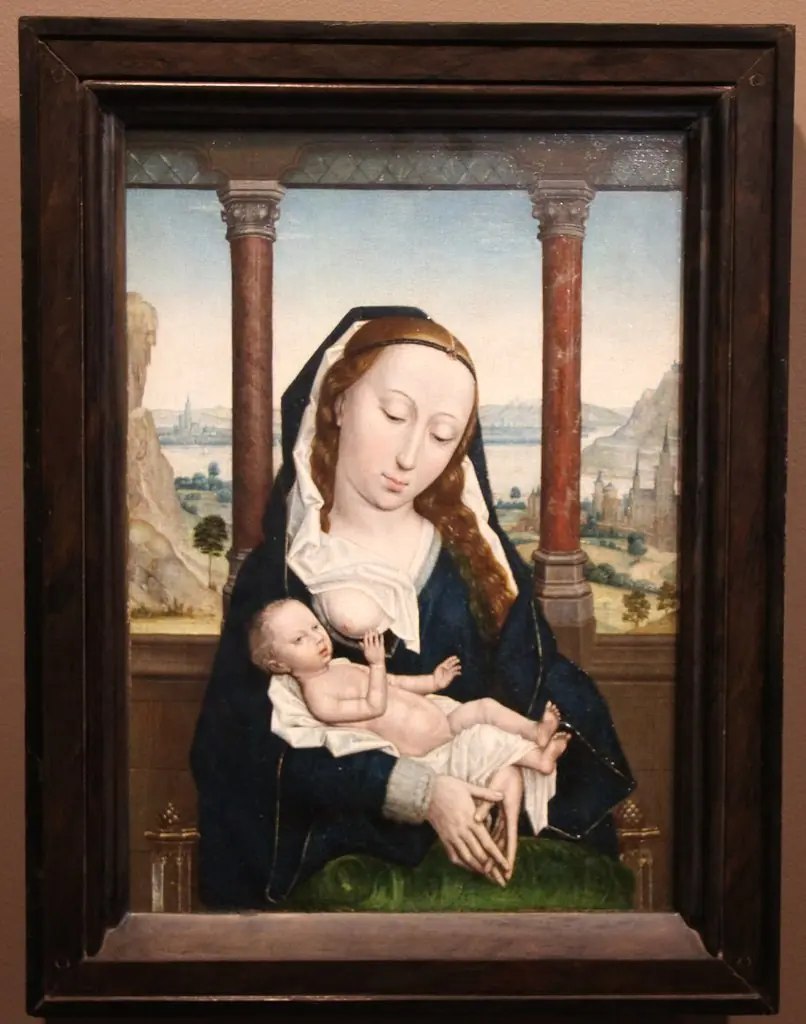
The Virgin and Child is an oil painting by the Early Baroque Italian artist Unknown. It dates from 1610 and is held in the collection of the Detroit Institute of Arts. The work depicts a mother and infant in an intimate pose, rendered in oil on canvas.
About this work
Subject & Meaning
The imagery serves as a devotional object, focusing on the humanity and divinity of the incarnate Jesus alongside his mother.
This early seventeenth-century panel painting presents the Madonna and Child, a central subject in Christian religious art. The composition depicts the Virgin Mary holding the Christ Child, representing the theological bond between mother and son. Created in 1610 by an unidentified German artist, the work utilizes oil paint to render these sacred figures.
The imagery serves as a devotional object, focusing on the humanity and divinity of the incarnate Jesus alongside his mother. As a piece of religious genre painting, it visually communicates core tenets of the Christian faith through the intimate portrayal of these two biblical figures.
Technique & Style
Created in 1610, this religious painting is executed in oil paint on a wooden panel support. The work measures 60 cm in height and 33.7 cm in width, presenting a compact vertical format typical of devotional images. Stylistically, it depicts the Madonna and Child, adhering to the traditional iconography of the Virgin holding the Christ Child.
The piece is attributed to an unknown German artist and is currently held in the collection of the Detroit Institute of Arts.
History & Provenance
The painting The Virgin and Child is dated to 1610, a date established by its creation records and corroborated by its stylistic and material attributes. Executed in oil on panel, the work measures 60 cm in height and 33.7 cm in width.
The earliest documented ownership places the painting in the collection of the Detroit Institute of Arts, where it has been held since its acquisition. No prior provenance or commissioning details have been conclusively traced, and the artist remains unidentified, attributed broadly to an unknown German master of the early 17th century.
Context
The painting titled The Virgin and Child, created by an anonymous German artist around 1610 using oil on panel, exemplifies early 17th-century devotional practices through its intimate portrayal of Mary and the infant Christ. Its composition and material execution reflect broader trends in German religious art of the period and contribute to understanding the anonymous workshop traditions prevalent in early Baroque Catholic regions. The work's presence in the Detroit Institute of Arts collection since its acquisition highlights the transatlantic movement of religious artworks and underscores the role of 19th- and early 20th-century American institutions in preserving European devotional imagery.
Overview
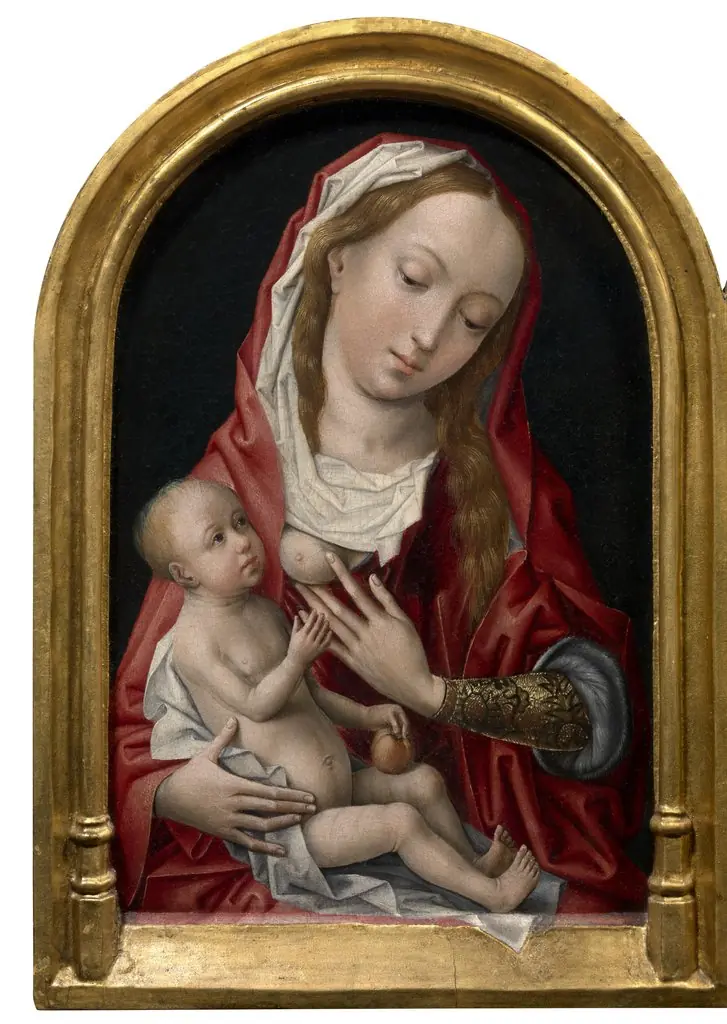
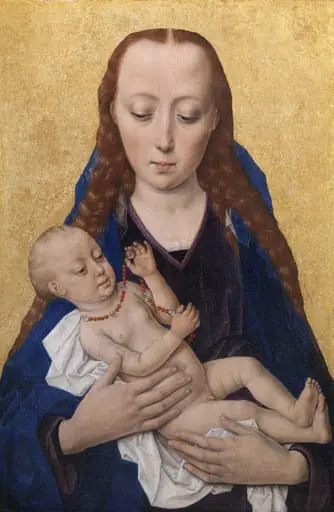
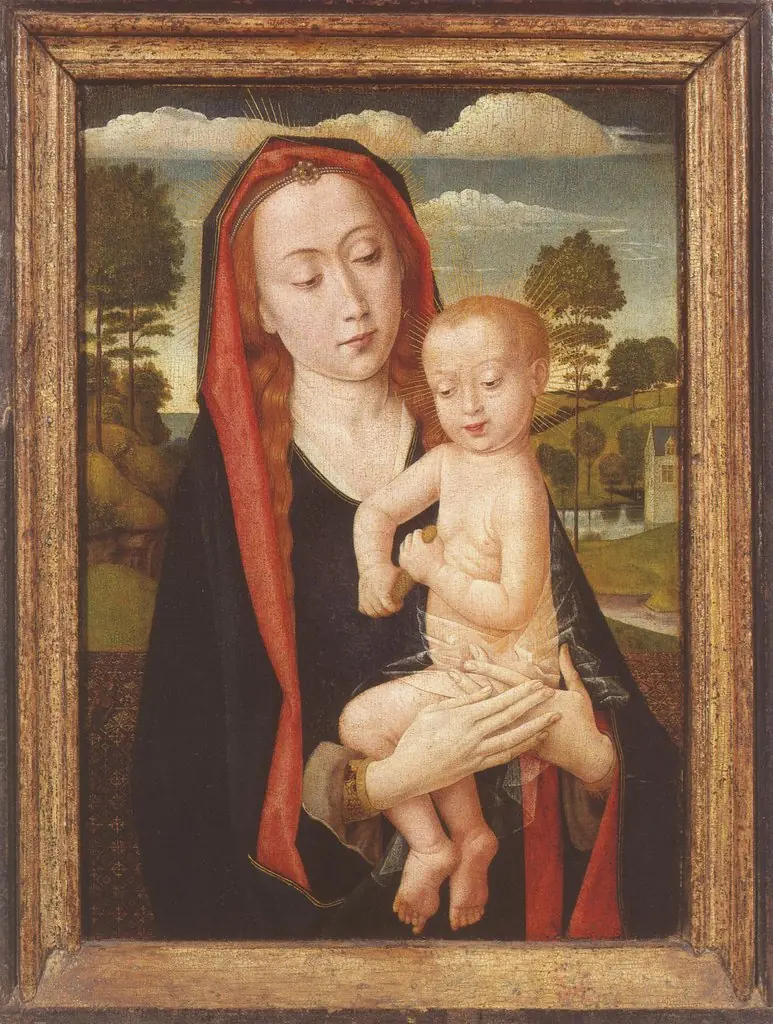
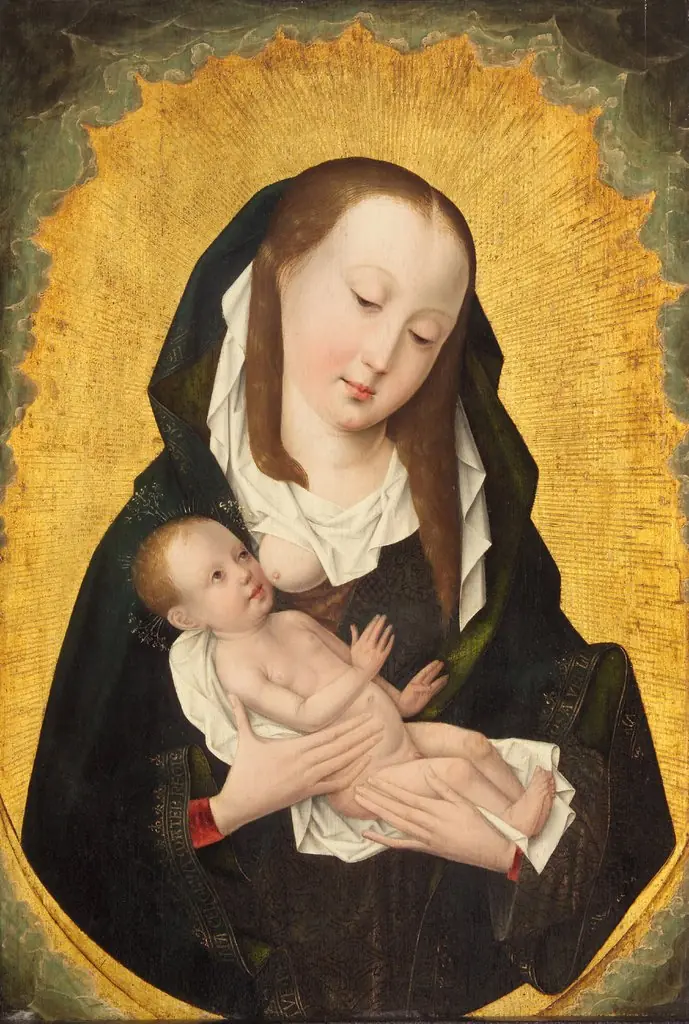
The work depicts a mother and infant in an intimate pose, rendered in oil on canvas. The figure of the woman is draped in a dark robe and adorned with a gold necklace, while her long, reddish‑brown hair is gathered in braids. The child, nude except for a white cloth, is cradled on her left side and reaches outward with his right hand.
A patterned backdrop of gold and brown lines frames the pair, enclosed by a thick dark border and a gold‑toned frame.
Artist & collection