Artwork
Martinus Alewijn (1634-84). Son of Abraham Alewijn and Geertruid Hooftman
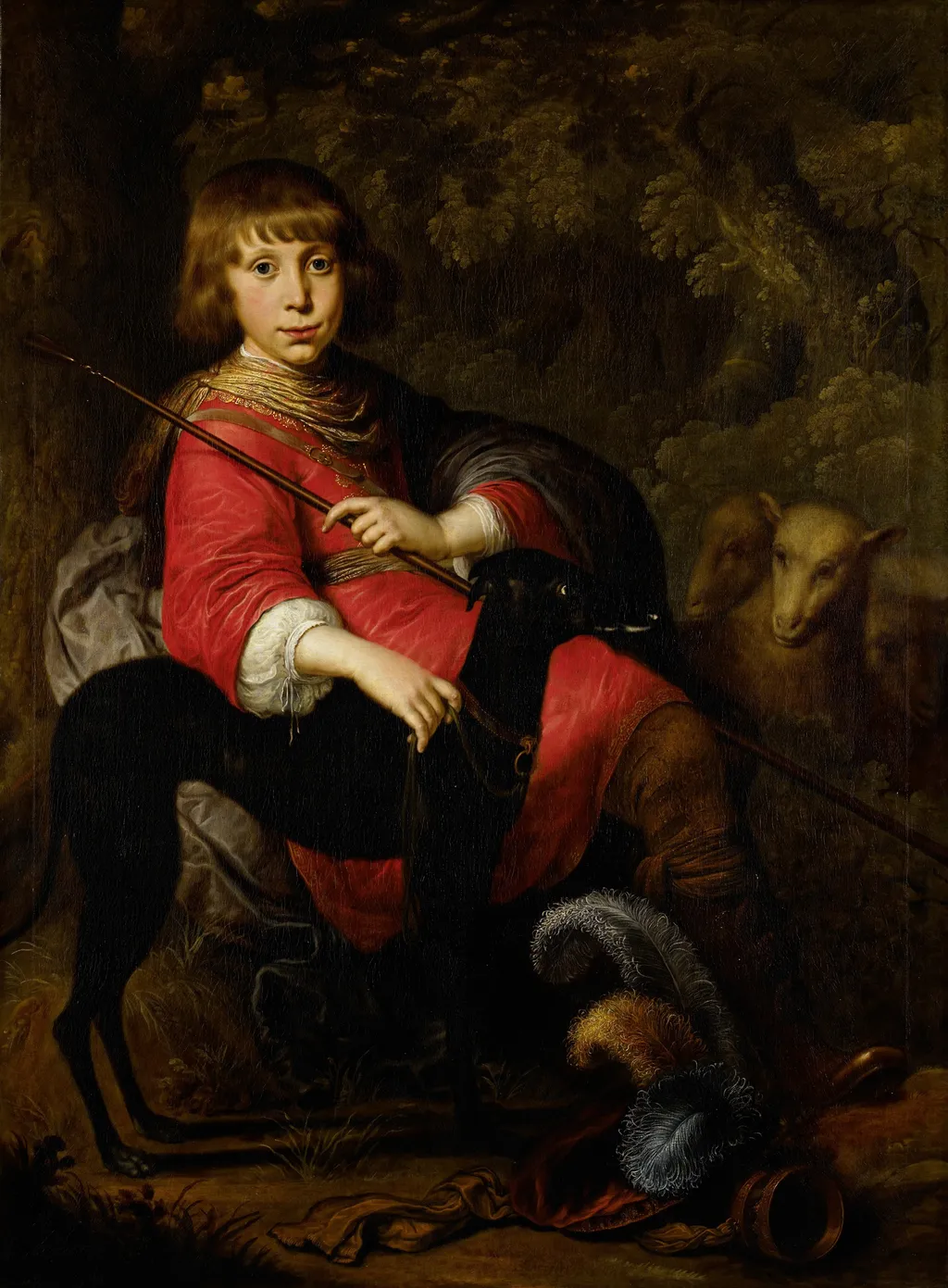
Martinus Alewijn (1634-84). Son of Abraham Alewijn and Geertruid Hooftman is an oil painting by the Dutch Golden Age artist Dirck van Santvoort. It dates from 1644 and is held in the collection of the Rijksmuseum.
About this work
Technique & Style
The portrait of Martinus Alewijn was created in 1644 by Dirck van Santvoort using oil paint applied to a canvas support. The work measures 124 cm in height and 91 cm in width. Executed as a formal portrait, the painting depicts the sitter in a manner consistent with mid-seventeenth-century Dutch portraiture. The medium and dimensions are recorded in the holdings of the Rijksmuseum.
History & Provenance
It entered the collection of Dirk Margarethus Alewijn and was later acquired by the Rijksmuseum, where it remains on display.
The work was painted in 1644 by Dirck van Santvoort for Martinus Alewijn, son of Abraham Alewijn and Geertruid Hooftman. It entered the collection of Dirk Margarethus Alewijn and was later acquired by the Rijksmuseum, where it remains on display.
The portrait of Martinus Alewijn by Dirck van Santvoort, painted in 1644, is held in the collection of the Rijksmuseum. According to the available records, the painting is owned by Dirk Margarethus Alewijn and located at the Rijksmuseum. Executed in oil on canvas, the work measures 124 cm in height by 91 cm in width.
No exhibition history is documented for this work in the available sources.
Context
Martinus Alewijn, son of Abraham Alewijn and Geertruid Hooftman, appears as the subject of a 1644 portrait by Dirck van Santvoort, recorded in the Rijksmuseum collection and owned by Dirk Margarethus Alewijn. The work is catalogued as a portrait genre painting on canvas with oil paint, measuring 124 cm in height and 91 cm in width. It has been discussed in scholarly contexts as representative of 17th-century Dutch portraiture within the broader family networks of Amsterdam’s elite.
The painting’s provenance and attributes have been documented in museum records and referenced in studies of Alewijn family history and Dutch Golden Age portraiture.
Legacy
The portrait was owned by Dirk Margarethus Alewijn and entered the Rijksmuseum collection, where it remained on display as of 2023, ensuring continued public access to the work. Its provenance highlights the Alewijn family’s stewardship of the painting across generations, reinforcing Martinus Alewijn’s historical visibility within Dutch portraiture. The artwork’s preservation and exhibition underscore its significance as a representative example of 17th-century Dutch portraiture, contributing to scholarly understanding of family lineage and artistic patronage during the period.
The painting’s inclusion in a major national museum has facilitated ongoing study of Dirck van Santvoort’s technique and the broader context of portraiture in the Dutch Golden Age, supporting academic discussions of artistic lineage and cultural heritage.
Overview
Dirck van Santvoort’s oil portrait, executed in 1644, presents a young Martinus Alewijn, son of Abraham Alewijn and Geertruid Hooftman. The work is part of the Rijksmuseum’s collection and exemplifies mid‑seventeenth‑century Dutch portraiture, focusing on a solitary figure set against a muted, forested backdrop.
Subject & Meaning
The sitter, a boy in a red, gold‑trimmed tunic, holds a staff while a black dog rests at his side, his left hand resting on the animal’s back. A sheep appears behind him, suggesting a pastoral role or an idealized representation of youthful vigor and responsibility within a rural setting.
Own this work as a print
Artist & collection

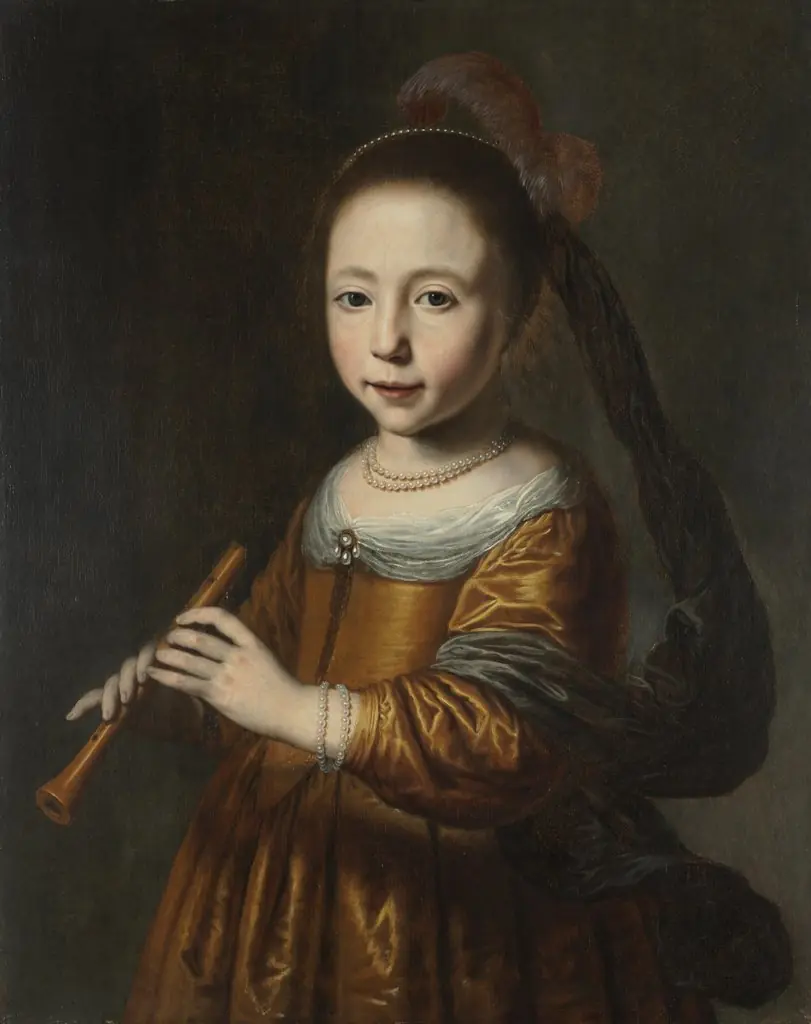
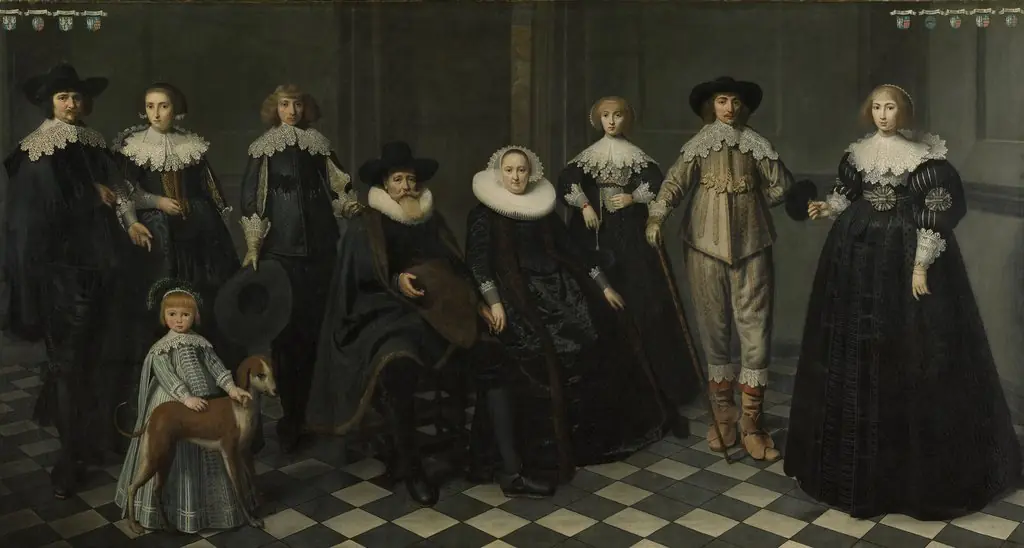
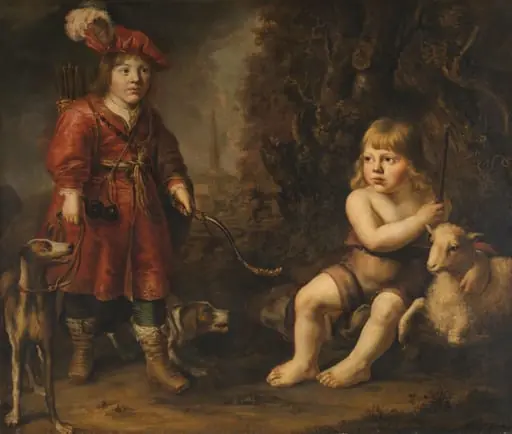 Portraits of two Boys in a Landscape, one dressed as a Hunter, the other St as John the Baptist
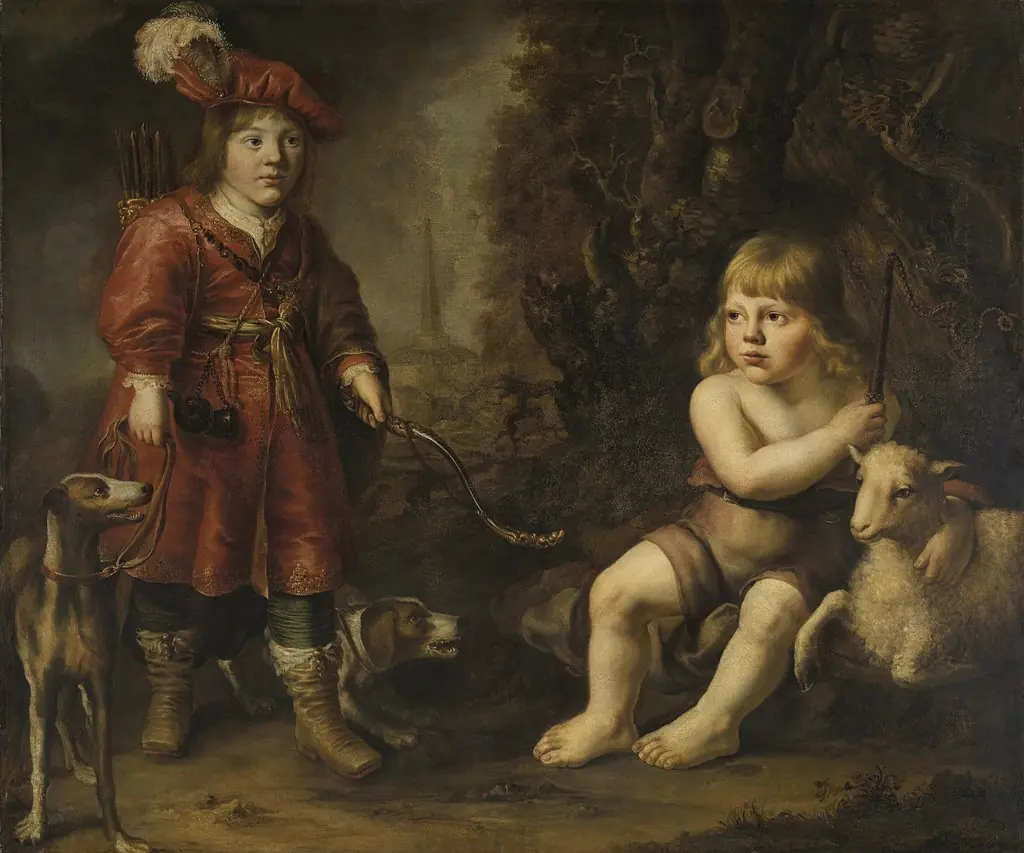 Portraits of two boys in a landscape, one dressed as a hunter, the other as St. John the Baptist
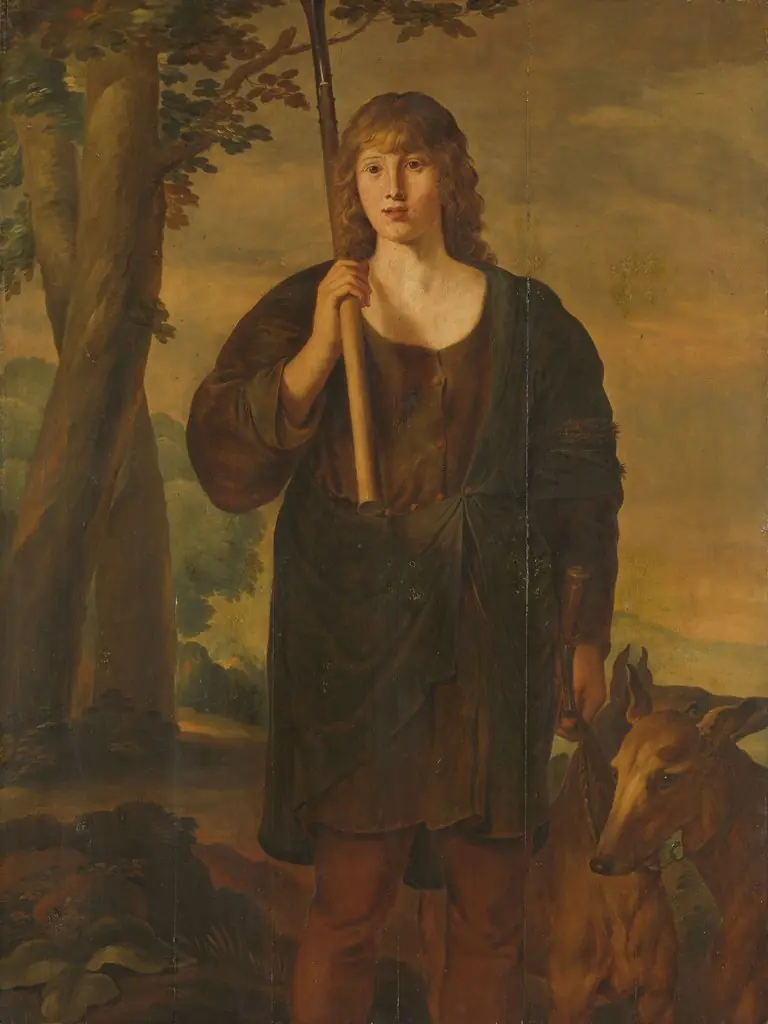 Adonis
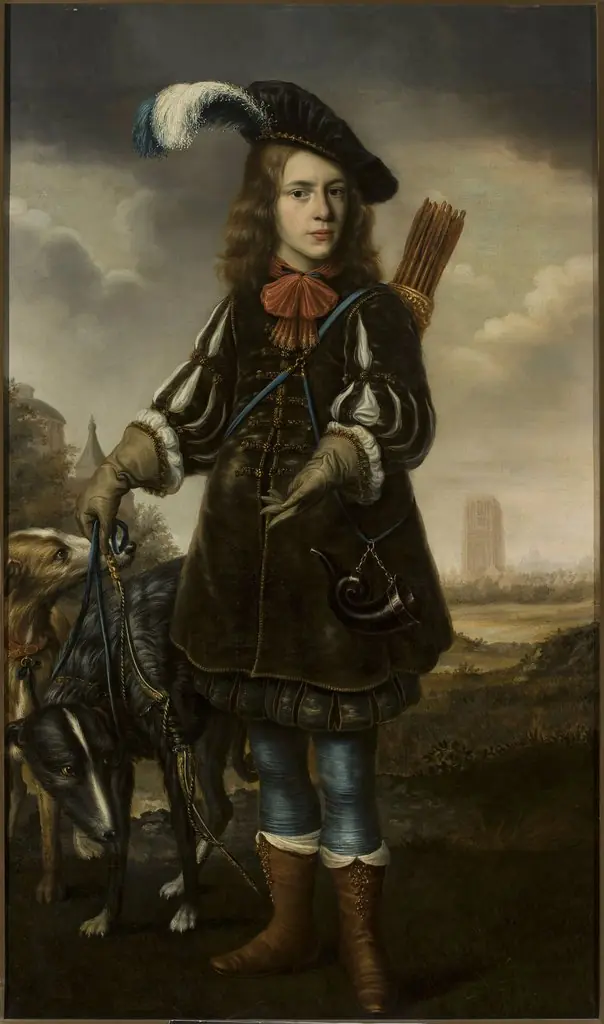 Portrait of a boy in a hunting attire
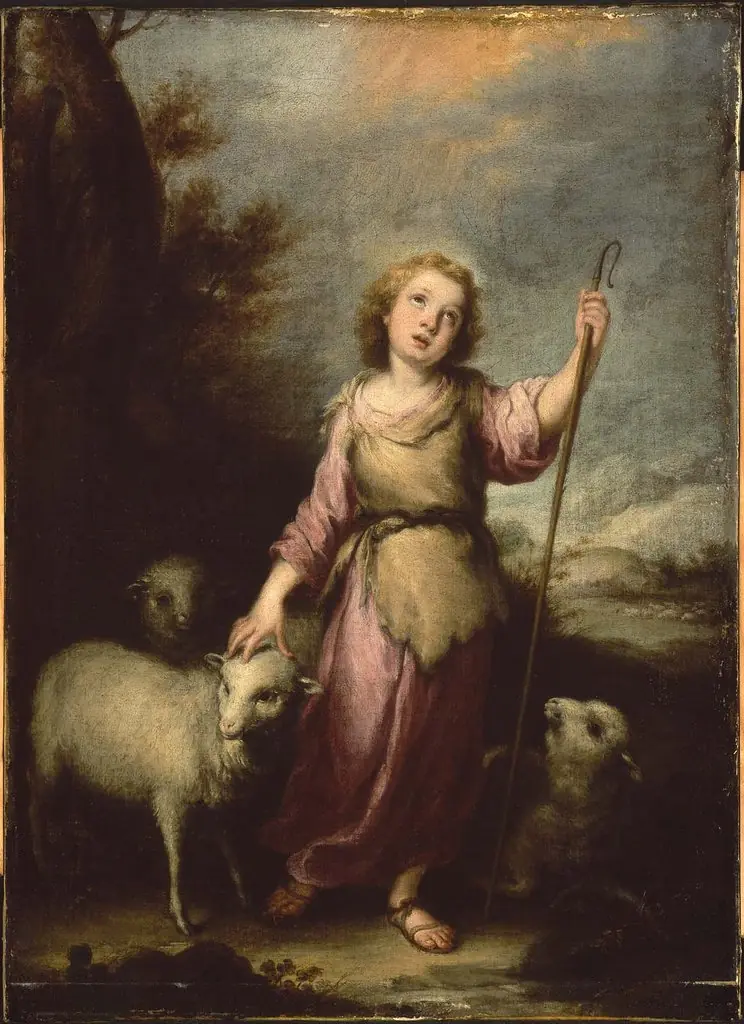 The Young Christ as the Good Shepherd
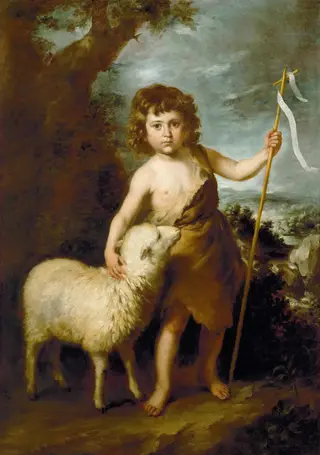 John the Baptist as a child
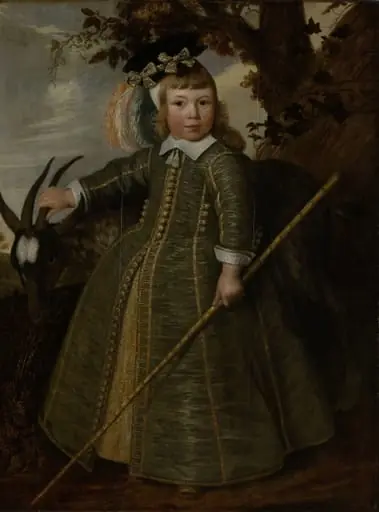 Portrait of a boy with a billygoat
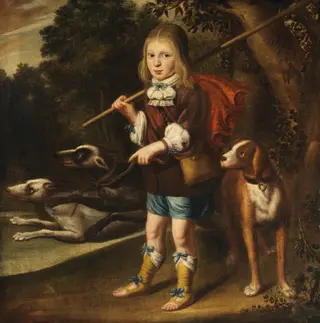 Boy with Dogs
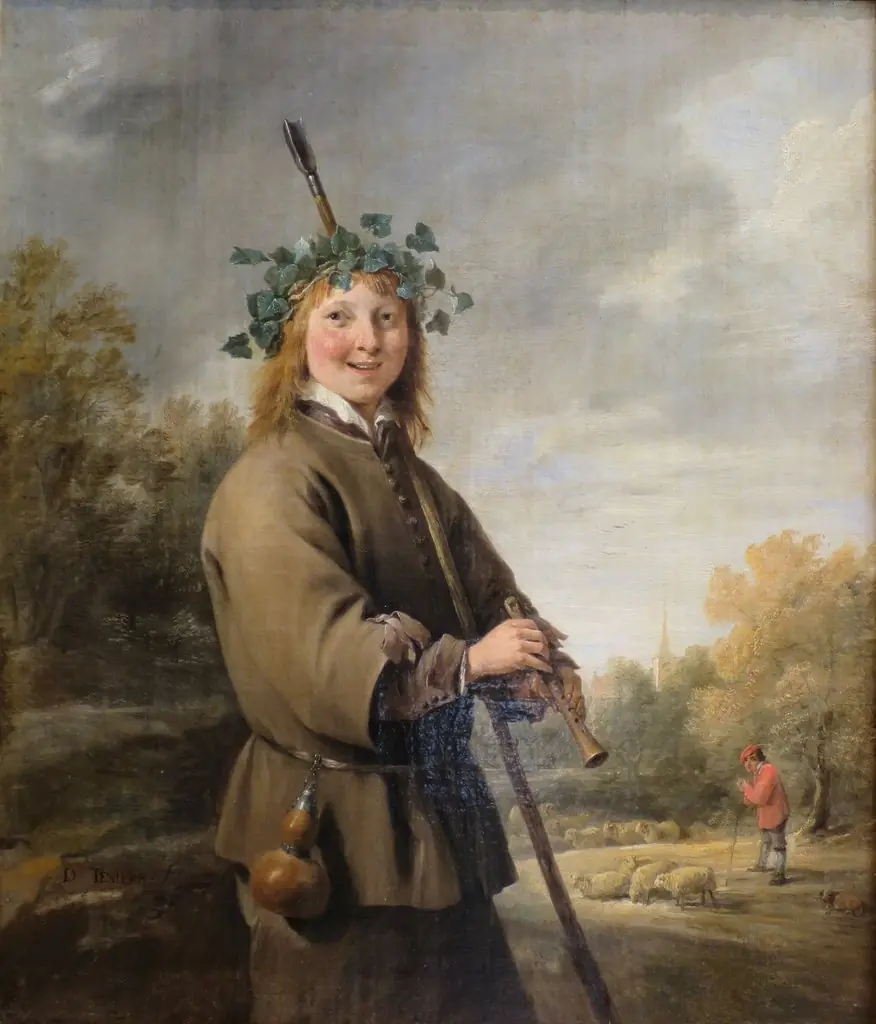 Shepherd
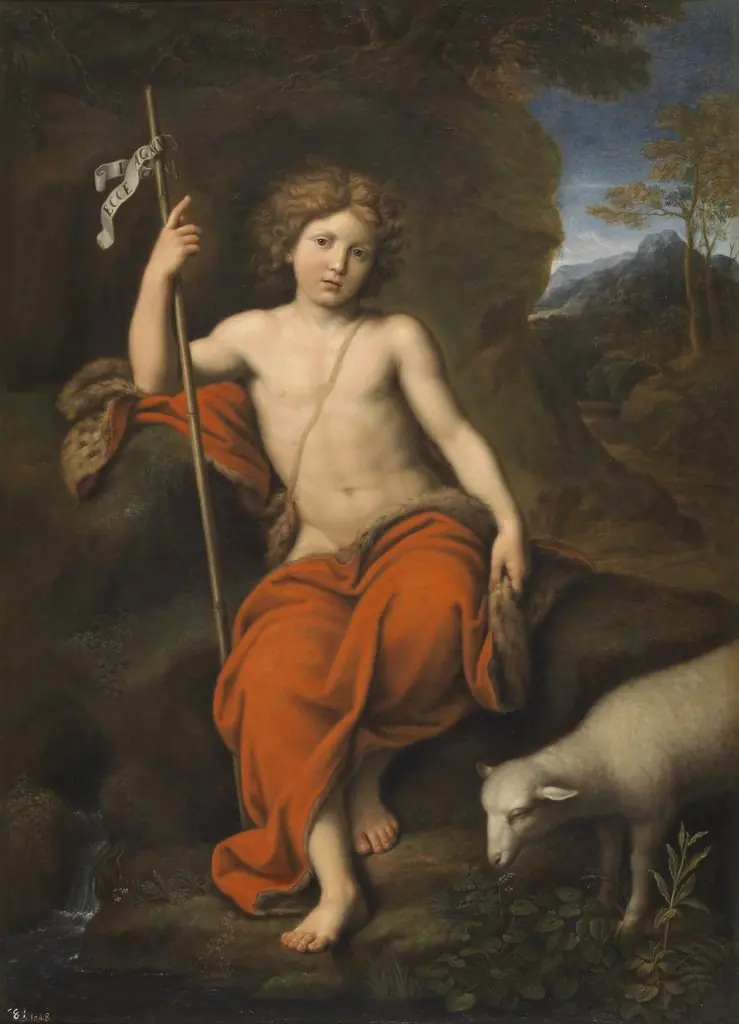 Saint John the Baptist