Artwork
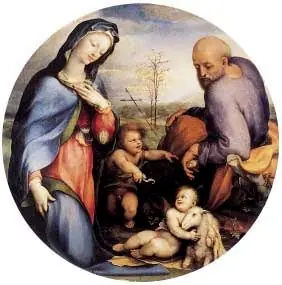
Holy Family with St. John the Baptist
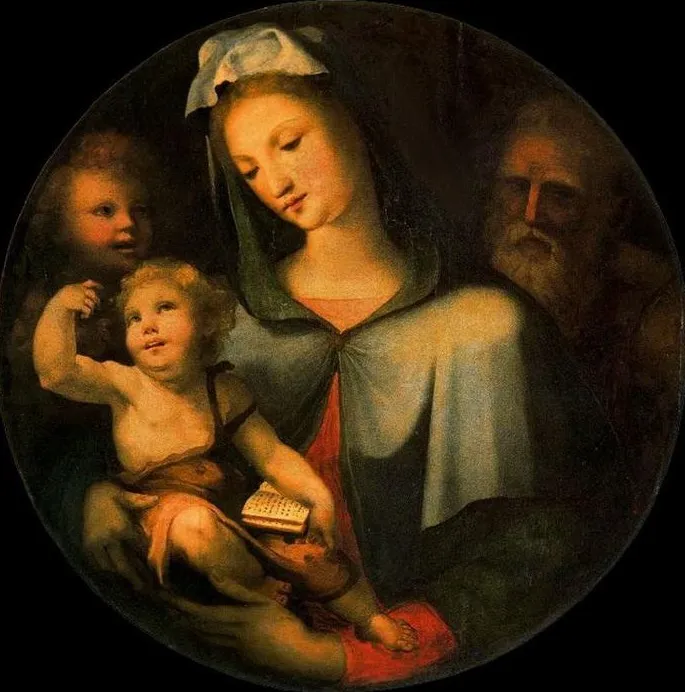
Holy Family with St. John the Baptist is an oil painting by the Mannerist artist Domenico Beccafumi. It dates from 1514 and is held in the collection of the Uffizi Gallery.
About this work
This painting is called Holy Family with St. John the Baptist. It was made by Domenico Beccafumi in 1514. The artist was active during the Italian Renaissance, which is interesting because it was a time of great change in art.
You can learn more about this style of art and its techniques, such as chiaroscuro, by looking into the Uffizi Gallery.
Subject & Meaning
The composition centers on the Madonna and Child against a dark void, a setting that highlights the specific iconographic detail of Jesus holding a small book.
This tondo depicts the Holy Family, featuring the Virgin Mary holding the Christ Child, accompanied by the elderly Saint Joseph and the infant Saint John the Baptist emerging from the background. The composition centers on the Madonna and Child against a dark void, a setting that highlights the specific iconographic detail of Jesus holding a small book. The Child's raised arm displays a pronounced muscularity explicitly inspired by Michelangelo, signaling a connection to High Renaissance ideals within the work's religious narrative.
The painting embodies the stylistic hallmarks of Domenico Beccafumi, characterized by a sweetness in shading, distinct light effects, and varied, individualized physiognomies. Through the simplification of forms and the intimate grouping of figures, the work represents a devotional image focused on the sacred lineage and early life of Christ, rendered with the artist's signature luminous quality.
Technique & Style
The work is an oil-on-panel painting created as a tondo, measuring 84 cm in diameter. It depicts the Holy Family with the infant Saint John the Baptist, showing Mary holding the Christ Child, who holds a small book and raises a muscular arm inspired by Michelangelo, while Saint Joseph and the elderly Saint John appear in the background. The composition employs characteristic Beccafumi stylistic elements, including sweet tonal gradations, dramatic lighting effects, individualized physiognomies, and simplified forms. The painting’s surface handling and condition are not detailed in the provided sources, and no formal condition report is cited. Stylistically, it reflects High Renaissance influences filtered through Mannerist practice, particularly the emphasis on muscular tension and chiaroscuro. The work was executed around 1514-1515, as indicated by multiple sources, and is housed in the Uffizi Gallery in Florence. Its provenance is first documented in a 1624 Medici inventory, where it was attributed to Beccafumi and noted with a carved frame featuring cherubim. Subsequent stylistic analyses by Judey (1932), Samminiatelli (1518-19), and Francini Ciaranfi (1514-15) support its attribution and approximate dating based on comparisons with other works and frescoes.
History & Provenance
Domenico Beccafumi created this oil-on-wood tondo around 1514-1515, though scholars have proposed various dates based on stylistic comparisons. Judey dated the painting to 1520, Samminiatelli to 1518-1519 due to affinities with Beccafumi's frescoes at the Oratory of San Bernardino, and Francini Ciaranfi to 1514-1515 by analogy with his Meeting at the Golden Gate fresco at the Ospedale di Santa Maria della Scala. The work's authorship is undisputed. The earliest certain record of the painting dates to 1624, when it appeared in a Medici inventory attributed to Beccafumi, alongside its carved frame featuring cherubs' heads. The artwork is currently held in the Uffizi Gallery in Florence. The painting is held in the collection of the Uffizi Gallery in Florence. It was first documented in a Medici inventory in 1624, where it was attributed to Domenico Beccafumi and described as including a frame carved with cherubs' heads. While scholars have proposed various dates for its execution based on stylistic comparisons, the work has remained associated with the Uffizi since this early seventeenth-century record.
Context
Domenico Beccafumi's *Holy Family with St. John the Baptist* is recognized as an Italian Mannerist work demonstrating the artist's distinctive stylistic signatures, including sweet shading, luminous effects, varied physiognomies, and formal simplification. The Christ Child's muscular, raised arm specifically reflects Michelangelo's influence. Scholarship universally accepts the painting's authorship, though its dating has generated debate. Judey initially placed it around 1520, while Samminiatelli argued for 1518-1519 due to stylistic parallels with Beccafumi's frescoes at the Oratory of San Bernardino. Francini Ciaranfi, however, dated it to 1514-1515 by comparing it to his *Meeting at the Golden Gate* fresco at the Ospedale di Santa Maria della Scala. The work's historical provenance is firmly established by a 1624 Medici inventory, which records the painting alongside its cherub-carved frame.
Artist & collection
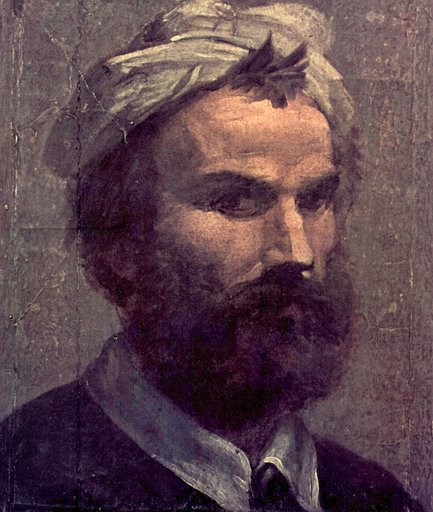
Artist
Domenico di Pace Beccafumi was an Italian Renaissance-Mannerist painter active predominantly in Siena. He is considered one of the last undiluted representatives of the Sienese school of painting.

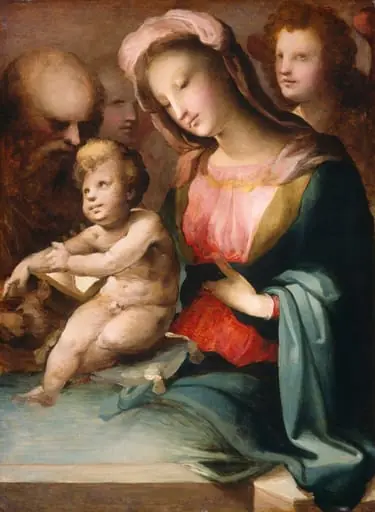
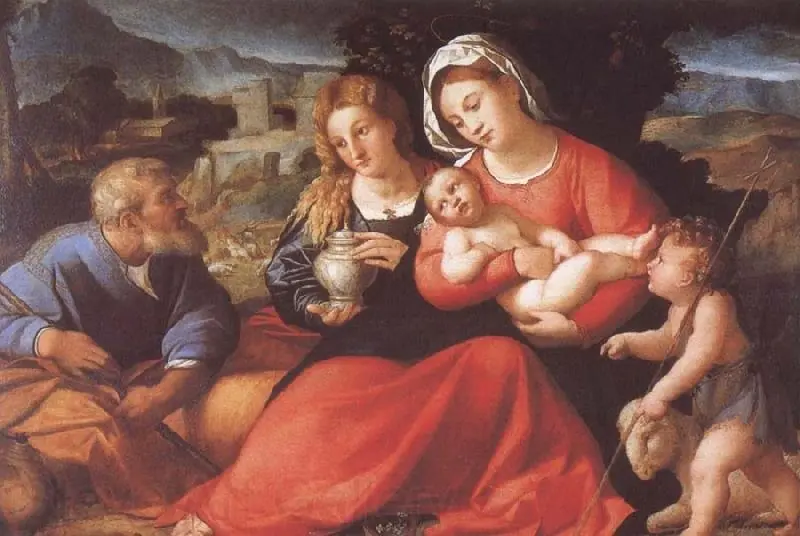 Holy Family with St. John and Mary Magdalene
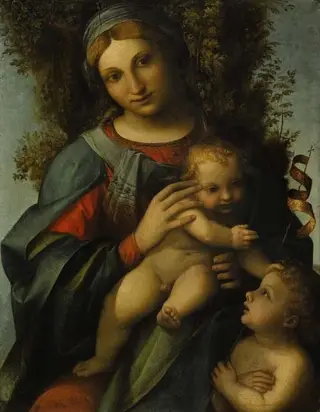 Madonna and Child with infant St John the Baptist
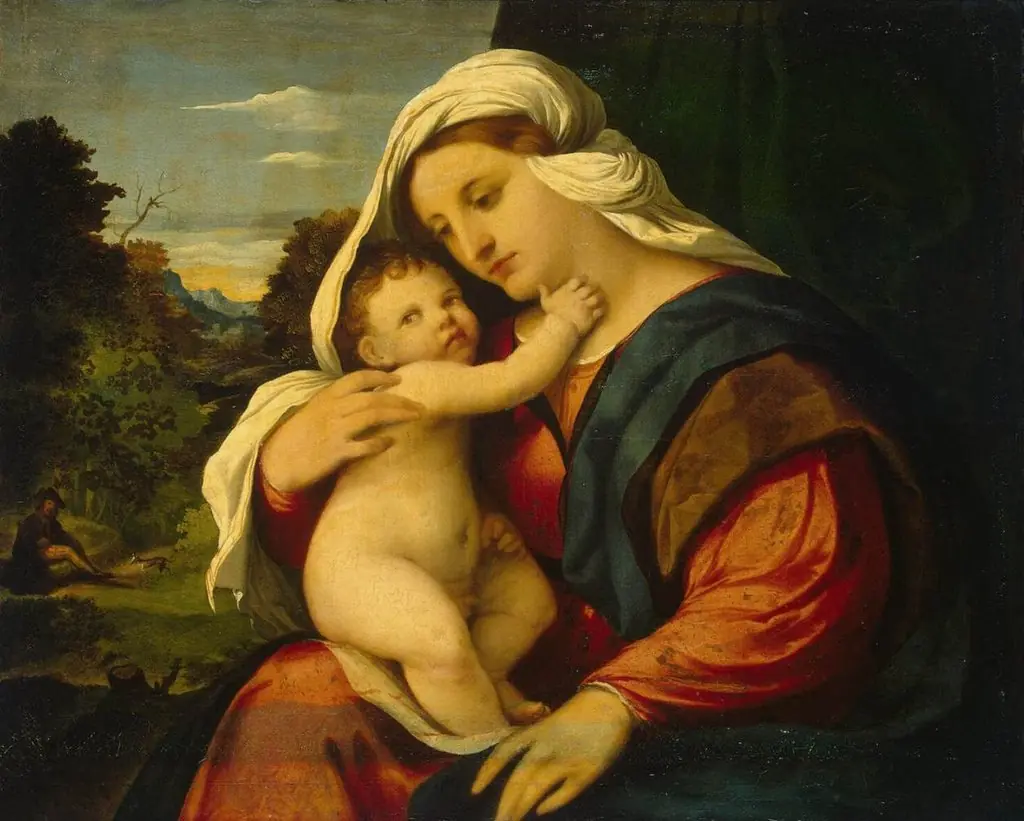 Madonna and Child
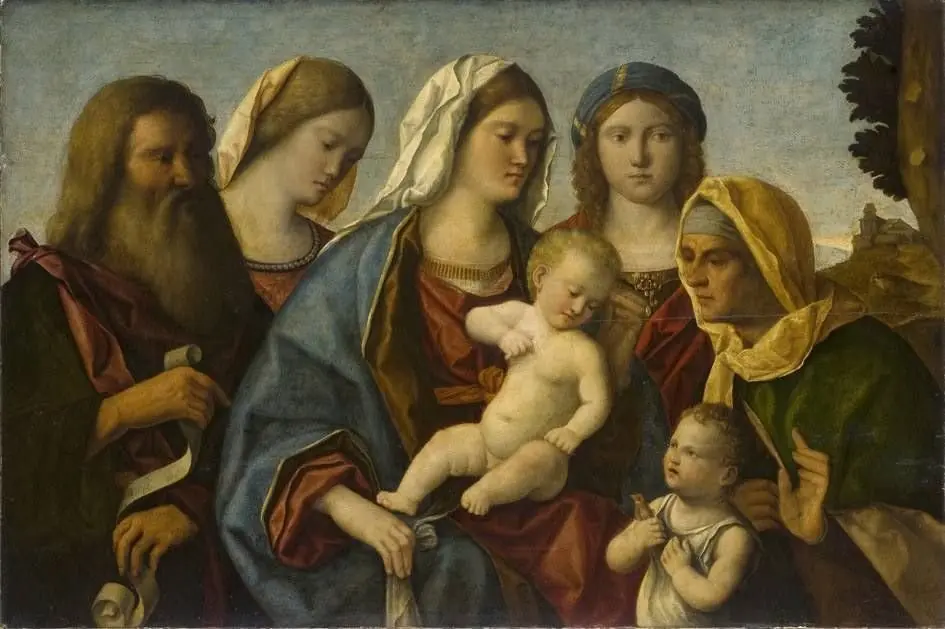 Hl. Sippe
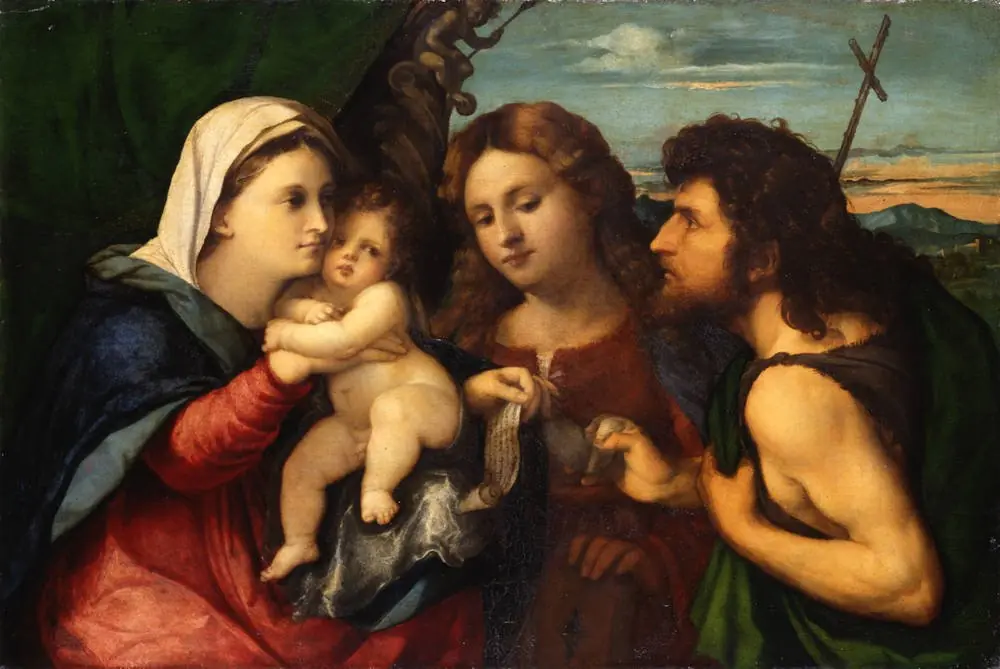 Maria mit dem Kind, Johannes dem Täufer und der heiligen Katharina
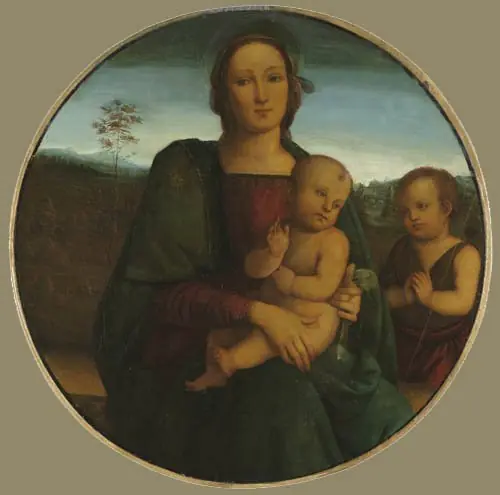 Madonna and Child with little John
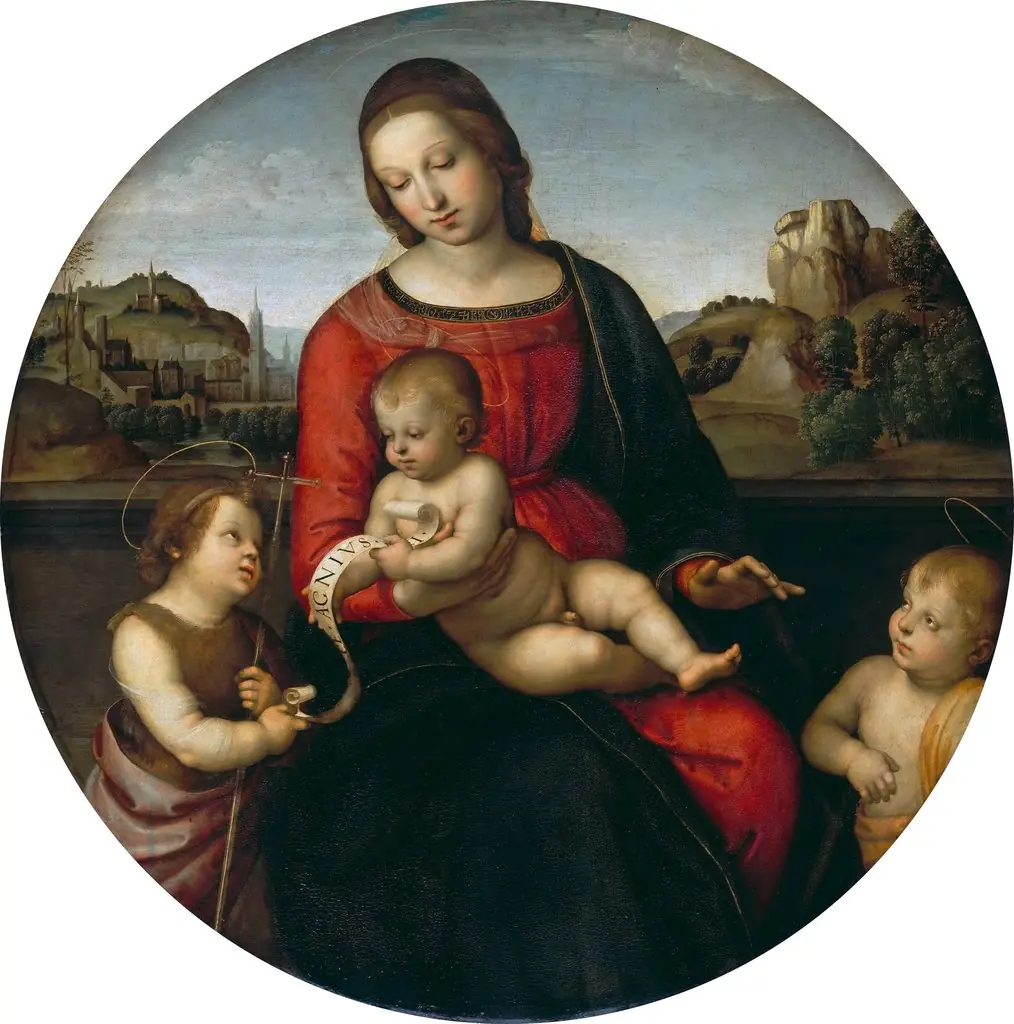 Terranuova Madonna
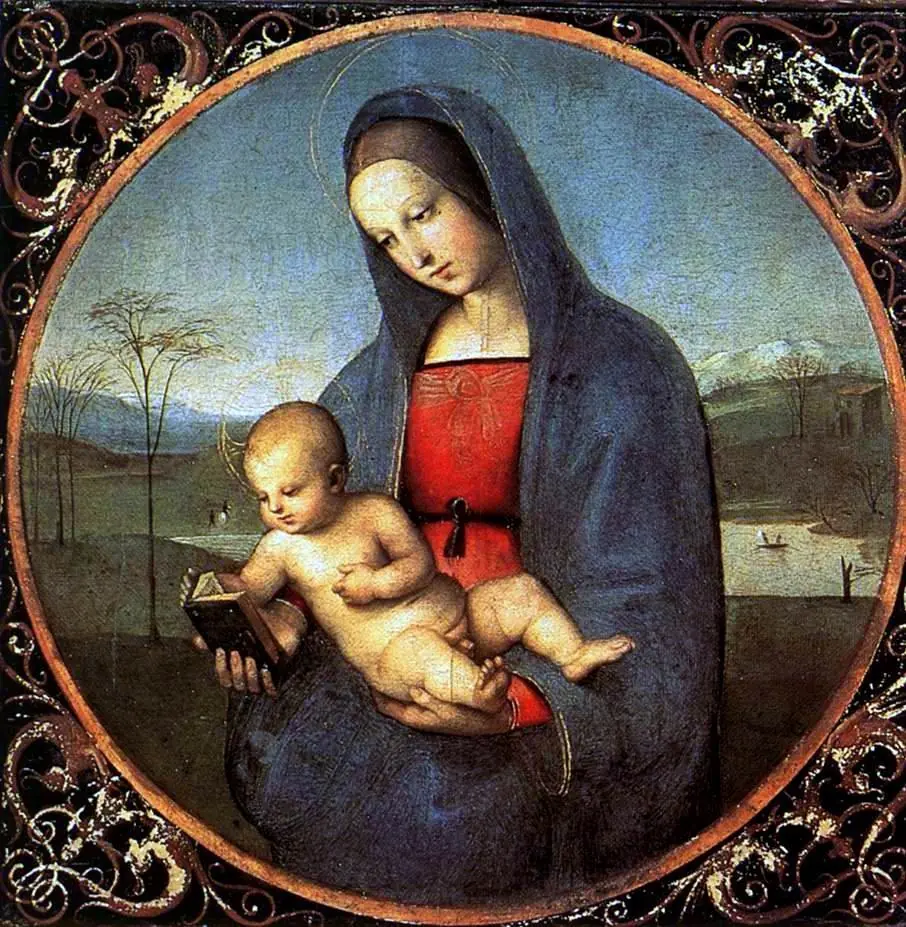 Madonna and Child (The Conestabile Madonna)
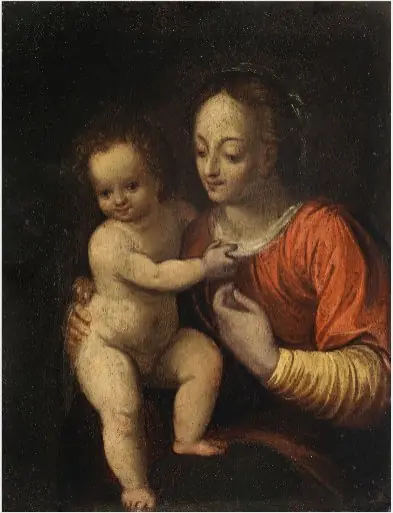 The Virgin and Child