Artwork
The Adoration of the Magi
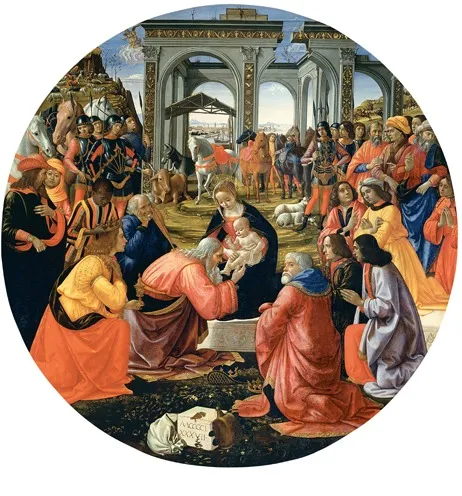
The Adoration of the Magi is an unspecified painting by the High Renaissance artist Domenico Ghirlandaio. It dates from 1494 and is held in the collection of the Uffizi Gallery.
About this work
Subject & Meaning
The painting depicts the Adoration of the Magi, a religious subject drawn from the Gospel account of the three kings paying homage to the newborn Christ.
The painting depicts the Adoration of the Magi, a religious subject drawn from the Gospel account of the three kings paying homage to the newborn Christ. The composition centers on the Virgin Mary, seated on a classicizing pedestal, who presents the Christ Child to the eldest kneeling Magus; the Child responds with a gesture of blessing. Behind the Holy Family, the three Magi are arranged in a circular procession representing the three ages of man, youth, maturity, and old age, with one kneeling king turning outward toward the viewer.
Saint Joseph stands apart to the left, his separation signifying his role as watchful guardian rather than participant. At the lower edge, a meticulously rendered still life of a flask and coarse cloth sack on a flowered meadow serves as Ghirlandaio's characteristic tribute to Flemish naturalism.
The ruined classical portico enclosing the stable symbolizes the decline of pagan religion from which Christianity emerged. In the background, an angel announces the birth to the shepherds, while a distant seaport and softly fading mountains open a Renaissance landscape vista.
Technique & Style
The Adoration of the Magi is a tondo painted in tempera on panel, measuring 172 cm in diameter, and dated 1487. Ghirlandaio drew on compositional precedents from Botticelli and Leonardo da Vinci, the latter inspiring the circular arrangement of figures around the Holy Family and the empty circular space at the ideal center of the scene. The Madonna and Child are organized on a pyramidal scheme, with the kneeling Magi at the lower vertices, one of whom projects forward in an advanced spatial composition.
Stylistically, the work belongs to the Italian Renaissance and reflects Ghirlandaio's characteristic handling of polished armor, described as a mirror-like technique praised by Vasari. The foreground includes a small still life on a flowered meadow, a flask and a rough cloth bag rendered with Flemish-influenced analytical precision in their material qualities. The background features a ruined classical portico symbolizing the decline of pagan religion, with horses, the ox and donkey, and a distant seaport landscape that softens into atmospheric haze.
History & Provenance
The Adoration of the Magi was painted by Domenico Ghirlandaio in 1487 for the Tornabuoni family, likely during his work on their chapel frescoes; the commission is documented in contemporary references such as Vasari, though later scholarship suggests the completed work entered the Palazzo Pandolfini before being acquired by the Uffizi Gallery in Florence, where it has been displayed since 1780
The painting, a tempera work on panel measuring 172 cm in diameter, is recorded in the Uffizi collection and remains on view in the Galleria degli Uffizi; a smaller copy by Benedetto Ghirlandaio is held in Palazzo Pitti (Inv. Palatina n. 358).
The composition draws on Botticelli’s Adorazione di Santa Maria Novella and Leonardo’s Adorazione degli Uffizi, employing a circular arrangement of figures and a pyramidal placement of the Virgin and Child, while contemporary observers praised Ghirlandaio’s rendering of armor and his inclusion of a detailed Flemish‑style still life in the foreground
The provenance chain reflects a shift from a likely private Tornabuoni commission to ownership by the Pandolfini family and eventual placement in the Florentine state galleries, a trajectory supported by archival records and museum catalogues
The Adoration of the Magi by Domenico Ghirlandaio is held in the Gallerie degli Uffizi, Florence, with inventory number Inv. 1890.
The painting entered the Florentine collections in 1780; its location prior to that year is not documented. A copy attributed to Benedetto Ghirlandaio is recorded in the Palatina inventory at Palazzo Pitti (Inv. Palatina n. 358).
Context
Domenico Ghirlandaio's 1487 tondo, now in the Uffizi, stands as a significant work within the Italian Renaissance, synthesizing contemporary artistic trends. Scholarly analysis highlights how Ghirlandaio engaged with the compositions of his peers, specifically drawing from Sandro Botticelli's earlier Adoration and, more critically, Leonardo da Vinci's unfinished Uffizi Adoration. This influence is evident in the circular arrangement of figures surrounding the central Holy Family, a departure from traditional linear formats.
The painting also reflects Ghirlandaio's mastery of spatial composition and his noted ability to render armor with mirror-like precision, a technique praised by Giorgio Vasari. Stylistically, the work incorporates Flemish attention to detail in the foreground still life while utilizing a ruined classical portico to symbolize the transition from paganism to Christianity. The inclusion of identifiable contemporary figures further anchors the piece in its specific Florentine historical context.
Overview
The Adoration of the Magi is a painting by Domenico Ghirlandaio, created in 1494. It is a representative work of the High Renaissance, showcasing the artist's skill in depicting a complex scene with multiple figures.
Artist & collection
Artist
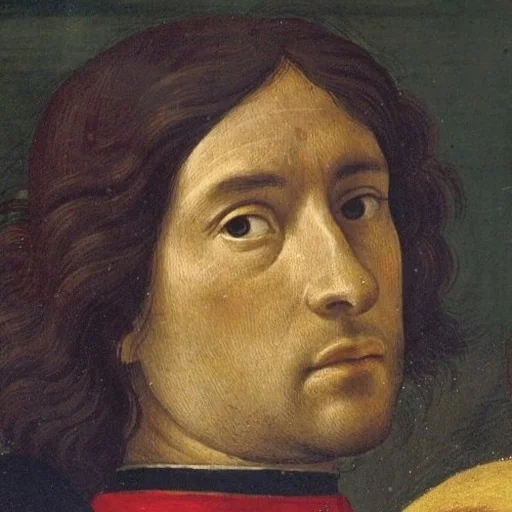
Domenico di Tommaso Curradi di Doffo Bigordi (2 June 1448 – 11 January 1494), professionally known as Domenico Ghirlandaio (also spelt as Ghirlandajo), was an Italian Renaissance painter born in Florence.

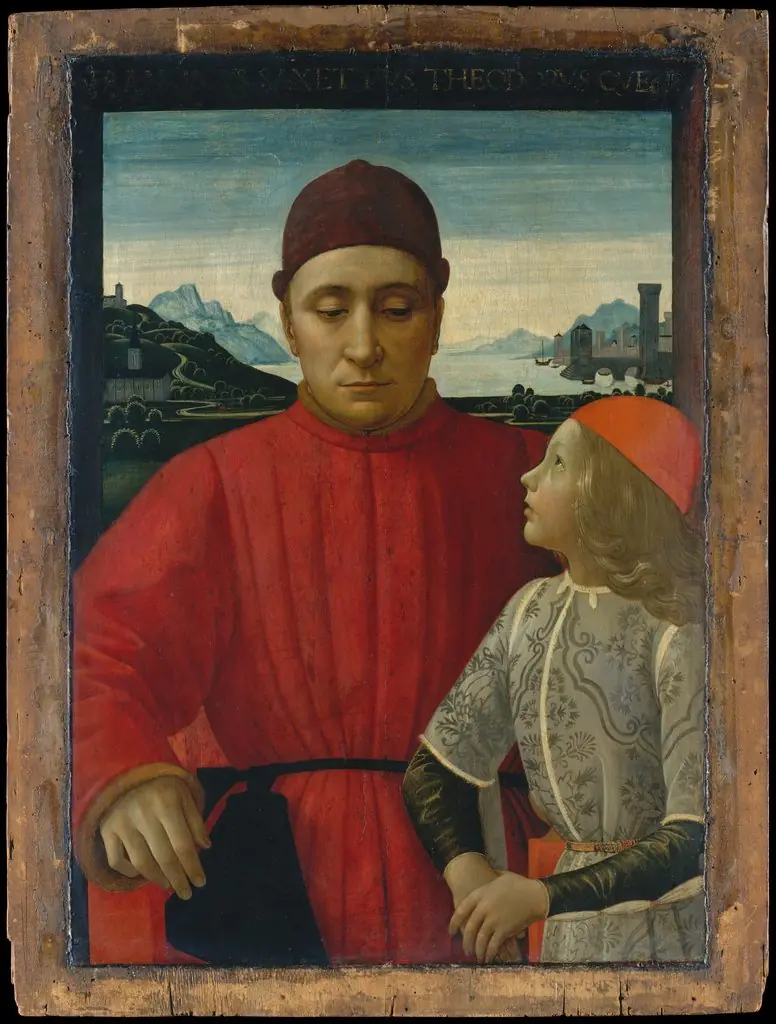
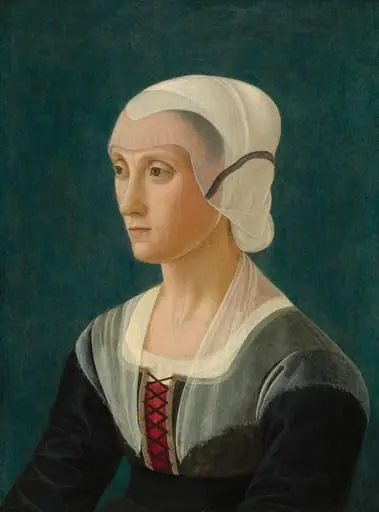
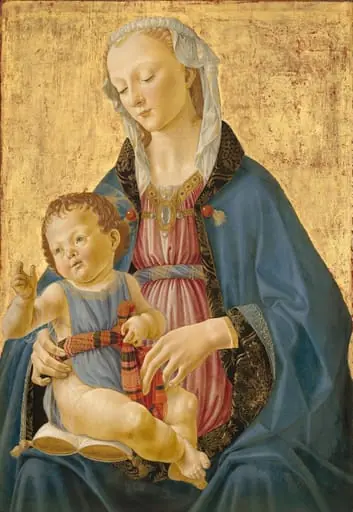
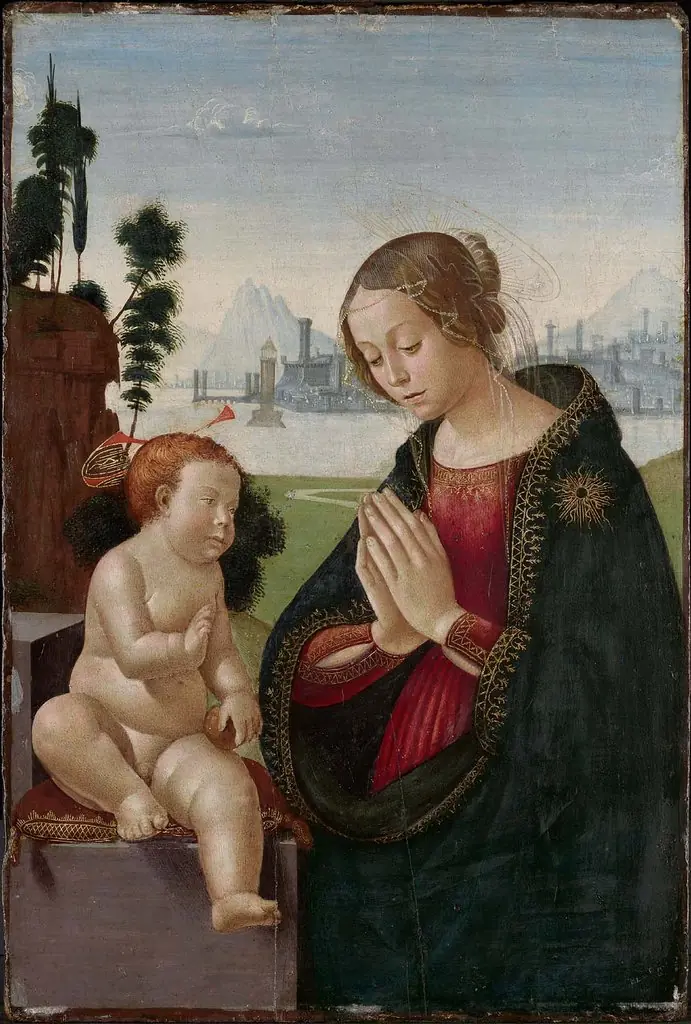
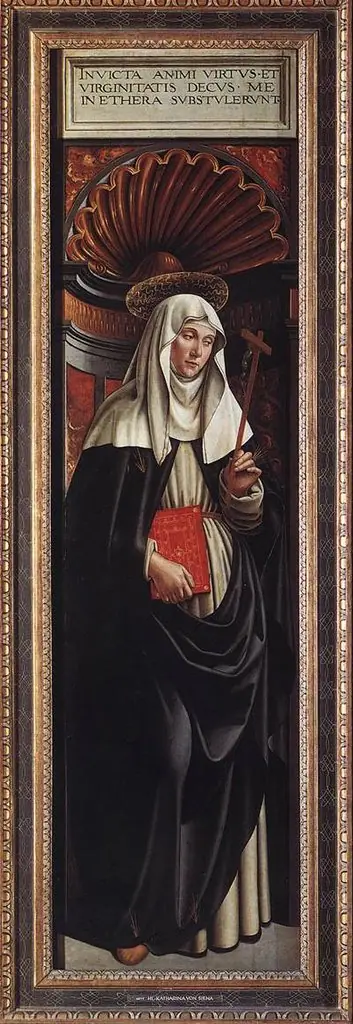
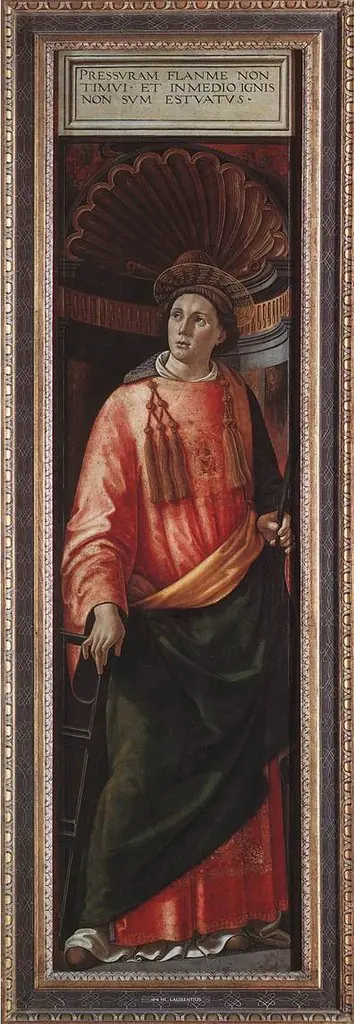
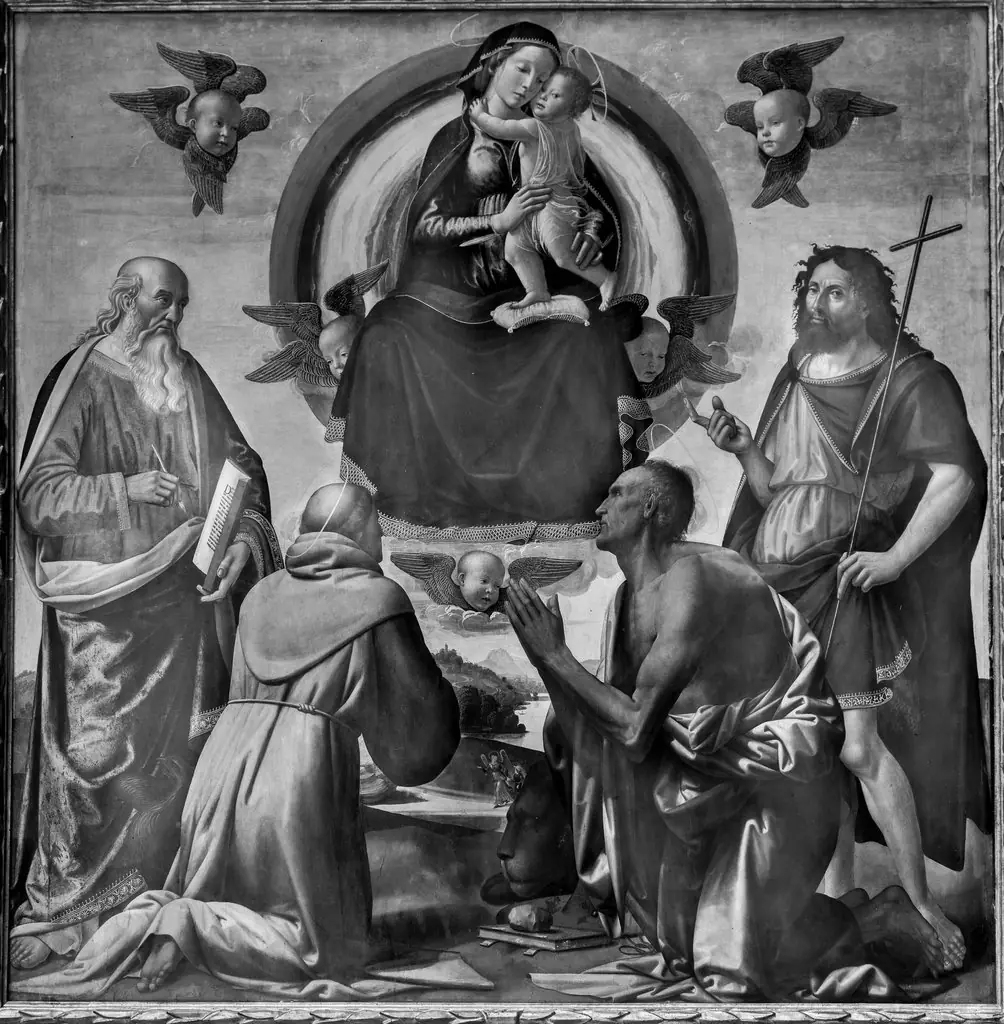
- The Adoration of the Magi
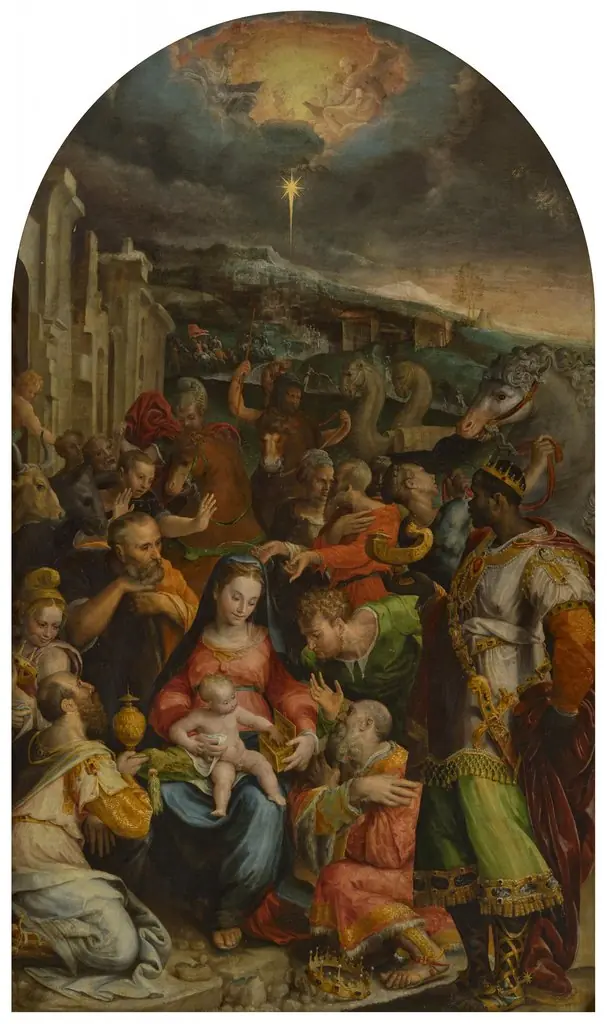 The Adoration of the Magi
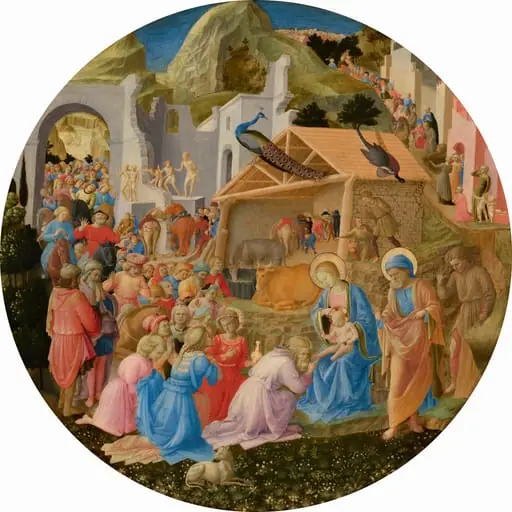 The Adoration of the Magi
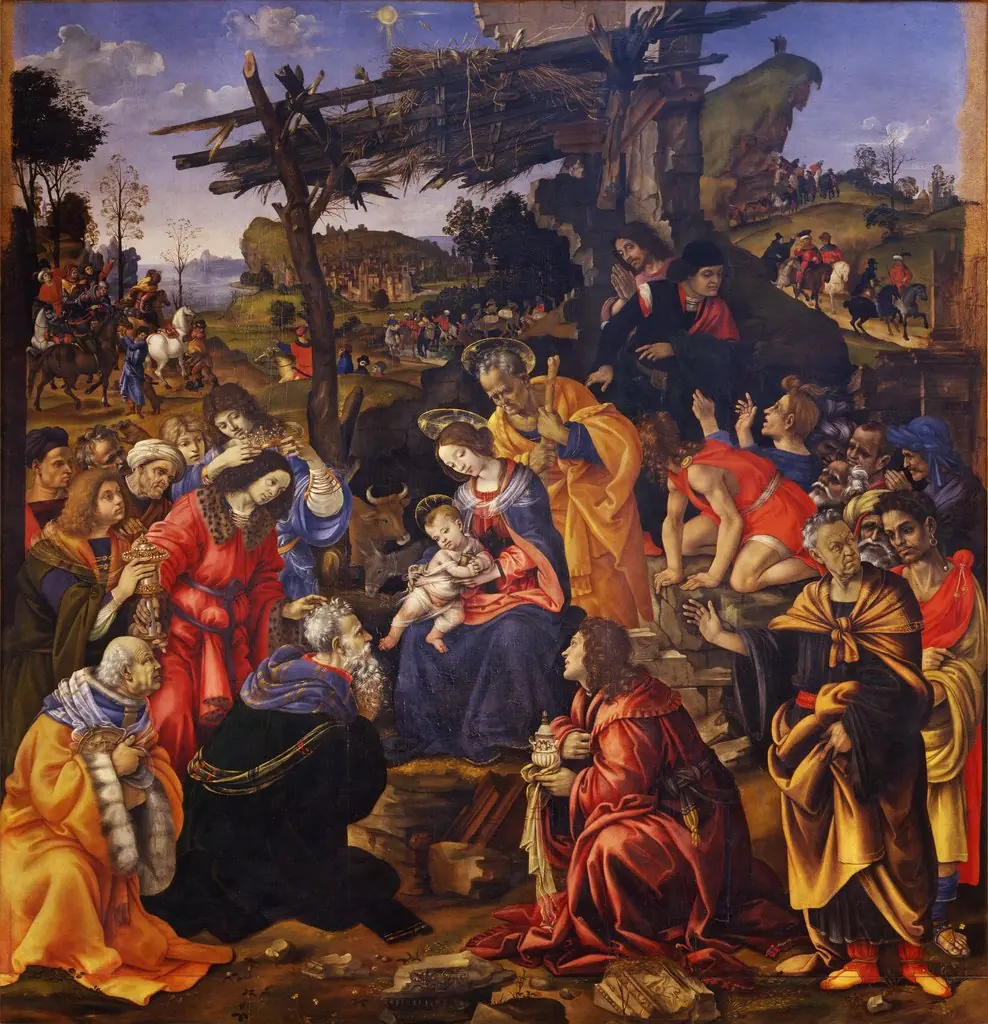 Adoration of the Magi
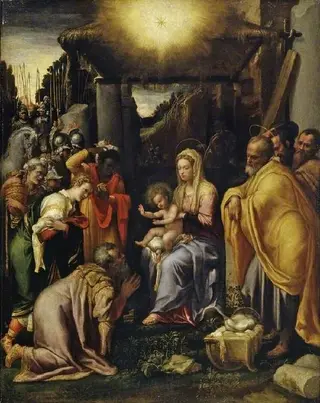 Adoration of the Kings
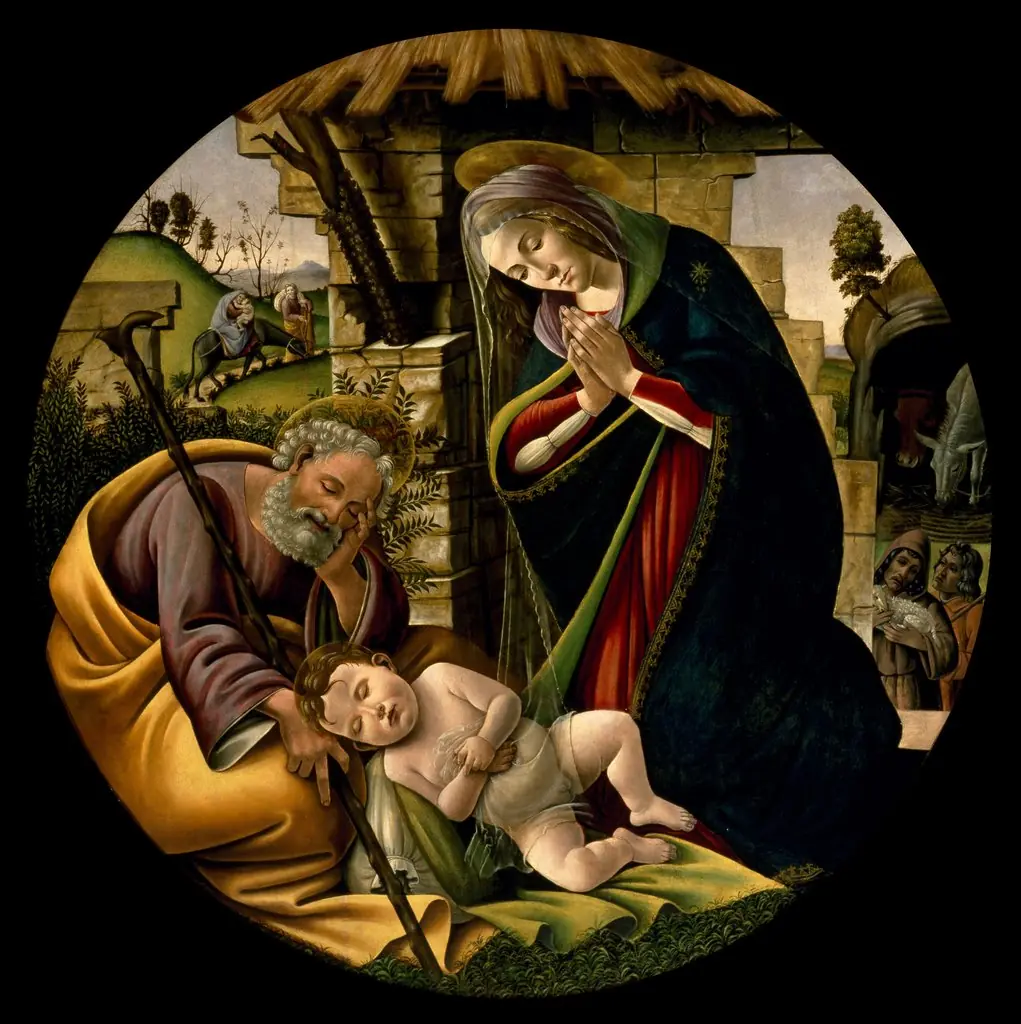 The Adoration of the Christ Child
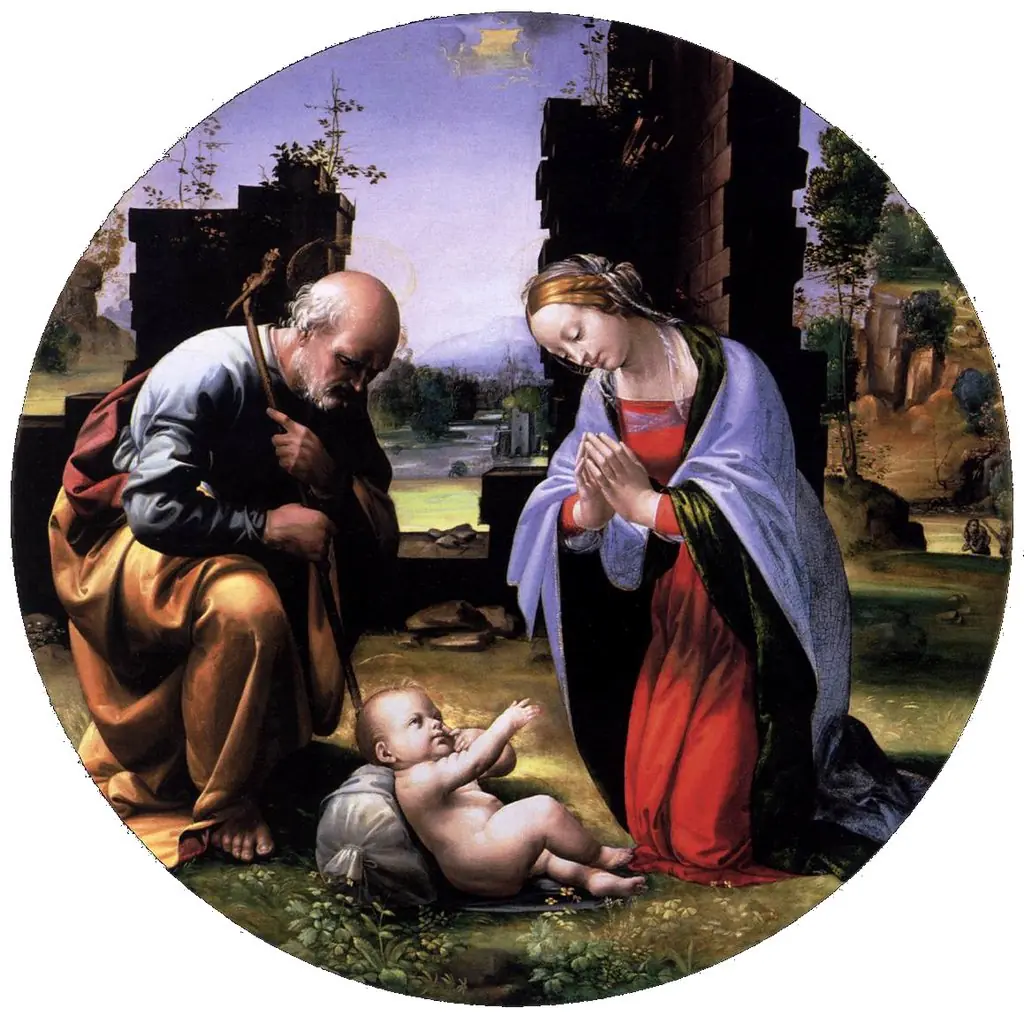 Adoration of the Child
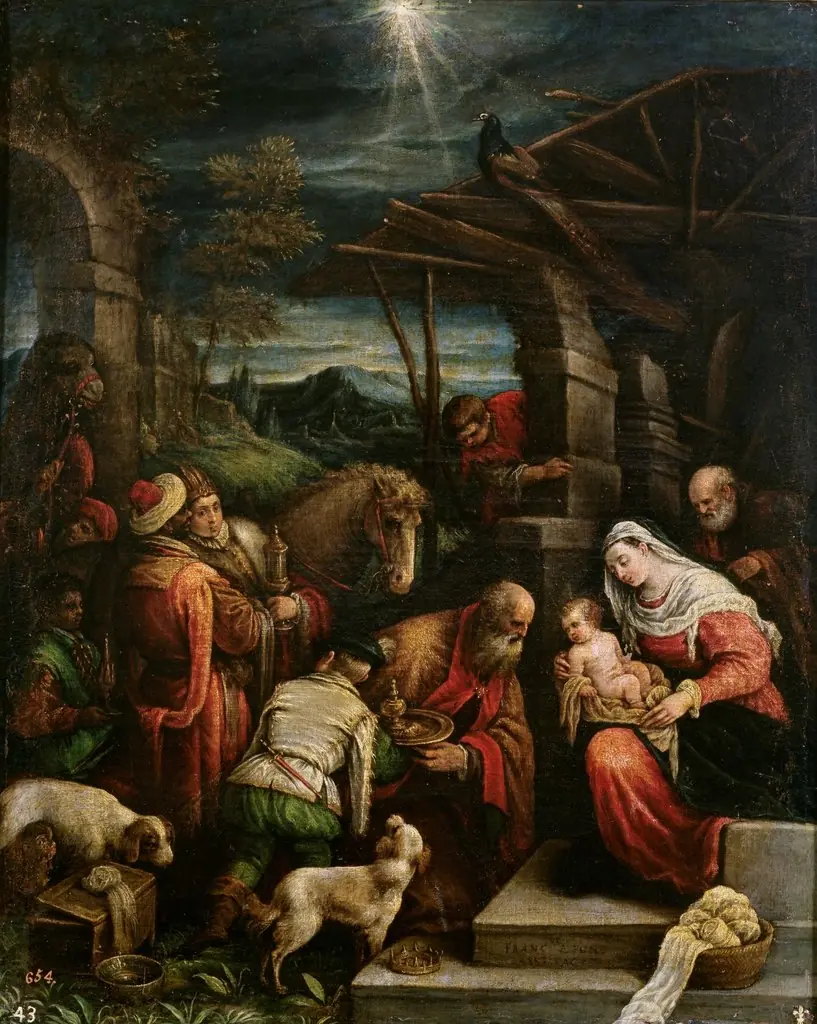 Adoration of the Magi
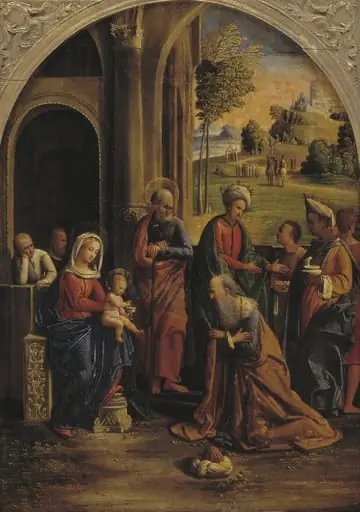 The Adoration of the Kings
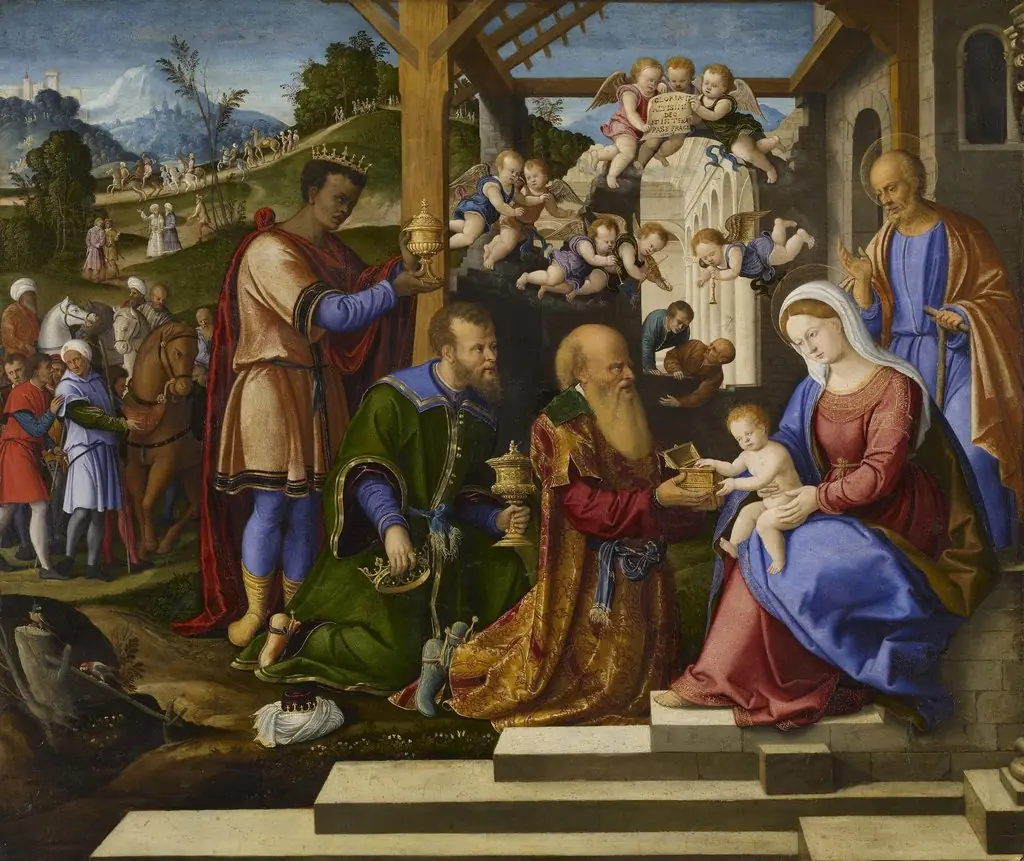 The Adoration of the Three Kings
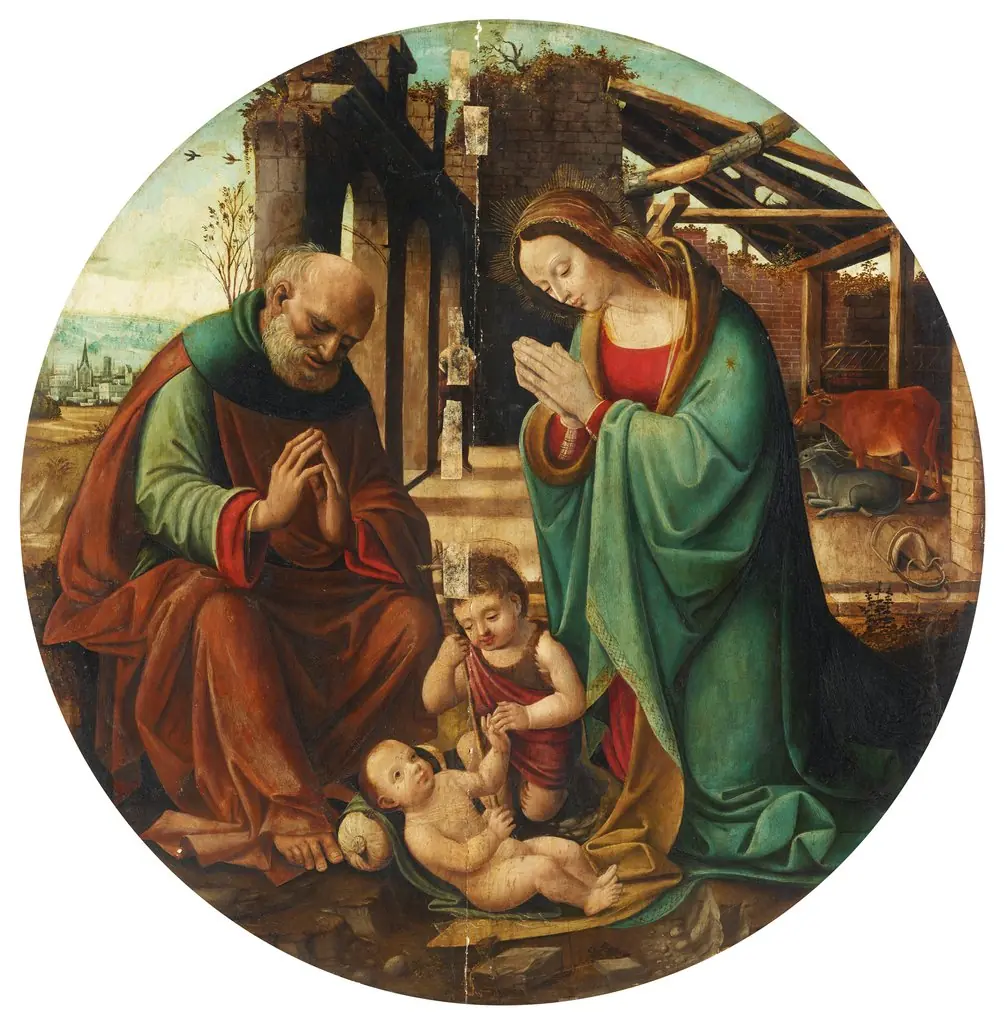 The Holy Family with Young St. John, Adoring the Child
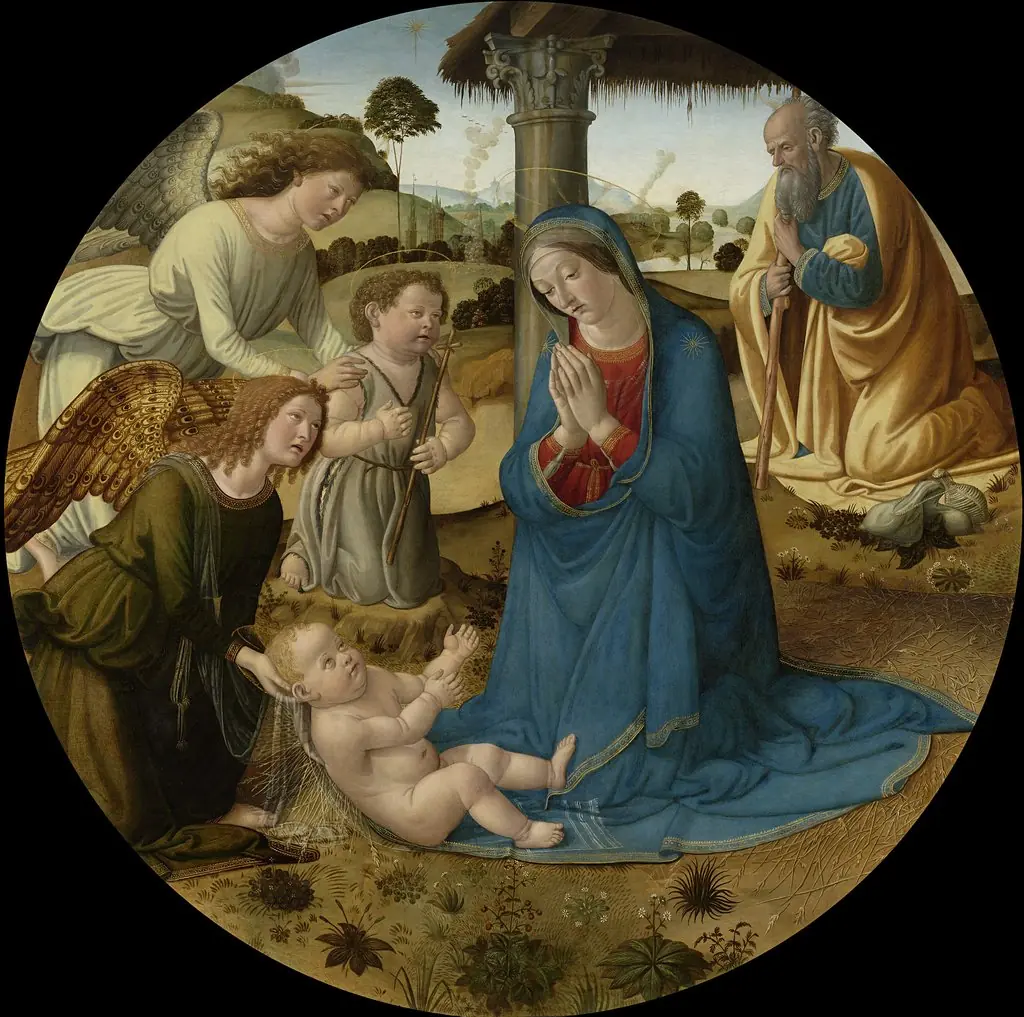 The Adoration of the Christ Child