Artwork
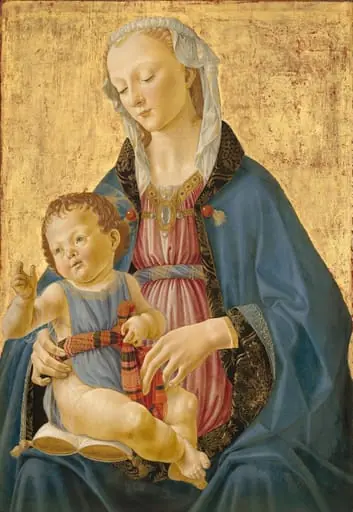
Virgin and Child
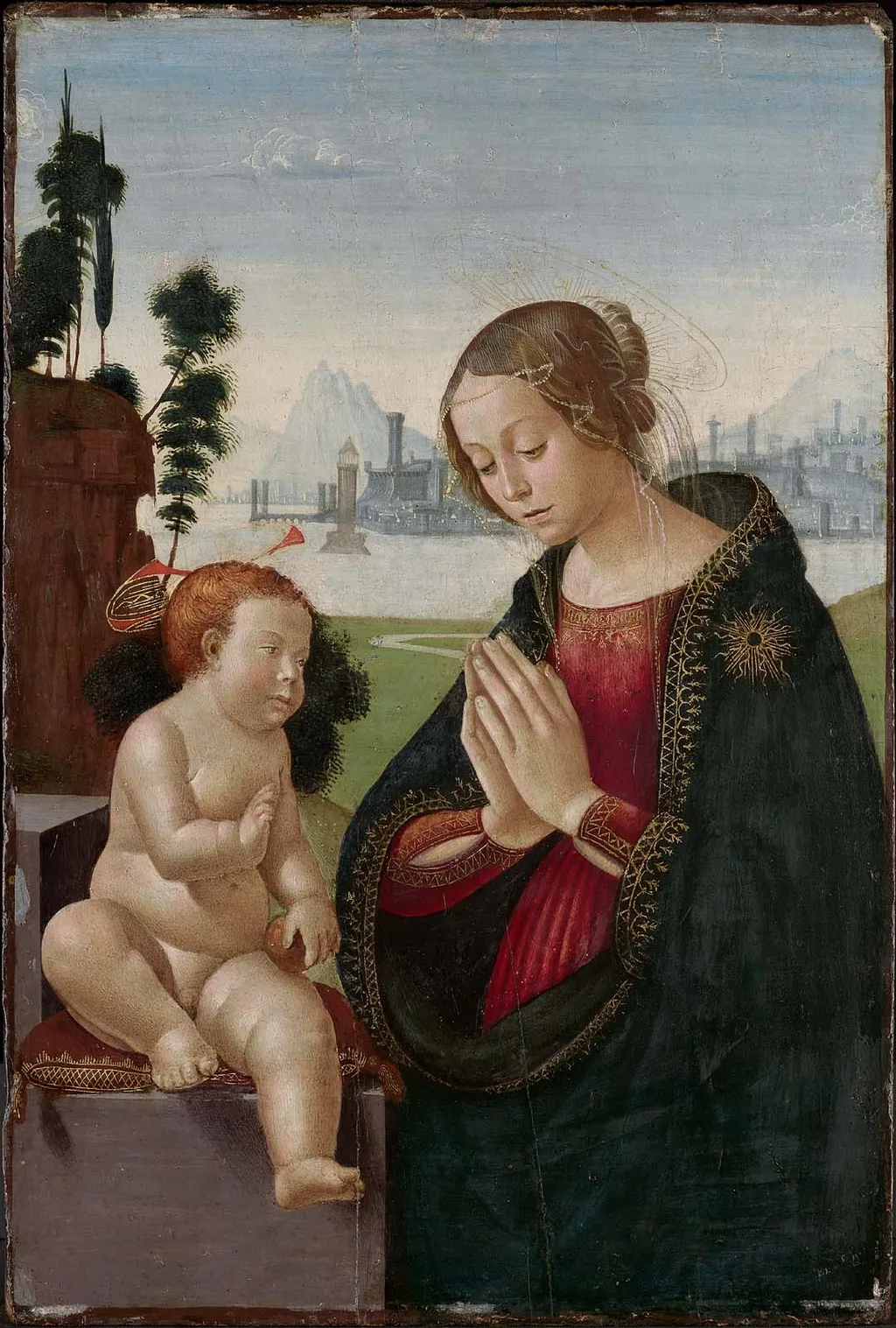
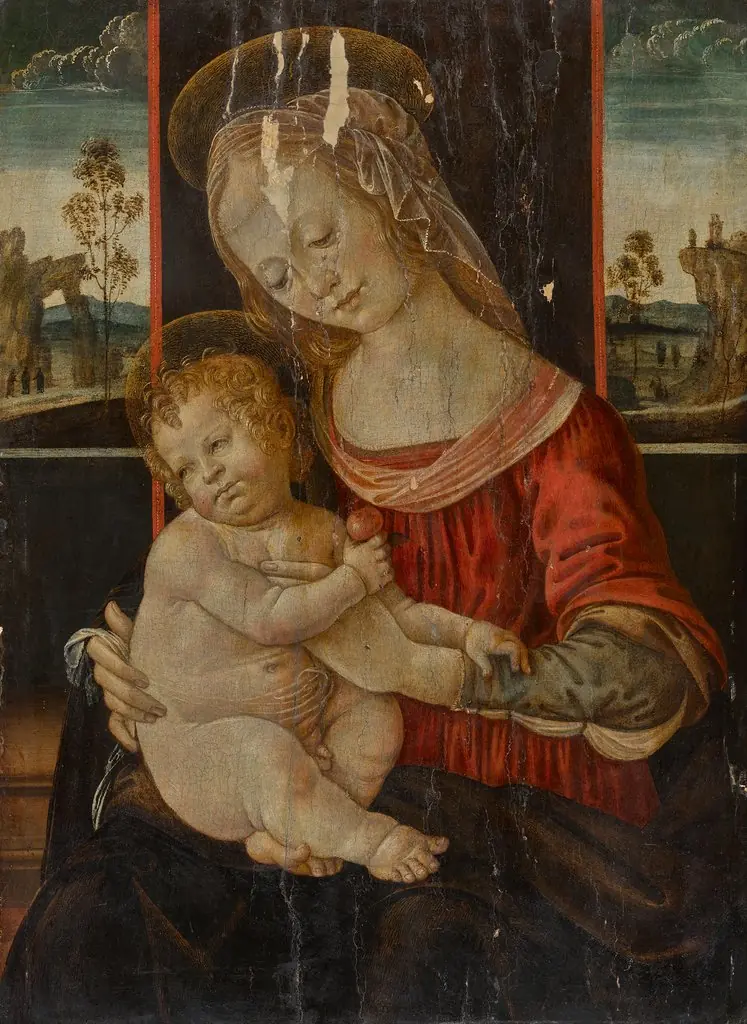
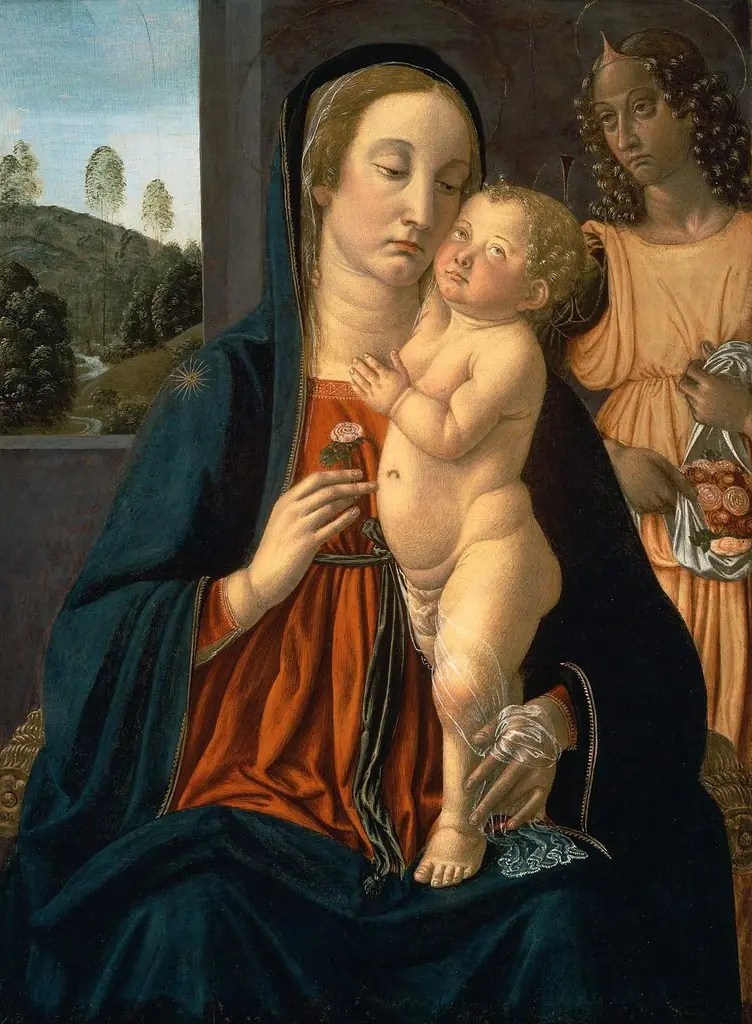
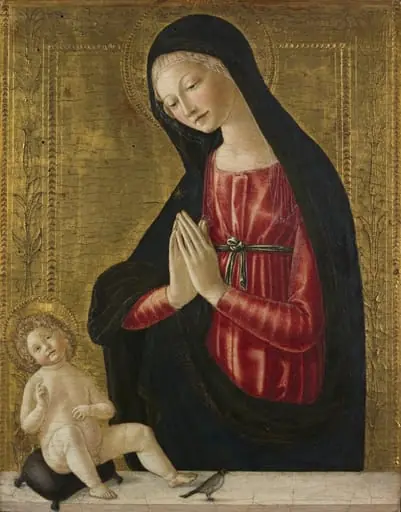
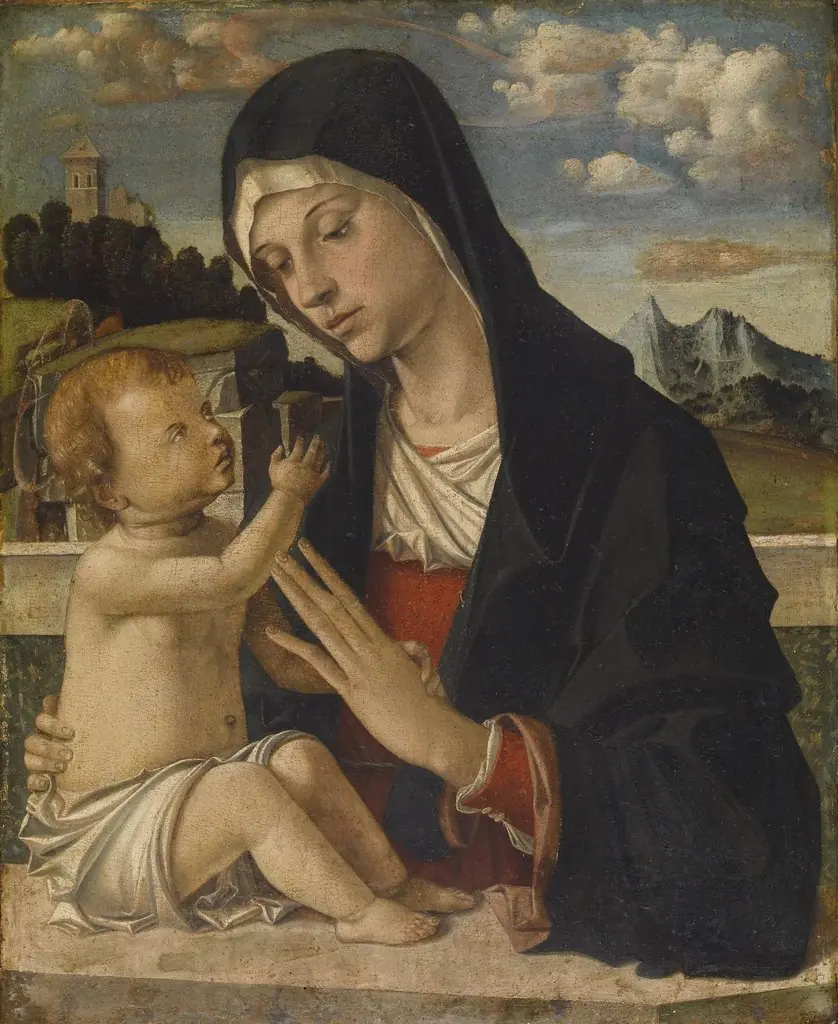
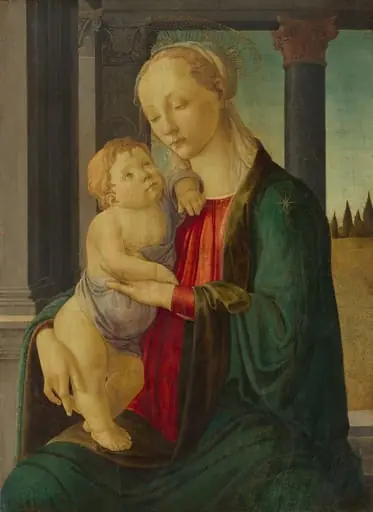
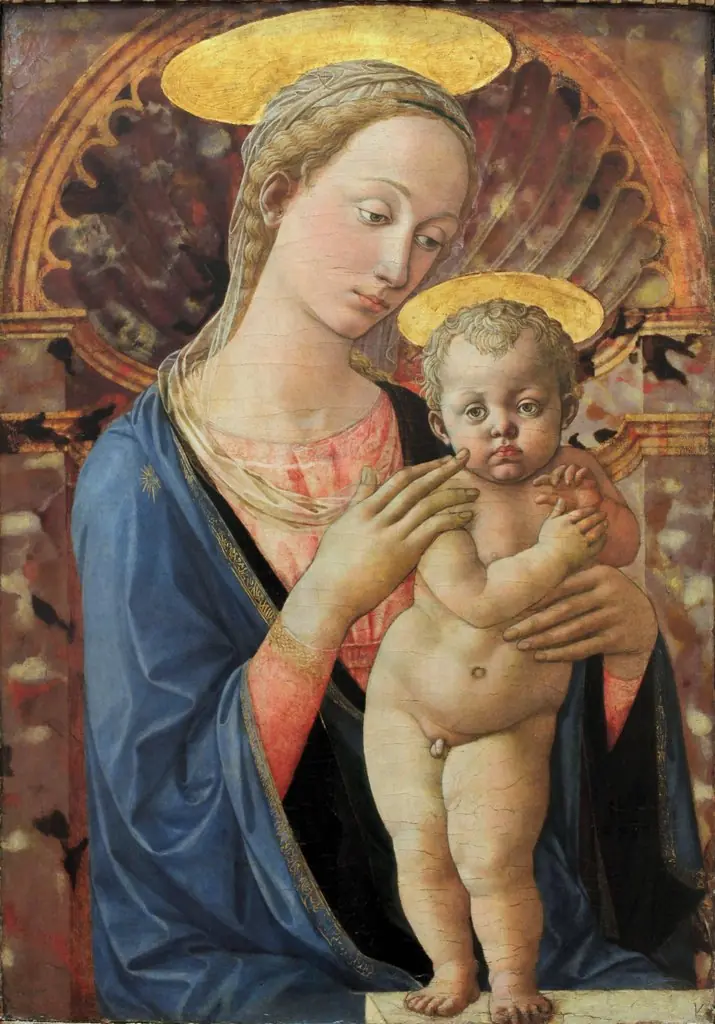
Virgin and Child is an unspecified painting by the High Renaissance artist Domenico Ghirlandaio. It dates from 1481 and is held in the collection of the Museum of Fine Arts Boston.
About this work
Subject & Meaning
This iconic composition reflects the theological emphasis on divine incarnation and maternal protection within Renaissance devotional practice.
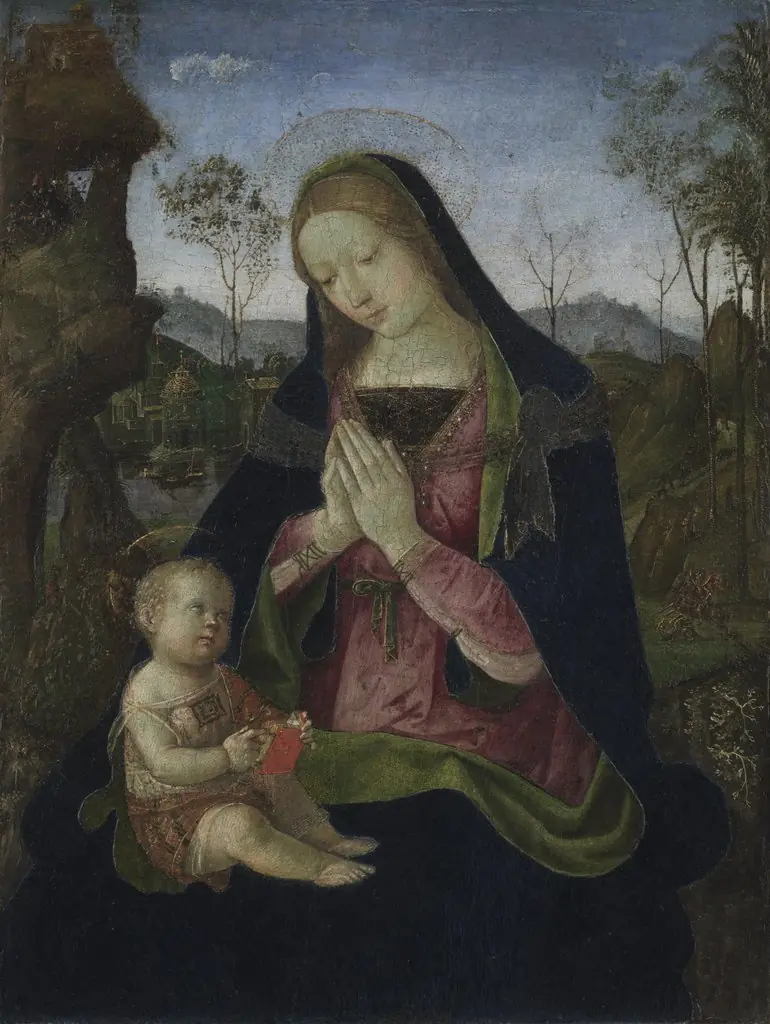
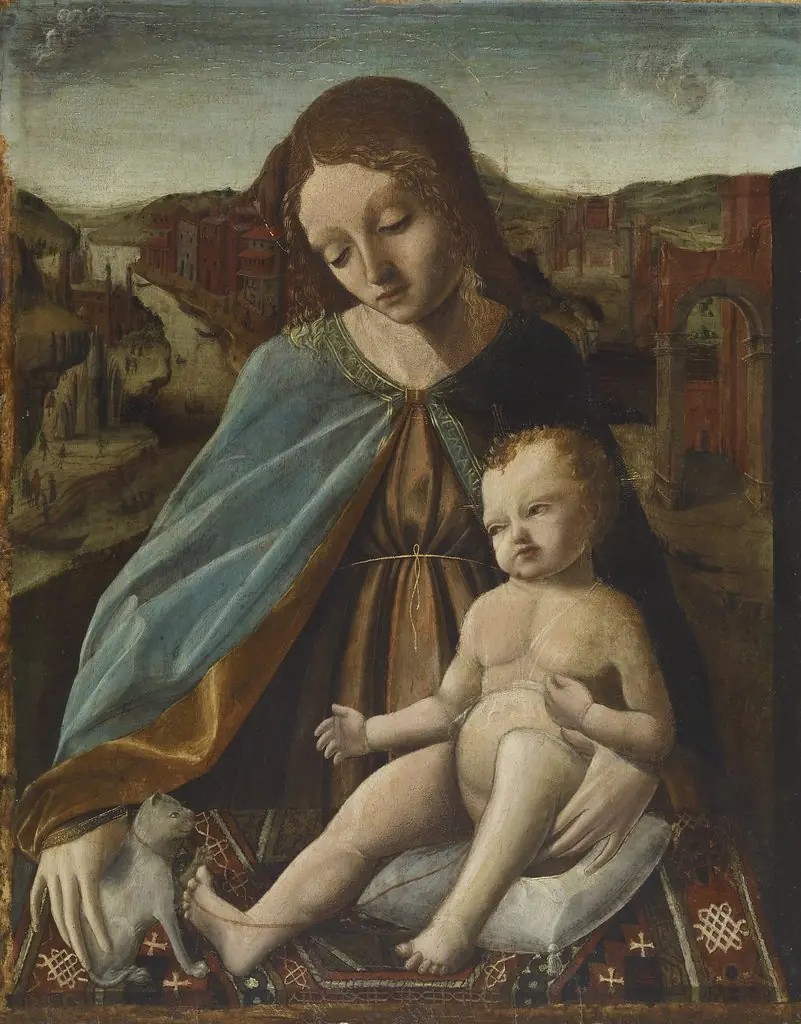
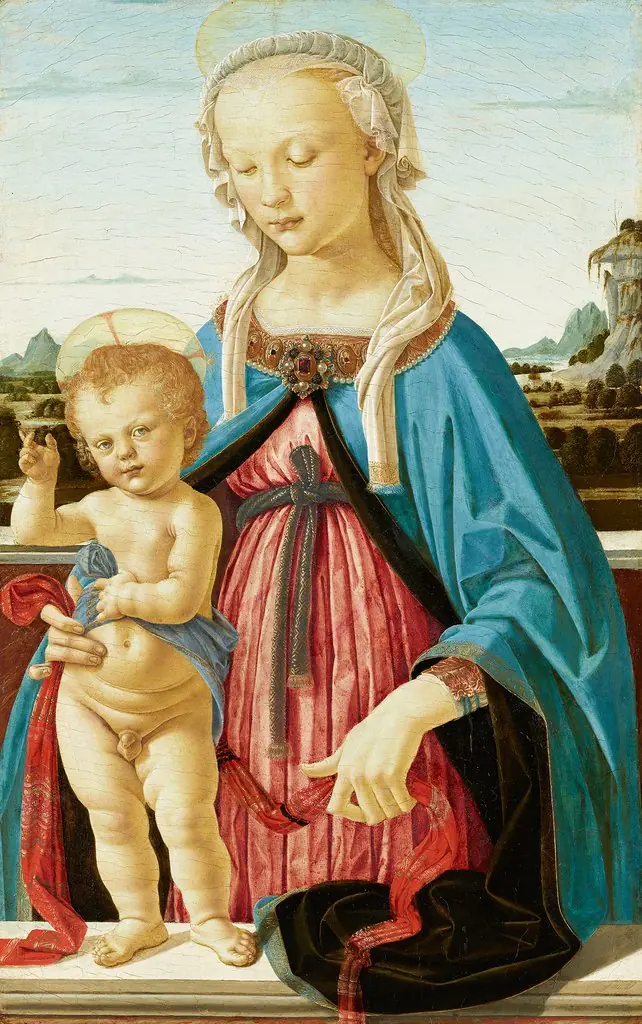
The painting portrays the Virgin Mary tenderly holding the infant Christ, embodying the sacred bond between mother and child. This iconic composition reflects the theological emphasis on divine incarnation and maternal protection within Renaissance devotional practice. The work belongs to the religious art genre and adheres to the stylistic conventions of the Italian Renaissance, as demonstrated by its compositional balance and naturalistic rendering of figures.
History & Provenance
The painting is housed in the Museum of Fine Arts, Boston, where it holds the accession number 1952.174. It has been part of the museum’s collection since its acquisition and was featured in the 1975 exhibition "Italian Renaissance Masterpieces from the Museum of Fine Arts, Boston," which traveled to several major institutions across the United States.
Overview
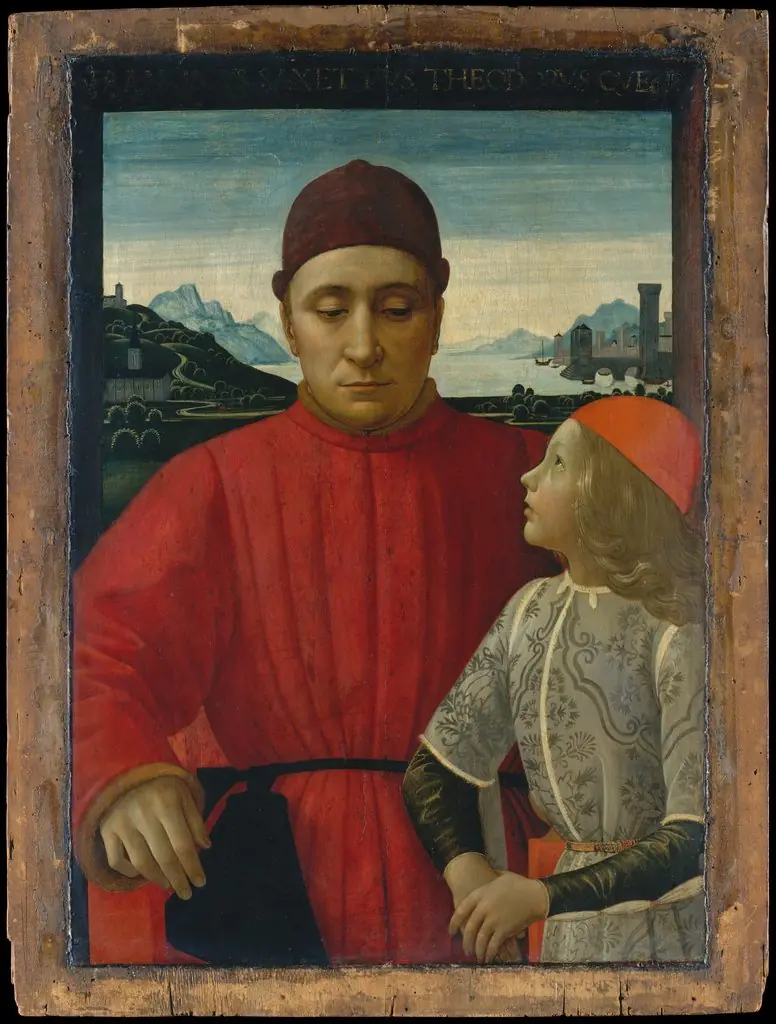
Domenico Ghirlandaio’s Virgin and Child dates to circa 1481, placing it in the later phase of the High Renaissance. Executed in tempera on panel, the work presents the Virgin Mary seated with the infant Jesus, set against an atmospheric cityscape. The painting is part of the collection of the Museum of Fine Arts in Boston.
Technique & Style
Ghirlandaio employs a soft, hazy modeling of the background, allowing the distant towers and bridge to dissolve into an almost ethereal sky. The figures are rendered with precise linear detail, characteristic of his Florentine workshop, while the subtle gradations of light give the scene a calm, three‑dimensional presence.
Context
Created during a period when Florentine artists were increasingly integrating naturalistic settings with sacred subjects, the painting reflects the city’s artistic climate that emphasized clarity of form and balanced composition. The inclusion of an identifiable urban landscape behind the holy figures links the divine narrative to contemporary civic life.
Artist & collection
Artist
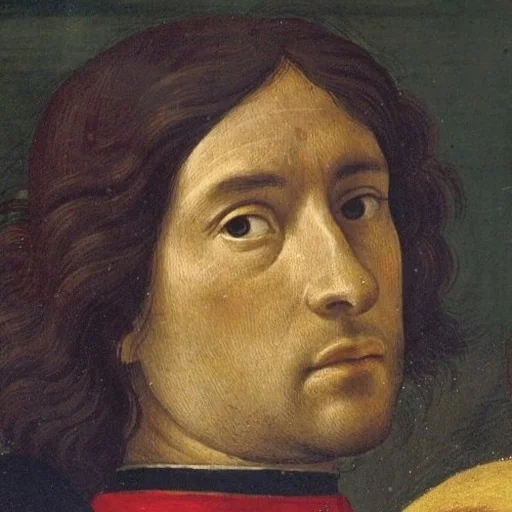
Domenico di Tommaso Curradi di Doffo Bigordi (2 June 1448 – 11 January 1494), professionally known as Domenico Ghirlandaio (also spelt as Ghirlandajo), was an Italian Renaissance painter born in Florence.