Artwork
Madonna and Child
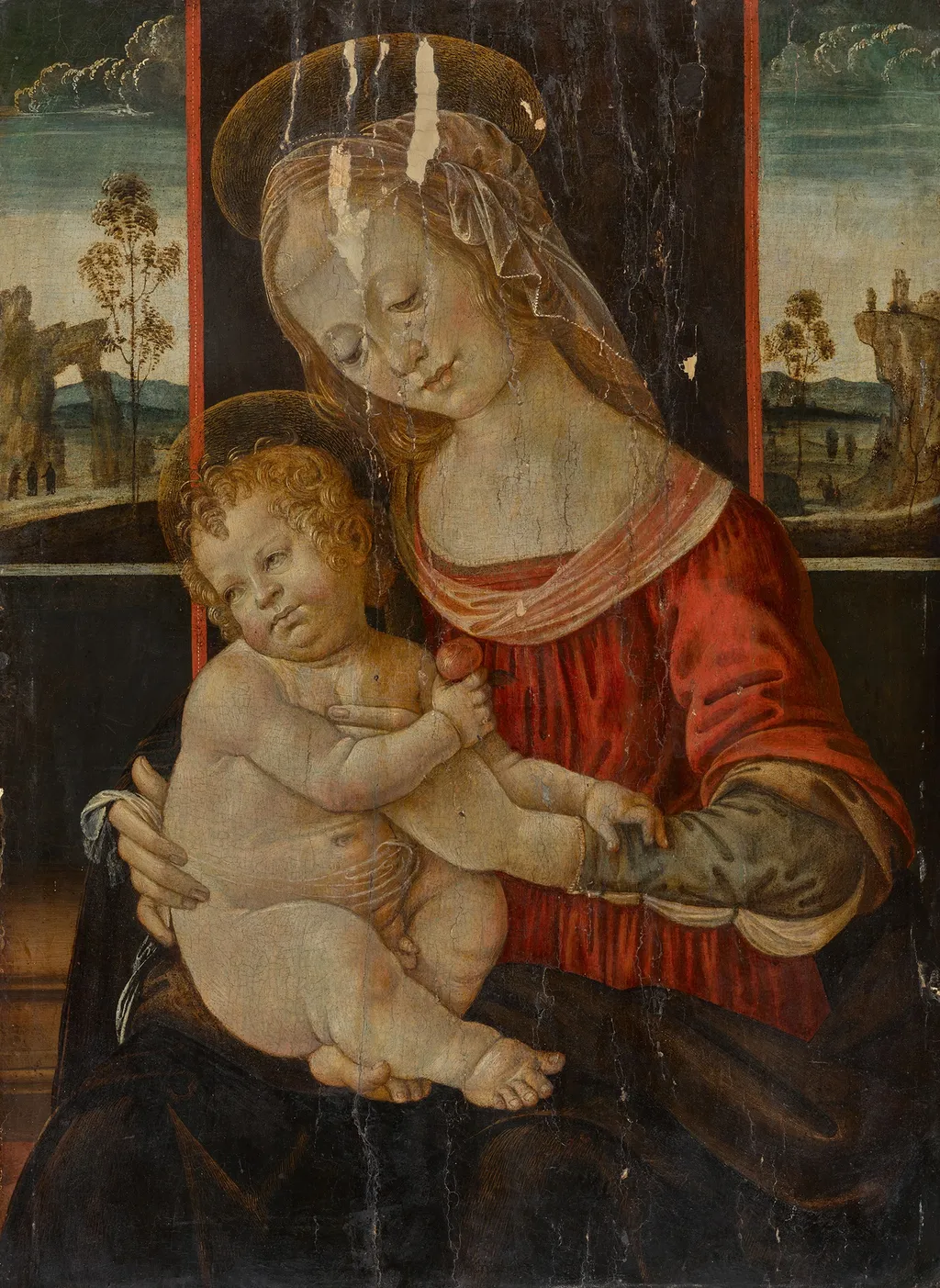
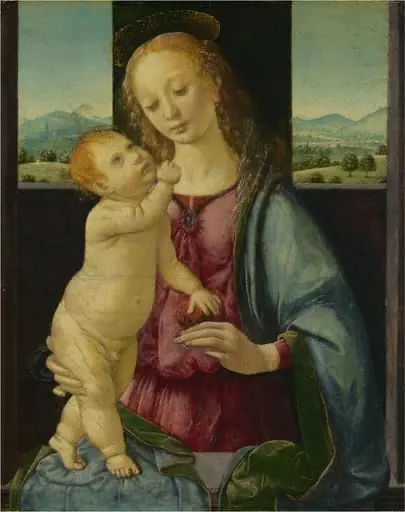
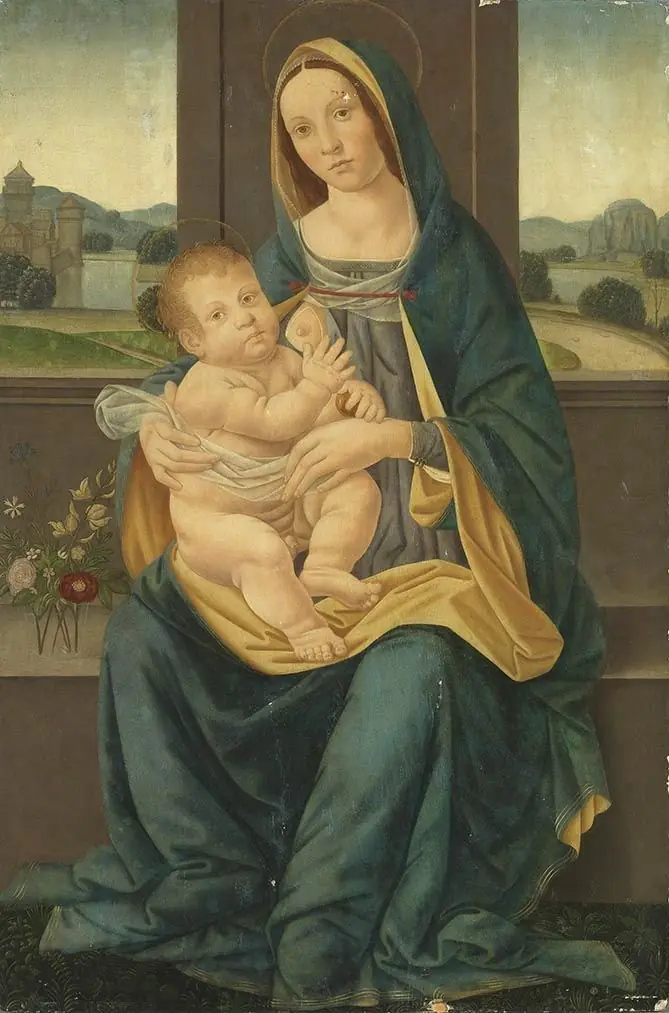
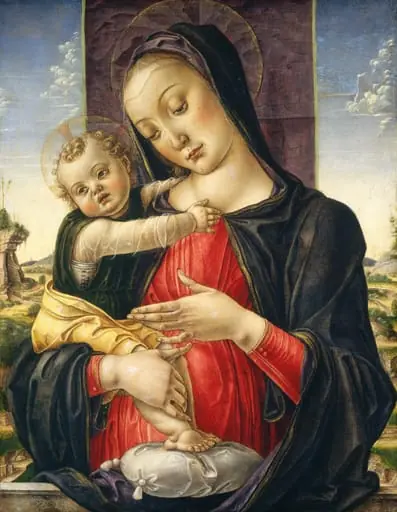
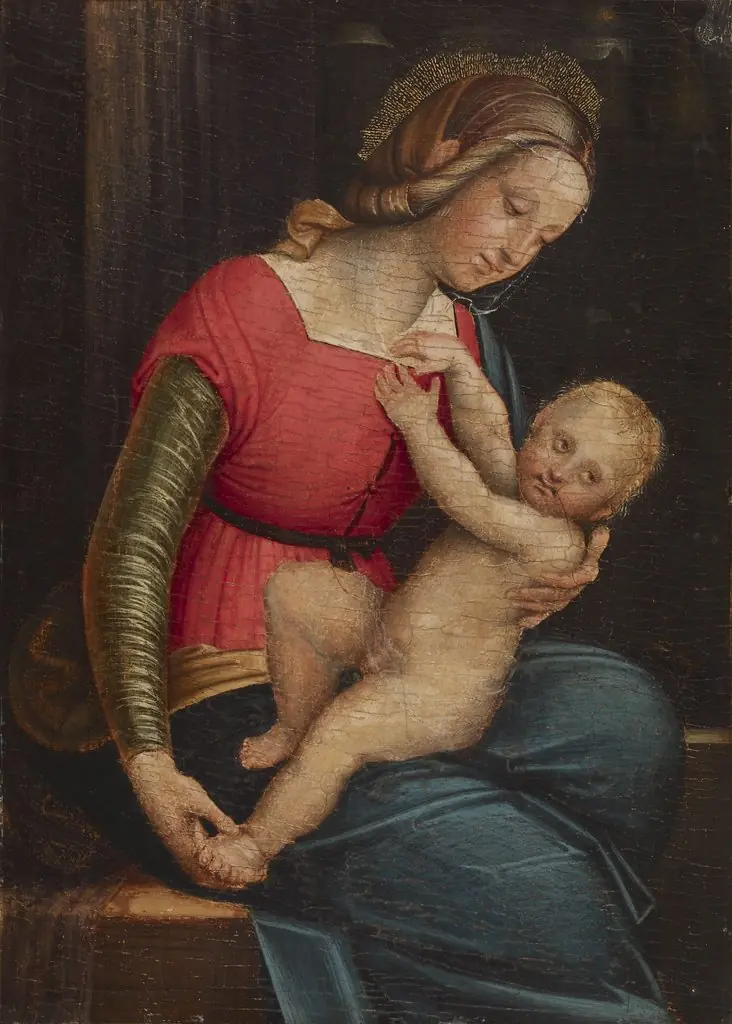
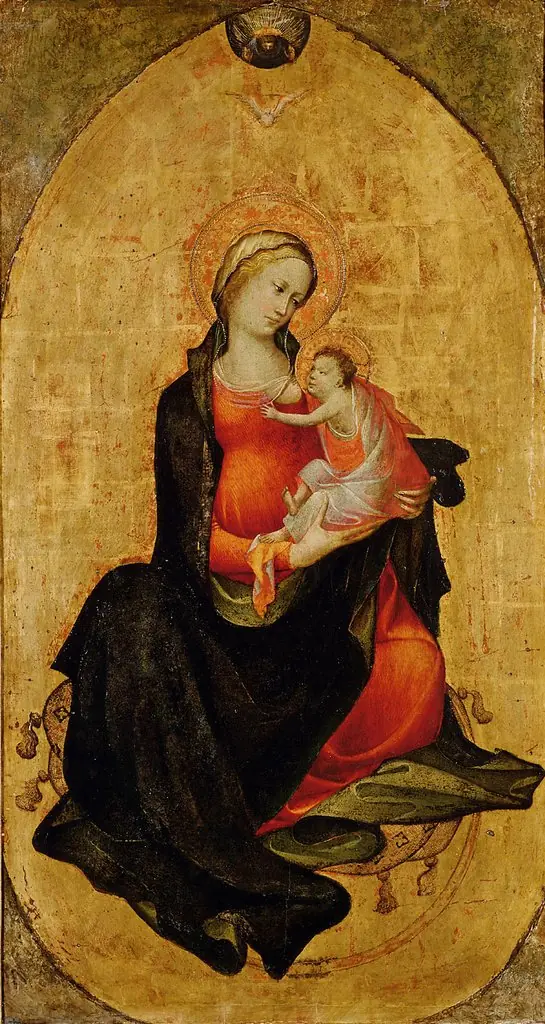
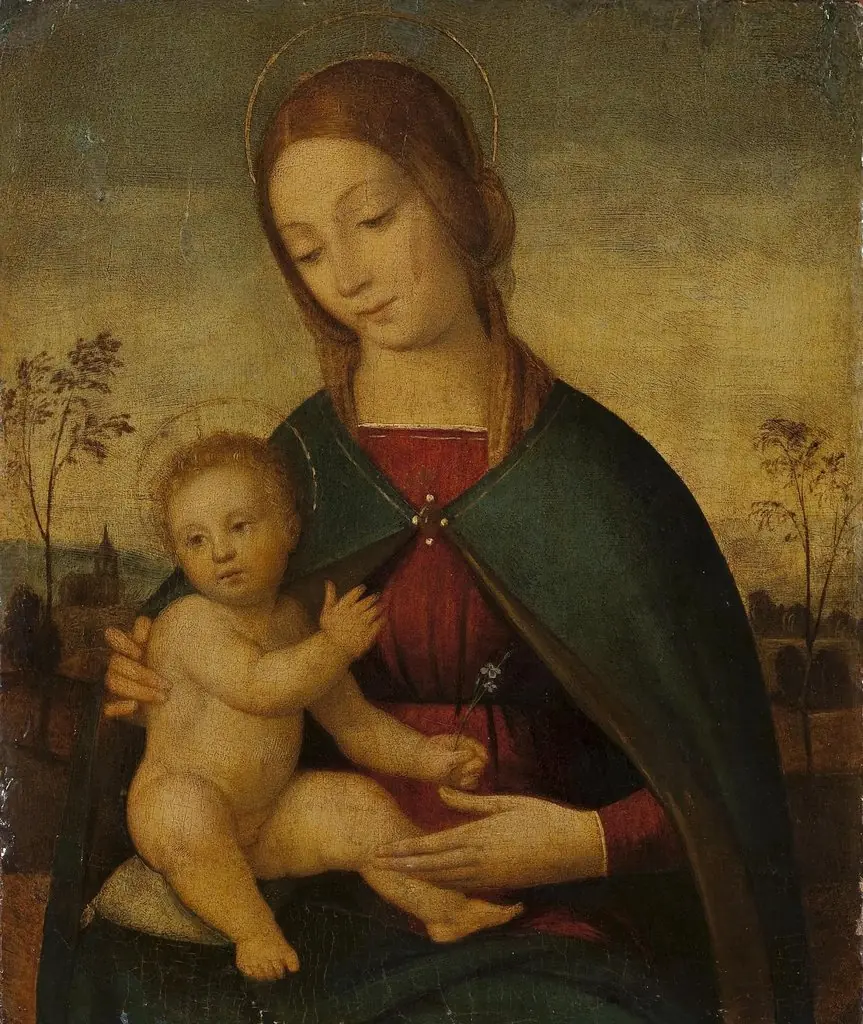
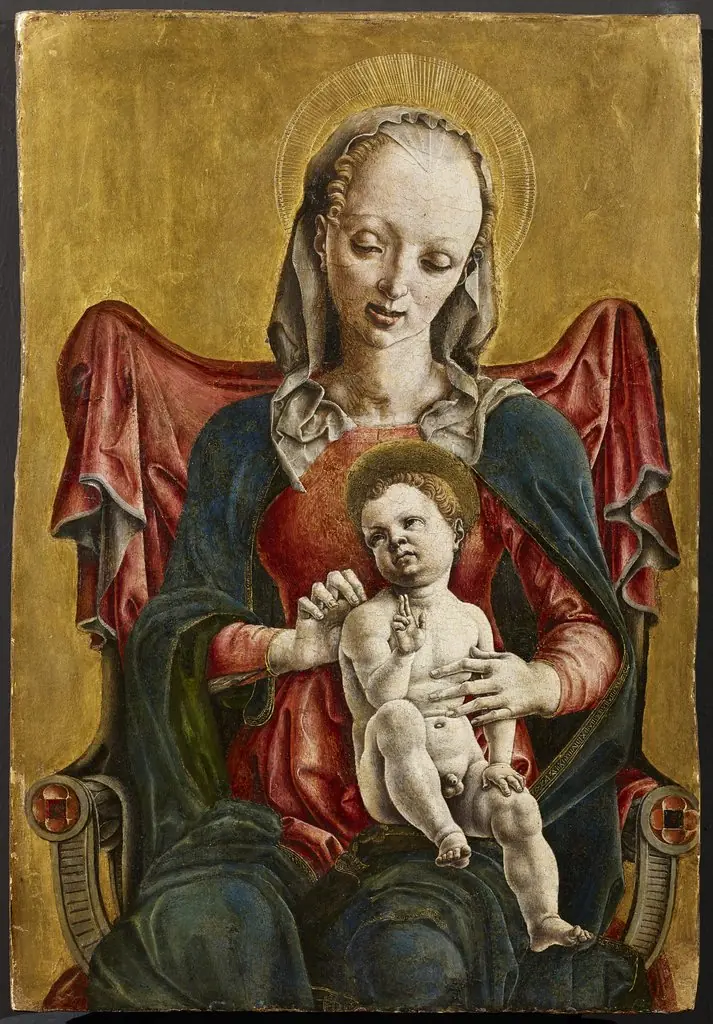
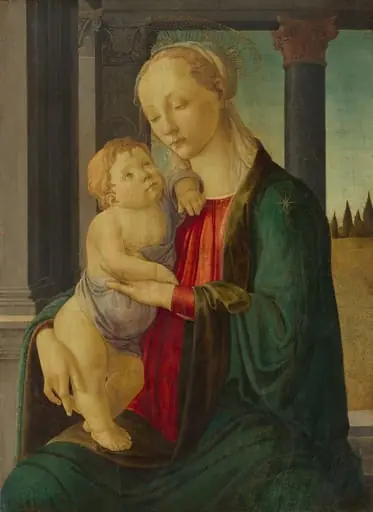
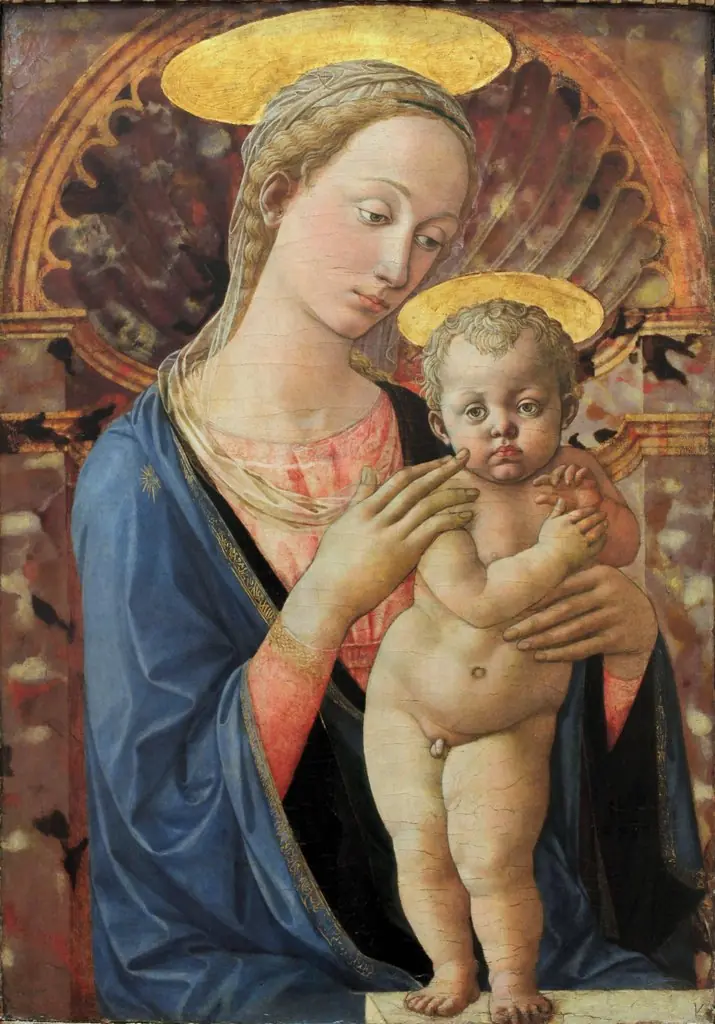
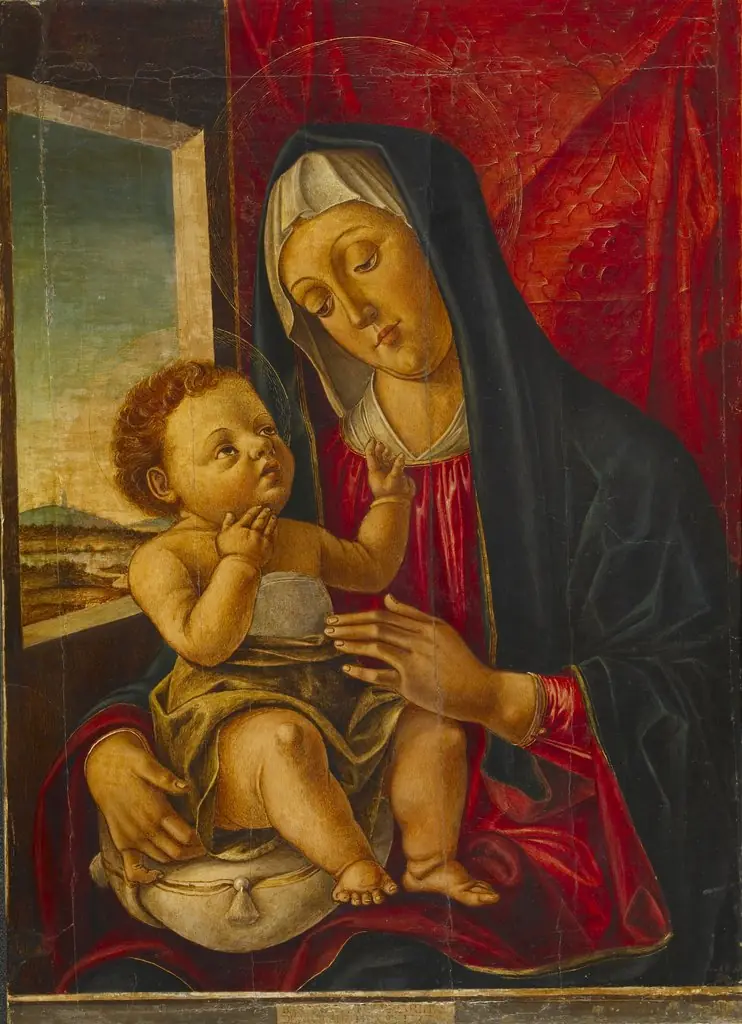
Madonna and Child is a paint painting by the High Renaissance artist Lorenzo di Credi. It dates from 1508 and is held in the collection of the Gemäldegalerie Berlin. Created circa 1508, this oil painting presents the Virgin Mary cradling the infant Christ.
About this work
Overview
Madonna and Child is a religious painting created by the Italian Renaissance master Lorenzo di Credi around 1500.
Madonna and Child is a religious painting created by the Italian Renaissance master Lorenzo di Credi around 1500. Executed in paint on a poplar panel, the artwork depicts the Virgin Mary and the Christ Child and belongs to a broader tradition of Florentine panel painting that utilized oil pigments, a technique that spread from Northern Europe to Italy during the 15th century. The painting is currently held in the Gemäldegalerie Berlin. Lorenzo di Credi, who trained alongside Leonardo da Vinci in the Florentine workshop of Andrea del Verrocchio during the 1480s, produced multiple versions of this subject. His compositions were highly influential, helping to disseminate a specific Florentine type of devotional image that became widely popular in religious foundations.
Subject & Meaning
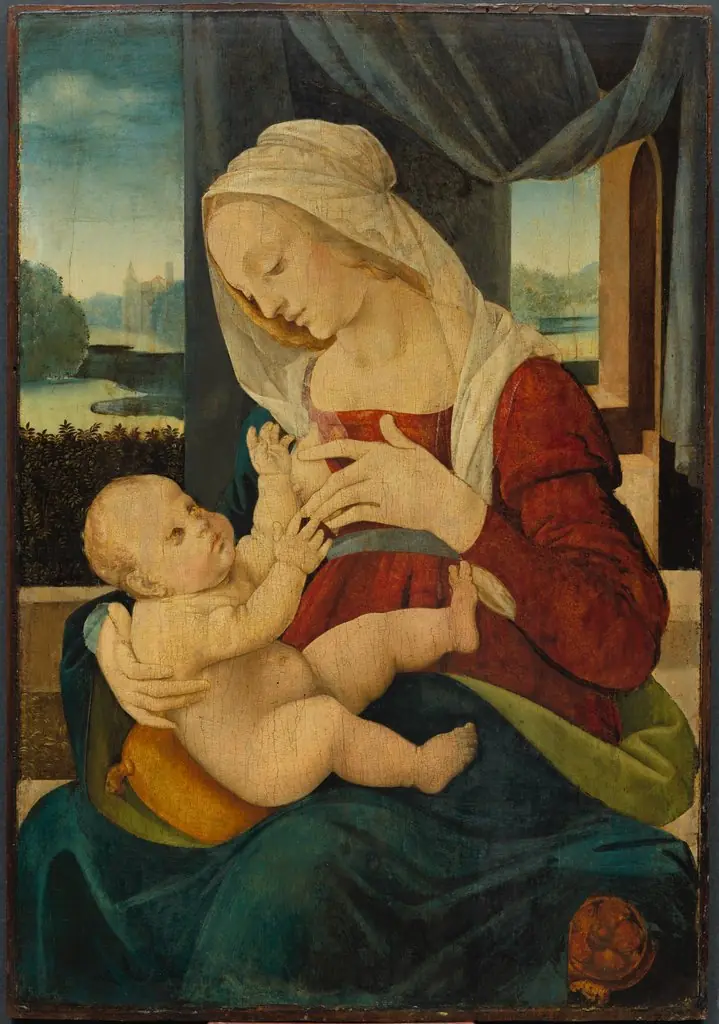
The painting portrays the Virgin Mary seated with the nude Christ Child resting on her lap, both figures occupying the center of the composition. Gold-rimmed halos encircle their heads, signifying their sacred status. The infant grasps a small round object, likely a pomegranate, a traditional symbol of resurrection and eternal life, while touching the Virgin's sleeve. A thin white cloth wraps the child's lower torso. Mary's gaze is directed downward toward the child in an expression of maternal devotion. The composition derives from Verrocchio's design of a three-quarter length seated Virgin silhouetted against a panoramic landscape, a model that Credi adapted and replicated across several versions. The widespread replication of this specific devotional image by Credi's workshop and followers underscores its importance in expressing the religious relationship between Jesus and his mother during the child's tender age.
Technique & Style
Lorenzo di Credi employed oil paint on a poplar panel, utilizing a medium that allowed for smooth, blended brushwork and fine detail in the hair and drapery folds. The palette features deep reds, dark blues, warm flesh tones, and muted greens and browns in the background. Light falls evenly from the left, modeling the rounded forms of the figures. The Virgin wears a dark blue robe over a red dress, complemented by a translucent veil covering her hair. Some workshop versions adopt Leonardo da Vinci's early color scheme of delicate light blue, red, and pale violet for the garments. The background integrates two distinct landscape traditions: one side features scenery derived from Credi's own works, while the other copies a landscape with a water mill from a painting by Hans Memling, reflecting the Northern European landscape paintings being imported to Florence at the time. The paint surface of the Berlin version shows extensive vertical cracks and some losses, particularly across the Virgin's face and halo.
History & Provenance
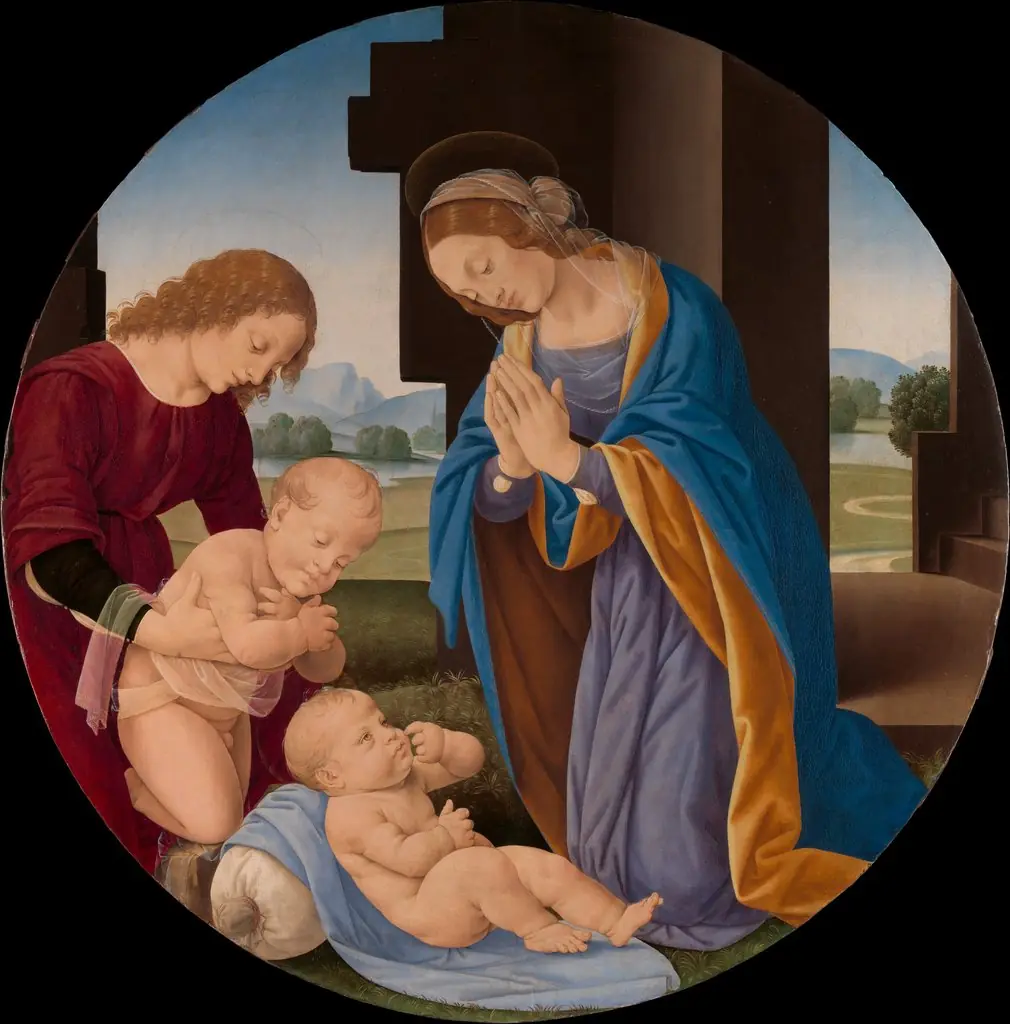
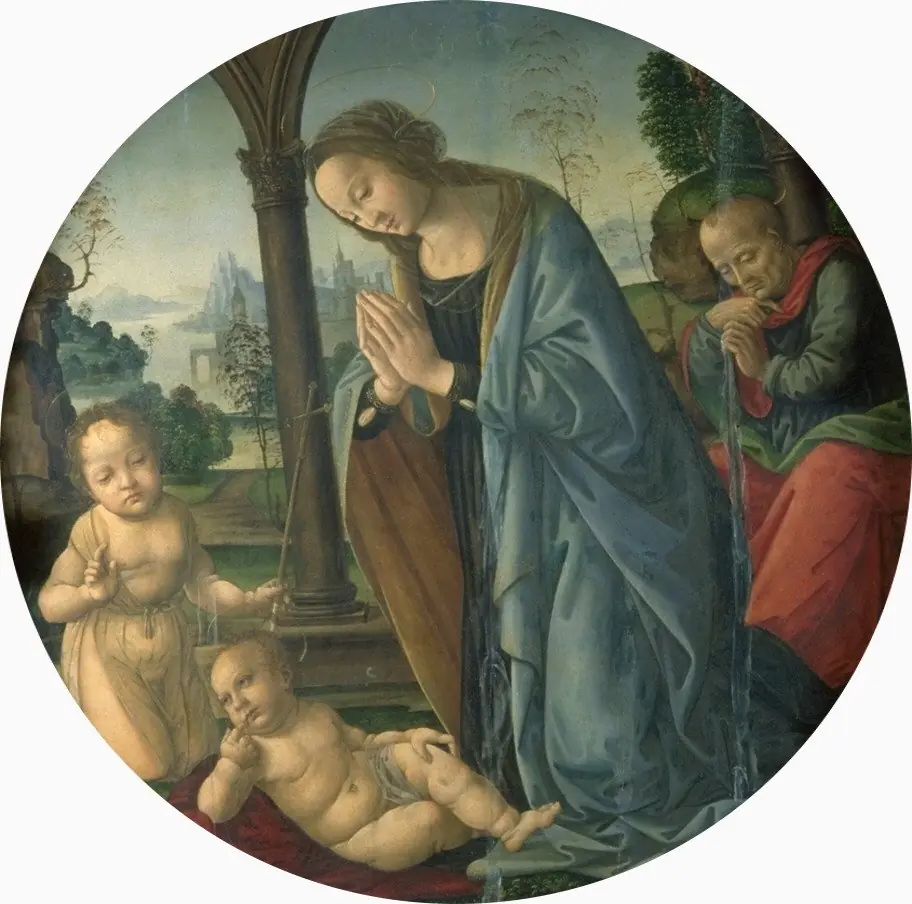
The history of Lorenzo di Credi's Madonna and Child compositions involves multiple versions with complex provenances. A notable version measuring 16.5 by 13.4 cm was purchased in England by Gustave Dreyfus in Paris around 1908, contradicting earlier claims of a sale in 1872. The Dreyfus heirs sold the entire collection to Duveen Brothers in 1930, who then sold it to the Samuel H. Kress Foundation in 1951, which gifted it to the National Gallery of Art in 1952. Another version, Madonna and Child with the Infant Saint John the Baptist, passed through the collections of the Earl of Dudley and Edward Steinkopff in London before being purchased by the Nelson-Atkins Museum of Art in 1939. A third version, now in the Galleria Borghese, originated in the Salviati collection in Florence around 1612 to 1613 and entered the Borghese collection by 1859, eventually being purchased by the Italian State in 1902.
Context
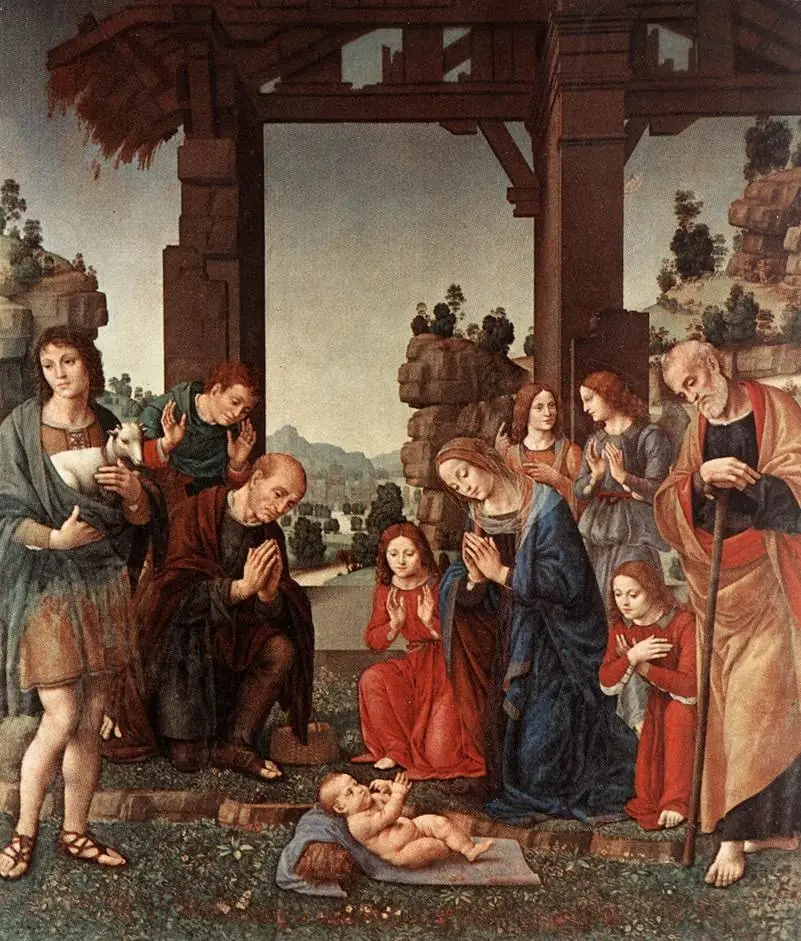
Lorenzo di Credi developed his Madonna and Child compositions within the artistic milieu of Andrea del Verrocchio's workshop, where he trained alongside Leonardo da Vinci. As part of their training, young artists copied and imitated their master's designs. Credi's original painting or cartoon was closely related to his Madonna and Child in Strasbourg from around 1490. Scholars including Bernard Berenson and Gigetta Dalli Regoli have noted the profound influence of Leonardo on Credi's work, particularly in the Leonardesque color schemes and atmospheric landscapes featuring winding streams and sharp rocks. Berenson dated the Borghese version to after 1490, noting a shift in Florentine art where artists began depicting the infant Jesus blessing John the Baptist, a theory supported by Dalli Regoli and partially agreed upon by Raimond van Marle, who narrowed the creation date to around 1493. Workshop replicas, such as one in the Accademia Carrara, and adaptations by apprentices like Antonio Sogliani, demonstrate the collaborative nature of Credi's large workshop.
Legacy
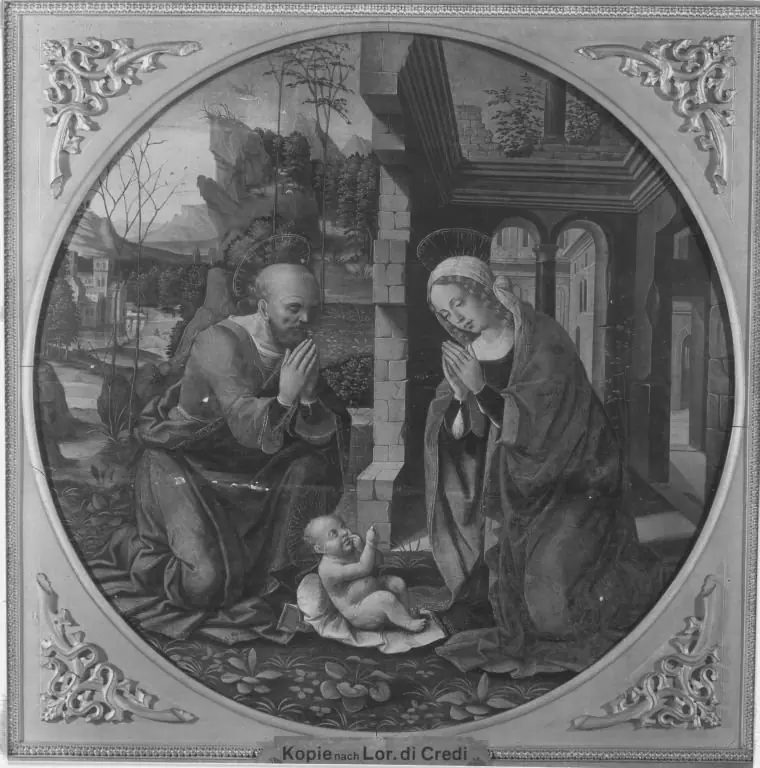
The Madonna and Child compositions by Lorenzo di Credi generated a substantial legacy through numerous replicas and derivations. The popularity of his Florentine depiction spread widely, becoming a standard image used by religious foundations. The master's original designs were adapted by workshop apprentices and journeymen, leading to documented versions in collections such as the Gemäldegalerie Alte Meister in Dresden, the Wallraf-Richartz Museum in Cologne, the Rijksmuseum in Amsterdam, the National Gallery of Scotland in Edinburgh, and the Museo Civico Ala Ponzone in Cremona. The composition was also adapted by followers tentatively identified as Antonio Sogliani for a tondo in the Capitoline Museum in Rome. The enduring replication of Credi's designs underscores the significant role his workshop played in standardizing and disseminating Florentine devotional iconography during the Renaissance.
Own this work as a print
Artist & collection

Artist
Lorenzo di Credi (1456/59 – January 12, 1537) was an Italian Renaissance painter and sculptor best known for his paintings of religious subjects, and portraits.