Artwork
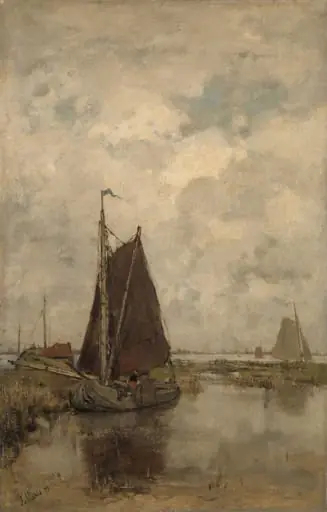
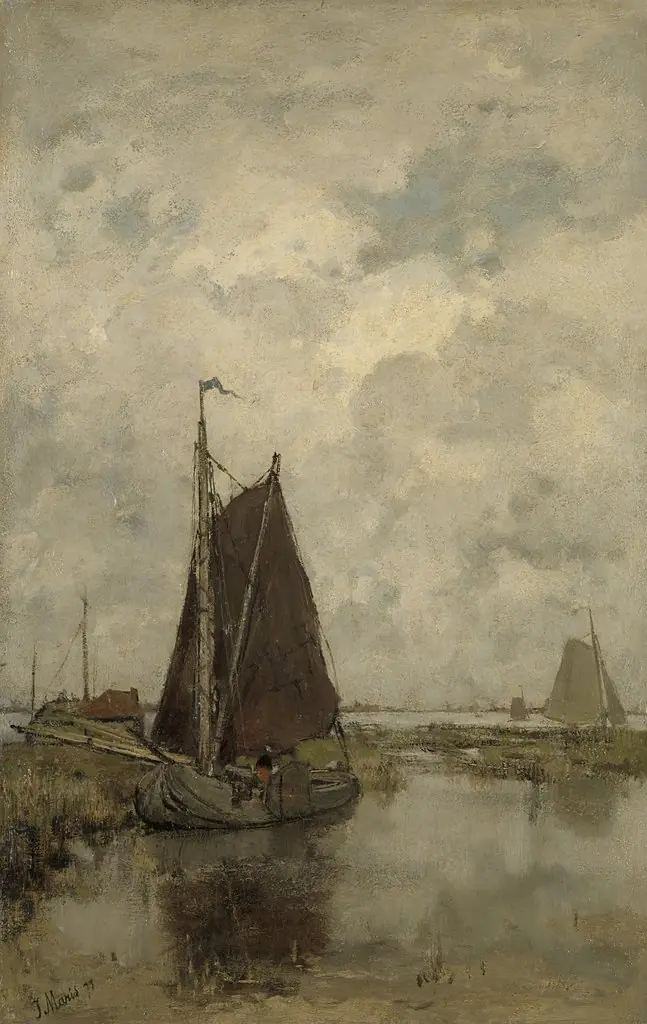
Watercourse with Sail Barges
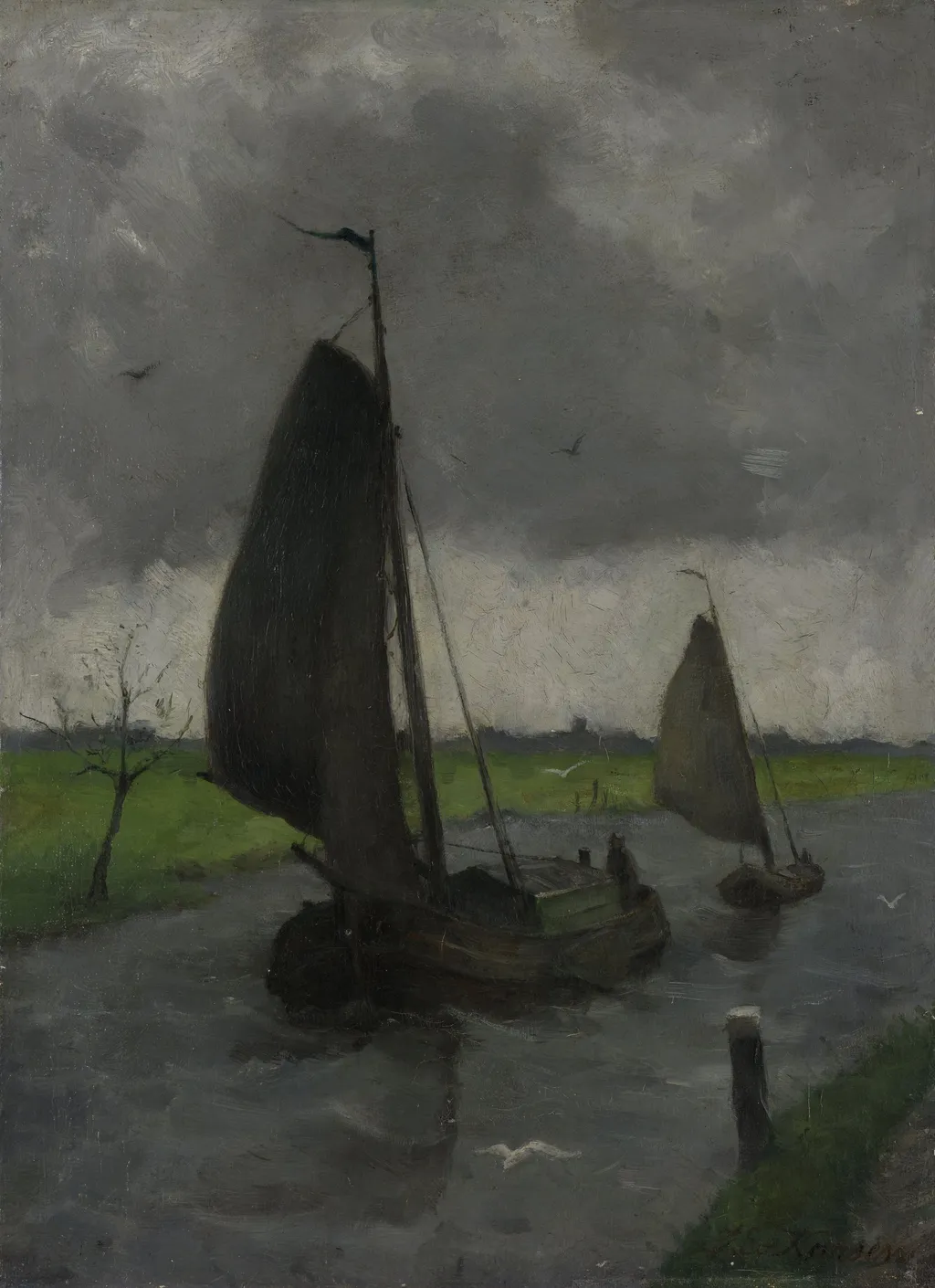
Watercourse with Sail Barges is an oil painting by the Impressionist artist Eduard Karsen. It dates from 1900 and is held in the collection of the Rijksmuseum.
About this work
Technique & Style
Watercourse with Sail Barges is an oil painting executed on canvas, a standard support for late nineteenth-century Dutch landscape work.
Watercourse with Sail Barges is an oil painting executed on canvas, a standard support for late nineteenth-century Dutch landscape work. The canvas measures 44.6 cm in height by 32.7 cm in width, a modest vertical format suited to an intimate landscape composition.
The work is classified as a painting within the landscape genre, consistent with Eduard Karsen's broader practice of depicting Dutch waterways and sailing craft. The medium of oil paint allowed for the handling typical of the period's plein-air and studio landscape traditions, though the sources do not specify particular brushwork, palette, or surface condition details.
History & Provenance
Eduard Karsen created the oil painting Watercourse with Sail Barges in 1898. The work, executed in oil on canvas, measures 44.6 cm in height and 32.7 cm in width. Historical records indicate that the piece was owned by Cornelis Hoogendijk at some point prior to its current location. The painting is now part of the collection at the Rijksmuseum.
Watercourse with Sail Barges is held in the collection of the Rijksmuseum. The work, an oil painting on canvas created in 1898, was previously owned by Cornelis Hoogendijk before entering the museum's holdings. While the painting's physical dimensions are recorded as 44.6 cm by 32.7 cm, the available records do not list specific inventory numbers or detail any public exhibitions where the piece has been displayed.
Context
Eduard Karsen's 1898 oil painting Watercourse with Sail Barges, depicting a landscape genre scene, entered the collection of Cornelis Hoogendijk before being acquired by the Rijksmuseum. The work has been recognized as part of Karsen's mature period focused on atmospheric Dutch landscapes, though detailed critical reception history remains sparse in available documentation. Scholarly attention has primarily centered on the artist's broader contributions to 19th-century Dutch landscape painting within the context of Amsterdam's artistic circles.
Legacy
Eduard Karsen's 1898 oil painting Watercourse with Sail Barges entered the Rijksmuseum's collection through the bequest of Cornelis Hoogendijk, establishing its provenance within Dutch institutional holdings. The work's classification as a landscape painting, documented in both its creation records and current display context, reflects its genre alignment with 19th-century Dutch scenery traditions. Its physical dimensions of 44.6 cm by 32.7 cm, recorded in museum cataloging, contribute to understanding its compositional scale within Karsen's oeuvre.
Legacy assessments note its significance as an example of late 19th-century maritime landscape representation, though specific exhibition histories remain unrecorded in available documentation.
The painting's enduring presence in the Rijksmuseum's collection underscores its scholarly relevance to Dutch landscape art studies, particularly regarding regional variations in waterway depictions.
Overview
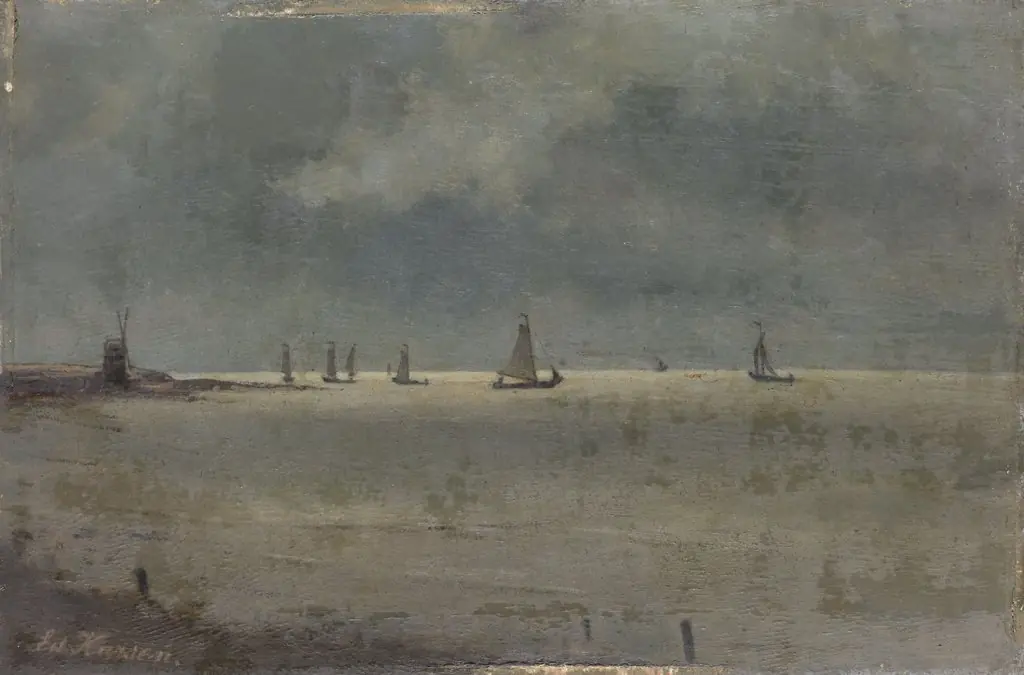
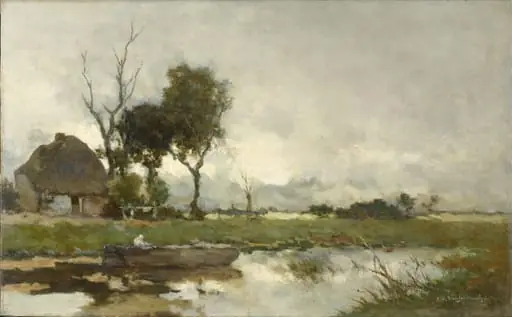
Eduard Karsen’s 1900 oil painting Watercourse with Sail Barges presents a quiet river scene in which several sail‑driven barges glide beneath a cloud‑dotted sky. The composition balances the reflective surface of the water with the soft, muted tones of the surrounding foliage, creating a calm atmosphere that invites quiet contemplation.
Subject & Meaning
The work focuses on a modest waterway populated by modest sailing barges, a common sight in the Dutch lowlands. By emphasizing the stillness of the water and the gentle billowing of the sails, Karsen conveys a sense of everyday serenity, reflecting his interest in ordinary, often solitary, rural moments.
Own this work as a print
Artist & collection
Artist
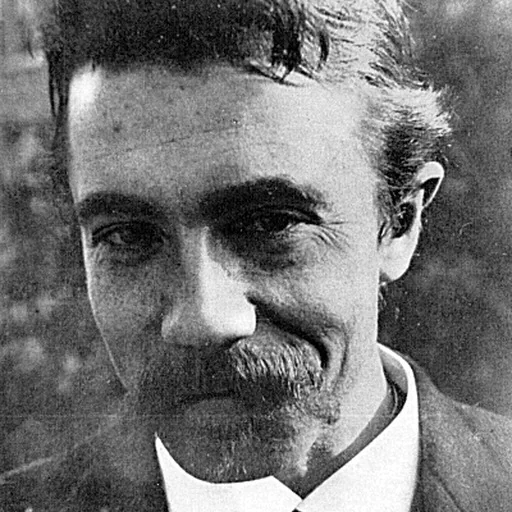
Johann Eduard Karsen (10 March 1860, Amsterdam - 31 October 1941, Amsterdam) was a Dutch Post-Impressionist painter, known for his moody scenes featuring villages and farmhouses; usually containing a solitary figure.