Artwork
The Death of Lucretia
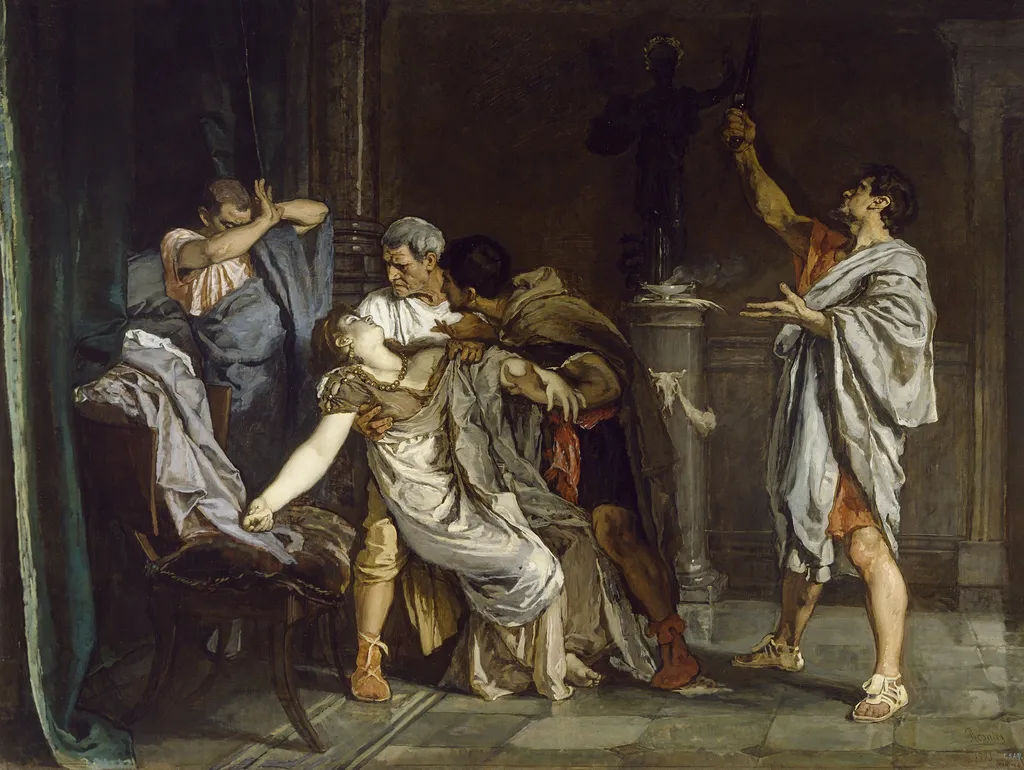
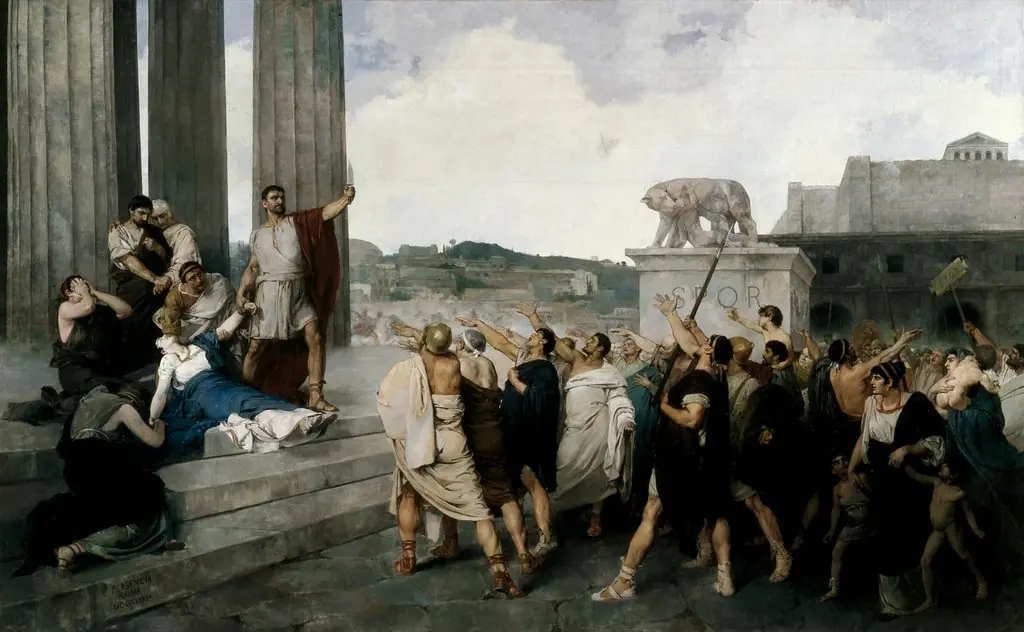
The Death of Lucretia is an oil painting by the Realist artist Eduardo Rosales. It dates from 1871 and is held in the collection of the Museo del Prado.
About this work
Subject & Meaning
The subject matter represents the dramatic and fatal culmination of the events surrounding her life, capturing the gravity of the historical episode.
Eduardo Rosales's 1871 oil painting, The Death of Lucretia, is a history painting that depicts the suicide of the Roman noblewoman Lucretia. The work centers on the tragic moment of her self-inflicted death, serving as the main subject of the composition. By focusing on this specific act, the piece illustrates the historical narrative of Lucretia's response to violation, a theme central to the genre of history painting.
The subject matter represents the dramatic and fatal culmination of the events surrounding her life, capturing the gravity of the historical episode.
Technique & Style
Eduardo Rosales executed The Death of Lucretia in 1871 using oil paint applied to a canvas support. The work measures 257 cm in height and 347 cm in width, presenting a substantial format typical of history painting. As a history painting, the composition focuses on the suicide of Lucretia, utilizing the medium's capacity for dramatic narrative and detailed rendering. The piece is currently held in the collection of the Museo del Prado.
History & Provenance
The Death of Lucretia by Eduardo Rosales was completed in 1871 and is an oil on canvas measuring 257 cm by 347 cm.
The painting entered the collection of the Museo del Prado in Madrid, where it remains in the museum’s holdings. Its provenance is documented within the Prado’s collection history, indicating continuous ownership by the institution since its acquisition.
The work is held at the Museo del Prado, where it is catalogued under the accession number P00968. It was first exhibited in 1872 at the National Exhibition of Fine Arts in Madrid, and subsequently featured in the museum's retrospective of Spanish history painting in 1955.
Context
Eduardo Rosales created The Death of Lucretia in 1871 as a history painting executed in oil on canvas. The work depicts the suicide of Lucretia, adhering to the genre conventions of historical narrative prevalent in 19th-century Spanish art. Currently held in the collection of the Museo del Prado, the painting measures 257 cm in height and 347 cm in width.
As a significant example of Rosales's output, it stands as a major historical painting within the institution's holdings.
Overview
The Death of Lucretia, an 1871 oil painting by Eduardo Rosales, is a historical work depicting the tragic fate of the Roman figure Lucretia. It is housed in the Museo del Prado, Madrid.
Own this work as a print
Artist & collection
Artist
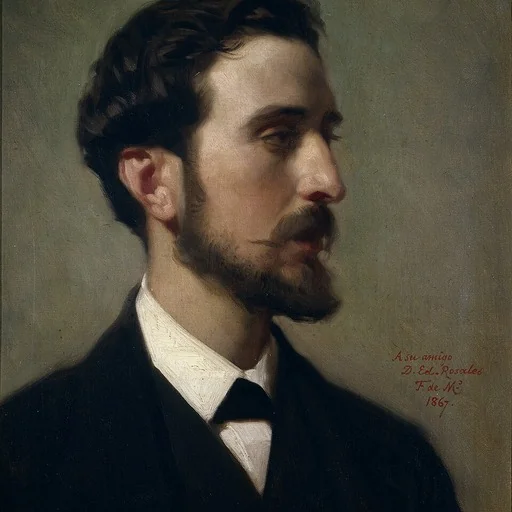
Eduardo Rosales Gallinas (4 November 1836 – 13 September 1873) was a Spanish painter. He was an adherent of the Italian-based art movement known as "Purismo" and specialized in historical scenes.

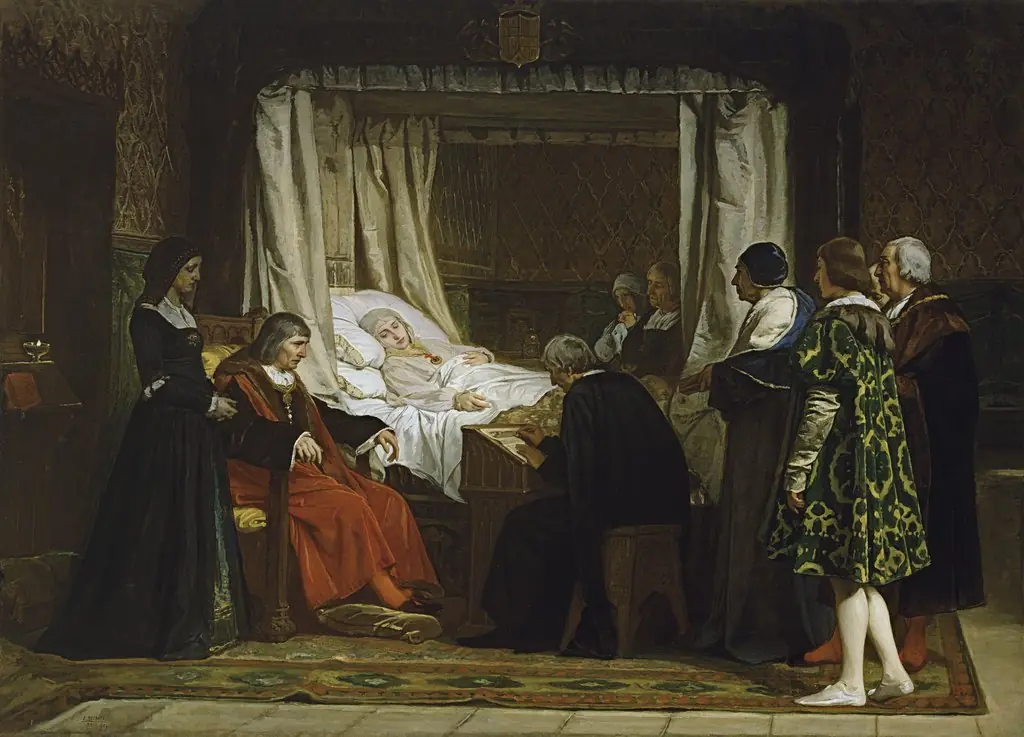 Queen Isabel la Católica dictating her last will and testament
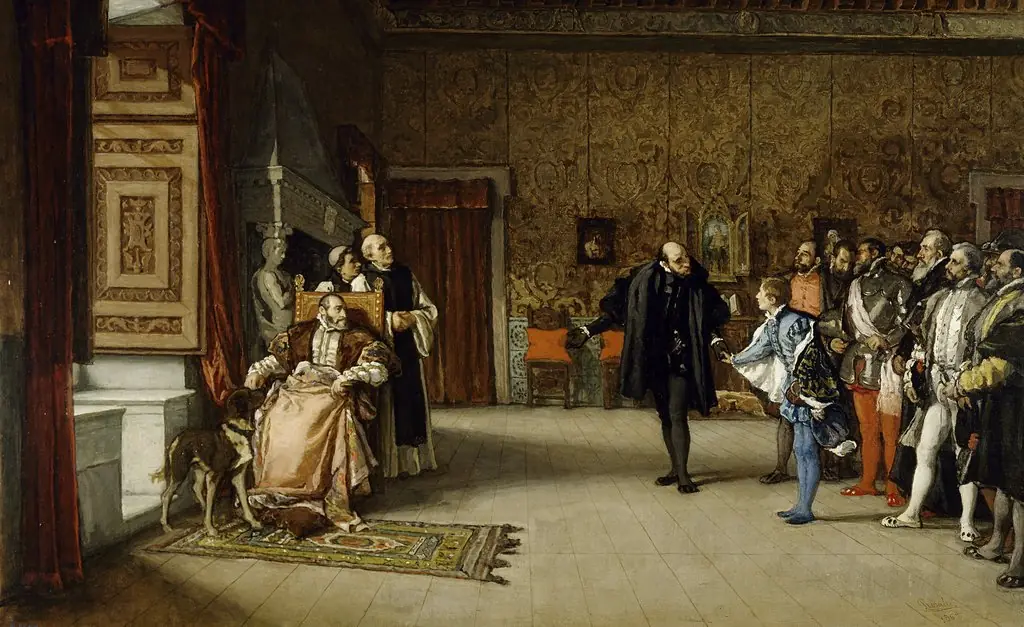 Juan de Austria's presentation to Emperor Carlos V in Yuste
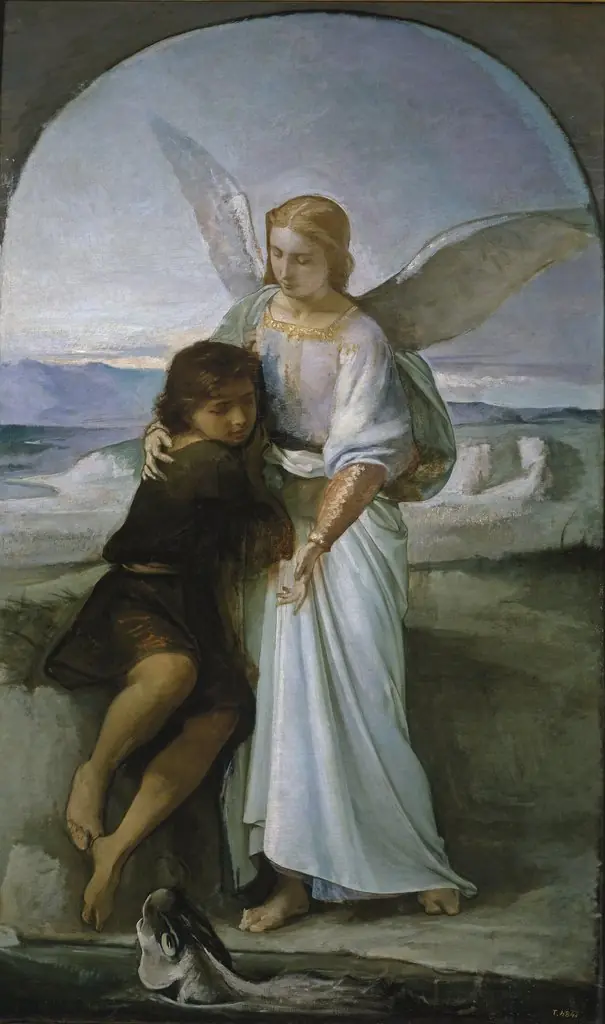 Tobias and the Angel
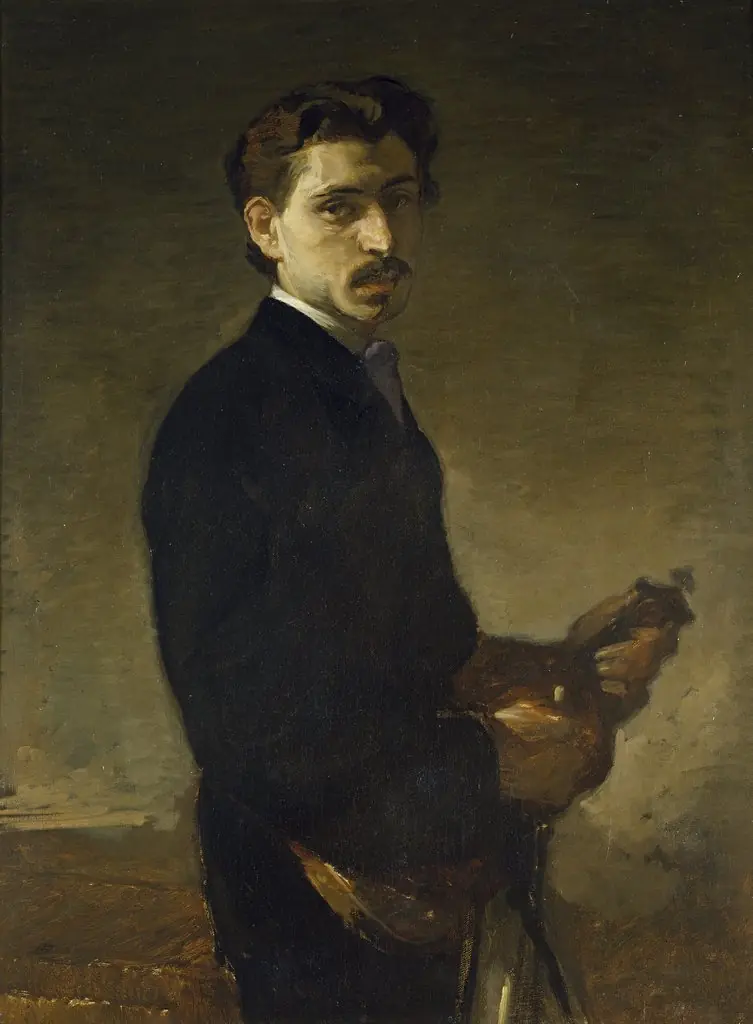 Ettore Pinelli, the Violinist
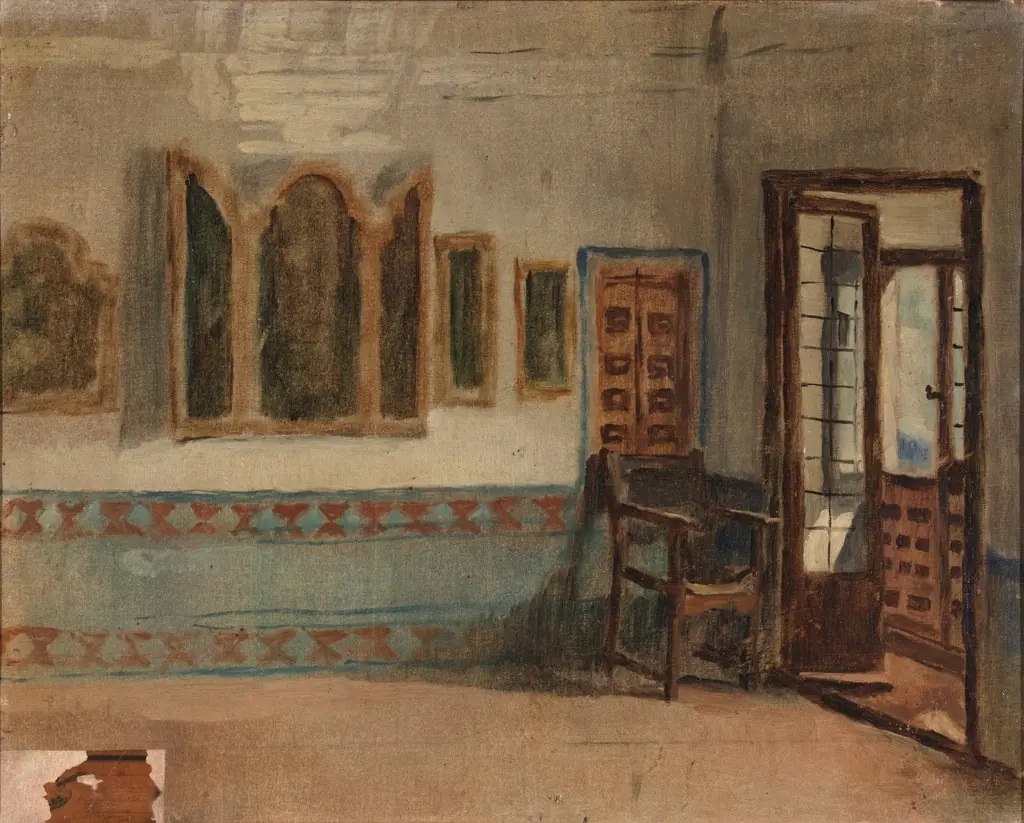 Celda prioral del Monasterio de El Escorial
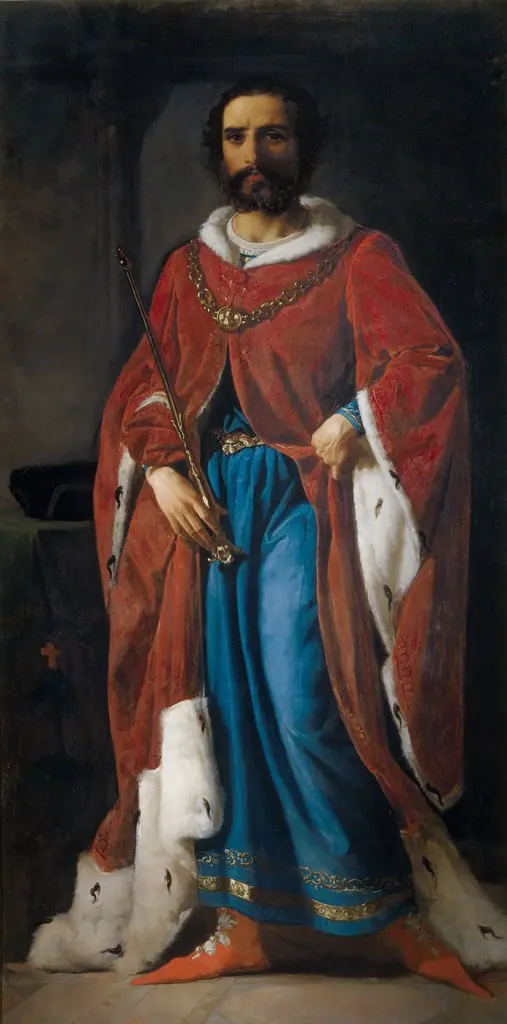 Don García Aznar; conde de Aragón
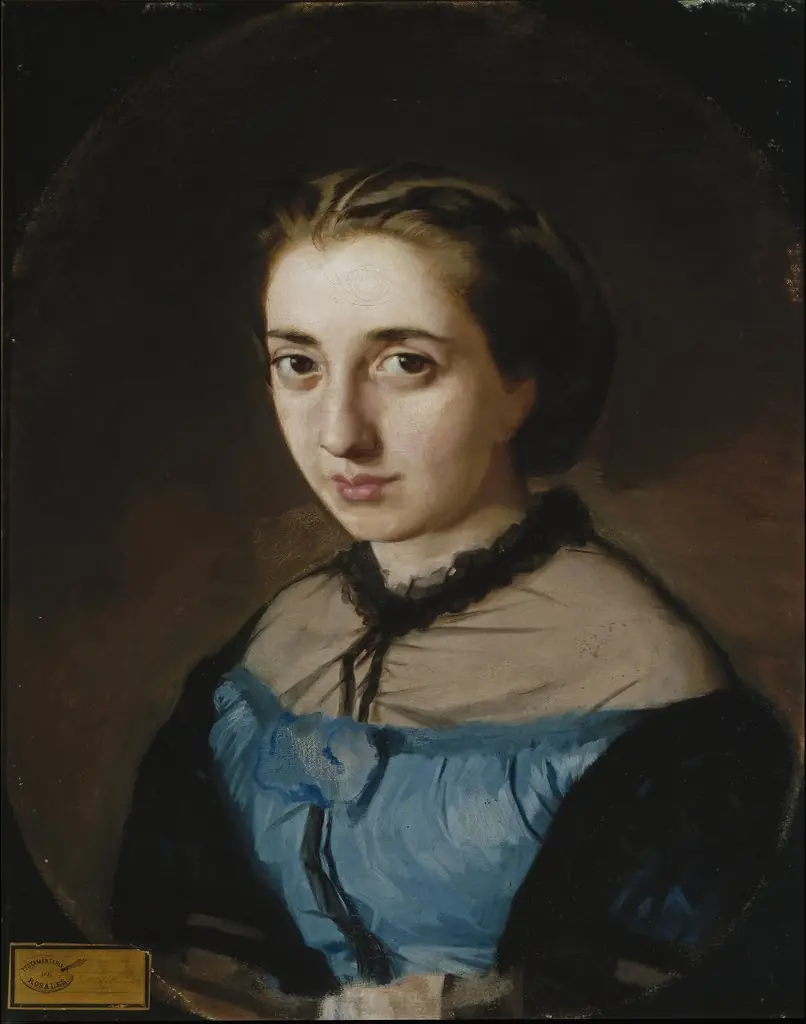 Maximina Martínez de la Pedrosa, the Artist's Wife
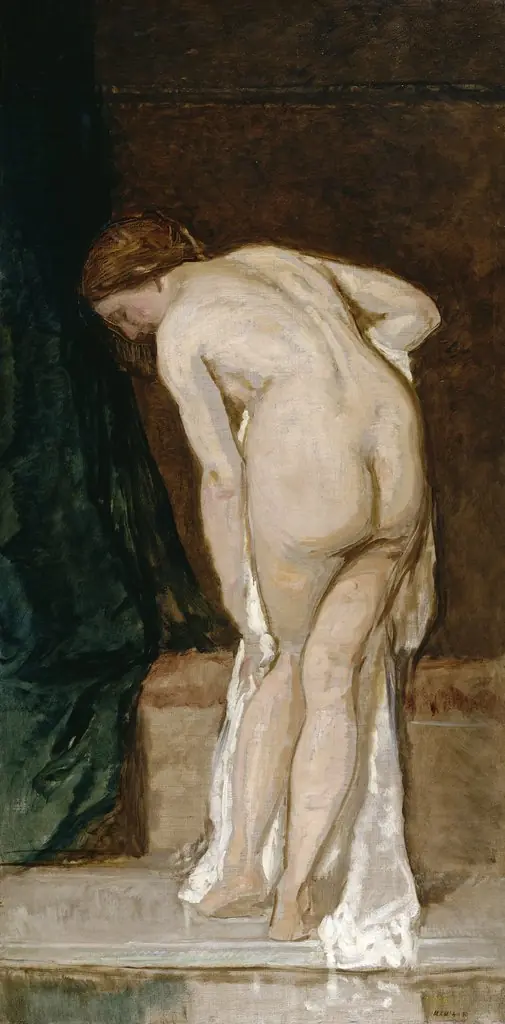 Female Nude or After the bath
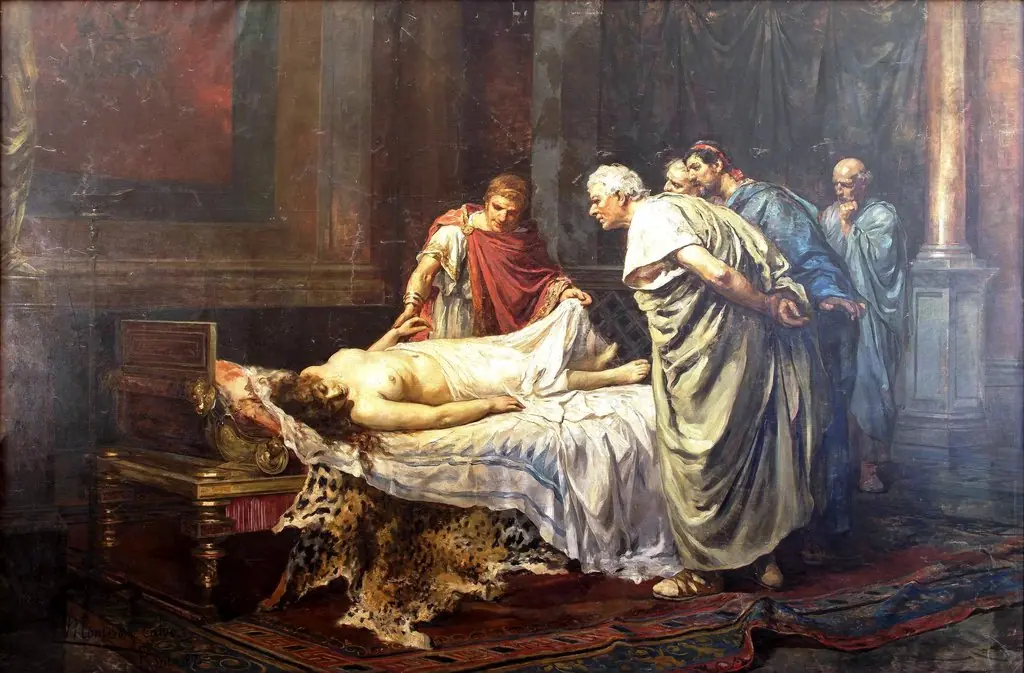 Nero before the corpse of his mother, Agrippina the Younger
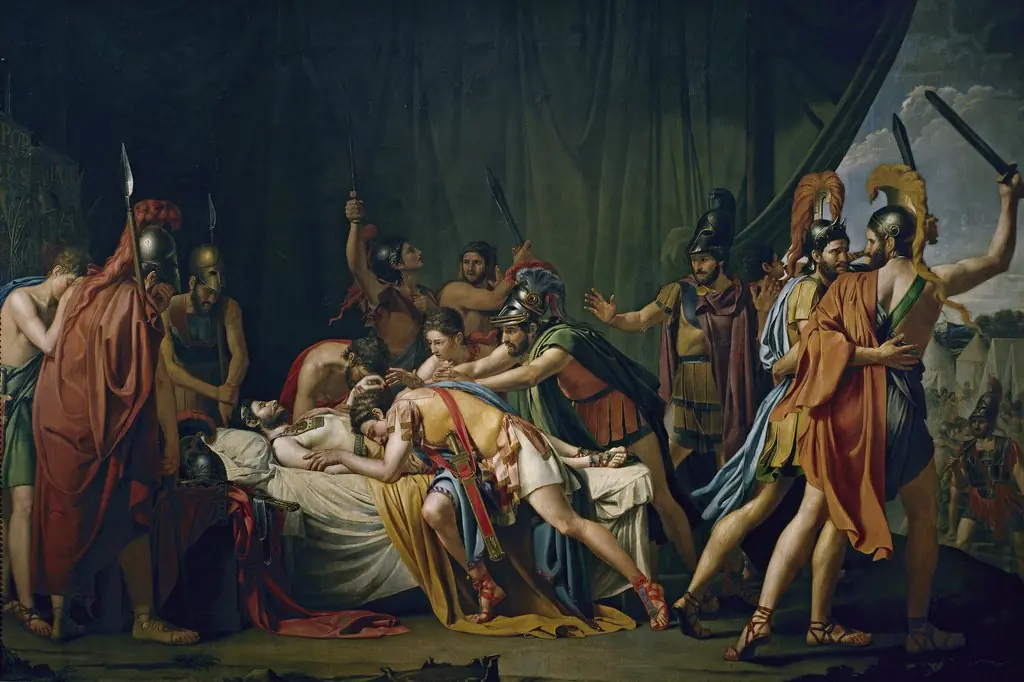 The Death of Viriatus, Chief of the Lusitanians
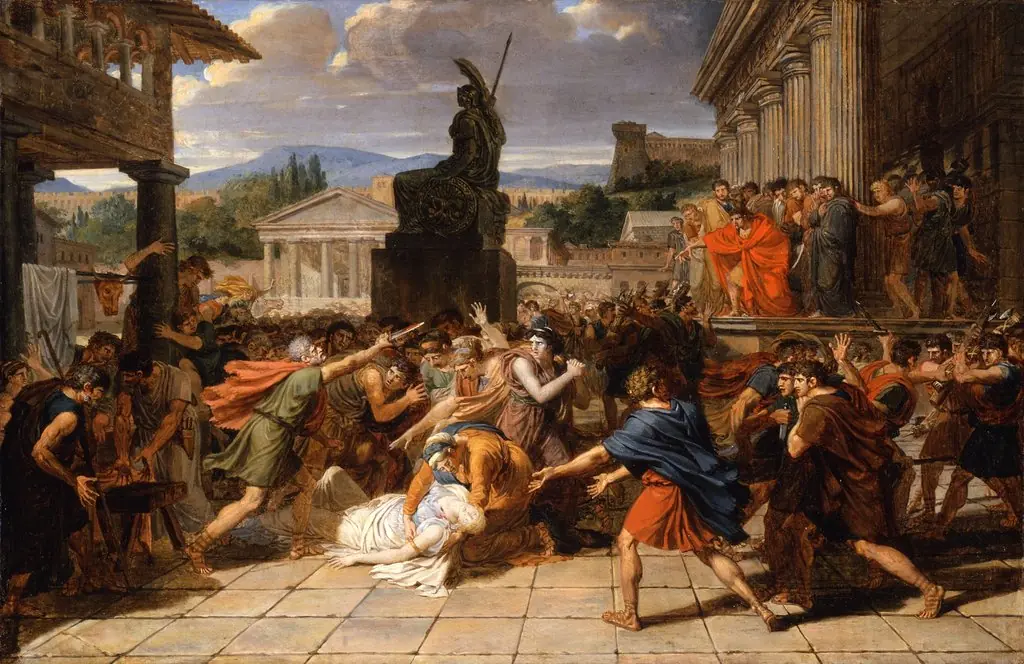 The Death of Virginia
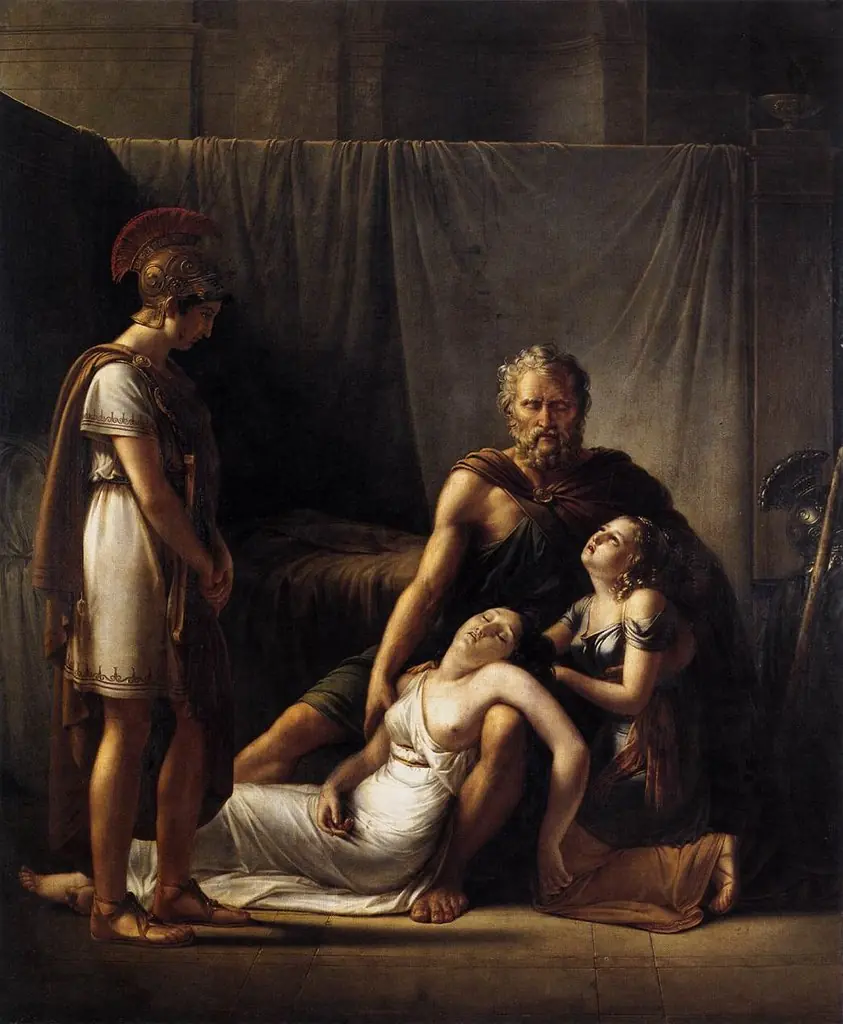 The Death of Belisarius' Wife
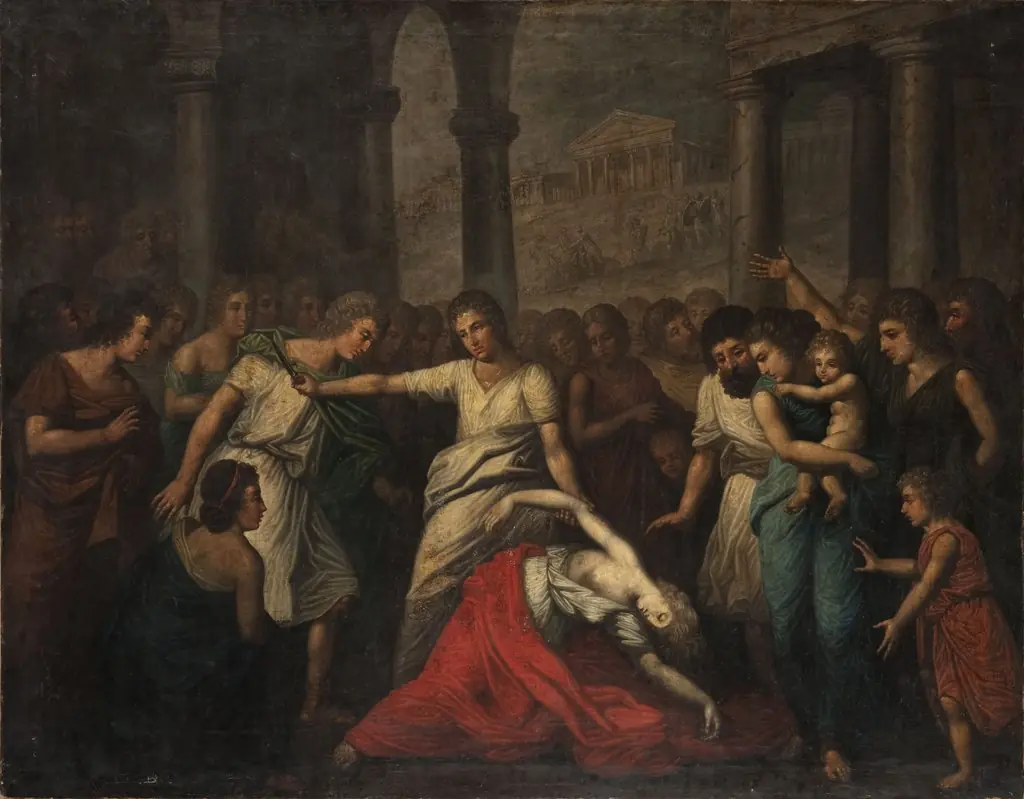 Death of Virginia
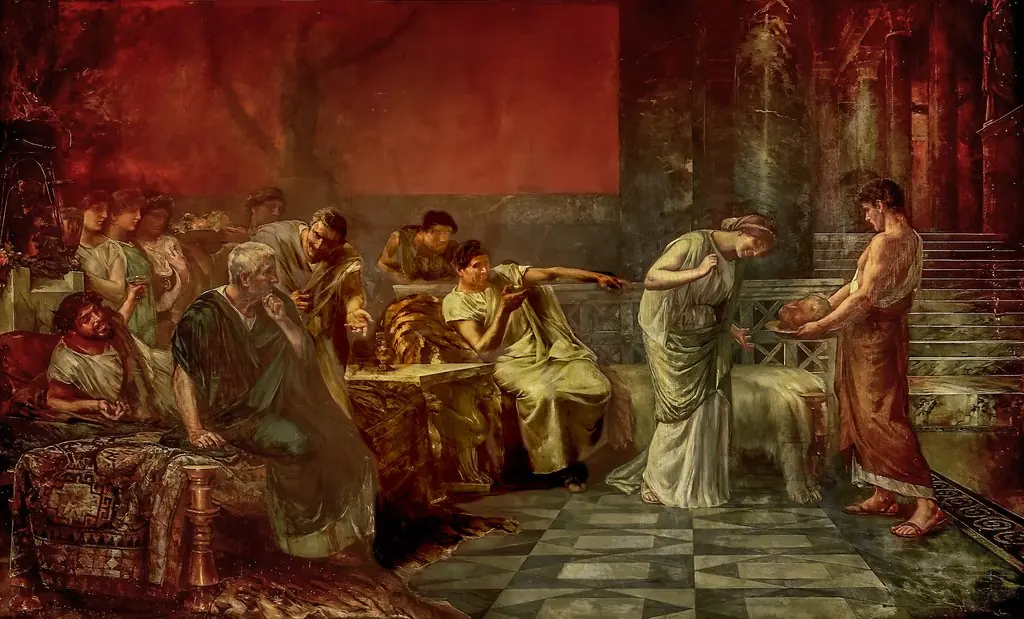 Fulvia y Marco Antonio o La venganza de Fulvia
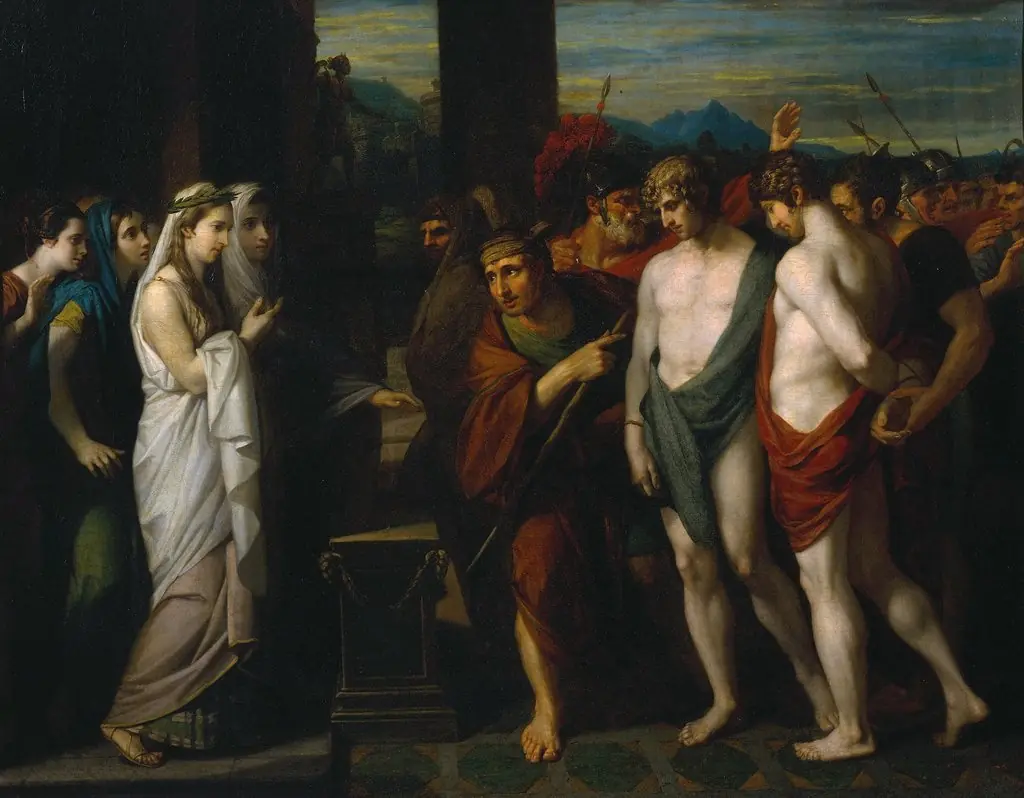 Pylades and Orestes Brought as Victims before Iphigenia
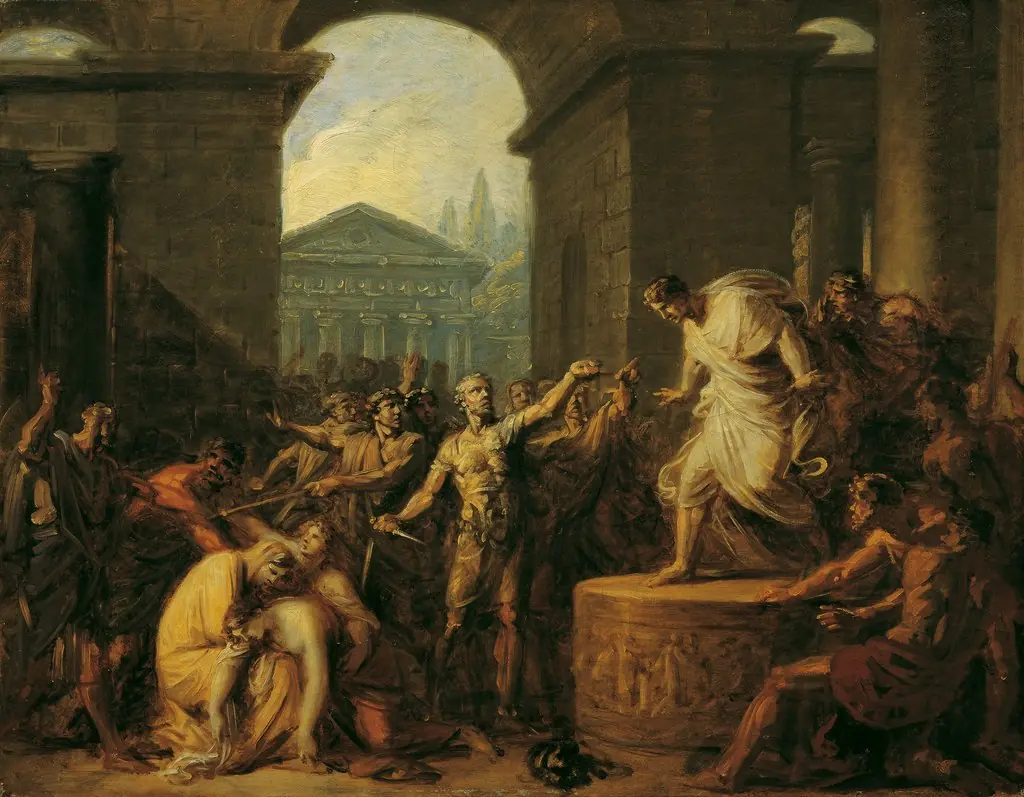 The Death of Virginia
 Coriolanus Taking Leave of his Family
 Regulus Returning to Carthage
 Origen de la República Romana (año 598 antes de la era cristiana)
- Death of Lucretia