Artwork
Stanislaw Przybyszewski
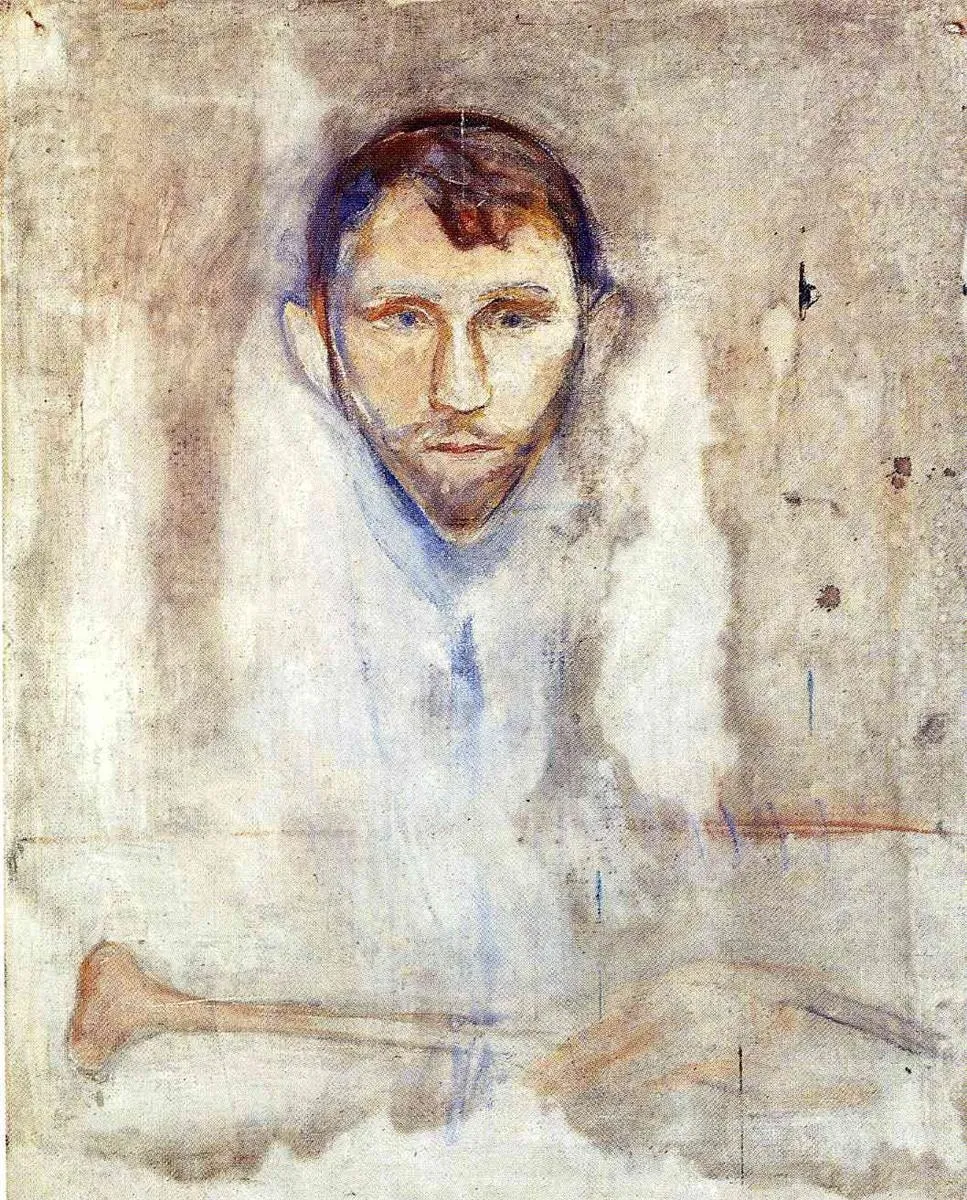
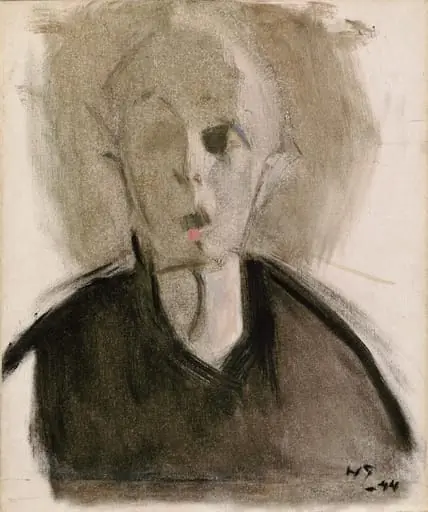
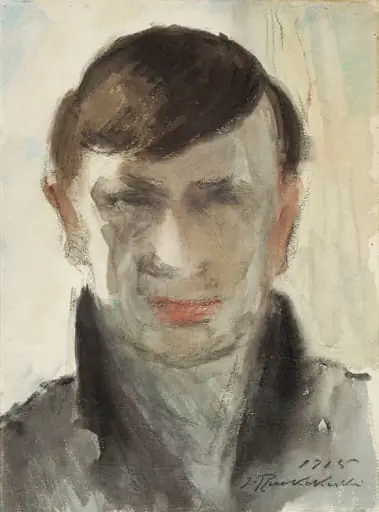
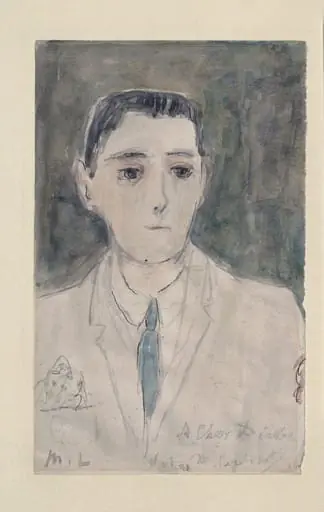
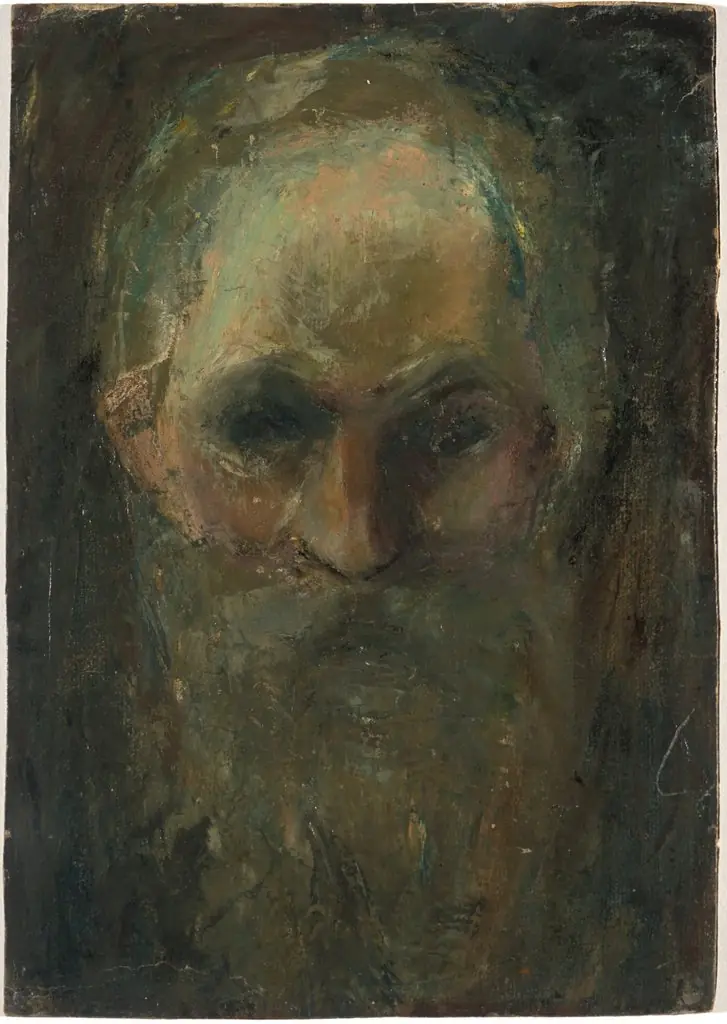
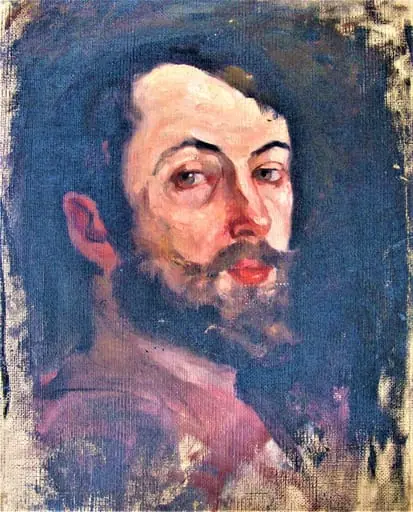
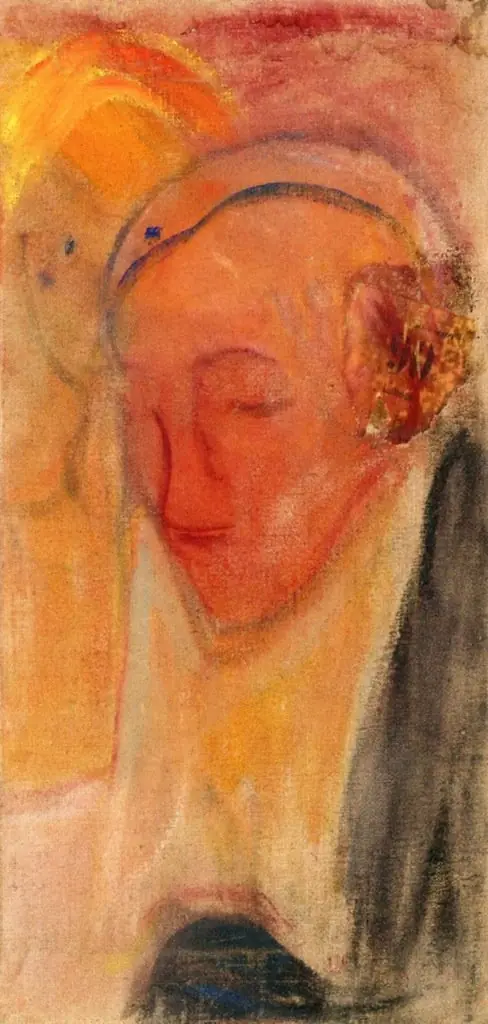
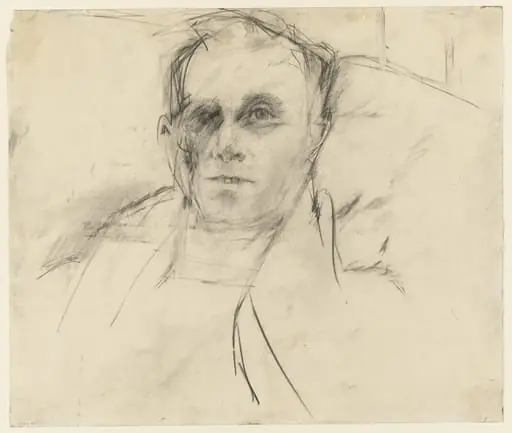
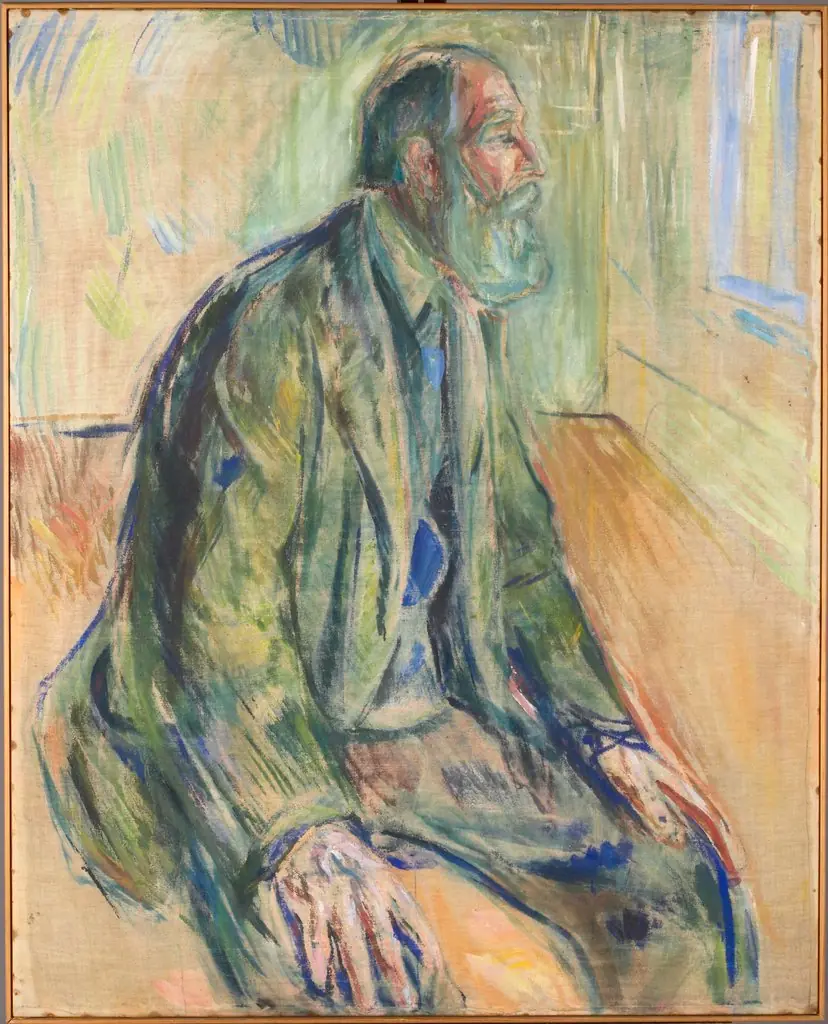
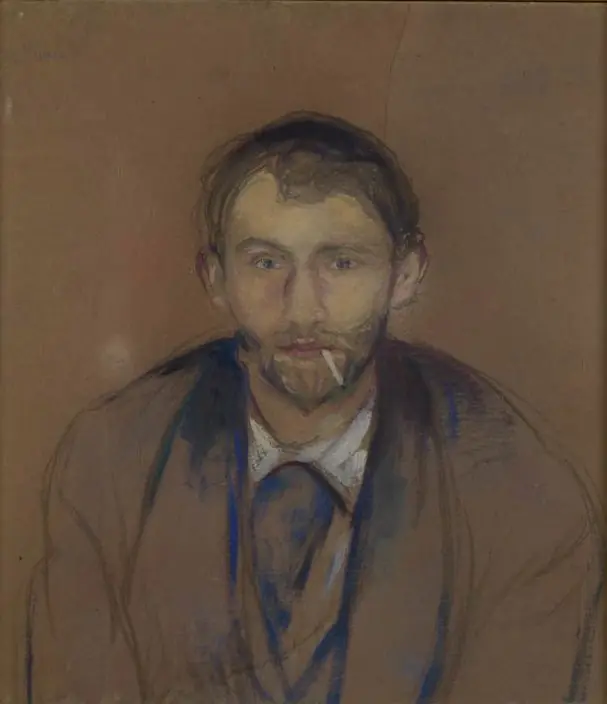
Stanislaw Przybyszewski is an unspecified painting by the Post-Impressionist artist Edvard Munch. It dates from 1898 and is held in the collection of the Munch Museum.
About this work
Overview
The portrait captures the Polish writer and cultural figure during Munch’s time in Berlin, when he was immersed in European Symbolist circles.
Edvard Munch painted Stanislaw Przybyszewski in 1898 using casein, a water-soluble pigment binder. The portrait captures the Polish writer and cultural figure during Munch’s time in Berlin, when he was immersed in European Symbolist circles. The work reflects Munch’s interest in psychological portraiture, moving beyond physical likeness to suggest inner states through simplified form and restrained color.
Subject & Meaning
Stanislaw Przybyszewski was a writer associated with the Decadent and Symbolist movements, known for his provocative ideas and bohemian lifestyle. Munch, drawn to intellectuals who challenged social norms, rendered him with a calm, direct gaze that invites contemplation rather than drama. The neutral expression and unadorned attire suggest introspection, aligning with Munch’s broader focus on the solitude and complexity of the modern individual.
Technique & Style
Munch employed casein paint, which dries to a matte, opaque finish, allowing for subtle layering and a flattened surface. The background is a muted brown, creating a quiet contrast with the subject’s pale shirt. Brushwork is deliberate but unembellished; contours are softened, and facial features are rendered with minimal detail. This restrained approach emphasizes psychological presence over physical realism.
History & Provenance
The portrait was painted during Munch’s stay in Berlin, where he associated with writers and artists connected to the journal Die Jugend. After Munch’s death in 1944, the painting entered the collection of the Munch Museum in Oslo, established to preserve his legacy. It has remained in the museum’s holdings since, consistently exhibited as part of his portrait series from the 1890s.
Context
In the late 1890s, Munch was increasingly engaged with literary figures who explored themes of alienation and existential dread. Przybyszewski, like other intellectuals Munch portrayed, embodied the era’s cultural anxieties. The portrait reflects a broader trend in Nordic and Central European art where psychological depth replaced narrative detail, aligning with Symbolist ideals that prioritized inner experience over external reality.
Legacy
The portrait of Przybyszewski stands as one of Munch’s quieter but more enduring studies of character. It exemplifies his ability to convey emotional resonance through economy of form and material choice. While less famous than 'The Scream,' it contributes significantly to understanding Munch’s engagement with literary modernism and his evolving approach to the human figure in the fin de siècle.
Artist & collection
Artist
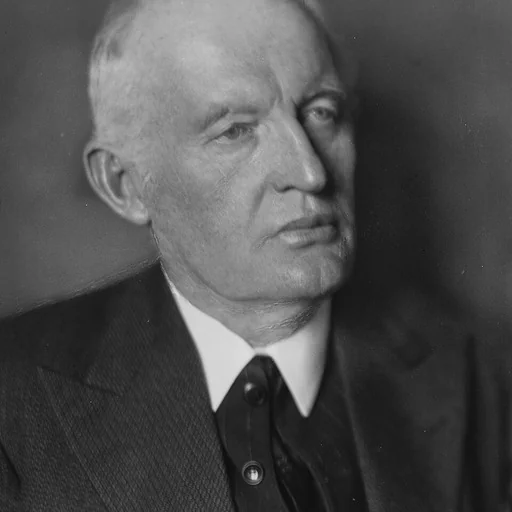
Edvard Munch ( MUUNK; Norwegian:; 12 December 1863 – 23 January 1944) was a Norwegian painter.