Subject
Self-Portrait
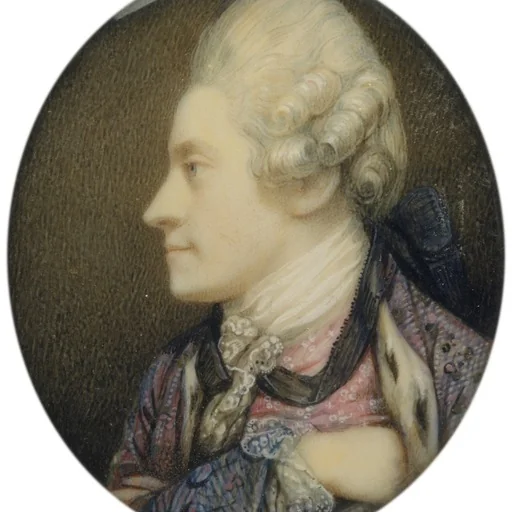
Self-Portrait is a subject in art. The gallery holds 91 works in this subject in art, including works by Richard Cosway, Rembrandt van Rijn and Gilbert Stuart.
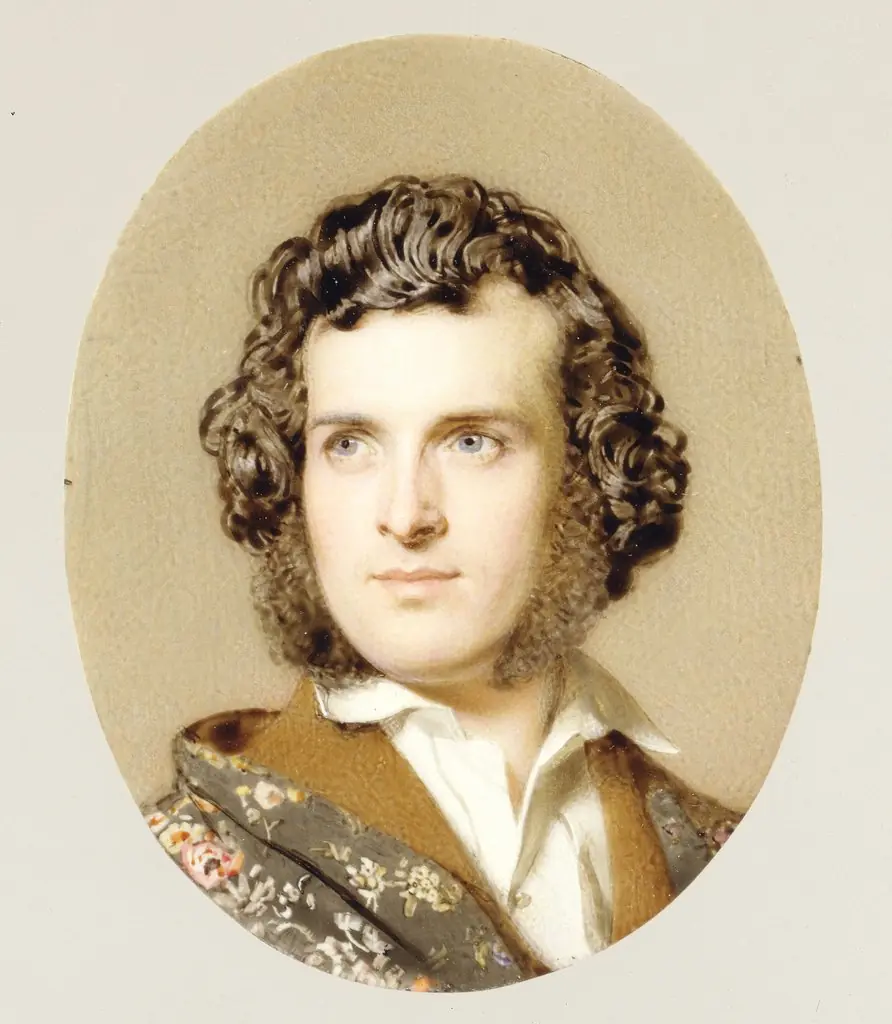
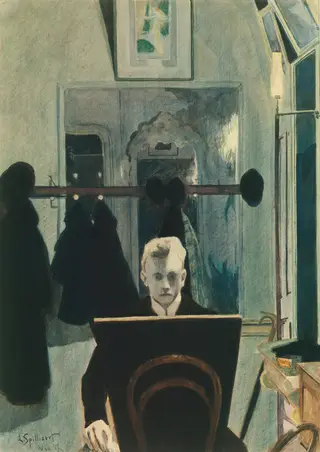
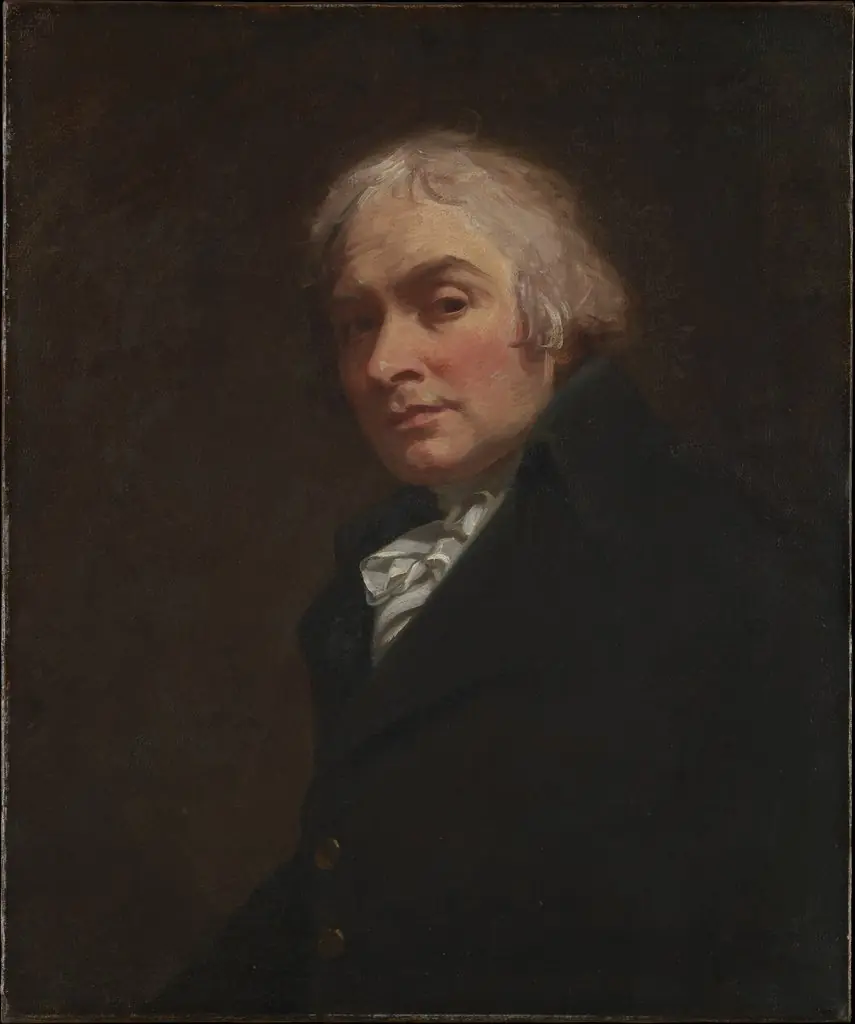
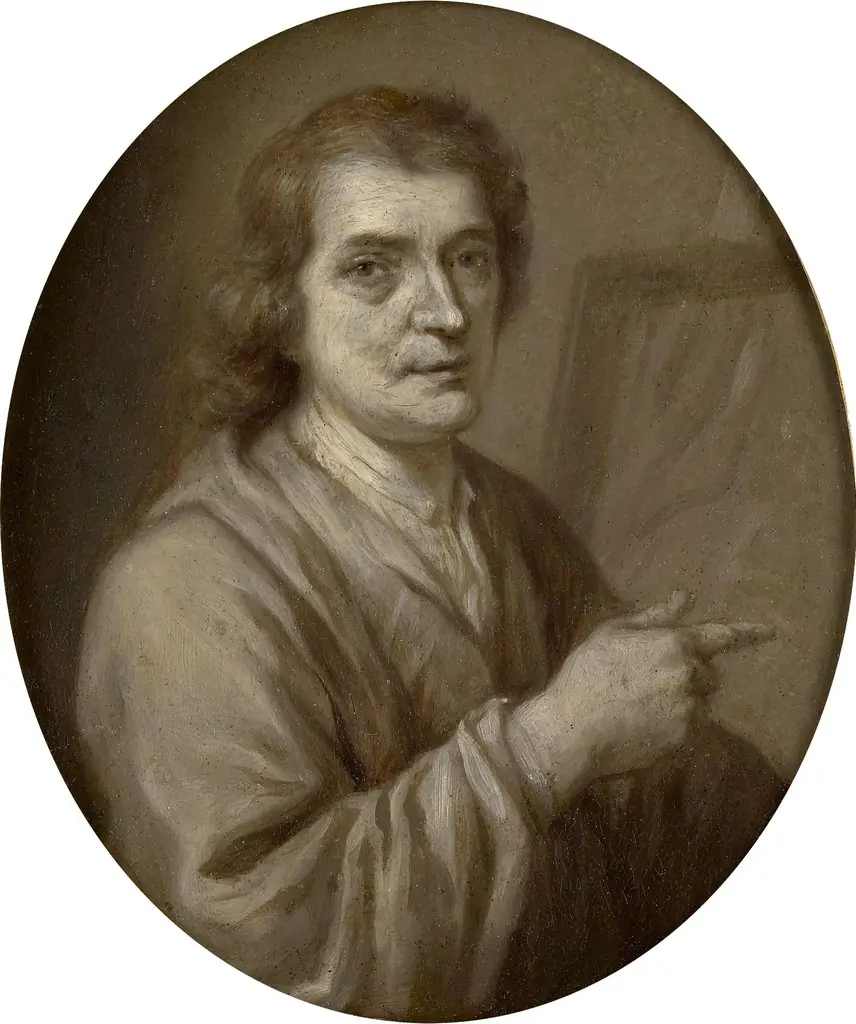
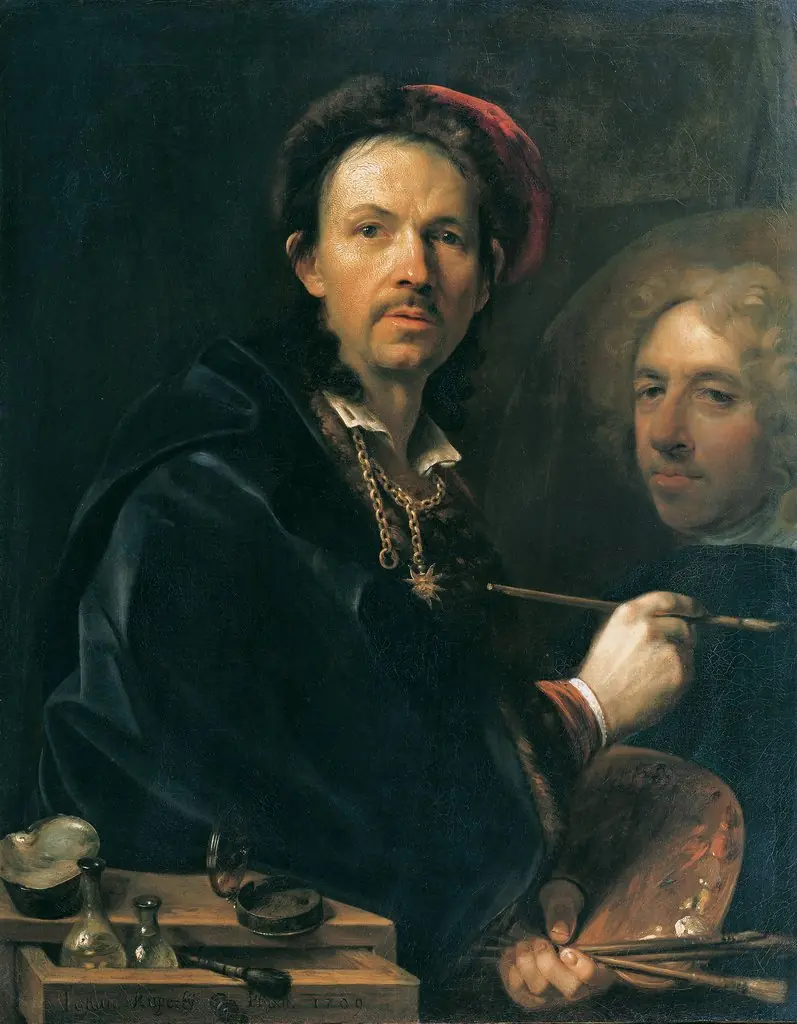
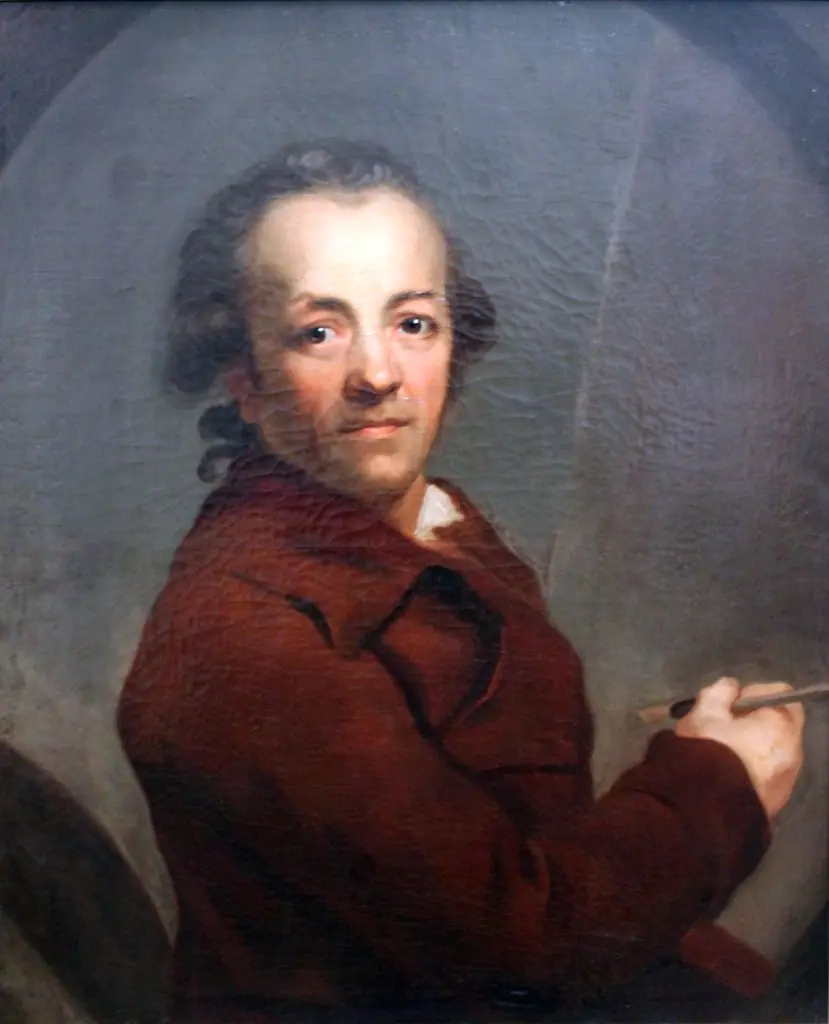
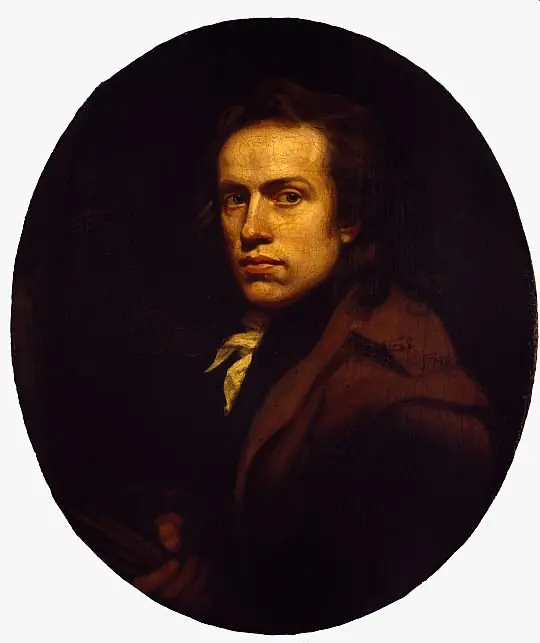
A self-portrait is a depiction an artist makes of themselves, whether as the principal subject of a work or as a recognizable figure embedded within a larger scene. Although artists have inserted their likenesses into images since antiquity, it is only from the mid-15th century that they can be frequently and reliably identified doing so. Two developments made this possible: the rise of the panel portrait as an independent genre, and the spread of better, cheaper mirrors—early glass mirrors were small and convex, as seen reflecting the room in Jan van Eyck's Arnolfini Portrait (1434), while flat glass mirrors were first produced by Venetian craftsmen on Murano in the early 1500s. Van Eyck's Portrait of a Man (Self Portrait?) of 1433 may be the earliest surviving panel self-portrait.
The self-portrait flourished as artists' social standing rose during the Renaissance, becoming a vehicle for self-assertion as well as likeness. Albrecht Dürer's Self-Portrait at Twenty-Eight (1500) presents the painter in a frontal, Christ-like pose, an audacious claim for the dignity of the artist. The genre also gave women painters a rare platform: Sofonisba Anguissola produced an unusual sequence of self-portraits across her life, and Artemisia Gentileschi's Self-Portrait as the Allegory of Painting (1638–39) fused her own features with the personification of the art itself—an image no male artist could make.
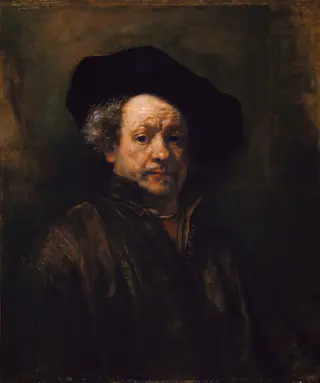
Technically, self-portraits are marked by the searching, slightly asymmetrical gaze of an artist studying a mirror, and often by the inclusion of brushes, palette, or easel as emblems of vocation. No artist explored the form more deeply than Rembrandt, who left close to a hundred self-portraits—over forty paintings, some thirty-one etchings, and several drawings—forming a candid visual diary across four decades. In the modern era Vincent van Gogh painted more than thirty self-portraits between 1886 and 1889, and Frida Kahlo made self-portraiture the core of her work, with roughly 55 of her some 143 paintings turned upon herself.
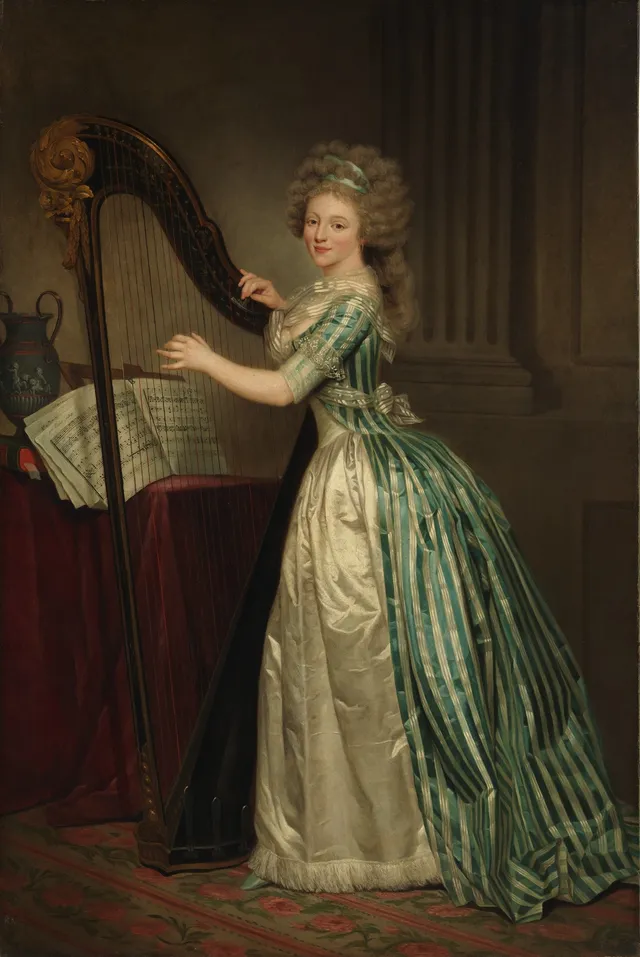
The catalogue holds compelling examples of these traditions, including Gerrit Dou's meticulous Self-Portrait in the Leiden fijnschilder manner, Rose-Adélaïde Ducreux's elegant Self-Portrait with a Harp (exhibited at the 1791 Paris Salon), Thomas Sully's Portrait of the Artist, and Sarah Goodridge's startlingly intimate ivory miniature Beauty Revealed (1828), painted for the statesman Daniel Webster. From Renaissance self-fashioning to confessional modernism, the self-portrait remains art's most enduring instrument of self-examination.
Key artists


Overview
A self-portrait is a representation of an artist created by the artist themselves, whether through painting, drawing, printmaking, sculpture, or photography. While images of artists at work appear in Ancient Egyptian painting and Greek vase decoration, the self-portrait as a distinct artistic genre did not emerge until the late fourteenth century. It was only in the mid-fifteenth century that artists could be frequently identified depicting themselves, either as the main subject or as important characters within larger compositions. The genre's development was enabled by two converging factors: technical advances in mirror-making, which made self-observation more accessible, and a fundamental shift in the social status of the image-maker from anonymous craftsman to recognized artist. This collection contains 99 works that depict the self-portrait motif, ranging from independent portraits to inserted figures within larger scenes.
Iconography & meaning
Self-portraits carry multiple layers of meaning that extend beyond simple likeness. They function as status symbols, demonstrating the artist's skill to patrons and potential clients; as psychological investigations of the self; and as communicative devices within larger narratives. The direct gaze toward the viewer, established during the Renaissance, remains a characteristic feature of most artist self-portraits. In medieval and Renaissance practice, artists often inserted themselves into religious or historical scenes as faces in crowds, creating works that operated simultaneously as portraiture, self-portraiture, and history painting. Women artists historically employed specific iconographic strategies, most commonly depicting themselves at work with brush and palette, or in elaborate dress that demonstrated skill at fine detail. The self-portrait's unique structure merges three roles into one person: the maker, the subject, and the commissioner. With the advent of social media and the selfie in the early twenty-first century, a fourth role, that of distributor, has been added.
Across movements & periods
The treatment of self-portraiture evolved significantly across periods. In antiquity, images of artists at work appeared in Egyptian and Greek contexts, with one of the earliest known self-portraits made by Bak, chief sculptor to Pharaoh Akhenaten, in 1365 BC. Medieval examples are rare and often disputed. The Renaissance marked the genre's true emergence, first through the cameo technique of inserting portraits into larger compositions, then as independent works. The Netherlands developed the form particularly early, aided by wealthy patrons and the social acceptability of portraiture. By the Baroque period, most established artists produced self-portraits, with Rembrandt creating nearly one hundred paintings and prints that demonstrated the form's potential. After the Baroque, interest declined somewhat as artists turned to classical subjects and landscapes, though exceptions persisted. The Impressionist period revived personal expression in self-portraiture, with freer paint handling conveying psychological states. Post-Impressionist Vincent van Gogh used self-portraits to chart his turbulent career, prioritizing emotional and artistic value over strict likeness. In the later twentieth century and beyond, video and digital media expanded the possibilities of self-portraiture, adding audio dimensions and eventually spawning the social media selfie.
Notable depictions
Several self-portraits hold canonical status in art history. Jan van Eyck's Portrait of a Man in a Turban of 1433 may be the earliest known panel self-portrait, and his Arnolfini Portrait of 1434 contains what may be the artist's own reflection in a mirror, a conceit that influenced Diego Velázquez's self-depiction in Las Meninas. Albrecht Dürer created what may be the earliest surviving childhood self-portrait at age thirteen in 1484, and later represented himself variously as merchant and as Christ. Leonardo da Vinci may have drawn himself at age sixty around 1512, though attribution remains uncertain. Rembrandt's extensive self-portrait oeuvre, including The Prodigal Son in the Tavern with his wife Saskia, established new possibilities for the form. Among women artists, Caterina van Hemessen, Elisabeth Vigée Le Brun, who painted thirty-seven self-portraits, Frida Kahlo, Alice Neel, Paula Modersohn-Becker, and Jenny Saville made significant contributions, with several depicting themselves in the nude. Egon Schiele developed an intensely autobiographical, psychoanalytic approach under the influence of Sigmund Freud and Van Gogh.
Legacy
The self-portrait has left a profound and continuous legacy in Western art and beyond. The genre's emergence signaled a fundamental redefinition of the artist's social role, from anonymous craftsman to autonomous intellectual figure worthy of representation. This status shift, begun in the Renaissance, established patterns of artistic self-fashioning that persist today. The form's evolution from painted panel to photographic image to digital selfie demonstrates its adaptability across technological change. In contemporary practice, the boundaries between disciplines have blurred, with film cameras and other media supplementing traditional mirror-based methods. The self-portrait's capacity to merge personal psychology with public presentation, to serve simultaneously as professional credential and intimate confession, autobiographical record and constructed persona, ensures its continued relevance. The nearly one hundred self-portraits in this collection attest to the motif's enduring function as a site where artists negotiate identity, skill, and self-understanding.
Works
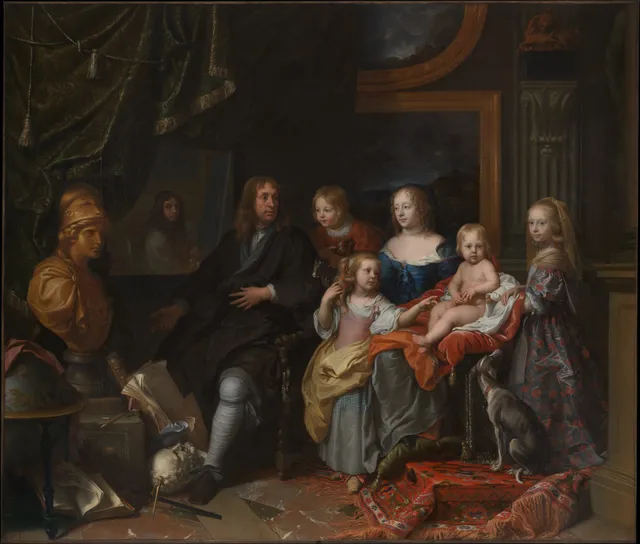
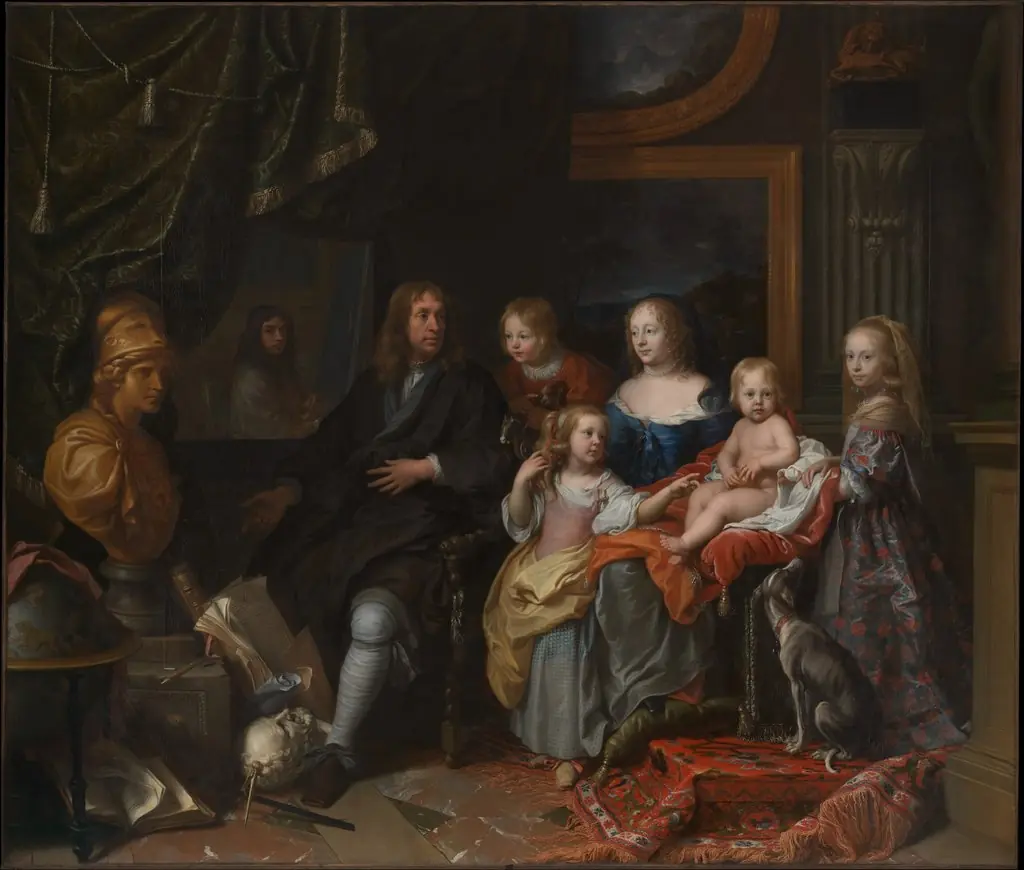 Everhard Jabach (1618–1695) and His Family
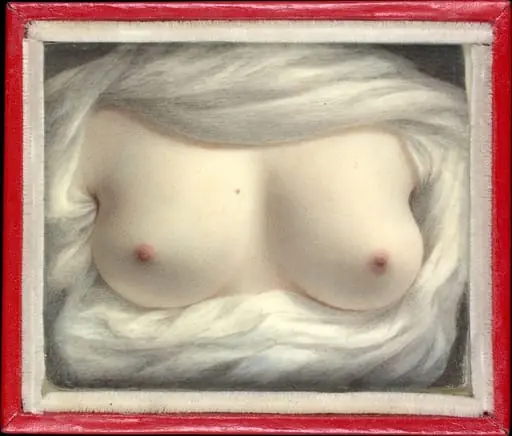 Beauty Revealed
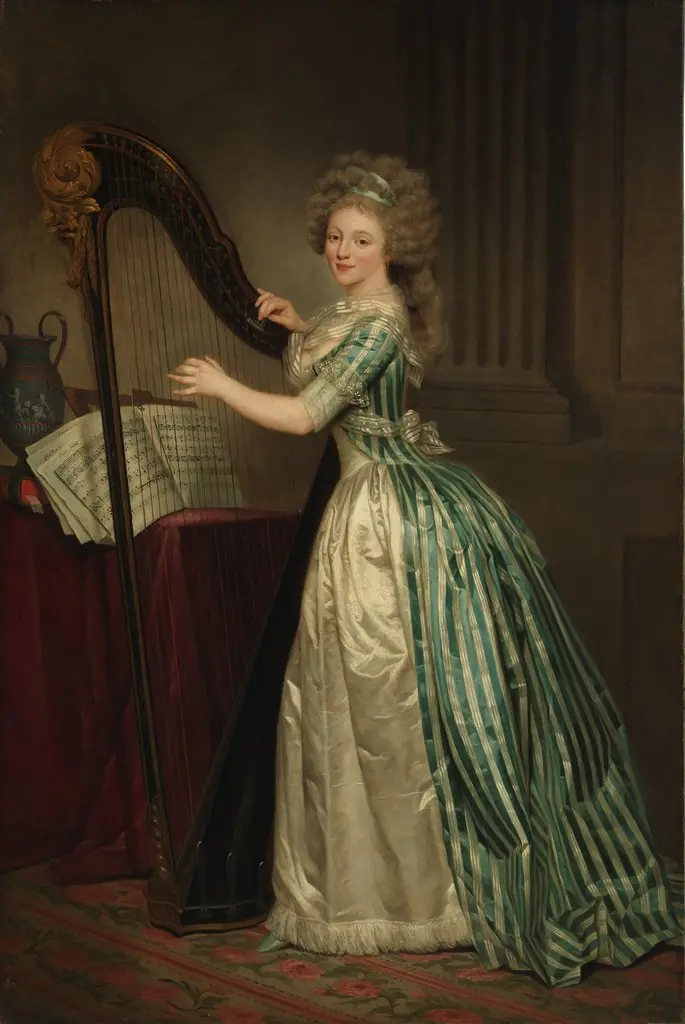 Self-Portrait with a Harp
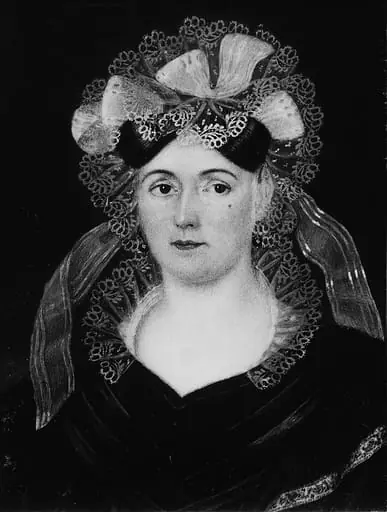 Self portrait
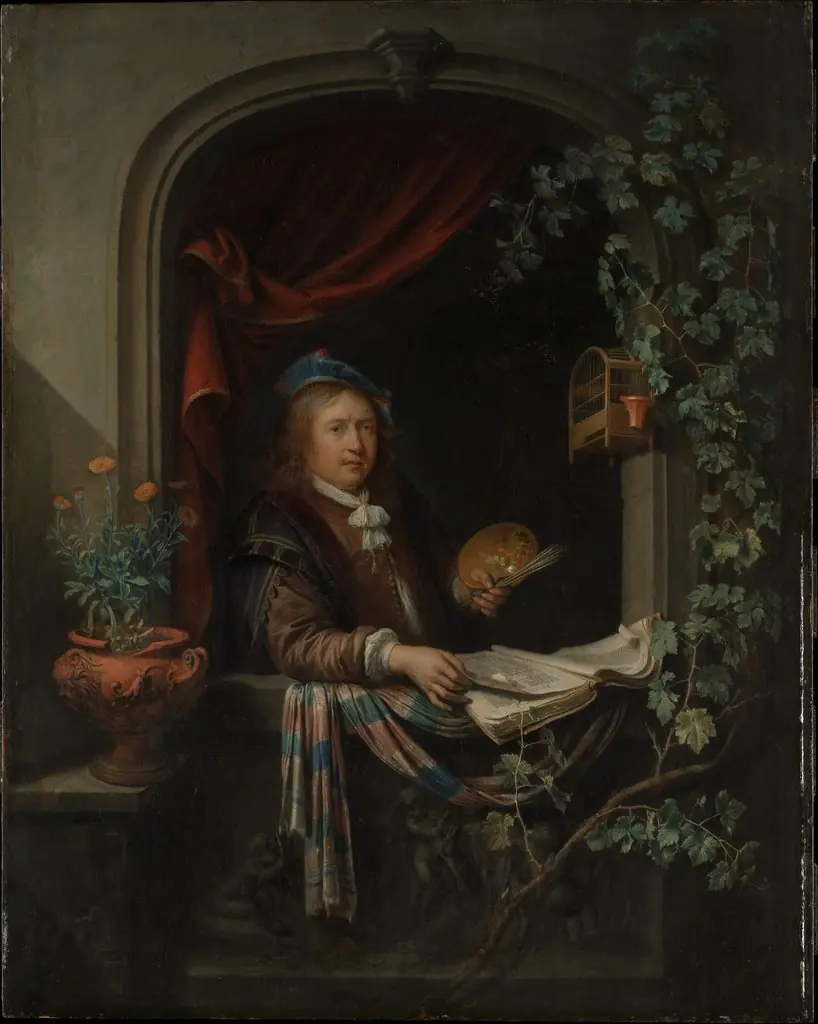 Self-Portrait
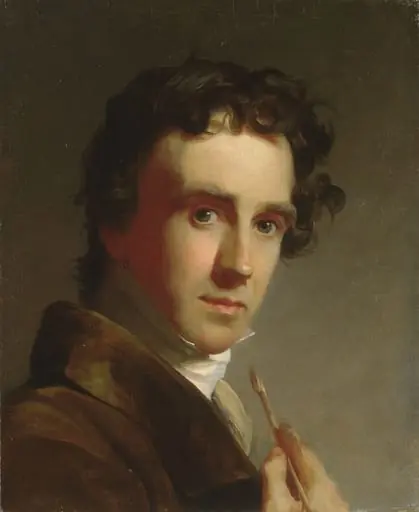 Portrait of the Artist
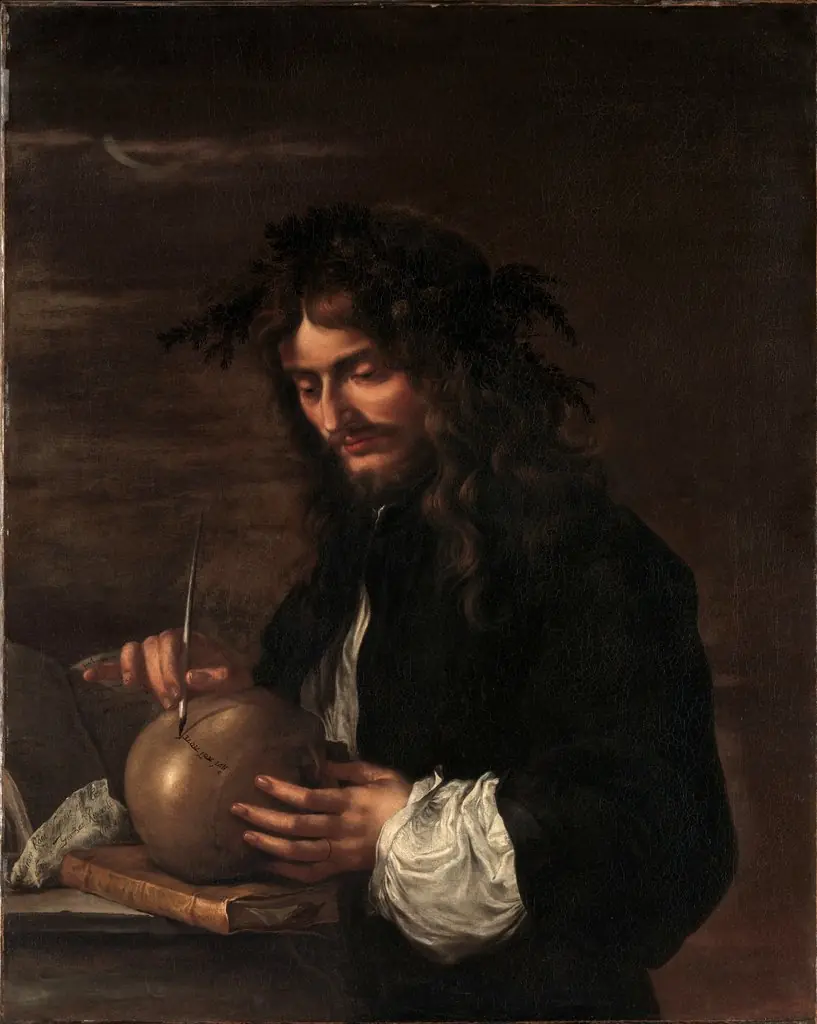 Self-Portrait
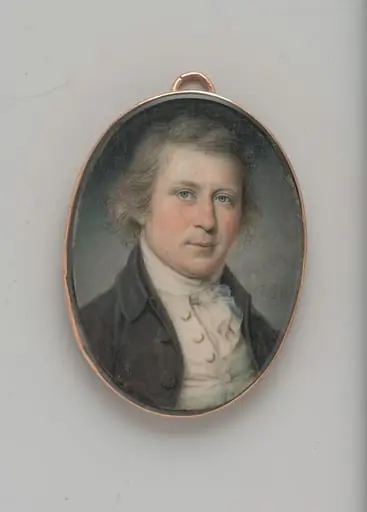 Self-portrait
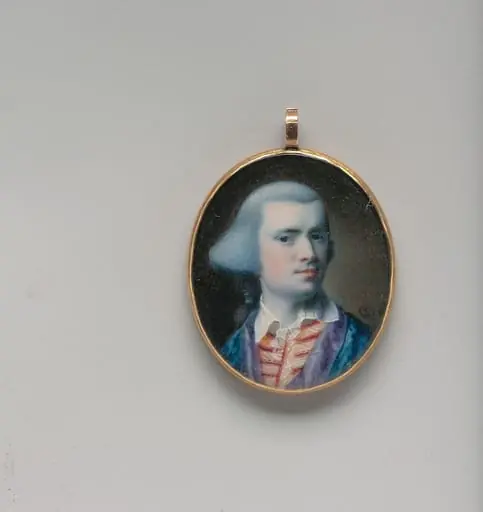 Self-portrait miniature
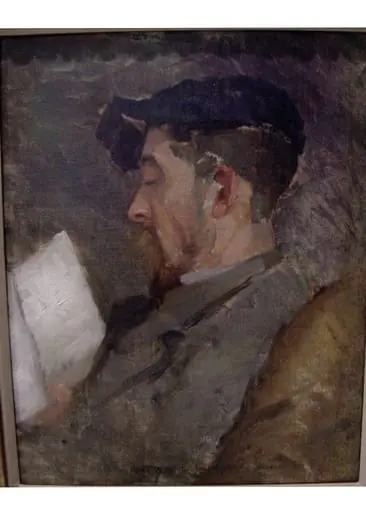 Self-Portrait
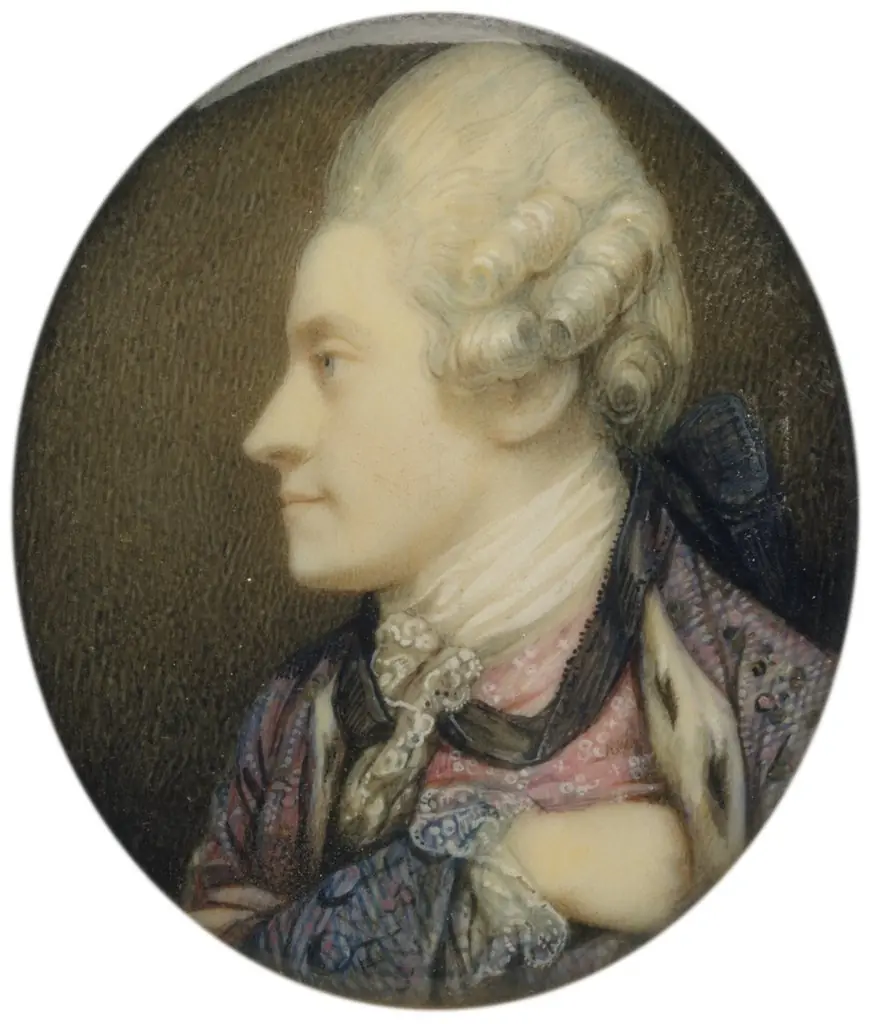 Self-Portrait
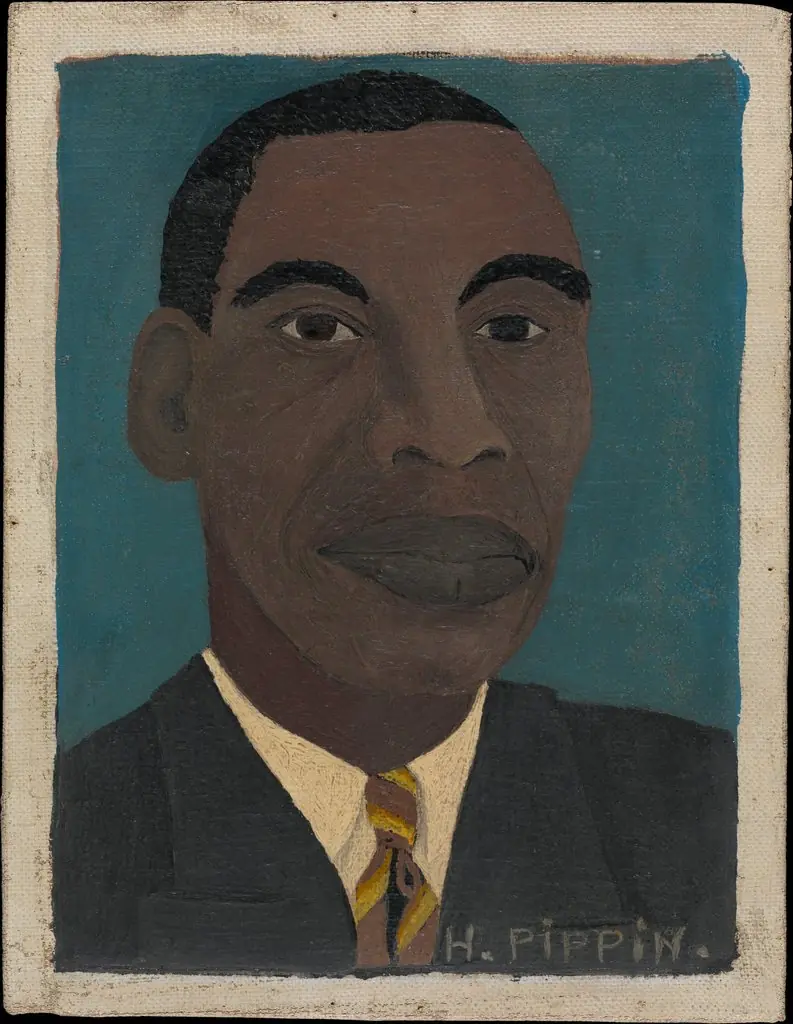 Self-Portrait
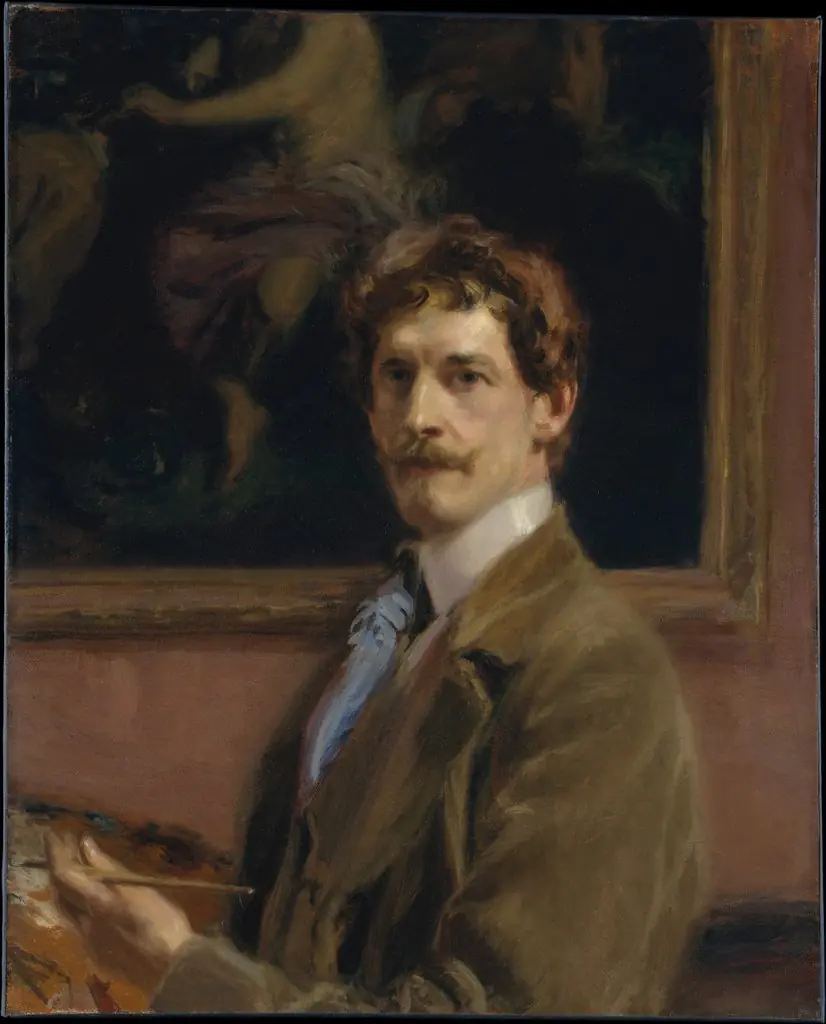 Self-portrait
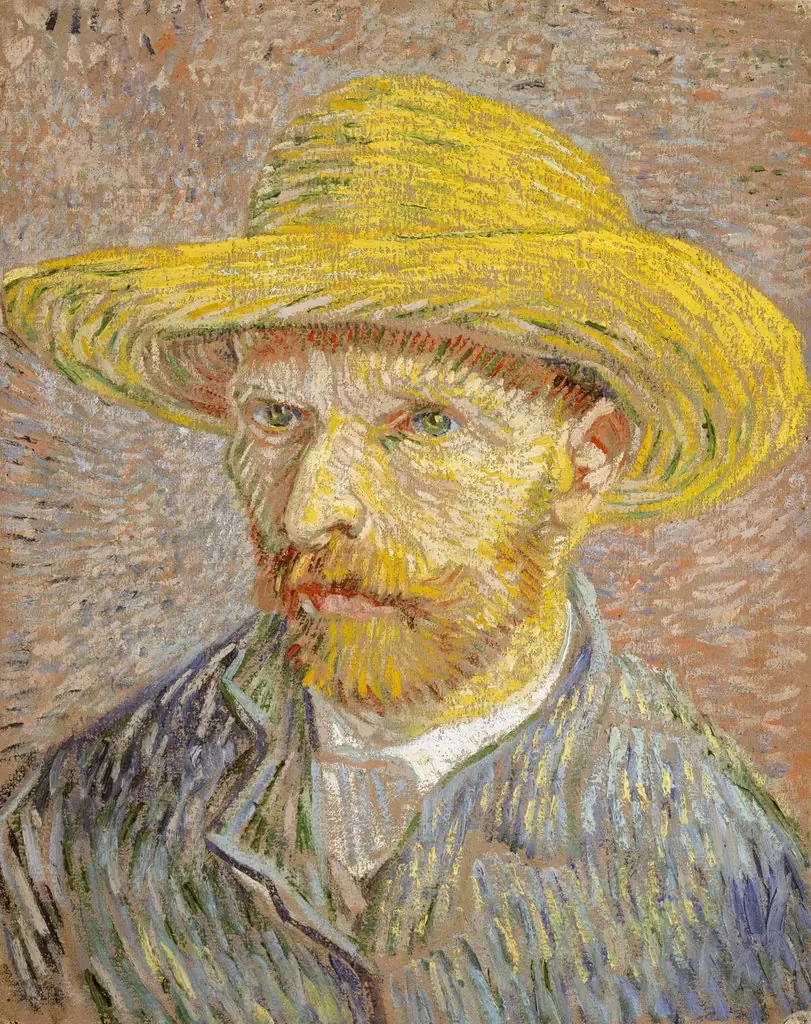 Self-Portrait with a Straw Hat
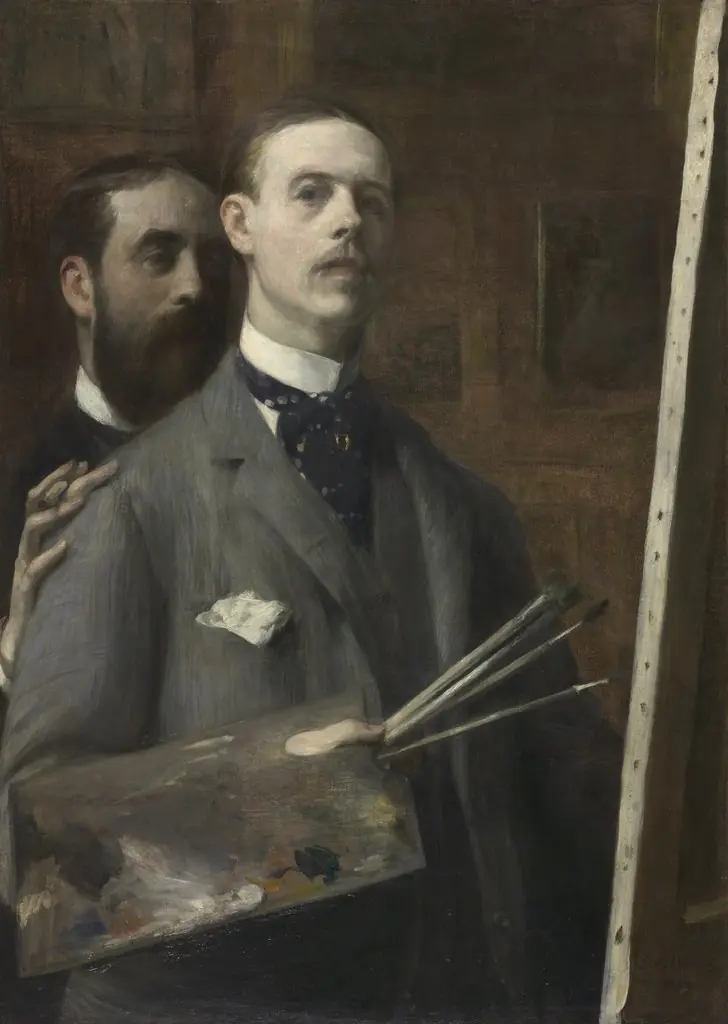 Self-Portrait with Raphael de Ochoa
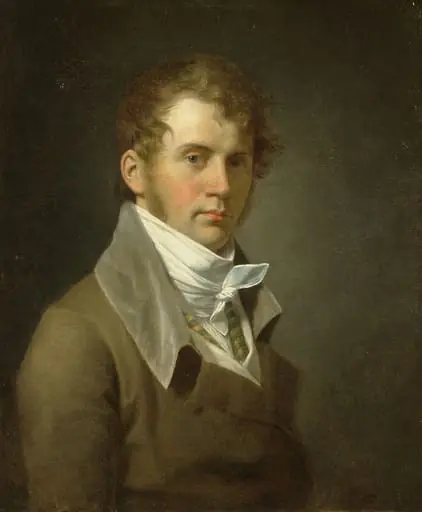 Portrait of the Artist
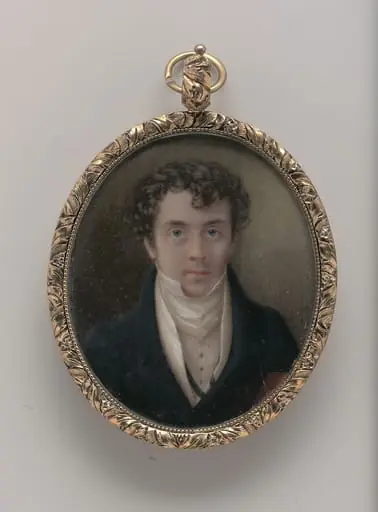 Self-Portrait
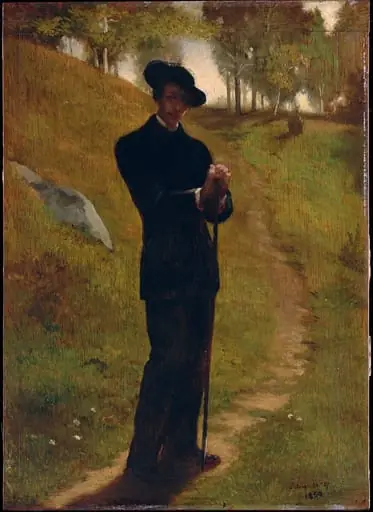 Portrait of the Painter
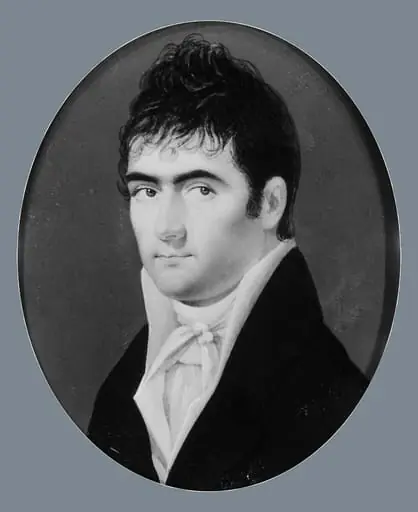 Self-portrait
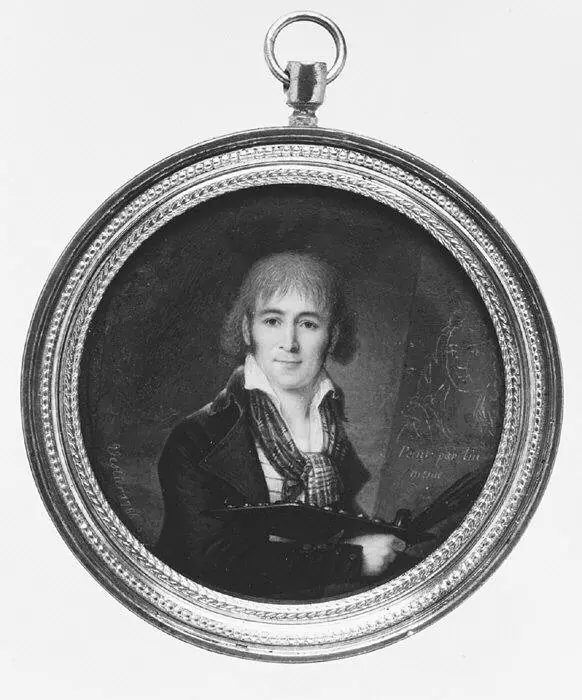 Self-Portrait of an Unidentified Artist
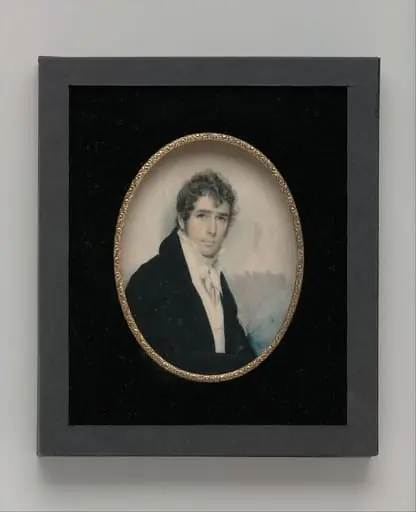 Self-portrait
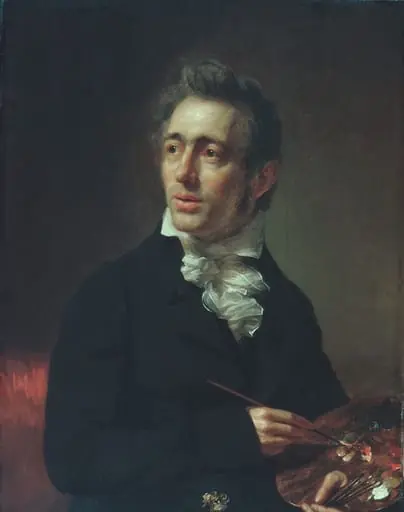 Self-portrait
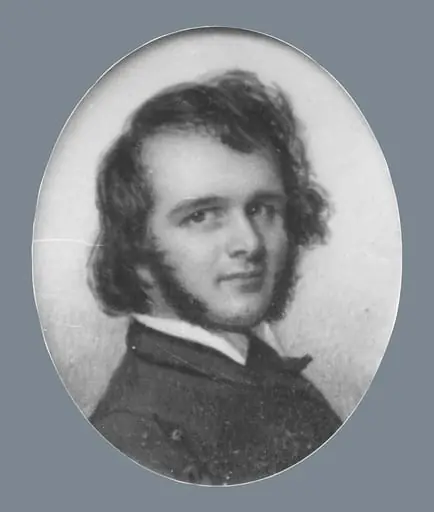 Self Portrait
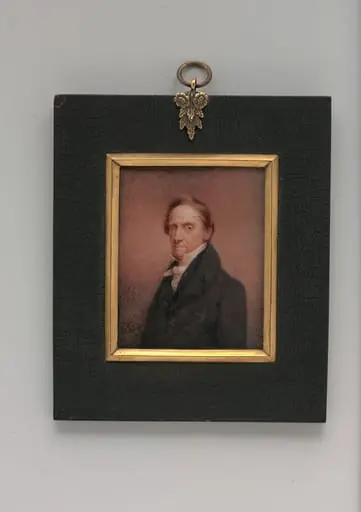 Self-portrait
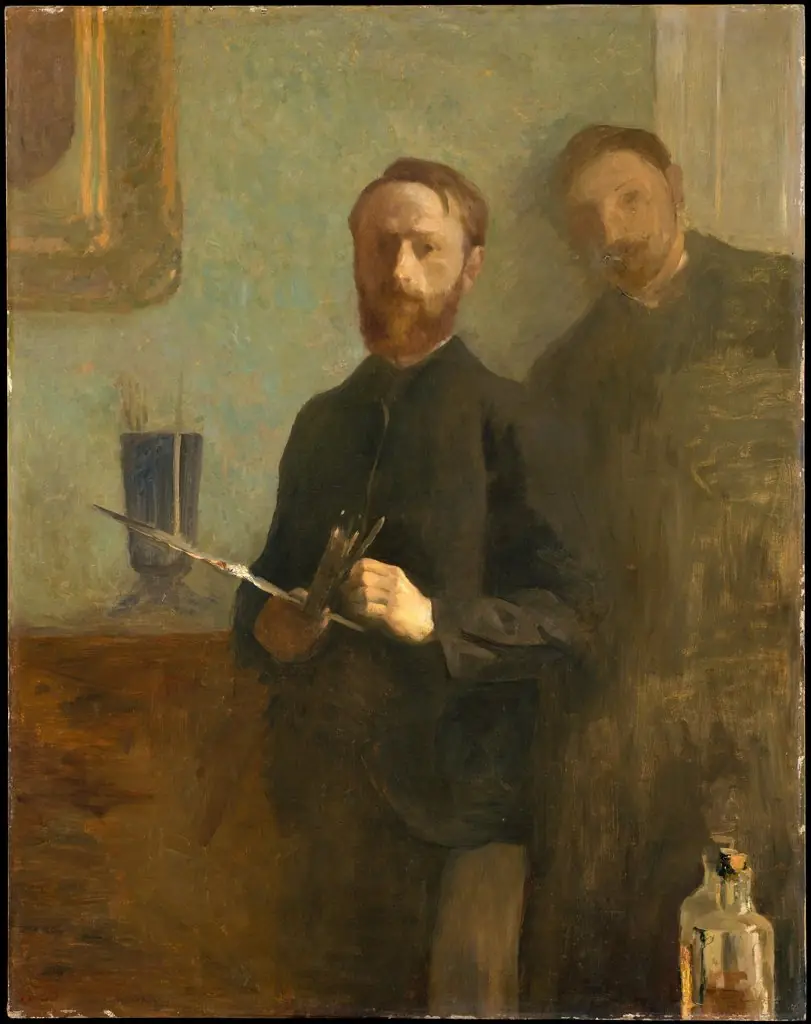 Self-Portrait with Waroquy
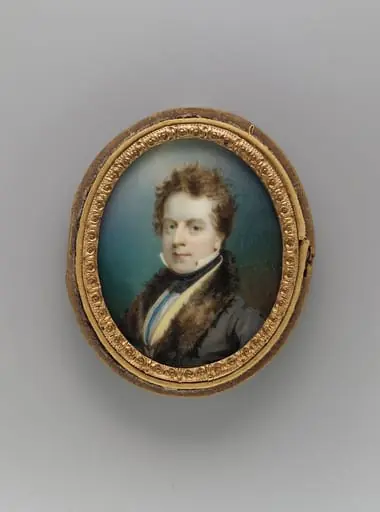 Self-portrait
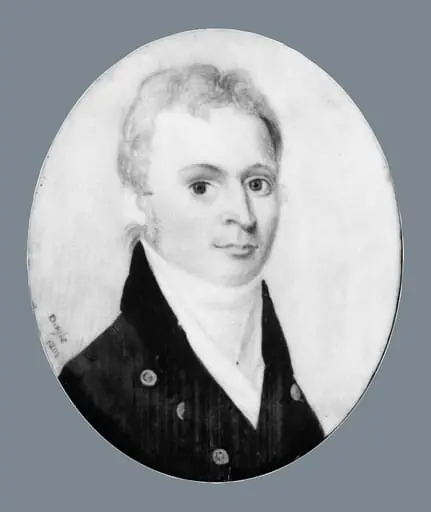 Self Portrait
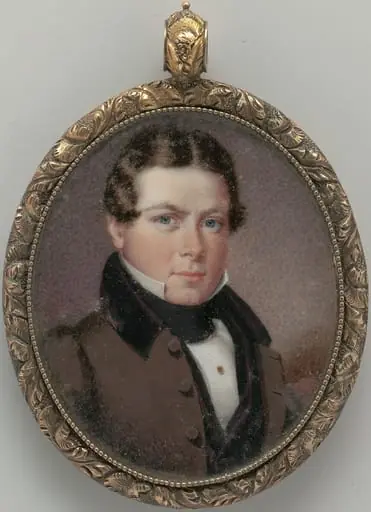 Self Portrait
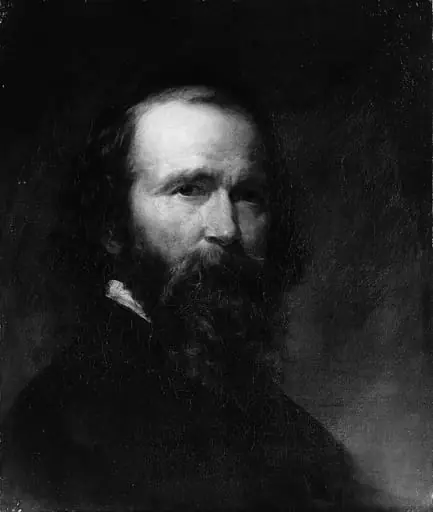 Self-portrait
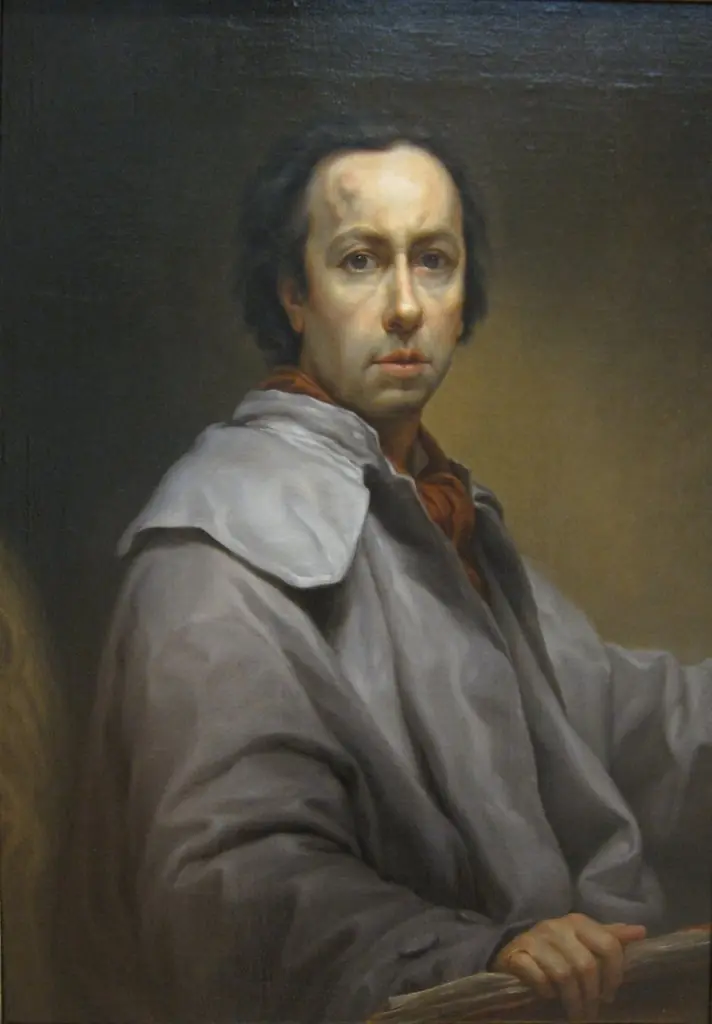 Self-Portrait
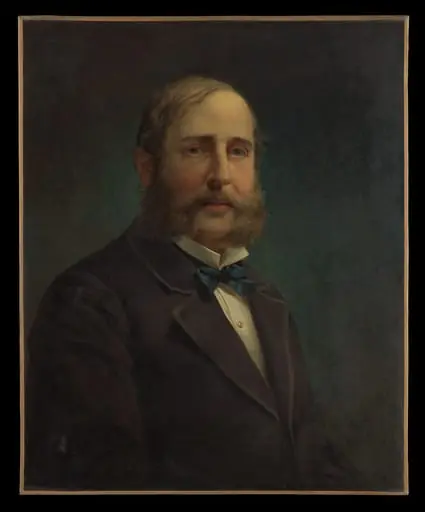 Self-portrait
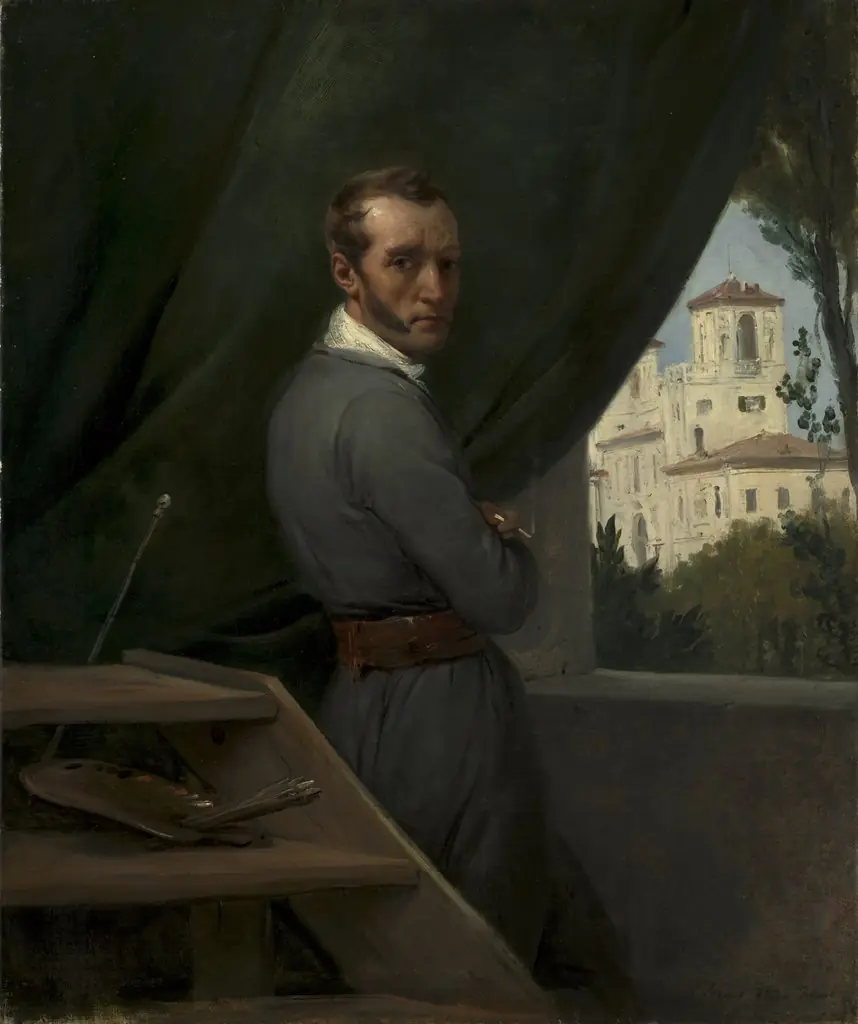 Self-Portrait in Rome
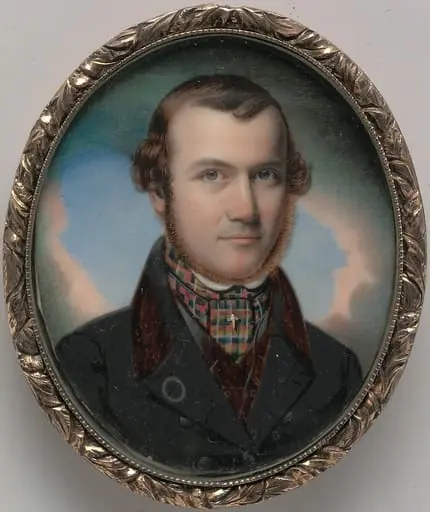 Self-Portrait
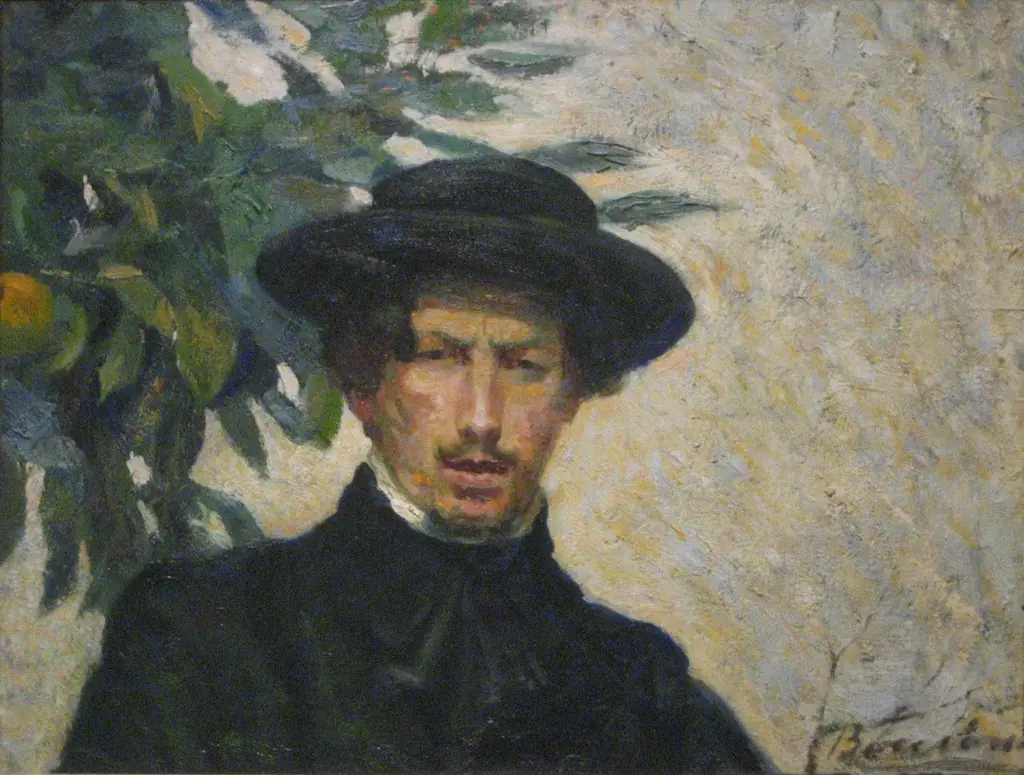 Self-Portrait
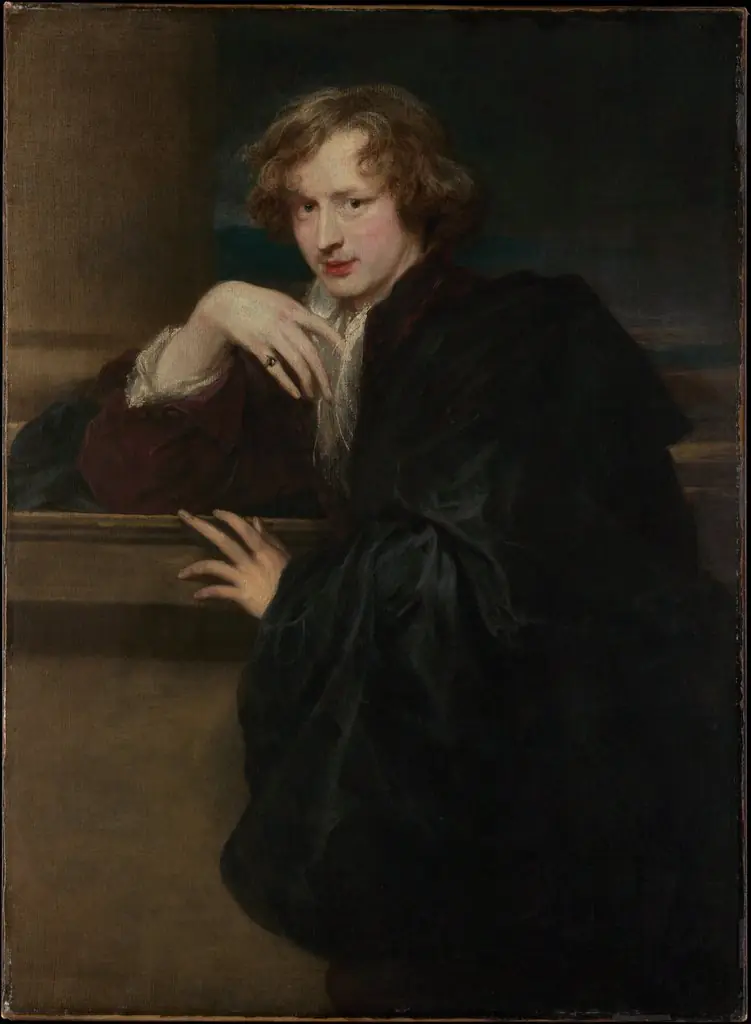 Self-Portrait
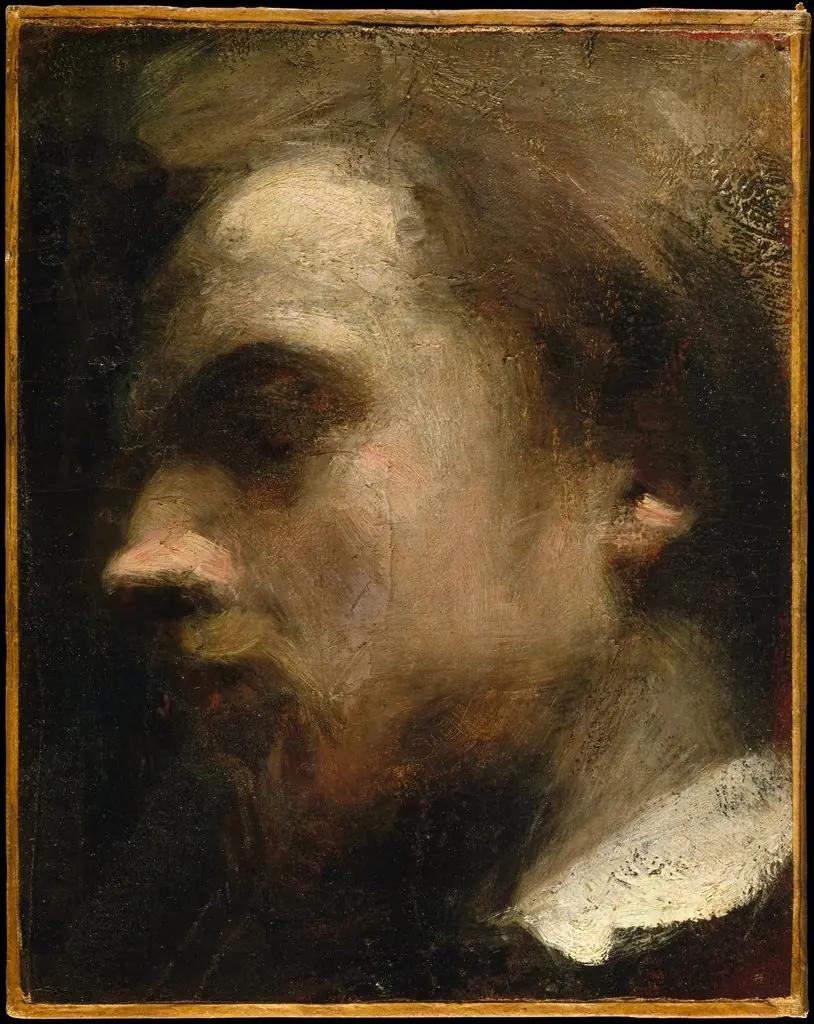 Self-Portrait
 Self-Portrait
 Self-Portrait
 Self-Portrait
 Self portrait
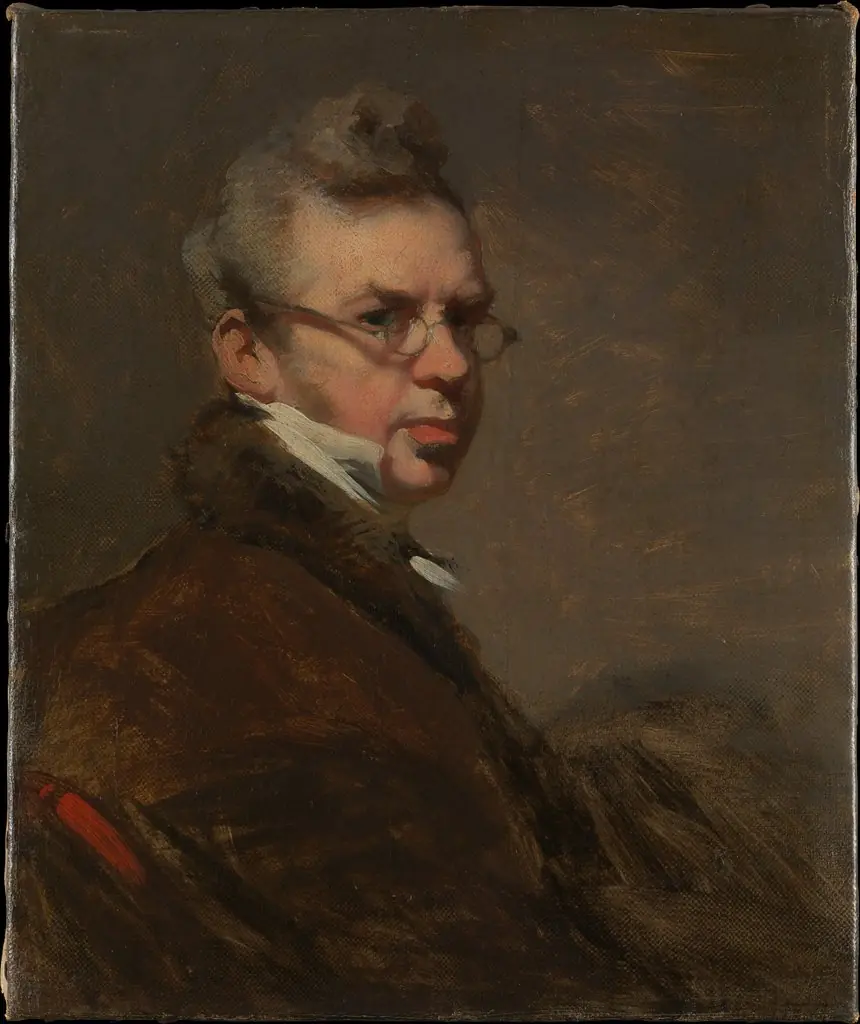 Self-Portrait
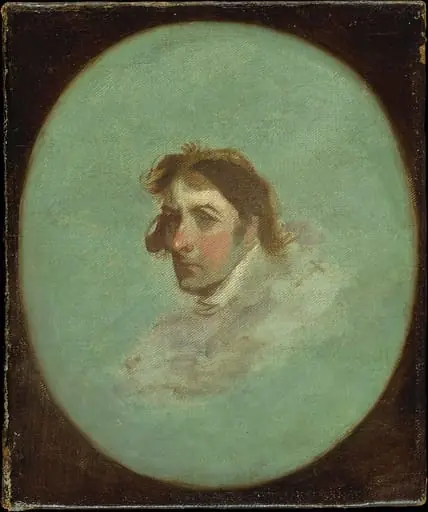 Portrait of the Artist
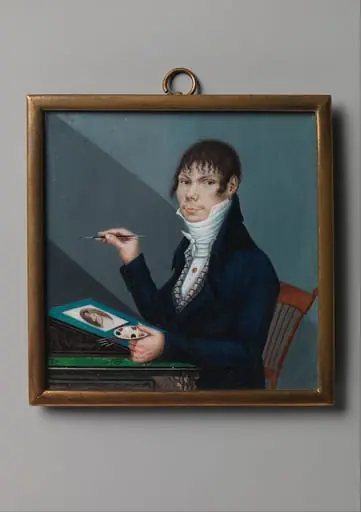 Self Portrait
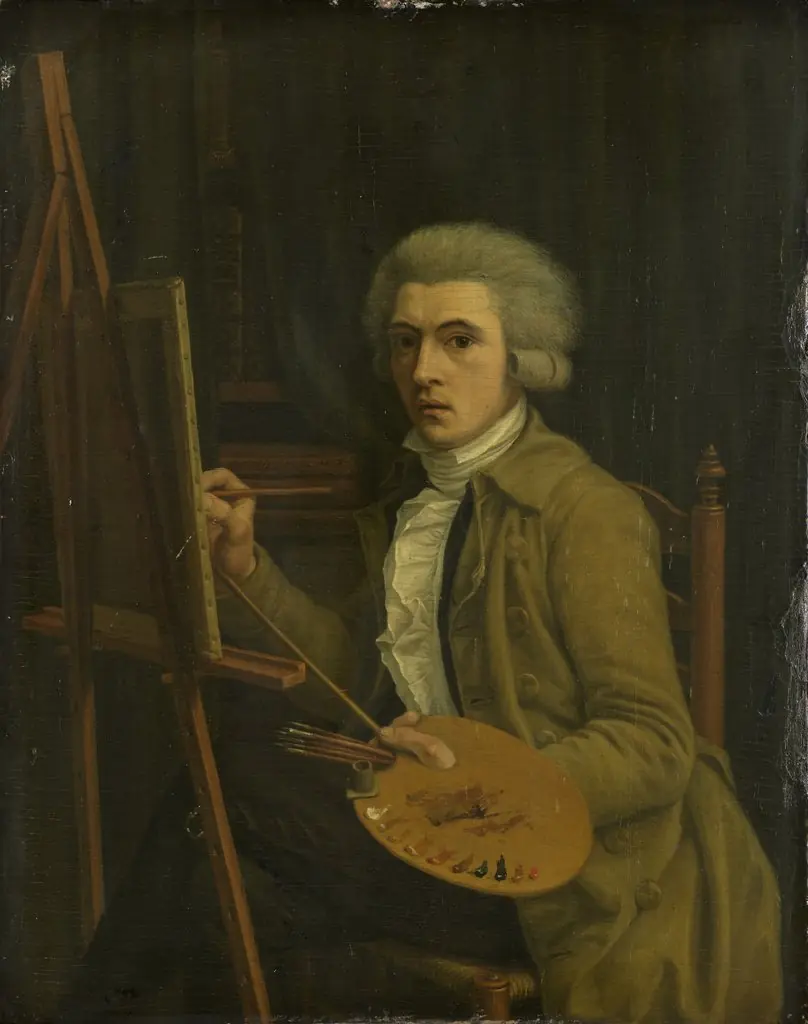 Portrait of a Painter, probably the Artist himself
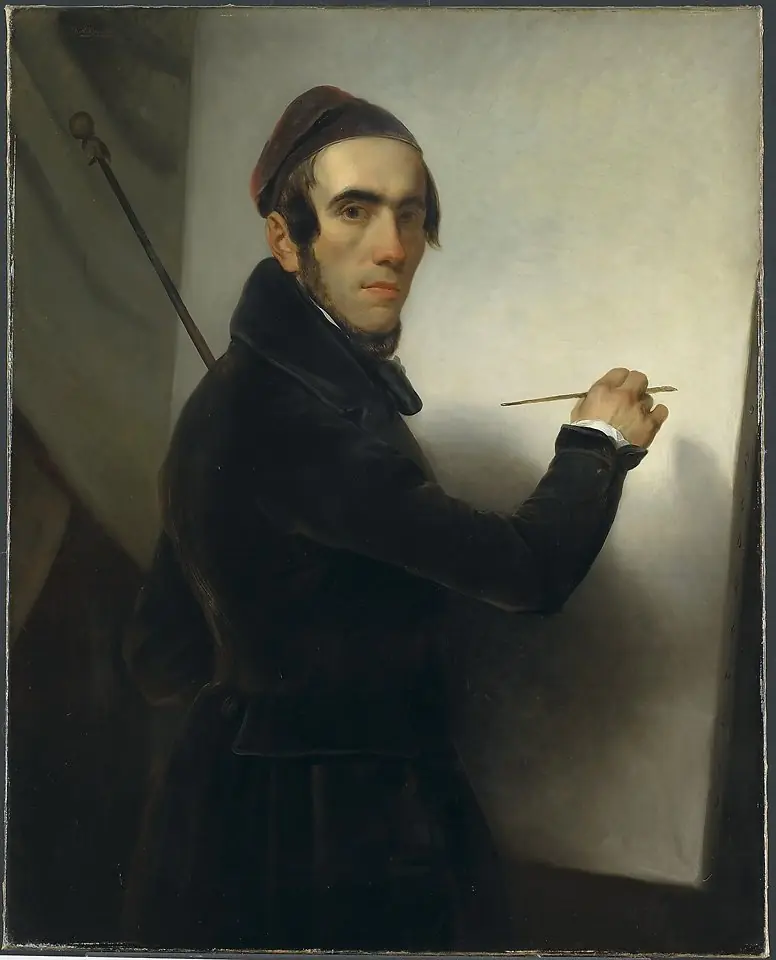 Self-Portrait
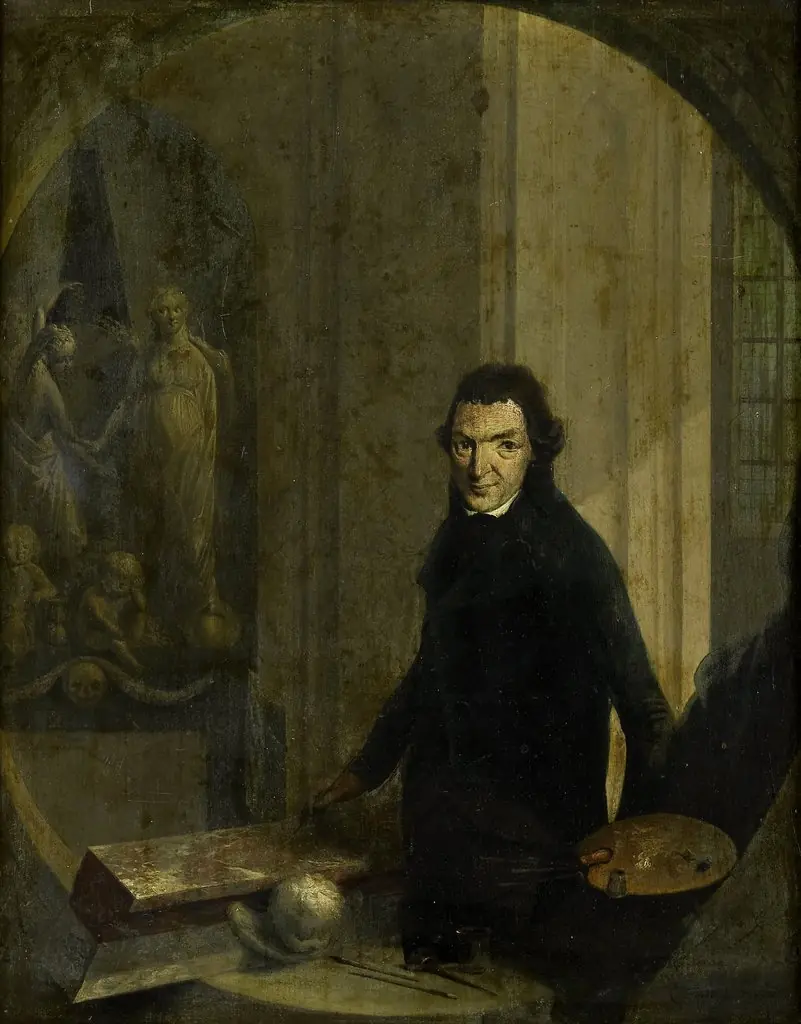 Self-Portrait
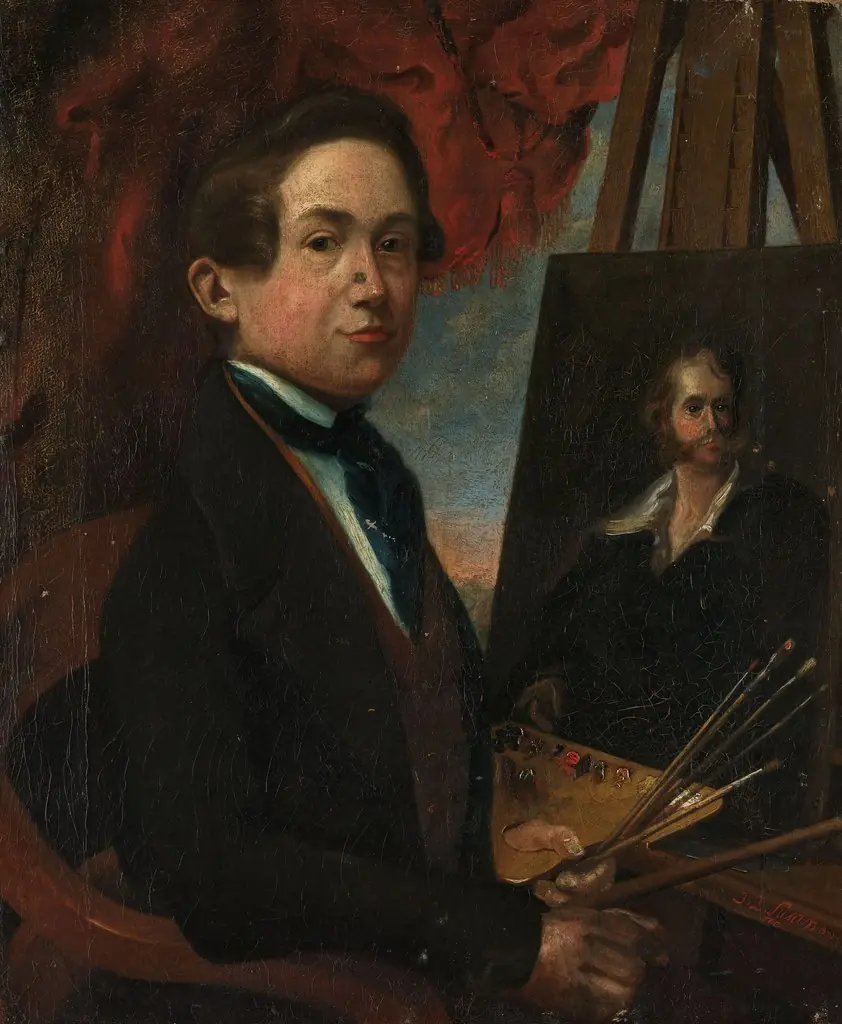 Self-Portrait
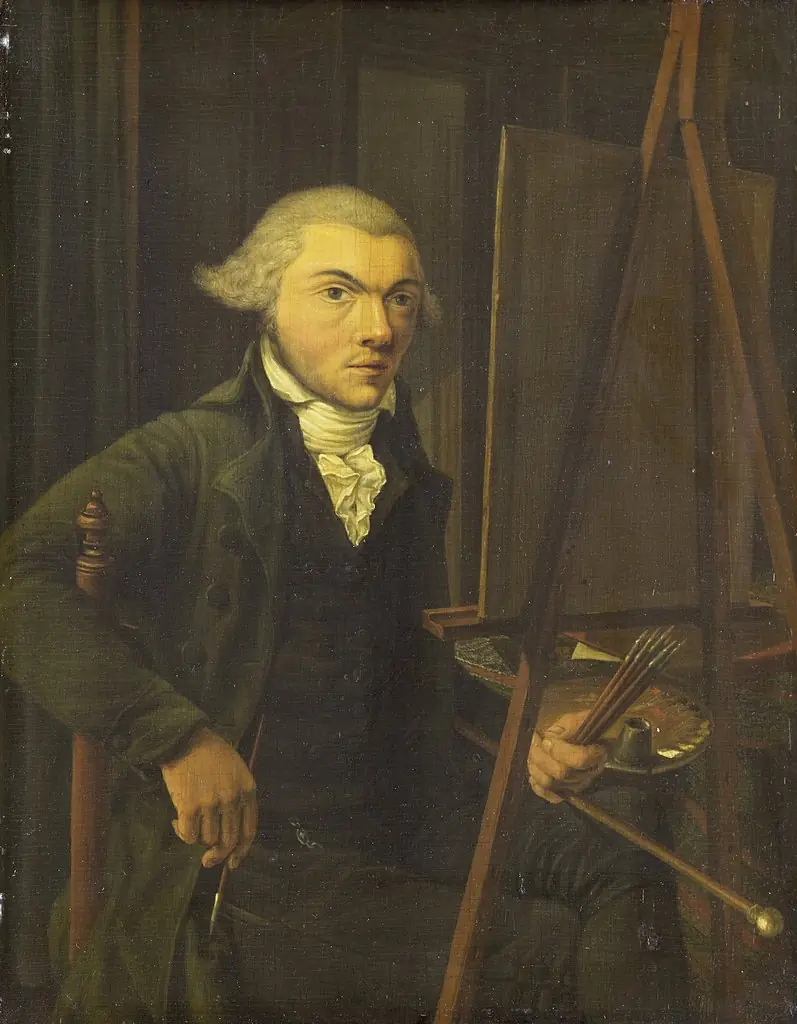 Portrait of a Painter, probably Harmanus Uppink
 Portrait of Joost van Geel, Painter and Poet in Rotterdam
 Self-Portrait
 Self-portrait
 Self-portrait
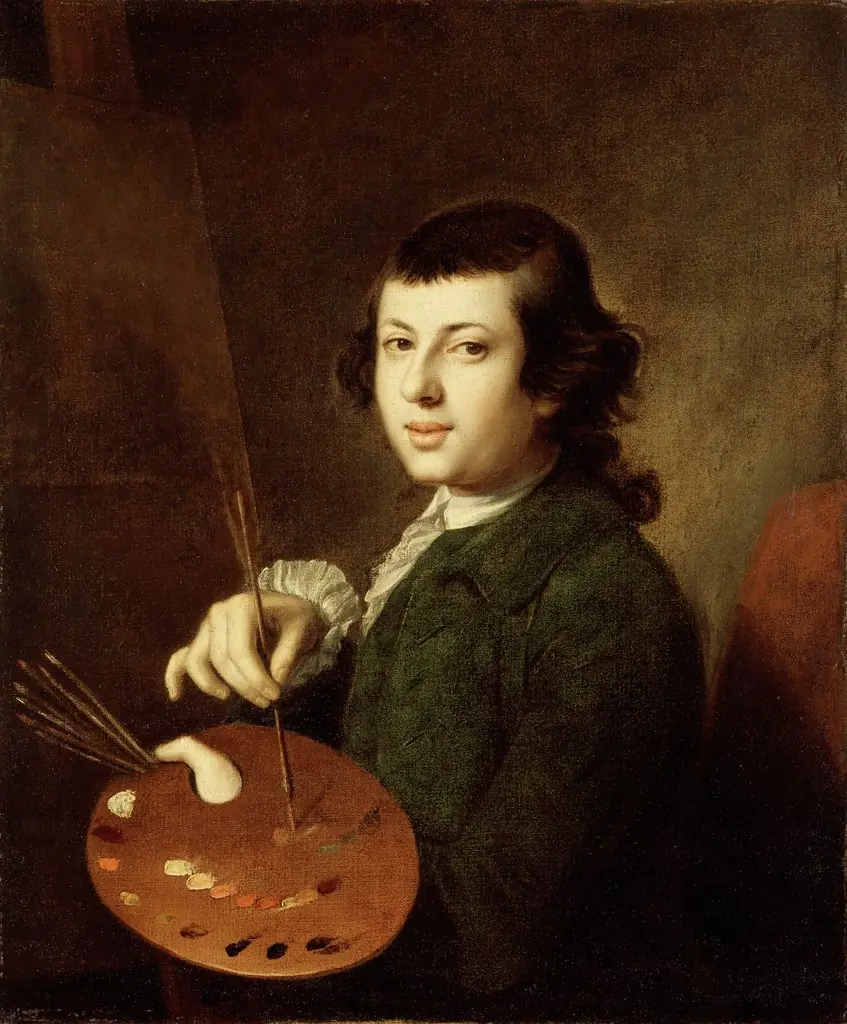 Portrait of an Artist
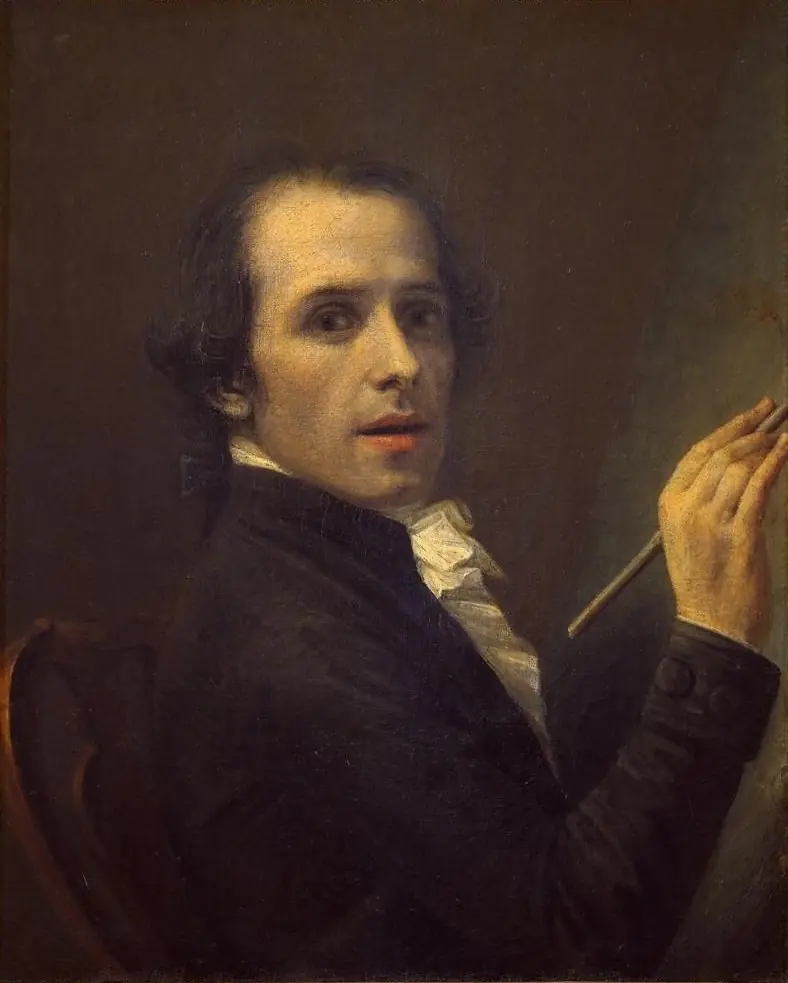 Self-portrait
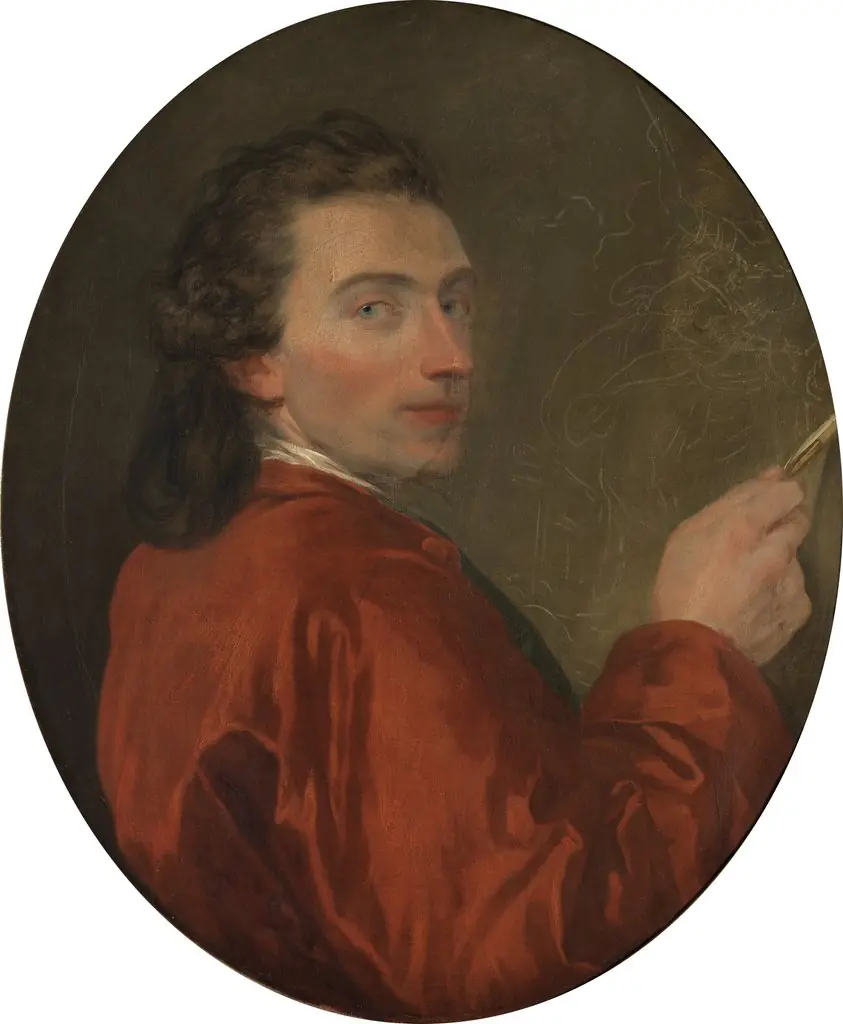 Self-portrait
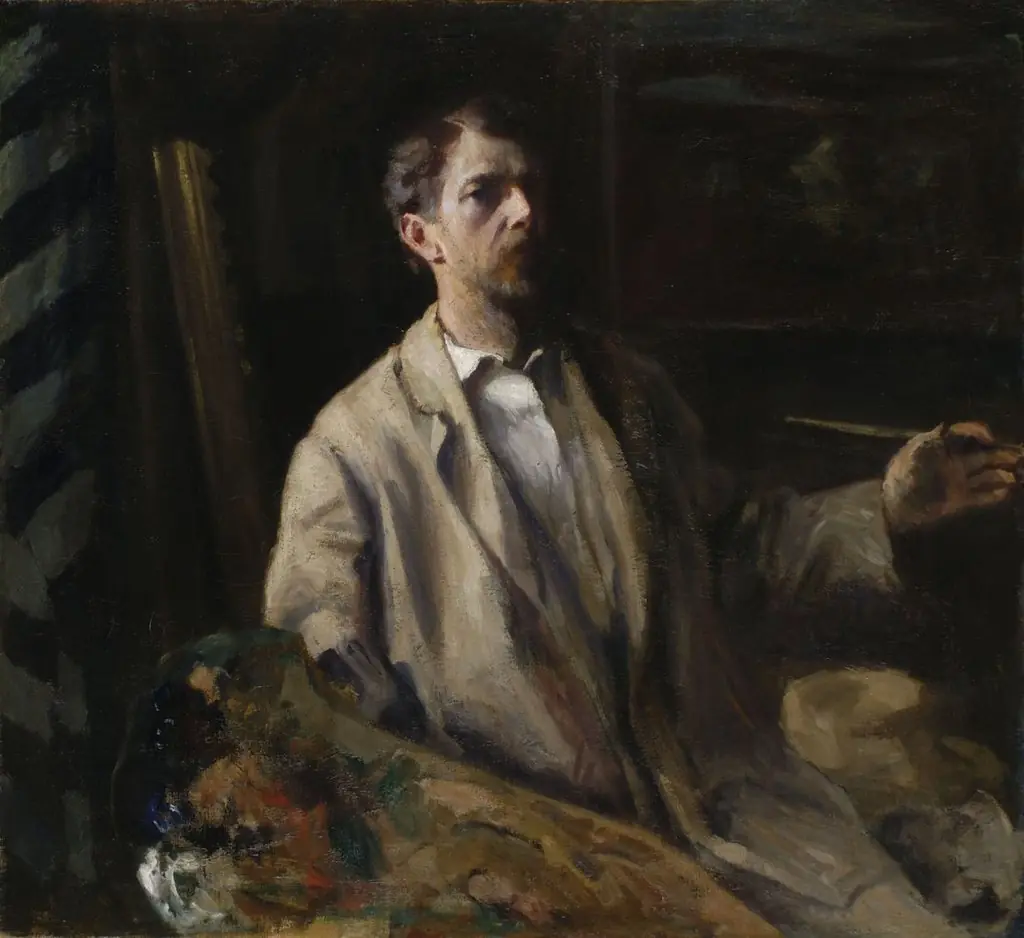 Self-portrait (in the Atelier)
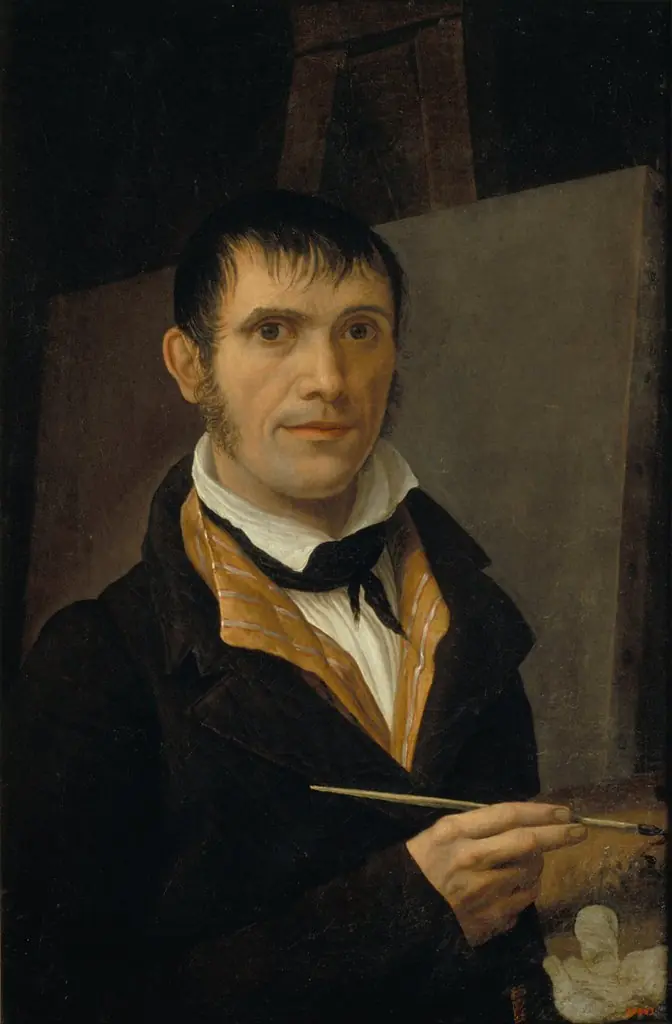 Self-portrait
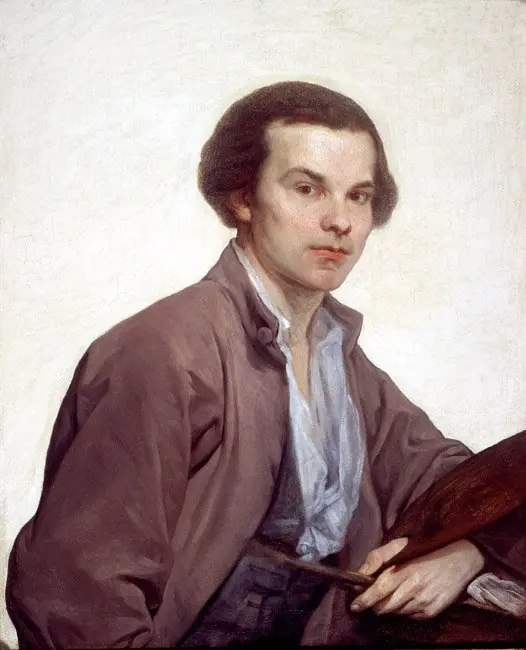 Laurent Pécheux
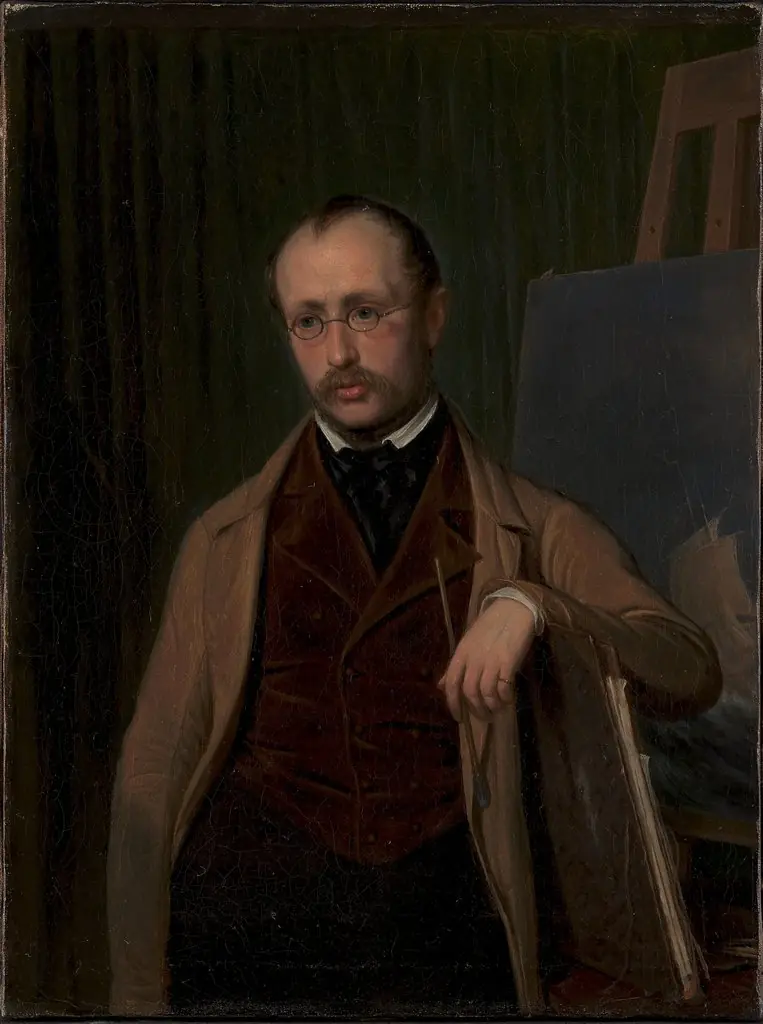 Portrait of the Marine Painter
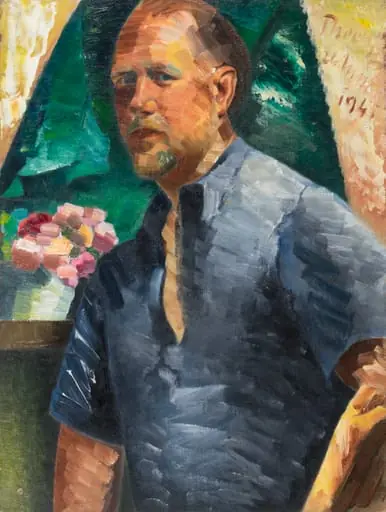 AUTOPORTRET
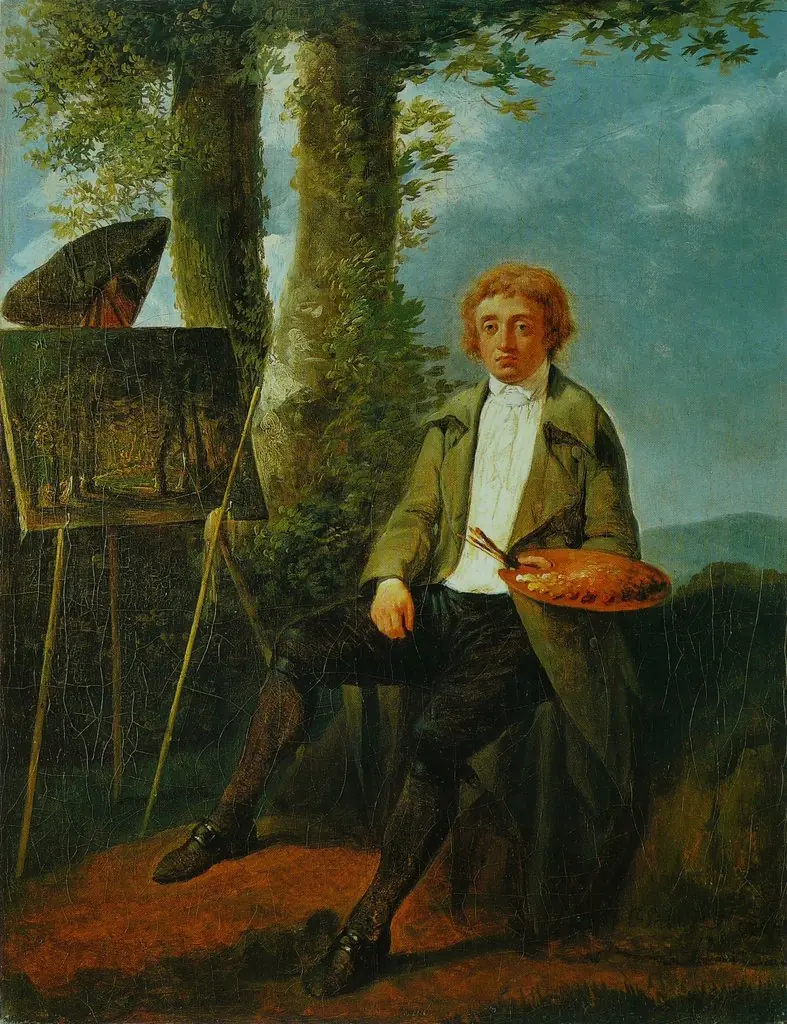 Portrait du peintre Conrad Gessner dans la campagne romaine
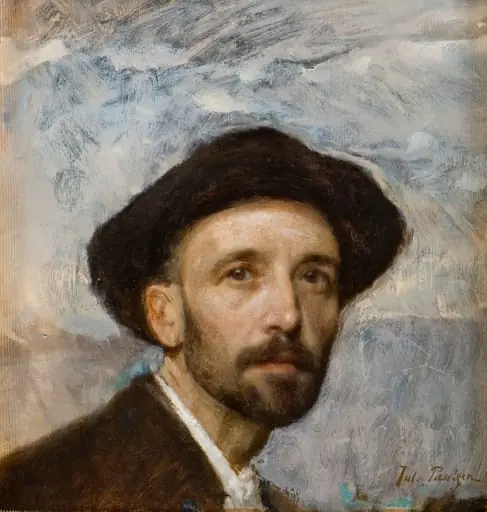 Self-portrait with soft hat
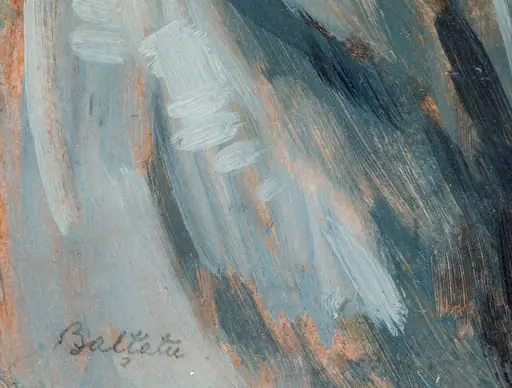 Autoportret
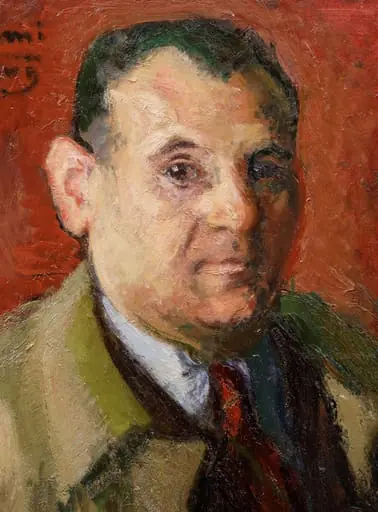 Portretul colecționarului M.M. Weinberg
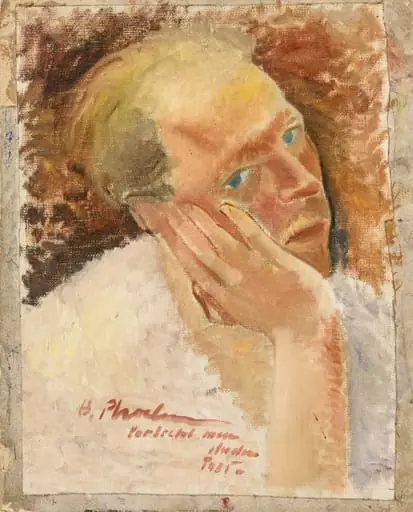 PORTRETUL MEU – STUDIU
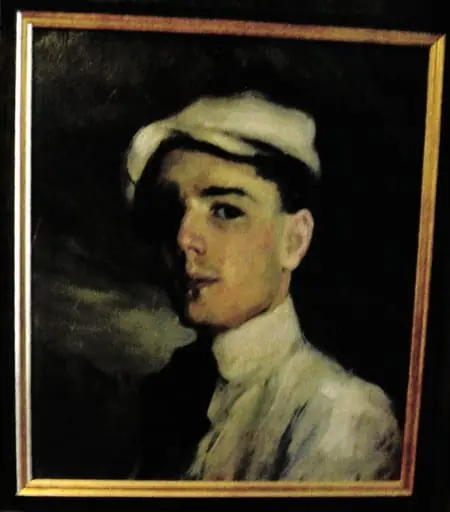 Portret de tânăr (autoportret)
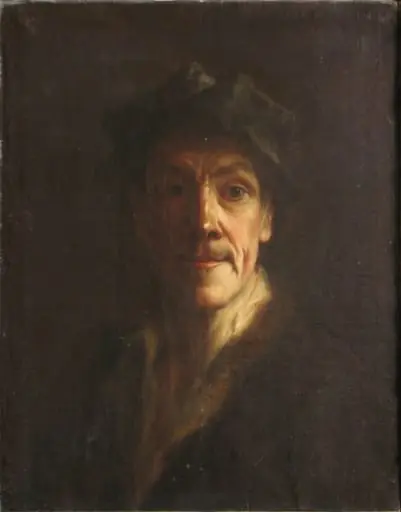 Autoportret
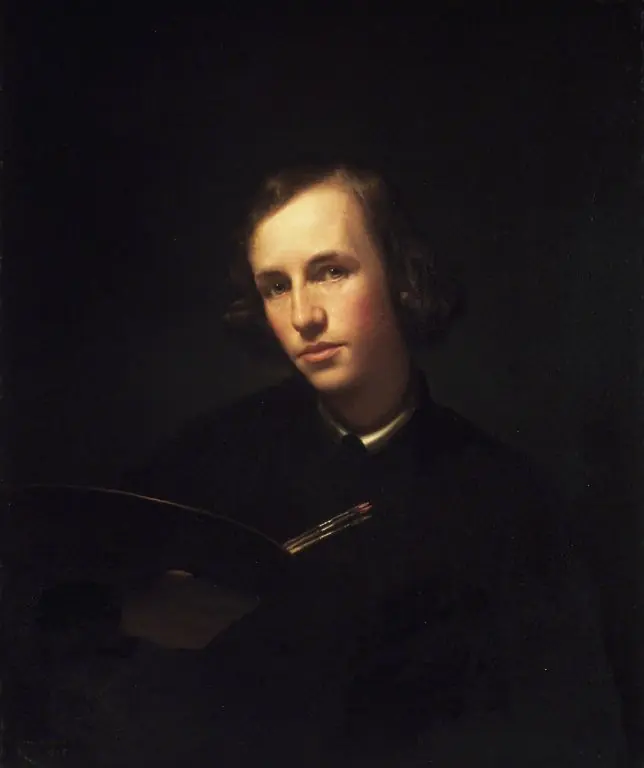 Self-portrait
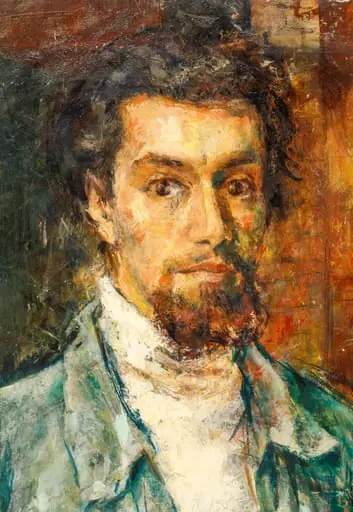 Autoportret
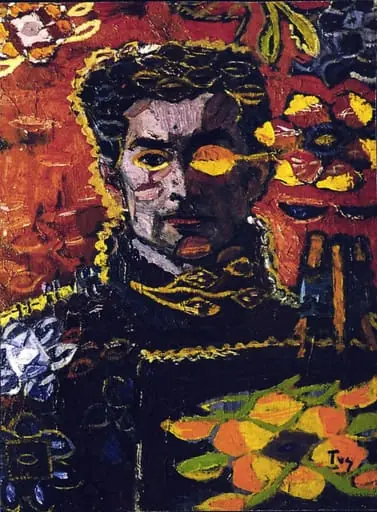 Autoportret
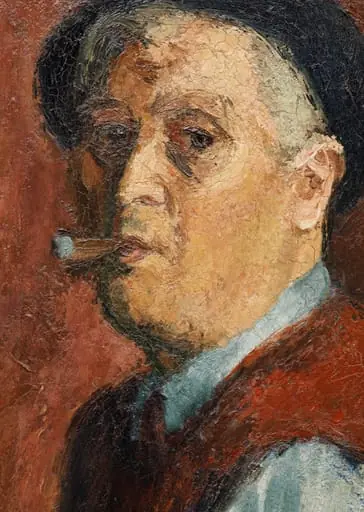 Autoportret cu beretă și trabuc
 Autoportret cu bască și trabuc
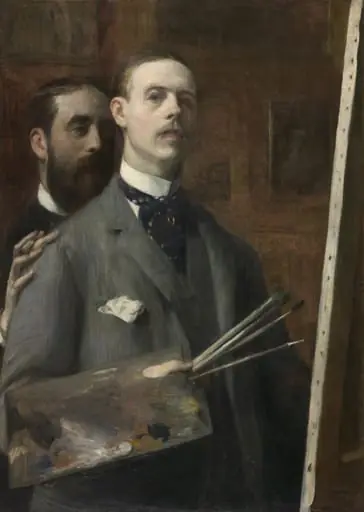 Self-Portrait with Raphael de Ochoa
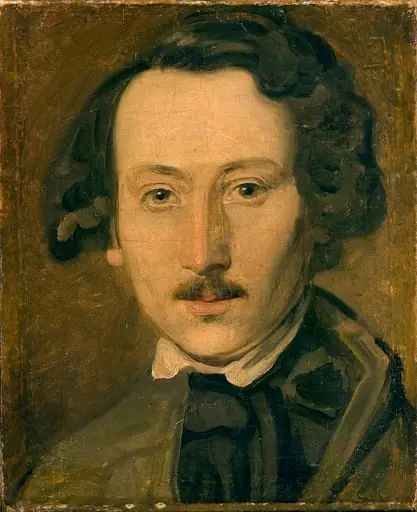 Nils Johan Olsson Blommér
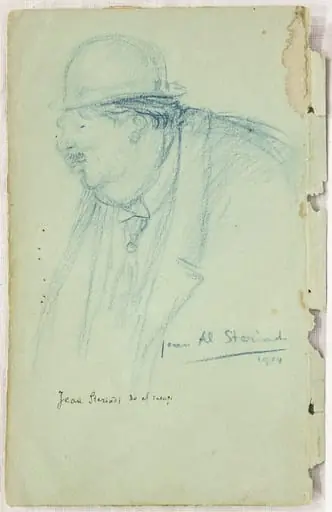 Autoportret
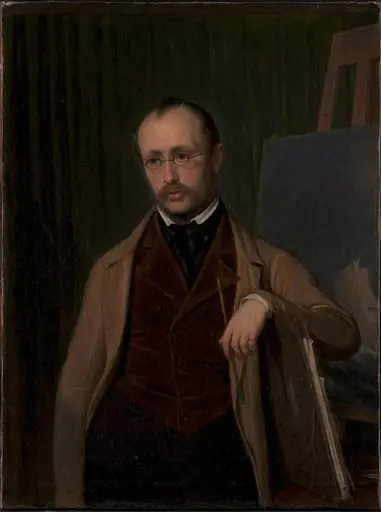 Portrait of the Marine Painter
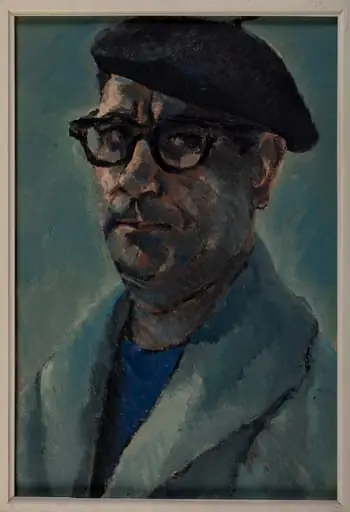 Autoportret
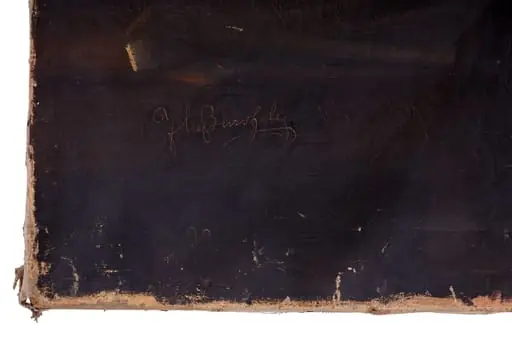 Autoportret
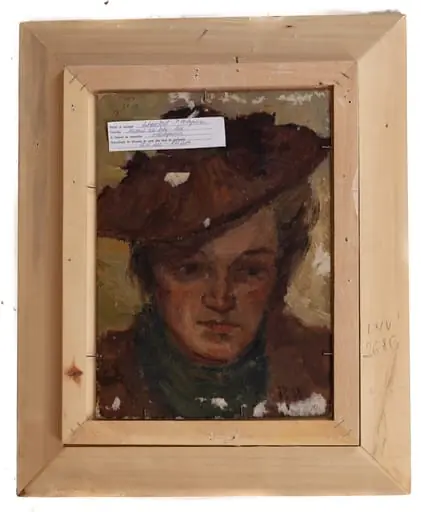 Autoportret
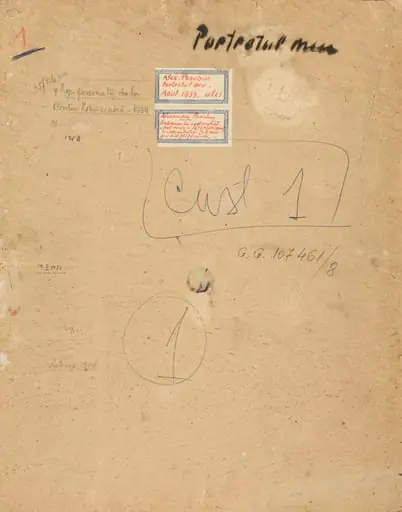 PORTRETUL MEU
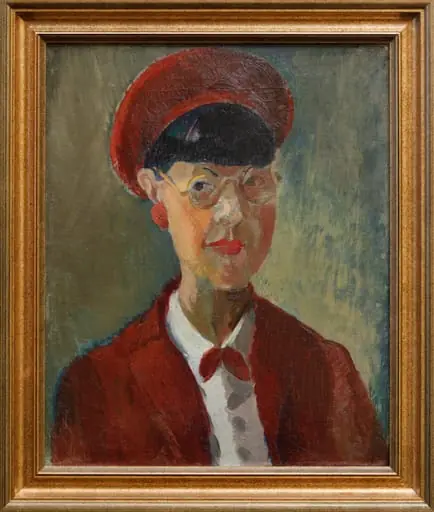 Autoportret cu beretă
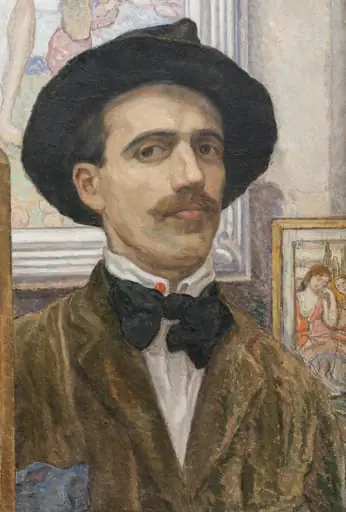 Autoportret
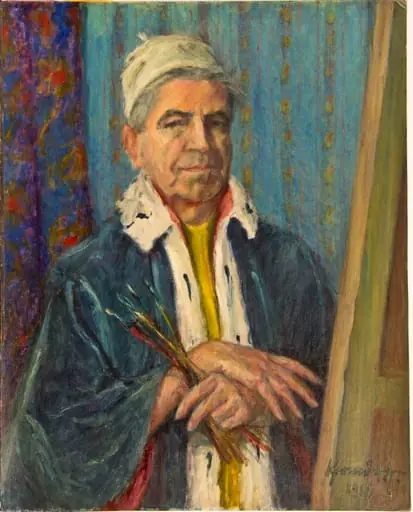 Autoportretul lui Hrandt Avakian
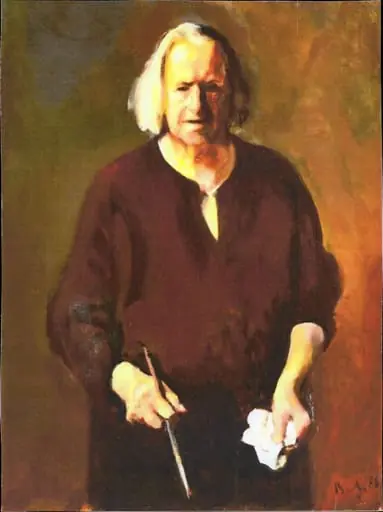 Autoportret
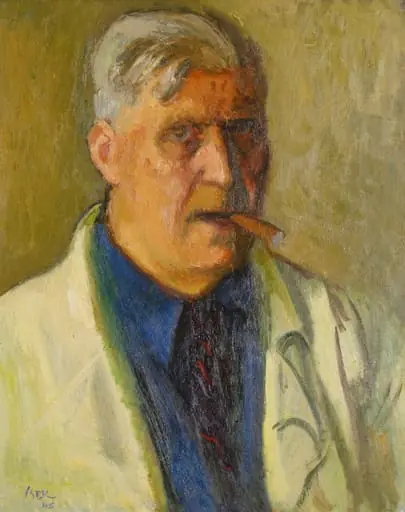 Autoportret
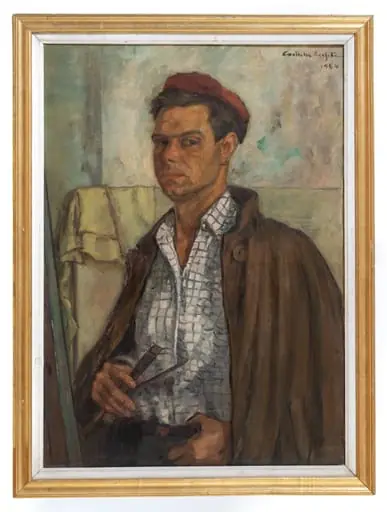 Autoportret
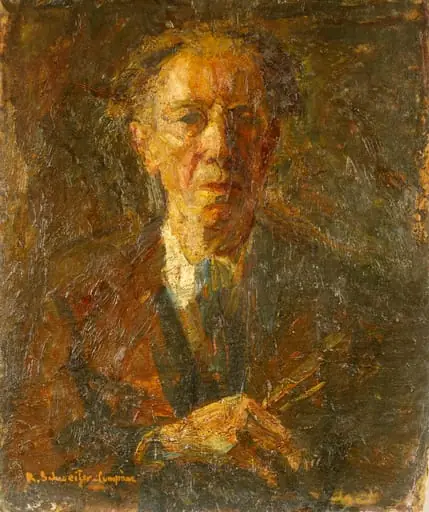 Autoportret
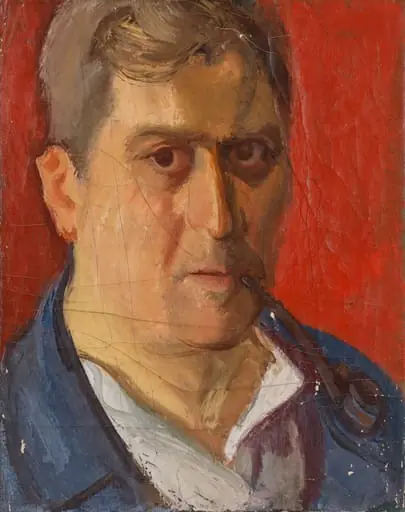 Autoportret cu lulea
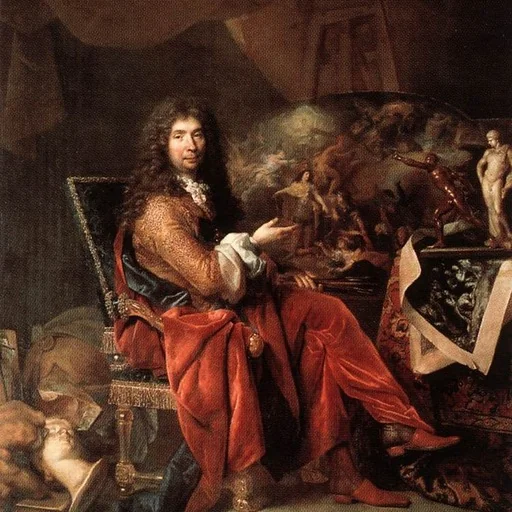
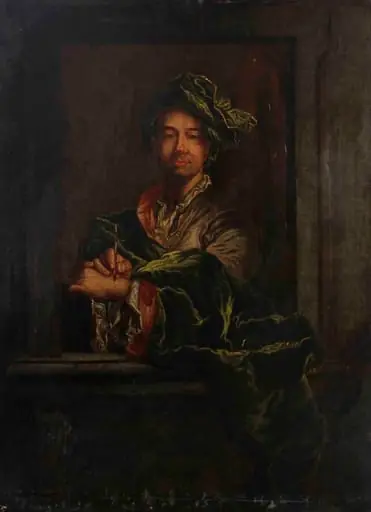 Autoportretul pictorului Hyacinthe Rigaud
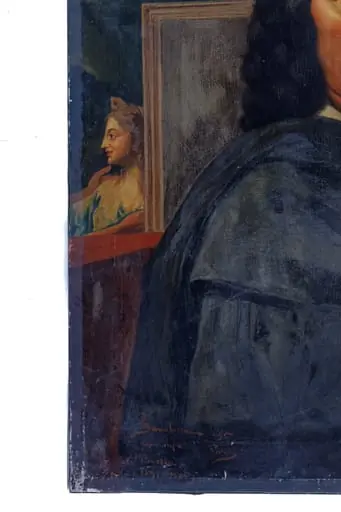 Portret de bărbat (d. Nicolas Poussin)
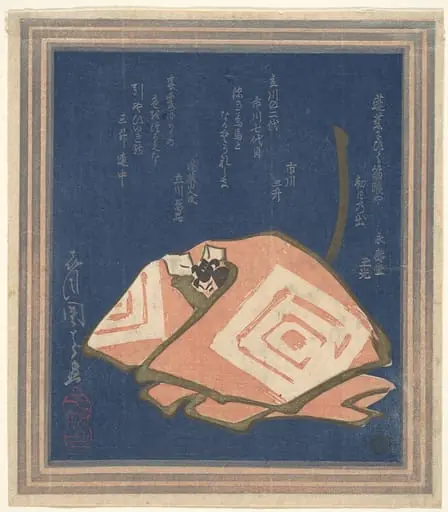 Untitled
Frequently asked questions
What is Self-Portrait?
Self-portraits are portraits artists make of themselves.
How many Self-Portrait works does Artifact World Gallery have?
Artifact World Gallery holds 91 public-domain Self-Portrait works, all free to view and download.
Who are the key Self-Portrait artists?
Key Self-Portrait artists in the collection include Richard Cosway, Rembrandt van Rijn and Gilbert Stuart.
Where can I see Self-Portrait works?
Self-Portrait works in the collection are held by Metropolitan Museum of Art, National Museum of Art of Romania and Rijksmuseum.