Artwork
Untitled
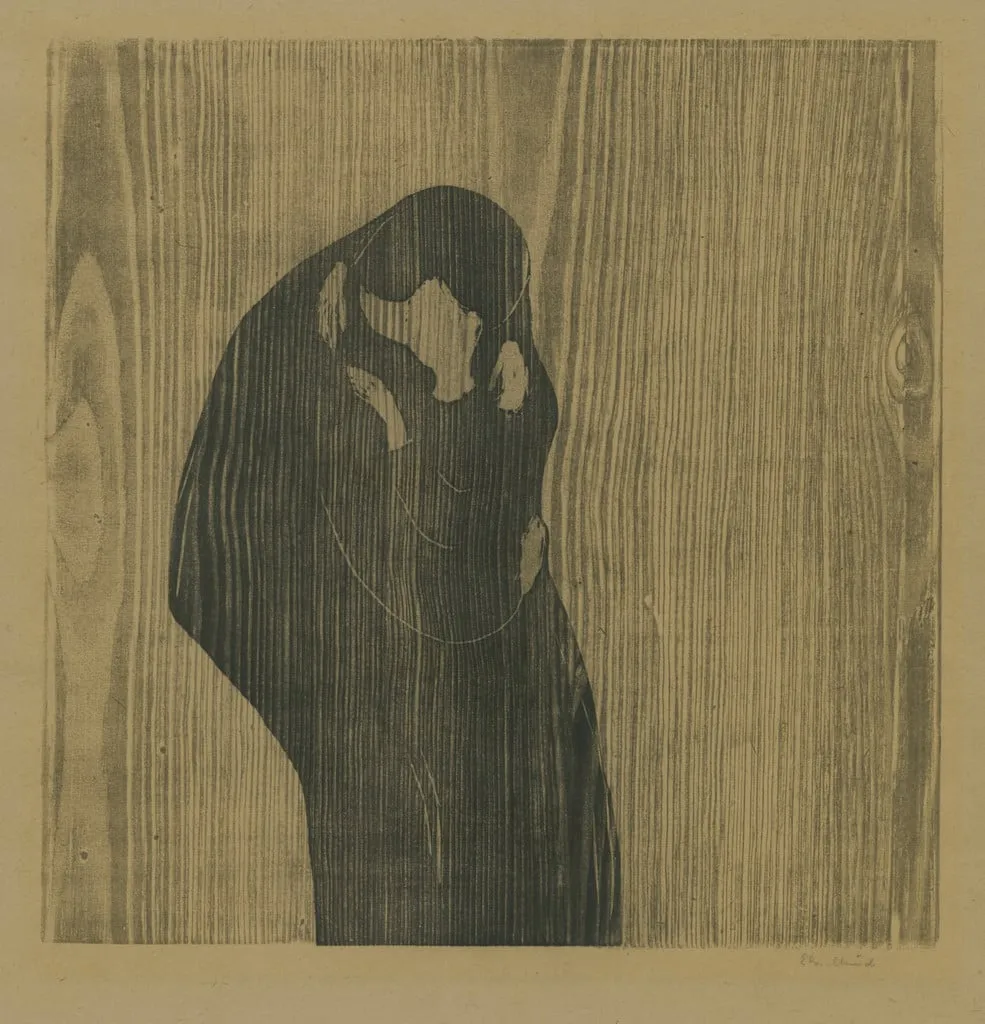
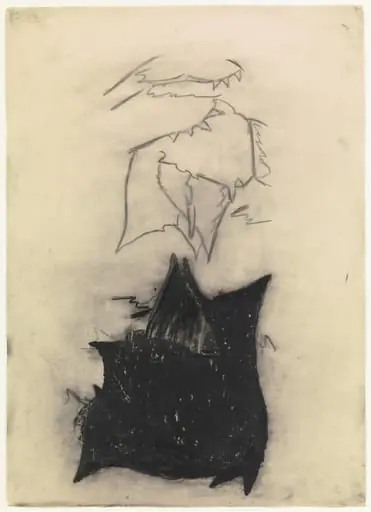
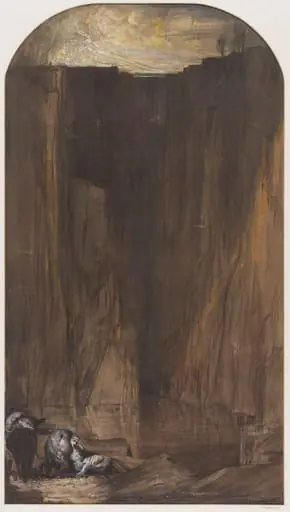
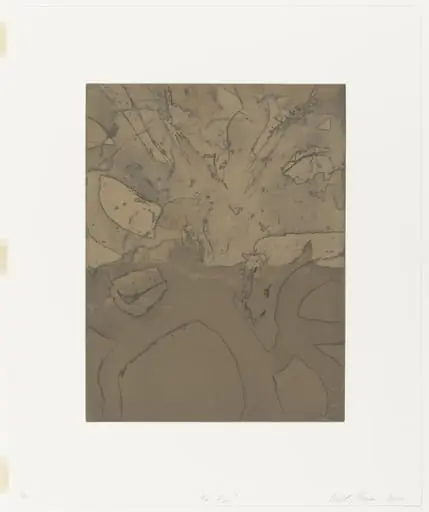
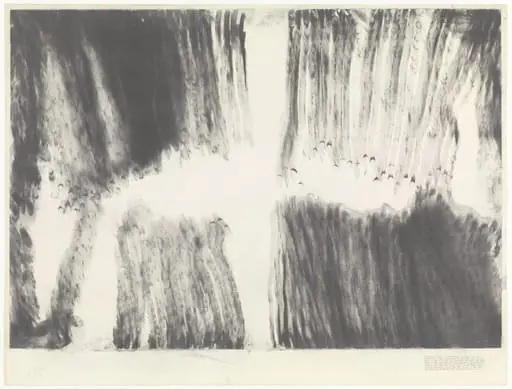
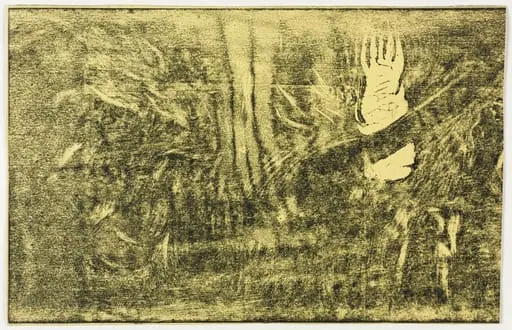
Untitled is an ink print by the Impressionist artist Edvard Munch. It dates from 1900 and is held in the collection of the Museum of Modern Art.
About this work
Overview
Created in 1900, this woodcut by Edvard Munch is one of many prints in which he explored emotional isolation through simplified forms.
Created in 1900, this woodcut by Edvard Munch is one of many prints in which he explored emotional isolation through simplified forms. Unlike his painted works, this piece relies on the stark contrast and grain of carved wood to convey tension. Munch, trained in Oslo and immersed in Nordic bohemian circles, used printmaking as a direct medium to express psychological states, often distilling complex feelings into minimal visual elements.
Subject & Meaning
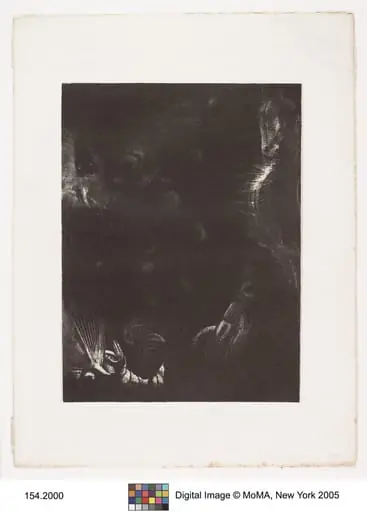
The figure, cloaked and hooded, stands motionless in an ambiguous space, face obscured and hands clasping an indeterminate object. The anonymity suggests a universal sense of alienation rather than a specific individual. The heavy coat and concealed identity imply withdrawal, while the vertical lines behind evoke an oppressive atmosphere, possibly rain, wind, or emotional turbulence, reinforcing a mood of solitude and internal strain.
Technique & Style
Munch employed a woodcut technique that emphasized bold, angular lines and deep black shadows, exploiting the natural grain of the wood for texture. The composition reduces form to essential shapes, eliminating detail to heighten emotional impact. The rough, uneven edges and stark contrasts reflect the medium’s physicality, lending the image a sense of immediacy and unrest, characteristic of his printmaking approach.
History & Provenance
This print was made during a period when Munch was actively producing woodcuts, often in collaboration with printers in Berlin and Oslo. It was not titled by the artist, consistent with his practice of leaving many works unnamed to preserve ambiguity. The piece circulated among collectors and institutions in Northern Europe, primarily through his exhibitions in the early 1900s, though its exact early ownership remains undocumented.
Context
In the late 19th and early 20th centuries, Scandinavian artists increasingly turned to printmaking as a means to challenge academic traditions. Munch’s woodcuts emerged alongside Symbolist and Expressionist movements, sharing an interest in inner experience over external realism. His work resonated with contemporaries exploring psychological depth, distancing itself from naturalism in favor of emotional authenticity.
Legacy
This untitled woodcut exemplifies Munch’s influence on modern printmaking, demonstrating how simple, raw techniques could convey profound psychological states. It contributed to the broader acceptance of prints as serious artistic expressions, not merely reproductions. Later artists, particularly in German Expressionism, drew from his use of texture and emotional compression, cementing his role in redefining the medium’s expressive potential.
Artist & collection
Artist
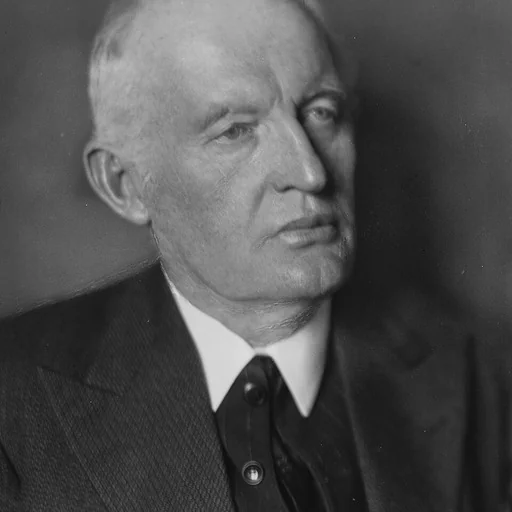
Edvard Munch ( MUUNK; Norwegian:; 12 December 1863 – 23 January 1944) was a Norwegian painter.